
The Evolution of Presence: A Chronological Overview
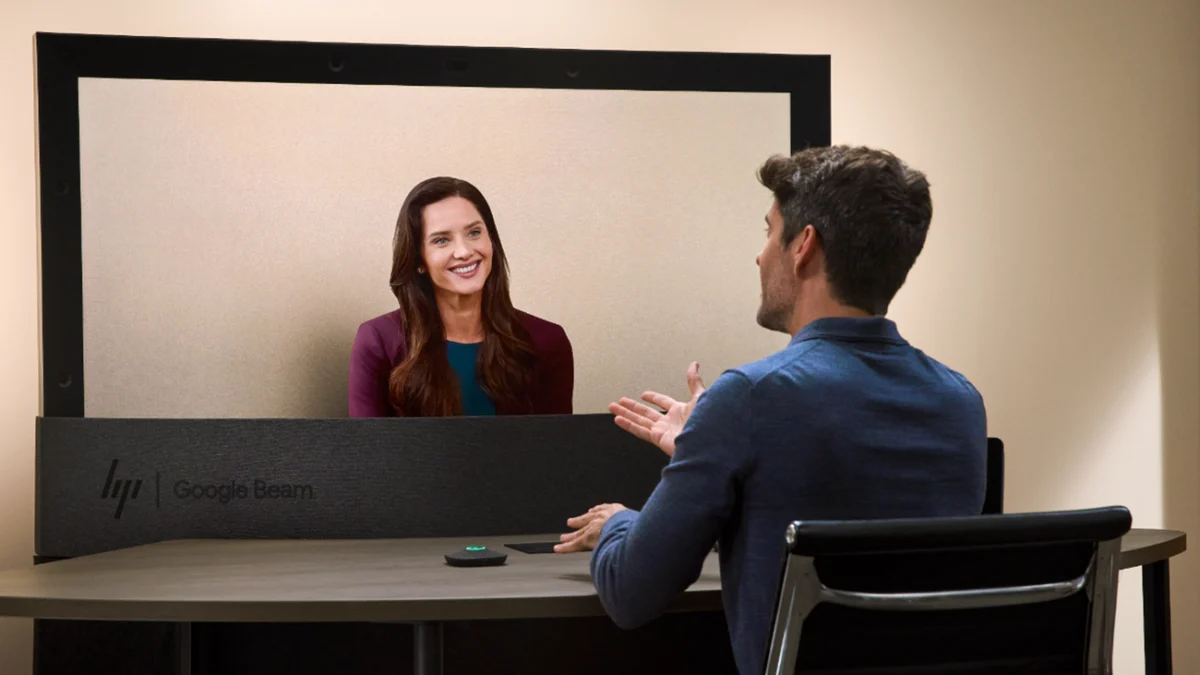
The development of Google Beam follows a structured trajectory that reflects the company’s broader pivot toward immersive collaboration tools. Initially conceived within Google’s experimental labs, the project sought to solve the "flatness" of traditional video conferencing, where body language, eye contact, and non-verbal cues are often lost.
Following a successful pilot phase involving Google’s internal teams, the company began integrating its software with hardware partners to create a cohesive ecosystem. The launch of "HP Dimension with Google Beam" served as the primary vehicle for this technology, marrying high-end display hardware with Google’s proprietary connection software. By early 2024, the focus shifted from internal efficacy studies to external enterprise deployments. The announcement of this expansion—covering the United States, Canada, the United Kingdom, France, Germany, and Japan—signals that the platform has reached a level of technical maturity required for global regulatory and infrastructure standards.
Data-Driven Validation: Measuring Human Connection
Google’s internal research provides the most compelling evidence for the efficacy of the Beam platform. In a comprehensive eight-week study conducted earlier this year, the company tracked key performance indicators across various departments, including recruiting, HR, and project management.
The metrics revealed a statistically significant improvement in communication quality. Participants reported a 50% increase in the sense of connection to their counterparts, a 33% improvement in clarity regarding feedback, and, perhaps most notably, a 21% reduction in the necessity for follow-up meetings. These figures suggest that the "copresence" afforded by the technology effectively mitigates the common friction points of remote work—namely, the ambiguity of tone and the fragmentation of information flow.
By reducing the need for follow-up sessions, the tool not only improves human connection but also drives operational efficiency, a metric that is likely to resonate with corporate IT departments and executive leadership teams seeking to optimize workflows in hybrid models.
Strategic Partnerships and the Industrious Collaboration
A key pillar of the expansion strategy is the partnership with Industrious, a global operator of flexible workspace solutions. This collaboration addresses a critical barrier to entry for smaller organizations: the capital expenditure required to install dedicated hardware in individual offices.
By launching the first-ever "Beam extended network" within Industrious locations, Google is effectively democratizing access to the technology. Starting in October, organizations of all sizes—ranging from early-stage startups to multinational corporations—can reserve space at select Industrious sites in major hubs like New York, Chicago, Atlanta, and Palo Alto. This "hardware-as-a-service" approach allows businesses to trial the technology in high-stakes scenarios, such as client consultations, executive interviews, or sensitive negotiations, without the long-term commitment of a full hardware rollout.
The choice of Industrious as a launch partner is strategic. By placing Beam units in professional, high-traffic flexible office environments, Google is positioning the technology as a standard tool for the professional class, rather than a luxury item reserved solely for Silicon Valley headquarters.
Industry Feedback and Professional Use Cases
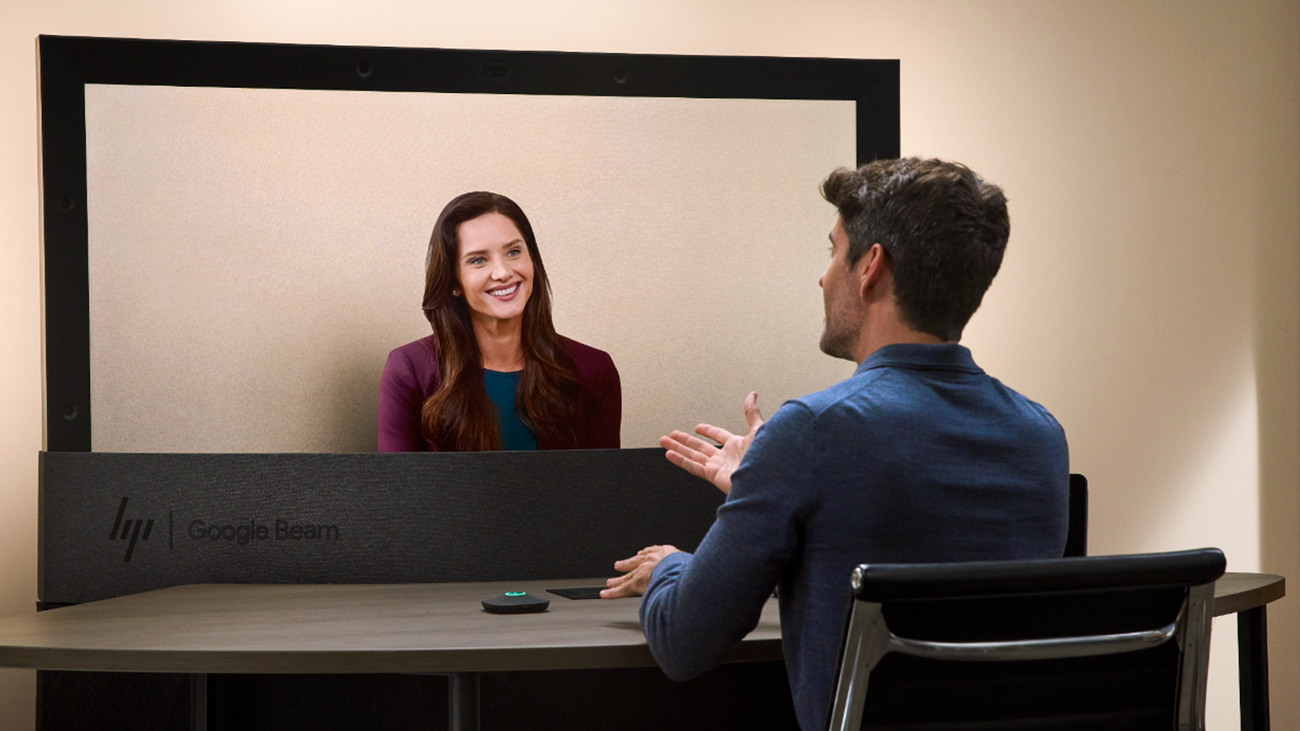
The adoption of Google Beam by major firms like Bain & Company, Netflix, and Capital Group serves as a bellwether for its broader market potential. Keith Bevans, an Executive Vice President and Partner at Bain & Company, noted the specific value the technology brings to talent acquisition. According to Bevans, the ability to assess candidates through a medium that preserves eye contact and micro-expressions is vital for evaluating soft skills—attributes that are notoriously difficult to gauge via standard video calls.
For firms like Bain, the ability to replicate the "in-person" feel of an interview from across the globe is not just a convenience; it is a competitive advantage. It allows for a wider talent pool reach without the logistical and financial burdens associated with extensive executive travel. This sentiment is echoed across the industry, as companies struggle to maintain firm culture and mentorship standards in environments where employees rarely occupy the same physical space.
Technological Implications and Market Outlook
The integration of Google Beam with both Google Meet and Zoom is a critical differentiator. By remaining platform-agnostic at the software level, Google is ensuring that the hardware remains relevant regardless of a firm’s existing enterprise software stack. This interoperability is likely to accelerate adoption rates, as IT managers often cite "platform lock-in" as a primary reason for delaying hardware investments.
From a broader economic perspective, the expansion of immersive collaboration tools like Beam represents a maturation of the "Work from Anywhere" era. While the immediate post-pandemic period was defined by the rapid adoption of simple, screen-based communication, the current phase is focused on the qualitative restoration of professional interaction.
However, the technology does face challenges. The primary obstacle remains the cost of hardware and the requirement for stable, high-bandwidth infrastructure to support the low-latency transmission of high-fidelity video and audio. Furthermore, while the data suggests that users feel more connected, the long-term psychological impacts of mediated "copresence" remain a subject of ongoing academic and corporate research.
Future Trajectory
As Google continues to grow its ecosystem of 18 channel partners, the emphasis will likely shift toward further reducing the barrier to entry. The current rollout serves as a proof-of-concept for a global, on-demand infrastructure of immersive meeting spaces.
For the modern enterprise, the stakes are clear. Companies that can bridge the geographic divide while maintaining the nuance of human interaction will likely hold an advantage in retention, recruitment, and cross-functional synergy. As more data is gathered from the field and the Industrious pilot program, the industry will be watching to see if the gains observed in Google’s internal tests—such as the 21% reduction in follow-up meetings—hold true across diverse, global corporate environments.
For now, the expansion of Google Beam signals a robust commitment from Google to define the next generation of professional interaction. By combining proprietary software with a strategic hardware network, the company is attempting to redefine what "remote" actually means, moving away from the limitations of the computer screen and toward a more fluid, integrated experience of human connection.

