
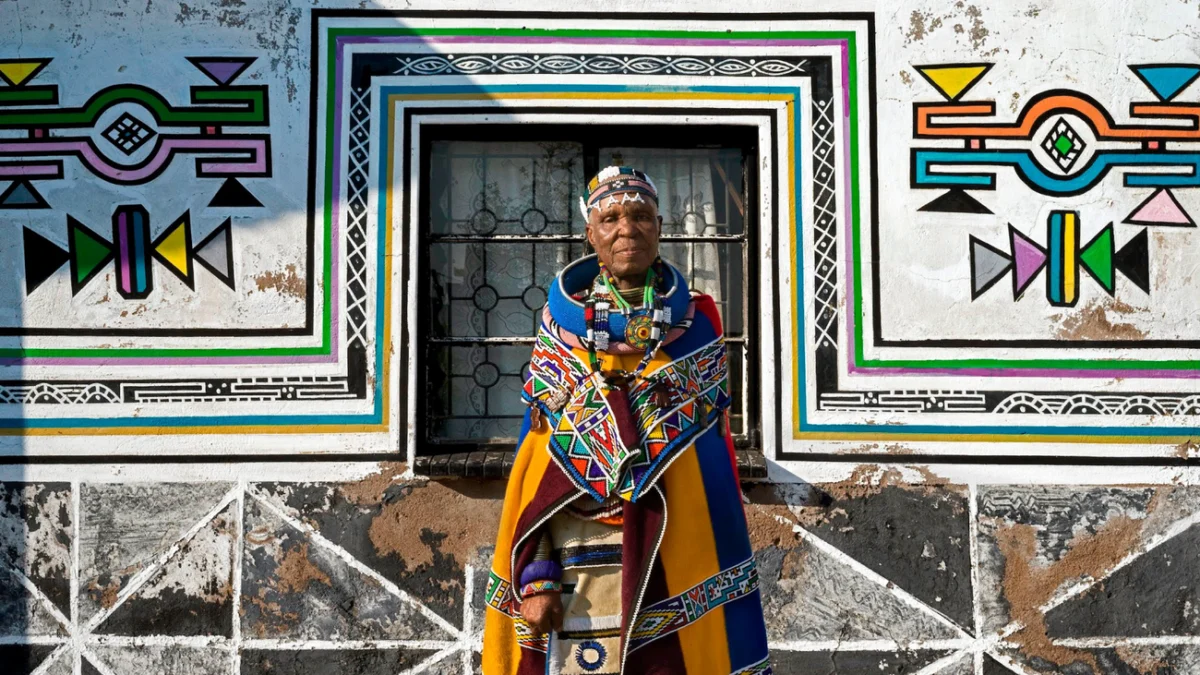
The cultural landscape of South Africa and the global contemporary art scene reached a milestone this month as Google Arts & Culture unveiled the first comprehensive online retrospective dedicated to the legendary Ndebele artist Dr. Esther Mahlangu. Launched to coincide with her 91st birthday, the digital exhibition serves as a profound archival intervention, preserving the visual language of the Ndebele people while leveraging cutting-edge artificial intelligence to fill gaps in the artist’s early life history. The project, titled "Then I Knew I Was Good at Painting: Esther Mahlangu, a Retrospective," represents a multi-year collaborative effort between historians, technologists, and global cultural institutions to ensure the longevity of a career that has spanned over eight decades.
A Life in Patterns: The Evolution of a Master
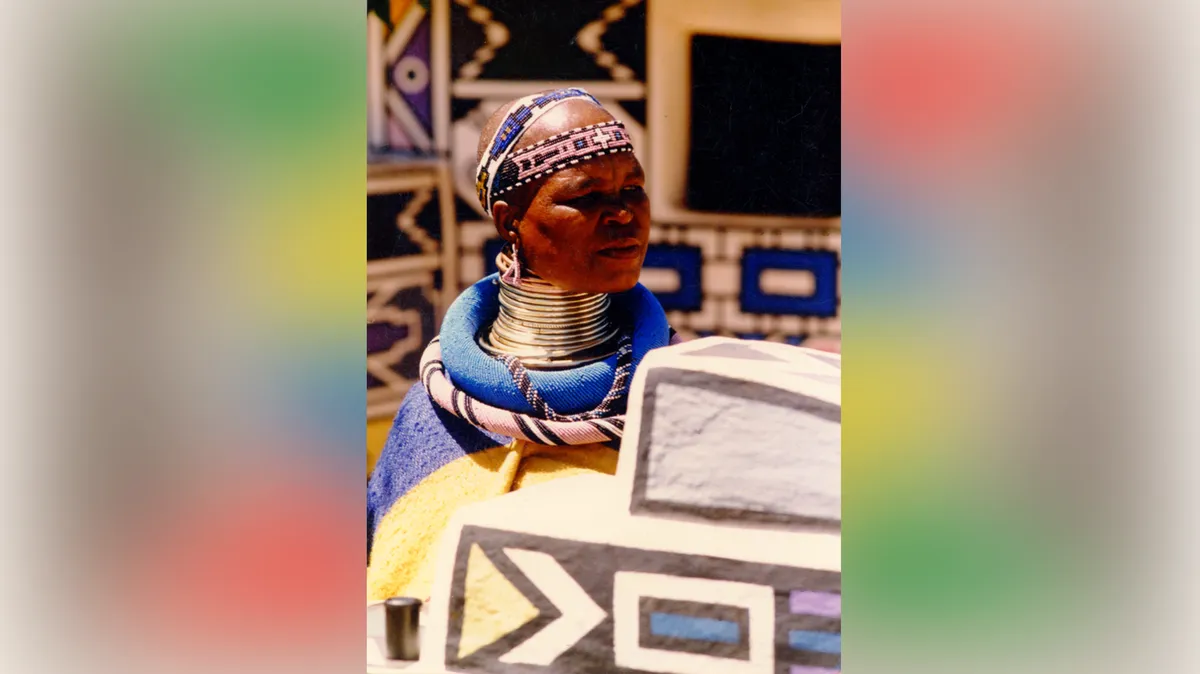
Born in 1935 in Mpumalanga, South Africa, Dr. Esther Mahlangu began her artistic journey at the age of 10. Under the tutelage of her mother and grandmother, she learned the traditional Ndebele technique of wall painting, which utilizes vibrant, geometric patterns and bold outlines. Unlike the traditional method of using brushes, Mahlangu famously mastered the art of applying pigment using chicken feathers, a technique that allowed for the meticulous precision that has become her hallmark.
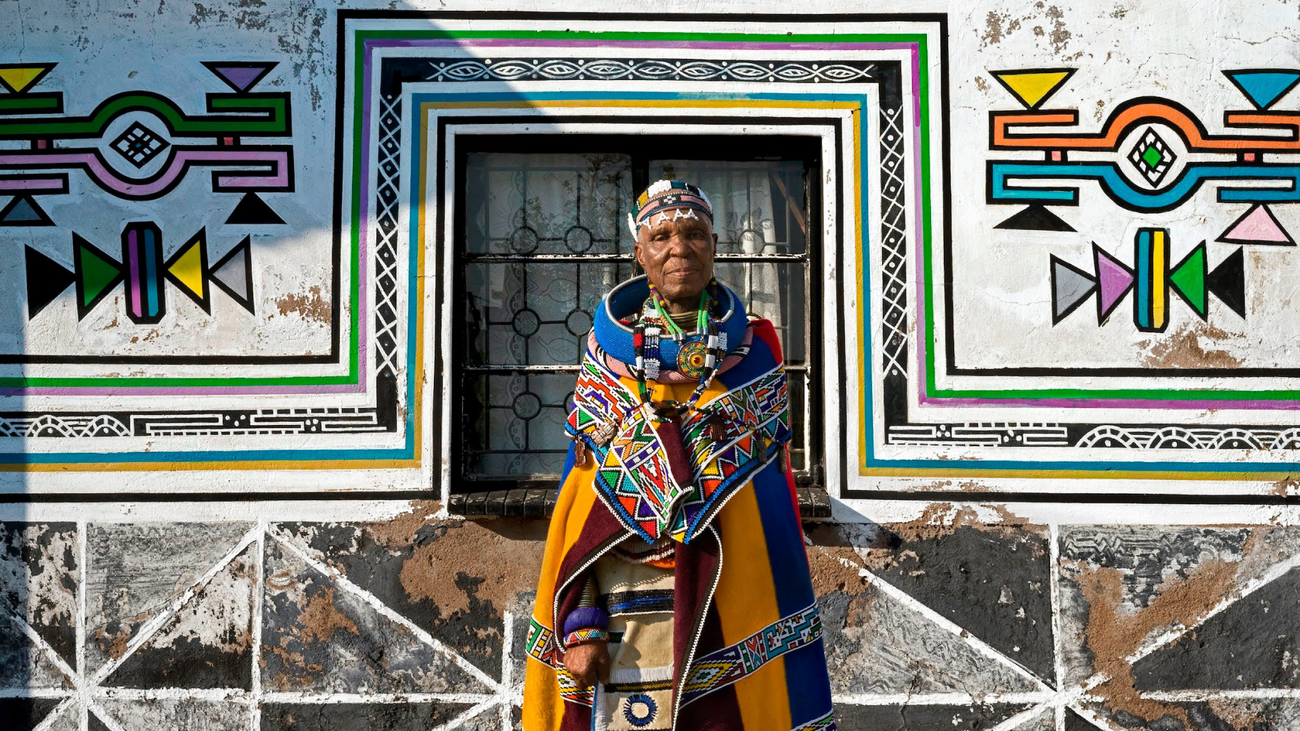
For decades, the Ndebele mural tradition was primarily ephemeral, practiced within the domestic sphere. However, Mahlangu’s decision to translate these traditional motifs onto canvas, automobiles, and large-scale architectural surfaces in the late 1980s propelled her to international fame. In 1991, she became the first woman to collaborate with BMW for their "Art Car" series, painting a 525i sedan in the signature Ndebele style. This moment marked a seismic shift in how traditional African art was perceived by the Western art establishment, positioning Mahlangu as a bridge between ancestral heritage and modern abstraction.
Chronology of an Artistic Journey
The retrospective maps out the trajectory of Mahlangu’s influence through a carefully curated chronology:
- 1945: Mahlangu begins painting at age 10, adopting the foundational techniques of her heritage.
- 1980: The earliest documented professional works appear, marking the beginning of the period currently held in international archives.
- 1991: Global recognition follows her BMW Art Car commission, solidifying her status as a global icon.
- 2000–2010: Expansion into international exhibitions, including the Centre Pompidou and collaborations with major fashion houses and luxury brands.
- 2024–2025: The launch of the Google Arts & Culture retrospective, featuring 45 curated stories and the "Synthetic Memories" AI initiative.
Bridging the Archive: The Role of Artificial Intelligence
One of the most significant challenges identified by Dr. Nontobeko Ntombela, a Senior Lecturer at the Wits School of Arts and the lead curator of this project, was the "archival void" regarding Mahlangu’s life before 1980. Traditional art historical documentation often overlooked the domestic labor of Black women in South Africa, leading to a missing half-century of development in Mahlangu’s practice.
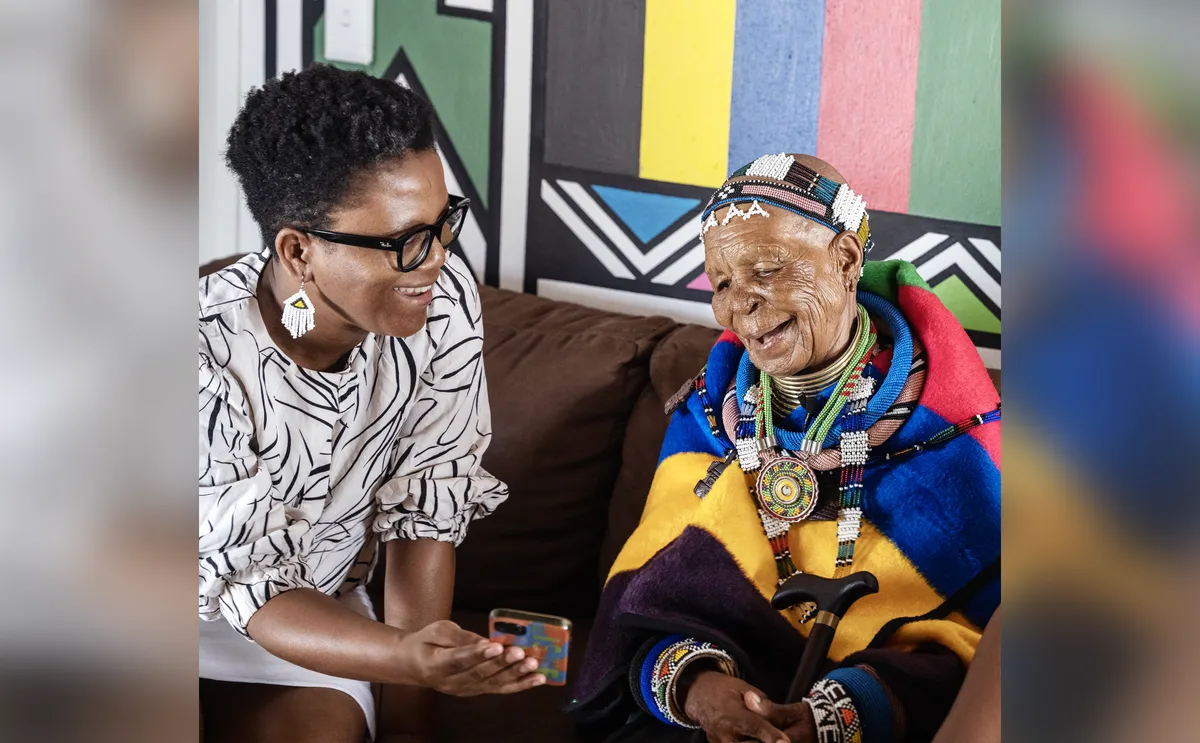
To address this, the project utilized a "Synthetic Memories" methodology. In collaboration with Google DeepMind and the design studio Domestic Data Streamers, researchers conducted extensive interviews with Mahlangu to reconstruct her early childhood experiences. Using the Veo generative video model, the team translated these oral histories into visual representations. This process was not merely an exercise in digital recreation but a collaborative dialogue; as the AI generated images based on her memories, it triggered further recollections from the artist, effectively expanding the historical record in real-time.
Data-Driven Cultural Preservation
The scale of the digital retrospective is substantial. It integrates over 45 individual exhibitions in collaboration with prestigious institutions, including the British Museum, the National Museum of Women in the Arts, the Iziko Museums of South Africa, and the Serpentine Gallery. By digitizing her archives, the project makes high-resolution images of her murals, intimate sketches, and rare photographs available to researchers and the public, irrespective of geography.
Data from the project highlights the importance of accessibility. With over 45 digital stories and interactive Street View tours of her homestead in Mpumalanga, the project aims to demystify the labor-intensive process of Ndebele muralism. The inclusion of technical data on the geometric proportions and color theory inherent in her work provides a scholarly resource for students of African art history.
Institutional and Official Responses
The global cultural community has lauded the project as a benchmark for how technology can support, rather than replace, traditional scholarship. Amit Sood, Vice President of Google Arts & Culture, emphasized the ethical imperatives of the initiative: "We’re honored to help celebrate Dr. Esther Mahlangu’s legacy by making her work globally accessible online, offering younger generations everywhere the chance to explore Ndebele heritage and be inspired by her pioneering vision."
Dr. Mahlangu herself has expressed gratitude for the preservation of her cultural contributions. In a statement accompanying the launch, she remarked, "Thank you to Google Arts & Culture for sharing my story, artwork, and the culture of the Ndebele nation with the world. It has always been my wish to ensure that the art and culture of my Nation lives on for those who follow."
Implications for Global Contemporary Art
The significance of this retrospective extends beyond the celebration of a single artist. It serves as a case study for the "decolonization of the archive." By acknowledging the limitations of Western institutional archives and utilizing local knowledge—and the artist’s own voice—to fill those gaps, the project sets a precedent for how museums and digital platforms should interact with non-Western art histories.
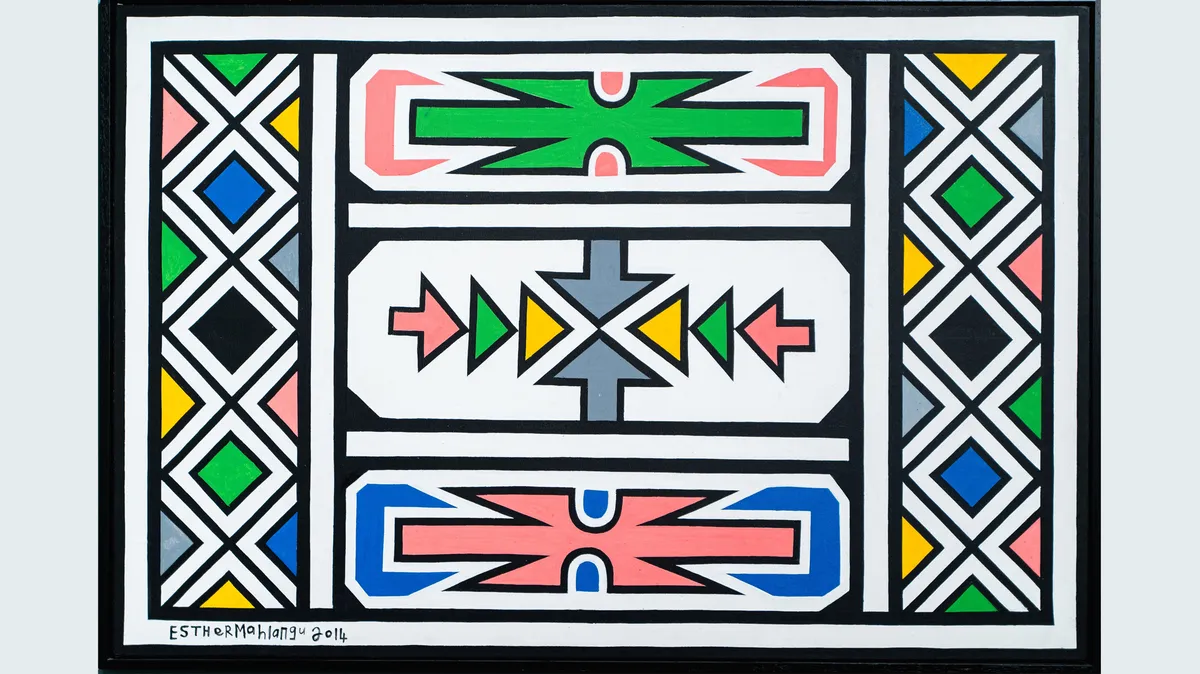
Furthermore, the project highlights the transition of Ndebele art from a localized, gendered craft to a recognized pillar of global abstract modernism. The analysis of Mahlangu’s work within the retrospective demonstrates that her geometric precision parallels the works of European masters like Piet Mondrian or Sonia Delaunay, yet her work remains rooted in a specific social and historical context—the struggle and resilience of the Ndebele people.
As contemporary art continues to move toward more inclusive and digital-first interpretations, the Mahlangu retrospective acts as a safeguard. It ensures that the "master narrative" of art history is sufficiently expanded to include the voices of those who were previously confined to the margins of the canon. For younger generations of South African artists, this digital collection provides a vital touchstone—a proof point that indigenous knowledge systems are not only relevant but essential to the future of global aesthetics.
The impact of this project will likely be felt in the coming years as academic interest in African contemporary art continues to rise. By providing a centralized, high-quality, and peer-reviewed digital space, Google has effectively lowered the barrier to entry for international curators, researchers, and art enthusiasts. As the physical murals naturally weather and erode over time, the digital twin of the Mahlangu homestead and her collected works will remain a permanent, immutable record of her genius.
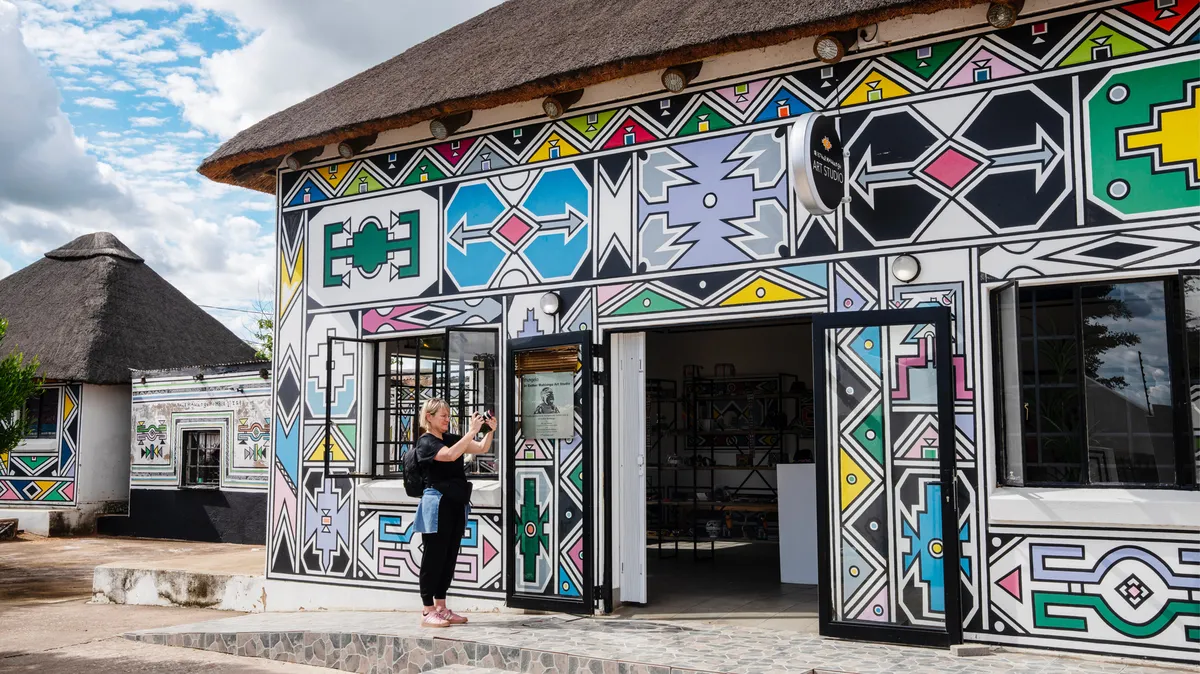
In conclusion, the retrospective is more than an online gallery; it is a technological monument. It reconciles the personal history of a woman who painted with feathers in the dust of a rural village with the global digital infrastructure of the 21st century. It invites the world to see not just the patterns, but the person, the history, and the enduring resilience of the Ndebele spirit. The project is currently live and accessible to the public, marking a new chapter in the documentation of African artistic excellence.

