
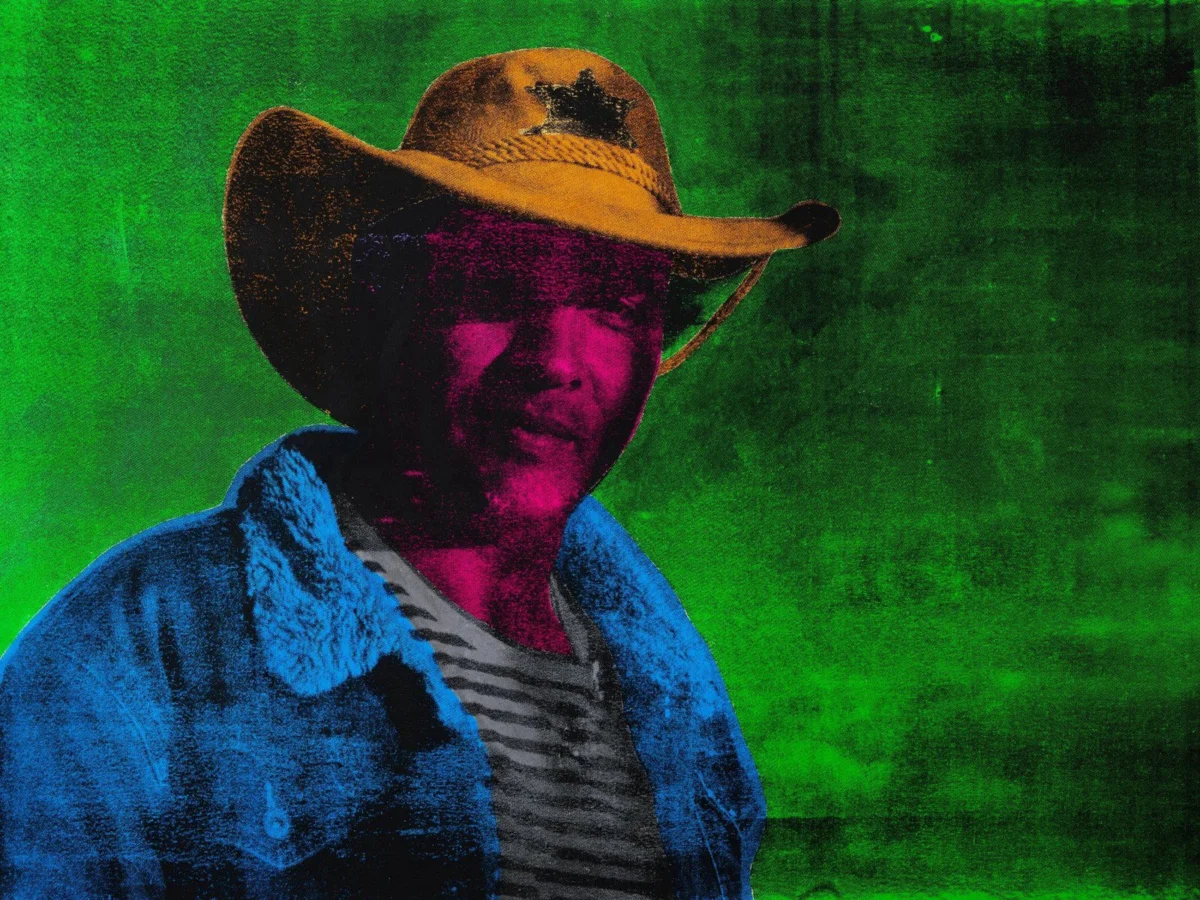
This ambitious exhibition, titled Enter Through the Thrift Shop and co-curated by Aversano and Viktoria Nagibina, represents a departure from the traditional gallery-represented model of contemporary art. By seizing control of an entire 19th-century building, Aversano has constructed a multi-sensory environment that serves as both a physical gallery and a temporal archive. The exhibition, which opened on November 11, serves as the culmination of a year-long global odyssey that saw the artist filming a unique portrait every single day across all seven continents.
The Genesis of a Global Portraiture Project
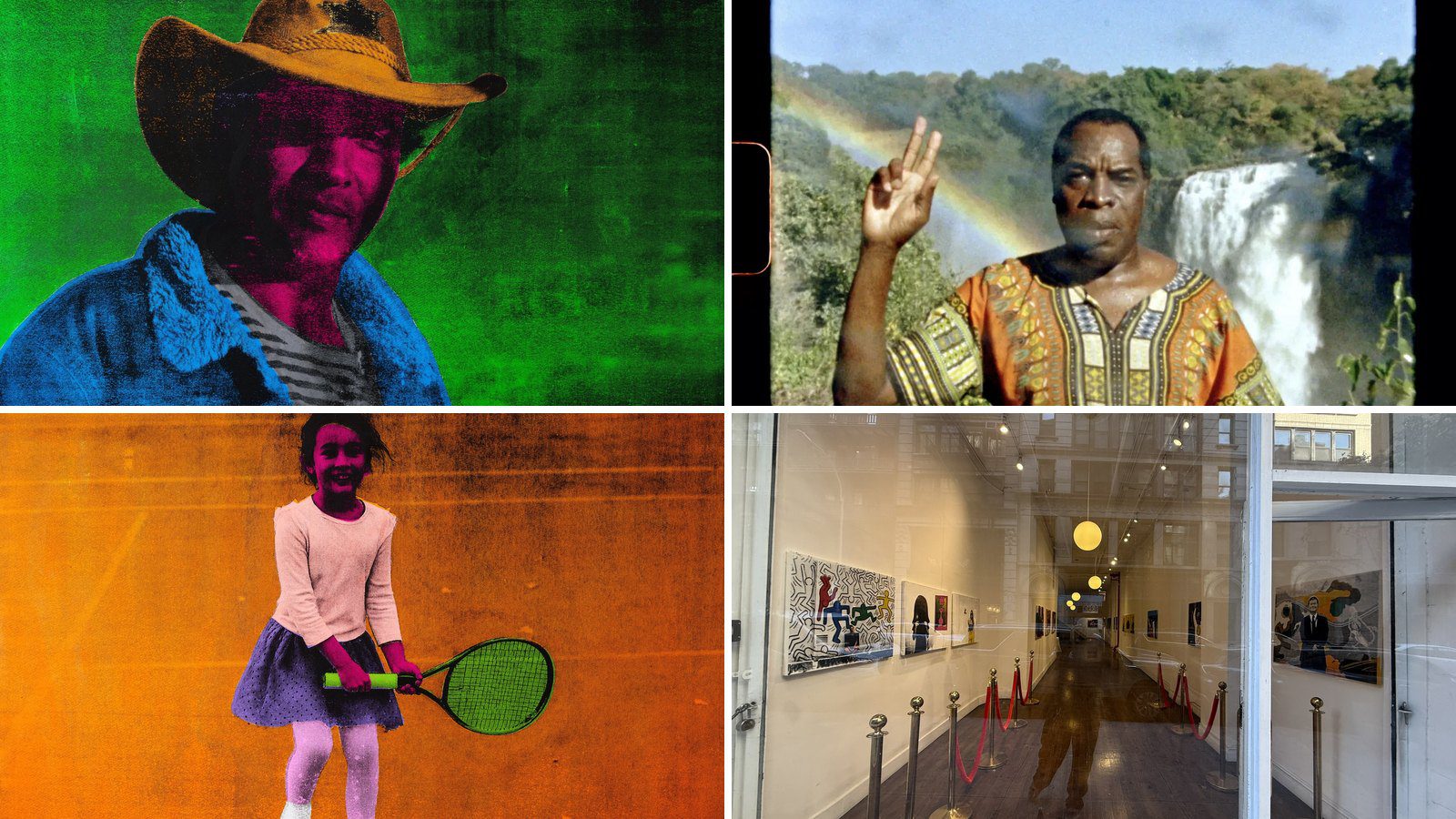
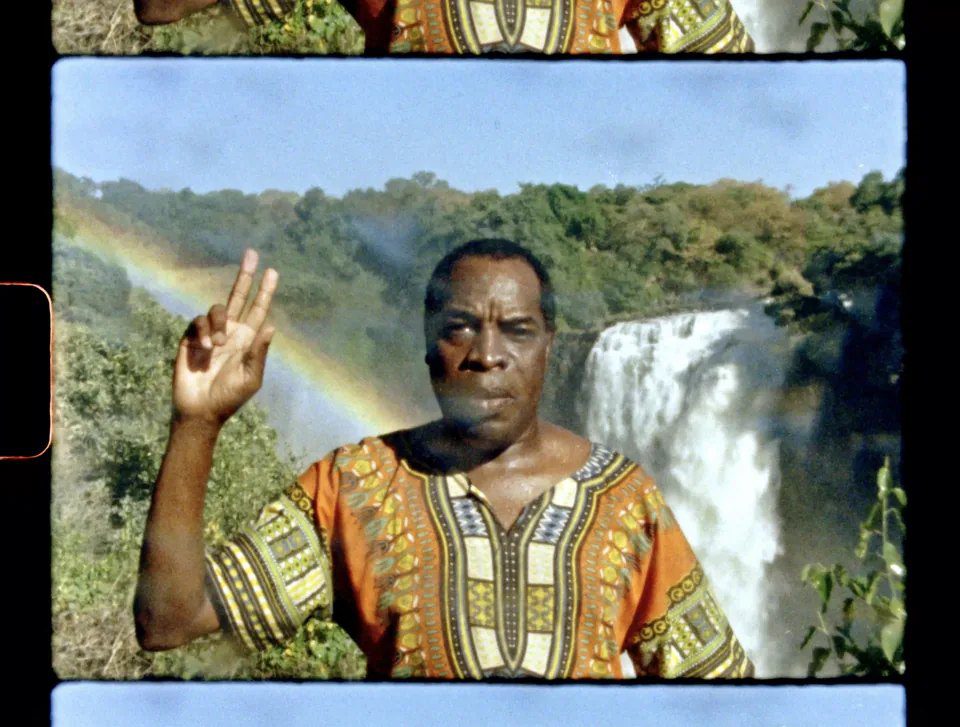
The scale of the project is anchored in a rigorous, self-imposed set of rules. Between April 8, 2023, and April 7, 2024, Aversano committed to capturing a ten-second Super 8 film clip of a different individual in a different city every day. This daily ritual, intended to serve as a “cinematic portrait of humanity,” mirrors the archival ambition of historical projects like Edward Steichen’s 1955 exhibition, The Family of Man, and the cross-cultural reach of the Voyager Golden Record.
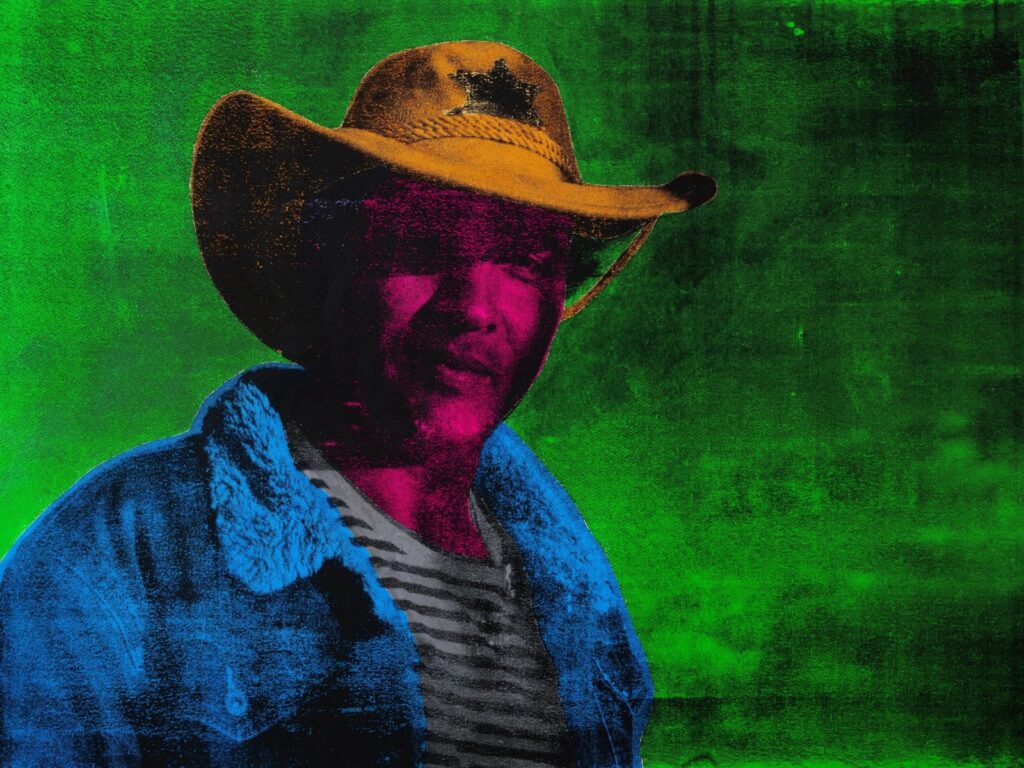
The transition from film to canvas was a meticulous process. Each of the 366 paintings on display began with a singular frame extracted from the daily footage. This frame was then fed into a generative AI model—a process the artist describes as “a machine’s reading of a memory”—before being painstakingly translated onto canvas by hand. The physical application of paint, layered and finished with a distinct black silkscreen, introduces a tactile element that bridges the gap between digital processing and human craftsmanship. The variations in the silkscreen printing are preserved as intentional artifacts, ensuring that each of the 366 works remains unique.
The Architectural Narrative of 60–62 East 11th Street
The venue itself is as much a participant in the narrative as the artwork. Designed by architect Louis Korn in 1895, the building originally served as the headquarters for the Scovill & Adams Company, a pivotal firm in the history of American photography. The space previously housed editorial offices, darkrooms, and a north-facing rooftop skylight designed for the specific purpose of capturing natural light for photographic experiments.
Aversano and Nagibina, who established their studio in the building in June 2026, discovered this rich photographic lineage only after committing to the lease. The exhibition layout is chronologically and conceptually layered: the journey begins on the lower floors representing “The Past,” moves through the “Present” in the building’s mid-section, and concludes with “The Future” on the upper levels.
The integration of Bijan Royal Antiques, a working shop operating on the ground floor since 1965, provides a literal and metaphorical threshold for the visitor. By requiring guests to pass through a functioning, historic antique store, Aversano forces a collision between the curated, static history of the past and the dynamic, digitally-integrated art of the present.
Augmented Reality and the Loop of Memory
A central feature of the exhibition is the integration of augmented reality (AR) to collapse the distance between the physical canvas and the original source material. Visitors are encouraged to use their personal mobile devices to scan the paintings. Upon doing so, a custom AR application—developed using Claude Code—animates the painting, revealing the original ten-second Super 8 clip from which it was derived.
The auditory experience is equally curated. Each portrait is paired with an AI-generated audio track trained on Aversano’s own voice, which performs the journal entries written at the time of the initial filming. These entries were revisited and annotated a year later, creating a dialogue between the artist’s immediate impression and his subsequent reflection. This loop—from analog film to digital synthesis, back to physical canvas, and finally to interactive screen—proposes a new methodology for how digital-native art can exist within a physical space.
Economic Strategy and the Rejection of “Flipper” Culture
Perhaps the most disruptive aspect of Moments of the Unknown is its sales strategy. In an era where digital art is frequently associated with rapid-fire, speculative minting cycles, Aversano has adopted a counter-intuitive approach. Only 10% of the 366 paintings were made available via the project’s website at a fixed price of 1.111 ETH.
The vast majority of the inventory is reserved for visitors who physically attend the exhibition. This strategy functions as a mechanism for community building, ensuring that collectors are vetted and aligned with the long-term vision of the project. By prioritizing in-person engagement over immediate online liquidity, Aversano is attempting to bypass the volatility of the 2021-era NFT market, opting instead for a model of “slow acquisition.”
The exhibition is entirely self-funded, a testament to the artist’s reinvestment of previous earnings and the support of a dedicated network of patrons. This model draws clear parallels to recent initiatives by figures like Dave Krugman, who have utilized physical New York spaces to build localized, high-intent collector bases. It reflects a broader shift within the digital art community: the realization that the long-term value of an asset is tied to the strength of the social and physical infrastructure surrounding it.
Institutional Context and Broader Implications
The timing of this exhibition is significant within the wider context of New York’s digital art ecosystem. Moments of the Unknown runs concurrently with the lead-up to the Whitney Museum’s artport: A History of Internet Art, which opens on November 21. While the Whitney’s exhibition provides a historical overview of how the internet has influenced artistic practice, Aversano’s project acts as an empirical study of the current moment, where the boundaries between “online” and “offline” have become virtually indistinguishable.
The project also provides a meaningful counterpoint to other contemporary efforts to translate screen-native imagery into physical mediums. Whereas some artists focus on the material texture of the output—such as the transformation of pixel art into woven rugs—Aversano insists that the screen remain an essential, albeit secondary, layer of the experience. The painting is the object, but the film is the truth; by requiring the viewer to hold a phone to the canvas, the artist forces the physical and the digital to coexist in the viewer’s hand.
Accessibility and Logistics
For those interested in viewing the collection, private visits can be scheduled directly through the artist. The exhibition remains open to the public through November 26, 2026. Because the building functions as a living archive, visitors are encouraged to allocate significant time to move through the seven floors, allowing for the immersive experience of the film trilogy at the heart of the installation.
The legacy of this project will likely be defined by its refusal to conform to the traditional gallery-museum-auction house pipeline. By internalizing the entire lifecycle of the art—from production and exhibition to curation and sales—Aversano has demonstrated a viable, albeit labor-intensive, blueprint for the future of independent artistic practice. Whether this model can be scaled remains to be seen, but for the duration of the show in Greenwich Village, it stands as one of the most rigorous examinations of memory, technology, and human connection currently on view in New York.

