The intersection of digital finance and physical collectibles has reached a new threshold with the launch of "Packed," a platform integrated with Coinbase that digitizes the age-old hobby of trading card "ripping." By allowing users to purchase virtual packs, initiate digital unboxing sequences, and claim ownership of physical cards, the exchange is attempting to bridge the gap between high-frequency crypto trading and the tactile, long-standing tradition of hobbyist card collecting. This initiative, while framed as a bridge between Web3 and physical assets, signals a broader pivot by major financial platforms toward "collectible culture" as a means of increasing user retention and diversifying transaction utility.
The Mechanics of the Packed Ecosystem
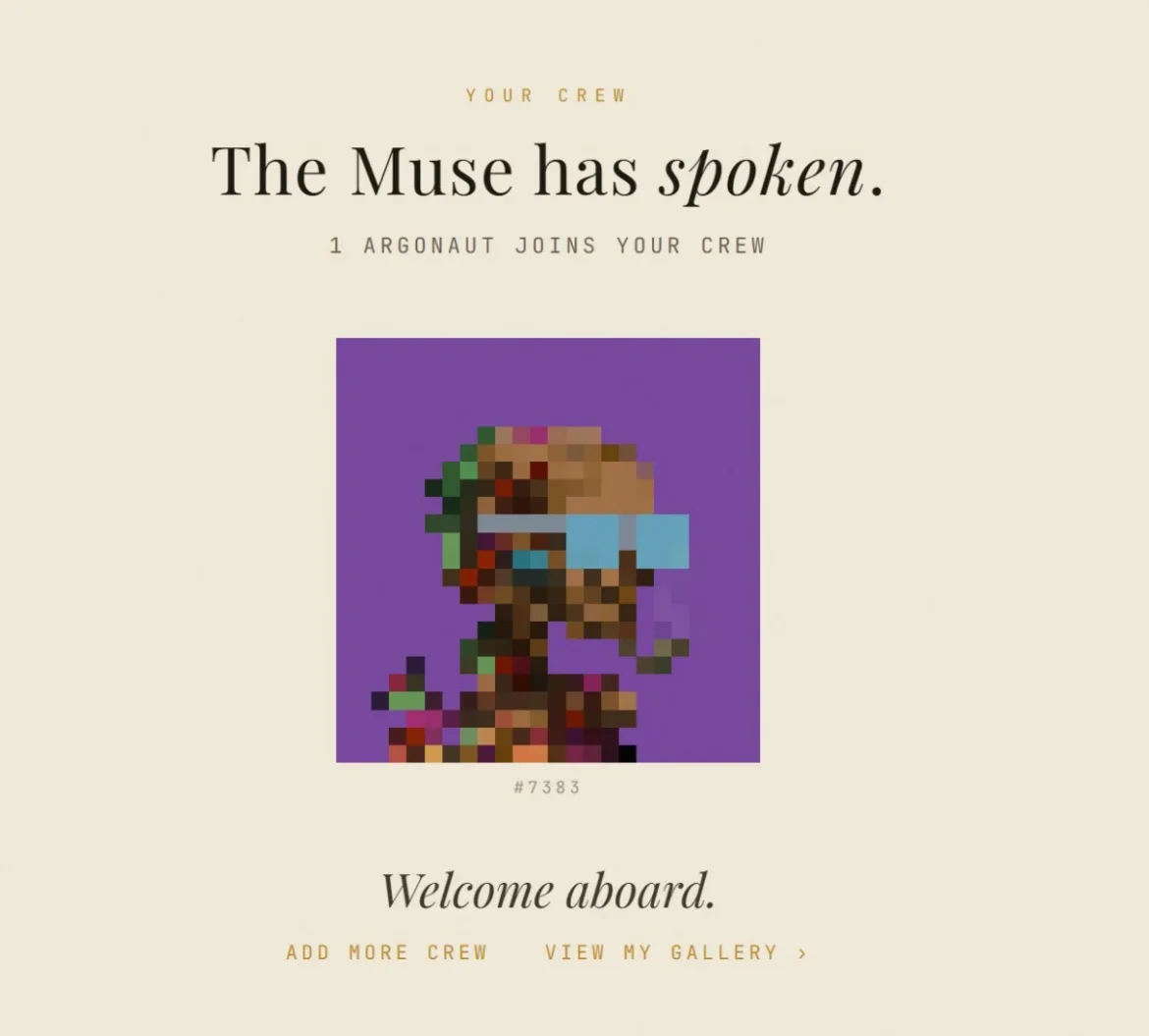
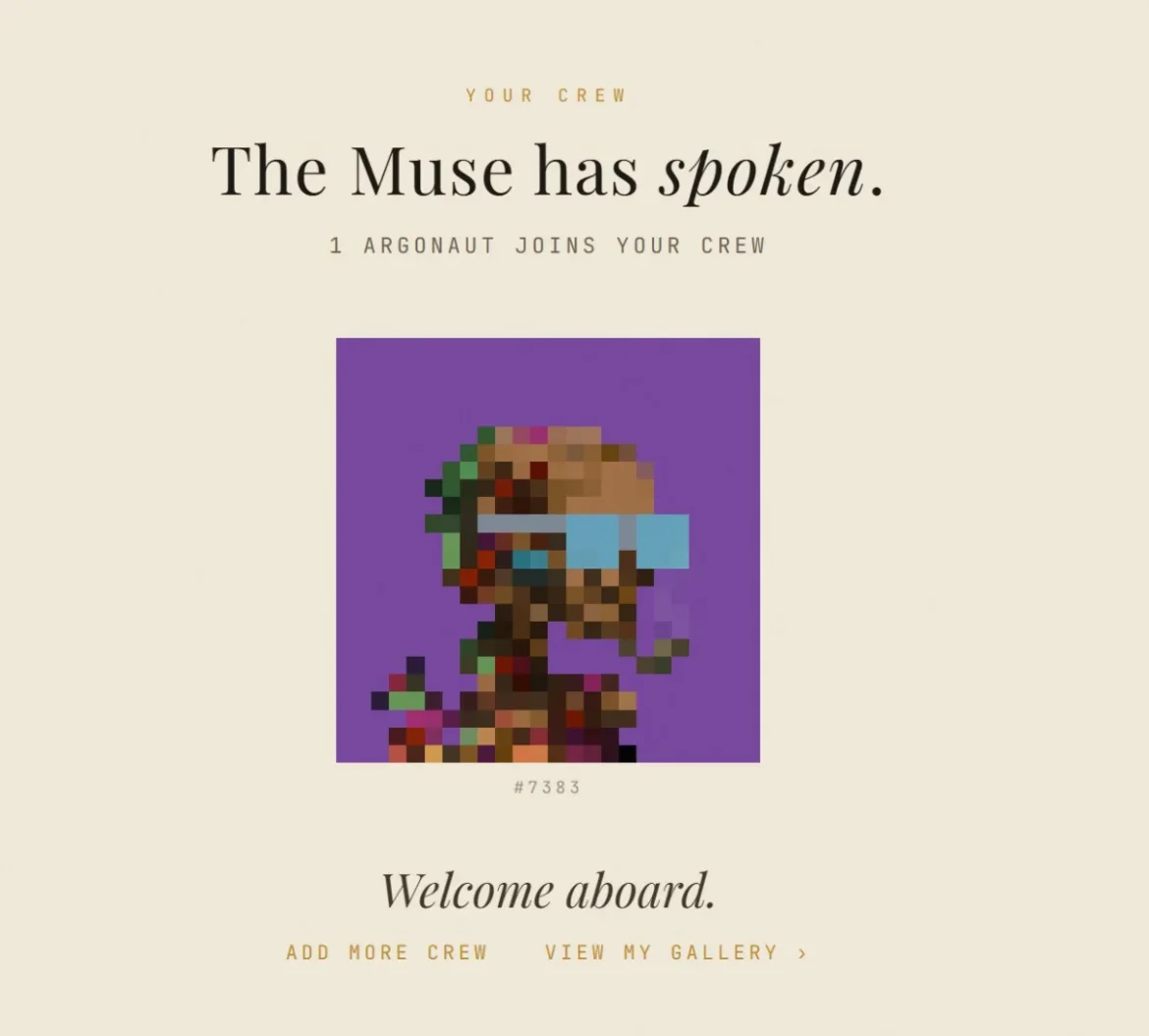
At its core, Packed functions as a hybrid gateway. Users engage with the platform via mobile devices to purchase digital representations of card packs. Once purchased, the "rip" occurs—a digital animation that mimics the physical act of tearing open a foil or cardboard package to reveal the contents. The innovation lies in the backend logistics: the card pulled during the digital sequence is not merely a JPEG or a metadata string, but a physical item housed in a secure, third-party vault.
Users are presented with three primary options upon pulling a card: they may keep the item in the platform’s vault, list it for resale at a platform-determined fair market value (FMV), or initiate a shipping request to have the physical card delivered to their residence. This process requires a mandatory Identity Verification (KYC) step, aligning the hobby with the regulatory frameworks typical of major financial exchanges.
Chronology and Market Context
The move into physical card integration follows years of experimentation with Non-Fungible Tokens (NFTs) by major crypto exchanges. Since the 2021 NFT bull market, platforms like Coinbase have sought to move beyond speculative digital assets toward utility-driven collectibles.
- 2021-2022: The "NFT Winter" saw a decline in interest for purely digital, generative art projects. Exchanges began searching for more durable asset classes that could provide intrinsic value.
- Early 2024: Coinbase signaled a renewed focus on "consumer-facing" crypto applications, moving away from pure trading infrastructure toward lifestyle and hobbyist integrations.
- Late 2024: The launch of playpacked.com formalized the entry into the physical trading card space, a market currently estimated to be worth over $10 billion globally, with significant growth in the "rip and ship" streaming culture on platforms like Whatnot and eBay.
The Theater of the Rip: Why Digital Matters
The "rip" has always been more than a transaction; it is a performance. Historically, card collectors gathered in hobby shops to share the dopamine rush of finding a "grail"—a high-value or rare card. In the digital age, this social ritual has moved to platforms like Discord, Twitch, and YouTube. By integrating this experience into a mobile app, Coinbase is commodifying the "reveal" moment.
However, industry analysts note that this is a significant departure from the decentralized ethos of earlier Web3 projects. While traditional NFT projects emphasize self-custody and immutable ownership on a blockchain, Packed relies on centralized vaulting and proprietary FMV calculations. This structure effectively turns the digital app into a controlled marketplace, or "walled garden," where the platform dictates liquidity, pricing, and storage parameters.
Data and Regulatory Implications
For the serious collector, the appeal of Packed is tempered by the complexities of the platform’s terms and conditions. Unlike a decentralized exchange, where pricing is determined by order books, Packed’s FMV is an internal metric. The platform reserves the right to set these prices, which may diverge from the "real-world" prices found on secondary market sites like PSA, Beckett, or eBay.
Furthermore, the "vaulting" model presents an inventory management challenge. Users who treat these digital pulls as long-term investments must account for:
- Vault Limits: The platform imposes caps on how long items can remain in storage before shipping or liquidation is required.
- Liquidity Windows: Buyback windows are not infinite. A user’s ability to "sell back" to the platform depends on the current operational parameters defined by the company.
- Condition Uncertainty: The FAQ clarifies that not all cards are graded. Collectors should assume raw, ungraded conditions unless specified otherwise, which introduces a significant variable in valuation compared to professionally slabbed (graded) collectibles.
Collector-First Perspectives and Infrastructure
The introduction of Packed has sparked a divide in the collecting community. On one side, proponents argue that the frictionless mobile experience brings in a new demographic of collectors who might find the traditional grading and shipping process intimidating. On the other, purists and data-focused analysts—such as those at Card Core—have cautioned against conflating "gambling-style" pack ripping with genuine asset management.
"Inventory literacy" has become the new buzzword in this space. Because platforms like Packed optimize for user throughput and engagement, they do not necessarily prioritize the long-term archival needs of the collector. Tools like digital binders are being developed by third parties to provide a "system of record" that exists independently of the platform where the pack was ripped. This allows users to track their holdings across multiple ecosystems, mitigating the risk of platform-specific liquidity issues.
Broader Implications for Digital Ownership
The Coinbase initiative represents a significant evolution in how major corporations view digital ownership. By shifting from the "digital-only" model to a "phygital" (physical-digital) model, the exchange is acknowledging that for many users, the perceived value of a collectible is inextricably linked to its physical manifestation.
This move effectively imports "custody anxiety"—a known issue in the crypto space—into the world of cardboard. Just as crypto holders learned that "not your keys, not your coins" is a vital mantra, the new wave of "Packed" users must learn that "not your vault, not your card" is the governing reality of this platform. The reliance on centralized storage means that users are trading the burden of physical shipping for the risk of platform dependency.
Conclusion: A New Hybrid Reality
The emergence of Coinbase-adjacent pack-ripping services is not merely a marketing gimmick; it is an attempt to harmonize two disparate cultures. The crypto-native interest in liquidity and instant-access mobile apps is being grafted onto the traditional hobbyist love for tangible, archival collectibles.
While the "rip" provides the initial excitement, the long-term success of this model will depend on the platform’s ability to maintain trust regarding their proprietary pricing and the integrity of the physical assets in their vaults. As the space matures, the distinction between "platform-supported" collecting and "independent" collecting will likely widen. For now, users are encouraged to treat these digital experiences as a gateway to the hobby, while maintaining a clear understanding of the difference between an ephemeral digital animation and the durable, physical asset that remains the true grail of the industry. Investors and casual collectors alike would do well to scrutinize the fine print of buyback windows and vaulting fees, ensuring that their digital enthusiasm is matched by a pragmatic approach to asset custody and market reality.