
In the fast-evolving landscape of decentralized technology and digital assets, establishing a viable go-to-market (GTM) strategy remains one of the most critical hurdles for emerging Layer 1 and Layer 2 blockchains, decentralized applications (dApps), and consumer crypto brands. For years, traditional user acquisition methods—such as airdrop farming, transactional liquidity mining, and generic token incentives—have suffered from high rates of mercenary capital and rapid user churn. In response, contemporary web3 entities are turning to a more culturally rooted, community-centric mechanism: the Profile Picture (PFP) NFT collection.
Far from being mere digital novelties or speculative trade assets, modern PFP drops have matured into programmable go-to-market infrastructure. These collections act as a structural wedge into broader ecosystem strategies, incentivizing authentic user acquisition, building deep cultural capital, establishing immediate network reputation, and stress-testing foundational infrastructure under real-world load conditions. By examining recent high-profile launches facilitated by launch partners like Rarible—including After School Club on Scope, TrailHeads by Camp Network, and The Composables by Espresso Network—industry analysts can observe a repeatable, highly effective blueprint for bootstrapping sustainable web3 communities.
The Evolution of PFP Collections from Collectibles to Commercial Engines
To understand the current utility of PFP collections, one must look at how successful early pioneers transformed static art into dynamic economic engines. Prominent examples from previous cycles demonstrate the vast commercial scalability of these digital assets. Pudgy Penguins, for instance, famously transcended the digital-native ecosystem by executing a comprehensive retail strategy. The project leveraged its intellectual property (IP) to secure physical toy distribution deals, landing its plush merchandise on the shelves of major retail giants like Walmart. This bridge between on-chain ownership and physical retail created recurring revenue streams and mainstream brand awareness previously unseen in the NFT sector.
Similarly, World of Women constructed an IP-centric platform upon its foundational drop, securing strategic partnerships with global consumer brands and entertainment conglomerates to expand its distribution network and real-world utility. Meanwhile, Doodles originated as a standard 10,000-piece PFP collection before rapidly evolving into a multimedia entertainment enterprise. By producing original animations, releasing curated music projects, and executing high-profile collaborations with cultural icons such as Pharrell Williams and global sportswear titan Adidas, Doodles proved that a PFP drop could serve as the genesis for a multi-billion-dollar brand.
These commercial outcomes illustrate a fundamental shift in how web3 projects operate. Modern PFP collections are not isolated art projects; they are precise brand activation tools designed to achieve measurable commercial outcomes, foster evangelism, and cultivate long-term stakeholder retention.
Strategic Framework: What a PFP Drop Unlocks for Emerging Networks
When designing a comprehensive go-to-market campaign for a new blockchain network or consumer protocol, founders face the formidable challenge of attracting initial attention in a crowded market. A well-engineered PFP drop addresses this challenge by deploying several psychological and economic levers simultaneously.
Early User Acquisition: A PFP collection attracts the foundational cohort of believers—individuals who are willing to show up early, take on regulatory and smart contract risk, and actively invest their personal capital into the long-term vision of the protocol.

Kickstarting On-Chain Activity: Unlike passive observers who merely hold tokens in a centralized exchange, NFT minters and traders immediately engage with the underlying infrastructure. They execute transactions, interact with emerging dApps, bridge assets, and test the network’s throughput capacity.
Signaling Momentum: In the attention economy of decentralized finance and infrastructure, perceived momentum is everything. A high-demand, successful PFP drop signals to developers, institutional partners, and prospective users that the ecosystem commands genuine mindshare and active participation.
Utility and Access Layers: Modern PFPs function as digital membership cards. They can be programmed to unlock gated developer forums, exclusive physical merchandise, governance rights, or priority access to future platform yields and airdrops.
Long-Tail Retention: By combining financial upside with deep social and cultural affiliation, PFP holdings anchor users to the ecosystem over multi-year horizons, mitigating the rapid capital flight typical of short-term incentive campaigns.
Case Studies in Execution: How Scope, Camp, and Espresso Leveraged Rarible
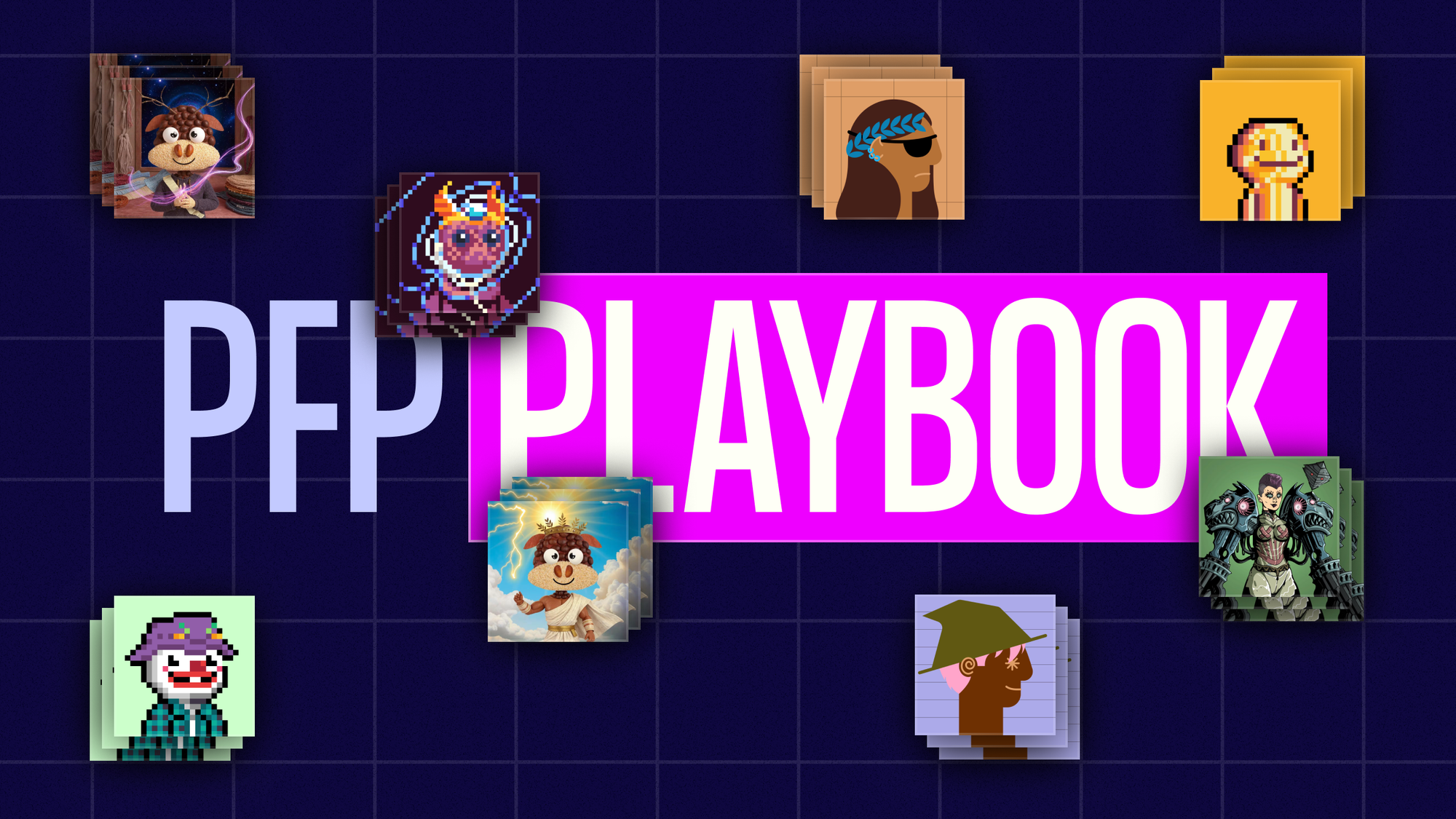
The practical application of this GTM framework can be observed in three distinct launches supported by Rarible, each tailored to the unique technical and narrative requirements of the host network.
After School Club (ASC) on Scope
The primary objective for the After School Club launch was to introduce a creator-focused NFT marketplace while firmly establishing Scope’s brand positioning as a cornerstone application within the newly launched Eclipse chain ecosystem. Building a narrative around creators required an extended community engagement period. Alucard, co-founder of ASC and community lead at the Eclipse Foundation, noted the methodical approach taken by the team: "We’ve been building momentum and trust with our community for over seven months, engaging with them daily through AMAs, gathering their feedback, and truly listening to what they wanted from this collection." By treating the community as co-creators rather than mere customers, ASC successfully aligned its drop with the broader technical narrative of the Eclipse chain.
TrailHeads by Camp Network
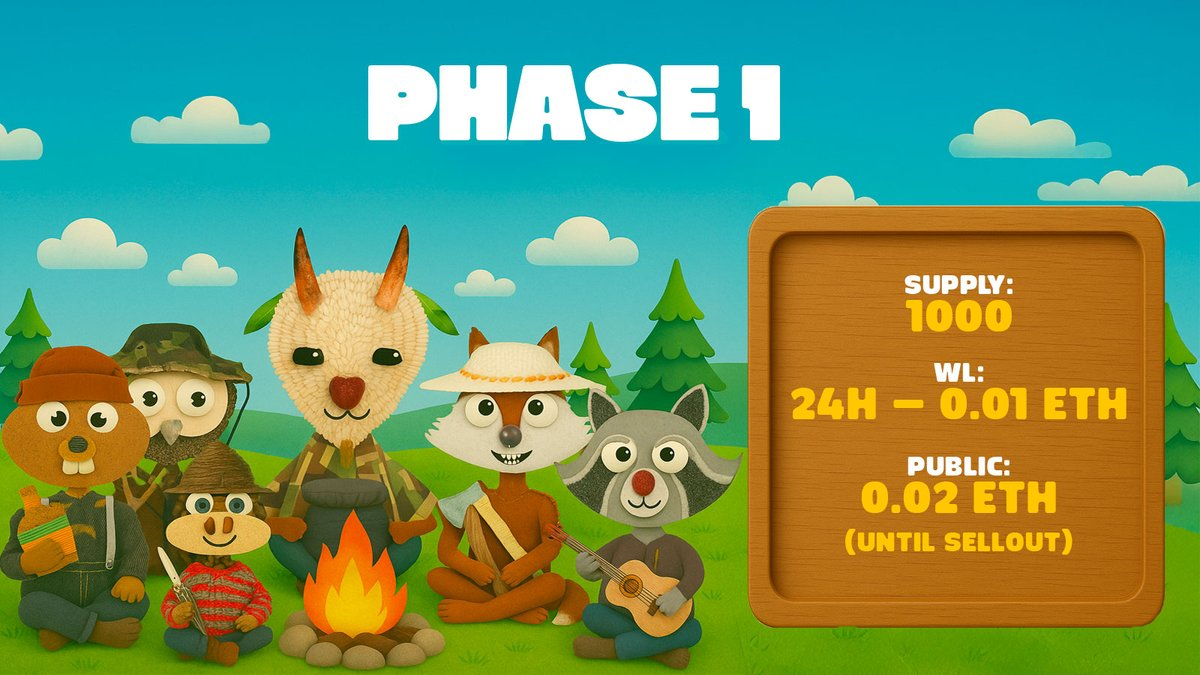
For Camp Network, operating primarily within a testnet phase, the goal was distinct: utilize a narrative-driven PFP drop to systematically onboard values-aligned users who would contribute to the network’s early development. TrailHeads became a central fixture of Camp’s pre-mainnet roadmap, driving continuous engagement through community-led campaigns and interactive quests. Usman, Head of Community at Camp, emphasized the collection’s strategic value: "TrailHeads have played a key role in elevating Camp’s brand and community. The collection has helped bring new users into the ecosystem, sparked a countless number of creative content, and has brought holders closer to the Camp community. They’ve been one of the focal points in our road to mainnet through several campaigns we’ve been running."
The Composables by Espresso Network
Espresso Network approached the PFP model from a strictly infrastructural angle. The objective behind "The Composables" was to activate an early adopter community while actively demonstrating Espresso’s innovative cross-chain infrastructure in action. Rather than treating the NFTs as static JPEGs siloed on a single chain, the collection was designed to be modular and cross-chain compatible. Jill Gunter, Chief Strategy Officer at Espresso Network, highlighted the technical ambition of the drop: "Unlike most NFT collections – wherein the NFTs are difficult to migrate from one chain to another – the goal with The Composables is to leverage Espresso to get them moving seamlessly throughout the Espresso ecosystem. We are excited to be working on products and features that will enable this functionality over the coming months." Following a highly anticipated rollout, the collection successfully sold out, validating Espresso’s technical thesis and generating widespread engagement across social media channels.
The Replicable GTM Playbook for Web3 Founders
Based on the empirical success of these campaigns, industry stakeholders planning a PFP-led go-to-market strategy can extract several core principles for implementation:
-
Align the Drop with Your Product or Chain Narrative: The collection must serve as a visual and cultural manifestation of the project’s core value proposition. Whether the narrative centers on independent creators (ASC), engaged contributors (TrailHeads), or cutting-edge interoperability infrastructure (The Composables), the art and lore must reinforce the underlying technology.
-
Incentivize On-Chain Behavior: Mint day should be treated as the starting line rather than the finish line. Protocols should utilize the newly minted NFTs as cryptographic triggers for ongoing participation, offering tiered rewards, governance multipliers, and access to exclusive platform features.
-
Design with Utility from Day One: Founders must answer a fundamental question prior to launch: What does this asset do? Ensuring that the NFT functions as an access gate, an evolving dynamic asset, or a functional tool within the application layer guarantees sustained demand beyond initial speculative hype.
-
Think Beyond the Drop: Sustainable projects establish a comprehensive post-mint roadmap. Maintaining long-term engagement requires continuous innovation, ranging from ecosystem airdrops and strategic brand partnerships to dynamic tokenomics updates that reward long-term holders.
Broader Industry Implications and Future Outlook
As the cryptocurrency market matures, the tolerance for inefficient, purely speculative capital formation continues to decline. Investors, developers, and regulators increasingly demand tangible evidence of product-market fit, genuine community engagement, and sustainable economic utility.
Profile picture collections, when executed with strategic discipline and robust technological infrastructure, provide a definitive solution to these challenges. By synthesizing brand narrative, community governance, on-chain activity incentives, and real-world utility into a single programmable asset, PFP drops have cemented their status as an indispensable component of the modern web3 go-to-market stack. For upcoming layer-1 blockchains, layer-2 rollups, and consumer protocols, adopting the PFP playbook is no longer just an experimental marketing tactic—it is a foundational blueprint for enduring success.

