
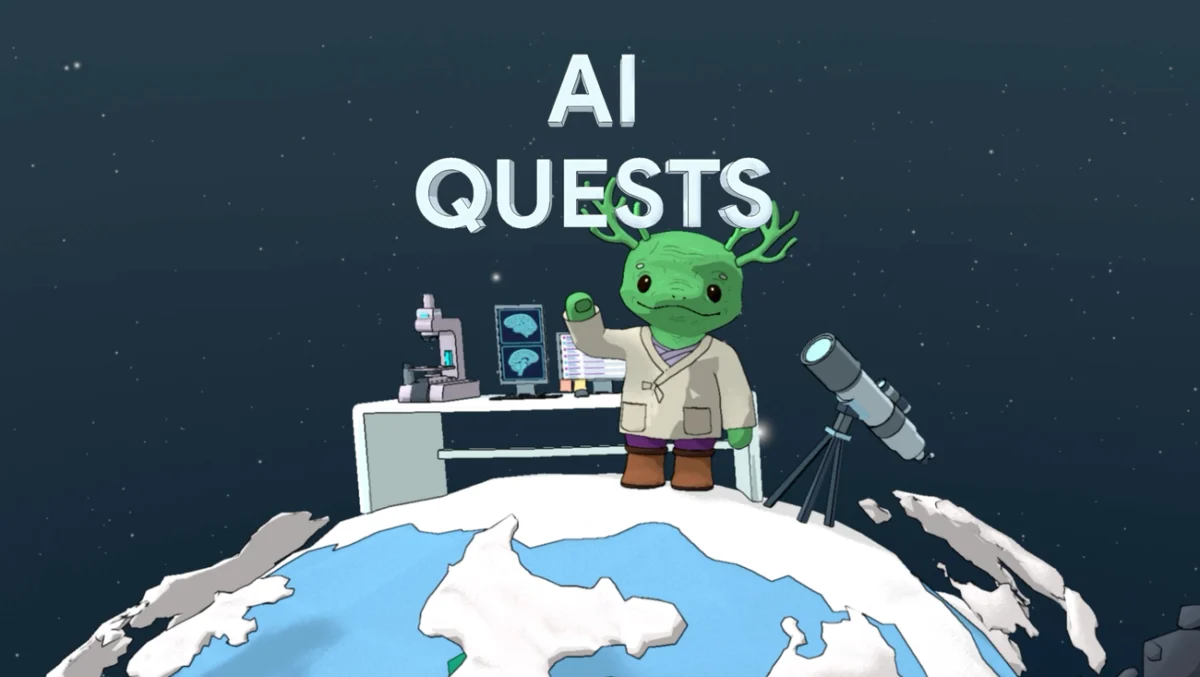
The Evolution of the AI Quests Series
The AI Quests program was established as a response to the growing necessity for AI literacy in K-12 education. As artificial intelligence continues to integrate into various professional sectors, from medicine to climate science, educators have faced a challenge: explaining the "black box" nature of machine learning to younger learners.
The series debuted with two foundational quests that focused on real-world applications of Google’s own research. The first quest introduced students to flood forecasting, based on Google Research’s initiative to predict riverine flooding in vulnerable regions. By simulating the data collection and predictive modeling processes, students learned how AI interprets environmental inputs to protect lives. The second quest focused on the detection of diabetic retinopathy, drawing from Google’s medical imaging research in India and Thailand. This module highlighted how AI can assist in clinical settings, emphasizing the role of pattern recognition in early disease diagnosis.
With over 400,000 quests completed to date across 10 different languages, the program has demonstrated significant traction in global classrooms. The success of these modules is measured not just by completion rates, but by the ability of students to grasp concepts like data bias, model training, and the necessity of human oversight. The addition of "Polar Peaks" represents an expansion into the high-stakes, highly complex field of connectomics.
Mapping the Mind: The Science of Polar Peaks
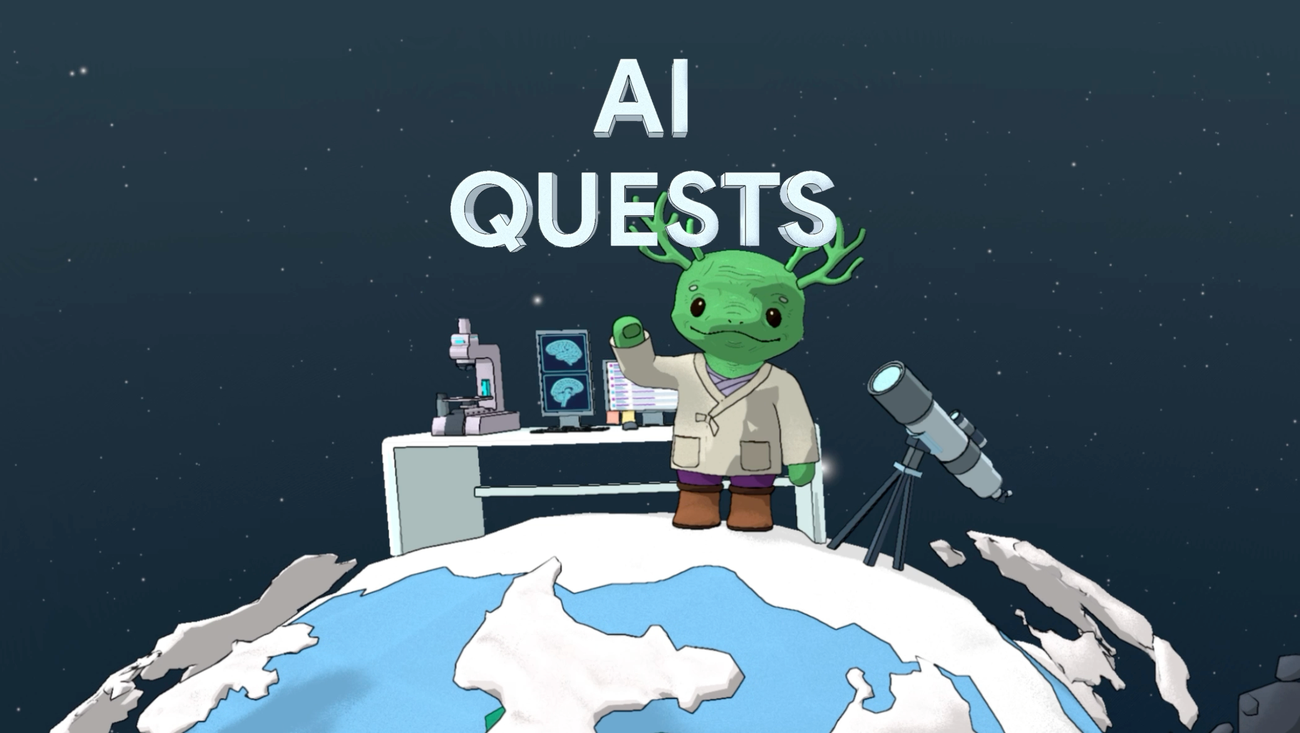
The "Polar Peaks" module transports students to a virtual laboratory where they are tasked with mapping neurons to understand memory loss in a fictional character. This gamified approach serves as a pedagogical hook, leading students through the rigorous technical stages of neuroscientific research.
Connectomics—the study of the brain’s complete wiring diagram—is one of the most data-intensive fields in modern biology. The quest draws direct inspiration from a decade of work at Google Research, most notably the successful mapping of the complete fruit fly brain. This milestone, achieved by researchers at Google and their collaborators, stands as the largest neural map ever compiled, involving the processing of massive image datasets.
In the game, students are required to perform data cleaning and model testing—tasks that mirror the actual workflow of neuroscientists. By navigating these challenges, students gain an appreciation for the fact that AI is not a magic solution that functions autonomously, but rather a tool that requires constant human intervention, calibration, and ethical scrutiny. The narrative arc of the quest ensures that participants see the direct correlation between their digital efforts and the broader goal of solving biological mysteries.
Pedagogical Framework and Teacher Empowerment
A critical component of the AI Quests initiative is the support provided to educators. Recognizing that teachers may feel ill-equipped to teach subjects as technical as machine learning, Google Research and the Stanford Accelerator for Learning have developed comprehensive training modules. These resources, which will be integrated into the Google AI Educator Series, provide teachers with lesson plans, discussion prompts, and strategies for reinforcing AI literacy in diverse classroom environments.
The training for the first two quests is already available to educators globally, with the "Polar Peaks" training module scheduled for release next month. This structured support is essential for ensuring that the quests are not treated as mere "side activities" but are instead woven into existing STEM curricula. By providing teachers with the tools to facilitate deep-dive discussions on how AI works, the program aims to shift the student perspective from passive consumer to active, informed participant in the digital economy.
Industry Recognition and Impact
The effectiveness of the AI Quests series has garnered significant external validation. In 2026, the project received a Webby Award for AI Education, Learning & Training, as well as the distinction of Best Global K-12 Learning Solution at the ETIH Innovation Awards. These accolades underscore the industry’s shift toward prioritizing AI literacy as a core competency.
The impact of these initiatives extends beyond the classroom. By standardizing the way AI concepts are taught to young students, Google is helping to establish a common language for the next generation of technologists and policymakers. The focus on "responsible AI" is particularly noteworthy; throughout each quest, students are consistently reminded of the risks of algorithmic bias and the importance of data integrity. In an era where AI safety is a paramount concern for regulators and tech leaders alike, training students to view AI through a lens of critical evaluation is a forward-thinking investment in digital infrastructure.
Broader Implications for AI Education
The emergence of AI-driven tools in the workplace has created an "AI literacy gap," where the pace of technological advancement far outstrips the pace of educational reform. The "Polar Peaks" quest is a microcosm of a larger effort to bridge this gap. By grounding complex AI concepts in the tangible, high-impact world of neuroscience, the developers have created a framework that is both engaging and intellectually rigorous.
Furthermore, the scalability of the program—evidenced by its availability in 10 languages—suggests that Google intends to maintain its influence on global education standards. As the program continues to grow, there is potential for it to influence curriculum standards in various countries, potentially leading to a more standardized approach to how digital literacy is taught in schools.
The collaboration with the Stanford Accelerator for Learning is also telling. By partnering with a premier academic institution, Google ensures that the pedagogical methods used in the quests are research-backed and evidence-based. This academic rigor distinguishes the AI Quests series from more casual coding or tech-awareness games. It provides a level of institutional credibility that is necessary for adoption in public school systems and private institutions alike.
Future Outlook and Sustained Development
As we look toward the remainder of the school year, the trajectory of the AI Quests program points toward further expansion. The upcoming teacher training modules for "Polar Peaks" will serve as a bellwether for the program’s long-term sustainability. If educators adopt these resources with the same enthusiasm as the students who complete the quests, the program could become a permanent fixture in the modern digital education landscape.
Ultimately, the goal of "Polar Peaks" and its predecessors is to prepare students for a world where AI is ubiquitous. By demystifying the technology and teaching it through the lens of human discovery—whether it be mapping a brain or forecasting a flood—Google is equipping students with the skepticism and the curiosity required to navigate an AI-augmented future. The success of this endeavor will be measured in the coming years by how effectively these students translate their "quest" experiences into informed decisions as citizens, researchers, and creators in an increasingly complex digital world. Through this initiative, the abstract potential of artificial intelligence is transformed into a relatable, human-centric pursuit of knowledge.

