A Global Rollout and Infrastructure Expansion
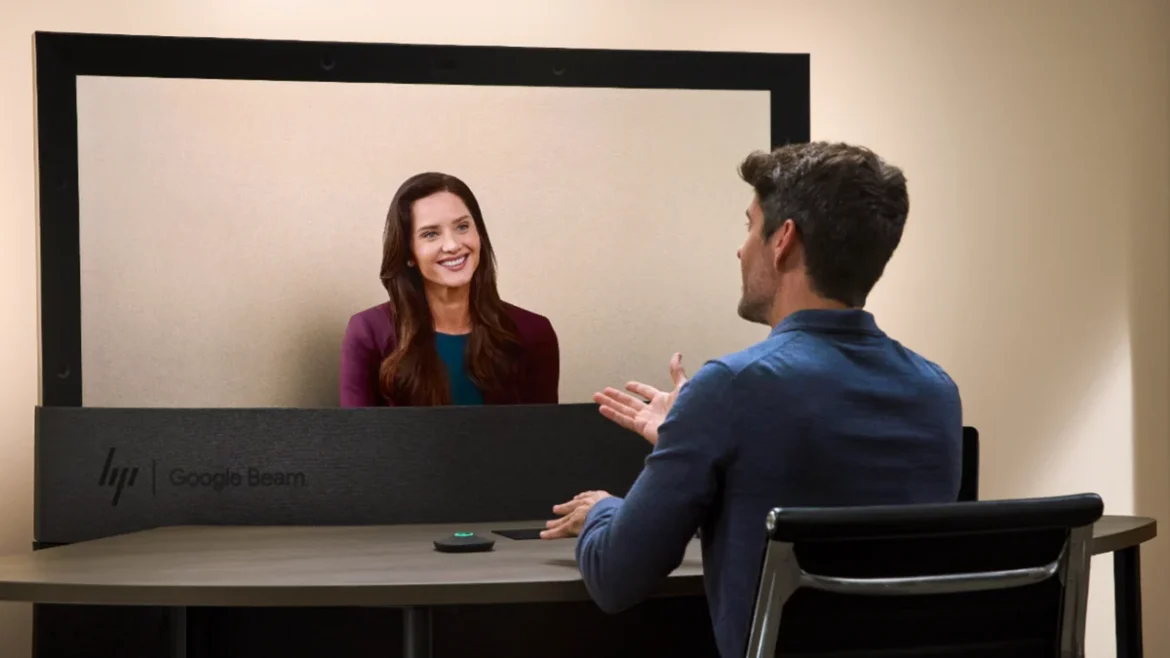
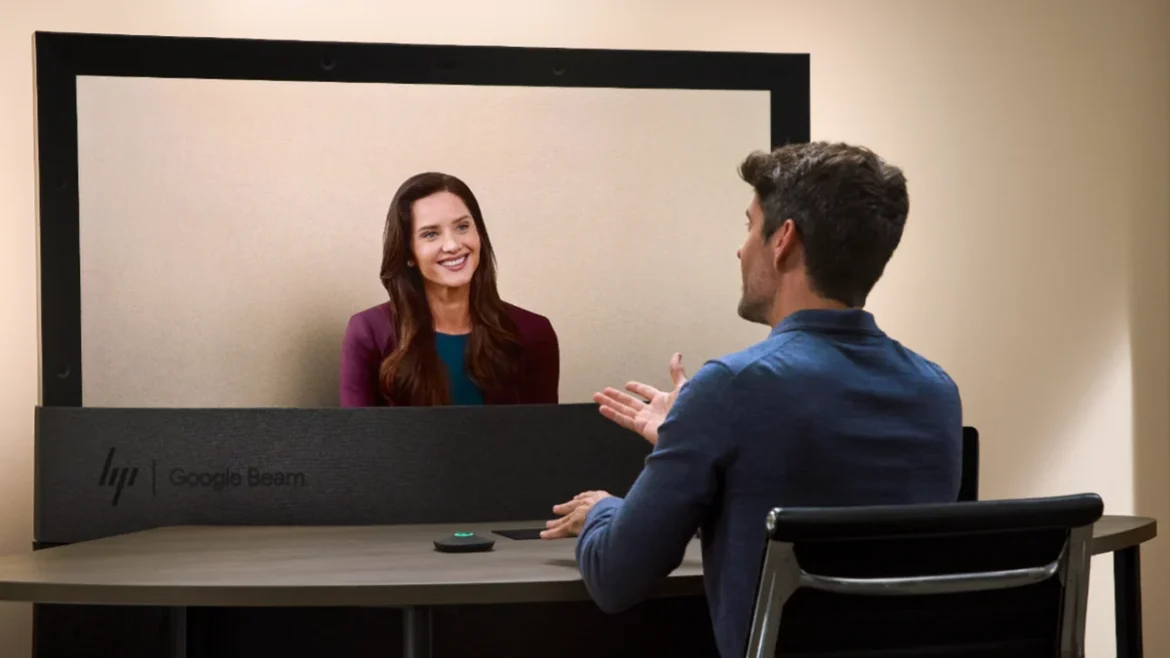
The expansion strategy is centered on a footprint across six key nations: the United States, Canada, the United Kingdom, France, Germany, and Japan. This move represents a calculated effort to place hardware in the world’s most active corporate hubs. To support this physical deployment, Google has formalized an ecosystem of 18 dedicated channel partners. These audiovisual integrators and distributors are tasked with the specialized installation, maintenance, and technical support required for the HP Dimension with Google Beam hardware.
By collaborating with HP to deliver the hardware, Google is leveraging a mature supply chain, ensuring that enterprises can integrate the technology into existing IT frameworks. The system is designed to be platform-agnostic, supporting both Google Meet and Zoom, which lowers the barrier to entry for firms already invested in major video conferencing ecosystems.
The Evolution of Telepresence: A Chronology
The journey of Google Beam has been characterized by a phased, data-driven methodology. Initially conceived within Google’s own research and development labs, the project was designed to address "Zoom fatigue" and the loss of non-verbal cues that plague traditional two-dimensional video calls.
Throughout the early stages of 2024, Google conducted rigorous internal testing. By mid-2024, the company began pilot programs with high-profile industry partners like Bain & Company. These pilots were critical, shifting the narrative from a "cool piece of technology" to a "business-critical asset." By the third quarter of 2026, the data gathered from these internal and external trials provided the statistical foundation required to justify a full-scale commercial launch. This trajectory demonstrates a move away from experimental beta testing toward a mature, enterprise-grade product cycle.
Quantifying the "Human Connection" Gap
One of the primary challenges in the remote work era has been the degradation of team cohesion. Google’s internal eight-week study provided compelling metrics that suggest Beam is a viable solution to this issue. Among the findings, teams utilizing Beam reported a 50% increase in perceived connectivity. Perhaps more importantly for operational efficiency, the study highlighted a 33% improvement in clarity regarding feedback loops and a 21% reduction in the necessity for follow-up meetings.
These figures suggest that by reintroducing life-sized eye contact and body language, the cognitive load of a meeting is reduced. Participants no longer need to work as hard to interpret tone or intent, as the physical presence of their counterparts is more accurately replicated. For large-scale organizations, this translates to tangible time savings and reduced project drift.
Case Study: Transforming Talent Acquisition
The partnership with Bain & Company serves as a primary example of how the technology is being utilized for high-stakes human resource operations. In the modern recruitment landscape, firms are often forced to choose between the cost-prohibitive nature of flying candidates to central offices or the impersonal nature of standard webcam interviews.
Keith Bevans, EVP and Partner at Bain & Company, noted the critical role of the technology: "One of the most challenging things for us to assess with candidates is how they’ll be with clients. There are so many nuances in body language and eye contact, and Google Beam allows us to virtually understand how people will engage in person, which is critically important for their success at Bain." By facilitating a natural interview environment, the firm can maintain its rigorous standards for cultural and professional fit without the logistical overhead of international travel.
Democratizing Access: The Industrious Partnership
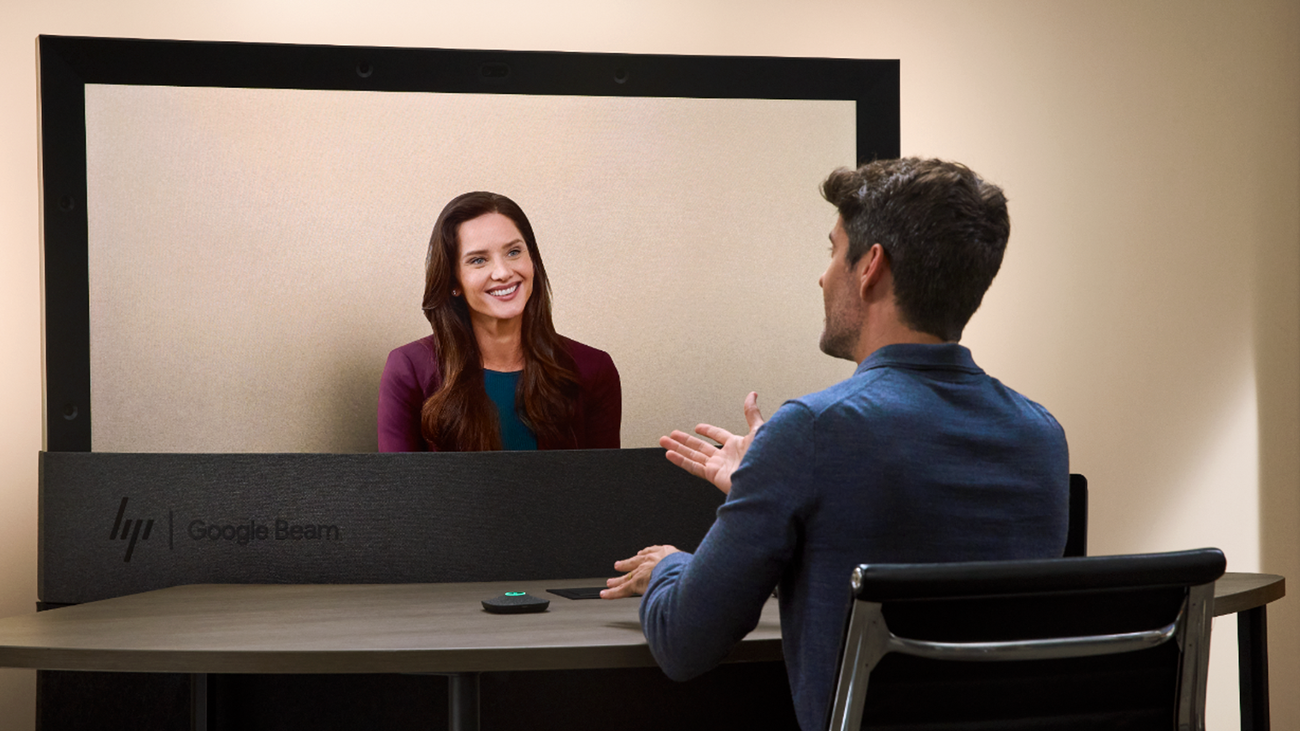
A major obstacle for widespread adoption of telepresence hardware has been the cost of installation. To democratize access, Google has announced a partnership with Industrious, a global operator of premium flexible workspaces. This initiative creates the "Beam extended network," allowing smaller companies and startups to rent access to the technology by the hour or day.
Beginning in October, the HP Dimension with Google Beam units will be available for booking at select Industrious locations in major metropolitan areas, including New York City, Chicago, Atlanta, and Palo Alto. This strategy effectively lowers the barrier to entry, allowing businesses of all sizes to utilize the technology for critical events—such as client pitches or high-stakes internal strategy sessions—without requiring a permanent hardware investment.
Implications for the Future of Work
The introduction of the Beam extended network and the global rollout of the hardware suggest that Google is positioning itself to be a leader in the "hybrid-plus" era. As companies continue to navigate the complexities of distributed workforces, the demand for technology that mimics the physical office experience is expected to grow.
The broader implications are significant. If, as the data suggests, Beam reduces the need for follow-up meetings and enhances team cohesion, its adoption could fundamentally alter the cost-benefit analysis of office space. Rather than requiring employees to commute to a central office every day to feel "connected," companies may shift toward a model where they utilize smaller, high-tech hubs that facilitate periodic but high-intensity collaboration.
Furthermore, the integration with existing software like Zoom and Google Meet ensures that this hardware does not exist in a silo. It is an enhancement to the existing digital infrastructure rather than a replacement for it. This interoperability is likely the key to its long-term viability in the corporate sector.
A New Standard for Enterprise Collaboration
As Google continues to expand the list of early adopters—including major entities like Netflix and Capital Group—the focus will likely turn to the scalability of the service. Future iterations may focus on decreasing the hardware footprint or integrating advanced AI features that further assist in translating, summarizing, or facilitating meeting dynamics in real-time.
The technological shift from 2D screens to 3D-feeling telepresence represents a milestone in corporate communication. By prioritizing the "human element" of business—eye contact, posture, and the subtleties of conversation—Google is attempting to solve a psychological problem with a hardware solution. The success of this global rollout will be measured not just by the number of units shipped, but by the extent to which these systems become a standard fixture in the modern, distributed corporate office.
The expansion of Google Beam is a testament to the fact that while the location of work has become increasingly flexible, the necessity of human interaction remains rigid. As organizations continue to iterate on their remote work policies, the ability to replicate the "presence" of a colleague across oceans will likely become a competitive advantage, separating firms that struggle with digital friction from those that have mastered the art of virtual connection. Whether through permanent installations in global headquarters or via the flexible access provided by the Industrious partnership, the trajectory of this technology suggests that the future of the boardroom is no longer tied to a specific physical room, but to a high-fidelity digital bridge.