
The global cybersecurity landscape shifted significantly today as Google, operating in close coordination with international industry partners and threat intelligence specialists, announced the successful disruption and dismantling of a massive, deeply entrenched botnet. The malicious network, anchored primarily by more than 1.3 million Android TV set-top boxes, covertly hijacked residential internet connections to siphon bandwidth for unauthorized third-party resale and execute widespread advertising fraud.
According to comprehensive technical analyses released by the Google Threat Intelligence Group (GTIG) and startup security research firm Synthient, the operation centers around a sophisticated backdoor component dubbed "XCPE." Investigators warn that while the primary metric focuses on 1.3 million direct set-top box infections, the architectural reach of the botnet likely exposed an additional 10 million interconnected Internet of Things (IoT) devices—ranging from telehealth monitors and karaoke systems to digital signage units—to downstream criminal exploitation.
The takedown marks a critical milestone in the ongoing war against residential proxy abuse, a burgeoning cybercriminal monetization model that weaponizes everyday consumer hardware to mask illicit web traffic, execute account takeover campaigns, and harvest mass data for artificial intelligence development without the knowledge or consent of the device owners.
Anatomy of the XCPE Threat and Manufacturer Complicity
The origin of the XCPE botnet traces directly back to the manufacturing pipeline. Investigators concluded that Videostrong Technology Co., a prominent Chinese hardware manufacturer, systematically embedded malicious payloads directly into the firmware of its Android TV set-top boxes. Consequently, the malicious code executed immediately upon a user booting up their newly purchased hardware for the very first time.
By exploiting these devices, Videostrong monetized the hardware backdoor through commercial agreements with various criminal affiliates and proxy networks. The embedded malware automatically loaded modular software packages that transformed the user’s home network connection into a commercial proxy exit node. These nodes were then rented out to third parties seeking to anonymize their web traffic, bypass geographic restrictions, or conduct automated web scraping and ad fraud.
Google’s investigation resulted in an immediate and total severance of business ties with Videostrong Technology Co. Furthermore, Google initiated targeted legal maneuvers to seize and neutralize the domain infrastructure and command-and-control servers utilized by the manufacturer to manage the botnet and distribute secondary malware payloads.

In a strongly worded public disclosure, GTIG condemned the practice, noting that hardware manufacturers deliberately weaponizing their own user base represents an unprecedented breach of consumer trust and a critical systemic vulnerability within the consumer electronics supply chain. While Google enforces strict compliance, compatibility, and security evaluations for all authorized Android ecosystem partners, the manufacturer successfully circumvented initial checks by deploying the backdoor post-boot.
The Ecosystem of Residential Proxies and Commercial Integration
The GTIG report highlights a complex web of residential proxy providers whose software development kits (SDKs) were frequently integrated into, or downloaded by, devices ensnared within the XCPE ecosystem. Among the prominent entities cited in the security disclosures are AppSalt—widely known as Honeygain—which was originally developed by Vilnius, Lithuania-based Oxylabs. The corporate structure surrounding Oxylabs underwent substantial reorganization, consolidating under a parent entity named Source following a significant private equity investment from Warburg Pincus that valued the business in the multi-billions.
Another significant player identified in connection with proxy-based botnets is NetNut, operated by publicly traded Israeli firm Alarum Technologies. The infrastructure surrounding NetNut faced severe disruption earlier in the year when the Federal Bureau of Investigation (FBI), alongside private sector allies, seized hundreds of domains tied to the company over its involvement in the separate "Popa" botnet, which similarly co-opted streaming boxes into residential proxy networks. Additional proxy platforms named across various industry reports include EarnFM, Traffmonetizer, Jaguar, LINKFOG, BMW/IPWeb, and GaGaNode.
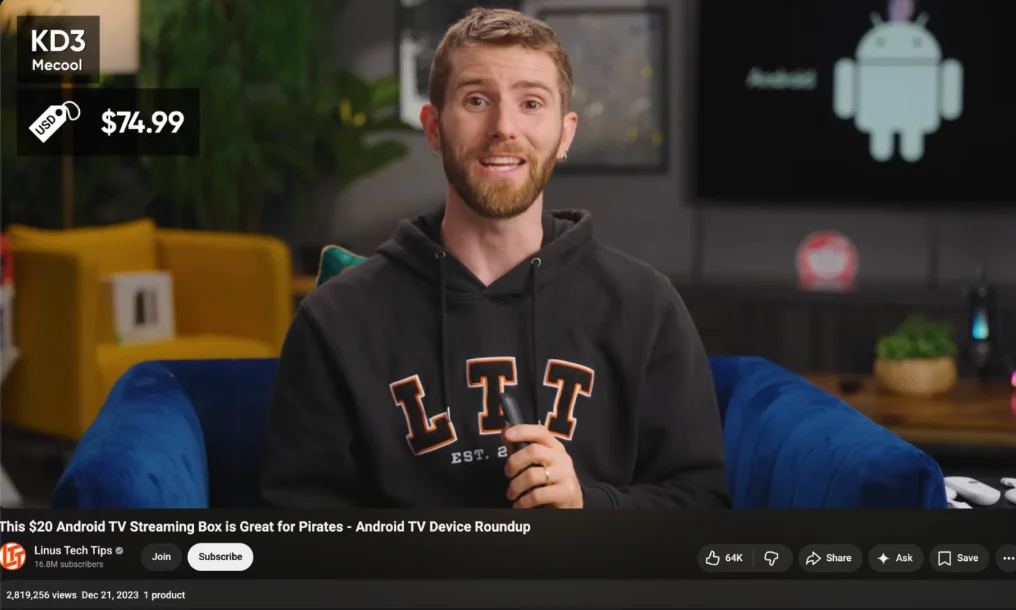
The operational pipeline often began with aggressive marketing campaigns across mainstream social media networks. Devices such as Superbox and MECOOL streaming boxes gained immense consumer traction through paid influencers on platforms like TikTok and YouTube. Promoted as cost-effective, one-time-fee solutions offering access to hundreds of premium, pirated pay-TV channels, these boxes served as Trojan horses. For instance, MECOOL set-top boxes—manufactured by the publicly traded Chinese firm Skyworth Technology—surged in popularity following endorsements from high-profile technology channels such as Linus Tech Tips. Following the disclosures, the channel’s producers updated the historical content to explicitly frame the devices as security hazards and removed all associated affiliate monetization links.
A Chronology of Discovery and Industry Collaboration
The unraveling of the XCPE botnet is the culmination of a multi-year, multi-agency intelligence effort involving threat analysts, corporate security teams, and law enforcement entities.
- Late 2023 to 2025: Android streaming boxes, heavily marketed via social media influencers as pirated television gateways, quietly saturate North American and European residential households. Concurrently, researchers observe anomalous traffic patterns originating from home networks.
- October 2025: Security researchers uncover that mainstream streaming devices, including Superbox, actively bundle residential proxy software from networks like Grass without transparent user consent.
- January 2026: Cybersecurity startup Synthient publishes groundbreaking research detailing the rapid propagation of the Kimwolf botnet. The malware leverages widespread vulnerabilities in residential proxy services to compromise secondary Android-based IoT devices residing on the same local area networks as infected TV boxes, fueling record-shattering Distributed Denial-of-Service (DDoS) attacks.
- July 2026: Law enforcement intervention hits the residential proxy market hard, with the FBI seizing hundreds of domains associated with NetNut over its ties to the Popa botnet.
- October 2026: Oxylabs and Honeygain restructure under the umbrella entity Source, backed by substantial private equity funding. Meanwhile, Plume Security Labs and other threat intelligence firms release white papers mapping out the architecture of the emerging XCPE botnet.
- November 2026: Google formally announces the disruption of the 1.3 million-device XCPE botnet in partnership with industry stakeholders. Concurrently, Synthient releases a deep-dive technical analysis exposing MECOOL and Skyworth Technology’s ties to the Videostrong malware distribution pipeline.
Official Responses and Industry Accountability

In the wake of the disclosures, targeted entities have moved quickly to address findings and clarify operational protocols. Representatives for Oxylabs issued an extensive post-publication statement addressing the integration of their SDKs into unauthorized device builds. While maintaining that their technology is engineered to function exclusively with explicit user consent, the company acknowledged that malicious developers engineered workarounds to fabricate affirmative consent signals.
"We have been conducting regular audits of the applications provided by our partners," Oxylabs stated, emphasizing plans to upgrade application build fingerprinting logic. These enhancements aim to detect instances where proxy SDKs execute on unauthorized, altered firmware builds of legitimate parent applications.
Oxylabs further confirmed that it had no corporate record of Videostrong Technology Co., but identified a related external malware loading domain referenced in the GTIG report within its supplier network. "As soon as we saw that, we suspended the relationship and sent them a formal legal inquiry," the company noted. According to Oxylabs, the implicated supplier accounted for less than one percent of its total IP address pool and had previously passed standard quality assurance checks with signed contracts guaranteeing user consent acquisition.
Broader Implications and Future Security Outlook
Cybersecurity experts emphasize that while the neutralization of the 1.3 million-node XCPE botnet represents a massive tactical victory for defensive coalitions, the underlying economic model of residential proxy abuse remains highly lucrative and resilient.
Ben Brundage, founder of Synthient, characterized the 1.3 million confirmed infections as a "highly conservative" estimate, suggesting that the true scale of compromised hardware is significantly higher. Because the proxy and ad-fraud modules distributed by manufacturers like Videostrong maintain diversified distribution channels operating independently of the primary XCPE infrastructure, threat actors can easily pivot to alternative command-and-control frameworks.
The incident underscores deep-seated systemic vulnerabilities within the global consumer IoT and white-label hardware supply chain. As smart home appliances, digital streaming units, and health-monitoring devices increasingly rely on open-source operating systems like Android, the imperative for rigorous, end-to-end firmware verification has never been more urgent. Without continuous behavioral monitoring at the router level and stricter regulatory oversight governing hardware imports, consumer living rooms will remain primary targets for sophisticated cybercriminal syndicates seeking silent entry points into global corporate and residential networks.

