
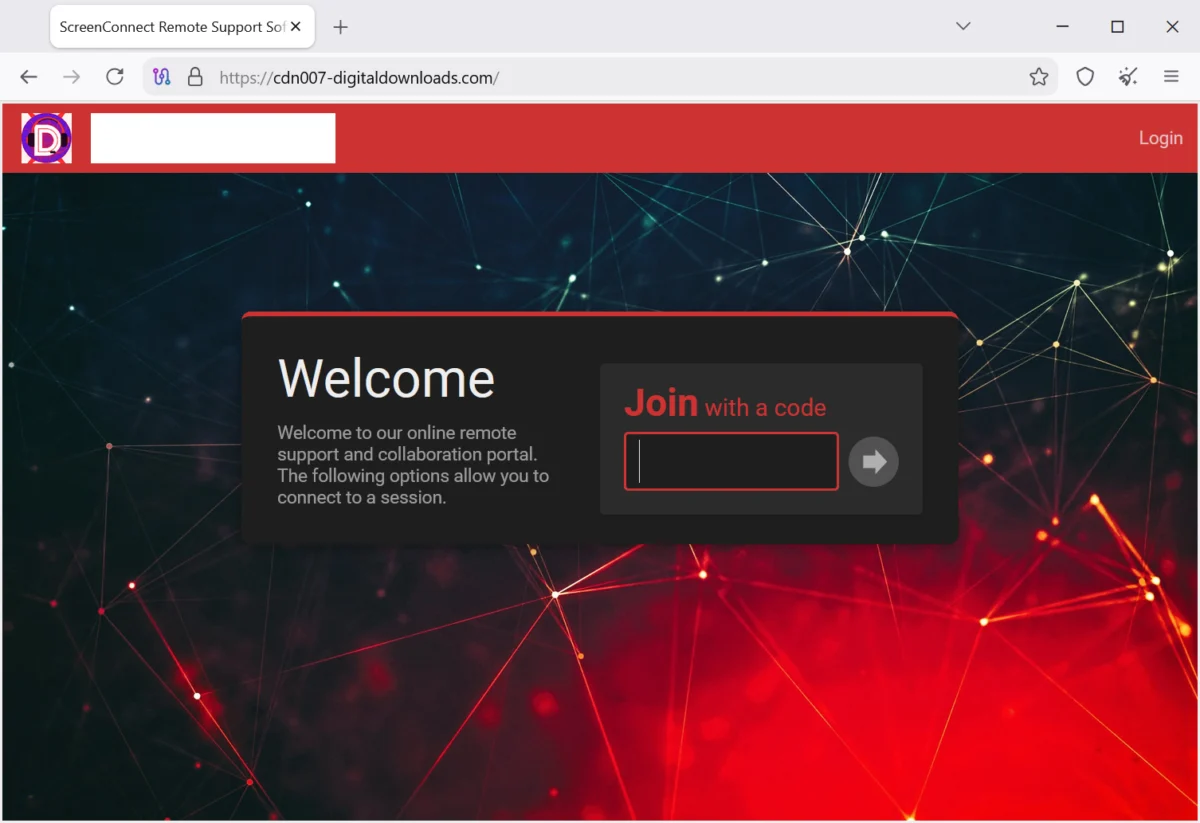
Managed service providers (MSPs) and their downstream corporate clients are currently facing a sophisticated and rapidly expanding cyberthreat involving the weaponization of legitimate IT management software. Software provider ConnectWise has confirmed it is actively investigating a malicious campaign that leverages compromised cloud-hosted ScreenConnect environments to deploy unauthorized remote-access clients directly onto customer endpoints. The operation, which has triggered urgent warnings from cybersecurity researchers, highlights the persistent risk of software supply chain and management tool exploitation in modern corporate ecosystems.
Discovery and Rapidly Escalating Impact
The active campaign was first detected and publicized by cybersecurity firm Huntress, whose Security Operations Center (SOC) identified unusual, malicious activity targeting cloud-hosted instances of ScreenConnect. According to incident telemetry shared by Huntress, the operation began accelerating rapidly, prompting immediate coordination between the cybersecurity vendor and ConnectWise’s incident response teams.
As of the initial disclosure, Huntress reported tracking at least six compromised MSP environments directly impacting 286 individual endpoints spread across 47 distinct corporate organizations. However, security researchers have cautioned that these figures are conservative and continue to climb as broader network sweeps are conducted. Because ScreenConnect is widely utilized across the IT sector to provide centralized remote management, troubleshooting, and help-desk support, a breach at the MSP level inherently exposes all downstream client networks to secondary compromise.
Mechanics of the Attack: Abuse of Run Command and Reverse-Pivoting
ScreenConnect is an enterprise-grade remote access and support platform designed to give IT technicians seamless oversight over remote machines. In this campaign, threat actors have found ways to co-opt the software’s native capabilities to establish unauthorized persistence.

According to technical breakdowns provided by Huntress, attackers are heavily abusing ScreenConnect’s built-in "Run Command" functionality. By executing commands remotely through compromised administrative channels, the threat actors force targeted endpoints to download and install rogue ScreenConnect client applications. This establishes an independent channel of persistent remote access that bypasses the legitimate monitoring and security controls of the primary MSP, granting the attackers persistent backdoors into corporate environments.
More alarmingly, security analysts have identified indications of a potentially more dangerous technique: reverse-pivoting. In this scenario, when an IT technician from a compromised MSP initiates a routine remote support or diagnostic session with an already-infected customer device, the threat actors attempt to pivot backward to compromise the technician’s workstation. While researchers are still working to determine whether this technique exploits a previously unknown software vulnerability or cleverly abuses legitimate administrative features, the implications for enterprise security are severe. A successful compromise of a technician’s machine can hand attackers administrative keys to numerous other client networks managed by the same provider.
Chronology and Historical Links to Earlier Malicious Activity
While the current wave of intrusions broke into public view mid-week, digital forensic investigations suggest the infrastructure and specific tooling associated with these attacks may have roots stretching back several months.
In a parallel discovery, independent analysis of threat intelligence repositories uncovered a malicious batch script initially uploaded to VirusTotal in late July. The script, designated SSA-2026-STATEMENT-15518787.bat, was originally disguised as a benign Social Security Administration statement, pointing to a historical phishing distribution vector. Despite its bureaucratic disguise, the script’s execution flow closely mirrors elements of the current campaign.
Upon execution, the July batch file systematically attempts to disable endpoint defenses by adding exclusions to Microsoft Defender. It subsequently establishes persistence by embedding malicious shortcuts into the Windows Startup folder and modifying the system’s Run registry keys. The script then reaches out to external command-and-control domains, downloading secondary installers from infrastructure that overlaps with indicators later flagged by Huntress.
Crucially, the legacy batch script relies on a PowerShell routine designed to search running system processes and active Windows services for a specific identifier: ed630cc2c873b091. This alphanumeric string matches a rogue ScreenConnect client ID identified during the current MSP-focused campaign. Once the script verifies that the unauthorized client ID is active on the host machine, it reports a successful installation back to the operators via a Telegram notification bot.

The discovery of this historical artifact suggests that the threat actors behind the current MSP intrusions may have spent months laying groundwork, testing infrastructure, or refining their deployment pipelines through smaller, opportunistic phishing campaigns before pivoting to broader supply-chain targeting.
Official Response and Immediate Mitigation Guidance
In light of the mounting threat, ConnectWise released an official statement acknowledging the situation and outlining urgent defensive measures for its partner network. The company emphasized that the malicious activity affects a limited number of ScreenConnect partners thus far, but treated the incident with maximum urgency.
"We are aware of reports of malicious activity affecting a limited number of ScreenConnect partners and are actively investigating," ConnectWise stated in an advisory sent to industry reporters.
To mitigate the risk of lateral movement and workstation compromise, ConnectWise strongly advised its partners to alter standard operational procedures when dealing with potentially tainted systems. Specifically, the company urged IT teams to avoid opening interactive ScreenConnect sessions to any suspected compromised endpoints. Instead, administrators are advised to isolate those machines immediately and utilize independent, out-of-band security tooling to conduct forensic investigations.
Furthermore, ConnectWise recommended a comprehensive hygiene sweep for all active partners, which includes:
- Reviewing historical and current account activity logs for anomalous behavior.
- Immediately revoking all active user sessions across cloud-hosted environments.
- Resetting administrative credentials exclusively from known, trusted, and clean devices.
- Verifying and enforcing strict multi-factor authentication (MFA) protocols for all administrative accounts.
The software vendor noted that it will continue to update its partner ecosystem with actionable intelligence and hardening guidelines through the official ConnectWise Trust Center.
Indicators of Compromise and Broader Industry Implications
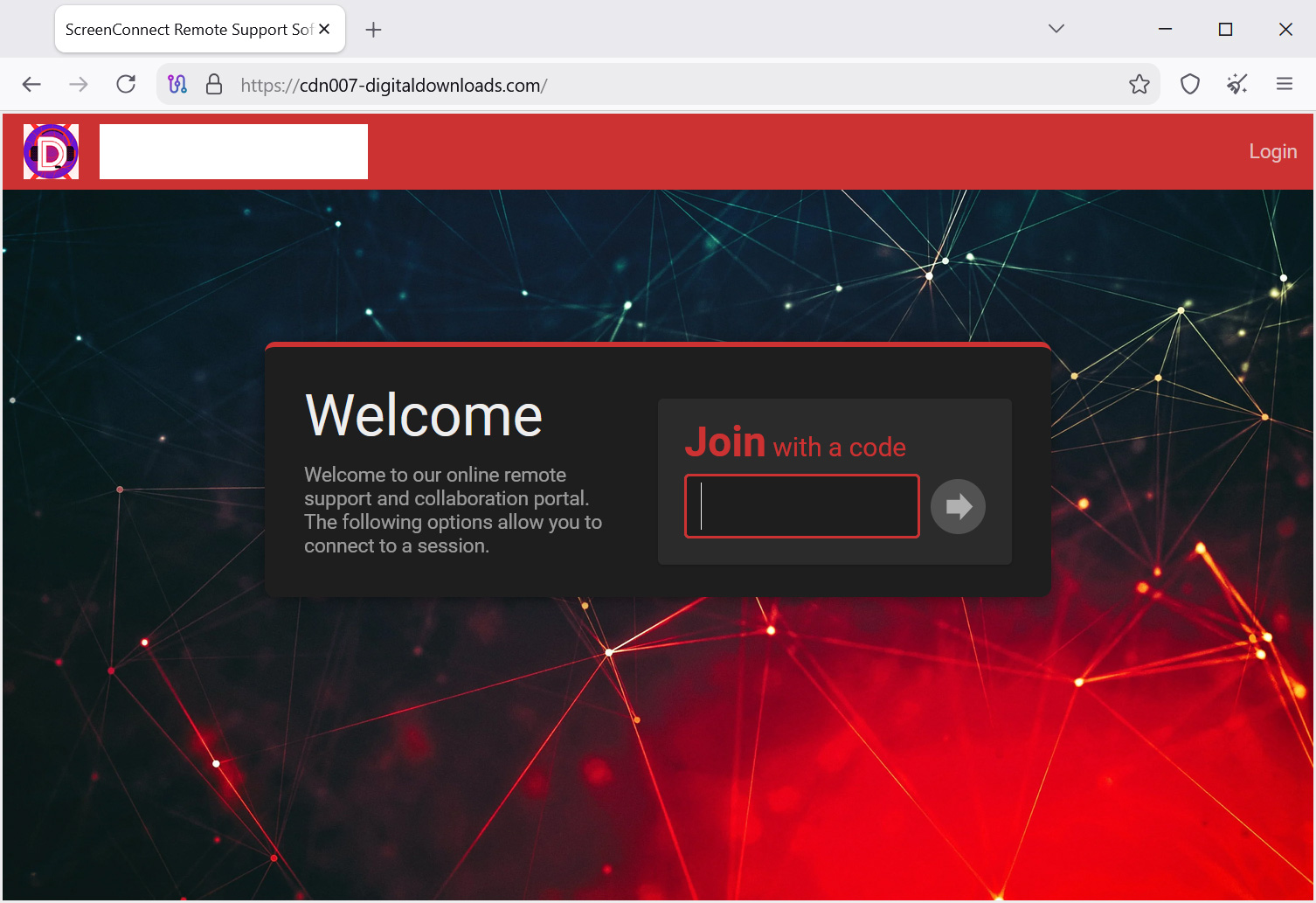
To assist the broader cybersecurity community in detecting and neutralizing unauthorized access, Huntress released a series of technical indicators of compromise (IOCs). These include specific rogue ScreenConnect client identifiers, command-and-control domains, and associated file hashes tied to the threat actor’s infrastructure.
Because the attackers have been observed utilizing sequential identification tags for their rogue clients, researchers warn that the scope of the campaign may be wider than currently mapped. Huntress has strongly encouraged all organizations utilizing ScreenConnect—even those that have not yet received formal security alerts—to proactively audit their Run Command history and inspect client deployment logs for unrecognized identifiers or unauthorized administrative scripts.
The ongoing campaign underscores a systemic vulnerability within the modern IT landscape: the reliance on centralized managed service providers as force multipliers. Because MSPs hold privileged access to dozens or hundreds of corporate clients simultaneously, they represent high-value, highly concentrated targets for cybercriminals seeking maximum return on investment.
When threat actors successfully subvert management tooling like ScreenConnect, they effectively weaponize the trusted relationship between an IT provider and its customers. This allows malicious payloads to blend seamlessly with legitimate administrative traffic, rendering traditional signature-based detection methods less effective.
As cybersecurity researchers and incident responders continue to parse incoming telemetry, the primary defense against such campaigns remains vigilant log monitoring, strict zero-trust operational standards, and rapid isolation of anomalous endpoints. The unfolding situation serves as a stark reminder that supply chain security extends far beyond third-party software code to encompass the administrative platforms and remote management infrastructure that keep modern enterprises connected.

