
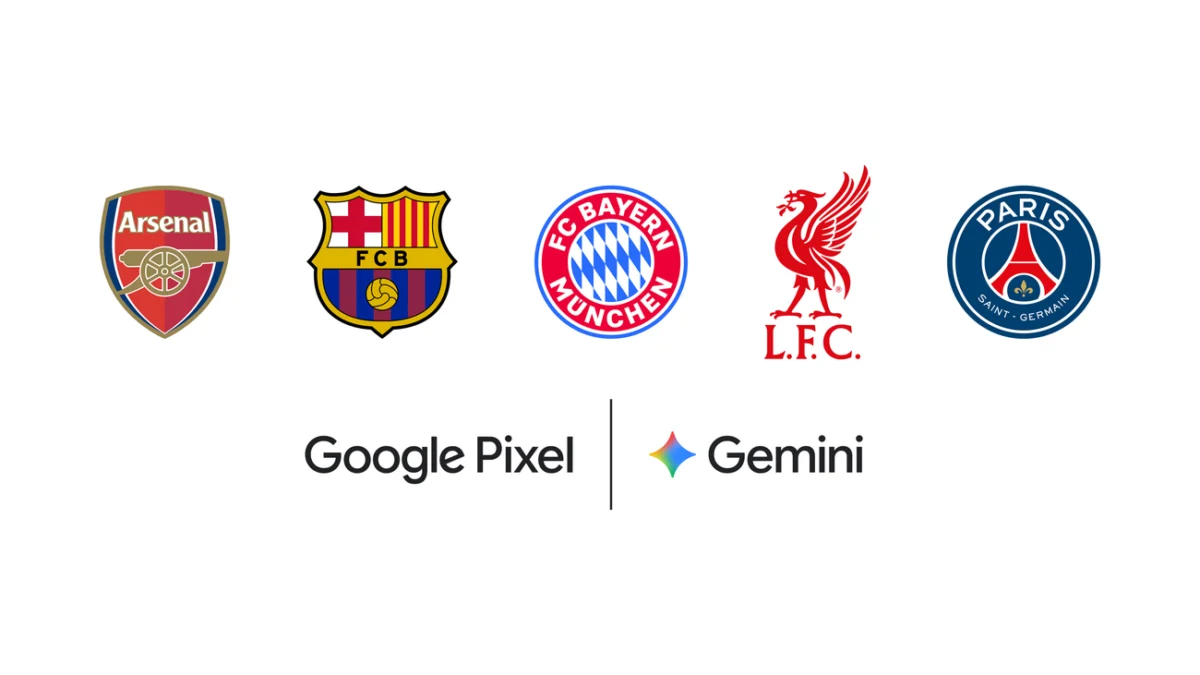
In a landmark strategic shift for sports technology integration, Google has officially announced a multi-year partnership with five of the world’s most prestigious football institutions: Arsenal FC, FC Barcelona, FC Bayern München, Liverpool FC, and Paris Saint-Germain. By designating Gemini and Google Pixel as the Official Consumer AI and Official Smartphone Partners, the technology giant aims to bridge the gap between high-performance athletics and fan-facing digital experiences. This collaboration marks a significant pivot in how top-tier football clubs leverage artificial intelligence to enhance matchday engagement, content creation, and the global visibility of women’s sports.
A New Era for Football Fan Engagement
The integration of Google’s AI ecosystem into the daily operations of these five clubs represents a fundamental change in the sports-technology landscape. Traditionally, football clubs have relied on internal media teams to capture matchday atmosphere; however, the deployment of Gemini—Google’s advanced AI assistant—is designed to act as an on-demand, hyper-personalized resource for supporters.
As fans navigate the complexities of modern football, where tactical setups and squad rotations change in minutes, Gemini provides a utility layer that can dissect formations in real-time. By utilizing its agentic capabilities, the tool can sift through vast archives of head-to-head historical data, allowing fans to settle debates and gain tactical insights without leaving the context of their matchday experience. This service aims to transform the passive act of watching a game into an active, data-informed experience.
Capturing the Raw Emotion of the Pitch
Parallel to the AI implementation, the partnership designates the Google Pixel as the official device for capturing behind-the-scenes narratives. The "Shot on Pixel" series is central to this initiative, moving away from traditional, highly polished broadcast footage to focus on the raw, unfiltered moments that define professional sports.
Media teams at these clubs will utilize the advanced camera hardware and AI-powered image processing of the Pixel 11 to produce content that feels more authentic and immediate. This initiative addresses a long-standing desire among fans for "all-access" perspectives, including tunnel footage, training ground interactions, and the spontaneous reactions of players during high-stakes matches. By standardizing the equipment used by social media departments, Google is creating a consistent, high-fidelity visual identity for these five clubs across digital platforms.
Bridging the Visibility Gap in Women’s Football
A primary pillar of this partnership is the commitment to addressing the systemic disparity in media coverage between men’s and women’s professional football. Despite record-breaking attendance figures at women’s tournaments—such as the 91,648 fans who filled Camp Nou for a UEFA Women’s Champions League match in 2022—the women’s game has historically struggled to achieve parity in daily media coverage.
Google’s strategy involves an equitable allocation of resources across both the men’s and women’s sides of the partnering clubs. By deploying the same AI-driven content generation and high-end smartphone capture tools for both divisions, the company aims to amplify the reach of the women’s game. This initiative is designed to provide professional-grade visibility to female athletes, ensuring that their narratives, statistics, and highlights are presented with the same technical rigor as their male counterparts. Industry analysts suggest that this parity in digital presentation is essential for the long-term commercial growth of women’s football, as it helps create a more compelling product for sponsors and global broadcasters.
The Technological Evolution of Sports Marketing
The chronology of this partnership follows a broader trend of technology firms embedding themselves into the sports value chain. Over the past decade, the transition has moved from simple sponsorship logos on jerseys to deep-level integration of data, cloud computing, and machine learning.

- Phase One (2015-2018): Focus on digital infrastructure, with clubs moving their historical archives and internal communications to cloud-based systems.
- Phase Two (2019-2023): Focus on data analytics for coaching staff, utilizing AI to track player fatigue and performance metrics.
- Phase Three (2024-Present): The current phase, characterized by direct-to-consumer AI interfaces that bring professional-level data insights directly to the mobile devices of the global fan base.
Google’s move is a clear attempt to capitalize on this third phase. By controlling both the data-processing agent (Gemini) and the primary hardware interface (Pixel), the company creates a closed-loop ecosystem. For the fans, this means less time spent searching through multiple sports news websites and more time interacting with a unified platform that provides curated, accurate, and context-aware football information.
Strategic Implications for the Partner Clubs
For Arsenal, FC Barcelona, FC Bayern München, Liverpool, and PSG, this partnership is not merely a branding exercise. It is a necessary upgrade to their digital infrastructure. As these clubs compete for a global audience, the ability to generate unique, high-quality content at scale is a competitive advantage.
The financial and operational implications are significant:
- Content Production Costs: By standardizing equipment and using AI to assist in editing and data synthesis, clubs can potentially lower their content production costs while increasing output.
- Global Reach: The partnership provides the clubs with a direct line to Google’s massive, cross-platform user base, potentially tapping into new demographics of fans who are tech-oriented but perhaps less traditional in their consumption of football media.
- Data Sovereignty: While Google provides the tools, the clubs retain the ability to curate the content, ensuring that the brand identity of each institution remains distinct even while using the same underlying technological framework.
Addressing the Future of Fan Engagement
As the season progresses, the integration will likely expand. Experts anticipate that future iterations could include personalized AI-generated match summaries delivered to fans immediately after the final whistle, as well as augmented reality features for Pixel users to view live stats overlaid on the pitch during matches.
The collaboration has been met with positive initial reactions from the digital marketing sector, which views this as a blueprint for how legacy sports brands can modernize their image. By shifting the focus from "advertising" to "enabling," Google has positioned its products as essential utilities rather than intrusive advertisements.
However, the success of this partnership will ultimately depend on adoption rates. While the target demographic of tech-savvy football supporters is vast, the challenge lies in ensuring that the AI tools feel like a natural extension of the fan experience rather than an unnecessary complication. The clubs are betting that the intersection of real-time data and high-quality, authentic storytelling will create a stickier, more loyal fan base.
Closing the Loop: The Road Ahead
As these five iconic clubs and Google move forward, the global football community will be watching closely to see how these tools influence the broader culture of the sport. From the training pitches of Bavaria to the vibrant atmosphere of the Emirates Stadium, the marriage of Gemini and Pixel with these footballing giants represents one of the most ambitious technology-sports integration projects to date.
By prioritizing accessibility, equality in coverage, and a deeply personalized fan experience, this partnership is set to define a new standard for how technology interacts with the world’s most popular sport. Whether through the lens of a Pixel camera or the analytical capabilities of Gemini, the distance between the fan in the stands—or at home—and the action on the pitch is effectively narrowing, signaling a future where the game is always within reach, powered by the next generation of artificial intelligence.

