
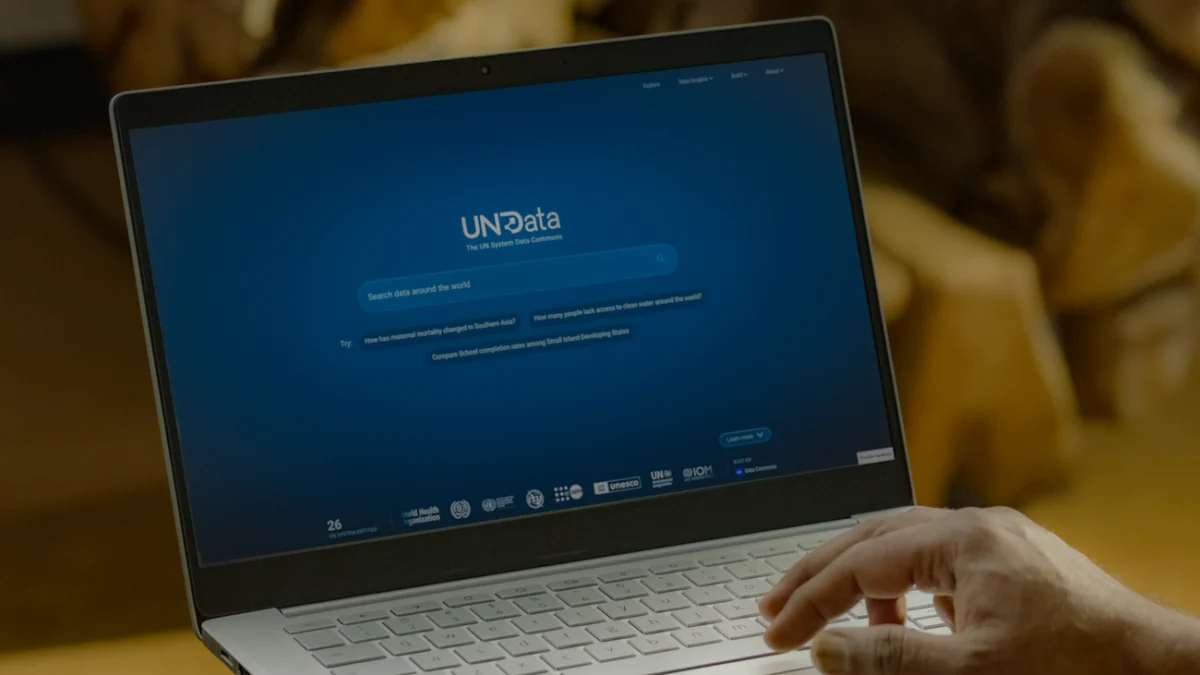
The Fragmented Landscape of Global Statistics
For decades, the United Nations has served as the world’s primary repository for critical statistics. From the World Health Organization’s epidemiological data to UNICEF’s child welfare metrics and the World Bank’s economic indicators, the sheer volume of information is immense. However, this wealth of knowledge has long been trapped in a labyrinth of disparate databases. Historically, UN agencies operated with varying protocols, conflicting data formats, and decentralized storage systems.
For a data scientist or an international policy researcher, attempting to conduct a multi-faceted analysis—such as correlating climate change data with poverty rates in a specific region—previously required months of manual labor. This involved downloading disparate CSV files, normalizing inconsistent geographic or temporal units, and reconciling conflicting terminology. This "data friction" did not merely delay academic research; it hindered the ability of global leaders to make rapid, evidence-based decisions during crises. The launch of the UN System Data Commons represents a paradigm shift, transitioning from a reactive, manual data-collection model to an proactive, AI-ready, and interconnected digital ecosystem.
Chronology and Development
The development of the UN System Data Commons is the culmination of years of discussions regarding digital transformation within the UN. The initiative gained significant momentum following the United Nations’ emphasis on "Data for the Sustainable Development Goals (SDGs)."
- 2021–2022: Initial discussions between UN technical leadership and Google engineers focused on the scalability of Google’s Data Commons project to handle global public interest datasets.
- 2023: A pilot phase was launched to test the interoperability of datasets from a select group of UN agencies, focusing on health and environmental metrics.
- 2024: Financial and technical support from Google.org to the UN Foundation accelerated the integration process, moving the project from a pilot to a robust public-facing infrastructure.
- Late 2026: The official public launch of the integrated platform at data.un.org, providing an open-source interface for natural language querying and automated research assistance.
Technical Infrastructure and AI Integration
At the heart of the platform is the concept of a "knowledge graph." Unlike a traditional search engine that simply indexes documents, the UN System Data Commons understands the relationships between data points. For instance, if a user queries the impact of agricultural output on child malnutrition, the system does not just return a list of links. Instead, it identifies the relevant datasets from the Food and Agriculture Organization (FAO) and UNICEF, aligns them by geography and year, and presents a cohesive data visualization.
The platform utilizes the Model Context Protocol (MCP), an open standard that allows AI agents to interface directly with external databases. This is a critical development for the research community. By utilizing agentic AI, researchers can now request a summary of, for example, "the trend of literacy rates in sub-Saharan Africa over the last decade compared to primary education funding." The AI agent autonomously fetches the data, performs the cross-referencing, and produces a draft report or a set of charts. While the platform provides these tools, the UN emphasizes that all AI-generated outputs should be reviewed by humans, maintaining the standard of "grounded" research where every figure is linked back to its authoritative source.
Supporting Data and Statistical Integrity
The importance of this platform cannot be overstated in the context of the Sustainable Development Goals (SDGs). As of the most recent reporting cycle, the UN has acknowledged that progress on many of the 17 SDGs is lagging. Data gaps—where countries lack the capacity to track progress—are a primary contributor to this stagnation.
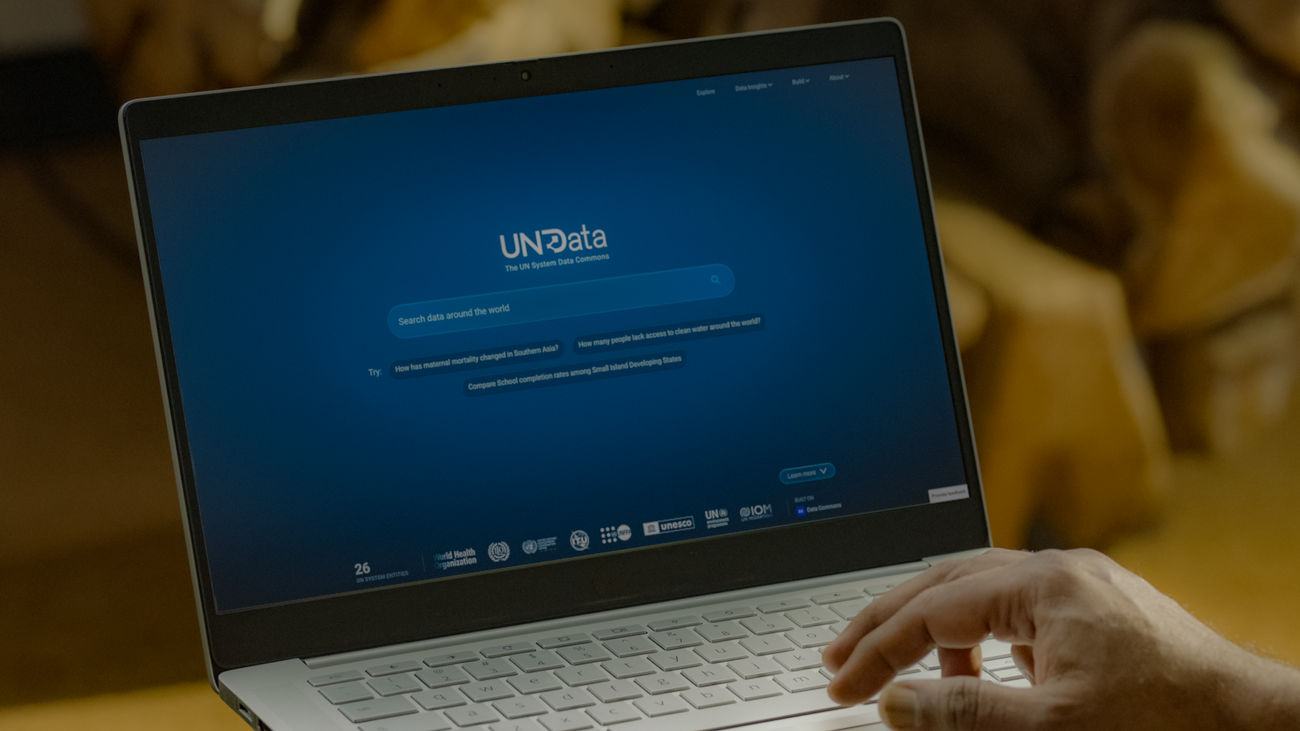
The UN System Data Commons aims to bridge these gaps by making existing data more visible. According to project architects, the current iteration of the platform includes significant datasets from across the UN’s major pillars. The internal roadmap is ambitious: the project aims to integrate 80% of all UN system statistical datasets by 2027. This includes not only broad demographic data but also granular information on climate variables, displacement figures, and public health indicators that are essential for humanitarian response.
Official Responses and Institutional Significance
Prem Ramaswami, the Head of Data Commons, has noted that the project is designed to "democratize" access to insights that were once the exclusive domain of those with advanced statistical software skills. By providing a natural language interface, the UN is effectively lowering the barrier to entry for journalists, non-profit organizers, and regional policy planners.
From the UN’s perspective, this initiative serves as a cornerstone for the "Summit of the Future" objectives, which highlight the necessity of digital cooperation. By moving away from siloed data, the UN is signaling a commitment to transparency and efficiency. Independent analysts have pointed out that while the platform is a massive leap forward, the ultimate success of the project will depend on the continued cooperation of member states to provide timely, accurate, and standardized data. The platform’s reliance on validated, official facts ensures that it acts as a "single source of truth," a vital countermeasure in an era of rampant misinformation regarding global trends.
Broader Impact and Future Implications
The implications for the global research community are substantial. With the integration of AI-ready tools, the time spent on "data janitorial work"—cleaning, formatting, and normalizing data—will likely decrease by significant margins. This shift allows human experts to focus on the high-level synthesis of data: interpreting the why and how of global trends rather than just the what.
Furthermore, the open-source nature of the platform encourages developers and data scientists globally to build their own tools on top of the UN’s infrastructure. This could lead to a proliferation of third-party dashboards, custom research apps, and academic plugins that utilize the UN System Data Commons as their backend engine.
As the platform grows, it is expected to influence how international development funds are allocated. When donor nations and NGOs can visualize the intersection of, for example, poverty rates and school enrollment in real time, the precision of aid interventions can be improved significantly.
Conclusion
The UN System Data Commons marks the end of an era where essential global statistics remained buried in isolated digital archives. By creating a centralized, searchable, and AI-compatible repository, the United Nations has provided a necessary upgrade to the global information architecture. As the platform continues to ingest more data and refine its AI capabilities, it stands to become the definitive resource for anyone seeking to understand the state of the world. For researchers, students, and policymakers alike, the journey toward evidence-based global governance has just been made significantly more navigable. Users and interested parties are encouraged to visit data.un.org to engage with the platform and utilize its evolving suite of analytical tools.

