
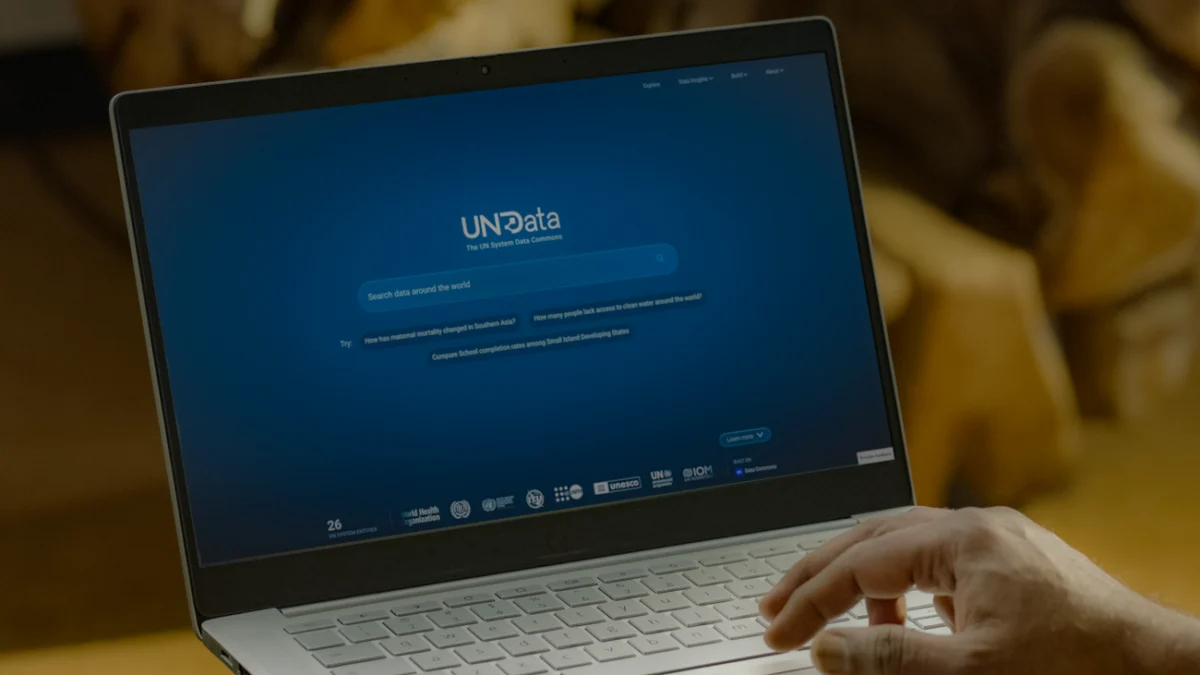
The launch of the UN System Data Commons represents a technological sea change in how global stakeholders—including policymakers, researchers, journalists, and humanitarian aid workers—interact with these vast troves of information. By utilizing the underlying architecture of Google’s Data Commons, the initiative transforms disconnected spreadsheets and reports into an interconnected "knowledge graph." This AI-ready infrastructure allows disparate datasets to "speak the same language," effectively removing the administrative burden that has previously forced analysts to spend months cleaning and formatting data before they could even begin the process of interpretation.
A Chronology of Data Integration
The genesis of this project lies in the long-standing recognition that modern global crises are inherently interconnected. Issues such as public health, poverty eradication, and climate change do not exist in isolation; they are deeply interdependent. However, the manual effort required to align data from the World Health Organization (WHO) with economic data from the World Bank or demographic figures from UNICEF often served as a bottleneck for progress.
Historically, the UN’s data strategy evolved in phases. In the early 2000s, the focus was on digitizing paper records. By the 2010s, the priority shifted to establishing public-facing portals for individual agencies. The current phase, initiated through a collaboration involving the UN Foundation and supported by Google.org, marks a shift toward interoperability. Following a period of pilot testing and technical development, the platform is now transitioning into an enterprise-wide tool, with an explicit roadmap to incorporate 80% of all UN system statistical datasets by 2027. This timeline reflects a methodical approach to data governance, ensuring that every piece of information added to the knowledge graph undergoes rigorous validation by UN statisticians.
Breaking Down Data Silos
The fundamental challenge addressed by this initiative is not a lack of data, but a lack of structural cohesion. Previously, an analyst attempting to map the relationship between rural infrastructure investment and local educational attainment might have faced significant hurdles in synchronizing geographic boundaries, time periods, and measurement units across different agency databases.
The UN System Data Commons solves this by enforcing semantic uniformity. By integrating metrics, timelines, and standardized geographic mapping into a singular, interconnected environment, the platform enables users to perform cross-domain analysis instantaneously. For example, a user can now query the platform to visualize the intersection of climate-related agricultural disruption and food security trends in specific regions of Sub-Saharan Africa. This capability effectively shifts the focus of the global research community from data management to policy design.
The Role of Artificial Intelligence and Natural Language
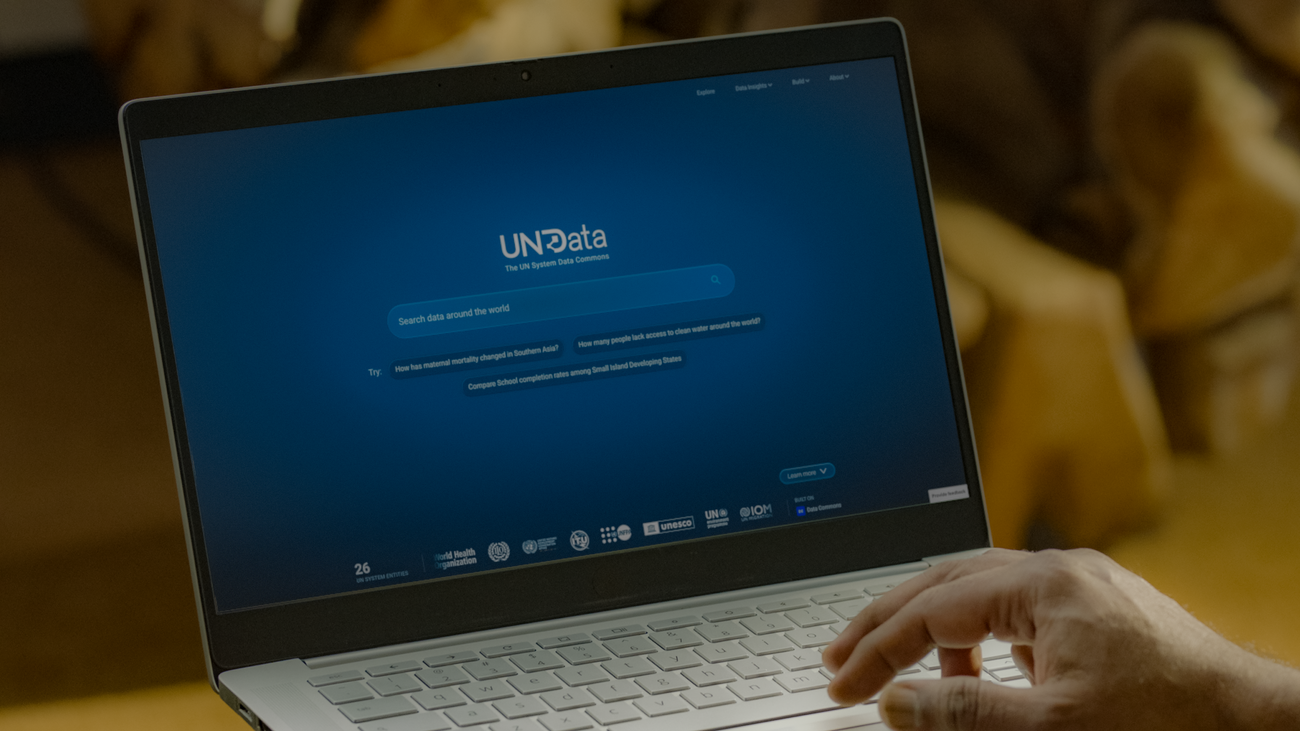
Perhaps the most significant leap in the platform’s utility is the integration of natural language processing (NLP). The democratization of data is a core objective of the project, acknowledging that not every stakeholder possesses advanced coding or statistical skills. Users can now interact with the system using plain, conversational language. By asking questions such as, "What is the correlation between secondary school completion rates and GDP growth in developing nations over the last two decades?" the system provides immediate, interactive visualizations grounded in verified UN facts.
Furthermore, the implementation of "agentic" research capabilities marks a new frontier for international development work. Built on open standards like the Model Context Protocol (MCP), the platform is designed to function as a collaborative research assistant. AI agents can be deployed to autonomously aggregate figures from across multiple UN databases, synthesize findings, and generate preliminary drafts of reports or infographics. While the platform emphasizes efficiency, it also maintains a strict standard of accountability; every output is traceable to its original, verified source, encouraging users to perform due diligence before citing critical figures in high-stakes policy decisions.
Supporting Data and Strategic Context
The necessity for such a tool is underscored by the current state of global progress toward the Sustainable Development Goals (SDGs). As of the most recent reporting cycles, several key global targets remain off-track. The complexity of these challenges is exacerbated by the sheer volume of information being generated daily. According to recent internal UN reports, the system generates millions of data points annually, yet a significant portion of this data remains underutilized due to accessibility barriers.
The UN System Data Commons is expected to reduce the "data-to-insight" latency—the time it takes for raw data to influence actual policy—by a significant margin. By providing a centralized, searchable, and AI-ready repository, the UN is effectively lowering the barrier to entry for smaller, resource-constrained NGOs and independent researchers who previously lacked the technical capacity to harvest and normalize UN-level data.
Institutional Responses and Broader Implications
While the technical aspects of the platform are robust, the broader implications for international diplomacy and governance are equally profound. The ability to ground policy debates in a shared, indisputable set of facts is a prerequisite for effective multilateralism. When countries and international organizations can view the same datasets through the same analytical lens, it reduces the scope for misinterpretation and facilitates more constructive dialogue on global challenges.
The involvement of the private sector, specifically through Google’s technical infrastructure, highlights a growing trend of "public-interest technology" partnerships. These collaborations are increasingly vital as the scale of global data processing exceeds the internal capabilities of traditional bureaucratic institutions. However, this also necessitates ongoing vigilance regarding data privacy, security, and the neutrality of the algorithms being used to interpret global statistics. The UN has indicated that the governance of the Data Commons will remain firmly under the control of UN system statisticians, ensuring that the platform adheres to international standards of neutrality and transparency.
The Road Ahead: 2027 and Beyond
As the platform continues to scale, the focus will shift toward enhancing the depth of the data and the sophistication of the AI agents. The current goal of 80% coverage by 2027 is ambitious, requiring the cooperation of dozens of UN entities, specialized agencies, and regional offices. Future iterations are expected to include more granular, real-time data feeds, which will be essential for monitoring rapidly evolving situations, such as natural disasters or public health outbreaks.
For the international community, the UN System Data Commons serves as a reminder that in the information age, data is a public good. By making this resource open, searchable, and machine-readable, the UN is not merely building a database; it is constructing a digital foundation for the next generation of global problem-solving. As the platform matures, it will likely become an indispensable tool for anyone working to address the most pressing issues of our time, from climate change mitigation to the eradication of extreme poverty.
Researchers, policymakers, and members of the public are encouraged to engage with the repository at data.un.org. By transitioning from a fragmented, siloed approach to a unified, interconnected data ecosystem, the international community is better positioned than ever to turn raw statistics into the evidence-based solutions required for a more stable and prosperous global future. The success of this initiative will ultimately be measured not by the amount of data stored, but by the tangible improvements in global welfare that result from more informed, timely, and precise decision-making.

