
The intersection of artificial intelligence and cybersecurity has entered a critical new phase, prompting deep re-evaluations of digital surveillance, national security, and software resilience. Fresh from discussions at the Usenix Security conference in Baltimore, technology experts are increasingly confronting a profound paradox: the rapid advancement of artificial intelligence in vulnerability discovery may soon render software so secure that it effectively neutralizes the hacking capabilities of intelligence and law enforcement agencies. This anticipated shift threatens to upend a delicate status quo that has persisted for over a decade, potentially sparking renewed legislative and political battles over digital encryption and state access.
A Historical Overview of Electronic Surveillance and the "Going Dark" Era
To understand the gravity of the current trajectory, one must examine the evolution of digital surveillance over the past twenty years. In the early 2000s, electronic surveillance relied heavily on traditional wiretaps targeting telecommunications, public payphones, and early generation mobile devices. Within a decade, however, the proliferation of smartphones fundamentally transformed the technological landscape.
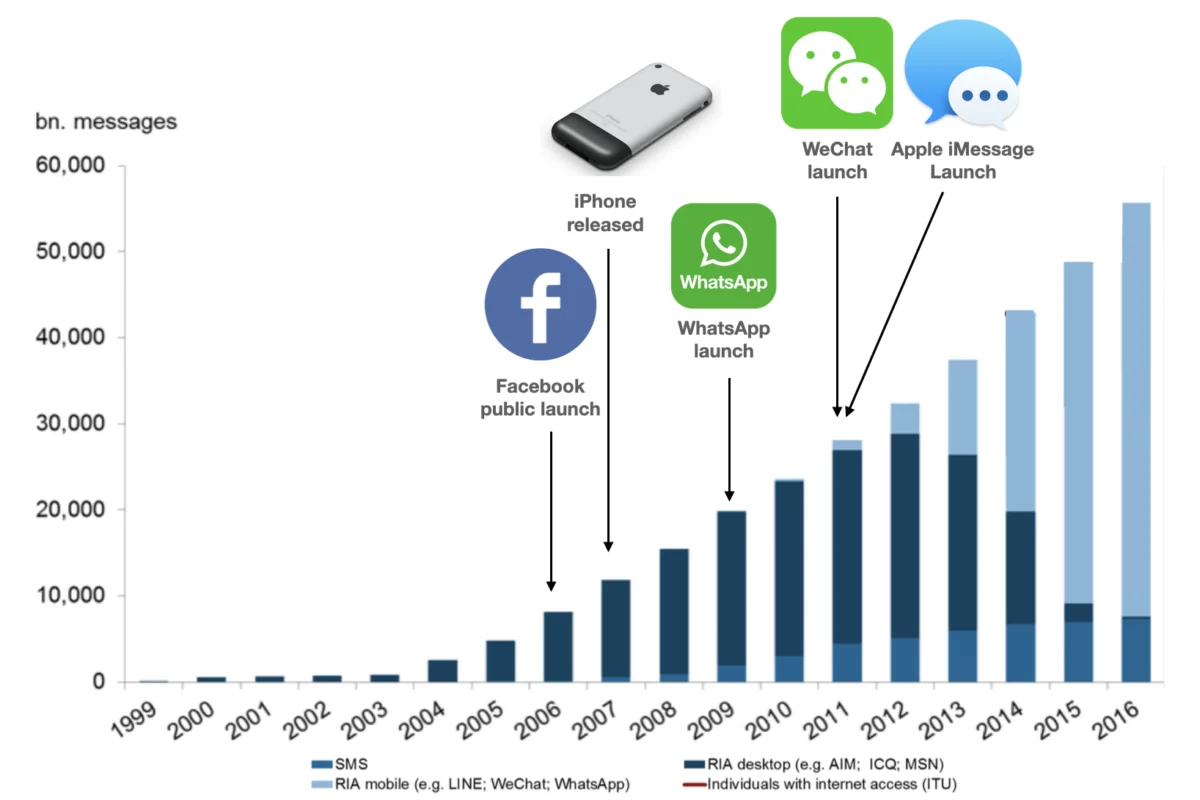
By 2010, major technology firms began implementing robust device-level encryption, securing stored data with keys derived from individual user passcodes. This was closely followed by the widespread adoption of end-to-end encryption for messaging services and voice communications. By the mid-2010s, billions of global users routinely relied on fully encrypted platforms such as WhatsApp and Apple’s iMessage, effectively shielding private communications from traditional interception methods.
This transition prompted acute concern among intelligence and law enforcement officials. In 2014, then-FBI Director James Comey formally launched the "Going Dark" initiative, initiating a prolonged public debate regarding the technical feasibility and societal implications of mandating government access mechanisms, or backdoors, within commercial software. The tension culminated in the high-profile 2016 legal battle between the FBI and Apple following a terrorist attack in San Bernardino, California, where federal authorities sought judicial compulsion to unlock a suspect’s iPhone.

The legal standoff was ultimately resolved not through a definitive judicial ruling or legislative mandate, but through private enterprise. An undisclosed third-party vendor successfully demonstrated the technical capability to bypass the device’s security architecture through direct exploitation, rendering the court battle moot. For the subsequent decade, this dynamic defined the operational reality for law enforcement: rather than securing mandatory backdoors from technology providers, government agencies increasingly relied on commercial, highly targeted exploit tools—such as physical extraction devices and remote zero-day exploits—to access locked devices on a case-by-case basis.
The AI Revolution in Vulnerability Discovery
This operational model, however, is now under imminent threat from generative artificial intelligence and advanced machine-learning models designed specifically for cybersecurity applications. In early 2026, technology developers introduced specialized frontier models, such as Anthropic’s Mythos, which demonstrated unprecedented proficiency in identifying complex software vulnerabilities. Although initial government export controls and usage restrictions were placed on these advanced systems, competing laboratories across the global technology sector—including OpenAI, Z.ai, and Moonshot—rapidly demonstrated that advanced automated vulnerability discovery is an accessible capability across multiple international jurisdictions.
These AI systems are now capable of systematically analyzing vast codebases and uncovering deeply embedded, legacy vulnerabilities that human engineers might overlook for years. Consequently, software developers and system administrators are utilizing the same automated tools to preemptively patch historical backlogs, overhaul continuous integration (CI) toolchains, and integrate automated security hardening directly into the software development lifecycle.
Industry analysts project that within the next two to three years, widely deployed enterprise software and consumer operating systems will have largely eliminated accessible, remotely exploitable vulnerabilities. While this systemic hardening represents a monumental achievement for overall cybersecurity and user privacy, it presents a severe operational crisis for offensive intelligence operations and domestic law enforcement agencies.
Implications for State Security and Regulatory Pressures

The impending eradication of low-hanging software vulnerabilities threatens to plunge state intelligence and law enforcement apparatuses into a state of structural blindness, precipitating a literal interpretation of "going dark." Without reliable zero-day exploits or readily discoverable software flaws to facilitate lawful hacking, government agencies will face unprecedented barriers in accessing encrypted devices and communications channels.
This capability deficit is widely anticipated to reignite intense political pressure for mandated exceptional access mechanisms. Industry experts and policy analysts warn that governments may resort to aggressive regulatory frameworks, compelling technology corporations to re-architect systems to accommodate state surveillance requirements. Such demands, however, carry profound systemic risks. Creating intentional architectural weaknesses or cryptographic backdoors inevitably introduces systemic vulnerabilities that can be discovered and exploited by hostile foreign adversaries or criminal syndicates.
Furthermore, aggressive domestic mandates for exceptional access could severely damage the global market competitiveness of domestic technology firms. International consumers and foreign governments, wary of compromised software architectures, may increasingly pivot away from domestic software ecosystems toward foreign alternatives immune to local surveillance demands. This dynamic risks triggering a self-sabotaging cycle wherein national security agencies inadvertently weaken domestic digital infrastructure just as automated defensive technologies are finally achieving widespread efficacy.
Broader Industry Impact and Future Outlook
The convergence of AI-driven defensive hardening and offensive capability depletion marks a watershed moment for the global technology sector. As software engineering enters an era of unprecedented resilience, policymakers, legal scholars, and technical experts must navigate a complex landscape fraught with competing priorities. Balancing the legitimate public safety and national security requirements of governments with the fundamental imperatives of individual privacy and global cybersecurity will remain one of the defining governance challenges of the decade. Without proactive and deliberate policymaking, the unintended consequences of automated software perfection may permanently alter the global balance of digital power.

