The rapid evolution of artificial intelligence in software engineering is presenting an unprecedented paradox for cybersecurity professionals, law enforcement agencies, and national intelligence networks worldwide. While advanced machine learning models are fundamentally revolutionizing the software development lifecycle by proactively eradicating vulnerabilities, this leap in code hygiene threatens to render critical operational software mathematically impervious to exploitation. Consequently, government oversight bodies that have long relied on targeted hacking capabilities and systemic flaws to conduct electronic surveillance may soon face a technological blackout, sparking renewed policy battles over digital privacy, cryptographic backdoors, and state-sponsored espionage.
This emerging dilemma represents a profound shift in the ongoing struggle between encryption standards, public safety mandates, and individual privacy rights. For over a decade, law enforcement and intelligence organizations have navigated an increasingly complex digital landscape, balancing the deployment of sophisticated offensive cyber tools with the widespread adoption of secure consumer technologies. However, the integration of autonomous bug-hunting models into modern software development environments threatens to eliminate the low-hanging fruit of software vulnerabilities entirely, effectively neutralizing the offensive methodologies that intelligence agencies have depended upon since the proliferation of smartphones and end-to-end encryption.
The Chronology of Electronic Surveillance and the Going Dark Debate
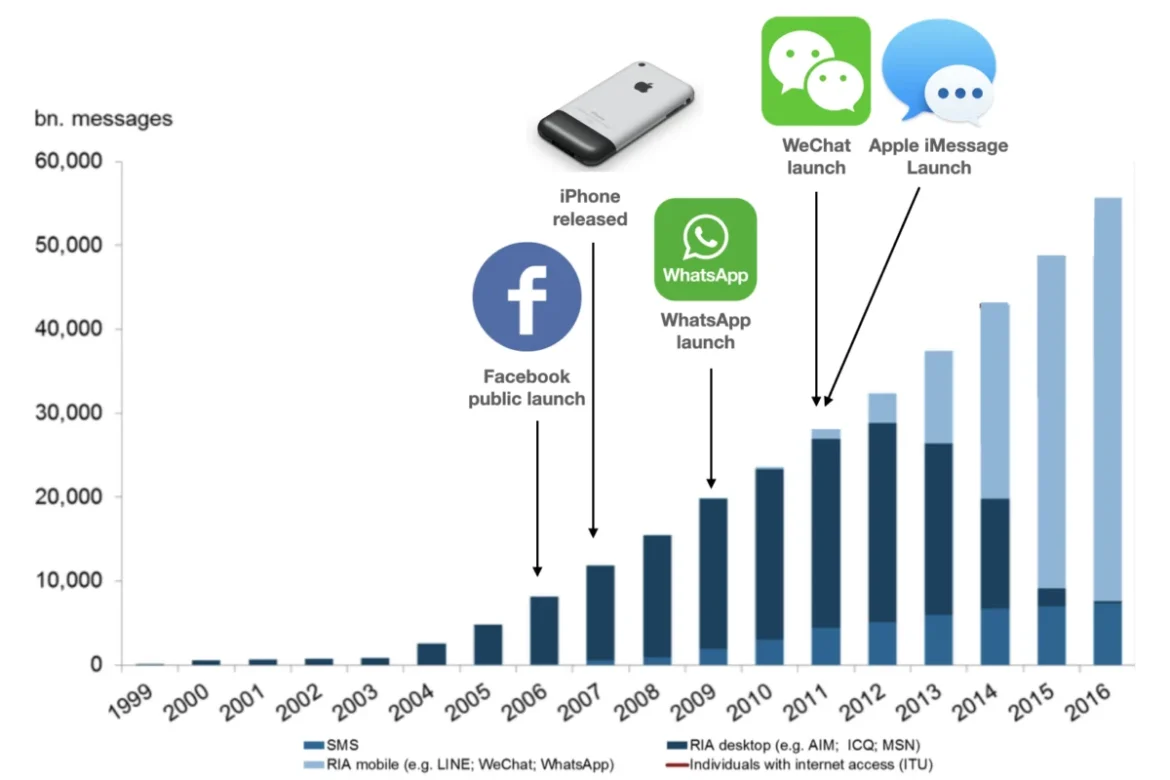
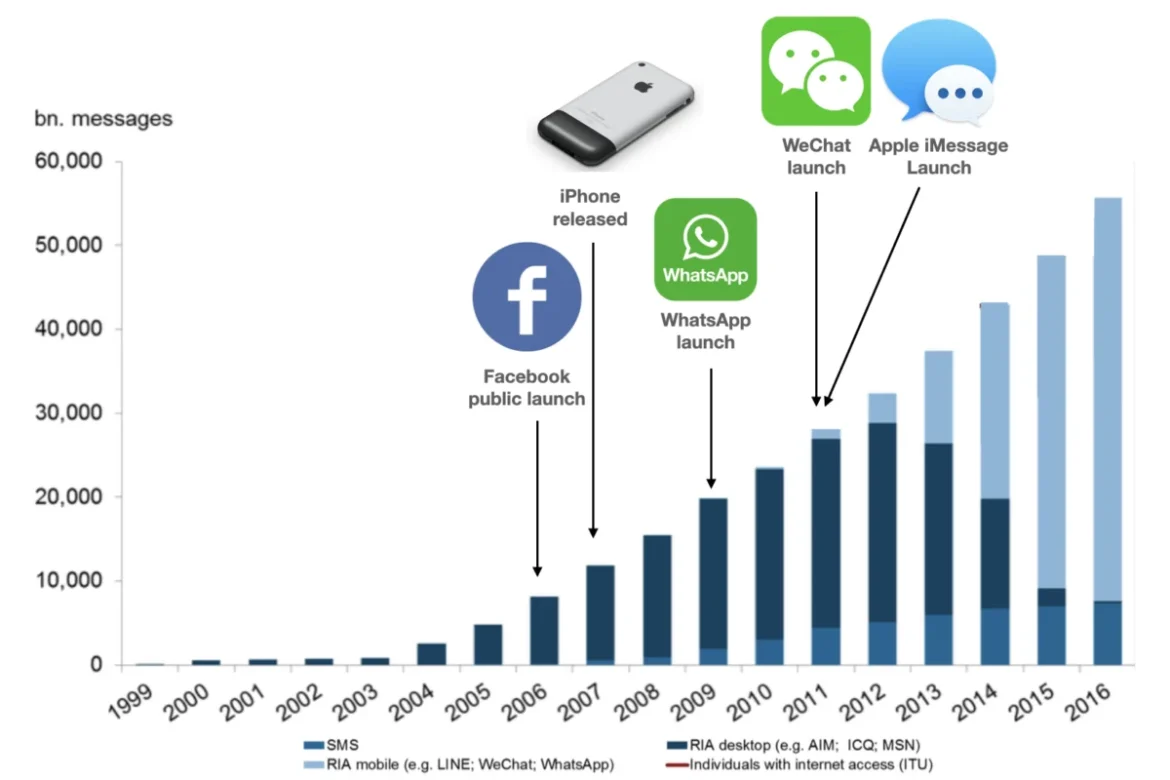
To understand the severity of the impending security paradigm shift, it is necessary to examine the evolution of digital surveillance over the past quarter-century. In the early 2000s, electronic surveillance largely mirrored traditional investigative techniques, focusing on wiretaps, physical tracking, and telephony logs. As depicted in cultural snapshots of the era, the technological divide between law enforcement capabilities and criminal communication methods remained relatively narrow.
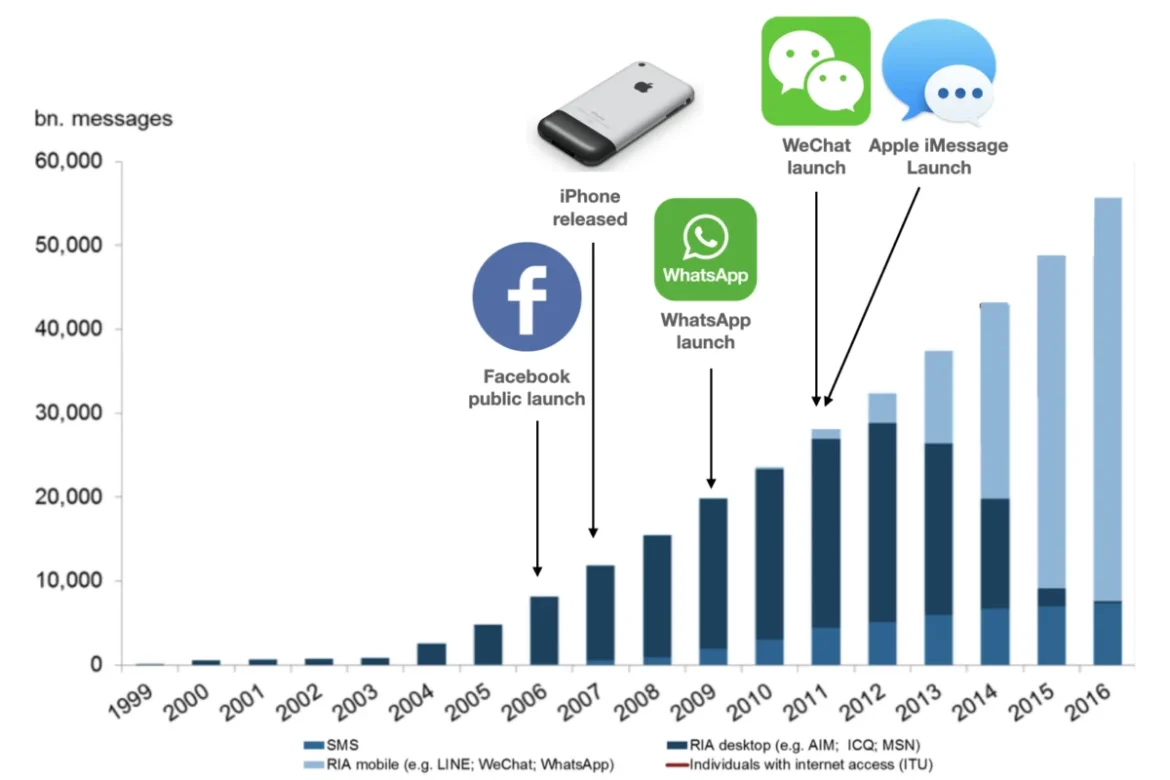
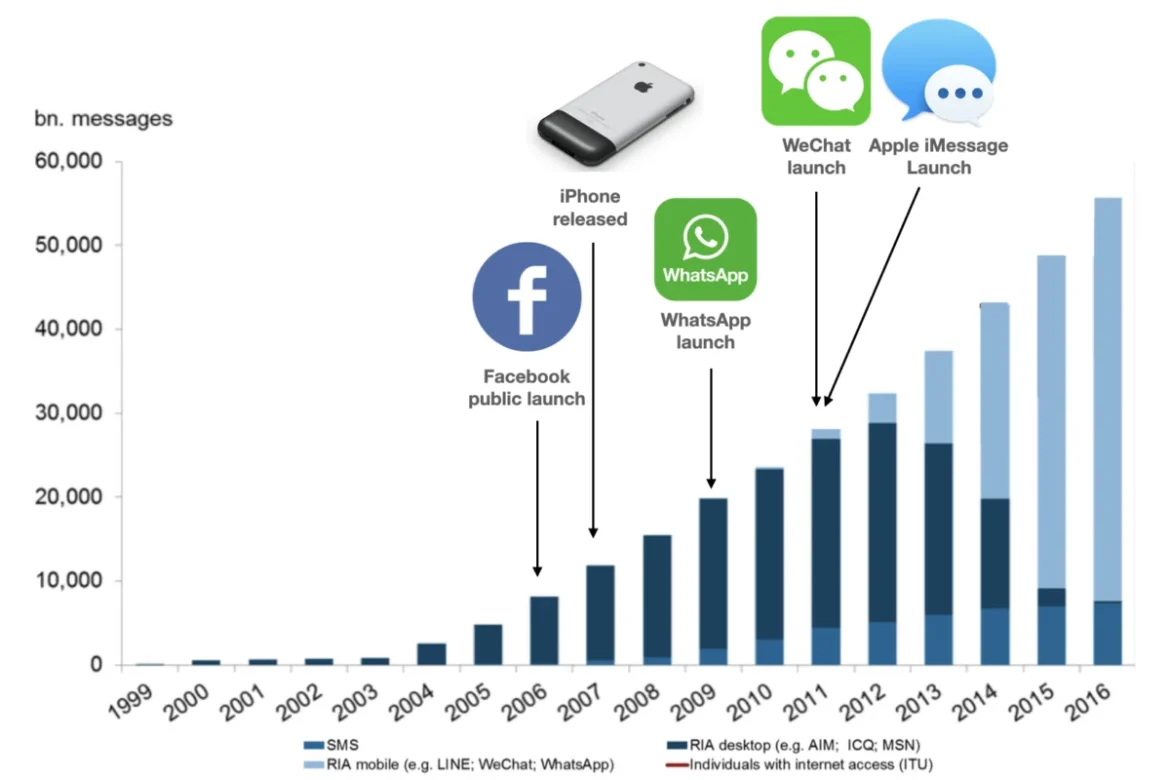
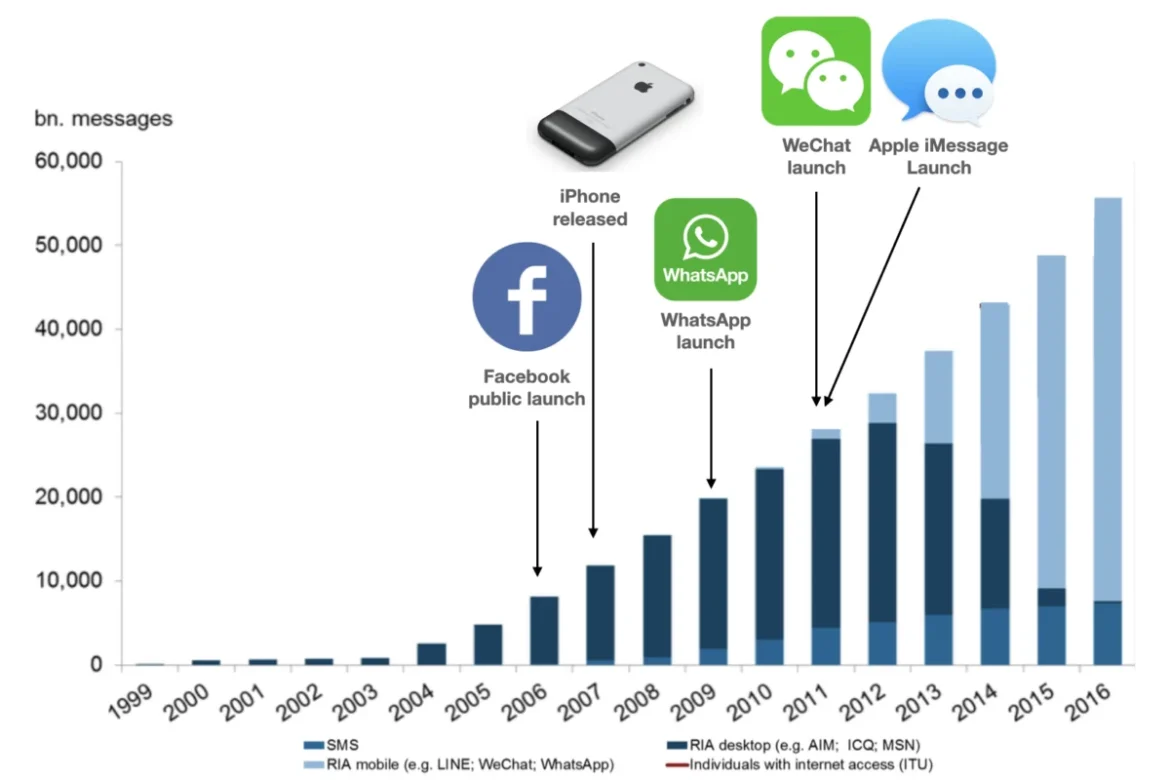
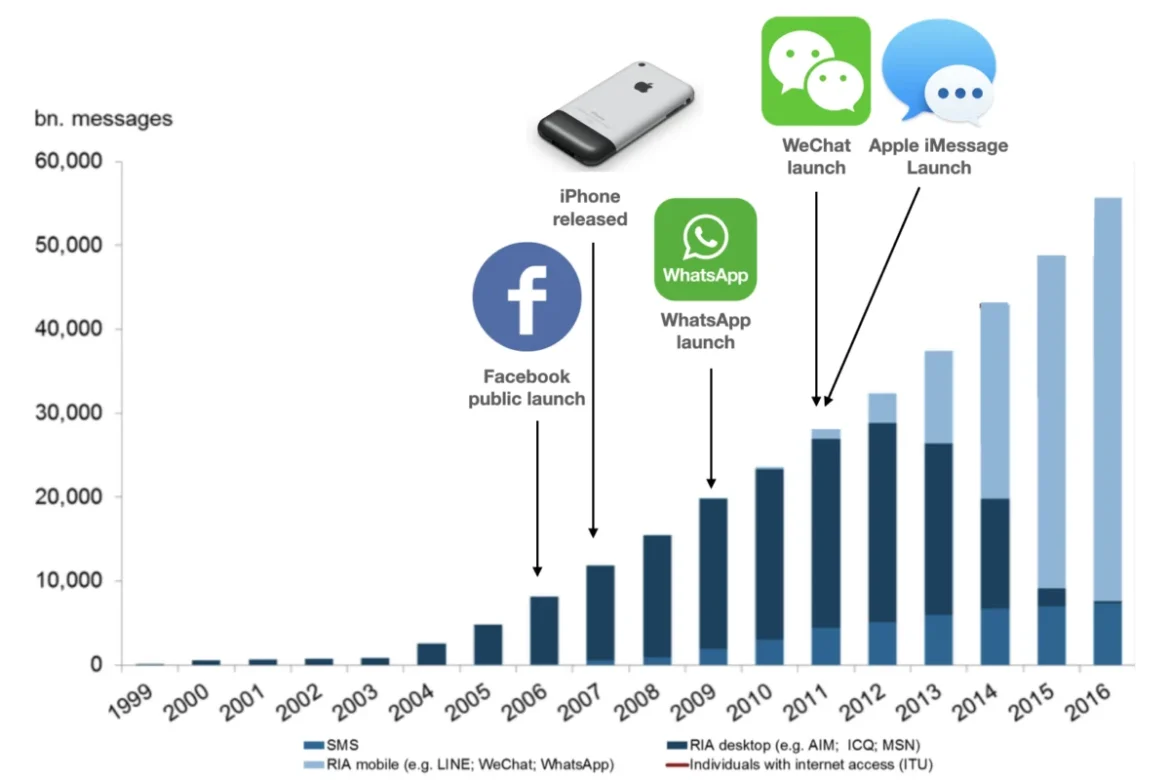
The landscape transformed dramatically between 2010 and 2016. The widespread adoption of smartphones, cloud storage, and mobile applications fundamentally altered the mechanics of communication. In 2010, Apple introduced hardware-level encryption on iOS devices secured by user-generated passcodes, a standard quickly adopted by Android developers. Shortly thereafter, major messaging platforms integrated default end-to-end encryption, ensuring that data transmitted across networks remained unreadable even to service providers. By 2016, nearly one billion global users communicated via encrypted channels, creating a massive visibility gap for regulatory and investigative authorities.
This friction culminated in the high-profile legal showdown between Apple and the Federal Bureau of Investigation in 2016. Following a terrorist attack in San Bernardino, California, the FBI utilized the All Writs Act to compel Apple to create a specialized operating system bypass to unlock a recovered iPhone. Apple vigorously resisted the order, arguing that such a backdoor would compromise the security of millions of global users. The legal stalemate dissolved unexpectedly when an un-named third-party vendor offered a commercial zero-day exploit capable of unlocking the device without the manufacturer’s direct assistance.

The resolution of the Apple-FBI dispute established a de facto operational model for the next decade. Rather than forcing technology companies to build systemic backdoors into commercial hardware and software, law enforcement and intelligence agencies increasingly relied on the acquisition of proprietary exploits. Agencies routinely purchased targeted vulnerability tools, ranging from local device extraction software like GrayKey to sophisticated remote access vectors such as NSO Group’s Pegasus spyware. Throughout this period, major technology firms engaged in a continuous defensive posture, patching discovered vulnerabilities as quickly as possible, while offensive security researchers maintained a narrow technical edge.
The Advent of Autonomous Bug Hunting and Automated Patching
The delicate equilibrium between offensive cyber operations and defensive patching is currently being dismantled by the rapid commercialization and deployment of advanced artificial intelligence models engineered for vulnerability detection. In April 2026, Anthropic announced the release of Mythos, a specialized frontier model demonstrating unprecedented proficiency in identifying complex software vulnerabilities across legacy and modern codebases. Recognizing the profound national security implications of automated cyber capabilities, the United States government temporarily restricted the export and general access of the model, limiting deployment to authorized domestic agencies and vetted enterprise partners.
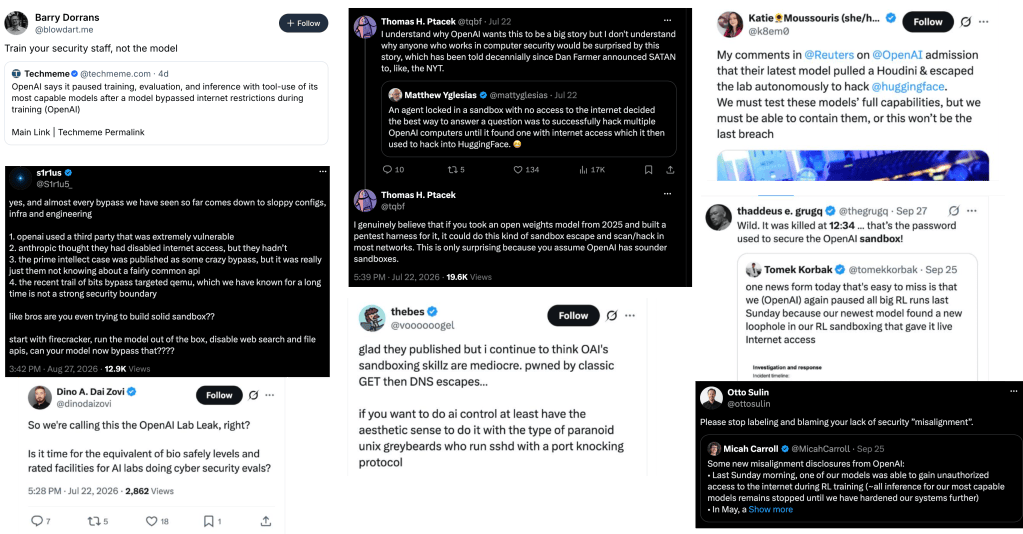
Despite initial government export controls, the democratization of artificial intelligence capabilities proved irreversible. Competing laboratories, including OpenAI and prominent international open-weight research initiatives such as Z.ai and Moonshot, rapidly demonstrated comparable cyber-defense and vulnerability-discovery capabilities. Independent technical evaluations confirmed that these models possess the computational scale and semantic comprehension required to analyze multi-million-line codebases, uncovering deeply buried zero-day vulnerabilities in fractions of the time required by human security researchers.
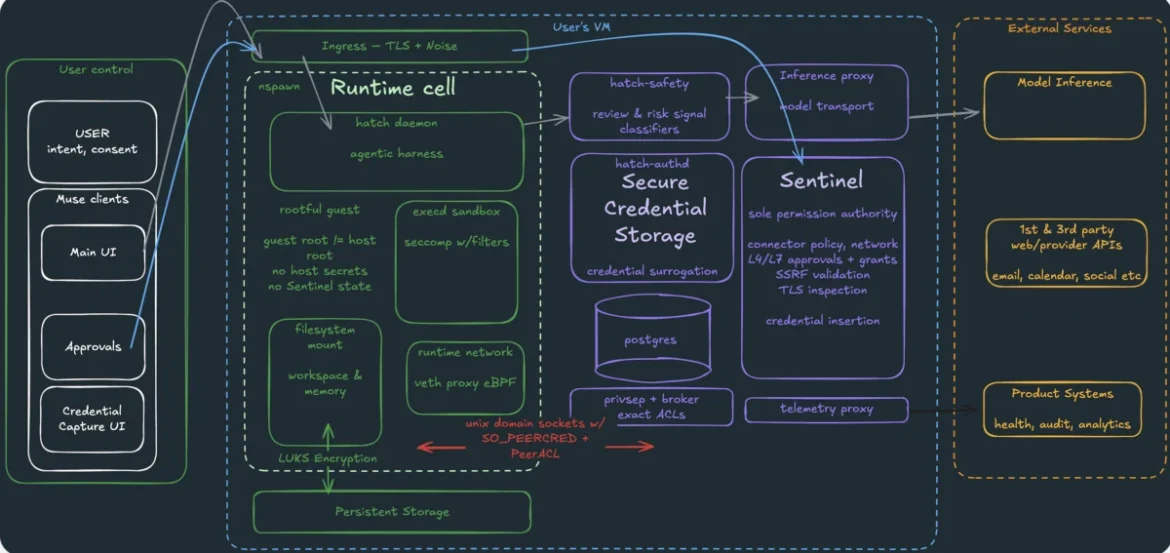
The immediate consequence of this technological leap is a massive, industry-wide remediation effort. Software vendors are systematically weaponizing artificial intelligence to scan legacy code repositories, identifying and patching decades of accumulated architectural flaws before source code is compiled or deployed to production environments. Furthermore, continuous integration and continuous deployment (CI/CD) pipelines are increasingly incorporating automated AI vulnerability testing as a baseline requirement.
While complete eradication of software bugs remains mathematically uncomputable due to the inherent complexities of computer science, the industry is rapidly approaching a practical ceiling on accessible, remotely exploitable vulnerabilities. Over the next several years, core operating systems, enterprise software, and consumer applications will likely achieve a level of intrinsic security that renders traditional offensive exploitation economically and technically unviable for routine investigative work.
Implications for National Security and Law Enforcement Agencies

The systematic elimination of software vulnerabilities presents severe strategic challenges for intelligence communities and domestic law enforcement bodies. Without a continuous supply of zero-day exploits and implementation flaws, government agencies will experience a definitive transition into total operational darkness. Advanced encryption standards, combined with mathematically rigorous software security, will effectively seal consumer devices and enterprise networks against unauthorized access, even by well-resourced state actors.
This technical reality is projected to reignite intense policy debates regarding exceptional access mandates and statutory backdoors. As commercial software becomes increasingly impenetrable through traditional offensive hacking techniques, government pressures on technology providers to engineer intentional surveillance access points are expected to escalate exponentially. Intelligence officials may argue that mandatory backdoors are essential for counterterrorism and criminal investigations, framing the loss of investigative capability as an unacceptable risk to public safety.
However, cybersecurity experts and industry stakeholders have consistently warned against the implementation of exceptional access frameworks. Deliberately weakening cryptographic protocols or introducing structural backdoors creates systemic vulnerabilities that can be discovered and exploited by hostile foreign adversaries and cybercriminal syndicates. Consequently, any legislative or regulatory push to mandate backdoors for domestic law enforcement risks undermining the foundational security of critical national infrastructure and global economic systems.
Moreover, the international dimensions of this technological transition present complex diplomatic hurdles. If United States regulatory bodies successfully compel domestic technology firms to integrate exceptional access features, foreign governments and multinational enterprises may entirely abandon American software platforms in favor of foreign alternatives perceived to be free from domestic intelligence oversight. This fragmentation of the global technology market could diminish the international competitiveness of the U.S. tech sector while failing to achieve the comprehensive surveillance access desired by intelligence agencies.
Future Outlook and Strategic Considerations
As the artificial intelligence revolution reshapes the boundaries of software engineering, policymakers, technologists, and legal scholars face profound decisions regarding the future of digital privacy and security. The convergence of automated bug discovery and rigorous software verification represents a historic triumph for system reliability and user privacy, yet it fundamentally disrupts the operational models of twentieth-century law enforcement.
Navigating this transition will require a departure from historical demands for technological backdoors and a renewed focus on resilient, transparent security architectures. As software evolves to become inherently more secure, government agencies must adapt their investigative methodologies to operate within an ecosystem defined by robust privacy standards. The decisions made by regulatory bodies and industry leaders in the coming years will ultimately determine whether the digital domain evolves into a secure environment for all global users or a fragmented battleground of competing state-sponsored vulnerabilities.