The rapid integration of generative artificial intelligence into software development lifecycles is fundamentally reshaping the global cybersecurity landscape, presenting an unexpected and profound challenge for law enforcement and intelligence agencies worldwide. Fresh from the floors of the Usenix Security conference in Baltimore, cybersecurity researchers and technologists are increasingly confronting a paradoxical scenario: as artificial intelligence models become exceptionally proficient at identifying and eradicating software vulnerabilities, consumer and enterprise software is on a trajectory to become significantly more secure than at any point in digital history. While this unprecedented fortification of digital infrastructure represents a long-awaited victory for privacy advocates, consumer protection, and network defenders, it simultaneously threatens to completely blind intelligence and law enforcement agencies—effectively locking them out of the digital ecosystem and forcing a resurgence of contentious policy battles over encryption and backdoors.
A Chronological Overview of Electronic Surveillance and the Going Dark Dilemma
To understand the magnitude of the impending technological shift, it is necessary to examine the historical evolution of electronic surveillance over the past quarter-century. In the early 2000s, criminal investigations relied heavily on physical wiretaps, traditional telephonic intercepts, and tracking individuals using public payphones or early-generation cellular devices, a dynamic famously captured in popular media such as the television series The Wire. At the time, law enforcement maintained a relatively high degree of accessibility to communications data because telecommunications infrastructure was centrally managed, physical, and unencrypted by default.
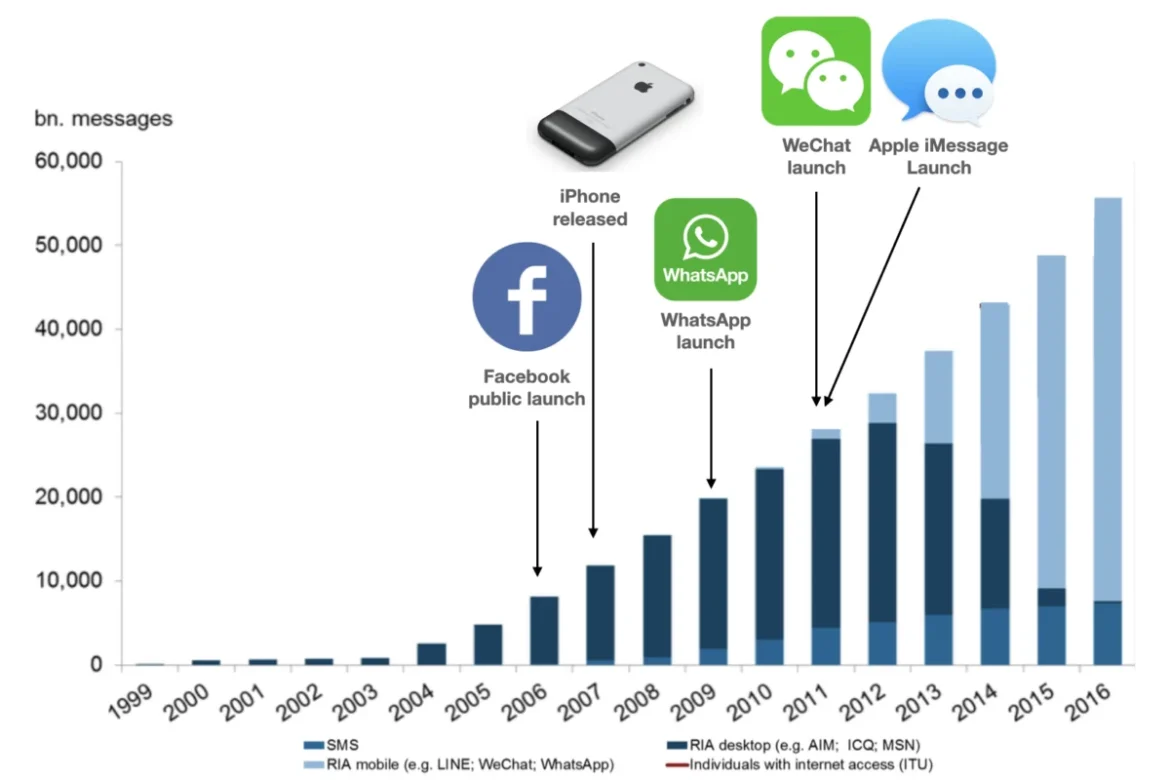
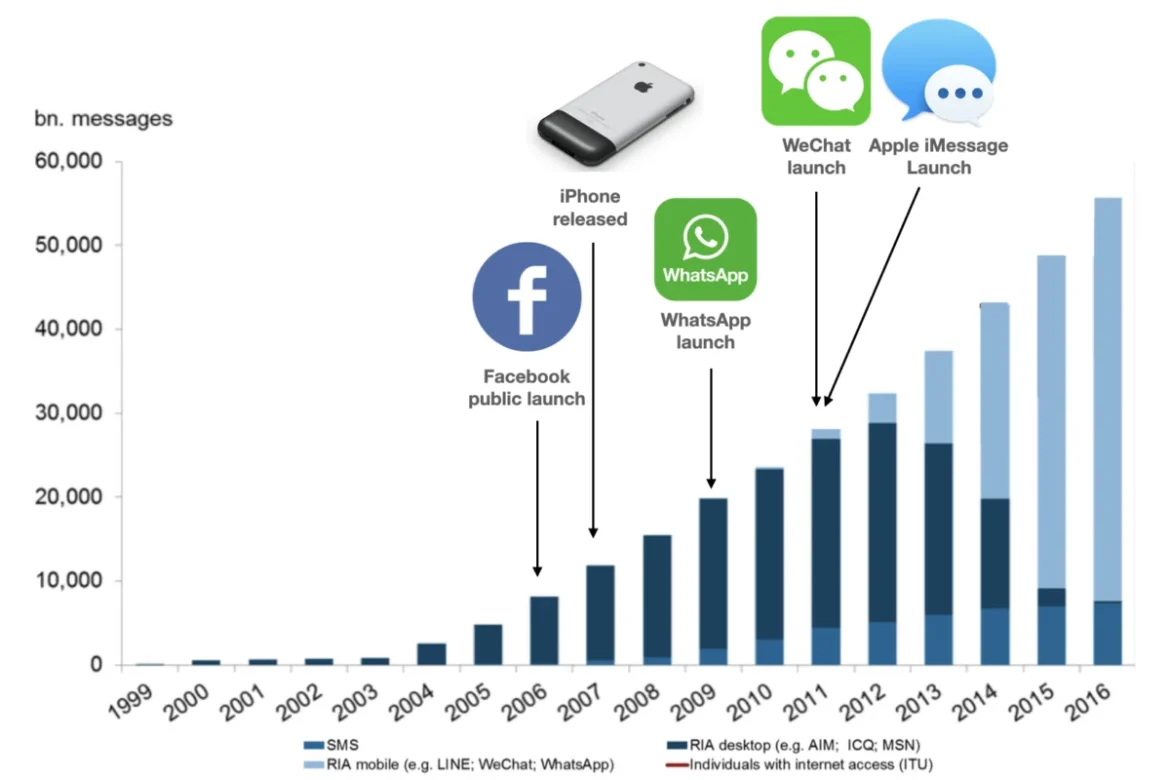
This operational paradigm shifted dramatically between 2010 and 2016. The proliferation of smartphones introduced encrypted local storage, protecting user data at rest via passcode-derived cryptographic keys. Concurrently, major technology firms began deploying end-to-end encryption for messaging and voice communications. Apple introduced encrypted messaging in 2011, and platforms like WhatsApp rapidly scaled to hundreds of millions of global users, deploying default end-to-end encryption for nearly a billion people by 2016.
Faced with this sudden loss of visibility, then-FBI Director James Comey formally announced the "Going Dark" initiative in 2014, sparking a contentious national debate regarding the balance between public safety and user privacy. The ideological standoff culminated in 2016 during the high-profile Apple v. FBI legal dispute, where the Federal Bureau of Investigation sought a court order compelling Apple to bypass security controls on an encrypted iPhone linked to a terrorist attack. Although Apple famously refused, the legal battle was abruptly short-circuited when an undisclosed commercial entity demonstrated an independent capacity to exploit device vulnerabilities and unlock the hardware.
For the subsequent decade, the "Going Dark" crisis receded from the forefront of public policy debates. Intelligence and law enforcement agencies adapted to the prevalence of encrypted communications by procuring targeted, commercial-grade exploitation tools—such as GrayKey for physical device unlocking and sophisticated remote access trojans like NSO Group’s Pegasus—to compromise specific targets of interest. Simultaneously, technology vendors maintained a robust defense, aggressively patching vulnerabilities as soon as they were discovered. However, offensive security researchers and well-funded intelligence operations consistently maintained a technological edge over system defenders, keeping a steady supply of zero-day exploits available for high-priority investigations.

The Rise of AI Bug Hunting and the Elimination of the Vulnerability Backlog
That delicate equilibrium between offensive hacking capabilities and defensive patching is now collapsing due to recent advancements in artificial intelligence. In early 2026, major artificial intelligence laboratories—beginning with Anthropic’s introduction of specialized cyber models such as Mythos, followed closely by offerings from OpenAI and prominent international open-weight labs including China’s Z.ai and Moonshot—demonstrated unprecedented proficiency in automated software vulnerability discovery. These models have shown an advanced capability to autonomously scan complex codebases, uncover deeply buried logical flaws, and identify zero-day vulnerabilities at a scale and speed unattainable by human researchers.
Initially viewed as a dangerous multiplier for offensive cyber operations, leading governments reacted swiftly with restrictive export controls. The United States government temporarily restricted access to advanced cyber-defense and vulnerability-scanning models, limiting deployment strictly to trusted domestic agencies and vetted defense contractors. However, similar technological capabilities rapidly proliferated globally, ensuring that no single nation or laboratory maintains a monopoly on AI-driven bug discovery.
The broader and more transformative implication of this technological leap lies in defensive software engineering. Enterprises and software vendors are aggressively integrating automated AI vulnerability scanners directly into their continuous integration and continuous deployment (CI/CD) toolchains. By automatically detecting and remediating vulnerabilities before code ever reaches production environments, developers are steadily burning through decades’ worth of accumulated software bugs.
While it remains mathematically impossible to eliminate every single defect from complex software, industry analysts project that within the next two years, major enterprise platforms and consumer operating systems will effectively exhaust their supply of easily exploitable remote vulnerabilities. As automated defenses close security gaps faster than human or artificial intelligence actors can discover them, the market for remote exploitation tools will face severe contraction.
Implications for Law Enforcement, National Security, and Global Trade
The impending fortification of software infrastructure presents a complex web of policy, operational, and geopolitical implications. For law enforcement and intelligence agencies, the depletion of remotely exploitable vulnerabilities threatens to realize the literal manifestation of "Going Dark." Without access to recurring software flaws or commercial exploitation tools to bypass encryption and device security, investigative agencies will likely lose visibility into modern communications platforms entirely.
This capability gap is expected to reignite intense political pressure on the technology sector. As the acquisition of zero-day exploits becomes increasingly difficult, government agencies will likely renew their demands for legally mandated "exceptional access" mechanisms—commonly referred to as backdoors—built directly into consumer hardware and software architecture.

Policy experts and cybersecurity engineers have long warned that mandated backdoors inherently compromise the integrity of global digital infrastructure. Intentionally weakened cryptographic standards or backdoor access points do not discriminate between authorized domestic law enforcement and hostile foreign adversaries; any mechanism built for state access inevitably serves as a high-value attack vector for foreign intelligence services, cybercriminals, and industrial spies.
Furthermore, a renewed U.S. push for exceptional access risks fracturing the global technology market. Sovereign states outside the United States, wary of utilizing software subject to mandatory domestic surveillance requirements, may accelerate efforts to decouple their critical infrastructure from American technology providers, favoring localized or open-source alternatives that guarantee uncompromised end-to-end security.
Navigating an Uncharted Technological Horizon
As the software industry transitions toward an era defined by automated, AI-driven security and near-impenetrable encryption, policymakers and technologists face a rapidly narrowing window to address the structural tensions between public safety and data privacy. The ongoing convergence of advanced artificial intelligence and robust cryptography guarantees that the digital landscape of the coming decade will bear little resemblance to the past.
Whether governments will successfully adapt their investigative frameworks without dismantling the foundational security of the global internet remains one of the defining challenges of the modern digital age. Without a coordinated, pragmatic strategy that balances national security imperatives with the absolute necessity of secure digital infrastructure, the rapid march toward flawless software may inadvertently trigger unprecedented systemic vulnerabilities on a geopolitical scale.