• Home
  • About Us
  • Contact Us
  • Cookies Policy
  • Disclaimer
  • DMCA
  • Privacy Policy
  • Terms and Conditions
Dr Crypton
Secure Your Future in Crypto
Bitcoin & Altcoins

Ethereum Foundation Undergoes Significant Reorganization to Sharpen Focus and Execute Mandate

by admin July 19, 2026
written by admin

The Ethereum Foundation (EF) has officially announced a substantial reorganization, concluding a months-long strategic realignment aimed at enhancing its operational efficiency and clarity of purpose. This restructuring, driven by the implementation of the EF’s Mandate and a new Treasury Management Policy, signifies a pivotal moment for the organization as it prepares for the critical development phases ahead. The transformation has resulted in a refined organizational structure, a redefined set of activities, and a more concentrated team, albeit with a reduction in personnel. Approximately 20% of the EF’s workforce, totaling 54 individuals, will be departing, many of whom are expected to continue their contributions to the Ethereum ecosystem in new capacities.

This comprehensive overhaul seeks to equip the EF with the precise architecture, focused endeavors, and dedicated personnel required to address the complex challenges and opportunities facing the Ethereum protocol. The organization emphasized that the changes were necessitated by the need to align resources with its core mission and to ensure sustained, long-term progress on foundational Ethereum development.

A New Architectural Blueprint for Ethereum Development

The core of the EF’s transformation lies in its newly defined organizational structure, which has been reshaped into seven distinct clusters. These clusters are strategically organized around five primary domains of work: the Protocol Layer, Access Layer, User Layer, Community Layer, and Institutional Layer. Complementing these are two crucial clusters dedicated to Operations and Management support, ensuring the foundational infrastructure and strategic oversight necessary for the EF’s operations.

This multi-faceted approach acknowledges that each domain of work within the Ethereum ecosystem demands a unique strategy, distinct accountability metrics, and a tailored internal structure. While the EF plans to release more granular details about each cluster in the coming weeks, a high-level overview reveals a deliberate effort to decentralize focus and specialize expertise.

The Protocol Layer: Guardians of Ethereum’s Foundational Promise

The Protocol Layer cluster inherits the EF’s historic mandate to ensure Ethereum fulfills its core promise of scaling self-sovereignty. Its primary objective is to lay the technical groundwork for hardening and scaling the Ethereum protocol itself. This cluster is tasked with upholding and advancing the foundational properties that make Ethereum a robust and defensible network: censorship and capture resistance, open-source principles, transparency, privacy, and security as non-negotiable guarantees.

This team is not focused on short-term marketability or commercial interests, nor on transforming Ethereum into another intermediary-controlled financial rail. Instead, its work is geared towards making Ethereum more resilient against corruption and capture, and more reliable when counterparties fail, platforms impose censorship, governments overreach, or intermediaries exploit. Key areas of focus include safely implementing protocol upgrades, reducing unnecessary complexity, minimizing reliance on trusted third parties, defending the transaction pipeline against disruptive forces like MEV (Miner Extractable Value) and privileged order flow, and accelerating long-horizon research. This includes advancements in areas such as post-quantum security, zero-knowledge Ethereum Virtual Machine (zkEVM) implementations, and enhancing Layer 1 privacy features, all with the overarching goal of preserving and improving self-sovereignty at scale.

The Access Layer: Bridging Self-Sovereignty and Practical Application

The Access Layer cluster addresses the critical challenge of making Ethereum’s self-sovereign properties practically available and usable for individuals and entities. This cluster’s mission is to ensure that self-sovereignty is accessible, comprehensible, and survivable across key user interactions: reading blockchain data, transacting, proving ownership, delegating responsibilities, and exiting the network. These fundamental actions must be robustly supported for end-users and, increasingly, for the agents acting on their behalf.

Users and their agents require the ability to access current state, historical data, and related information without relying on opaque intermediaries. Transactions should be executable with a high degree of privacy and immunity from censorship, with outcomes that are either guaranteed or fail cost-effectively if conditions are not met. As more functionality shifts to sophisticated agents, maintaining user control is paramount. This involves enabling users to grant bounded authority, revoke it at will, and retain custody of their intentions rather than exposing them to third-party platforms. Interfaces, from the silicon level to front-end applications, must be verifiable, intuitive, and recoverable, regardless of user familiarity or technical expertise.

The guiding principle for this cluster is the "zero option": for every path that involves an intermediary, a credible, intermediary-free alternative must exist and remain accessible. Tactically, this involves identifying opportunities to enhance the "CROPS" (censorship resistance, openness, privacy, and security) properties within existing infrastructure and acknowledging where credible, decentralized alternatives are essential to counter economic incentives that favor aggregation, identification, and control.

The User Layer: Grounding Development in Real-World Needs

The User Layer cluster ensures that the EF’s work remains anchored in the needs of users and organizations that have a vested interest in the self-sovereign use of Ethereum. Its role is to extend the tools and norms of such usage as widely as possible, thereby deepening the EF’s understanding of the most critical capabilities, the most serious failure modes, and the acceptable trade-offs required for broad adoption.

The EF’s new structure

The activities within this cluster encompass user segmentation, persona development, educational material creation, use-case research, and impact evaluation. The objective is not for the EF to become a product development studio, but rather to ensure that decisions made at the Protocol and Access Layer levels are informed by the realities of current and potential users, practical constraints, and concrete measures of self-sovereignty. This feedback loop is vital for ensuring that Ethereum’s development remains aligned with its foundational ethos and practical utility.

The Community Layer: Defining the EF’s Public Face and Ecosystem Role

The Community cluster is responsible for the EF’s outward presence and engagement, both within and beyond the broader Ethereum ecosystem. Its mandate is to clearly articulate what the EF stands for and how its mission distinctly differentiates from speculative financial cryptocurrency, corporate-influenced blockchain projects, and the often-status quo-preserving and perversely incentivized segments of the non-profit world that can be susceptible to geopolitical manipulation. The EF is committed to maximizing its community value by maintaining independence from such entanglements.

This cluster also actively cultivates the EF’s relationships with external communities and institutions. Self-sovereignty finds natural allies in movements and fields such as free and open-source software, secure and local-first hardware and software development, privacy and cryptography research, civil liberties advocacy, decentralized web initiatives, and public-interest technology. The cluster works to foster fruitful, organic, and high-quality connections between Ethereum and these diverse domains.

The Institutional Layer: Navigating Enterprise and Governance Adoption

The Institutional Layer cluster spearheads the EF’s engagement with institutions that shape how end-users interact with Ethereum through intermediated pathways. This encompasses a wide range of entities, including financial institutions involved in payments, insurance, and other services; non-financial enterprises across manufacturing, social sectors, publishing, and various other industries; governmental applications; and academic and non-profit organizations.

Across these diverse engagements, the primary goal is to showcase effective integration of Ethereum and cryptographic technologies. This integration aims to maximize CROPS properties and the guarantees offered to both institutions and users, such as ensuring fair and accurate execution, facilitating data portability, enabling practical exit strategies, protecting user privacy, verifying data authenticity, and enhancing misbehavior detection and prevention. The EF believes that many enterprises, governments, and non-profits will recognize the strategic advantage of serving users in ways that strengthen self-sovereignty while retaining essential guarantees for value creation and mission fulfillment. Ethereum and cryptographic technologies are positioned as key enablers of this evolution.

Beyond direct engagement, the institutional cluster will champion these objectives by developing and disseminating best practices, standards, reference architectures, and educational materials tailored for institutional adoption. Furthermore, this cluster collaborates with academics and allied advocacy organizations globally to ensure a correct understanding of Ethereum’s current capabilities and future potential. It also monitors and responds to policy and regulatory developments that could impact Ethereum’s commitment to self-sovereign use and its core principles.

Supporting Departing Colleagues Through Transition

The EF acknowledged the difficult nature of the decisions that led to the departure of 54 colleagues. These actions were deemed necessary to ensure the organization is appropriately resourced and structured to focus on the critical, long-term work that only the EF can undertake, without undue disruption from short-term market fluctuations.

To facilitate a smooth transition for those leaving, the EF is providing a comprehensive support package. This includes severance pay, calculated as the higher of one month’s salary per year of service at the EF or the amount mandated by local jurisdiction. This severance policy is consistent with previous departures. Additionally, departing employees will receive transition support, which includes assistance in identifying new opportunities within the Ethereum ecosystem and a modest transition grant to cover individual career development expenses, such as coaching.

The EF expressed profound gratitude for the talent, dedication, and time contributed by each departing individual. The organization looks forward to continuing to collaborate with those who will find new roles within the broader ecosystem.

Looking Ahead: A Leaner, More Focused Ethereum Foundation

The Ethereum Foundation that emerges from this reorganization is characterized as leaner and more focused. The organization has indicated that further details regarding the evolution of its work and how the ecosystem can best engage with the new structure will be shared in the coming weeks and months. This strategic realignment underscores the EF’s commitment to navigating the complexities of Ethereum’s ongoing development and solidifying its position as a crucial steward of the protocol’s future. The organization’s renewed focus aims to ensure sustained progress on its core mission of building a decentralized, censorship-resistant, and user-empowering global computer.

July 19, 2026 0 comment
0 FacebookTwitterPinterestEmail
Bitcoin & Altcoins

Kraken Adjusts Maker Fee Rebate Program, Nine Trading Pairs Transition to Standard Spot Fees

by admin July 19, 2026
written by admin

Kraken, a prominent cryptocurrency exchange, announced a strategic adjustment to its maker fee incentive program, a move designed to recalibrate rebate offerings in response to evolving market conditions. Effective August 5, 2026, at 4:00 p.m. UTC, nine specific trading pairs will transition from the maker rebate fee schedule to Kraken’s standard spot crypto maker fee schedule. This adjustment reflects the increased liquidity and trading volume these pairs have attained, signifying a maturation of their market presence on the platform.

The affected trading pairs include HYPE/USD, HYPE/EUR, ESPORTS/USD, CC/USD, XAUT/USD, WLD/EUR, XPL/USD, XDC/USD, and MON/USD. Historically, these pairs have benefited from a more favorable maker fee structure, incentivizing traders to place limit orders that add liquidity to the order book. This program has been instrumental in fostering the growth and stability of numerous digital assets on Kraken. However, as these markets have matured, Kraken has determined that they now meet the criteria for a transition to the regular fee schedule.

This recalibration is part of Kraken’s ongoing commitment to maintaining a dynamic and sustainable fee structure that aligns with the realities of the cryptocurrency market. The exchange emphasizes that maker rebates will continue to be available for a substantial number of other trading pairs, exceeding 650 in total. This broad-based support for liquidity provision remains a cornerstone of Kraken’s strategy to cater to a diverse range of traders and digital assets.

Understanding Maker Fees and Rebates

In cryptocurrency trading, a "maker" is an individual who places a limit order that does not execute immediately because it is not matched by an existing order on the order book. These orders add liquidity to the market by resting on the order book, waiting for a "taker" to execute against them. Historically, exchanges have offered incentives, such as maker fee rebates or lower maker fees, to encourage this behavior, recognizing its crucial role in market stability and price discovery.

Conversely, a "taker" is an individual who places an order that executes immediately against an existing order on the order book. Takers are typically charged a higher fee than makers because their orders consume liquidity from the market. The maker rebate program on Kraken, therefore, aimed to reward traders for contributing to the depth and efficiency of the order book for specific pairs.

The Rationale Behind the Adjustment

Kraken’s decision to move these nine pairs from the rebate program to the standard spot fee schedule is underpinned by a data-driven assessment of their market performance. The primary drivers for such a transition are typically a significant increase in trading volume and the achievement of robust liquidity levels. These metrics indicate that the market for these assets has reached a point where they can sustain their trading activity without the need for direct fee incentives for makers.

The move suggests that these pairs have developed a healthy ecosystem of buyers and sellers, leading to tighter bid-ask spreads and greater order book depth. This maturity allows Kraken to reallocate its incentive resources to newer or less liquid pairs, thereby continuing to foster growth across its entire trading ecosystem. It also signifies a natural progression as assets gain traction and become more established within the cryptocurrency landscape.

Timeline and Chronology of Maker Rebate Programs

Kraken has a history of adapting its fee structures to market dynamics. The maker rebate program itself was likely introduced several years ago as a strategic initiative to attract both traders and new digital assets to its platform. Early in the life cycle of many cryptocurrencies, robust liquidity is paramount for attracting institutional and retail traders. Incentivizing market makers was a proven method to achieve this.

Update to maker-fee-rebate-eligible trading pairs

The introduction of the maker rebate program would have been accompanied by a list of eligible pairs, which would have been periodically reviewed and updated. This current announcement on August 5, 2026, represents a specific point in this ongoing evolution. It signifies a period of maturation for the nine mentioned pairs, moving them from a developmental stage where incentives were crucial to a stage of established market presence.

The initial launch of the maker rebate program would have involved significant outreach to market makers and liquidity providers, highlighting the benefits of trading these specific pairs on Kraken. Over time, as these pairs gained popularity and trading volume, Kraken would have monitored their performance against predefined criteria for exiting the rebate program. This current announcement is the culmination of such monitoring, indicating that these pairs have successfully met the criteria for transition.

Supporting Data and Market Indicators

While the specific data points used by Kraken to make this decision are proprietary, general indicators of market maturity include:

  • Average Daily Trading Volume: A consistent and significant increase in the daily volume traded for a pair suggests growing interest and activity. For pairs to transition from a rebate program, their average daily volume would likely have surpassed a certain threshold, indicating that trading is robust enough to not require extra incentives. For example, if a pair previously traded an average of $1 million per day, it might now be consistently trading $10 million or more.
  • Order Book Depth and Tightness: The depth of an order book refers to the volume of buy and sell orders at various price levels. Tightness refers to the difference between the highest bid price and the lowest ask price (the spread). Pairs with deeper and tighter order books are generally considered more liquid and efficient. A transition might occur when the average spread for a pair consistently falls below a certain percentage (e.g., below 0.10% for major pairs) and the order book shows significant depth for a substantial volume.
  • Number of Active Market Makers: A healthy market attracts a diverse range of market makers. An increase in the number of sophisticated trading firms and individual traders actively placing limit orders for a pair indicates a maturing market.
  • Price Stability and Reduced Volatility: While cryptocurrency markets are inherently volatile, pairs that have matured often exhibit more controlled price movements compared to nascent assets. This suggests that the supply and demand dynamics are more balanced.

For instance, if HYPE/USD was initially listed with a maker rebate to encourage early trading activity, and over time, its daily trading volume has grown from an average of $500,000 to over $5 million, and its order book has consistently maintained a spread of less than 0.05%, Kraken would consider it ready for the standard fee schedule. Similarly, for a pair like WLD/EUR, which might have seen a surge in interest due to broader market trends, reaching a sustained level of high trading volume and liquidity would trigger its transition.

Official Statements and Kraken’s Perspective

Kraken’s official statement, as reflected in the provided content, is direct and focuses on the strategic rationale. "We are updating our maker fee incentive program to keep rebate offerings aligned with current market conditions," the announcement states. This pragmatic approach underscores Kraken’s commitment to adaptability.

The exchange further clarifies that this move is not a reduction in overall support for liquidity but rather a targeted adjustment. "Maker rebates will continue on 650+ other trading pairs. This update ensures our rebate program remains effective and sustainable while continuing to support liquidity development across our platform." This indicates a deliberate strategy of reallocating resources to where they can have the most impact, fostering growth in emerging markets while acknowledging the success of established ones.

Kraken often communicates such changes through official blog posts and announcements on their platform, providing users with advance notice and clear explanations. The goal is to maintain transparency and allow traders to adjust their strategies accordingly. For those with questions, Kraken directs users to their relationship managers or their comprehensive support center, demonstrating a commitment to user support during these transitions.

Broader Impact and Implications

The adjustment to Kraken’s maker fee rebate program has several potential implications for traders and the broader cryptocurrency market:

  • Increased Trading Costs for Some: Traders who actively participated in market making for the nine affected pairs will now face slightly higher costs due to the transition to the standard spot maker fee schedule. This might necessitate a review of their trading strategies and profitability models for these specific pairs.
  • Shift in Liquidity Provider Focus: Market makers might re-evaluate where they allocate their capital and efforts. With fewer incentives on these nine pairs, they might shift their focus to other pairs that still offer maker rebates, potentially increasing liquidity on those assets.
  • Signal of Market Maturation: The transition is a positive signal for the affected cryptocurrencies. It indicates that these assets have achieved a significant level of adoption and trading activity, which can boost investor confidence. The fact that they are moving from an incentive program to standard fees suggests they are becoming more self-sustaining and less reliant on artificial support.
  • Kraken’s Strategic Resource Allocation: By optimizing its rebate program, Kraken can ensure its resources are used effectively. This allows the exchange to continue supporting nascent projects and fostering liquidity in emerging markets, thereby contributing to the overall growth and diversification of the cryptocurrency ecosystem.
  • Potential for Increased Volatility (Short-Term): While not guaranteed, a sudden removal of maker rebates could, in the short term, lead to slightly wider spreads or reduced order book depth for these pairs if market makers significantly withdraw their activity. However, given that these pairs have already achieved substantial liquidity, this impact is likely to be minimal and temporary.
  • Reinforcement of Kraken’s Competitive Stance: Kraken’s proactive approach to adjusting its fee structures demonstrates its responsiveness to market dynamics and its commitment to providing a competitive trading environment. This agility is crucial in the fast-paced cryptocurrency exchange landscape.

In conclusion, Kraken’s decision to adjust its maker fee rebate program for nine specific trading pairs is a calculated move reflecting the maturation of these markets. While it signifies a slight increase in trading costs for some, it also highlights the successful growth of these digital assets and allows Kraken to strategically reallocate resources to foster liquidity across its platform. This ongoing adaptation underscores Kraken’s role as a dynamic player in the cryptocurrency industry, committed to supporting both established and emerging markets.

July 19, 2026 0 comment
0 FacebookTwitterPinterestEmail
Bitcoin & Altcoins

Morgan Stanley Amends SEC Filings for Ethereum and Solana ETFs, Paving the Way for New Crypto Offerings

by admin July 19, 2026
written by admin

Morgan Stanley has taken a significant step forward in expanding its cryptocurrency exchange-traded fund (ETF) suite by filing updated S-1/A registration statements with the U.S. Securities and Exchange Commission (SEC) for proposed spot Ethereum and Solana trusts. These amendments, lodged on July 14, provide crucial operational details and signal that the official launch of these highly anticipated crypto ETFs is drawing nearer, following the considerable success of Bitcoin ETFs earlier this year. The move underscores Morgan Stanley’s growing commitment to offering institutional investors direct exposure to major digital assets.

Deep Dive into the Revised S-1 Filings: Custody, Fees, and Staking

The updated filings represent a refinement of earlier submissions made in January 2026, incorporating key information regarding custody arrangements, fee structures, and staking provisions for both the Morgan Stanley Ethereum Trust and the Morgan Stanley Solana Trust. These amendments are critical for regulatory approval and investor confidence, addressing specific requirements and potential concerns raised during the SEC’s review process.

A cornerstone of these new filings is the designation of BNY Mellon and Coinbase Custody as joint custodians for both the Ethereum and Solana trusts. This dual-custodian approach aims to leverage the robust infrastructure of a traditional financial institution like BNY Mellon alongside the specialized digital asset security expertise of Coinbase Custody. This blend of traditional banking prowess and crypto-native security is designed to instill greater trust and operational resilience, a critical factor for regulators and large-scale investors.

The financial architecture of these proposed ETFs is also clearly delineated. Morgan Stanley has set an annualized sponsor fee of approximately 0.14% for both the Ethereum and Solana products. This fee will accrue daily based on the net asset value of the trusts. This competitive fee structure positions Morgan Stanley’s offerings among the lowest-cost options in the burgeoning crypto ETF market, a strategy likely intended to attract a significant share of investor capital. Morgan Stanley Investment Management Inc. will officially serve as the Delegated Sponsor for both ETFs.

Perhaps the most compelling feature highlighted in the Ethereum ETF filing is the inclusion of provisions for staking rewards. The trust plans to stake a portion of its Ether holdings through approved third-party providers. This involves depositing ETH into network smart contracts, with external validators managing the staking process. Importantly, the filing acknowledges the inherent risks associated with staking, including slashing risks. Slashing can lead to the potential loss of staked ETH due to validator failures or protocol violations. This transparent disclosure of potential downsides is a crucial element of regulatory compliance and investor protection.

Listing and Trust Structure: NYSE Arca and Grantor Trust Model

Morgan Stanley has indicated its intention to list the Ethereum ETF and Solana ETF on NYSE Arca, a prominent exchange known for its extensive ETF listings. The proposed tickers are MSSE for the Ethereum ETF and MSOL for the Solana ETF.

The trusts are structured as grantor trusts, a legal framework that allows the trust to hold the underlying assets (spot ETH and SOL) directly. This structure is common among many spot cryptocurrency ETFs and is designed to provide a direct correlation between the ETF’s performance and the price of the underlying cryptocurrency, minus fees and expenses. The amendments address feedback from the SEC concerning custody, fees, and yield-generating features, demonstrating a proactive approach to meeting regulatory expectations.

Expanding the Crypto ETF Landscape: A Strategic Move for Morgan Stanley

This expansion into Ethereum and Solana ETFs follows Morgan Stanley’s earlier foray into the crypto market with the launch of a Bitcoin ETF earlier this year. The introduction of Bitcoin ETFs in the U.S. market proved to be a landmark event, with total net inflows soaring above $51.31 billion, according to data from Coinglass. While daily net inflows have moderated to around $21.10 million, these figures underscore a sustained institutional appetite for direct exposure to cryptocurrencies, even amidst broader market fluctuations. This enduring trust in Bitcoin ETFs highlights the growing maturity of the digital asset investment landscape.

While Bitcoin ETFs have captured significant institutional attention, Ethereum and Solana ETFs have, to date, generated less momentum among investors. As of the latest available data, cumulative net inflows for Ethereum spot ETFs have reached over $11.02 billion, while Solana ETFs have garnered approximately $1.14 billion, according to SoSoValue. Morgan Stanley’s entry with competitive fees and innovative features like staking rewards could significantly alter this dynamic, potentially attracting a new wave of institutional capital to these altcoin ETFs.

Morgan Stanley’s strategic positioning is further amplified by its substantial assets under management, exceeding $1.5 trillion in advisory assets. If these spot ETF products gain approval, the investment bank is poised to become one of the leading issuers for both Solana and Ethereum ETFs, leveraging its extensive client base and robust distribution network.

The Staking Conundrum: Navigating Regulatory Waters

The emphasis on staking rewards for the Ethereum and Solana ETFs is particularly noteworthy, especially in light of recent regulatory pronouncements. The SEC, in an official statement released in August 2025, clarified its stance on certain liquid staking activities. The Division of Corporation Finance opined that "Liquid Staking Activities" in connection with "Protocol Staking" do not, in their view, involve the offer and sale of securities under the Securities Act of 1933 or the Securities Exchange Act of 1934.

This statement provided a degree of regulatory clarity, suggesting that such activities, when structured appropriately, might not fall under the purview of securities laws. However, regulators have concurrently urged issuers to carefully balance the allure of attractive yields for investors against the inherent risks. These risks include, but are not limited to, slashing penalties, vulnerabilities in smart contracts, and the security of custody arrangements. The SEC has, in the past, approved staking features in certain ETF applications after thorough and often lengthy review processes, indicating a cautious but potentially open approach.

The inclusion of staking provisions in the Morgan Stanley filings suggests a calculated move to offer enhanced yield opportunities to investors, while also demonstrating a commitment to transparent risk disclosure. This feature could be a significant differentiator in a competitive ETF market, particularly for Ethereum, where staking is an integral part of its network’s economic security and consensus mechanism.

Broader Industry Context and Future Implications

Morgan Stanley’s proactive engagement with digital asset ETFs aligns with a broader trend of traditional financial institutions increasing their involvement in the cryptocurrency space. In June, Morgan Stanley Wealth Management announced a referral partnership with Galaxy Digital, enabling eligible clients to access spot cryptocurrency exchange-traded products (ETPs) through an in-kind creation mechanism. This partnership further solidifies the growing integration of digital assets within traditional investment frameworks.

The successful launch of these Ethereum and Solana ETFs by a prominent institution like Morgan Stanley could have several significant implications:

  • Increased Institutional Adoption: The availability of regulated ETFs from a trusted financial giant could lower the barrier to entry for a wider range of institutional investors, potentially driving greater capital inflows into Ethereum and Solana.
  • Enhanced Market Legitimacy: The stamp of approval from a major player like Morgan Stanley can further legitimize these cryptocurrencies in the eyes of conservative investors and institutions.
  • Competitive Landscape Shift: The introduction of low-cost, yield-generating ETFs could pressure other issuers to refine their offerings, potentially leading to more investor-friendly products across the crypto ETF market.
  • Regulatory Precedent: The SEC’s approval of these ETFs, particularly with staking features, could set important precedents for future digital asset investment products, influencing how staking and other yield-generating mechanisms are treated.
  • Catalyst for Altcoin Market Growth: A successful rollout of ETH and SOL ETFs could spark renewed interest and investment in other altcoins, potentially contributing to a broader bull market for the cryptocurrency ecosystem.

As the regulatory review process continues, the market will be closely watching for the SEC’s final decision on Morgan Stanley’s Ethereum and Solana ETF applications. The amendments filed represent a significant milestone, demonstrating the bank’s dedication to navigating the complexities of digital asset regulation and offering innovative investment solutions to its clientele. The evolving landscape of crypto ETFs continues to be a dynamic area to monitor, with major financial institutions playing an increasingly pivotal role.

July 19, 2026 0 comment
0 FacebookTwitterPinterestEmail
Web3 & DApps

The Teleprompter Operator Who Allegedly Traded on Presidential Speeches Faces Regulatory Scrutiny

by admin July 19, 2026
written by admin

Gabriel Perez, the individual responsible for operating the teleprompter for the President of the United States since 2016, is reportedly engaged in settlement discussions with the Commodity Futures Trading Commission (CFTC). This development follows an internal flagging of his trading activities by Kalshi, a regulated prediction market. The investigation centers on allegations that Perez leveraged his privileged access to advance knowledge of presidential remarks to make profitable trades on the platform, potentially netting over $100,000.

Unprecedented Allegations Surface in Prediction Market Investigation

Sources familiar with a federal inquiry, as reported by ABC News, have detailed the nature of the allegations against Perez. He is accused of placing bets on the outcomes of more than a dozen presidential speeches over a three-month period. These speeches included significant addresses such as the State of the Union in February, a January appearance at the World Economic Forum in Davos, and remarks made at a Medal of Honor ceremony in March.

The wagers were placed on Kalshi’s "Mentions" market, a feature designed to allow users to bet on whether specific words or phrases would appear in publicly delivered speeches. Investigators have reportedly found evidence suggesting that Perez may have even exited positions mid-speech if President Trump deviated from the prepared remarks, a tactic that could indicate a sophisticated understanding of the teleprompter’s role and the potential for speech alterations.

Kalshi’s Role in Uncovering Alleged Misconduct

The prediction market platform, Kalshi, played a pivotal role in bringing these alleged transgressions to light. Its internal surveillance team detected unusual trading patterns associated with Perez’s account and subsequently referred the matter to the CFTC for further investigation. This proactive measure underscores the increasing sophistication of regulatory oversight within the burgeoning prediction market industry, particularly in efforts to prevent insider trading.

The CFTC, as the primary regulator of futures and options markets in the United States, has the authority to investigate and penalize violations of market integrity rules. The settlement talks suggest a desire by Perez to resolve the matter without prolonged litigation. Terms of such settlements typically involve returning ill-gotten gains and agreeing to refrain from similar activities in the future. While federal prosecutors in Manhattan have reportedly declined to pursue criminal charges, the regulatory ramifications remain significant.

The Prediction Market Landscape and Insider Trading Concerns

Kalshi operates in a relatively new and evolving financial landscape. Prediction markets, which allow individuals to bet on the outcome of future events, have garnered increasing attention from both regulators and lawmakers. The core appeal of these markets lies in their ability to aggregate diverse information and potentially offer insights into public sentiment and future occurrences. However, this very characteristic also presents fertile ground for insider trading if individuals with non-public information exploit it for financial gain.

The "Mentions" market, specifically, is designed to capitalize on the predictable nature of prepared speeches. By knowing in advance what specific phrases or words are slated for inclusion, an individual could theoretically place bets with a high degree of certainty. The alleged actions of Perez, if proven, represent a direct circumvention of the intended purpose of such markets and a potential abuse of his professional position.

Regulatory Efforts to Combat Insider Trading

In response to growing concerns about insider trading, platforms like Kalshi have been actively implementing stricter controls. Kalshi, along with other prominent prediction market operators such as Polymarket, has been working to enhance their compliance measures. These efforts include establishing robust surveillance systems to monitor trading activity and developing policies to prevent individuals from trading on material non-public information.

Indeed, Kalshi explicitly prohibits users from trading based on information obtained through their professional roles. The platform’s recent move to require users to disclose their employers is another step aimed at increasing transparency and accountability, making it more challenging for individuals to conceal conflicts of interest or the misuse of privileged information. These proactive measures are crucial for building trust and demonstrating to regulators, such as the CFTC and Congress, that prediction markets can operate with integrity.

The Broader Context: A Pattern of Prediction Market-Related Cases

The case involving Gabriel Perez is not an isolated incident and appears to be part of a growing trend of investigations into insider trading related to prediction markets. Previously, federal authorities have pursued cases involving individuals who allegedly used insider information to profit. These include a special forces soldier accused of betting on the capture of Venezuelan President Nicolás Maduro, and a Google employee who allegedly traded based on confidential internal data concerning search trends.

These cases highlight the challenges regulators face in adapting existing frameworks to new financial instruments and the evolving nature of information access. The CFTC’s involvement in the Perez case, as well as its previous actions in other prediction market-related investigations, signals a commitment to policing these markets for illicit activities.

Trump’s Teleprompter Operator Allegedly Won Over $100,000 Betting on His Speeches via Kalshi

Timeline of Alleged Activities and Investigation

While the precise start date of Perez’s alleged trading is not fully detailed, the investigation reportedly covers a three-month period. This period encompassed several high-profile presidential addresses, suggesting a sustained pattern of activity.

  • Pre-2016: Gabriel Perez begins his role as a technical assistant to the President, eventually taking on the responsibility of operating the presidential teleprompter.
  • 2016-Present: Perez continues to operate the presidential teleprompter, gaining extensive experience and intimate knowledge of the presidential communication process.
  • Specific Three-Month Period (Undisclosed but encompassing February, January, and March): Alleged trading activity by Perez on Kalshi’s "Mentions" market. This period included bets on speeches such as the State of the Union, the World Economic Forum in Davos, and a Medal of Honor ceremony.
  • Following the Speeches: Perez allegedly places bets on whether specific words or phrases would be included in the speeches. Investigators claim he sometimes exited positions mid-speech if the President deviated from the script.
  • During or After Trading Period: Kalshi’s surveillance team detects suspicious trading patterns associated with Perez’s account.
  • Referral to CFTC: Kalshi flags the trades and refers the matter to the Commodity Futures Trading Commission.
  • Federal Investigation: The CFTC initiates an inquiry into Perez’s trading activities.
  • Current Stage: Perez is reportedly in settlement talks with the CFTC.
  • White House Response: The White House announces that Perez has been placed on unpaid administrative leave.
  • Prosecutorial Decision: Federal prosecutors in Manhattan decline to open a criminal case.

Implications for the White House and Prediction Markets

The allegations against Perez carry significant implications for both the White House and the broader prediction market industry. For the White House, the involvement of a staff member in an alleged insider trading scheme, regardless of the platform, raises questions about security protocols and the vetting of individuals with access to sensitive information. The immediate placement of Perez on unpaid administrative leave suggests a swift response to mitigate reputational damage and demonstrate accountability.

For prediction markets, this incident underscores the ongoing challenge of balancing innovation and accessibility with the imperative of maintaining market integrity. While platforms like Kalshi are striving to implement robust compliance measures, high-profile cases like this can fuel skepticism among regulators and the public. The successful resolution of such cases through regulatory settlements, rather than criminal prosecutions, may be seen as a sign of the CFTC’s intent to regulate rather than stifle the nascent industry.

Analysis of Market Mechanics and Potential Violations

The "Mentions" market operates on a simple premise: users bet on the occurrence of specific keywords or phrases within a given text or speech. For example, a contract might be created that pays out if the word "economy" is mentioned in a presidential address. If Perez, through his role, knew that a particular phrase was definitively scheduled to be included or, conversely, was likely to be omitted, he would possess a significant informational advantage over other traders.

This advantage could be considered material non-public information, the exploitation of which forms the basis of insider trading allegations. The ability to withdraw from a trade mid-speech is particularly telling, as it suggests an awareness of real-time deviations from the planned remarks, a detail not available to the general public or even most other traders on the platform.

Official Statements and Reactions

As of the reporting date, direct statements from Gabriel Perez or his legal representatives have not been publicly released. However, his engagement in settlement talks with the CFTC indicates an acknowledgement of the seriousness of the allegations and a willingness to resolve the matter.

The White House has confirmed that Perez has been placed on unpaid administrative leave, a standard procedure in such circumstances pending the outcome of investigations.

The CFTC, as is customary in ongoing investigations and settlement negotiations, has not provided specific commentary on the case. Their mandate, however, is clear: to ensure the integrity of commodity and futures markets, which includes prediction markets that fall under their regulatory purview.

Kalshi, having flagged the suspicious trades, has effectively discharged its responsibility under its own rules and in cooperation with regulatory bodies. The platform’s commitment to combating insider trading is a crucial element in its ongoing efforts to maintain its operating license and build confidence in its market.

The Future of Prediction Markets and Regulatory Oversight

The ongoing scrutiny of prediction markets, exemplified by the case of Gabriel Perez, signals a critical juncture for this emerging industry. While the potential for these markets to provide valuable insights and innovative trading opportunities is significant, the risk of abuse through insider trading remains a paramount concern.

The CFTC’s active role in investigating and pursuing settlements in such cases demonstrates a proactive approach to regulation. The industry’s own efforts to self-regulate, through enhanced surveillance and stricter user policies, are equally important. The success of prediction markets in the long term will likely depend on their ability to navigate this delicate balance between innovation and integrity, ensuring that they are viewed as legitimate and fair platforms for all participants. The outcome of Perez’s settlement talks with the CFTC will undoubtedly be closely watched as a precedent for future cases involving similar allegations.

July 19, 2026 0 comment
0 FacebookTwitterPinterestEmail
Cryptography & Privacy

Anonymous Credentials: Authentication Without Identification

by admin July 19, 2026
written by admin

The digital landscape is rapidly evolving, presenting new challenges to user authentication and privacy. With the increasing implementation of age verification laws and the pervasive growth of artificial intelligence, the need for robust, privacy-preserving authentication methods has never been more critical. This article delves into the concept of anonymous credentials, a cryptographic solution proposed to navigate these complexities while safeguarding individual privacy.

The fundamental challenge lies in the ubiquitous requirement for user authentication in the digital realm. From logging into websites to accessing online services, users are constantly compelled to prove their identity or authorization. Traditional methods like usernames and passwords, while common, are increasingly supplemented by multi-factor authentication (MFA) and passkeys, aiming to bolster security. However, the evolving regulatory environment and the economic incentives of data collection are pushing towards more intrusive forms of verification.

The Shifting Sands of Online Authentication

Anonymous credentials: an illustrated primer

The internet of the past was often characterized by a more laissez-faire approach to authentication. Pseudonymous accounts and minimal checks were sufficient for many interactions, fostering a sense of casual online engagement. This began to change as advertising-driven business models recognized the immense value of granular user data, making personally identifiable information a lucrative asset.

More recently, a significant impetus for stricter authentication measures has emerged from a wave of legislative efforts mandating age verification. As of 2024, approximately 25 U.S. states and over a dozen countries have enacted or are considering laws requiring websites to verify the age of their users before displaying content deemed "inappropriate." While initially conceived to curb access to explicit material, these regulations have broad implications, effectively introducing identity checks across a wide spectrum of online platforms that host user-generated content.

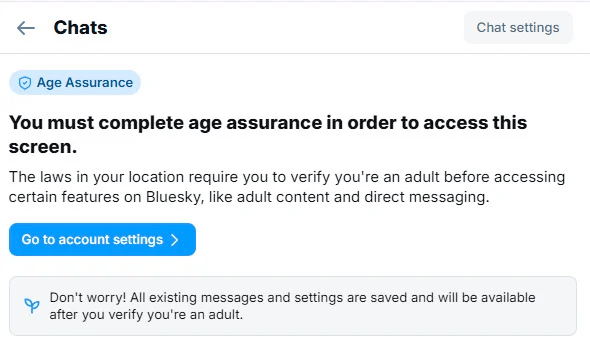
Social media giants like Facebook, X (formerly Twitter), and platforms such as BlueSky and Discord have begun implementing these age verification mechanisms. Even seemingly innocuous platforms like Wikipedia are facing pressure, as exemplified by the United Kingdom’s Online Safety Bill, which could compromise user anonymity in its pursuit of protecting children online. This trend signals a fundamental shift from pseudonymity to mandated identification.

The Privacy Peril of Routine ID Checks

Anonymous credentials: an illustrated primer

The widespread adoption of routine identity checks poses a significant privacy concern. Users may be compelled to present government-issued identification, creating the potential for a comprehensive digital transcript of their online activities, linked directly to their real-world identities. While some jurisdictions, like the UK, have provisions for data minimization, allowing websites to discard verification information after processing, these safeguards are not universally implemented or enforced. Moreover, the persistent financial incentive for advertising-supported platforms to retain valuable identity data, especially in an era of AI-driven bot mitigation, presents a formidable challenge to privacy.

This brings to the fore a critical question: how can individuals maintain their privacy in an environment where routine age verification and human identification are becoming the norm? The answer, according to cryptographic research, may lie in the concept of anonymous credentials.

Anonymous Credentials: The Cryptographic Solution

The foundational concept of anonymous credentials was first articulated by cryptographer David Chaum in the 1980s. Foreseeing a future where digital interactions would necessitate the presentation of electronic credentials, Chaum recognized the profound privacy risks associated with such a system. His proposed solution, the anonymous credential, aimed to decouple the act of proving eligibility from the revelation of one’s identity.

Anonymous credentials: an illustrated primer

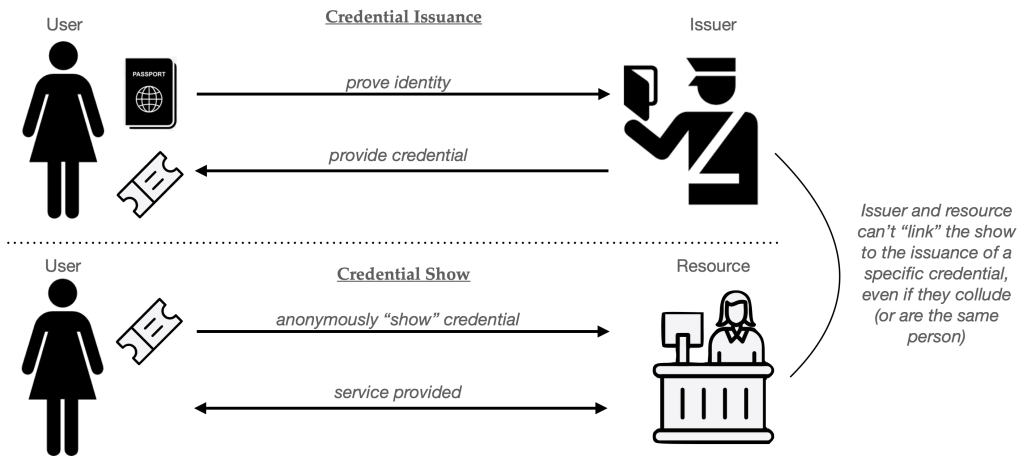
In a traditional, non-anonymous authentication flow, a user (Alice) obtains a credential, such as a cookie or a digital token, from a resource provider or a third-party issuer. This issuance process often requires Alice to reveal information about her real-world identity, such as payment details or government-issued ID. The problem arises when Alice needs to present this credential repeatedly to access various resources. Each presentation of an identity-linked credential creates a digital trail, allowing websites or advertising networks to meticulously link her online activities to her actual identity. This is a more invasive version of the current reality, where advertising companies amass extensive profiles of users’ browsing habits. The impending shift, however, is towards binding these online identities to names and government IDs, moving away from generic pseudonyms.

Chaum’s innovation was to break the direct link between the issuance and the usage of a credential. When Alice presents her anonymous credential to a resource, the resource should only learn that a valid credential has been presented, not which specific user owns it. Crucially, this anonymity must hold even if the resource colludes with or is the same entity as the credential issuer. The outcome is that Alice’s online activities remain unlinkable to her identity, allowing her to blend into the "anonymity set" of all users who possess valid credentials.

A popular analogy for this concept is the wristband system used at events. Upon verification of age or entry requirements at the door, an individual receives an unlabeled wristband. This wristband serves as proof of eligibility without revealing the individual’s name or other identifying details to subsequent vendors within the venue. The bartender, for instance, only needs to see the wristband, not the patron’s driver’s license, to serve them. This analogy highlights how a credential can convey specific attributes without disclosing the underlying identity.

The Challenge of Identical Credentials

Anonymous credentials: an illustrated primer

A seemingly straightforward approach to achieving anonymity would be for the issuer to provide every user with an identical, indistinguishable credential. If every "show" of a credential is the same, then no single user can be uniquely identified. However, this digital anonymity is fundamentally undermined by the ease of digital replication. Unlike physical objects, digital credentials can be copied infinitely. If a hacker compromises a single credential, they can generate an unlimited number of duplicates, creating an army of seemingly legitimate bot accounts or enabling illicit activities, such as providing access to underage individuals.

While credential cloning is also a risk with non-anonymous credentials like session cookies, detection mechanisms exist. Websites can monitor for unusual patterns, such as a single "user" logging in from multiple disparate locations or with excessive frequency, a practice known as continuous authentication. However, the inherent anonymity of anonymous credentials renders these detection methods ineffective. When every credential "show" appears identical, distinguishing between a flood of cloned credentials and a multitude of genuinely unique ones becomes impossible.

Mitigating Credential Cloning: The Need for Limitations

To ensure the practical viability of anonymous credential systems, mechanisms to limit credential duplication are essential. Several approaches have been developed to address this "clone wars" scenario:

Anonymous credentials: an illustrated primer
  • Single-Use Credentials: Each credential can only be used once, requiring the user to obtain a new one for each subsequent interaction.
  • Time-Limited Credentials: Credentials have an expiration date, inherently limiting their lifespan and thus the window for potential theft and misuse.
  • Count-Limited Credentials: Credentials can be used a fixed number of times (e.g., 100 uses) before expiring.

The academic literature on anonymous credentials explores various permutations and combinations of these strategies, all aimed at creating barriers to credential cloning.

Building a Single-Use Anonymous Credential

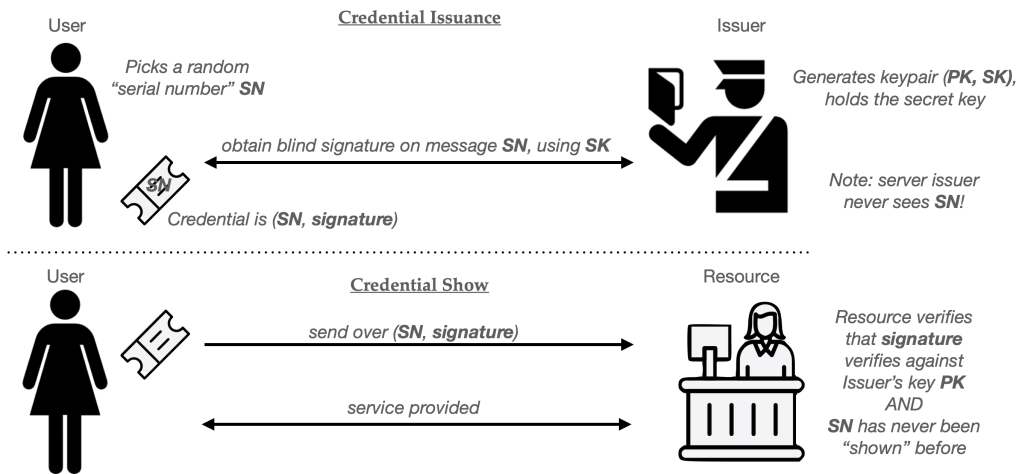
Chaum’s original proposal for anonymous credentials relied on a cryptographic primitive known as a blind signature scheme. Blind signatures are a form of digital signature that allows a user to have a message signed by a server without the server learning the content of the message it is signing. In this protocol, the user prepares a message, and through an interactive process with the server, obtains a signature on that message. The server knows it has signed a message, but not what that message is.

Using a blind signature scheme as a building block, a basic single-use anonymous credential can be constructed as follows:

Anonymous credentials: an illustrated primer
  1. Issuance: The user (Alice) generates a unique, random serial number (SN). She then blinds this serial number and sends it to the credential issuer. The issuer, using their private signing key, signs the blinded serial number and returns it to Alice. Alice then unblinds the signed serial number, resulting in a valid signature on her original serial number (SN). This process ensures that the issuer has signed exactly one serial number, but does not know which specific one.
  2. Presentation: To "show" the credential to a resource (website), Alice presents the pair (SN, signature) along with a zero-knowledge proof that the signature is valid for that SN and that this SN has not been used before.

The resource can then verify the signature using the issuer’s public key and check its local database of previously seen serial numbers to ensure uniqueness. If there are multiple resources consuming these credentials, a centralized "bulletin board" or verification service can be employed to prevent reuse across different sites.

Protocols like PrivacyPass, which utilize blind RSA signatures, exemplify this approach. PrivacyPass also incorporates a "blind MAC" variant for scenarios where the issuer and resource are the same entity, enhancing performance.

However, single-use credentials, while effective for privacy, face limitations in terms of efficiency and expressiveness. For frequent online activities, such as replacing session cookies, users would need to acquire and present thousands of single-use credentials daily. While this could be mitigated by trading an initial anonymous credential for a pseudonym issued by the website, it compromises the anonymity of subsequent interactions.

The Power of Expressiveness: Beyond Simple Proofs

Anonymous credentials: an illustrated primer

A more fundamental limitation of basic Chaumian credentials is their lack of expressiveness; they carry very little information. Consider the wristband analogy: it conveys a single bit of information – that the wearer is over 21. In many modern scenarios, more complex assurances are required.

Imagine a cryptocurrency exchange that needs to verify multiple attributes: residency in a specific country, absence of residency in a particular state, and an age above 25. A non-anonymous solution would involve presenting a digitally signed driver’s license containing all this information. However, this approach leaks extraneous data, such as the user’s home address, to the website.

An ideal solution would allow users to prove only the specific attributes required by the resource, without revealing any additional personal information. This is where zero-knowledge (ZK) proofs become invaluable. ZK proofs enable a Prover to demonstrate knowledge of a secret that satisfies certain constraints without revealing the secret itself.

In the context of credentials, a ZK proof can be used to:

Anonymous credentials: an illustrated primer
  • Prove possession of a digitally signed driver’s license.
  • Demonstrate that specific fields within the license meet the required constraints (e.g., state of residency, age).

The zero-knowledge property ensures that the resource is convinced of the validity of the claims without learning any sensitive details beyond the satisfaction of those claims. This also addresses the efficiency issue of single-use credentials, as a single, re-usable credential can power multiple "show" protocol runs without linking them.

Winning the Clone Wars: Advanced Credential Management

While ZK proofs offer enhanced expressiveness and re-usability, they also reintroduce the cloning problem. A single compromised re-usable credential could be duplicated indefinitely, making detection difficult.

One optimistic approach, seen in proposals like Google’s new anonymous credential scheme, ties credentials to secret keys stored within secure elements on user devices. This theoretically makes duplication difficult. However, the security of such systems relies on the uniformity of secure element technology across a vast array of devices, a condition that is not currently met. The weakest link in the chain can compromise the entire system.

Anonymous credentials: an illustrated primer

Therefore, alternative techniques are necessary to limit the utility of any compromised credential. These include:

  • N-Time Use Credentials: These credentials can be "shown" a maximum of N times before expiring. This is achieved by incorporating a pseudorandom function (PRF) into the credential. Each use generates a unique serial number based on the PRF and a counter, preventing reuse.
  • Time-Bound Usage: Credentials can be limited to a specific number of uses within a defined time period (e.g., 100 uses per day). This is accomplished by incorporating the current date into the PRF input.

Expiring and Revoking Credentials

Adding expiration dates to credentials is a straightforward way to limit their useful lifespan and reduce the probability of theft. This involves embedding an expiration timestamp into the credential, and users must prove that the current time is before this expiration.

Revoking anonymous credentials presents a more complex challenge. In non-anonymous systems, banning users is simple because they are identified. However, with anonymous credentials, identifying a user to ban them is inherently difficult. Despite this, several clever methods for revocation exist within the ZK framework:

Anonymous credentials: an illustrated primer
  • Banlist Mechanisms: When a user abuses a service, the resource can add a pair (a blinded serial number and the actual serial number) to a banlist. Subsequent credential presentations by the user require proving that their secret key does not generate a serial number matching any entry on the banlist for the corresponding blinded serial number. This adds computational overhead for the user, but is manageable if the banlist remains small.

The Future of Digital Identity

The exploration of anonymous credentials is a crucial step towards building a more private and secure digital future. While the technical intricacies of implementing these cryptographic primitives are substantial, the underlying principles offer a promising path forward. The ongoing development of real-world systems like PrivacyPass and emerging proposals from major technology companies suggest that anonymous credential technology is moving from theoretical research to practical application.

As the digital world continues to grapple with the tension between ubiquitous authentication and individual privacy, the adoption of anonymous credential systems will be a critical determinant of our ability to navigate this evolving landscape without sacrificing fundamental rights. The next phase of this evolution will likely involve a deeper examination of the practical deployment of these technologies, including the origin of digital identity certificates and their diverse applications.

(To be continued)

July 19, 2026 0 comment
0 FacebookTwitterPinterestEmail
FinTech Innovations

Socure Launches Remote Verifier to Ensure 100% Identity Verification Accuracy

by admin July 19, 2026
written by admin

Socure, a leading provider of trust infrastructure for global identity and risk intelligence, has introduced its innovative Remote Verifier solution, a significant advancement designed to address the persistent challenge of verifying every individual’s identity with absolute certainty. This new offering, integrated into Socure’s comprehensive RiskOS platform, aims to provide a robust manual verification pathway for those who may not pass automated checks, prefer human interaction, or require a more personalized approach to identity confirmation. While Socure anticipates that the need for Remote Verifier will be minimal, affecting fewer than 1% of all individuals, its availability is crucial for organizations striving for complete and accurate identity verification across all presented cases, thereby enhancing program integrity and customer experience.

Addressing the Edge Cases in Identity Verification

The core of Socure’s innovation lies in its ability to cater to the rare instances where automated identity verification systems might fall short. These scenarios can arise for various reasons, including individuals who have limited digital footprints, possess outdated or non-standard identification documents, or have experienced circumstances that may trigger fraud alerts within automated systems, even when legitimate. In such situations, the Remote Verifier empowers human agents with a comprehensive suite of tools and data, enabling them to make informed, evidence-based decisions.

This sophisticated toolkit includes the ability to review uploaded identity documents, understand the specific reasons for the initial automated check’s failure, access real-time fraud intelligence signals and risk indicators from Socure’s extensive network, and analyze relevant demographic and behavioral attributes. By equipping human reviewers with this contextual information, Socure aims to significantly reduce the friction typically associated with manual verification processes, ensuring that legitimate individuals are not unduly hindered while simultaneously maintaining stringent compliance and fraud prevention standards.

A Human-Centric Approach Powered by AI

Jordan Burris, Head of Public Sector at Socure, emphasized the strategic importance of Remote Verifier in bridging the gap between automated efficiency and the necessity of human judgment. "Socure’s new Remote Verifier gives human reviewers the data and insights needed to make high-confidence identity decisions while limiting the friction felt by individuals accessing critical government services," Burris stated. He further elaborated on how the solution transcends basic video conferencing by providing agents with the full context of Socure’s AI-driven fraud detection and identity intelligence. This integrated approach allows public sector organizations to make more astute decisions, bolstering program integrity, mitigating fraud, and ultimately elevating the overall customer experience for citizens.

The implications for public sector applications are particularly profound. Government agencies are tasked with delivering essential services to a diverse populace, many of whom may face barriers to traditional digital verification methods. By offering a reliable manual recourse, Socure’s Remote Verifier ensures that vulnerable populations, such as the elderly, those in rural areas with limited internet access, or individuals with unique identity documentation, are not excluded from accessing vital government programs like social security benefits, disaster relief, or healthcare services. This inclusive approach is fundamental to ensuring equitable access and upholding the principles of public service.

RiskOS: The Foundation for Comprehensive Identity Management

The Remote Verifier is a pivotal addition to Socure’s RiskOS (Risk Operating System), an AI-native platform designed for end-to-end identity verification, fraud prevention, risk management, and regulatory compliance. RiskOS serves as the central nervous system for identity-related operations, consolidating diverse data sources and orchestrating real-time workflows for verification, fraud detection, and risk assessment. Its capabilities span the entire identity lifecycle, from initial onboarding and transaction monitoring to credit underwriting and Know Your Business (KYB) processes.

Within this robust ecosystem, Remote Verifier seamlessly integrates with Socure’s existing suite of advanced identity verification, fraud detection, and risk assessment tools. This ensures that organizations can maintain a unified and consistent approach to identity management, regardless of whether an individual passes automated checks or requires manual intervention. The platform’s adaptability allows businesses and government entities to tailor their verification strategies to meet specific regulatory requirements and risk appetites, all while striving for optimal operational efficiency and a superior user experience.

Strategic Partnership with Allocore Enhances Federal Program Modernization

The utility and impact of Socure’s Remote Verifier are further amplified through strategic partnerships. Bill Webner, CEO of Allocore, a prominent provider of technology solutions for government lending, grants, and fraud prevention, highlighted the long-standing and critical role Socure plays in modernizing federal programs. "Socure has been a trusted partner for many years and a critical part of our ecosystem as we modernize loan and grant programs across the federal government," Webner commented.

He detailed how their collaborative efforts have been instrumental in transforming federal systems, successfully preventing hundreds of millions of dollars in fraudulent activity monthly while simultaneously improving access for legitimate applicants. The integration of Socure’s Remote Verifier into Allocore’s turnkey Identity Assurance Level 2 (IAL2) solution, which includes closing and notary capabilities, is poised to deliver even greater value to federal customers. This enhancement is particularly relevant as efforts to unify and modernize lending and grant programs continue, demanding robust identity verification at every stage of the process.

Allocore’s mission to streamline government operations, ensure regulatory compliance, and leverage automation, data intelligence, and AI-driven innovation directly aligns with the capabilities offered by Socure. By providing federal agencies with the tools to manage complex processes like lending and grant distribution more effectively, they contribute to better outcomes for both the government and the citizens it serves.

Socure’s Proven Track Record and Recent Contract Wins

Founded in 2012 and headquartered in New York, Socure has established itself as a formidable player in the digital identity verification and fraud prevention landscape. The company’s commitment to leveraging cutting-edge AI and machine learning technologies has resulted in exceptionally high accuracy, automation, and capture rates. Its client roster is a testament to its market leadership, boasting over 3,000 customers, including 19 of the top 20 U.S. banks, 13 of the top 15 U.S. credit card issuers, four of the top five social networks, and 600 leading fintech companies. Johnny Ayers serves as the Founder and CEO of Socure.

The introduction of Remote Verifier follows closely on the heels of a significant achievement for Socure: securing a five-year, $163 million contract with Login.gov. This contract positions Socure as a key partner in providing an identity verification solution for Login.gov, which serves as a unified and secure portal for accessing a multitude of government services. Working as a subcontractor to Xcelerate Solutions, a company specializing in defense and national security, Socure will deliver a solution that offers a continuous view of identity. This encompasses real-time identity resolution, attribute validation, advanced fraud detection, behavioral analytics, and comprehensive digital intelligence. This partnership is specifically designed to bolster the government’s capabilities in remote identity verification, a critical area for modernizing citizen access to services.

Combating Evolving Threats with Adaptive Identity Solutions

The escalating sophistication of fraud, driven by organized networks and nation-state actors, presents a formidable challenge to traditional identity infrastructure. Jordan Burris reiterated this concern, stating, "Organized networks and nation-state actors are deploying advanced techniques to exploit identity infrastructure at a speed that legacy systems cannot match, and an adaptive data-driven approach is the only credible way to stay ahead." He underscored that Socure’s strategy is not to create new barriers for Americans seeking essential services but to build more resilient and intelligent systems. The collaboration with Xcelerate exemplifies this commitment, aiming to fortify government services against evolving threats without compromising accessibility.

The broader implications of Socure’s Remote Verifier extend beyond individual transactions. For governments and large enterprises, it represents a significant step towards achieving true digital identity assurance, a foundational element for secure digital economies and trustworthy online interactions. By ensuring that every identity can be reliably verified, organizations can reduce financial losses due to fraud, enhance regulatory compliance, and build greater trust with their customer base. The ability to seamlessly blend automated efficiency with human oversight offers a flexible and powerful model for identity verification in an increasingly complex digital world. This strategic move by Socure underscores its commitment to providing comprehensive identity solutions that adapt to both technological advancements and the evolving landscape of digital threats, ensuring a more secure and inclusive digital future.

July 19, 2026 0 comment
0 FacebookTwitterPinterestEmail
FinTech Innovations

Clarity Act Faces Significant Hurdles as Senate Nears August Recess

by admin July 19, 2026
written by admin

With the United States Senate slated to commence its August recess in just three weeks, the path forward for the comprehensive cryptocurrency legislation, known as the Clarity Act, has become increasingly fraught with obstacles. Despite ongoing efforts by proponents to secure its passage before the looming deadline of August 7, the bill is encountering significant resistance, raising concerns about its immediate future and the broader implications for the burgeoning digital asset industry. Reports indicate that key legislative players are grappling with unresolved issues, casting a shadow of uncertainty over the much-anticipated federal framework for cryptocurrencies.

Deepening Divisions and Lingering Concerns

Sources close to the negotiations reveal that several Democratic senators have expressed reservations regarding the most recent iteration of the Clarity Act. These concerns are multifaceted, encompassing anxieties over potential ethical implications and, notably, the entanglement of President Donald Trump’s personal financial dealings in the cryptocurrency space. This latter point has emerged as a significant sticking point, with Democrats seeking to ensure robust safeguards against conflicts of interest for public officials involved in or benefiting from the digital asset market.

Beyond the ethical considerations, other substantial hurdles remain. A primary demand from Democratic lawmakers centers on the implementation of more stringent measures designed to combat the use of cryptocurrencies for illicit financial activities. The current bill, while addressing regulatory aspects, is perceived by some as insufficiently robust in its anti-money laundering and counter-terrorism financing provisions. Furthermore, the legislative process is complicated by the need to reconcile the distinct versions of the bill that have emerged from both the Senate Banking Committee and the Senate Agriculture Committee. These committees, while both involved in cryptocurrency oversight, have approached certain aspects of regulation from different perspectives, necessitating careful harmonization to produce a unified and effective piece of legislation.

The Shadow of a Tight Timeline

Adding to the legislative pressure is the acute scarcity of time available for senators to thoroughly review and debate the Clarity Act before their scheduled departure. For those senators who are not directly involved in the committee work that has shaped the bill, a comprehensive understanding of its intricacies may still be developing. This lack of familiarity could lead to a surge of questions and concerns that, given the tight timeline, may prove impossible to adequately address and resolve before the recess. The risk is that important legislative deliberation could be curtailed, potentially leading to rushed decisions or a postponement of critical discussions.

The impact of this tight timeline is already being felt among lawmakers who previously supported related legislation. Some senators who voted in favor of the GENIUS Act, an earlier bill focused specifically on stablecoins, and were thus considered potential supporters of the Clarity Act, have either voiced specific concerns about the current bill or have remained notably silent on the matter. This shift or reticence suggests that the Clarity Act, in its current form, is not a guaranteed bipartisan consensus, even among those with prior engagement in crypto legislation.

The Trump Factor and Conflict of Interest Debates

A pivotal development that has significantly impacted the Clarity Act’s trajectory is the disclosure earlier this year that President Donald Trump generated a substantial sum of $1.4 billion from his cryptocurrency ventures since the commencement of his second term. This revelation has intensified scrutiny and fueled a specific demand from Democrats: the inclusion of provisions to address potential conflicts of interest for public officials in the cryptocurrency sector. Axios reported on July 17 that this particular provision is now considered the primary impediment to the Clarity Act’s progress.

The debate over conflicts of interest is not solely confined to the executive branch. CoinDesk also reported on July 17 that several Democrats have raised concerns about the broader issue of public officials potentially holding conflicts of interest related to their cryptocurrency holdings or activities. The lack of bipartisan agreement on language to effectively address these ethical quandaries has further stalled progress. This suggests a fundamental disagreement on the scope and enforcement of regulations designed to prevent undue influence or personal gain by those in positions of power within the digital asset ecosystem.

The Urgency for a Federal Standard

The push for the Clarity Act’s passage has been ongoing, with advocates emphasizing the critical need for a unified federal standard for cryptocurrency assets. As PYMNTS reported on July 8, proponents have been actively lobbying for the bill’s enactment before the August deadline, arguing that such a framework is essential to provide regulatory certainty and foster responsible innovation within the industry. The absence of clear federal guidelines has created a fragmented and often unpredictable environment for businesses and investors alike.

The current legislative deadlock also highlights a growing divergence between private sector innovation and public policy development. On July 1, PYMNTS noted that while private capital continues to flow into the implementation of blockchain-based financial services, public policy, particularly concerning cryptocurrency regulation, remains ensnared in the complexities of legislative timing and partisan negotiations. This disconnect could lead to the U.S. falling behind other jurisdictions in establishing a clear and supportive regulatory environment for digital assets, potentially impacting its global competitiveness in this rapidly evolving technological landscape.

Background and Context of the Clarity Act

The Clarity Act represents a significant legislative effort to establish a comprehensive regulatory framework for digital assets in the United States. The bill aims to address a wide array of issues, including the classification of various digital assets, consumer protection, market integrity, and the role of regulatory bodies such as the Securities and Exchange Commission (SEC) and the Commodity Futures Trading Commission (CFTC). Its development has been a response to the rapid growth and increasing adoption of cryptocurrencies and blockchain technology, which have outpaced existing regulatory structures.

The genesis of the Clarity Act can be traced back to ongoing discussions and debates within Congress regarding how to best integrate digital assets into the existing financial system while mitigating associated risks. Various stakeholders, including industry participants, consumer advocacy groups, and financial regulators, have provided input, leading to a bill that attempts to balance innovation with prudent oversight. The inclusion of provisions related to stablecoins, digital asset exchanges, and investor protection reflects a broad understanding of the multifaceted nature of the crypto market.

Precedent and Previous Legislative Efforts

The journey towards a comprehensive crypto bill has been a protracted one, marked by several previous legislative attempts. The aforementioned GENIUS Act, focused on stablecoins, served as a precursor, signaling a willingness within Congress to address specific segments of the digital asset market. However, the Clarity Act represents a more ambitious undertaking, seeking to provide a holistic regulatory approach.

The evolving landscape of digital assets means that legislative efforts must constantly adapt. Early discussions often centered on whether cryptocurrencies should be treated as securities, commodities, or a new asset class entirely. The Clarity Act attempts to provide clearer definitions and jurisdictional boundaries, aiming to reduce regulatory arbitrage and provide greater certainty for market participants. The complexity of these classifications and the differing views among regulators and lawmakers have contributed to the protracted nature of legislative progress.

Supporting Data and Market Indicators

The urgency for regulatory clarity is underscored by the significant growth of the digital asset market. Global cryptocurrency market capitalization has reached trillions of dollars, with daily trading volumes often exceeding hundreds of billions. The increasing institutional adoption of cryptocurrencies, coupled with the development of decentralized finance (DeFi) and non-fungible tokens (NFTs), highlights the expanding influence of this sector.

Despite the market’s dynamism, the lack of a clear federal regulatory framework in the U.S. has led to a degree of caution among some traditional financial institutions and institutional investors. Concerns about regulatory uncertainty, potential enforcement actions, and the risk of investing in assets with undefined legal status can deter significant capital from entering the market. This, in turn, can stifle innovation and lead to a loss of competitive advantage for U.S. businesses compared to those operating in more crypto-friendly jurisdictions.

Data from market analysis firms indicates that a significant portion of global crypto trading volume occurs on exchanges that may not be subject to direct U.S. oversight. This creates challenges for law enforcement and regulators seeking to monitor and prevent illicit activities. The Clarity Act aims to bring more of these activities under a defined regulatory umbrella, potentially enhancing transparency and security.

Potential Implications of Further Delays

The continued delay in passing the Clarity Act could have several significant implications:

  • Stifled Innovation: Without a clear regulatory roadmap, U.S.-based crypto startups and established companies may face increased uncertainty, potentially leading them to relocate or scale back their operations. This could hinder the development of new technologies and services within the United States.
  • Regulatory Arbitrage: As mentioned, U.S. businesses may be at a disadvantage compared to international competitors operating under more established and predictable regulatory regimes. This could lead to a loss of market share and investment.
  • Increased Risk for Consumers and Investors: The absence of robust consumer protection measures could leave individuals vulnerable to fraud, scams, and market manipulation. A clear regulatory framework would provide stronger safeguards and recourse for investors.
  • Challenges for Law Enforcement: The lack of comprehensive oversight can make it more difficult for law enforcement agencies to track illicit financial flows and prosecute criminal activity involving digital assets.
  • Fragmented Market: The current environment, where different states may adopt varying approaches to crypto regulation, creates a complex and fragmented market. A federal standard would bring much-needed consistency.

Looking Ahead: A Race Against Time

As the August recess looms, the fate of the Clarity Act remains uncertain. The legislative process is a delicate dance of negotiation, compromise, and consensus-building. The current hurdles, particularly those surrounding ethical considerations and the need for stricter illicit finance controls, will require significant effort to overcome. Whether senators can bridge these divides and find common ground in the limited time remaining will be a critical determinant of the future regulatory landscape for cryptocurrencies in the United States. The industry, investors, and policymakers alike will be closely watching to see if the Clarity Act can navigate the turbulent waters of Capitol Hill before the legislative session takes its break.

July 19, 2026 0 comment
0 FacebookTwitterPinterestEmail
FinTech Innovations

India’s Digital Payment Future Hinges on AI, Says NPCI Chief Amidst Booming UPI Growth

by admin July 19, 2026
written by admin

India’s digital payment landscape is poised for a transformative leap, driven by the burgeoning success of the Unified Payment Interface (UPI) and a strategic embrace of artificial intelligence (AI). Dilip Asbe, the Managing Director and CEO of the National Payments Corporation of India (NPCI), the organization overseeing UPI, envisions AI as the cornerstone of the next phase of growth, aiming to propel daily transactions from the current staggering figure of over 750 million towards an ambitious target of exceeding one billion. This vision encompasses not only expanding user adoption but also bolstering fraud prevention mechanisms and revolutionizing credit distribution across the nation’s vast digital economy.

Speaking at the recent Mumbai Tech Week (MTW) 2026, Asbe articulated his conviction that AI will be instrumental in onboarding the next half a billion users onto the digital payment ecosystem. This monumental undertaking, he emphasized, will be a collaborative effort between the NPCI, India’s central bank, and the government, underscoring the strategic importance of this technological evolution for the nation’s financial infrastructure.

The NPCI’s proactive approach to integrating AI into the UPI framework was evident in Asbe’s detailed outline of its multifaceted applications. "AI will be used very effectively when we look at the next wave of UPI, and that includes all aspects, including reaching new users," Asbe stated. "We must use AI effectively to protect our current citizens, to find fraud, and to find mules. AI must also be used to provide credit to all the users and merchants who have digital footprints." This multifaceted approach highlights a comprehensive strategy to leverage AI for enhanced security, broader financial inclusion, and more efficient credit access.

Embracing Voice and Multilingual AI for Seamless Onboarding

A key area where Asbe sees AI making a significant impact is in simplifying the user onboarding process, particularly for India’s diverse linguistic landscape. "We must use AI to look at the voice and multilingual solutions to make onboarding simpler," he remarked. While the concept of voice as a primary interface for interacting with companies and systems has been a topic of discussion in India, Asbe acknowledged that the technology is still in its nascent stages, with voice models requiring further refinement for greater accuracy.

The NPCI had taken a significant step in this direction in 2023 with the launch of "Hello UPI," a voice assistant-based interactive system designed to facilitate seamless transactions. However, Asbe noted that the adoption of this feature has yet to reach its full potential. He expressed optimism that with the right use cases and continued development, voice technology could indeed become a critical component of the payment ecosystem, breaking down language barriers and making digital payments more accessible to a wider population.

The Ascendance of AI in Indian Finance and Regulatory Frameworks

The global financial sector is witnessing a rapid integration of AI, with companies in the U.S., for example, actively exploring its applications. Platforms like Coinbase and Robinhood are already enabling AI-driven trading on behalf of users, while OpenAI’s ChatGPT is allowing individuals to load personal account data for financial advice. India, too, has been exploring these frontiers. The NPCI, in collaboration with payment gateway Razorpay, showcased demonstrations of agentic commerce and payments leveraging AI chatbots in October 2025. These pilot programs, while promising, have not yet seen a widespread rollout of advanced capabilities.

Asbe firmly believes that with the establishment of robust regulations and a well-defined framework, India is well-positioned to adopt AI-powered financial solutions. He stressed the paramount importance of user protection and risk mitigation, stating, "There should be enough protection for users and mitigation for risk – and in case something goes wrong, the system should be able to look at the instructions and consent given by the user to an agent." This cautious yet progressive approach underscores the NPCI’s commitment to fostering innovation while safeguarding the interests of its users.

Beyond the utilization of large language models (LLMs), Asbe highlighted a significant opportunity for the Indian finance ecosystem to develop its own specialized small language models (SLMs). "We believe that the models will differentiate from each other based on the datasets that are made available to them," he explained. "We have a very rich dataset in our ecosystem. I think there is a big opportunity for Indian companies – the banks, fintechs, and the ecosystem – to create small language models which are sharp, specific, and as deterministic as possible." This focus on developing indigenous AI capabilities tailored to the Indian context could lead to highly effective and contextually relevant financial solutions.

As an example of this, the NPCI launched FIMI (Financial Inclusion & Management Intelligence) last year, an AI language model designed to address user disputes. Asbe reported that FIMI is currently serving over a million users in resolving issues such as mandate cancellations and other transactional problems, and its adoption is rapidly scaling. This initiative exemplifies the NPCI’s strategy of leveraging AI for enhanced customer service and dispute resolution within the payments ecosystem.

Navigating UPI Competition and Market Dynamics

The NPCI has consistently advocated for a healthy competitive environment within the UPI app space. However, data indicates a significant market concentration, with Walmart-owned PhonePe and Google Pay dominating over 80% of the market share. To address this, the regulator had planned to implement a market share cap of 30% for any single UPI app, a deadline initially set for December 31, 2026, with the possibility of deferral.

During his conversation, Asbe acknowledged the challenges in fostering competition, noting that UPI apps offer similar core functionalities and incur low switching costs for users. He attributed the current market dominance of PhonePe and Google Pay to their substantial investments in their respective applications. Asbe suggested that the emergence of viable business models within the fintech ecosystem is crucial for attracting new players and fostering greater competition. "I believe that there are multiple issues why we see this concentration risk exist, and one of the important reasons is the availability of a viable commercial model. The moment we see the commercial model being available to the ecosystem, I believe newer players will start investing very heavily," he stated.

In an effort to invigorate competition and broaden usage, the NPCI spun off its BHIM UPI app in 2024, transforming it into a wholly-owned subsidiary. While BHIM’s transaction volume has seen growth, its overall market share remains around 1%. Asbe clarified that NPCI does not have a specific market share target for BHIM. Instead, the focus is on positioning it as a sovereign and secure alternative to other payment applications, reinforcing India’s self-reliance in its digital payment infrastructure.

The Road Ahead: Innovation, Regulation, and Global Investment

India’s position as one of the world’s largest and fastest-growing digital economies makes its regulatory landscape a critical factor for global investors looking to inject capital into newer fintech solutions and enhance market competitiveness. The NPCI’s strategic roadmap, heavily reliant on AI integration, coupled with its commitment to fostering a balanced competitive environment, sets the stage for continued innovation and expansion in India’s digital payments sector.

The integration of AI promises to not only enhance the efficiency and security of existing payment systems but also to unlock new avenues for financial inclusion and credit access, particularly for underserved populations and small businesses. As India continues its digital transformation journey, the NPCI’s proactive stance on embracing cutting-edge technologies like AI, while meticulously addressing regulatory concerns, positions the nation at the forefront of global digital finance innovation. The success of these initiatives will be closely watched by stakeholders worldwide, as they could serve as a blueprint for other emerging economies aiming to harness the power of digital payments and AI for economic growth and development. The interplay between technological advancement, regulatory foresight, and market dynamics will ultimately shape the future of digital payments in India and beyond.

July 19, 2026 0 comment
0 FacebookTwitterPinterestEmail
FinTech Innovations

Fintech Innovations Accelerate Global Payments and Compliance Landscape

by admin July 19, 2026
written by admin

The financial technology sector is experiencing a surge of innovation, with companies worldwide rolling out new solutions designed to enhance payment efficiency, expand access to financial services, and strengthen compliance frameworks. From real-time blockchain transactions and stablecoin recurring payments to innovative cashback programs and patient financing platforms, the pace of change indicates a significant transformation in how individuals and businesses manage their finances. This evolution is driven by a confluence of technological advancements, evolving consumer demands, and a growing regulatory focus on digital asset security and efficient cross-border transactions.

Elliptic Enhances Crypto Compliance with Continuous Monitoring

In the realm of cryptocurrency compliance, Elliptic has launched a new solution aimed at providing crypto compliance teams with a continuously accurate view of customer risk. Traditionally, risk assessments were often static, capturing a snapshot at the time of screening. Elliptic’s Continuous Monitoring addresses this by pairing event detection with fully configurable alerting systems. This allows businesses to move beyond simple label changes, which might indicate a change in an entity’s risk profile, to detect a broader spectrum of risk-altering events.

The significance of this development lies in its ability to offer a dynamic risk management approach, crucial for institutions dealing with the volatile nature of the cryptocurrency market. By allowing clients to define their own risk rules, the system alerts teams only on events they deem material, thereby reducing alert fatigue and focusing resources on genuine threats. This proactive approach is vital for preventing illicit activities such as money laundering and terrorist financing, which have been persistent concerns in the digital asset space. The broader implication is a more robust and adaptable compliance infrastructure for crypto-related businesses, potentially fostering greater trust and wider adoption of digital assets by institutional players.

UAE’s Tabby Cash Revolutionizes Consumer Spending with Cashback and Free Transfers

The United Arab Emirates is witnessing a significant fintech development with the launch of Tabby Cash, a new product built on Tabby’s Stored Value Facilities license granted by the Central Bank of the UAE. This innovative offering aims to redefine consumer spending by providing a cashback card and free money transfers, all without setup, account, or card fees.

Tabby Cash Card offers an attractive 3% cashback on selected spending categories and all international transactions when paired with Tabby Plus, or 1% without. As a launch incentive, all cardholders will benefit from 3% cashback until November 1, 2026. This move by Tabby is a strategic play to capture a larger share of the burgeoning consumer finance market in the Middle East. The company already boasts a substantial user base, with over 25 million consumers and 65,000 retailers across Saudi Arabia, the UAE, and Kuwait, processing over $18 billion in annualized sales volume. The introduction of Tabby Cash is expected to further solidify its position by offering tangible benefits that directly appeal to price-conscious consumers, while also encouraging greater use of digital payment methods.

Emirates NBD Pioneers Real-Time Blockchain USD Payments

Emirates NBD, a leading banking group in the Middle East, has launched a significant advancement in cross-border payments by introducing real-time USD payments utilizing blockchain technology. This service, initially available for corporate and institutional clients, operates through the Partior blockchain network.

The immediate impact of this initiative is the ability for clients to conduct instant USD payments, provided the beneficiary holds an account with J.P. Morgan. This collaboration signifies a growing trend among traditional financial institutions to embrace blockchain technology for enhanced efficiency and speed in international transactions. The current limitation to J.P. Morgan accounts highlights the nascent stage of such integrated blockchain networks, but it lays the groundwork for broader connectivity. By reducing settlement times from days to minutes, this service can significantly improve cash flow management for businesses, reduce foreign exchange risks, and lower transaction costs. The wider adoption of such blockchain-based payment systems by more financial institutions is anticipated to streamline global commerce and create a more interconnected financial ecosystem.

KamelPay Unveils AbsoluteCard: A Comprehensive Corporate Payments Ecosystem

KamelPay has entered the corporate payments arena with the debut of AbsoluteCard, a comprehensive ecosystem designed to streamline business expense management. This integrated solution comprises a web portal, a mobile application, and a corporate card powered by the Mastercard network and sponsored by Mawarid Finance.

AbsoluteCard empowers businesses with robust control over their spending. Key features include the ability to issue cards, set granular budgets, assign role-based access to employees across various teams, and monitor transactions in real-time. Furthermore, the platform facilitates the instant issuance of multiple virtual IBANs, offering enhanced flexibility and operational efficiency for businesses. The introduction of AbsoluteCard addresses a critical need for businesses seeking more sophisticated tools for managing corporate finances. In an era where operational agility and cost control are paramount, such platforms can provide invaluable insights and control, leading to improved financial discipline and reduced administrative overhead.

Du Pay Facilitates Instant Remittances to the Philippines with G Cash Integration

Du Pay, a digital payment service, has launched an instant money transfer service to G Cash accounts in the Philippines, specifically targeting Overseas Filipino Workers (OFWs) in the UAE. This new offering aims to simplify and expedite remittances for a significant demographic sending money back to their families.

The service allows customers to register easily using their mobile number and Emirates ID, streamlining the onboarding process. The ability to send money instantly to G Cash, a widely used mobile wallet in the Philippines, significantly reduces the traditional waiting times associated with international remittances. This is particularly impactful for OFWs who rely on timely financial support for their families. By leveraging existing mobile payment infrastructure and simplifying registration, Du Pay is tapping into a substantial market, offering a competitive and convenient solution for a critical financial need. This initiative underscores the growing importance of digital remittances and the role of fintech in connecting migrant workers with their home countries.

Confirmo Launches Subscribe: Stablecoin-Powered Recurring Payments for Enterprises

Confirmo is advancing the adoption of stablecoins for business transactions with the launch of Subscribe, a platform designed to automate subscription and recurring payments. This solution allows enterprise businesses to integrate stablecoin payments seamlessly alongside their existing payment infrastructures.

Subscribe supports both exchange accounts and self-custody wallets, with compatibility extending to over 700 wallets via WalletConnect. This broad compatibility is a key enabler for businesses looking to leverage the benefits of stablecoins, such as price stability and reduced transaction fees, for predictable payment flows. By automating recurring payments in stablecoins, businesses can reduce reliance on traditional banking systems, potentially lowering operational costs and improving payment predictability. The integration with a wide range of wallets also offers flexibility and choice to businesses and their customers. As stablecoins gain traction as a viable medium of exchange, solutions like Subscribe are crucial for unlocking their full potential in commercial applications.

Pliant Enters the U.S. Market with Coastal Partnership

Pliant, a fintech company specializing in B2B payment solutions, has officially entered the United States market through a strategic partnership with Coastal. Coastal will serve as Pliant’s U.S. sponsor bank, marking a significant milestone in the fintech’s global expansion strategy.

This collaboration positions Pliant to support agent-based issuing structures and expand its reach within the U.S. banking ecosystem. For businesses operating in the U.S., this partnership offers access to Pliant’s innovative B2B payment solutions, which are designed to enhance efficiency and control over corporate spending. The ability to leverage Coastal’s banking infrastructure provides Pliant with the necessary regulatory and operational framework to serve U.S. clients effectively. This expansion is indicative of the increasing globalization of fintech services and the growing demand for specialized payment solutions that cater to the unique needs of businesses.

Glovo and PragmaGO Partner to Launch PragmaCash in Spain

Glovo, the popular delivery app, has partnered with PragmaGO to introduce PragmaCash in Spain. This new offering is a capital-on-demand solution based on the Merchant Cash Advance (MCA) model, designed to provide quick financial support to businesses operating within the Glovo ecosystem.

PragmaCash aims to offer a streamlined and accessible financing option for the tens of thousands of restaurants and shops that rely on the Glovo app. The MCA model allows businesses to receive an advance based on their future sales volume, with repayments made as a percentage of daily transactions. This flexible approach can be particularly beneficial for small and medium-sized enterprises that may face challenges accessing traditional bank loans. By integrating this financing solution directly into the Glovo platform, Glovo and PragmaGO are creating a synergistic environment where businesses can not only reach customers but also access the capital needed to grow and operate effectively. This move highlights the growing trend of embedded finance, where financial services are integrated directly into non-financial platforms.

Visa Launches Stablecoin Platform to Facilitate Digital Asset Integration

Visa has announced the availability of its Visa Stablecoin Platform (VSP), an enterprise-grade solution designed to help financial institutions, fintechs, and crypto-native companies integrate stablecoin capabilities into their existing services. The platform offers a unified environment managed by Visa, simplifying the process of accessing, storing, and redeeming stablecoins.

Initially, VSP will focus on Open USD (OUSD), a new stablecoin introduced by Open Standard. The platform includes on-chain wallet infrastructure through a new Wallet-as-a-Service offering and provides connectivity for minting and burning Open USD. VSP is designed to be interoperable with Visa’s existing stablecoin initiatives, including stablecoin settlement, stablecoin-linked cards, and stablecoin money movement. This strategic move by Visa underscores its commitment to exploring and facilitating the use of digital assets in the mainstream economy. By providing a robust and regulated platform, Visa aims to lower the barriers to entry for stablecoin adoption, enabling a wider range of payment providers to leverage the benefits of these digital currencies. This could pave the way for more efficient cross-border transactions, faster settlement times, and new innovative payment products.

PlexPay Debuts Patient Finance and Payments Platform

PlexPay has launched a new patient finance and payments platform, leveraging U.S. Bank’s embedded point-of-sale lending solution, U.S. Bank Avvance. This innovative platform is designed to significantly reduce the time it takes for patients to secure financing for medical expenses.

The company claims that its new system can reduce the financing process time for patients by up to 75%. This is a substantial improvement, addressing a common pain point in healthcare where the administrative burden and time required for financial arrangements can deter patients from seeking necessary treatments. By integrating lending solutions at the point of care, PlexPay aims to make healthcare more accessible and affordable. This development aligns with the broader trend of embedded finance in various sectors, offering consumers immediate access to financial solutions within their purchasing journey. For healthcare providers, this can lead to improved patient satisfaction and potentially higher collection rates.

Shift4 One Integrates Payments, Currency Conversion, and Tax-Free Shopping

Shift4, a leading provider of integrated payment processing solutions, has launched Shift4 One, a device that combines payments, currency conversion, and tax-free shopping capabilities. The tax-free shopping functionality is powered by Global Blue, a prominent tax-free shopping provider recently acquired by Shift4.

The Shift4 One device automatically identifies transactions eligible for currency conversion and tax-free refunds, simplifying the process for both merchants and international travelers. Initially launched in the UK, Ireland, Spain, and Germany, Shift4 One is set to expand across 15 European countries by the end of the year. This integrated solution offers significant advantages for businesses operating in international tourism hubs. By streamlining currency conversion and tax-free refunds, merchants can enhance the shopping experience for foreign customers, potentially driving increased sales. For consumers, it simplifies the process of reclaiming VAT and other taxes, making international shopping more attractive. The acquisition of Global Blue by Shift4 positions the company to offer a comprehensive suite of services that cater to the evolving needs of the global retail and travel industries.

Stable Introduces StablePay Mobile App for Instant, Free Global Transfers

Stable has launched its StablePay mobile application, enabling users to send and receive USDT (Tether), a popular stablecoin, instantly and free of charge anywhere in the world. The app also features a built-in "Earn" function, allowing users to generate yield on their idle USDT without leaving the application.

Users can send money globally using a phone number, email address, or QR code, making cross-border transactions as simple as sending a text message. The combination of instant, free transfers and an integrated yield-generating feature positions StablePay as a compelling alternative to traditional remittance services and traditional banking. In a world where international money transfers can be slow and costly, StablePay offers a significant improvement in efficiency and affordability. The ability to earn interest on stablecoin holdings directly within the app further enhances its appeal, providing users with a more dynamic way to manage their digital assets. This innovation is a testament to the growing utility of stablecoins and the potential of mobile-first fintech solutions to democratize financial services on a global scale.

July 19, 2026 0 comment
0 FacebookTwitterPinterestEmail
FinTech Innovations

Acting CFPB Director Defends Agency Overhaul Amidst Congressional Scrutiny

by admin July 19, 2026
written by admin

Mick Mulvaney’s tenure as acting director of the Consumer Financial Protection Bureau (CFPB) has been marked by significant efforts to reshape the agency’s mission and operations, drawing both praise from Republicans and sharp criticism from Democrats. Vought, who also serves as the director of the Office of Management and Budget, has spearheaded a drive to fundamentally alter the CFPB’s trajectory, signaling intentions to "shutter the bureau" within a few months of his appointment in February 2025. His appearances before congressional committees this week have provided a platform for him to articulate his vision and defend his actions against a backdrop of mounting political and economic debate over the agency’s role and effectiveness.

A Shift in Direction: Vought’s Rationale for CFPB Restructuring

During his testimony before the House Financial Services Committee on Wednesday, Vought asserted that upon assuming leadership of the CFPB in February 2025, he encountered an agency he characterized as "weaponized, out of control, and had gone far beyond its statutory mandate." He argued that under previous administrations, the CFPB had imposed "huge costs on the American people and stifled the innovation and resourcefulness that is necessary for a strong economy." In contrast, Vought stated, his administration has "steered the bureau toward operating with humility, accountability and fiscal responsibility."

This approach has manifested in several concrete actions. The agency, under Vought’s direction, has initiated efforts to reduce its workforce, reportedly attempting to lay off hundreds of employees. Furthermore, a significant volume of previous guidance documents has been rescinded, and numerous enforcement actions and lawsuits have been dropped. In an effort to reorient the agency’s historical narrative, the CFPB has also purged its public records, deleting press releases, speeches, and other materials that predate the Trump administration’s second term. As of Thursday, Vought reported that the CFPB’s current employee count stands at 1,071.

Vought elaborated on the strategic shift in enforcement philosophy, telling senators on Thursday that the CFPB has focused on canceling enforcement actions based on what he termed "novel legal theories that we didn’t have the statute to do." Instead, the agency’s priority has been on "identifiable victims, actual consumer harm that’s material and measurable." This signifies a move away from what Vought perceives as overly aggressive or expansive interpretations of the CFPB’s authority. He also indicated a greater reliance on state regulators and other federal agencies, stating, "we will fill in the gaps" where other bodies are already taking the lead.

A Contested Legacy: Democratic Counterarguments and Economic Impact

The actions taken by Vought and his administration have drawn intense scrutiny from Democrats, who contend that these changes are undermining consumer protection and costing American consumers billions of dollars. A report released on Thursday by committee Democrats estimated that Vought’s "attack" on the CFPB has resulted in an economic impact of approximately $26.5 billion for American consumers. This figure includes an estimated $7.5 billion in the first half of 2026 and $19 billion in 2025, largely attributed to the rescission of rules concerning credit card late fees and overdraft fees.

Democrats also highlighted the substantial amount of money the CFPB has returned to consumers since its inception in 2011, totaling $21 billion. They have also voiced strong opposition to the treatment of federal employees under the Department of Government Efficiency’s pursuit of agency cuts, particularly Vought’s alleged remarks about putting federal workers "in trauma."

Specific cases have become flashpoints in the debate. The CFPB’s reversal of an order requiring Navy Federal Credit Union to pay $95 million has been criticized as a failure to protect military service members. Vought clarified that the credit union did pay a $15 million civil penalty, but the CFPB canceled the order for an additional $80.6 million in consumer redress.

Furthermore, Senators Mark Warner (D-VA) and Lisa Blunt Rochester (D-DE) have publicly criticized the administration’s stance on community development financial institutions (CDFIs). Vought’s assertion that many such lenders were "incredibly woke" during the Biden administration and that the agency has "concerns with that" has been interpreted by critics as a politically motivated attempt to curtail support for these vital institutions.

Republican Support and the Debate Over Agency Structure

Conversely, Republicans have largely applauded Vought’s reforms, framing them as a necessary correction to an agency that had become too powerful and intrusive. Senator Tim Scott (R-SC) argued that "the best way to protect consumers is through competition, choice and clear rules, not through heavy-handed Washington control that leaves consumers with fewer and fewer options." This perspective emphasizes market-based solutions and individual liberty over extensive regulatory oversight.

Senator Pete Ricketts (R-NE) echoed this sentiment, suggesting that the CFPB is an unnecessary layer of bureaucracy. "The CFPB is just another added layer of bureaucracy on top of regulatory organizations who are responsible for doing this," he stated, implying that existing agencies adequately fulfill consumer protection mandates.

A core point of contention raised by Vought concerns the CFPB’s funding structure, which is independent of the annual congressional appropriations process and funded through the Federal Reserve. Vought argued that this exemption from congressional oversight is a more significant flaw than the agency’s single-director structure. "The main defect was putting it under the [Federal Reserve], in which you have no ability to have any sense of responsibility to come to Congress and justify how you’re running the agency," Vought said on Thursday. This criticism suggests a desire for greater congressional accountability over the agency’s budget and operations.

The Transition: A New Nominee and Lingering Warnings

Mick Mulvaney’s tenure as acting director is set to conclude on August 1. The White House has nominated Brian Johnson, a former CFPB deputy director and current Capital One executive, to lead the agency. A nomination hearing before the Senate Banking Committee is scheduled for July 23, indicating the ongoing political maneuvering surrounding the CFPB’s future leadership.

As Vought’s time at the helm nears its end, the political tensions remain palpable. Representative Maxine Waters (D-CA), the ranking member of the House Financial Services Committee, issued a stern warning to Vought during his testimony on Wednesday. "You should preserve all of your emails, text messages, and other forms of communication with respect to your CFPB work," Waters stated. "While your work may be done and a new director may be confirmed, let me be clear, we are not done with you." This statement suggests a potential for further investigation and scrutiny into Vought’s actions and decisions during his leadership of the CFPB, underscoring the deeply divided opinions on his legacy and the agency’s path forward.

Timeline of Key Events

  • 2011: The Consumer Financial Protection Bureau (CFPB) is established as part of the Dodd-Frank Wall Street Reform and Consumer Protection Act.
  • October [Year Prior to Vought’s Appointment]: Vought, then Director of the Office of Management and Budget, indicates his intention to "shutter the bureau" within two to three months.
  • February [Year of Vought’s Appointment]: Vought assumes the role of acting director of the CFPB.
  • February 2025 onwards: Vought’s administration implements significant changes, including workforce reductions, rescission of guidance, and termination of enforcement actions.
  • [Recent Date, prior to Wednesday’s hearing]: A report by committee Democrats estimates $26.5 billion in costs to consumers due to Vought’s actions.
  • Wednesday [Current Week]: Vought testifies before the House Financial Services Committee.
  • Thursday [Current Week]: Vought testifies before the Senate Banking Committee. A report from committee Democrats is issued.
  • July 23 [Upcoming Date]: Nomination hearing for Brian Johnson before the Senate Banking Committee.
  • August 1 [Upcoming Date]: Vought’s tenure as acting director is scheduled to end.

Broader Implications and Analysis

The intense debate surrounding Mick Mulvaney’s leadership at the CFPB reflects a broader ideological struggle over the appropriate scope and power of federal regulatory agencies. Republicans, generally advocating for deregulation and free-market principles, view Vought’s actions as a necessary recalibration, aimed at reducing government overreach and fostering economic growth. They emphasize competition, consumer choice, and clear, limited rules as the most effective means of protection.

Democrats, conversely, see the CFPB as a crucial bulwark against predatory financial practices and a vital mechanism for ensuring fairness and transparency in the consumer finance market. They argue that dismantling or weakening the agency leaves consumers, particularly vulnerable populations, exposed to financial harm and exploitation. The substantial figures cited regarding the economic impact of Vought’s decisions underscore their concerns about the tangible consequences of reduced regulatory enforcement.

The future of the CFPB under Brian Johnson remains a subject of speculation. His prior experience as deputy director suggests a potential for continuity with some of the agency’s established functions, but his background in the private sector and the political climate surrounding his nomination indicate that the agency’s direction will continue to be a focal point of partisan contention. The ongoing legal and political battles over the CFPB’s authority and actions will likely shape the landscape of consumer financial protection for years to come. The warning issued by Representative Waters also suggests that the current administration’s actions regarding the CFPB may be subject to retrospective examination, potentially leading to further scrutiny and accountability measures.

July 19, 2026 0 comment
0 FacebookTwitterPinterestEmail
Newer Posts
Older Posts

Recent Posts

  • BitMEX Faces Landmark $40 Million Class Action Over Alleged Forced Liquidations and Internal Trading Desk Misconduct
  • U.S. Senate Crypto Legislation Stalls Amidst Ethics Dispute, Banking Concerns, and Looming Deadline
  • Bitcoin-Based FSIC Collection Surges to Top Daily NFT Sales, Signaling Broadening Market Dynamics Beyond Ethereum and Solana Dominance
  • Nearly One Million Investors Lose $3.8 Billion in President Donald Trump’s $TRUMP Memecoin
  • Ostium Perpetuals Suffers Multi-Million Dollar Exploit Through Oracle Manipulation on Arbitrum

Recent Comments

No comments to show.
  • Facebook
  • Twitter

@2021 - All Right Reserved. Designed and Developed by PenciDesign


Back To Top
Dr Crypton
  • Home
  • About Us
  • Contact Us
  • Cookies Policy
  • Disclaimer
  • DMCA
  • Privacy Policy
  • Terms and Conditions

We are using cookies to give you the best experience on our website.

You can find out more about which cookies we are using or switch them off in .

Dr Crypton
Powered by  GDPR Cookie Compliance
Privacy Overview

This website uses cookies so that we can provide you with the best user experience possible. Cookie information is stored in your browser and performs functions such as recognising you when you return to our website and helping our team to understand which sections of the website you find most interesting and useful.

Strictly Necessary Cookies

Strictly Necessary Cookie should be enabled at all times so that we can save your preferences for cookie settings.