• Home
  • About Us
  • Contact Us
  • Cookies Policy
  • Disclaimer
  • DMCA
  • Privacy Policy
  • Terms and Conditions
Dr Crypton
Secure Your Future in Crypto
Cybersecurity & Hacking

OpenAI Unveils GPT-5.4-Cyber, Bolstering Defensive Cybersecurity Capabilities Amidst AI Dual-Use Concerns

by admin January 21, 2026
written by admin

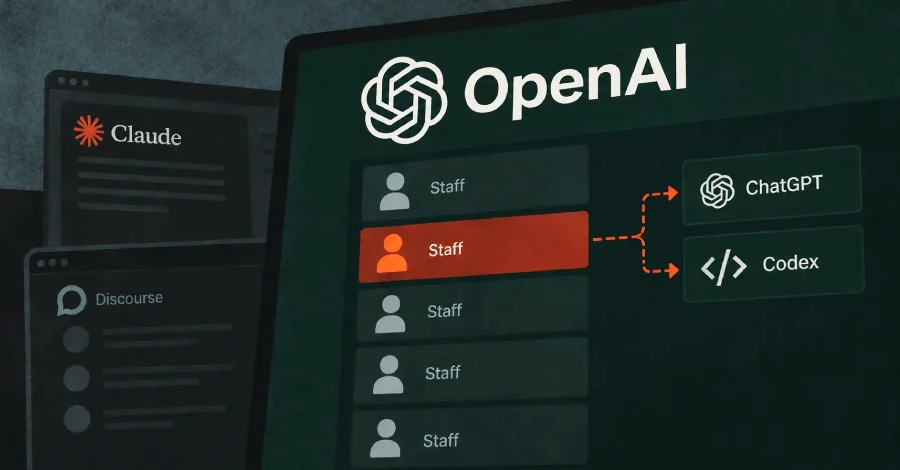
San Francisco, CA – In a significant move set to reshape the landscape of digital defense, OpenAI on Tuesday unveiled GPT-5.4-Cyber, a specialized variant of its latest flagship model, GPT-5.4, engineered specifically for defensive cybersecurity applications. This announcement arrives mere days after rival artificial intelligence powerhouse Anthropic introduced its own frontier model, Mythos, signaling an accelerating arms race in the development of AI tailored for securing digital infrastructure. The introduction of GPT-5.4-Cyber underscores a critical industry pivot towards leveraging advanced AI to fortify cyber defenses against an ever-evolving threat landscape, while simultaneously grappling with the inherent dual-use nature of such powerful technologies.

OpenAI articulated its strategic vision behind this innovation, stating, "The progressive use of AI accelerates defenders – those responsible for keeping systems, data, and users safe – enabling them to find and fix problems faster in the digital infrastructure everyone relies on." This statement encapsulates the urgent need for enhanced capabilities in an era marked by escalating cyber threats, where traditional human-centric approaches often struggle to keep pace with the volume and sophistication of attacks.

The Dawn of Specialized AI in Cyber Defense

The unveiling of GPT-5.4-Cyber marks a crucial evolutionary step in the integration of artificial intelligence into cybersecurity. For years, AI and machine learning have been applied in various security domains, from anomaly detection in network traffic to automated malware analysis and predictive threat intelligence. However, these applications often relied on more narrowly focused algorithms or general-purpose models that required extensive customization. GPT-5.4-Cyber, by contrast, is a dedicated, highly optimized model built upon the advanced architecture of GPT-5.4, indicating a shift towards purpose-built AI agents capable of understanding and executing complex cybersecurity tasks with unprecedented precision and scale.

The context for this development is the increasingly complex and pervasive nature of cyber threats. According to recent industry reports, the global average cost of a data breach continues to rise, reaching an estimated $4.45 million in 2023, a 15% increase over three years. Moreover, the cybersecurity industry faces a severe talent shortage, with an estimated 4 million unfilled positions globally. This gap leaves organizations vulnerable, highlighting the imperative for automation and AI-driven solutions to augment human defenders. GPT-5.4-Cyber aims to address this by providing tools that can automate the laborious and time-consuming aspects of cybersecurity, from vulnerability identification to incident response, thereby empowering existing security teams and potentially bridging parts of the skills gap.

GPT-5.4-Cyber: Technical Capabilities and Strategic Imperatives

GPT-5.4-Cyber is designed to offer a robust suite of defensive capabilities. Leveraging the deep understanding of code, logic, and natural language inherent in GPT-5.4, the cyber variant is specifically fine-tuned on vast datasets of vulnerability reports, secure coding practices, threat intelligence feeds, and incident response playbooks. This specialized training allows it to excel in several key areas:

  • Automated Vulnerability Detection and Analysis: The model can perform advanced static and dynamic code analysis, identifying common vulnerabilities such as SQL injection, cross-site scripting (XSS), buffer overflows, authentication bypasses, and insecure deserialization. It can analyze codebases at scale, far exceeding human capacity, and pinpoint subtle logical flaws that might escape traditional scanning tools.
  • Threat Intelligence Processing and Correlation: GPT-5.4-Cyber can ingest massive amounts of raw threat intelligence data from various sources – open-source intelligence (OSINT), dark web forums, technical reports – and synthesize it into actionable insights. It can identify emerging threat actors, novel attack techniques, and indicators of compromise (IOCs), providing a proactive defense posture.
  • Incident Response Automation and Guidance: In the event of a breach, the model can assist in real-time. It can analyze logs, correlate events, identify the root cause of an incident, and even suggest remediation steps or generate incident response playbooks tailored to the specific context of an attack. This significantly reduces mean time to detect (MTTD) and mean time to respond (MTTR), critical metrics in cyber defense.
  • Secure Code Generation and Remediation: Beyond identification, GPT-5.4-Cyber can propose and even generate secure code snippets to fix identified vulnerabilities, accelerating the patching process. It can also guide developers in writing secure code from the outset, embedding security considerations earlier in the software development lifecycle (SDLC).
  • Security Policy and Compliance Assistance: The model can aid in drafting and reviewing security policies, ensuring compliance with regulatory frameworks like GDPR, HIPAA, or NIST. It can identify gaps in existing policies and suggest improvements based on best practices and current threat models.

OpenAI’s strategy is not merely to create a powerful tool but to integrate it seamlessly into the existing workflows of cybersecurity professionals. The goal is to act as an "intelligent co-pilot" for defenders, amplifying their capabilities rather than replacing them, thereby allowing human experts to focus on strategic decision-making and complex problem-solving.

Expanding the Trusted Access for Cyber (TAC) Program

In conjunction with the GPT-5.4-Cyber announcement, OpenAI revealed a significant scaling of its Trusted Access for Cyber (TAC) program. Launched as a limited initiative, TAC is now being expanded to include "thousands of authenticated individual defenders and hundreds of teams responsible for securing critical software." This expansion is a calculated move to democratize access to these cutting-edge AI models while maintaining stringent control over their deployment.

The TAC program is designed with several layers of oversight and responsibility. Participants are typically vetted cybersecurity professionals, researchers, and organizations involved in critical infrastructure protection, government defense, or large-scale software development. Access is granted under strict terms of use, emphasizing responsible application and prohibiting any offensive or malicious use of the models. This controlled rollout allows OpenAI to gather crucial feedback from real-world defensive scenarios, refine the model’s capabilities, and continually strengthen its inherent safeguards against misuse. The program aims to create a feedback loop where the model’s performance in defensive tasks can be continually improved, making it more resilient and effective over time.

The Dual-Use Dilemma: Balancing Innovation with Risk

The introduction of highly capable AI models like GPT-5.4-Cyber inevitably brings to the forefront the profound dual-use dilemma inherent in artificial intelligence. While designed for defense, the underlying capabilities – understanding code, identifying vulnerabilities, generating text – could theoretically be inverted or repurposed by malicious actors to achieve nefarious goals. Adversaries could potentially fine-tune models developed for software defense to detect and exploit vulnerabilities in widely-used software before they can be patched, exposing users to significant risks. This prospect raises concerns about an "AI arms race" in cyberspace, where advancements in defensive AI might quickly be mirrored or weaponized by offensive AI.

OpenAI acknowledges this challenge directly. The company stated its goal is to "democratize access to its models while minimizing such misuse, as well as strengthening its safeguards through a deliberate, iterative rollout." This approach involves several critical components:

OpenAI Launches GPT-5.4-Cyber with Expanded Access for Security Teams
  • Iterative Development and Deployment: Rather than a broad, uncontrolled release, the iterative rollout through TAC allows for continuous monitoring, threat modeling, and the implementation of new safeguards as model capabilities advance.
  • Guardrails and Adversarial Robustness: OpenAI is heavily investing in strengthening guardrails against "jailbreaks" and "adversarial prompt injections." These are techniques attackers might use to bypass safety filters and coerce the AI into performing malicious tasks. This includes ongoing red-teaming exercises where internal and external security experts attempt to find and exploit weaknesses in the model’s safety mechanisms.
  • Ethical AI Principles: The development of GPT-5.4-Cyber is guided by OpenAI’s broader ethical AI principles, which prioritize safety, fairness, transparency, and accountability. This involves careful curation of training data to avoid biases, and rigorous testing for unintended consequences.
  • Collaboration with the Cybersecurity Community: Engaging with the broader cybersecurity research community, ethical hackers, and industry partners is crucial for identifying potential misuse vectors and collaboratively developing countermeasures.

The challenge is immense, as sophisticated adversaries are likely to probe these models for weaknesses. The success of GPT-5.4-Cyber, and indeed the future of AI in cybersecurity, hinges on OpenAI’s ability to maintain a proactive stance against misuse, continually adapting its safeguards faster than threat actors can adapt their tactics.

A Competitive Frontier: OpenAI vs. Anthropic

The release of GPT-5.4-Cyber occurs almost simultaneously with Anthropic’s unveiling of Mythos, its own frontier model designed with cybersecurity applications in mind. Anthropic’s Mythos, deployed in a controlled manner as part of Project Glasswing, has already reportedly found "thousands" of vulnerabilities in critical software components like operating systems and web browsers. This parallel development highlights a burgeoning competitive landscape among leading AI research organizations, all vying to position their advanced models at the forefront of the cybersecurity defense industry.

This competitive environment is likely to accelerate innovation, pushing the boundaries of what AI can achieve in security. Both OpenAI and Anthropic, among others, are investing heavily in specialized training, architectural optimizations, and responsible deployment strategies to ensure their models are not only powerful but also safe and effective. The rapid pace of these announcements suggests that specialized AI models will become a cornerstone of future cybersecurity strategies, prompting organizations to evaluate and integrate these advanced tools into their defense architectures.

The Proven Impact: OpenAI’s Codex Security and Future Vision

OpenAI’s foray into AI-driven cybersecurity is not entirely new. The company previously launched Codex Security in March 2026, an AI-powered application security agent designed to find, validate, and propose fixes for vulnerabilities. The success of Codex Security provides a compelling precedent for GPT-5.4-Cyber. OpenAI revealed that Codex Security has already contributed to the fixing of over 3,000 critical and high-severity vulnerabilities, demonstrating the tangible impact of AI in enhancing software security.

This track record validates OpenAI’s vision for "shifting security left" within the software development lifecycle. The company emphasizes, "The strongest ecosystem is one that continuously identifies, validates, and fixes security issues as software is written. By integrating advanced coding models and agentic capabilities into developer workflows, we can give developers immediate, actionable feedback while they are building, shifting security from episodic audits and static bug inventories to ongoing, tangible risk reduction." This proactive approach aims to embed security deeply into the development process, reducing the cost and effort of fixing vulnerabilities later in the lifecycle and significantly improving the overall security posture of software.

Broader Implications for Cybersecurity and Software Development

The advent of highly specialized AI models like GPT-5.4-Cyber carries profound implications across the cybersecurity and software development ecosystems.

  • Impact on the Cybersecurity Workforce: While AI will automate many tasks, it is unlikely to fully replace human cybersecurity professionals. Instead, it will augment their capabilities, allowing them to handle a larger volume of threats, focus on more complex strategic issues, and address the chronic skills shortage. The role of the human defender will evolve to include AI supervision, ethical oversight, and strategic decision-making.
  • Economic Impact: The ability of AI to detect and fix vulnerabilities earlier and more efficiently could lead to significant cost savings. Reduced breach costs, lower operational expenditures for security teams, and improved software quality could translate into billions of dollars in economic benefits annually.
  • The Future of Software Supply Chain Security: With the increasing complexity of modern software supply chains, securing every component is a monumental task. AI models like GPT-5.4-Cyber can play a critical role in scanning third-party libraries, open-source components, and vendor software for vulnerabilities, enhancing the integrity and trustworthiness of the entire software ecosystem.
  • Regulatory and Ethical Landscape: The deployment of powerful AI in critical defense applications will inevitably lead to increased scrutiny from regulators and ethical bodies. Frameworks for AI safety, accountability, and transparency will become even more crucial, potentially leading to new industry standards and certifications for AI-powered security tools.
  • Escalation of Cyber Warfare: While OpenAI focuses on defensive applications, the existence of such powerful AI will undoubtedly influence state-sponsored cyber warfare and cybercrime. The race to develop and deploy offensive and defensive AI capabilities will intensify, making the digital battlefield more dynamic and complex.

Expert Perspectives and Industry Reactions

Initial reactions from cybersecurity experts and industry analysts are a mix of cautious optimism and acknowledgement of the inherent challenges. Dr. Evelyn Reed, a prominent AI ethics researcher, commented, "OpenAI’s commitment to a ‘deliberate, iterative rollout’ and strengthening safeguards is commendable, but the real test will be in how effectively these measures withstand sophisticated adversarial attacks. The dual-use nature of AI demands continuous vigilance."

Meanwhile, a lead analyst at CyberSec Insights Group, Johnathan Vance, noted, "This move by OpenAI signals a significant shift in the cybersecurity industry. Specialized models like GPT-5.4-Cyber represent a new frontier in automated defense, potentially offering a much-needed force multiplier for overburdened security teams. However, organizations must also invest in the human expertise required to properly deploy, monitor, and interpret the outputs of these advanced AI systems."

Conclusion

The unveiling of GPT-5.4-Cyber by OpenAI represents a landmark achievement in the application of advanced artificial intelligence for defensive cybersecurity. By offering a purpose-built model optimized for detecting and remediating vulnerabilities, processing threat intelligence, and automating incident response, OpenAI aims to empower digital defenders and significantly enhance global cybersecurity posture. While the promise of AI-driven defense is immense, the inherent dual-use challenge necessitates a rigorous commitment to ethical development, robust safeguards, and a collaborative approach to mitigate potential misuse. As the AI arms race intensifies, the ability of organizations like OpenAI to balance innovation with responsibility will dictate the ultimate success and safety of these transformative technologies in safeguarding our increasingly interconnected digital world. The journey towards a more secure digital future, powered by AI, has clearly entered a new and accelerated phase.

January 21, 2026 0 comment
0 FacebookTwitterPinterestEmail
Cybersecurity & Hacking

Russia Hacked Routers to Steal Microsoft Office Tokens

by admin January 20, 2026
written by admin

In a significant escalation of state-sponsored cyber espionage, hackers linked to Russia’s military intelligence units have been found exploiting known vulnerabilities in older Internet routers to surreptitiously harvest authentication tokens from Microsoft Office users on a massive scale. Security experts, including Microsoft and researchers from Lumen’s Black Lotus Labs, issued urgent warnings today, detailing a sophisticated yet remarkably simple spying campaign that allowed the state-backed Russian threat actor, identified as "Forest Blizzard," to silently siphon authentication tokens from users across more than 18,000 networks without deploying any traditional malicious software or code on the targeted devices.

Microsoft, in a comprehensive blog post, revealed that its security teams had identified over 200 organizations and 5,000 consumer devices ensnared in this stealthy network. The operation, attributed to a group also known as APT28 or Fancy Bear, demonstrates a concerning pivot towards exploiting foundational network infrastructure, particularly the often-neglected small office/home office (SOHO) routers, as a primary vector for large-scale data exfiltration.

Understanding Forest Blizzard: A History of State-Sponsored Cyber Operations

Forest Blizzard, a name coined by Microsoft for its observed activity, is a notorious cyber espionage group that has long been a focal point for international intelligence agencies. Widely known by its monikers APT28 (Advanced Persistent Threat 28) and Fancy Bear, the group is unequivocally attributed to the military intelligence units within Russia’s General Staff Main Intelligence Directorate (GRU). This attribution places the current campaign firmly within the context of Russia’s broader geopolitical objectives and its history of leveraging cyber capabilities for strategic advantage.

APT28’s operational history is extensive and impactful, marking it as one of the most prolific and disruptive state-sponsored threat actors globally. The group gained significant international notoriety in 2016 for its audacious compromise of the Hillary Clinton campaign, the Democratic National Committee (DNC), and the Democratic Congressional Campaign Committee (DCCC). These intrusions were a central component of a larger Russian effort to interfere with the U.S. presidential election, highlighting the group’s capacity for political influence operations and its willingness to engage in high-stakes cyber warfare. Their methods often involve sophisticated spear-phishing campaigns, zero-day exploits, and the deployment of custom malware. The group is tracked by the MITRE ATT&CK framework under identifier G0007, which details their tactics, techniques, and procedures (TTPs), emphasizing their focus on intelligence gathering and disruption. The current campaign, while technically distinct in its execution, aligns perfectly with their overarching mission of collecting sensitive information from government entities, political organizations, and critical infrastructure targets.

The Stealthy Mechanism: DNS Hijacking and Adversary-in-the-Middle Attacks

The genius and concern of Forest Blizzard’s latest campaign lie in its elegant simplicity and the scale of its impact. Researchers at Black Lotus Labs, the security division of the Internet backbone provider Lumen, were instrumental in uncovering the breadth of this operation. They observed that at its peak in December 2025, Forest Blizzard’s surveillance dragnet had compromised more than 18,000 Internet routers. The vast majority of these devices were identified as unsupported, end-of-life models, or severely outdated on security updates, primarily older Mikrotik and TP-Link devices commonly found in the SOHO market. This demographic of vulnerable devices proved to be a fertile ground for the GRU hackers.

Ryan English, a Security Engineer at Black Lotus Labs, underscored that the GRU hackers did not need to install any complex malware on the targeted routers. Instead, they leveraged known vulnerabilities in these older devices to modify their Domain Name System (DNS) settings. DNS, often referred to as the "phonebook of the internet," is the critical service that translates human-readable domain names (like microsoft.com) into machine-readable IP addresses. In a DNS hijacking attack, bad actors interfere with this fundamental process, redirecting users to malicious servers without their knowledge.

In this specific campaign, the compromised routers were reconfigured to use DNS servers controlled by the attackers. As a result, any device connected to the local network of a hijacked router would then receive DNS queries from the attacker-controlled servers. This enabled the attackers to propagate their malicious DNS settings to all users on that local network. From this point forward, the attackers could intercept OAuth authentication tokens transmitted by those users.

Microsoft refers to this activity as using DNS hijacking "to support post-compromise adversary-in-the-middle (AiTM) attacks on Transport Layer Security (TLS) connections against Microsoft Outlook on the web domains." The significance of intercepting OAuth tokens cannot be overstated. These tokens are typically generated and transmitted after a user has successfully logged in and completed any multi-factor authentication (MFA) processes. By capturing these tokens, the attackers could gain direct, persistent access to victim accounts, effectively bypassing the need to phish for credentials or one-time MFA codes. This method provides an incredibly efficient and stealthy way to maintain access to accounts, particularly those protected by robust security measures. As Ryan English aptly put it, "Everyone is looking for some sophisticated malware to drop something on your mobile devices or something. These guys didn’t use malware. They did this in an old-school, graybeard way that isn’t really sexy but it gets the job done."

Chronology of the Campaign and Tactical Evolution

The timeline of Forest Blizzard’s activities reveals a group that is highly adaptive and responsive to disclosures from the cybersecurity community. While the peak of the mass DNS hijacking campaign was observed in December 2025, the roots of this tactical shift can be traced back earlier.

In August 2025, the U.K.’s National Cyber Security Centre (NCSC) released a detailed report (PDF) titled "Authentic Antics," which highlighted Forest Blizzard’s use of malware to control a more targeted and smaller group of compromised routers. This report provided crucial insights into the group’s then-current modus operandi. However, as Danny Adamitis, another engineer at Black Lotus Labs, observed, the NCSC’s public disclosure acted as a catalyst for a significant tactical pivot.

Russia Hacked Routers to Steal Microsoft Office Tokens

"Before the last NCSC report came out they used this capability in very limited instances," Adamitis told KrebsOnSecurity. "After the report was released they implemented the capability in a more systemic fashion and used it to target everything that was vulnerable." This illustrates the cat-and-mouse game inherent in cybersecurity: public disclosures, while vital for awareness and defense, can also prompt sophisticated adversaries to evolve their methods rapidly. Forest Blizzard quickly ditched its malware-centric approach in favor of mass-altering DNS settings on thousands of vulnerable routers, demonstrating a capacity for rapid retooling and scaling its operations.

The current wave of disclosures, including Microsoft’s blog post and Lumen’s Black Lotus Labs report on April 7, 2026, along with a new NCSC advisory detailing how Russian cyber actors have been compromising routers, brings this widespread DNS hijacking campaign into the public eye. These coordinated disclosures aim to alert potential victims and prompt remedial actions across the internet.

Targets and Impact: Government Agencies and Critical Infrastructure

The choice of targets for Forest Blizzard’s campaign underscores its intelligence-gathering objectives. Lumen’s report indicates that the hackers primarily targeted government agencies, including ministries of foreign affairs, law enforcement bodies, and third-party email providers. This selection aligns perfectly with the GRU’s mandate for state-level espionage, seeking to acquire sensitive information, compromise communications, and potentially lay groundwork for future disruptive operations. The scale of 18,000 compromised networks suggests a broad dragnet, but the focus on specific organizational types points to a strategic targeting effort rather than indiscriminate attacks.

The impact of such an operation extends beyond immediate data theft. The sustained access provided by stolen OAuth tokens could allow adversaries to monitor communications, exfiltrate documents, and gain deeper footholds into targeted networks. For government agencies, the compromise of email accounts can lead to the exposure of classified information, diplomatic communications, and operational plans, posing significant national security risks. For law enforcement, it could expose ongoing investigations or sensitive data on citizens.

Broader Implications and Official Responses

This campaign brings to the forefront several critical cybersecurity challenges, prompting responses and warnings from various official bodies.

The Pervasive Vulnerability of SOHO Devices: The success of Forest Blizzard’s "old-school" approach highlights a persistent and often underestimated weak link in the global cybersecurity chain: consumer-grade and older SOHO network infrastructure. These devices are frequently deployed with default configurations, receive infrequent or no security updates, and are often overlooked in enterprise security strategies. They represent a significant attack surface that sophisticated state-sponsored actors are increasingly exploiting. The fact that many of the exploited devices were end-of-life or unsupported emphasizes the critical need for individuals and organizations, especially small businesses, to regularly update their network hardware and replace obsolete equipment.

Supply Chain Security and Regulatory Action: The vulnerabilities exploited by Forest Blizzard resonate strongly with recent regulatory actions concerning the security of network hardware. On March 23, the U.S. Federal Communications Commission (FCC) announced a significant policy shift, stating it would no longer certify consumer-grade Internet routers produced outside of the United States without special conditional approval. This broader approach, which followed earlier discussions about specific bans (such as TP-Link), was driven by concerns that foreign-made routers pose "a severe cybersecurity risk that could be leveraged to immediately and severely disrupt U.S. critical infrastructure and directly harm U.S. persons."

While the FCC’s policy aims to mitigate future risks, it has sparked debate about its practical implications, with experts noting that few new consumer-grade routers would be available for purchase under this stringent policy (besides potentially those from domestic manufacturers like SpaceX’s Starlink, produced in Texas). The new policy requires router makers to apply for a "conditional approval" from the Department of War or Department of Homeland Security and does not retroactively affect previously purchased routers. However, the Forest Blizzard campaign serves as a stark validation of the FCC’s underlying concerns, demonstrating precisely how poorly secured routers, regardless of their origin, can be weaponized by state adversaries to compromise critical data and potentially disrupt services.

The Evolving Landscape of Cyber Espionage: Microsoft’s observation that this is the first time Forest Blizzard has used "DNS hijacking at scale to support AiTM of TLS connections after exploiting edge devices" signals an evolution in state-sponsored tactics. Adversaries are constantly innovating, often finding new ways to weaponize existing flaws or combining simple techniques in novel ways to achieve their objectives. The move away from complex malware, in this instance, suggests a strategic decision to maximize reach and stealth while minimizing the risk of detection through traditional endpoint security solutions.

Recommendations for Defense: In light of these disclosures, cybersecurity experts and agencies are reiterating crucial defensive measures:

  1. Router Updates and Replacement: Users and organizations must prioritize updating their router firmware. For end-of-life devices, immediate replacement with actively supported and patched hardware is essential.
  2. DNS Monitoring: Organizations should implement robust monitoring of their DNS settings and traffic for any unauthorized changes or suspicious queries.
  3. MFA Implementation: While tokens were bypassed post-MFA, strong multi-factor authentication remains a critical baseline defense against credential theft in general.
  4. Network Segmentation: Segmenting networks can limit the lateral movement and impact of a compromise if a router is indeed hijacked.
  5. Awareness and Education: Users need to be educated about the risks associated with outdated hardware and the importance of cybersecurity hygiene.

The Forest Blizzard campaign serves as a potent reminder that the battle against state-sponsored cyber threats is ongoing and requires continuous vigilance, adaptation, and investment in foundational security practices. As adversaries continue to innovate, even "old-school" methods, when executed with precision and scale, can pose significant threats to national security and global digital infrastructure. The international cybersecurity community will undoubtedly be watching closely to see how Forest Blizzard adapts its tactics in the wake of these latest public disclosures.

January 20, 2026 0 comment
0 FacebookTwitterPinterestEmail
Decentralized Finance (DeFi)

The Crypto Card Market Surges to $607 Million Monthly Volume, Driven by Innovation and Regulatory Arbitrage

by admin January 19, 2026
written by admin

The cryptocurrency card market experienced a monumental surge in March 2026, reaching a record $607 million in monthly transaction volume. This figure, reported by Paymentscan data, marks a staggering increase from $187 million just a year prior, and roughly $100 million eighteen months before that. The sector has witnessed approximately 6x growth over a year and a half, accumulating $6.5 billion in cumulative spending across more than 21 million transactions. While these headline numbers paint a picture of rapid expansion, a deeper dive reveals a complex interplay of innovative financial products, diverse user needs, and a significant, often unspoken, reliance on regulatory ambiguities that are now beginning to close.

Unpacking the Growth: A Nuanced View of Volume Metrics

While the $607 million figure is impressive, understanding its composition is crucial. Data from Obchakevich Research’s public Dune Analytics dashboard, which tracks 14 prominent crypto card programs, provides a more granular, albeit incomplete, picture. This dashboard highlights a critical distinction in how volume is measured:

  • Spend Volume: For non-custodial cards like ether.fi Cash, Cypher, MetaMask, Avici, ExaApp, Moonwell, and kardpay, the data reflects actual on-chain card payment transactions.
  • Deposits Flow Volume: For custodial cards such as RedotPay and Kolo, the volume represents crypto deposited into the card provider’s wallets. This is a fundamental difference, as deposited funds are not necessarily spent within the same month; some remain idle, some are withdrawn, and some fund future purchases.

For instance, RedotPay’s reported $283.9 million in monthly volume primarily reflects stablecoin deposits into its application, not necessarily direct spending. In contrast, ether.fi Cash’s $47.8 million is closer to actual card-level expenditure, with vault-to-card transactions settling through observable smart contracts. Obchakevich Research explicitly notes these limitations, stating that their analysis "does not show the full status and volume of crypto cards on the market."

Furthermore, a substantial $230 million gap exists between Paymentscan’s $607 million total and the $377 million tracked by Obchakevich’s 14 cards. This discrepancy largely stems from programs that lack an on-chain footprint, including cards issued by major centralized exchanges (CEXs) such as Crypto.com, Binance, Coinbase, Bybit, and Wirex. These CEX-issued cards often process transactions off-chain, making them invisible to on-chain analytics despite likely representing a significant portion of global card spend. This underscores that current leaderboards, while the best available data, compare disparate metrics and omit major players, making definitive rankings challenging.

Diverse User Segments Drive Adoption

The burgeoning crypto card market serves a variety of users, each with distinct needs and preferences. At least four key segments can be identified:

  • Stablecoin Pragmatists: This group, representing the largest share by volume, primarily holds USDT or USDC as a hedge against weak local currencies. They prioritize simplicity, reliability, and the ability to spend stablecoins easily at everyday merchants. Self-custody or DeFi composability are not primary concerns. RedotPay and Kolo have successfully captured this segment, particularly in emerging markets.
  • DeFi-Native Holders: These users hold substantial ETH, staked ETH, or other DeFi assets and seek to spend without selling, aiming for yield generation until the point of purchase, tax efficiency, and on-chain cashback. ether.fi Cash, and to a lesser extent Avici and ExaApp, cater to this technologically savvy demographic.
  • Exchange-First Traders: For this segment, a crypto card is an ancillary feature within an existing centralized exchange (CEX) ecosystem. Convenience and seamless integration with their trading platform, rather than card-specific features, drive adoption. Cards offered by Bitget or MetaMask exemplify this model.
  • Privacy-Conscious Spenders: A smaller but rapidly growing segment, these users seek virtual prepaid cards with minimal KYC requirements and a clear separation between their on-chain identity and spending habits. kardpay directly targets this niche, demonstrating a 208% year-over-year growth despite its relatively small volume.

These diverse user profiles highlight that the crypto card market is not monolithic. Products optimized for Telegram-heavy emerging markets, like Kolo, operate in a different competitive arena than DeFi credit cards such as ether.fi Cash.

The Unspoken Demand Driver: Regulatory Arbitrage

Beyond the explicit utility, a significant, often unacknowledged, factor fueling crypto card growth is the ease with which these cards facilitate spending without generating the same tax reporting trail as traditional bank cards. For many users, this "tax opacity" is a key feature.

In jurisdictions like the United States, every crypto-to-fiat conversion is a taxable event, meaning users technically incur a gain or loss when spending crypto via a card. Despite this, compliance rates are low. CNN reported an IRS internal review estimating only about 25% voluntary compliance among crypto investors, while industry practitioners have placed it even lower, under 20%. A CoinTracker/Coinbase survey in April 2026 found 65% of US crypto users had previously reported crypto on their taxes, but this sample is self-selected and not fully representative.

Crypto card spending presents unique challenges for tax authorities. Transactions occur at the point of sale, often through offshore issuers that may not file 1099-DAs with the IRS. Individual stablecoin-to-fiat conversions often generate small, tedious-to-calculate gains or losses. Moreover, a large user base resides in jurisdictions where crypto-to-fiat spending is either not taxed or enforcement infrastructure is nascent. If general crypto compliance is low, card-specific compliance is almost certainly lower.

For stablecoin pragmatists, particularly in emerging markets, the appeal extends beyond just spending USDT; it includes the benefit of keeping transactions off traditional bank statements and tax authorities’ radar. In regions with capital controls, unstable local currencies, or aggressive tax regimes, these cards act as an unregulated off-ramp, allowing users to move and spend stablecoins without interacting with the local banking system. RedotPay’s 6 million users across 100+ countries illustrate this, many of whom are seeking alternatives to traditional financial channels.

The regulatory landscape in the US is evolving with Form 1099-DA, the new digital asset reporting form. Under the final broker regulations published in July 2024, custodial brokers began tracking gross proceeds for sales from January 1, 2025, with cost-basis reporting phasing in from January 1, 2026. However, offshore crypto card issuers that do not qualify as US brokers may not file 1099-DAs. This creates a reporting gray zone, where users still owe taxes, but the IRS has limited visibility.

DeFi-native cards, like ether.fi Cash in Borrow Mode, add another layer of complexity. Congress repealed the DeFi broker reporting rule, exempting non-custodial protocols from 1099-DA filings. Spending through ether.fi’s Borrow Mode, where users borrow against crypto collateral, is not a taxable event under current IRS guidance, offering a structural tax arbitrage for those with appreciated crypto holdings.

Globally, the enforcement picture is highly uneven. While the US and EU are rapidly tightening regulations, most of RedotPay’s users are in regions like Southeast Asia, LATAM, Africa, and the CIS, where tax enforcement lags significantly. Vietnam, a high crypto adoption nation, only recently legislated digital assets in January 2026, with enforcement infrastructure still minimal. Thailand offers a five-year capital gains tax exemption for crypto sold through licensed platforms. Nigeria enacted new crypto tax laws in mid-2025, but stablecoins remain a primary savings vehicle, and P2P habits persist. Brazil requires reporting on sales above a certain threshold, but much of its stablecoin activity is cross-border and difficult to trace.

The OECD’s Crypto-Asset Reporting Framework (CARF) and the EU’s DAC8 will eventually facilitate cross-border information sharing, with first exchanges among early-adopter jurisdictions scheduled for 2027 (covering 2026 data). However, many high-adoption markets for crypto cards (e.g., Philippines, Vietnam, Nigeria) are not in this first group and are expected to join in later waves, likely 2028 or beyond. This uneven regulatory timing suggests that while volume may shift or disappear in the US and EU as regulations tighten, the "gray zone" growth in emerging markets could persist for years.

The Architecture Beneath: Understanding Card Programs

The functionality and limits of crypto cards are often dictated by their underlying architecture, a detail frequently overlooked. Pavel Matveev, CEO of Wirex, highlights two common supply-side "tricks":

  • The Gift Card Repackage: Some "privacy-focused, no-KYC cards" are effectively single-load prepaid gift cards, often US-issued. While they accept crypto funding, they come with poor user experience, merchant acceptance issues, and unspent balances often consumed by inactivity fees, which form a core part of the business model.
  • The Corporate Card Disguise: More sophisticated programs leverage offshore corporate card programs, which offer higher interchange rates, flexible global distribution, and limits designed for companies, not individuals. Intermediaries repackage these as low-KYC consumer products, allowing users to bypass stringent identity checks and enjoy unusually high spending limits (e.g., $1M/month for individuals). These programs typically generate revenue from card issuance fees, elevated interchange, and 2-4% FX conversion fees on non-USD transactions. Such programs often have a rapid launch-grow-die cycle, as card networks and regulators eventually intervene.

Key Players and Their Models

The competitive landscape is dynamic, with dominant players, niche innovators, and crucial infrastructure providers:

RedotPay: Custodial Dominance Facing Scrutiny
Hong Kong-based RedotPay commanded 75.26% of the tracked leaderboard volume in March, with $283.9 million in deposits flow. The company raised $107 million in a Series B round in December 2025, reporting 6 million registered users and $10 billion in annualized payment volume by late 2025. Its recent launch of a Solana card in February 2026 aims to capture SOL ecosystem spending.

RedotPay relies on Singapore-based StraitsX as its Visa BIN sponsor. This means RedotPay does not have a direct relationship with Visa, adding a layer of dependency. In contrast, full-stack issuers like Rain, which holds direct Visa principal membership, control the entire issuance and settlement process. Rain, having raised $250 million in a January 2026 Series C at a $1.95 billion valuation, processed over $3 billion in annualized volume by late 2025, powering cards for over 200 partners across 150+ jurisdictions.

Wirex BaaS offers another infrastructure model, claiming $105 million in on-chain card volume for March 2026 alone, with multi-currency stablecoin settlement (USDC and EURC) directly with Visa, eliminating FX conversion costs for European partners. GnosisPay also builds self-custodial card infrastructure on Gnosis Chain for partners. These competing infrastructure models highlight where the real market power and economics are being decided, beneath the visible consumer layer.

RedotPay’s fee structure includes a 1% crypto-to-fiat conversion fee, 1.2% FX markup on non-USD transactions, and 2-3% on ATM withdrawals. While these stack up for high-volume international spenders, its dominance stems from its reliability, reach, and simplicity for stablecoin pragmatists who prioritize ease of use over self-custody. However, its high spending limits (up to $100,000 per transaction, $1,000,000/day reported by some sources, and $50,000/month in ATM withdrawals) for individuals, combined with minimal KYC requirements (proof of identity only, no proof of address or enhanced due diligence), raise questions about whether it operates under a corporate or commercial card program repackaged for retail users. This structure, while beneficial to users, could attract regulatory scrutiny.

ether.fi Cash: DeFi Innovation with Inherited Risks
ether.fi Cash recorded $47.8 million in monthly spend volume, growing 42.7% year-over-year. It offers Direct Pay (spending from USDC/eETH vaults while earning staking yield) and Borrow Mode (staking ETH as collateral to borrow USDC without selling). The latter offers a significant tax advantage for US holders by avoiding taxable sales. Cashback is paid in wETH at 2-3%.

However, this DeFi-native approach introduces specific risks:

  • Liquidation Risk: Borrow Mode exposes users to liquidation if ETH collateral drops below a certain threshold.
  • Smart Contract Risk: The reliance on Gnosis Safe smart contracts, settled on Scroll L2, means exposure to smart contract vulnerabilities, as evidenced by the Bybit breach in February 2025, which involved a SafeWallet front-end compromise.
  • Promotional Borrow Rate: The 0% borrow rate, a key driver of growth, is a temporary promotion set to expire in Q2 2026, potentially impacting future volume.
  • Transparency Concerns: The aggressive pivot from liquid staking to payments, coupled with heavy promotional campaigns, raises questions about the organic nature of its current growth.

Mid-Tier and Emerging Players

  • Cypher ($13.3M monthly, -41.9% growth) offers a multi-chain, non-custodial wallet with a zero-fee USDC Visa card. Its declining growth suggests challenges in product-market fit or competition from rapidly growing alternatives like ether.fi.
  • GnosisPay ($6.8M monthly, -37.2% growth) is primarily an infrastructure provider for white-label self-custodial Visa cards on Gnosis Chain. Its declining volume may reflect B2B client cycles rather than direct consumer demand.
  • Ready (formerly Argent, $6.0M monthly, +82.2% growth) stands out as a neobank-like product with fiat deposits, USDC spending, no FX fees, and 3% cashback. Its strong growth suggests a segment of users desires crypto-rail economics without the typical crypto UX complexities.
  • Kolo ($5.7M monthly, +44.6% MoM) demonstrates strong month-over-month growth, leveraging USDT funding, BTC cashback, and Telegram integration, perfectly suiting Southeast Asian and CIS markets.
  • MetaMask Card ($4.8M monthly, -21.7% growth), despite the massive MetaMask user base, struggles due to its "sell to spend" model, which triggers taxable events and is less appealing than collateral-backed alternatives.
  • Fast Risers: Avici (+575.8% YoY, $3.4M monthly) offers a crypto-collateralized Visa credit card, demonstrating the appeal of this model. Bitget Wallet Card (+233.9%, $3.0M monthly) confirms the power of exchange-wallet integration for distribution. kardpay (+208%, $193K monthly) caters to privacy-conscious spenders with virtual prepaid cards, though its small volume and high cashback raise questions about its underlying model (potentially gift card breakage).

Regulatory Walls Closing In: GENIUS Act and MiCA

The year 2026 marks a pivotal period for crypto card regulation, with two major frameworks converging:

  • In the US: The GENIUS Act: Signed into law in July 2025, this is the first federal framework for payment stablecoins. It mandates one-to-one reserve backing for stablecoins, regular audits, and holding reserves in high-quality liquid assets, explicitly stating that permitted stablecoins are not securities. Implementing rules are expected throughout 2026, with enforcement slated to begin in January 2027. This framework aims to reduce counterparty risk for stablecoins but will impose significant barriers for cards operating from non-US jurisdictions seeking access to the American market.
  • In Europe: MiCA (Markets in Crypto-Assets Regulation): Fully operational, MiCA’s grandfathering deadline for existing crypto service providers is July 1, 2026. It requires CASP licensing with EU-wide passporting, strict reserve requirements for stablecoin issuers, and transaction caps on non-EU-currency stablecoins. The impact is already visible: Coinbase Europe delisted USDT and other stablecoins for EEA users in December 2024, and Crypto.com followed suit in January 2025. Binance restricted non-compliant stablecoins for EEA users through 2025. Conversely, Circle achieved MiCA compliance in July 2024, leading to a sharp increase in USDC transaction volume in Europe. Tether has no plans for MiCA authorization.

For European crypto card users, this reshapes the market, favoring cards built on USDC or other MiCA-compliant stablecoins. The dual-licensing requirement (MiCA authorization and PSD2 payment services licenses for EMT custody) adds compliance costs, favoring well-capitalized players. These frameworks, while diverging in specifics, both emphasize regulated stablecoins backed by real reserves, creating a compliance imperative for card issuers.

The Unseen Risk Layer

Beyond fees and features, users must understand the inherent risks:

  • Custodial Risk: For cards like RedotPay and Kolo, funds are held by the provider, exposing users to risks from regulatory freezes, hacks, or insolvency, without FDIC insurance.
  • Smart Contract Risk: DeFi-native cards like ether.fi are vulnerable to smart contract exploits, despite ongoing security improvements.
  • Liquidation Risk: Cards with Borrow Mode (e.g., ether.fi, Avici) expose users to forced collateral sales during market downturns.
  • Network Risk: All cards rely on Visa or Mastercard. Policy changes by these networks regarding crypto-funded programs could disrupt the entire market.
  • Program Shutdown Risk: Cards built on gift card schemes or repackaged corporate programs face abrupt shutdowns, often with frozen balances, especially those launched recently from offshore jurisdictions with minimal KYC.

Future Outlook and Strategic Implications

The next 12-18 months will be critical. The GENIUS Act enforcement (January 2027) and MiCA grandfathering deadline (July 2026) will force compliance decisions. Cards that successfully navigate both frameworks will gain access to the largest regulated consumer markets. The expiration of ether.fi’s 0% borrow rate will be a key test for the DeFi card model’s sustainability. Kolo’s Telegram-centric model in emerging markets shows significant breakout potential. The eventual emergence of a bank-issued stablecoin card, facilitated by the GENIUS Act, could fundamentally reshape the competitive landscape.

In essence, while the $607 million monthly volume is a tangible testament to the crypto card market’s growth, a significant portion of this expansion, particularly in the US and EU, relies on compliance arbitrage—tax opacity, offshore issuance, and regulatory gray zones. This is not sustainable in developed markets, where regulatory frameworks are rapidly maturing. However, in emerging markets, where stablecoins serve critical functions as savings, remittances, and inflation hedges, the "compliance arbitrage" may persist for years, as enforcement infrastructure lags legislation by a considerable margin.

The cards poised for long-term success are those whose value propositions transcend regulatory loopholes. ether.fi’s model, offering yield and tax-deferred spending through borrowing, holds appeal regardless of IRS visibility. Ready’s neobank approach is built for compliance. GnosisPay’s infrastructure benefits as regulation filters out less compliant competitors. Even RedotPay, despite questions about its limit structure, offers genuine utility for stablecoin spenders in diverse global markets. The cards that will ultimately falter are those whose primary appeal lies solely in their lack of regulatory oversight. The market is evolving rapidly, and while the exact timing of the "expiration date" for these models remains uncertain, the direction of travel is clear: sustainable growth will increasingly be tied to regulatory compliance and genuine product utility.

January 19, 2026 0 comment
0 FacebookTwitterPinterestEmail
Blockchain Technology

British cryptographer Adam Back denies NYT report that he is Bitcoin creator Satoshi Nakamoto

by admin January 18, 2026
written by admin

A decades-long enigma surrounding the identity of Satoshi Nakamoto, the pseudonymous creator of Bitcoin, has once again been brought to the forefront by a new investigation published by the New York Times. The report, spearheaded by veteran tech journalist John Carreyrou, suggests that Adam Back, a prominent British cryptographer with a foundational role in digital asset research, could be the figure behind the groundbreaking cryptocurrency. Back has vehemently denied the allegations, stating on social media that the evidence presented is merely a "combination of coincidence and similar phrases from people with similar experience and interests." This latest development, posted on April 8, 2026, at 9:03 AM PDT, has reignited intense debate within the cryptocurrency community and beyond, highlighting the persistent fascination with Bitcoin’s origins and the power of artificial intelligence in investigative journalism.

The Genesis of a Digital Revolution and an Enduring Mystery

Bitcoin burst onto the global stage in 2008 with the publication of its white paper, "Bitcoin: A Peer-to-Peer Electronic Cash System," under the name Satoshi Nakamoto. The subsequent launch of the network in January 2009 marked the birth of decentralized digital currency, forever altering the landscape of finance and technology. From the outset, Nakamoto’s identity remained cloaked in secrecy, communicating primarily through emails and forum posts. This anonymity was not merely a stylistic choice but a fundamental tenet, reflecting the cypherpunk ethos of privacy, decentralization, and resistance to traditional financial systems. Nakamoto’s last public communication was in April 2011, after which they disappeared, leaving behind a revolutionary technology and an estimated one million bitcoins, currently valued in the tens of billions of dollars, untouched in their original wallets. This deliberate retreat has only fueled speculation, turning the quest to unmask Satoshi into one of the most enduring mysteries of the digital age.

The New York Times investigation, led by John Carreyrou – renowned for his exposé on Theranos – represents a sophisticated attempt to crack this code. Carreyrou’s methodology stands out for its reliance on advanced artificial intelligence, a departure from previous investigations that often hinged on circumstantial evidence, personal anecdotes, or linguistic quirks observed through manual analysis. The stakes are high: uncovering Satoshi could have profound implications for Bitcoin’s narrative of decentralization, potentially influencing market dynamics and inviting scrutiny from regulatory bodies or even those seeking to claim a share of the founder’s immense wealth.

Adam Back: A Profile in Cryptography and Digital Innovation

Adam Back’s candidacy as Satoshi Nakamoto is not entirely surprising to those familiar with the history of cryptography and digital cash. He possesses a pedigree that aligns remarkably well with the theoretical and practical underpinnings of Bitcoin. Born in London, Back is a British cryptographer and cypherpunk who has been active in the field since the early 1990s. His most notable contribution prior to Bitcoin was the invention of Hashcash in 1997, a proof-of-work system designed to combat email spam and denial-of-service attacks. Crucially, Satoshi Nakamoto explicitly cited Hashcash in the Bitcoin white paper and integrated a modified version of its proof-of-work mechanism into Bitcoin’s mining process. This direct lineage instantly places Back among a select group of individuals whose work directly paved the way for Bitcoin.

Beyond Hashcash, Back’s career trajectory further strengthens the speculative link. He is currently the co-founder and CEO of Blockstream, a company dedicated to building infrastructure for blockchain-based payment systems and extending Bitcoin’s capabilities. Blockstream’s initiatives, such as the Liquid Network sidechain, aim to enhance Bitcoin’s scalability and privacy, reflecting a deep, ongoing commitment to the principles that animate the original cryptocurrency. Back’s extensive engagement with the cypherpunk mailing lists in the 1990s and early 2000s, where ideas for digital cash, privacy technologies, and cryptographic solutions were fervently debated, also positions him squarely within the intellectual milieu from which Bitcoin emerged. He openly acknowledges his fit for the profile, reportedly agreeing with Carreyrou that Satoshi is likely a "fifty-something-year-old British cypherpunk" – a description that fits Back himself. However, he maintains that the Japanese moniker "Satoshi Nakamoto" would be an "odd" choice for someone fitting that description, a point that has often been raised in past debates.

The AI-Driven Stylometric Analysis: A New Investigative Frontier

The cornerstone of Carreyrou’s New York Times investigation is its innovative use of artificial intelligence for stylometric analysis. Unlike previous attempts that relied on human observation of writing patterns, this method leverages machine learning algorithms to process vast datasets of text and identify subtle, subconscious linguistic fingerprints. Carreyrou collected an extensive archive of emails and forum posts sent across three cryptography listservs between 1992 and 2008 – a period encompassing Satoshi’s known activity in these digital forums. This comprehensive dataset was then fed into an AI system.

The AI’s task was to analyze and compare the writing styles of Satoshi Nakamoto with those of other active posters, including Adam Back. The machine learning model looked for specific patterns that might escape human detection, such as unique grammatical constructions, idiosyncratic spelling habits, preferred vocabulary, sentence structure complexity, and even subtle errors. For instance, the investigation highlighted Satoshi’s tendency to omit hyphens in compound nouns and occasional confusion between "its" and "it’s." While these individual quirks might seem minor, when aggregated and statistically analyzed across thousands of words by an advanced AI, they can form a distinctive linguistic signature.

The results, according to the Times, pointed to Adam Back as the strongest match. The AI identified a statistically significant overlap in writing style between Back’s historical communications and Satoshi’s known writings. This methodology represents a significant leap forward in cold case investigations and journalistic pursuits of anonymous figures, demonstrating the growing capability of AI to uncover hidden connections through data analysis. However, it also introduces a new layer of complexity regarding the interpretation of such evidence, as even sophisticated AI models can identify correlations that do not necessarily equate to definitive proof.

British cryptographer Adam Back denies NYT report that he is Bitcoin creator Satoshi Nakamoto

Adam Back’s Resolute Denial and Community Reactions

Despite the compelling nature of the New York Times‘ stylometric analysis, Adam Back has firmly rejected the claim that he is Satoshi Nakamoto. In a series of posts on X (formerly Twitter) following the publication of the article, Back reiterated his denial. On April 8, 2026, he posted, "i’m not satoshi, but I was early in laser focus on the positive societal implications of cryptography, online privacy and electronic cash, hence my ~1992 onwards active interest in applied research on ecash, privacy tech on cypherpunks list which led to hashcash and other ideas." He further elaborated on the AI evidence, stating that it is a "combination of coincidence and similar phrases from people with similar experience and interests," suggesting that individuals operating within the same niche community, discussing similar technical concepts, would naturally develop overlapping linguistic patterns.

The crypto community’s reaction has been mixed, reflecting the long-standing skepticism towards any "unmasking" attempts. Many veteran observers and Bitcoin maximalists expressed caution, emphasizing that without undeniable, cryptographic proof – such as signing a message with one of Satoshi’s known private keys – any claim remains speculative. Some praised Carreyrou’s innovative use of AI and the thoroughness of the investigation, while others pointed out the inherent limitations of stylometry, arguing that it can only establish probability, not certainty. The historical context of numerous failed or debunked claims of Satoshi’s identity (e.g., Craig Wright, who famously claimed to be Satoshi but failed to provide cryptographic proof; Hal Finney, a pioneering cryptographer and the first recipient of Bitcoin, who sadly passed away in 2014; Nick Szabo, creator of Bit Gold; and Wei Dai, creator of B-money) has fostered a deep sense of cynicism within the community. For many, Satoshi’s anonymity has become a sacred aspect of Bitcoin’s decentralized nature, a symbol that no single individual controls the network.

The Broader Implications of Satoshi’s Identity

The enduring quest to identify Satoshi Nakamoto carries significant implications, irrespective of whether Adam Back or any other individual is definitively unmasked.

Firstly, from a technological and ideological perspective, Satoshi’s anonymity is often viewed as a cornerstone of Bitcoin’s decentralization. The absence of a central founder prevents any single individual from exercising undue influence over the project’s direction, thereby reinforcing its democratic and permissionless nature. If Satoshi were to be unmasked, particularly someone still active in the crypto space, it could potentially concentrate influence and create a single point of failure or pressure, challenging this core tenet.

Secondly, the financial implications are staggering. Satoshi’s estimated holdings of one million bitcoins, worth tens of billions, represent an enormous untapped fortune. The movement of even a fraction of these coins could send shockwaves through the market. If Satoshi were identified, there would be immense pressure to explain these holdings, potentially leading to legal battles over ownership, taxation, or even attempts by state actors to seize or influence them.

Thirdly, the investigation highlights the growing role of artificial intelligence in journalism and forensic analysis. Carreyrou’s methodology demonstrates that AI-driven stylometry can be a powerful tool for uncovering patterns in vast datasets, offering new avenues for solving historical mysteries or identifying anonymous actors. This also raises ethical questions about privacy and the extent to which digital footprints can be used to unmask individuals, even those who deliberately choose pseudonymity.

Finally, the cultural impact of the Satoshi mystery cannot be overstated. It has fostered a mythos around Bitcoin, transforming its creator into a legendary figure. The continued search reflects humanity’s innate desire to put a face to transformative inventions, even when the inventor’s absence is part of the invention’s genius. The New York Times article, while not closing the case, ensures that the discussion will continue, reinforcing the idea that the origins of one of the 21st century’s most impactful technologies remain shrouded in intrigue.

Conclusion: An Unclosed Case and an Enduring Legacy

The New York Times‘ investigation into Adam Back as a potential Satoshi Nakamoto, leveraging sophisticated AI for stylometric analysis, represents a compelling new chapter in one of the digital world’s greatest mysteries. While the evidence presented is significant and the methodology innovative, Adam Back’s denial and the absence of irrefutable cryptographic proof mean the case remains, as ever, unclosed. The enduring anonymity of Satoshi Nakamoto continues to be a powerful symbol, underscoring the decentralized and trustless nature of Bitcoin itself.

Whether Satoshi Nakamoto is eventually identified or remains forever a phantom, their legacy is secure. The invention of Bitcoin has catalyzed a global movement, demonstrating the power of cryptography and decentralized networks to reshape financial systems and individual sovereignty. The ongoing quest to uncover Satoshi’s true identity, now augmented by advanced AI techniques, serves as a testament to the profound impact of this creation and the deep human curiosity that seeks to understand the architects of our future. For now, the legend of Satoshi Nakamoto, the unseen creator, continues to inspire and intrigue, a silent guardian of the digital revolution they ignited.

January 18, 2026 0 comment
0 FacebookTwitterPinterestEmail
Blockchain Technology

CryptoPunks Reclaims Top Spot in Daily NFT Sales with Over US$704,000 as Market Dynamics Shift

by admin January 18, 2026
written by admin

CryptoPunks, one of the most iconic and foundational collections within the non-fungible token (NFT) landscape, has once again asserted its dominance, recording a total daily sales volume of US$704,104 on Wednesday. This resurgence, meticulously tracked by CryptoSlam data, signifies a notable shift in the competitive daily rankings, where the collection has been observed alternating leadership positions with Mythos-based DMarket throughout the week. The reclaimed top spot by CryptoPunks highlights the enduring appeal and perceived stability of blue-chip NFTs amidst a fluctuating digital asset market, while also underscoring the dynamic nature of daily trading volumes across various blockchain ecosystems and NFT categories.

Contextualizing the NFT Market and CryptoPunks’ Legacy

To fully appreciate CryptoPunks’ continued relevance, it is essential to understand its historical significance and its foundational role in the NFT space. Launched in June 2017 by Larva Labs, a two-person development team comprising Matt Hall and John Watkinson, CryptoPunks predates the mainstream NFT boom by several years. The collection consists of 10,000 unique, algorithmically generated 24×24 pixel art images, primarily featuring punk-rock-inspired characters with distinct attributes such as hats, glasses, and facial hair. Initially given away for free to anyone with an Ethereum wallet, these digital collectibles quickly garnered a cult following, laying the groundwork for the "profile picture" (PFP) NFT movement that would explode in popularity in 2021.

CryptoPunks are widely regarded as the original "blue-chip" NFTs, a term borrowed from traditional finance to denote high-value, reliable assets. Their scarcity, historical precedence, and vibrant community have cemented their status as a cornerstone of digital art and collectibles. The floor price – the lowest price for an NFT in a collection – for CryptoPunks often serves as a barometer for the broader NFT market’s health. In March 2022, Yuga Labs, the creators of the immensely successful Bored Ape Yacht Club, acquired the intellectual property rights to CryptoPunks and Meebits from Larva Labs, a move that further solidified the collection’s long-term strategic importance within the evolving Web3 ecosystem. This acquisition was seen by many as a strategic consolidation of power within the NFT space, bringing two of the most valuable collections under one roof and promising expanded utility and community engagement for Punk holders.

The NFT market, as a whole, has experienced a tumultuous journey since its peak in late 2021 and early 2022. Following unprecedented hype and record-breaking sales, the market entered a period of correction, influenced by broader macroeconomic factors such as rising interest rates, inflation concerns, and a general downturn in risk assets. Daily sales volumes plummeted from billions to millions, and many speculative projects saw their values evaporate. In this environment, the resilience and consistent performance of established collections like CryptoPunks become even more pronounced. Their ability to attract significant trading volume even during market contractions suggests a strong holder base, deep liquidity, and a belief in their intrinsic long-term value as digital artifacts and status symbols.

A Snapshot of Wednesday’s Top Performers

Wednesday’s trading activity provided a clear picture of the current competitive landscape beyond CryptoPunks. While CryptoPunks secured the top position, several other collections demonstrated robust performance across different blockchains and categories.

Mythos-based DMarket, which had been vying for the top spot with CryptoPunks throughout the week, experienced a dip, falling to the fourth position with US$442,778 in sales. DMarket stands out as an NFT collection representing in-game virtual items, operating on the Mythos blockchain. Mythos is a decentralized gaming ecosystem designed to facilitate player ownership, trading, and monetization of in-game assets. Collections like DMarket represent a significant segment of the NFT market focused on utility and the play-to-earn (P2E) gaming model, where players can earn real-world value from their digital interactions and assets. The fluctuation in DMarket’s ranking underscores the competitive nature of the gaming NFT sector, which is heavily influenced by new game releases, community engagement, and the overall health of the P2E economy.

CryptoPunks climbs back to NFT sales lead with over US$704,000

Securing the second-ranking collection for the day was Solana Monkey Business (SMB), a prominent collection on the Solana blockchain, which recorded a total sales volume of US$512,179. SMB, often referred to simply as SMB, holds significant prestige within the Solana ecosystem. It ranks 29th in the all-time NFT sales chart across all blockchains, an impressive feat given the dominance of Ethereum-based collections. Furthermore, it proudly stands as the best-selling Solana-based collection on that comprehensive list, solidifying its status as a flagship project for the alternative blockchain. Solana’s appeal lies in its high transaction speeds, lower gas fees compared to Ethereum, and its growing developer ecosystem, which has attracted numerous NFT projects and users seeking more cost-effective and efficient alternatives. SMB’s consistent performance highlights the increasing maturity and liquidity of the Solana NFT market.

Taking the third position, Immutable’s Guild of Guardians Heroes recorded a daily sales volume of US$502,144. Guild of Guardians is a highly anticipated mobile fantasy action RPG that leverages NFTs for in-game assets, allowing players to truly own their heroes, items, and rewards. It operates on Immutable X, a Layer 2 scaling solution for NFTs on Ethereum, designed to offer instant trades, zero gas fees, and massive scalability without compromising security. The strong sales volume for Guild of Guardians Heroes indicates significant interest in blockchain-integrated gaming and the P2E model, suggesting that players and investors are keen on projects that blend engaging gameplay with true digital ownership. Immutable X’s success in facilitating such high-volume, gas-free trading for gaming assets further demonstrates the critical role of scaling solutions in the broader adoption of NFTs.

Rounding out the top five, the DogeZuki Collection on Solana secured the fifth position with a sales volume of US$342,557. This collection further reinforces the growing strength of the Solana NFT ecosystem, demonstrating that even newer or less established collections can capture significant daily trading volume. DogeZuki’s performance indicates a diverse range of projects finding traction on Solana, from established blue-chips like SMB to newer, community-driven collections.

Blockchain Performance: Ethereum’s Enduring Dominance

Despite the rise of alternative blockchains and the strong performance of Solana-based NFTs, the Ethereum blockchain maintained its position as the undisputed leader in daily sales volume. On Wednesday, Ethereum-based NFTs collectively generated US$4.1 million in sales, dwarfing the contributions from other chains. This figure underscores Ethereum’s foundational role in the NFT market, primarily due to its early mover advantage, robust security, vast developer community, and the concentration of the most valuable "blue-chip" collections, including CryptoPunks, Bored Ape Yacht Club, and Art Blocks.

While Solana has made significant strides in attracting NFT projects and users with its technological advantages, Ethereum’s established network effect and the perceived higher value of its flagship collections continue to drive substantial liquidity. The higher average price points of many Ethereum-based NFTs contribute significantly to its overall sales volume, even if the number of individual transactions might sometimes be higher on other chains dueacing lower fees. The ongoing development of Ethereum 2.0 (now known as the Consensus Layer and Execution Layer) and Layer 2 scaling solutions like Immutable X are also crucial in addressing its scalability and gas fee challenges, ensuring its continued relevance and dominance in the evolving Web3 landscape.

Broader Market Implications and Analysis

The daily sales figures and ranking shifts offer several key insights into the current state and future trajectory of the NFT market:

  1. Blue-Chip Resilience: CryptoPunks’ return to the top spot reaffirms the resilience and enduring appeal of established, blue-chip NFT collections. In uncertain market conditions, investors often gravitate towards assets with proven track records, historical significance, and strong communities. This trend suggests a flight to quality, where speculative interest in newer, unproven projects gives way to a focus on foundational assets. The consistent performance of CryptoPunks is a positive indicator for overall market stability and investor confidence in the long-term value proposition of NFTs.

    CryptoPunks climbs back to NFT sales lead with over US$704,000
  2. Solana’s Ascendancy: The strong presence of Solana Monkey Business and DogeZuki in the top five highlights the growing maturity and competitive nature of the Solana NFT ecosystem. Solana has successfully carved out a niche as a viable alternative to Ethereum, attracting projects and users with its efficiency and lower costs. This multi-chain dynamic fosters innovation and competition, benefiting the broader NFT space by offering diverse options for creators and collectors. The success of Solana-based projects challenges Ethereum’s monopoly and points towards a future where multiple blockchains will coexist and specialize.

  3. Gaming NFTs and Utility: The significant sales volume for DMarket and Guild of Guardians Heroes underscores the increasing importance of utility-driven NFTs, particularly within the gaming sector. The play-to-earn model, where NFTs represent tangible in-game assets that players truly own and can trade, is gaining traction. As blockchain technology integrates more seamlessly into gaming experiences, NFTs are moving beyond mere collectibles to become functional components of digital economies. This shift towards utility is crucial for the long-term sustainability and mainstream adoption of NFTs, providing tangible value beyond speculative trading.

  4. Layer 2 Solutions as Catalysts: Immutable X’s role in facilitating Guild of Guardians’ strong sales performance is a testament to the effectiveness of Layer 2 scaling solutions. These technologies address the scalability limitations and high transaction costs of mainnet blockchains like Ethereum, making NFT trading more accessible and efficient for a wider audience, especially for high-volume activities like in-game item exchanges. The success of Immutable X demonstrates that technological innovations are actively solving critical infrastructure challenges, paving the way for broader Web3 adoption.

  5. Market Diversification and Specialization: The diverse range of collections in the top rankings – from generative art PFPs (CryptoPunks, SMB) to gaming assets (DMarket, Guild of Guardians) and meme-inspired projects (DogeZuki) – indicates a healthy diversification within the NFT market. Different categories of NFTs are finding their audience and demonstrating distinct value propositions. This specialization allows for a more robust and resilient market, less susceptible to the volatility of a single trend or asset class.

The Road Ahead

The NFT market continues to evolve at a rapid pace. While daily sales volumes can fluctuate, the underlying trends suggest a maturation of the ecosystem. The sustained performance of blue-chip collections like CryptoPunks provides a bedrock of stability, while the rise of utility-focused NFTs, particularly in gaming, signals a move towards practical applications. The increasing viability of alternative blockchains like Solana and the effectiveness of Layer 2 scaling solutions are addressing critical infrastructure challenges, making the NFT space more accessible and efficient.

As the industry moves forward, observers will be keenly watching several factors: the continued development of Layer 2 technologies, the integration of NFTs into mainstream gaming and other industries, the regulatory landscape, and the broader macroeconomic environment. The competition for daily sales leadership, as exemplified by the back-and-forth between CryptoPunks and DMarket, is a healthy indicator of an active and dynamic market where innovation and established value continually contend for investor and collector attention. The latest figures demonstrate that despite previous market corrections, the fundamental allure and economic potential of NFTs remain strong, with established players and innovative newcomers alike vying for prominence in the digital economy.

January 18, 2026 0 comment
0 FacebookTwitterPinterestEmail
Blockchain Technology

Ireland Initiates Comprehensive Public Consultation and Testing for National Digital Wallet Scheme to Align with EU Mandate

by admin January 16, 2026
written by admin

Ireland’s government has officially commenced a crucial public consultation and testing phase for its forthcoming national digital wallet scheme. This strategic move, launched on April 3, 2024, is designed to gather vital public feedback and thoroughly test the infrastructure, ensuring the digital wallet is universally accessible and functional for all citizens. This initiative is a direct response to new European Union legislation, specifically the European Digital Identity Framework (eIDAS 2), which mandates every member state to introduce a secure digital identity wallet by 2026. The comprehensive process aims to inform the necessary legislative and statutory developments, guaranteeing that the Irish digital wallet aligns with both national needs and stringent EU standards for security, privacy, and interoperability.

The announcement was accompanied by a detailed government factsheet, providing clarity on the scheme’s objectives and operational principles. This document highlighted the wallet’s broad utility, envisioning its support for a diverse array of digital documents across critical sectors such as travel, education, health, and banking. By centralizing these credentials, the Irish government anticipates a significant streamlining of how individuals interact with public services, fostering greater efficiency and integration across various governmental departments. The factsheet emphasized that the wallet would offer "a secure, convenient way to store and use verified digital credentials through a mobile application linked to their MyGovID account," thereby facilitating the wider digitalization of public services.

The European Imperative: eIDAS 2 and the EUDI Wallet

Ireland’s digital wallet project is not an isolated national endeavor but a direct implementation of a broader European vision for digital identity. The European Digital Identity Framework, an evolution of the original eIDAS (electronic Identification, Authentication and Trust Services) Regulation, officially entered into force in May 2024. This landmark legislation, often referred to as eIDAS 2, represents a significant step towards creating a seamless and secure digital single market across the EU. Its core mandate requires each member state to offer at least one version of a European Digital Identity (EUDI) wallet, built to common technical specifications, by the end of 2026.

The EUDI Wallet is envisioned as a personal digital tool that allows EU citizens and residents to prove their identity, share digital documents, and access services both online and offline across all member states. This framework aims to empower individuals with greater control over their personal data, enabling selective disclosure of information when required. For instance, a user might only need to prove their age for an online service without revealing their full identity or address. This "selective disclosure" principle is a cornerstone of the EUDI Wallet’s privacy-enhancing design, moving beyond traditional, all-or-nothing data sharing models.

The motivation behind eIDAS 2 stems from a desire to enhance trust and security in digital interactions, reduce administrative burdens, and stimulate innovation within the EU’s digital economy. The European Commission estimates that widespread adoption of the EUDI Wallet could generate significant economic benefits, streamlining cross-border transactions and facilitating access to a wider range of services for citizens and businesses alike. The framework also aims to foster greater consistency in digital identity solutions across the continent, overcoming the fragmentation that has historically hindered the development of truly pan-European digital services.

Ireland’s Digital Ambition: A Core Component of "Digital Public Service Plan 2030"

For Ireland, the digital wallet is more than just a regulatory compliance exercise; it is a core pillar of the government’s ambitious "Digital Public Service Plan 2030." This strategic roadmap, unveiled previously, outlines a comprehensive vision to digitize and fundamentally transform public services across the country. The plan recognizes that a robust and secure digital identity infrastructure is foundational to achieving its goals of enhanced efficiency, improved citizen experience, and greater governmental responsiveness in the digital age.

The MyGovID identity scheme, Ireland’s existing online portal for accessing government services, will serve as the secure gateway to the new digital wallet. MyGovID currently allows users to create an account linked to a verified identity, providing a secure route for accessing various public services online. The integration of the new digital wallet with MyGovID is designed to leverage existing infrastructure and trust, ensuring a seamless transition and adherence to the stringent security and identity verification requirements stipulated by the eIDAS 2 regulation. The Department of Social Protection, as the owner of MyGovID, plays a pivotal role in ensuring this integration provides a "safe and proven route to securely access the wallet."

While offering the digital wallet is a mandatory requirement under EU law, the Irish government has emphatically stated that its use will remain entirely voluntary for citizens. This emphasis on user choice is crucial for building public trust and encouraging adoption, especially given historical sensitivities around mandatory digital identification schemes in other jurisdictions. The government’s communication strategy around the consultation period specifically aims to address these concerns and highlight the voluntary nature of the service.

The Consultation and Testing Phase: Engaging the Public and Stress-Testing the System

The implementation of the EU digital wallet regulation, eIDAS 2, in Ireland falls under the purview of the Department of Culture, Communications and Sport. This department is also spearheading the current consultation and testing phase, which the government has deemed "critical to supporting the development of the Government Digital Wallet programme."

The dual-pronged approach of consultation and testing serves several key objectives:

  1. Public Education: To inform citizens and other stakeholders about the value, safety, and functionality of the digital wallet.
  2. User Contribution: To provide an opportunity for the public to directly contribute to the final design of the wallet and influence the prioritization of future credentials that it will support.
  3. Infrastructure Stress-Testing: To rigorously evaluate the technical infrastructure and support mechanisms required for the digital wallet’s robust operation.
  4. Legislative Development: To gather insights that will directly inform the ongoing work to transpose the eIDAS 2 legislation into Irish law and establish the necessary governance and regulatory oversight for the issuance of an EUDI Wallet within Ireland.

The consultation specifically invites feedback on a range of critical issues, including:

  • Which public services the wallet should prioritize for integration.
  • Potential scenarios or contexts where the wallet might not function optimally.
  • Identification of specific demographic groups that might encounter difficulties in using the wallet, thereby informing strategies for inclusivity and accessibility.
  • Feedback on common concerns surrounding digital wallets, particularly regarding trust, safety, and privacy—issues that have historically been central to public debate on digital identity.

By actively soliciting public input at this early stage, the government aims to proactively address potential challenges and tailor the digital wallet to the specific needs and expectations of the Irish populace. The factsheet explicitly stated, "We need to understand what people expect, what worries they may have and how we can explain the wallet clearly, especially since using it will be voluntary." This commitment to transparency and user-centric design underscores the government’s approach to rolling out this significant digital transformation. While no definitive end date for the consultation or testing phase has been announced, the EU mandate for wallet availability by 2026 suggests a timeline likely concluding towards the end of 2024 or early 2025 to allow for subsequent development and deployment.

Allaying Privacy Fears: Principles of Privacy-by-Design

A recurring concern with digital identity schemes globally revolves around privacy, data security, and the potential for surveillance or misuse of personal information. The Irish government has taken proactive steps to address these legitimate fears, outlining several key features of the proposed digital wallet designed to safeguard user data.

Foremost among these assurances is the declaration that "the government will not track or record any data that is stored in the Digital Wallet." This commitment directly tackles fears often voiced by privacy advocates and civil liberties organizations, who frequently cite the potential for government overreach or surveillance as a major drawback of centralized digital ID systems. The government’s stance emphasizes a decentralized approach to data storage, stating that the user would be "the only person who can see their data, which is securely stored locally on their mobile phone." This model implies that personal data resides on the user’s device, not on a central government server, thus mitigating risks associated with large-scale data breaches or government monitoring.

Furthermore, the digital wallet is designed to operate on the principles of "privacy-by-design." This architectural approach means that privacy considerations are embedded into every stage of the system’s development, rather than being an afterthought. A core tenet of privacy-by-design, as applied to the EUDI Wallet, is the concept of "minimal data sharing." This ensures that users only share the absolute minimum amount of data required for a specific transaction or service. For example, instead of providing a full driver’s license for an age verification check, the wallet could simply confirm that the user is over 18, without revealing their name, address, or date of birth. This granular control over data sharing significantly enhances user privacy and autonomy.

These design principles stand in contrast to the debates seen in other nations, such as the United Kingdom, where proposals for mandatory digital IDs have faced significant public and political opposition due to privacy concerns. By adopting a voluntary, privacy-centric, and decentralized approach, Ireland aims to build a digital identity system that commands public trust and facilitates widespread adoption.

Broader Implications and Potential Benefits

The successful implementation of Ireland’s digital wallet, aligned with the EUDI framework, promises a range of significant benefits for individuals, businesses, and the public sector:

  • Enhanced Convenience and Efficiency: Citizens will no longer need to carry multiple physical documents or repeatedly fill out forms for various services. Accessing public and private services, both nationally and across the EU, will become faster and more streamlined.
  • Improved Security: Digital credentials stored in a secure, encrypted wallet on a mobile device can be more resistant to fraud and identity theft than physical documents. The EUDI framework mandates high security standards, including strong authentication mechanisms.
  • Economic Growth and Innovation: A standardized, secure digital identity system can catalyze the digital economy by simplifying online transactions, enabling new digital services, and reducing friction for businesses operating across borders. It can also streamline Know Your Customer (KYC) processes for financial institutions.
  • Cross-Border Mobility: The EUDI Wallet will facilitate seamless movement and access to services for Irish citizens traveling or residing in other EU member states, and vice versa. This is particularly relevant for a highly integrated bloc like the EU.
  • Empowerment of Citizens: By giving individuals greater control over their personal data and allowing for selective disclosure, the digital wallet empowers users to manage their digital footprint more effectively.
  • Reduced Administrative Burden: For government agencies and businesses, the digital wallet can reduce the costs and complexities associated with verifying identities and processing documents, leading to more efficient service delivery.

Challenges and Future Outlook

Despite the clear advantages, the path to widespread adoption and successful implementation of the digital wallet is not without its challenges:

  • Public Trust and Adoption: Overcoming skepticism and building sufficient public trust will be paramount. The government’s proactive engagement through consultation is a critical first step, but ongoing transparent communication and demonstrable security will be essential.
  • Cybersecurity Risks: While designed with robust security, any digital system remains a target for cyber threats. Continuous investment in cybersecurity measures and rapid response protocols will be necessary to protect user data.
  • Digital Divide and Inclusivity: Ensuring that the digital wallet is accessible to all segments of the population, including the elderly, those with disabilities, or individuals without smartphones or digital literacy, is crucial. Alternative methods for accessing services must remain available.
  • Interoperability and Standardization: While the EUDI framework aims for common specifications, ensuring seamless interoperability between different national wallets and a wide array of public and private services will require ongoing technical coordination.
  • Legal and Regulatory Harmonization: Transposing EU regulations into national law and establishing clear governance structures will be an iterative process requiring careful attention to detail.

As Ireland moves forward with its public consultation and testing phase, the insights gained will be instrumental in shaping a digital wallet that is not only compliant with EU mandates but also genuinely serves the needs of its citizens. The success of this initiative will hinge on a delicate balance between technological innovation, robust security, unwavering privacy protections, and a commitment to inclusivity, ultimately paving the way for a more integrated and efficient digital public service landscape in Ireland and across the European Union.

January 16, 2026 0 comment
0 FacebookTwitterPinterestEmail
Cryptocurrency News

The Great Solana Meme Coin Reckoning: Billions Wiped Out as Speculative Fervor Fades

by admin January 16, 2026
written by admin

The recent cryptocurrency bull market, famously characterized by the meteoric rise of "Solana meme coin season," saw an unprecedented surge in digital assets that catapulted from obscure market capitalizations in the tens of millions to valuations exceeding a billion dollars, often within a mere few months. This explosive growth, fueled by speculative fervor, viral marketing, and a broad base of retail investors, transformed nascent cryptocurrencies into household names within the digital asset space. However, as the market dynamics shifted and a bear market cycle took hold, these once-soaring billion-dollar meme coins have experienced catastrophic declines, erasing the vast majority of their gains and leaving a trail of significant financial losses for their extensive holder communities. This dramatic downturn underscores the inherent volatility and speculative risks associated with meme coins, particularly those built on high-throughput blockchains like Solana, which facilitate rapid trading and liquidity but offer minimal intrinsic value.

The Rise of Solana Meme Mania: A Confluence of Technology and Hype

Solana emerged as a prime breeding ground for this meme coin explosion due to its foundational technical advantages: exceptionally low transaction fees, high transaction speeds, and a robust developer ecosystem. These features made it an attractive alternative to Ethereum, where gas fees could quickly erode profits for small-scale traders engaging in frequent transactions. The ease of token creation on Solana, combined with the power of social media and influencer marketing, created a perfect storm for assets that relied almost entirely on community hype and viral trends rather than technological innovation or real-world utility.

During the peak of the bull market, roughly spanning late 2023 through mid-2024, the narrative of "getting rich quick" became intoxicating, drawing in a new wave of investors eager to capitalize on the next viral sensation. Platforms like X (formerly Twitter), Telegram, and Discord became central hubs for shilling new projects, coordinating "pump" efforts, and disseminating news, both real and fabricated, to maintain momentum. This period also coincided with a broader upswing in the cryptocurrency market, with Bitcoin and Ethereum reaching new highs, further emboldening speculative capital to flow into riskier, high-reward assets like meme coins. The market was characterized by a "greater fool" theory, where investors bought in the hope that someone else would pay an even higher price, driving valuations to unsustainable levels. Data from CoinGecko indicates that the total market capitalization for meme coins collectively peaked at over $150 billion during this period, a testament to the sheer volume of capital flowing into this highly speculative sector.

A Chronology of Euphoria and Collapse: The Turning Tide

The cryptocurrency market, by its very nature, is cyclical. Following a period of intense bullish activity and speculative exuberance, a correction is often inevitable. For many Solana-based meme coins, this turning point began to manifest significantly in late 2024, as broader market sentiment shifted towards risk-off assets and profit-taking accelerated. What started as minor pullbacks soon cascaded into full-blown crashes, exacerbated by illiquidity and a lack of fundamental support. The rapid ascent had been matched by an equally rapid, if not more brutal, descent. Investors who had enjoyed paper gains in the thousands of percent watched helplessly as their portfolios evaporated, often within weeks or even days. The promise of decentralization and community-driven wealth creation quickly gave way to the harsh realities of market cycles and the precariousness of assets without underlying utility. The cumulative effect was a dramatic deleveraging across the meme coin sector, where attention, rather than innovation, had been the primary currency. The overall meme coin market capitalization plummeted from its peak of over $150 billion to approximately $31 billion, signaling a brutal unwinding of speculative positions.

Case Study: POPCAT’s Meteoric Ascent and Precipitous Fall

Among the most prominent examples of this boom-and-bust cycle is POPCAT. Emerging from the vibrant Solana meme coin ecosystem, POPCAT quickly distinguished itself, not just for its playful feline theme but for its extraordinary growth trajectory. Launched with a market capitalization well below $1 million, POPCAT captured the imagination of the crypto community. Its journey to prominence was marked by a significant milestone in early 2024 when its token price surpassed $1, making it the first cat-themed meme coin to achieve this notable valuation. This achievement was widely celebrated within its rapidly expanding community, signaling a new era for feline-inspired digital assets and momentarily overshadowing the dominance of dog-themed tokens.

Meme Coin Unicorns That Are Now Basically Dust Again

The growth did not halt there. In less than one year from its inception, POPCAT’s market capitalization surged past the $2 billion mark, representing one of the most impressive and rapid rallies ever witnessed in the volatile meme coin sector. At its peak, the token traded at approximately $2.05 per coin, transforming early investors into overnight millionaires, at least on paper. This remarkable ascent attracted a vast number of holders, drawn by the allure of quick riches and the coin’s viral appeal, with daily trading volumes often exceeding hundreds of millions of dollars at its zenith.

However, the euphoria was short-lived. Following the broader market downturn that began in late 2024, POPCAT experienced a brutal correction. Its price plummeted by more than 97% from its all-time high. At the time of this report, POPCAT is trading at approximately $0.05 per coin, with its market capitalization having fallen below $50 million. This dramatic reversal categorizes POPCAT as one of the most severe crashes to affect a previously top-tier meme coin, underscoring the extreme fragility of assets built predominantly on hype. The swift and devastating decline serves as a stark reminder of the risks inherent in highly speculative assets, where liquidity can dry up quickly and investor sentiment can shift without warning. The extensive holder base that once celebrated its ascent now grapples with substantial losses, a common narrative in the wake of speculative bubbles.

Case Study: Cats in a Dogs World (MEW) – A Controversial Entry’s Demise

Another notable casualty of the meme coin market correction is Cats in a Dogs World (MEW), an asset whose entry into the market was as dramatic as its subsequent decline. Unlike many meme coins that begin with minuscule valuations, MEW burst onto the scene in early 2024 with a significant initial market capitalization already exceeding $100 million. This unusual launch immediately raised eyebrows within the crypto community, leading to allegations and speculation that it might be a "cabal coin"—a term often used to describe projects suspected of being controlled by a small group of insiders or whales, potentially manipulating the market from the outset. Despite these initial controversies and skepticism, MEW managed to leverage the prevailing bull market sentiment and its unique branding, which playfully positioned cats against the dominant dog-themed meme coins like Dogecoin and Shiba Inu. This narrative resonated with a segment of the market, allowing MEW to continue its upward trajectory. It eventually reached an impressive market capitalization just above $1.2 billion, demonstrating that even assets with controversial origins could thrive during periods of intense speculative interest, reaching peak trading volumes in excess of $500 million per day.

However, similar to POPCAT and other high-flying meme coins, MEW could not withstand the broader market forces that began to exert downward pressure in late 2024. As the bear market conditions intensified and investor confidence waned, MEW’s price began a precipitous decline. Since its peak, the coin has fallen by more than 95%, with its market capitalization currently hovering around a mere $50 million. The rapid erosion of value from over a billion dollars to a fraction of that figure within a short period highlights the extreme vulnerability of even well-capitalized meme coins to market downturns. The initial "fully formed" entry, while providing an early boost, ultimately offered no immunity against the deleveraging forces that swept through the speculative corners of the crypto market. The MEW narrative serves as a cautionary tale about the transient nature of hype-driven valuations and the inherent risks associated with assets lacking tangible utility or robust technological foundations.

Case Study: Peanut The Squirrel (PNUT) – Viral Fame to Financial Fallout

Perhaps the most poignant example of a meme coin born from viral internet culture and subsequently subjected to the market’s unforgiving nature is Peanut The Squirrel (PNUT). The coin’s origin story is rooted in a real-world event: the tragic death of an Eastern gray squirrel named Peanut in 2024. This particular squirrel had achieved viral fame across social media platforms for its unique antics and

January 16, 2026 0 comment
0 FacebookTwitterPinterestEmail
Newer Posts
Older Posts

Recent Posts

  • Space Microbes and Metagenomics Decoding the Microbial Inhabitants of the International Space Station
  • Proxy-Pointer RAG: Temporal Reasoning Without Semantic Precompilation
  • Upgrading the Enterprise RAG Pipeline Through Modular Document Intelligence Bricks
  • The Critical Role of Model Stability in Econometric Forecasting Beyond Accuracy Metrics
  • Decoding the Structural Dynamics of Financial Markets Through the Evolution of Causality Network Graphs and Vector Autoregressive Modeling

Recent Comments

No comments to show.
  • Facebook
  • Twitter

@2021 - All Right Reserved. Designed and Developed by PenciDesign


Back To Top
Dr Crypton
  • Home
  • About Us
  • Contact Us
  • Cookies Policy
  • Disclaimer
  • DMCA
  • Privacy Policy
  • Terms and Conditions

We are using cookies to give you the best experience on our website.

You can find out more about which cookies we are using or switch them off in .

Dr Crypton
Powered by  GDPR Cookie Compliance
Privacy Overview

This website uses cookies so that we can provide you with the best user experience possible. Cookie information is stored in your browser and performs functions such as recognising you when you return to our website and helping our team to understand which sections of the website you find most interesting and useful.

Strictly Necessary Cookies

Strictly Necessary Cookie should be enabled at all times so that we can save your preferences for cookie settings.