
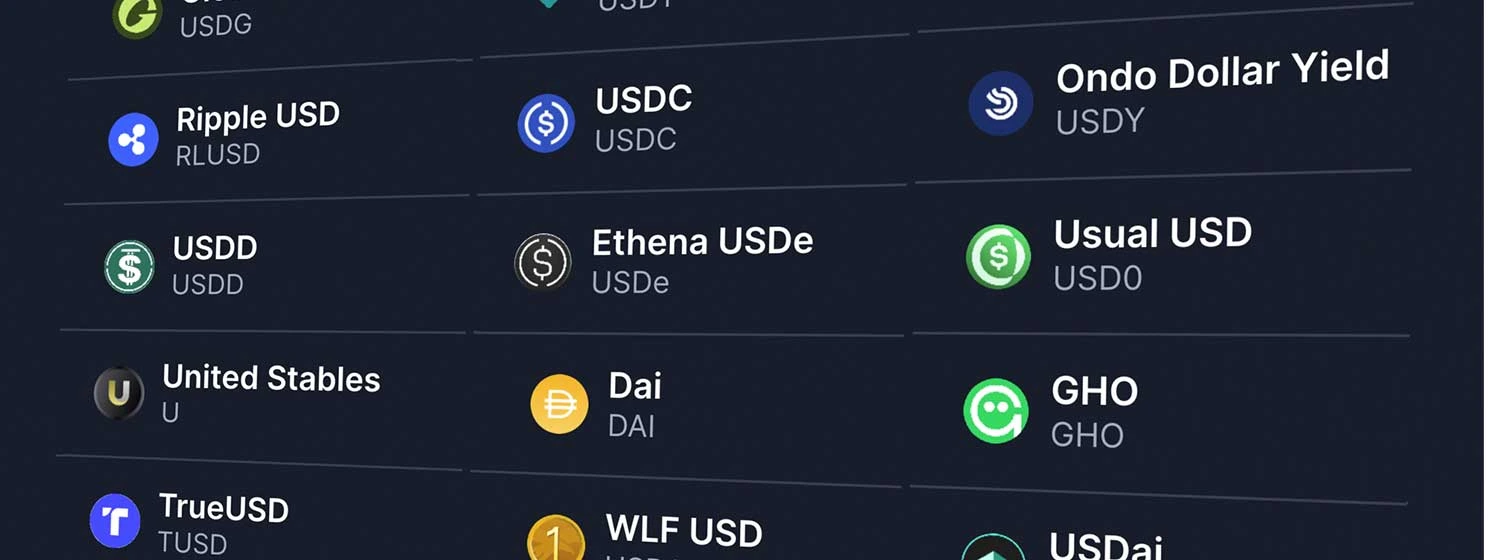
The landscape of digital payments and the burgeoning stablecoin economy is undergoing a transformative period marked by ambitious acquisition bids, significant advancements in artificial intelligence integration, and persistent regulatory challenges. A recent Reuters report ignited the financial world with news of a substantial bid for PayPal, while the launch of the x402 Foundation heralds a new era for AI-driven payments. Simultaneously, major stablecoin issuers like Circle and Tether navigate a complex environment of heightened competition, strategic investments, and increasing government oversight, particularly concerning sanctions evasion.
Stripe and Advent International Launch Bold $53.4 Billion Bid for PayPal
The digital payments sector experienced a significant tremor early Wednesday following a Reuters report detailing a $53.4 billion acquisition bid for PayPal (NASDAQ: PYPL) by payment processor Stripe, in collaboration with private equity firm Advent International. This audacious offer represents a more than 25% premium over PayPal’s closing share price on Tuesday, yet it stands as a notable discount compared to the company’s historical valuations. The bid underscores the intensifying competition within the online payments arena, where PayPal has seen its market dominance erode over recent years amidst a proliferation of agile fintech competitors and the broader shift towards digital transactions.
While PayPal’s board is reportedly slated to discuss the offer later this month, there has been no immediate indication of its receptiveness. Advent International brings a formidable track record in the payments industry, having previously invested in major players such as Worldpay, Vantiv, and Nexi, demonstrating a strategic interest in the sector’s infrastructure. Both Stripe and PayPal have independently made significant inroads into the stablecoin ecosystem, signaling a strategic alignment that could be amplified by a potential merger. Stripe, in March, officially launched its Layer-1 stablecoin payment network, Tempo, following its $1.1 billion acquisition of stablecoin infrastructure firm Bridge in 2024. PayPal, for its part, introduced its dollar-backed PYUSD token, issued by Paxos, in 2023.
Despite its early entry, PYUSD’s market capitalization has experienced a notable decline, falling from an all-time high of $4.2 billion in April to approximately $2.85 billion as of Wednesday. This figure represents a minor fraction—just $2.4 billion—of the total $1.78 trillion in stablecoin transaction volume reported last month, highlighting the challenges in achieving widespread adoption despite PayPal’s extensive user base.
In an effort to revitalize PYUSD’s growth, PayPal has expanded its availability to customers across 70 markets, accounting for roughly one-third of its global operational footprint. Further bolstering its reach, an announcement last week confirmed that PYUSD is now being issued natively on the Polygon network, a blockchain platform renowned for settling over $2.5 billion in daily stablecoin volume. Polygon’s Open Money Stack (OMS) facilitates this expansion, offering merchants a streamlined, single-integration solution for stablecoin payments, complete with regulated pay-ins, pay-outs, and integrated compliance features.
Marc Boiron, CEO of Polygon Labs, emphasized the critical importance of utility for any stablecoin, stating, "When a federally regulated stablecoin is available on infrastructure that already moves money at scale, businesses stop asking whether stablecoin payments are ready and start asking what they can build with them." Peter Jonas, Paxos’s chief revenue officer, echoed this sentiment, celebrating PYUSD’s presence on "one of the most active networks for stablecoin payments" and underscoring the confidence in compliance and regulatory oversight that OMS offers businesses.
x402 Foundation Launches, Standardizing Internet-Native Payments for AI Agents
A groundbreaking development in the convergence of artificial intelligence and digital payments occurred this week with the official launch of the x402 Foundation. This new organization, comprising 40 leading blockchain and traditional finance firms, is dedicated to standardizing the x402 internet-native payment protocol, poised to become the foundational layer for agentic AI payments. Operating under the neutral governance of the Linux Foundation, the x402 Foundation aims to foster collaborative development, inviting developers, financial institutions, and cloud providers to shape the protocol’s evolution.
The x402 protocol is designed to embed secure payment capabilities directly into web interactions, enabling AI agents, APIs, and applications to process financial transactions with the same ease and fluidity as data exchange. This innovation is particularly crucial for the burgeoning "agentic economy," where AI agents autonomously execute tasks that often require micropayments—transactions that are frequently unprofitable or impractical for traditional payment firms due to high processing fees. In the past 30 days, the protocol has already facilitated 75.4 million transactions, totaling $24.2 million, underscoring the high volume and low value typical of many agentic AI interactions.
While the x402 protocol was initially developed by Coinbase (NASDAQ: COIN), a prominent digital asset exchange, it is designed to be payment-agnostic, supporting a diverse range of payment types from traditional cards to stablecoins, thereby avoiding vendor lock-in. The Foundation’s initial membership reflects this broad appeal, encompassing a "who’s who" of both traditional finance and blockchain innovators. Premier members include industry giants such as American Express (NASDAQ: AXP), USDC-issuer Circle, Google (NASDAQ: GOOGL), Mastercard (NASDAQ: MA), RLUSD-issuer Ripple, Shopify (NASDAQ: SHOP), Stripe, and Visa (NASDAQ: V). General members include Fireblocks, LayerZero Labs, Polygon Labs, World Liberty Financial (USD1-issuer), and zerohash. Associate members further diversify the coalition, with entities like the BSV Association, Cardano Foundation, and OMA3 joining the ranks.
Circle, a premier member, publicly expressed its pride in joining the Foundation, recognizing the significant potential of the "agentic economy." Given Circle’s close ties to x402 developer Coinbase, its USDC stablecoin has been a primary token for early agentic AI transactions. Capitalizing on this head start, Circle has already launched several products tailored for this space, including Agent Wallets and an agent marketplace designed for both AI agents and their human supervisors. The establishment of the x402 Foundation marks a pivotal step towards creating a standardized, interoperable payment infrastructure essential for the widespread adoption and scaling of AI-driven financial interactions.
Circle Faces Downgrades Amidst Rising Stablecoin Competition
Despite its strategic positioning in the nascent agentic AI economy, Circle, the issuer of USDC, is navigating a period of increased competitive pressure, particularly with the recent announcement of Open Standard’s OUSD token. The introduction of this new dollar-backed stablecoin, touted with a lengthy list of corporate partners, has cast a shadow over Circle’s future prospects.
However, the credibility of OUSD’s partner list has been called into question. Several high-profile corporate partners, including South Korean conglomerates Samsung (NASDAQ: SSNLF) and Dunamu (parent company of the Upbit exchange), reportedly expressed "perplexity" regarding their inclusion. Unidentified Korean corporate officials told Chosun Biz that they were unaware of their official partnership, with one stating they had only offered a "light reply" to Open Standard’s inquiry, indicating they would "review it if it goes well." Another official claimed, "There were no official consultations, and we do not even know what role we would take" within the alleged alliance.
Regardless of these controversies, some financial analysts have begun to downgrade Circle’s outlook. Mizuho Securities, for instance, issued an "underperform" rating on Circle and reduced its price target from $85 to $50. Mizuho’s analysis suggests that OUSD’s "pass-through model to distributors" could fundamentally disrupt Circle’s existing business model, which heavily relies on retaining a significant portion of treasury yield to generate revenue. Circle CEO Jeremy Allaire previously dismissed such concerns, asserting that his company already shares "the majority of its income with its distribution partners." Allaire also argued that OUSD’s profit-sharing obligations might deplete funds necessary for building out its critical infrastructure.
Analysts at JPMorgan Chase (NASDAQ: JPM) have similarly expressed caution regarding Circle’s fortunes. They highlight an ongoing "land rush" among stablecoin issuers vying to establish their tokens as the preferred payment rail for various platforms. This fierce competition could compel issuers like Circle to enter into less favorable distribution agreements, impacting profitability. A critical point of concern is the impending expiration of the USDC partnership between Coinbase and Circle in August. Coinbase’s apparent support for OUSD could provide the exchange with significant leverage in any renewal negotiations with Circle, potentially altering the terms of a key distribution channel for USDC.
In a proactive move to strengthen its regional ties and explore new partnerships, Circle is scheduled to host an "invitation-only gathering" called "Current Seoul" on July 23. This exclusive event will convene senior executives from South Korean exchanges, banks, and payment firms, aiming to build upon Allaire’s previous visit to Seoul in April and foster deeper collaboration in a crucial Asian market.
Tether’s Aggressive Investment Strategy and Diversification Efforts
While Circle faces headwinds, its primary stablecoin rival, Tether (USDT), continues an aggressive expansion strategy, demonstrating a significant shift towards diversification beyond its core stablecoin issuance. Tether has emerged as a prolific dealmaker, ranking fourth on CryptoRank’s list of investors in the first half of 2026, securing 16 deals. This places it just two deals behind venture capital powerhouse Andreessen Horowitz (a16z) (NASDAQ: ZADIHX), although Coinbase Ventures led the chart with 32 deals. Notably, Tether acted as the lead investor in four of its deals, compared to just one for Coinbase.
Tether’s investment portfolio reflects a broad and strategic approach. This includes a recent acquisition of SoftBank Group’s (NASDAQ: SFTBF) stake in Twenty One Capital (NASDAQ: XXI), a Bitcoin treasury firm launched earlier this year under Tether’s majority control. Despite XXI’s share price falling by over 38% since its debut, Tether’s move solidifies its control, bringing its ownership to over 70% of XXI shares. The undisclosed sum for SoftBank’s stake was for an asset previously valued at $891 million at XXI’s launch. Tether has also unveiled plans to facilitate a three-way merger involving XXI, minority partner Strike (whose CEO, Jack Mallers, also leads XXI), and its affiliated mining operation, Elektron Energy.
Beyond its traditional crypto and Bitcoin-centric investments, Tether is actively diversifying into cutting-edge technology sectors. The company made an undisclosed investment in NEURA Robotics, a German tech startup specializing in advanced robotics. Furthermore, Tether strategically invested in Eight Sleep, a company leveraging "advanced artificial intelligence and embedded sensors to deliver personalized sleep insights." These investments signal Tether’s ambition to broaden its influence across various technological frontiers, moving beyond its stablecoin roots to become a significant player in the wider innovation economy.
USDT Grapples with Sanctions Evasion Allegations and Regulatory Scrutiny
Despite its ambitious diversification efforts, Tether’s market-leading USDT stablecoin continues to face persistent scrutiny regarding its use in illicit activities and sanctions evasion, particularly from Thailand and the United States concerning Iran.
In Thailand, authorities are intensifying their crackdown on "high-risk transactions" involving digital assets. On July 9, the Thansettakij media outlet reported that the Bank of Thailand and the country’s securities regulator are targeting unusual digital asset trading, gold trading, and large-volume banknote exchanges. Data analytics are being deployed to investigate USDT transactions exhibiting "unusually high trading volumes," with initial findings suggesting potential evasion of information disclosure requirements and illicit fund transfers through unofficial channels. This renewed focus highlights a growing concern among national regulators about stablecoins being leveraged for unauthorized financial activities.
Stateside, U.S. Treasury Secretary Scott Bessent announced via tweet that the Office of Foreign Assets Control (OFAC) had "sanctioned multiple [digital] wallets tied to the Central Bank of Iran, resulting in the freeze of over $130 million." While Bessent did not provide specific details, his announcement followed a tweet by blockchain analyst Specter, who detailed how Tether had "just frozen four TRON wallets holding a total of $131M USDT." Specter subsequently linked at least one of these frozen wallets to the OFAC-sanctioned Islamic Revolutionary Guard Corps (IRGC) and Iran’s central bank.
These actions are part of a broader, aggressive campaign by OFAC targeting Iran’s USDT holdings, which intensified following the U.S. military actions against the country earlier this spring. Previous measures included the freezing of $344 million in USDT in April, and Bessent later claimed that the U.S. had seized approximately $1 billion worth of Iran-linked digital assets under "Operation Economic Fury." TRM Labs, a blockchain intelligence firm, recently estimated that Iran had funneled over $1 billion worth of USDT on the TRON network past authorities through two allegedly bogus U.K.-based exchanges. These incidents underscore the immense pressure on Tether and other stablecoin issuers to enhance their compliance frameworks and actively cooperate with global regulatory bodies to combat illicit finance.
Russia’s A7A5 Stablecoin Under Fire for Allegedly Inflated Volumes
The issue of stablecoins being used for sanctions evasion extends beyond Iran, with Russia’s ruble-backed A7A5 stablecoin drawing significant international scrutiny. A Wall Street Journal report earlier this month revealed that sanctioned nations, including Iran, Russia, and North Korea, collectively conducted an estimated $100 billion worth of crypto transactions last year. A7A5, controlled by the Russian government and launched in January 2025, reportedly accounted for half of all crypto-based sanctions evasion in its inaugural year.
However, A7A5 executives’ self-reported claims of massive token turnover—$34.4 billion in the first half of 2026, averaging $205 million per day—are now facing rigorous examination from blockchain analytics firms. Chris Keegan, an analyst at TRM Labs, told CoinDesk that A7A5’s actual daily volume is closer to $75 million, a figure that has been steadily shrinking throughout the year. Keegan estimates that as much as one-third of A7A5’s observed transaction volume constitutes artificial "circular fund movements," designed to inflate perceived activity.
Further corroborating this assessment, Elliptic co-founder Tom Robinson noted that A7A5’s monthly volume has plummeted by 90% since January and is now 96% below its 2025 peak. This significant decline is attributed to more aggressive monitoring efforts by Western authorities and the still-unattributed hacking incident in April involving the Kyrgyzstan-based Grinex exchange, a primary venue for A7A5-based token trading. Grinex itself was sanctioned by European Union authorities in October of the previous year. In May, U.K. authorities also sanctioned the TRON-linked HTX (formerly Huobi) exchange for facilitating A7A5-related activity that allegedly "channeled over $1.5 billion back into the Kremlin’s hands."
Oleg Ogienko, an executive with the A7 network behind A7A5, countered these analytical findings, asserting to CoinDesk that the dramatically lower volume estimates fail to account for the stablecoin’s usage on decentralized finance (DeFi) platforms. A7A5 claims a market capitalization of nearly RUB45.3 billion (approximately US$589 million), with the vast majority—RUB44.7 million—residing on the TRON network, while a smaller "wrapped" version exists on Ethereum. Despite these counter-arguments, Robinson remains firm in his assessment, stating that A7A5’s "cherry-picked trading and transaction figures… conceal the obvious trend: that A7A5 is failing in its goal of enabling Russian sanctions evasion." The ongoing debate highlights the complexities of monitoring and enforcing sanctions in the decentralized crypto space, underscoring the continuous cat-and-mouse game between state actors and regulatory bodies.
The confluence of these events—major corporate acquisitions, the emergence of AI-driven payment protocols, intense competition among stablecoin issuers, and escalating global regulatory scrutiny—paints a dynamic and often turbulent picture of the digital finance ecosystem. As stablecoins increasingly become the "rails for 24/7 global trade," their integration into both legitimate and illicit financial flows demands constant adaptation from market participants and regulators alike.

