
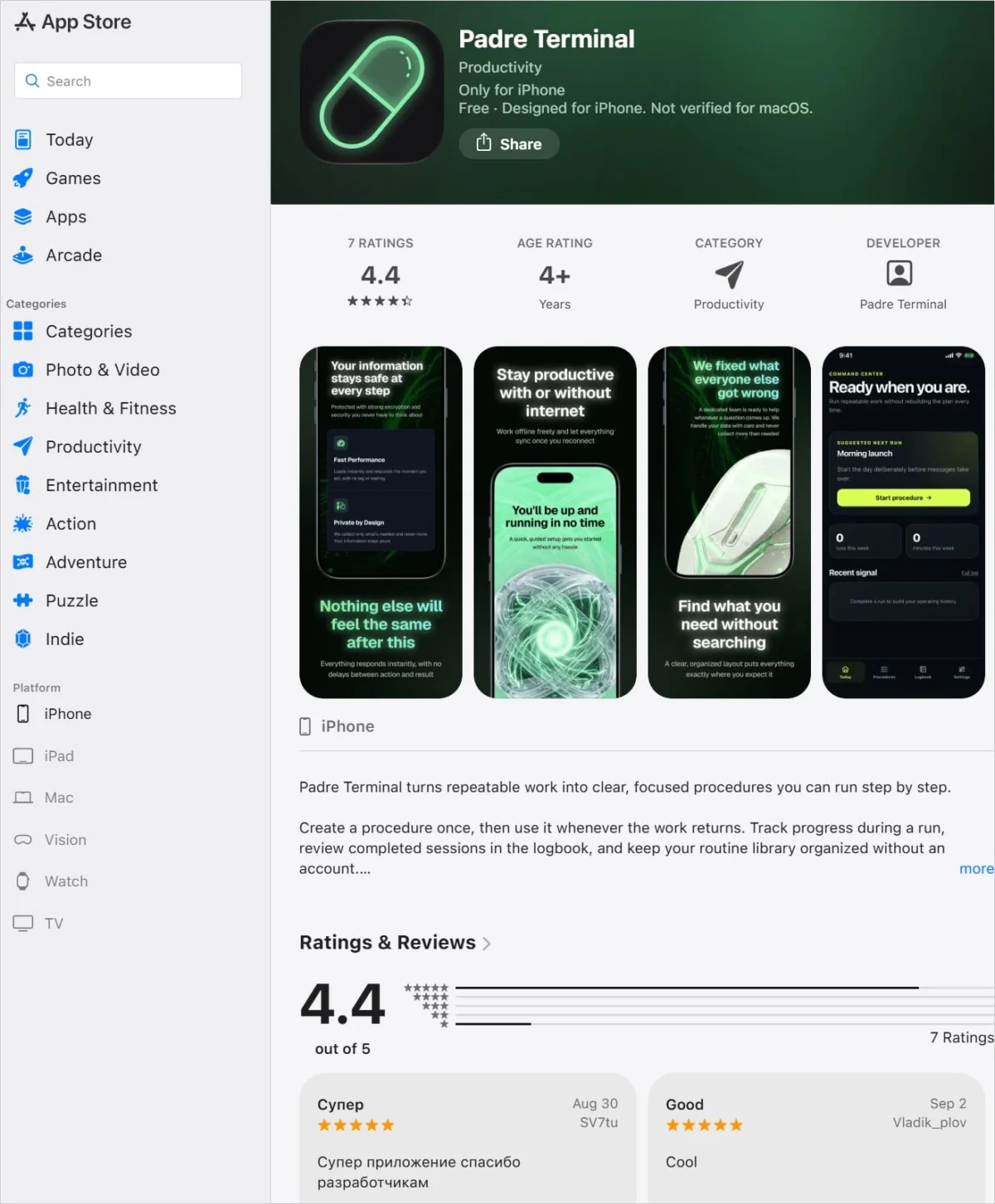
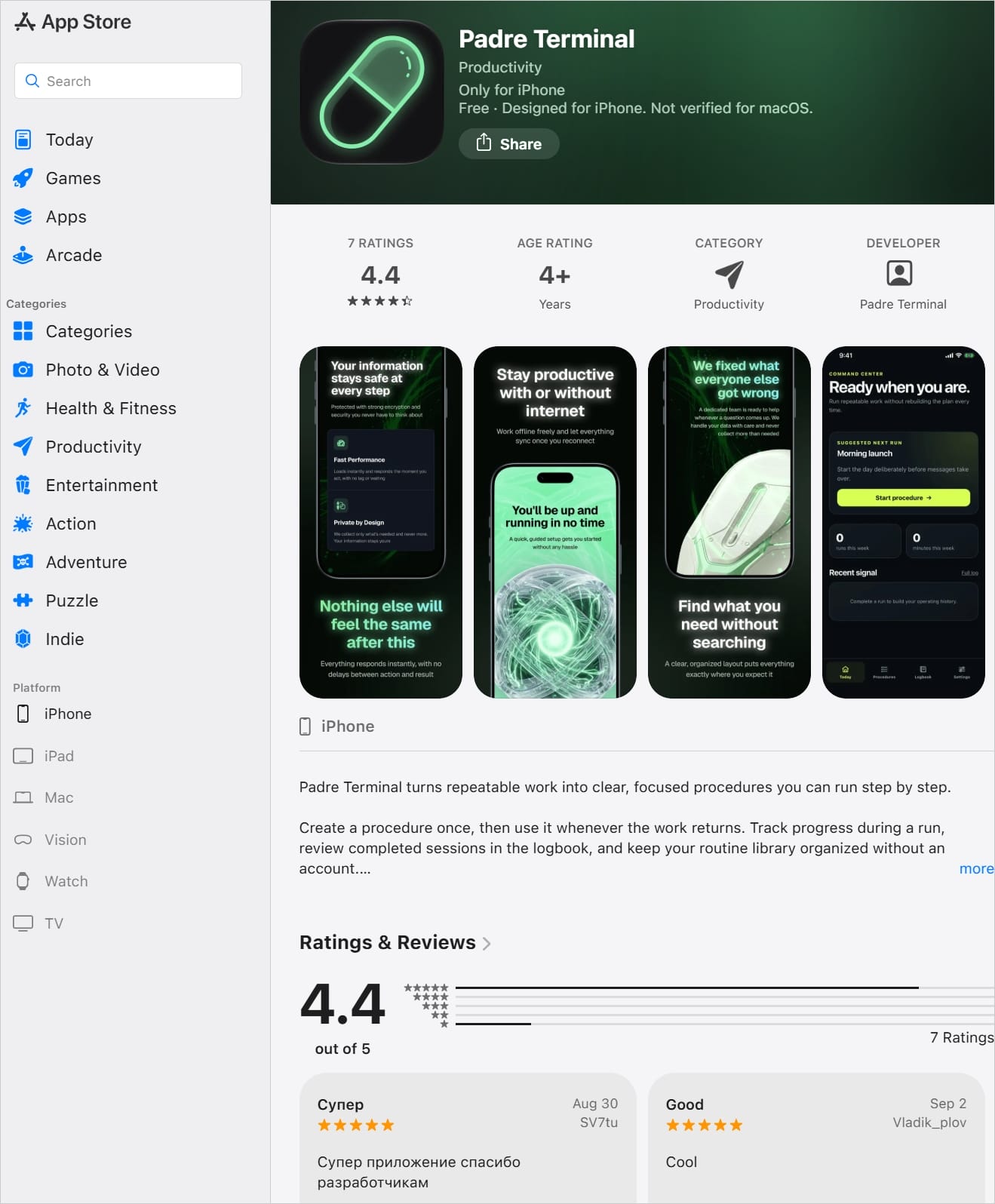
A sophisticated cryptocurrency scam has once again exposed vulnerabilities in official mobile application marketplaces, highlighting the ongoing challenges technology giants face in vetting software before it reaches consumers. A malicious application masquerading as a popular crypto-trading interface called Padre Terminal was recently discovered on the Apple App Store, resulting in the theft of approximately $23,000 worth of digital assets from 27 distinct Solana wallets.
Blockchain security researchers and independent investigators have raised fresh concerns regarding app store security protocols following the incident. While Apple has since removed the fraudulent software, the operation underscores a broader, systemic issue involving fraudulent developers successfully evading automated and manual review processes to target unsuspecting cryptocurrency investors.
The Anatomy of the Padre Terminal Scam
The fraudulent application was designed to impersonate Padre, a prominent cryptocurrency trading platform primarily utilized for buying and selling meme coins on the Solana blockchain. The legitimate trading service, which was later rebranded as Terminal by pump.fun, operates exclusively as a web-based platform. Despite this widely known fact, cybercriminals managed to publish a mobile application mimicking the service directly onto Apple’s official storefront.
According to findings shared by blockchain investigator Iris, the malicious application functioned as a classic wallet drainer. The mechanism relied on social engineering and deceptive user interfaces, tricking unsuspecting victims into importing their private keys directly into the app. Once the user surrendered their credentials, the application systematically drained the linked cryptocurrency balances.
Independent investigations into the malicious application revealed that the attackers likely utilized a remotely served trading interface to mask their malicious activities while capturing sensitive user data in the background. While blockchain analysts have definitively linked at least one victim’s asset loss directly to the App Store application, investigations continue into how the remaining compromised wallets were breached, suggesting the threat actors may have utilized parallel vectors or phishing campaigns.
Chronology of the Attack and Asset Laundering

The illicit operations orchestrated by the creators of the fake Padre Terminal app followed a calculated timeline designed to maximize financial gain while evading asset freezes by centralized authorities.
Activity tracking conducted by blockchain forensics experts established that the wave of thefts began on October 25. Over the course of several days, the cybercriminals siphoned roughly $23,000 in cryptocurrency from 27 Solana wallets. The stolen funds were funneled directly into a designated primary Solana collection address identified on-chain as 3LAgKYoNenWrGWT3U4XWhpgVJWyYkP9wKpiPk8TJT1LN.
Recognizing the risk of centralized intervention—such as token issuers freezing smart contracts or stablecoin balances—the attackers executed a swift laundering strategy. On October 29, the operator converted all remaining holdings of USD Coin (USDC), totaling approximately 4,070 tokens, into native Solana (SOL) assets. This maneuver effectively neutralized the ability of issuers like Circle to freeze the stablecoin funds.
Following the conversion, the threat actor transferred 192 SOL into a newly generated wallet address: H84yazsUVCF8eJ6brh27rURMHjdKEVv2BuLS4iuUUQbu. Blockchain data indicated that the primary and secondary wallets held a combined total of approximately 229.66 SOL. Notably, despite the application being removed from the App Store and public awareness of the scam increasing, the drainer remained active during the late hours of October 29, with the last recorded theft occurring at 17:06 UTC.
A Wider Ecosystem of App Store Impersonators
The discovery of the fake Padre Terminal app is not an isolated incident. Further investigations by blockchain security researchers have uncovered an entire ecosystem of suspicious, potentially fraudulent applications currently or previously hosted on the Apple App Store.
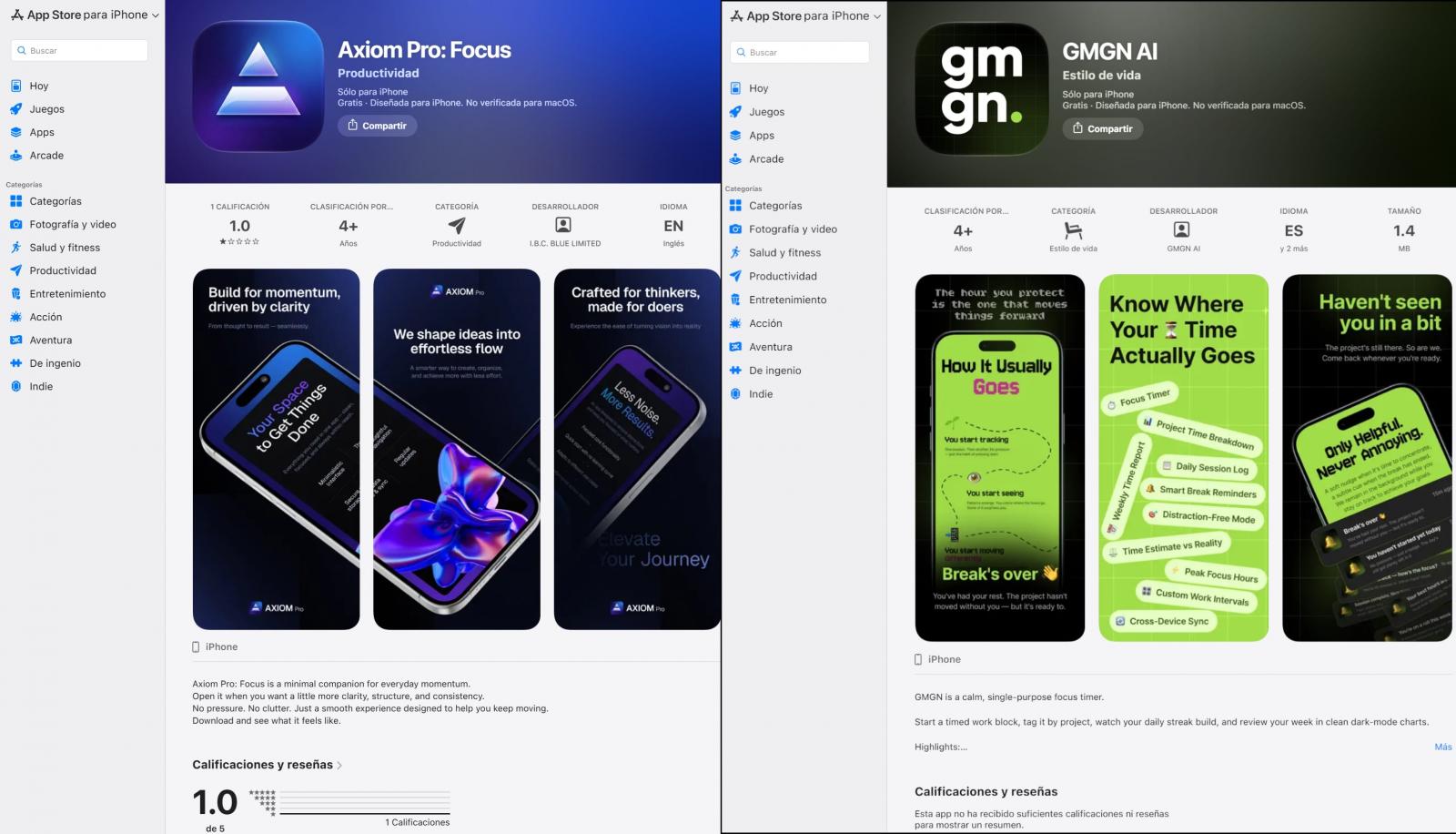
Iris identified at least four additional applications exhibiting characteristics of brand impersonation and malicious intent: Axiom Pro: Focus, GMGN AI, HyperTerminal-HyperliquidTools, and Pump Fun Tokens & Analitycs. While these apps maintain seemingly harmless descriptions designed to pass initial review guidelines—ranging from productivity tools to focus utilities—user review sections often expose their true functionality.
For instance, the Axiom Pro: Focus application accumulated approximately 25 user reviews alleging wallet theft dating back to February. Victims claimed the application initially marketed itself as a high-performance meme coin trading environment before updating its interface or functionality to mimic a productivity focus app, leaving users stranded and defrauded.
Similarly, user testimonials for GMGN AI and HyperTerminal-HyperliquidTools reported direct financial losses of $2,000 and $2,020, respectively. Another utility application, Pump Fun Tokens & Analitycs, was marketed as a note-taking application while receiving explicit public accusations of cryptocurrency theft in its user feedback section.
Forensic analysis of backend infrastructure further connected some of these operations. A script discovered on the fake Axiom website contained backend network addresses linked to infrastructure used by impersonators targeting Axiom, Aster, and GMGN. This overlap points toward a potentially centralized criminal enterprise or syndicate managing multiple parallel scams, although the Padre Terminal app was notably absent from this specific operational cluster.
Furthermore, technical analysis of the GMGN website revealed geolocation filtering scripts designed to block visitors originating from several Commonwealth of Independent States (CIS) countries. Security experts suggest this tactic is routinely employed by eastern-hemisphere cybercrime rings to minimize local law enforcement scrutiny or evade targeted domestic prosecution.
Industry Precedents and Ongoing Safety Concerns
The presence of fraudulent financial applications on strictly curated platforms like the Apple App Store has sparked renewed debate regarding the effectiveness of modern software vetting procedures. Apple maintains a rigorous app review process intended to block malware, scams, and unauthorized clones before publication. However, sophisticated bad actors continue to exploit loopholes, frequently utilizing deceptive metadata, staged application behavior, or post-approval updates to deploy malicious payloads.
This incident echoes previous high-profile security failures on the platform. In March 2024, a fraudulent application mimicking the legitimate Leather cryptocurrency wallet appeared on the App Store, successfully deceiving multiple users into connecting their digital assets and suffering significant financial losses. In that instance, Apple removed the malicious software approximately two weeks after initial user reports surfaced and subsequently banned the publishing entity from its developer program.
Despite repeated outreach from technology journalism outlets and security researchers, official responses from platform operators regarding newly discovered scam app clusters often experience administrative delays, leaving dangerous software accessible to the public for extended periods. At the time of publication, Apple had not issued a public statement addressing the specific mechanics that allowed the Padre Terminal clone and its associated suspicious applications to bypass review.
Implications for Digital Asset Security
The emergence of sophisticated mobile-based cryptocurrency scams highlights a fundamental shift in how threat actors target retail investors. As decentralized finance (DeFi) and meme coin ecosystems continue to attract mainstream interest, mobile devices have become primary access points for digital asset management.
Security analysts emphasize that the psychological barrier to entry on mobile devices is often lower than on desktop environments, where users may be more accustomed to verifying browser extensions and smart contract permissions. By leveraging trusted brand names and polished user interfaces, scammers exploit the baseline trust consumers place in official application marketplaces.
The incident also underscores the critical limitation of relying solely on platform-level security. Because app stores cannot guarantee absolute safety against determined threat actors, cybersecurity professionals advocate for a defense-in-depth approach to digital asset management.
Recommended Best Practices for Mobile Crypto Users
To mitigate the risk of falling victim to wallet drainers and fraudulent applications, security experts and industry analysts strongly recommend that cryptocurrency investors adhere to strict operational security guidelines:
- Direct Sourcing: Users should never search for financial applications directly within app store search bars, where sponsored or spoofed results frequently mimic legitimate brands. Instead, individuals should navigate strictly to official project websites and follow verified hyperlinks directly to the App Store or Google Play Store.
- Scrutinize Developer Credentials: Applications published by unfamiliar entities, or those bearing developer names completely unrelated to the underlying project, should be treated with extreme suspicion.
- Evaluate Adoption Metrics: Consumers should exercise caution when installing newly published applications that feature sparse download counts, limited user engagement, or a history of concerning reviews detailing unexpected behaviors.
- Safeguard Private Keys: Legitimate decentralized finance applications and wallet interfaces will never require users to import raw private keys or seed phrases into unverified mobile apps. Private keys should remain strictly guarded in secure, self-custodial hardware or trusted, long-standing software wallets.
As automated review systems continue to face sophisticated evasion tactics by cybercriminals, the responsibility increasingly falls upon both platform operators to tighten vetting protocols and end-users to exercise heightened vigilance in the rapidly evolving digital asset landscape.

