
The rapid evolution of artificial intelligence in software development and vulnerability discovery is poised to radically alter the landscape of cybersecurity, law enforcement, and national intelligence. As advanced AI models demonstrate an unprecedented capacity to autonomously identify, analyze, and patch software flaws, the foundational dynamics of digital security are shifting. While software engineering experts celebrate the prospect of nearly unexploitable code, intelligence and law enforcement agencies face a disruptive scenario: the potential elimination of the software vulnerabilities they have historically relied upon for lawful intercept and targeted surveillance operations.
This impending technological shift threatens to resurrect contentious policy debates surrounding encryption, exceptional access, and state-sponsored backdoors. To understand the gravity of this development, it is necessary to examine the historical trajectory of digital surveillance, the recent breakthroughs in AI-assisted vulnerability research, and the systemic ripple effects this convergence will generate across the global technology ecosystem.
Evolution of Electronic Surveillance: From Analog Wiretaps to End-to-End Encryption
The methodology of electronic surveillance has undergone dramatic transformations over the past three decades. At the turn of the century, law enforcement interception largely mirrored the classic techniques depicted in investigative media—monitoring analog communications, fixed-line telephony, and emerging, distinct mobile devices. These traditional methods relied on physical access or cooperation from telecommunications carriers to intercept signals in transit.
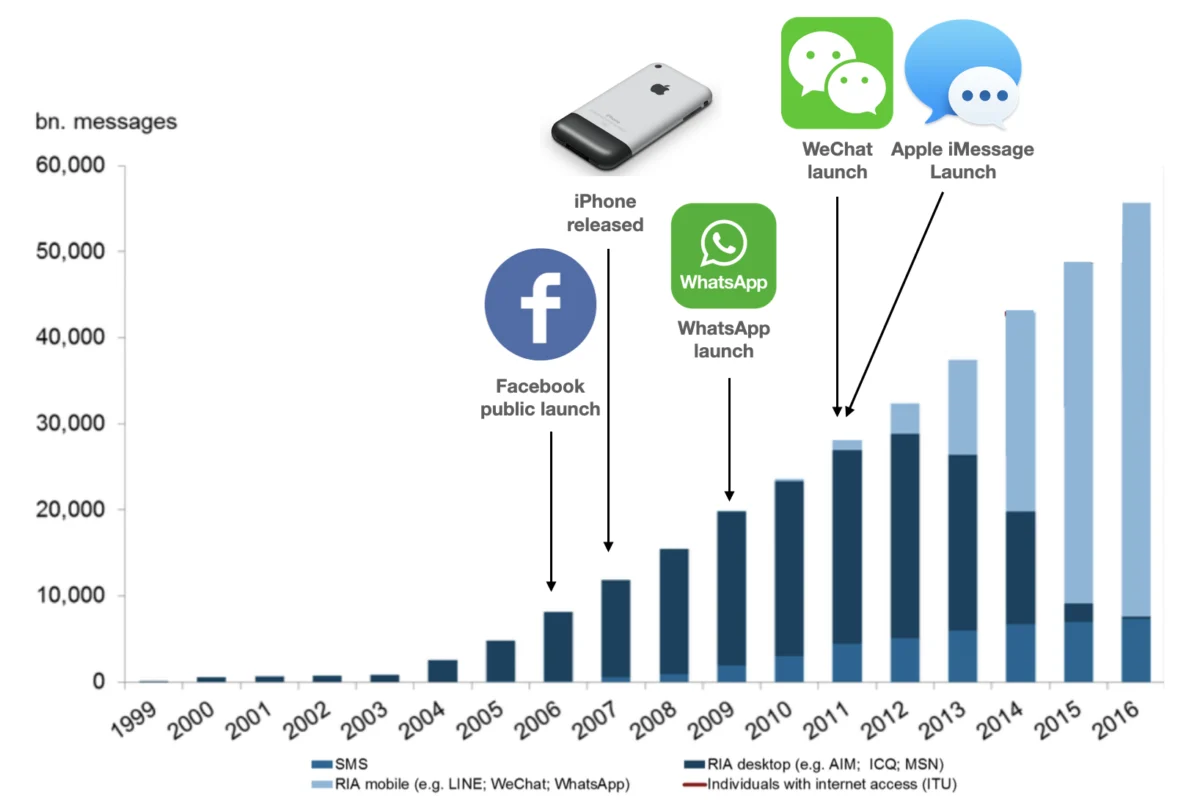
The widespread adoption of smartphones in the late 2000s fundamentally altered this dynamic. Mobile devices began storing vast quantities of personal data locally, transforming physical handsets into primary targets for evidentiary recovery. However, this centralized access point was short-lived. In 2010, major technology firms initiated a decisive shift toward stronger data protection by introducing device-level encryption secured by user passcodes.
By 2011, messaging platforms began integrating end-to-end encryption (E2EE), ensuring that communications could only be read by the communicating parties. The rapid scaling of platforms such as WhatsApp—which grew to hundreds of millions of users by the mid-2010s—cemented E2EE as the industry standard. By 2016, billions of daily communications were shielded from third-party interception, including by the service providers themselves.
This cryptographic shift prompted the Federal Bureau of Investigation (FBI) and international law enforcement agencies to launch the Going Dark initiative in 2014. The campaign aimed to compel technology companies to build exceptional access mechanisms—commonly referred to as backdoors—into encrypted products. The legislative and public relations battle culminated in the high-profile 2016 Apple v. FBI dispute, where the government sought judicial intervention to force Apple to unlock an encrypted iPhone used in a terrorist attack.

Although Apple refused, the legal stalemate was ultimately broken not through policy or corporate compliance, but through private commercial exploits. An external third-party vendor demonstrated that specialized hardware-hacking tools could bypass device security without manufacturer assistance. For the subsequent decade, law enforcement and intelligence organizations increasingly relied on commercial exploitation tools—such as device-unlocking boxes and remote zero-day exploit packages—to maintain investigative capabilities against targeted criminal and national security threats.
The AI Vulnerability Revolution: Automated Discovery and Mass Patching
The delicate equilibrium between offensive cyber capabilities and defensive patching has been severely disrupted by the advent of frontier artificial intelligence models specialized in cybersecurity operations. In early 2026, technology labs introduced advanced AI systems designed to reason through complex source code and identify subtle, deeply buried vulnerabilities at speeds and scales unreachable by human researchers.
The initial discovery capabilities demonstrated by models such as Anthropic’s Mythos, alongside parallel developments from OpenAI and international open-weight labs like Z.ai and Moonshot, triggered immediate geopolitical concern. Governments recognized that the democratization of automated vulnerability discovery could destabilize existing cyber defense postures. Consequently, export restrictions and regulatory controls were swiftly implemented to limit access to these advanced cyber models.
Despite these containment efforts, the technology quickly proliferated. AI-driven code analysis is now being integrated directly into continuous integration and continuous deployment (CI/CD) software pipelines. Rather than waiting for human security researchers or malicious actors to discover legacy bugs, organizations are deploying AI auditors to systematically sweep codebases for vulnerabilities.
This automated remediation process addresses decades of accumulated software debt. While achieving absolute bug-free software remains mathematically improbable, the application of artificial intelligence is rapidly reducing the inventory of remotely exploitable vulnerabilities. Industry analysts project that within the next few years, major enterprise software applications and operating systems will possess significantly fewer high-severity, zero-day vulnerabilities.
Implications for Law Enforcement and Intelligence Operations
The depletion of accessible software vulnerabilities presents a profound dilemma for national security and law enforcement agencies. For more than a decade, these organizations have offset the challenges of end-to-end encryption by acquiring and deploying sophisticated cyber exploits to compromise targeted devices directly.
As automated AI systems eradicate low-hanging software flaws and drastically shrink the supply of available zero-day exploits, the cost and difficulty of offensive cyber operations will escalate exponentially. This reduction in accessible attack surfaces means that agencies could experience a genuine Going Dark scenario across mainstream, well-maintained software ecosystems.

This operational blind spot is expected to reignite intense political and regulatory pressure on the technology sector. As traditional hacking techniques become less viable, governments facing investigative roadblocks will likely renew demands for mandatory exceptional access architecture. Rather than relying on covertly purchased exploits, state actors may pivot toward legislative mandates requiring cryptographic key escrow or standardized backdoors.
Geopolitical and Economic Consequences
The pursuit of mandated access points carries severe systemic risks. Cybersecurity experts have long warned that architectural backdoors intended for lawful interception inevitably create systemic vulnerabilities that can be discovered and exploited by hostile foreign adversaries and criminal syndicates.
Furthermore, compelling domestic technology providers to weaken their cryptographic integrity could alienate international markets. Enterprise and consumer customers outside the United States may increasingly migrate away from U.S.-developed software and hardware platforms, seeking sovereign alternatives perceived as immune to domestic intelligence mandates.
This dynamic creates a paradoxical outcome: in an era where artificial intelligence has enabled unprecedented levels of automated software security, regulatory pressures for exceptional access could introduce deliberate vulnerabilities into critical national infrastructure.
Strategic Outlook
The intersection of artificial intelligence and software security represents a pivotal inflection point for the digital age. As automated systems drive code hygiene to unprecedented levels, the traditional mechanisms of digital surveillance are rapidly losing efficacy.
Navigating this transition will require policymakers, technologists, and security researchers to balance the legitimate demands of public safety against the fundamental necessity of robust, uncompromised system security. Without a deliberate reassessment of offensive cyber dependencies and cryptographic policy, the widespread deployment of secure AI could inadvertently precipitate a new era of systemic technological vulnerability.

