
As cybersecurity experts, researchers, and government officials converge on major industry gatherings like the Usenix Security conference, discussions inevitably gravitate toward the disruptive force of artificial intelligence. While much of the public discourse surrounding AI and security focuses on the proliferation of automated cyberattacks and the lowering of technical barriers for malicious actors, a counterintuitive and profound paradox is emerging. Advanced artificial intelligence models are poised to revolutionize software security by proactively identifying and patching vulnerabilities at an unprecedented scale. Consequently, this impending era of hyper-secure software threatens to inadvertently plunge law enforcement and intelligence agencies into a state of structural blindness, cutting off access to digital evidence and reigniting high-stakes battles over encryption and backdoors.
The Evolution of Digital Surveillance and the Era of Law Enforcement Hacking
To understand the gravity of this impending shift, it is necessary to examine the trajectory of electronic surveillance over the past two decades. In the early 2000s, digital investigations mirrored traditional police work, relying heavily on wiretaps, physical tracking, and intercepted communications from relatively simple analog or early digital devices.
The landscape shifted dramatically in the late 2000s and early 2010s with the ubiquity of smartphones. Mobile devices transformed from simple communication tools into persistent digital journals storing vast quantities of personal data. Law enforcement agencies quickly recognized that seizing a suspect’s smartphone often yielded a comprehensive repository of digital evidence.
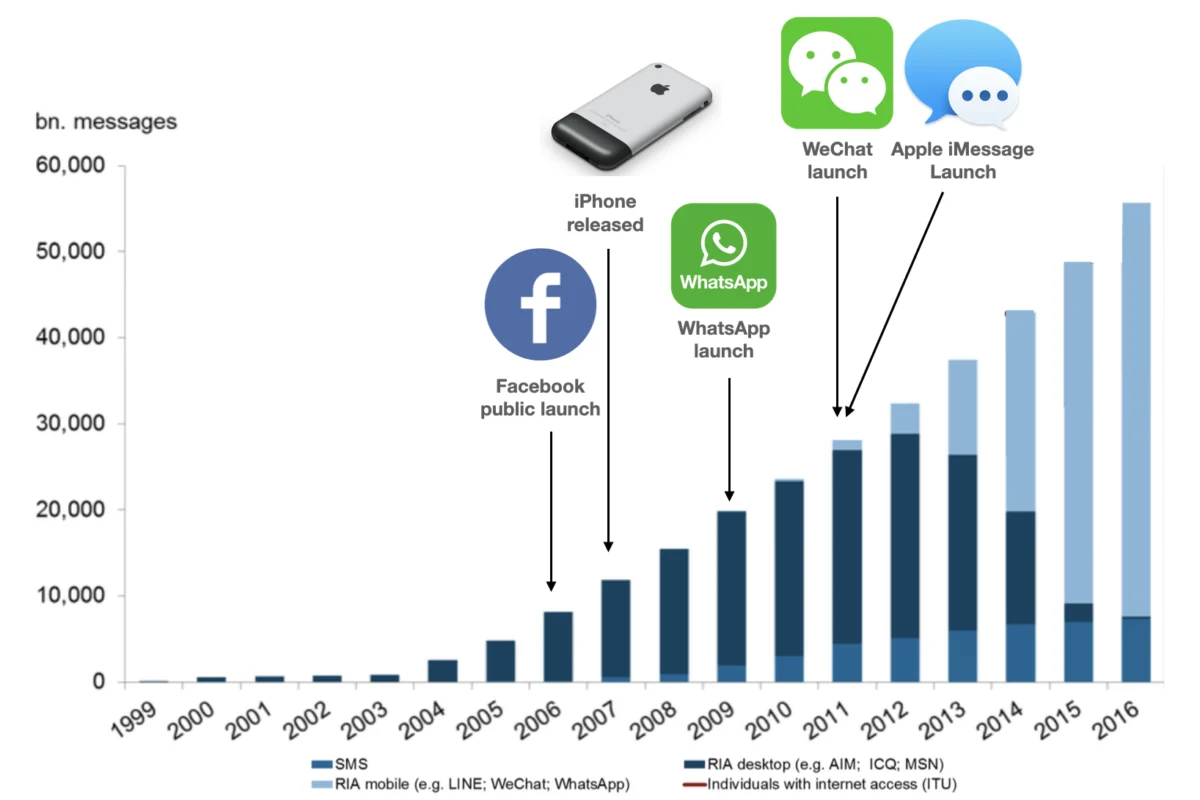
However, this investigative advantage proved short-lived. In 2010, major technology companies began implementing robust device encryption, securing stored data with passcodes unknown to manufacturers. By 2011, encrypted messaging services began to emerge, culminating in the widespread adoption of default end-to-end encryption across platforms like Apple’s iMessage and WhatsApp by the mid-2010s. By 2016, nearly a billion users globally relied on encrypted communications that neither service providers nor third parties could intercept.
Faced with this cryptographic barrier, then-FBI Director James Comey launched the Going Dark initiative in 2014, attempting to force technology companies to build exceptional access mechanisms—commonly known as backdoors—into their products. The tension culminated in the high-profile 2016 legal battle between Apple and the FBI over unlocking a terrorist’s iPhone. The stalemate ended not through a legal mandate or a technical compromise, but through the emergence of private vulnerability brokers capable of bypassing device security through targeted hacking.

For the subsequent decade, this dynamic defined the digital security ecosystem. While tech vendors continuously patched vulnerabilities, intelligence and law enforcement agencies relied increasingly on commercial exploitation tools—such as GrayKey for mobile device extraction and Pegasus for remote surveillance—to maintain investigative capabilities.
The AI Transformation of Vulnerability Discovery
The delicate equilibrium between offensive hacking tools and defensive patching is now facing a structural disruption driven by generative artificial intelligence and advanced machine learning models.
In early 2026, major artificial intelligence laboratories, including Anthropic with its Mythos model, OpenAI, and various international open-weight labs such as Z.ai and Moonshot, demonstrated frontier cyber models exhibiting unprecedented capabilities in automated software vulnerability discovery. These models have proven remarkably efficient at scanning complex codebases, identifying legacy bugs, and flagging deep-seated logical flaws that human auditors often overlook.
Rather than providing a lasting advantage exclusively to offensive operators, this technological leap is fundamentally transforming software engineering and maintenance. Software development organizations are rapidly integrating AI-driven vulnerability scanning directly into continuous integration and continuous deployment (CI/CD) toolchains. Consequently, decades of accumulated software bugs are being systematically discovered and patched before code ever reaches deployment.
While achieving absolute bug-free software remains theoretically impossible, the industry is rapidly approaching a practical threshold where remotely exploitable vulnerabilities in major operating systems, applications, and communication protocols will become exceedingly rare.
Implications for Law Enforcement and Intelligence Operations
The systemic eradication of software vulnerabilities carries profound implications for state intelligence gathering and domestic law enforcement. As commercial exploit brokers and government agencies find their pipelines of zero-day vulnerabilities drying up due to automated AI patching, their ability to covertly infiltrate target devices will diminish significantly.

This technological shift threatens to realize the literal manifestation of "going dark." Unlike the encryption debates of the past decade, where agencies could bypass barriers by purchasing specialized exploits, a hyper-secure software ecosystem driven by AI maintenance will eliminate the technical pathways required for clandestine hacking.
This dynamic is expected to exert intense institutional pressure on governments to revive legislative and regulatory campaigns demanding mandated backdoors. Agencies facing a sudden loss of investigative capability will likely renew demands for exceptional access, pushing technology companies to redesign system architectures to accommodate lawful interception.
However, security experts warn that reintroducing intentional architectural weaknesses into otherwise secure systems creates systemic risks. Mandated backdoors designed for domestic law enforcement inevitably create attack surfaces that foreign adversaries and cybercriminals can exploit. Furthermore, foreign governments and enterprise customers may increasingly abandon U.S.-developed software and hardware infrastructure, choosing instead to procure foreign technologies perceived as free from domestic intelligence compromises.
Future Outlook and Strategic Challenges
As the software ecosystem transitions toward automated, AI-driven security, policymakers, technologists, and law enforcement agencies face a complex set of strategic dilemmas. The convergence of advanced code analysis and rigorous defensive patching promises to elevate global cybersecurity standards, protecting critical infrastructure, financial systems, and personal privacy from malicious intrusion.
At the same time, this evolution forces a fundamental reassessment of how democratic societies balance individual privacy rights with public safety mandates. As technological realities outpace traditional investigative methodologies, the legal and intelligence communities must navigate a landscape where digital surveillance tools become increasingly obsolete, necessitating a reliance on traditional investigative techniques, financial tracking, and open-source intelligence rather than technical exploitation.

