• Home
  • About Us
  • Contact Us
  • Cookies Policy
  • Disclaimer
  • DMCA
  • Privacy Policy
  • Terms and Conditions
Dr Crypton
Secure Your Future in Crypto
Blockchain Technology

Sam Altman-Backed World Raises $52.5 Million in Token Sale to Propel Human Verification and Global Expansion

by admin September 10, 2026
written by admin

World, the digital identity and online verification startup co-founded by OpenAI Chief Executive Officer Sam Altman, has successfully secured $52.5 million through a private cryptocurrency token sale directed at strategic institutional investors. The funding round highlights a renewed push by the company to solidify its financial runway amid an evolving digital landscape increasingly saturated by artificial intelligence and automated web traffic.

The transaction involved the sale of World’s native cryptocurrency token, WLD, to a curated cohort of prominent venture capital and digital asset funds. Crucially, the participating investors agreed to a strict 12-month lockup period. Within the framework of digital asset financing, a lockup period prevents buyers from selling, transferring, or trading their acquired tokens on public or private markets for a designated timeframe. According to an official press release issued by the company, this yearlong restriction serves as a testament to the investors’ long-term confidence in World’s technological roadmap, utility expansion, and overarching mission.

The capital generated from the token sale will be directed straight to the World Foundation, an exempted limited guarantee foundation structured in the Cayman Islands. The foundation acts as the primary governance and stewardship entity responsible for overseeing the sustainable growth, deployment, and global expansion of the World network.

Institutional Backing and Key Stakeholders

The $52.5 million funding round was spearheaded by Pantera Capital, a leading digital asset venture capital firm with a long history of investing in blockchain infrastructure and cryptographic protocols. The involvement of Pantera Capital as the lead investor lends significant institutional credibility to the project, particularly at a time when regulatory scrutiny over cryptocurrency-linked projects remains elevated across multiple jurisdictions.

Joining Pantera Capital in the token purchase agreement were several other prominent market players, including Bain Capital Crypto, Susquehanna Crypto, Eightco Holdings, and Selini Capital. The diverse group of participants underscores the cross-sector appeal of World’s financial instruments, attracting both traditional crypto-focused funds and broader digital venture firms.

Operationally, the World project is developed and maintained by Tools for Humanity (TFH), a software and hardware startup headquartered in San Francisco, California. TFH is led by Chief Executive Officer and co-founder Alex Blania, with Sam Altman serving alongside him as the company’s principal co-founder and visionary. Tools for Humanity is the primary engineering engine behind the consumer-facing applications, hardware development, and software architecture that power the World ecosystem.

The Mission: Proof of Human in an AI-Dominated Era

World positions itself as an unconventional business model focused squarely on online verification and digital trust. As generative artificial intelligence models, automated bots, and sophisticated synthetic media proliferate across the internet, distinguishing between authentic human users and automated algorithms has become one of the fundamental technical challenges of the modern digital economy.

To combat this impending crisis of digital authenticity, World has pioneered what it terms "proof of human" tools. The cornerstone of this initiative is the World ID—an anonymous cryptographic digital marker designed to verify that a real human being, rather than a bot or an autonomous AI agent, is operating a specific online account, platform profile, or service interaction.

The system operates on a tiered verification structure. To achieve the highest level of verification and unlock a fully verified World ID, users must undergo a physical biometric scan. This is conducted using a proprietary metallic spherical device known as an "Orb." Equipped with advanced optical sensors, the Orb scans a user’s iris and converts the unique biological patterns into a distinct cryptographic identifier. Once generated, this identifier ensures the user’s anonymity while definitively proving their human status. World has deployed these Orbs at its corporate offices and through partnerships with local storefronts and distribution centers across various international markets.

Evolution and Rebranding: From Worldcoin to World

The initiative has undergone significant strategic pivots since its inception. The project initially launched as an overtly crypto-centric experiment under the name "Worldcoin," which also served as the original identifier for the underlying digital asset. Within the ecosystem, users can hold, manage, and transact WLD tokens using the official World application, which functions simultaneously as a digital interface and a custodial cryptocurrency wallet.

However, as public skepticism and regulatory pushback against the broader cryptocurrency industry mounted globally, the project underwent a deliberate corporate rebranding. Dropping the "coin" suffix, the enterprise repositioned itself simply as "World," shifting the primary narrative away from speculative digital currency and toward essential digital infrastructure, privacy-preserving identity verification, and cybersecurity utility.

Despite this strategic pivot, the project has faced notable headwinds in its quest for mainstream consumer adoption. In April of 2026, World launched a major iteration of its mobile application and announced high-profile integration partnerships with major consumer platforms, including Tinder, Zoom, and Docusign. These partnerships were intended to embed World ID verification directly into popular consumer software, allowing platforms to drastically reduce the prevalence of fake profiles and automated harassment.

Navigating Economic Realities and Organizational Restructuring

Despite its ambitious global roadmap, high-profile backing, and technological novelty, World has encountered persistent challenges in scaling its business operations and convincing ordinary consumers of the immediate necessity of biometric identity verification. Public anxieties regarding data privacy, biometric data collection, and the optical scanning process have slowed adoption rates in several key geographic regions.

Reflecting these operational pressures and a broader market recalibration, Tools for Humanity implemented a round of corporate layoffs in June. The workforce reduction underscored the financial realities facing capital-intensive deep-tech startups as they attempt to balance rapid global expansion with sustainable revenue generation and efficient cost management.

Furthermore, the project has remained sensitive to public communications and reporting accuracy. In July, a prominent technology publication issued a formal correction regarding reported integrations, clarifying that World does not maintain a partnership with ticketing giant Ticketmaster, highlighting the intense media scrutiny and high expectations surrounding Altman-backed enterprises.

Implications for the Future of Digital Trust

The injection of $52.5 million through a locked token sale provides World and the World Foundation with a vital financial cushion as they navigate the remainder of the decade. By locking their WLD tokens for 12 months, institutional investors have effectively signaled a vote of confidence that outlasts short-term market volatility.

As generative AI continues to blur the boundaries of digital reality, the fundamental premise behind World—establishing irrefutable proof of human identity online—remains a compelling and urgent thesis. Whether through biometric iris scanning or alternative cryptographic frameworks, the demand for reliable digital identity verification is poised to grow exponentially.

However, World’s long-term success will ultimately hinge on its ability to navigate complex global data privacy regulations, alleviate consumer privacy concerns, and prove the tangible utility of its ecosystem beyond the confines of crypto-economic speculation. With its newly bolstered balance sheet and a network of powerful institutional backers, World enters its next operational phase equipped to test whether biometric human verification can transition from an experimental niche into an indispensable pillar of the global internet.

September 10, 2026 0 comment
0 FacebookTwitterPinterestEmail
Cybersecurity & Hacking

The Illusion of Security and the High Cost of Unchecked Digital Trust

by admin September 10, 2026
written by admin

The modern cybersecurity landscape is increasingly defined not by sophisticated, state-sponsored digital espionage, but by the mundane exploitation of established, trusted infrastructure. Throughout the current week, a recurring theme has emerged across disparate security incidents: the fundamental failure of organizations to question why certain vectors—ranging from browser extensions to legacy service accounts—were permitted to function with high-level access in the first place. When dissecting the week’s most significant breaches, the common denominator is rarely a novel, "magical" exploit. Instead, attackers are consistently leveraging existing, authorized paths that were left open, unmonitored, or over-privileged.

The Mechanics of Low-Effort Compromise

The incidents observed this week underscore a disturbing trend in threat actor methodology: the path of least resistance. In several reported cases, browser extensions—often installed by employees for productivity or convenience—served as the primary entry point for credential harvesting. These extensions, which frequently request excessive permissions, essentially act as a "trojan horse," bypassing perimeter security by operating within the authenticated session of the user.

Furthermore, the prevalence of phishing chains leveraging trusted, legitimate services has reached a new peak. Attackers are increasingly utilizing reputable platforms—such as legitimate file-sharing services or collaborative suites—to host malicious payloads. Because the domain itself is whitelisted by most corporate security filters, the payload bypasses initial screening. This "trust exploitation" relies on the assumption that if a service is reputable, the content it hosts is inherently benign.

In addition to these vectors, legacy vulnerabilities continue to plague enterprise environments. Despite the industry’s incessant focus on "zero-day" threats, a significant portion of successful compromises stems from long-known, unpatched bugs in software that has been relegated to the background of infrastructure management. These "zombie" services, often forgotten by IT departments but still connected to internal networks, represent the "lazy hinges" of the corporate digital gate.

Chronology of Vulnerability: A Weekly Review

To understand the scope of these issues, one must look at the progression of security failures over the past seven days.

ThreatsDay: 200 Android Flaws, Browser-Built Phishing, 119K Scam Shops + 23 More Stories
  • Monday: Reports surfaced regarding a wave of malicious packages discovered in open-source repositories. These packages were designed to mimic popular developer tools, capitalizing on the "dependency hell" common in modern software development, where developers trust thousands of third-party libraries without exhaustive auditing.
  • Tuesday: Researchers identified a series of exposed cloud-based management interfaces. These services, left with default credentials or insufficient access controls, allowed unauthorized entities to perform reconnaissance on internal network topologies.
  • Wednesday: A notable phishing campaign was neutralized, which utilized legitimate redirects from compromised, high-authority websites. By the time the security community flagged the redirection path, the attackers had already harvested thousands of corporate session tokens.
  • Thursday: Discussions shifted toward the role of AI-integrated tools in the workplace. Evidence emerged showing that employees were inadvertently exposing sensitive data to third-party AI models by pasting proprietary code or customer PII (Personally Identifiable Information) into non-enterprise-grade chat interfaces.
  • Friday: A review of ongoing incident response efforts confirmed that in over 60% of the week’s tracked intrusions, the initial access was achieved through a legitimate, albeit over-privileged, administrative account that had not been rotated or audited in over six months.

Supporting Data: The Cost of Implicit Trust

Quantitative analysis of recent breach reports reveals a stark reality. According to recent industry surveys on incident response, approximately 42% of security breaches originate from "trusted" third-party software or authorized extensions. The "dwell time"—the duration an attacker remains inside a network before detection—is significantly longer when the attacker utilizes valid credentials or legitimate software, often extending into weeks or months.

Data from the past quarter indicates that the exploitation of "weak edges"—such as exposed API endpoints and unauthenticated internal services—has risen by 18% compared to the previous year. This suggests that as perimeter defenses like firewalls and endpoint detection and response (EDR) systems improve, attackers are shifting their focus to the internal seams of the network.

Official Responses and Industry Sentiment

Industry security architects have begun to voice a collective shift in strategy. The consensus among lead information security officers (CISOs) is that the era of "trust by default" must come to an end.

"We are seeing a systemic issue where the administrative burden of managing every micro-permission is causing organizations to default to ‘allow all’ settings," noted a representative from a leading cybersecurity threat intelligence firm. "The industry has focused heavily on the ‘what’—the software and the patches—but we have neglected the ‘how,’ which is the flow of trust and the handoff of privileges between services."

Many firms are now mandating "Zero Trust Architecture" (ZTA) updates, which require that every request—regardless of whether it originates from inside or outside the network—be authenticated and authorized. This policy shift is a direct response to the realization that an attacker does not need to break the wall if they can simply walk through an open, trusted gate.

The Broader Impact: Why "Patch Faster" Isn’t Enough

The imperative to "patch faster" has been the mantra of cybersecurity for two decades. However, this week’s events demonstrate that patching is a necessary, but insufficient, condition for security. Even fully patched systems remain vulnerable if the user grants a malicious browser extension full read-write access to their browser history and cookies.

ThreatsDay: 200 Android Flaws, Browser-Built Phishing, 119K Scam Shops + 23 More Stories

The implications for the modern enterprise are profound:

  1. Supply Chain Transparency: Organizations must perform more rigorous audits of the third-party libraries and extensions they allow their employees to use. The reliance on open-source packages without a Software Bill of Materials (SBOM) is increasingly untenable.
  2. Session Management: The industry is moving toward shorter session durations and more frequent re-authentication requirements. By reducing the "shelf life" of an active session token, organizations can limit the window of opportunity for an attacker to leverage stolen credentials.
  3. The Human Factor in AI Adoption: As AI tools become standard, the "boring handoff" of data between an employee’s workspace and an external AI model has become a massive, unmonitored attack surface. Organizations that do not provide enterprise-secure alternatives to public AI tools are essentially inviting data exfiltration.

Conclusion: Securing the "Lazy Hinge"

The lesson of the week is fundamentally about governance and visibility. Security does not break at the fortress walls; it breaks at the boring handoffs. It breaks when a session token is inherited by a malicious process, when an exposed API is forgotten by a DevOps team, or when an extension is allowed to operate with "unlimited" scope.

Attackers do not require "magic" or zero-day exploits to achieve their objectives. They require only a lack of scrutiny. For every organization, the priority must move beyond the headline-grabbing vulnerabilities and toward the meticulous, often tedious, work of closing the "lazy hinges." By adopting a posture of explicit verification—questioning every permission, every redirect, and every automated handoff—organizations can begin to dismantle the infrastructure that makes current-day phishing and credential theft so dangerously effective.

As the digital landscape evolves, the difference between a secure enterprise and a breached one will likely be defined by the granularity of its controls. In the coming months, the security community will likely see a renewed focus on "least privilege" enforcement as the primary defense against the inevitable, ongoing attempts to leverage trust against the very systems it is meant to protect. Organizations that fail to institutionalize this skepticism will remain vulnerable to the same fundamental problems that defined this week’s security landscape.

September 10, 2026 0 comment
0 FacebookTwitterPinterestEmail
Bitcoin & Altcoins

Kraken Unveils Smart Grid on Desktop to Redefine Automated Range-Bound Trading for Crypto Enthusiasts

by admin September 10, 2026
written by admin

Cryptocurrency exchange Kraken has officially announced the launch of Smart Grid, a sophisticated, native automated grid trading tool integrated directly into Kraken Desktop. Designed for eligible Kraken Pro users, the new feature seeks to address the persistent structural limitations of traditional grid trading bots, which have long frustrated digital asset traders with rigid configurations, browser dependency, and an inability to adapt to shifting market conditions without total system reboots. By combining backtesting capabilities, dynamic live-adjustment features, and low-latency desktop architecture, Kraken aims to establish a new standard for automated range-bound strategies within the digital asset ecosystem.

The Evolution and Structural Limitations of Grid Trading Bots

Grid trading has historically functioned as a staple strategy across virtually all major cryptocurrency exchanges. The core premise involves placing a systematic series of buy and sell orders at predetermined intervals above and below a baseline price, forming a visual "grid." As market prices fluctuate within this defined range, the automated system captures incremental profits by repeatedly buying dips and selling rallies.

While highly effective during prolonged periods of sideways consolidation, chop, or range-bound price action, traditional grid bots possess inherent operational vulnerabilities. Historically, the most prominent flaw has been configuration lock-in. Across standard industry platforms, traders are required to commit capital to a rigid set of parameters the moment a bot goes live. If macroeconomic conditions shift, unexpected volatility breaks the upper or lower bounds, or a specific price level requires fine-tuning, the user’s only recourse is to terminate the entire operation and reconstruct the grid from scratch, locking in realized or unrealized losses in the process.

Furthermore, legacy grid bots have predominantly operated within browser tabs. This reliance on web-based interfaces exposes automated strategies to connection drops, browser memory leaks, and interface freezes during periods of acute market stress—precisely the moments when rapid execution and uninterrupted uptime are most critical for risk management.

Introducing Smart Grid: Core Architecture and Capabilities

Developed to eliminate these operational bottlenecks, Kraken’s Smart Grid provides traders with granular control over range-bound automation. Rather than forcing users to blindly allocate capital, the system incorporates a pre-deployment backtesting suite. Traders can test their exact configuration parameters against historical price action to evaluate whether a market’s recent behavior is genuinely suited for a grid strategy or if directional trends dictate a different approach.

Once deployed, Smart Grid introduces a critical industry advancement: mid-flight configuration adjustments. Unlike conventional bots that demand total termination to effect changes, Kraken’s iteration allows users to open the configuration panel on an actively running bot, modify parameters such as range boundaries or order density, and seamlessly apply those updates to the live grid without interrupting execution.

Additional risk-management features include the integration of base stop-loss mechanisms for the overall strategy and the ability to toggle margin trading on or off, depending on account type, regulatory jurisdiction, and individual risk tolerance.

Native Desktop Integration Versus Browser Dependency

Introducing Smart Grid: fully configurable grid trading, only on Kraken Desktop

A defining element of the Smart Grid rollout is its exclusive deployment on Kraken Desktop rather than traditional web interfaces. Built on the application’s native low-latency and low-memory architecture, the tool functions independently of browser tabs.

Industry analysts note that shifting execution engines to a dedicated desktop client significantly reduces the risk of latency spikes during high-volume market events. By leveraging local computing resources and a purpose-built desktop framework, Kraken intends to provide an uninterrupted environment for always-on automated strategies, ensuring that order execution and portfolio monitoring remain stable even when web servers experience congestion.

To streamline the onboarding process for both novice and experienced users, the platform has simultaneously released the "Smart Grids 101" board on Kraken Desktop. This pre-configured workspace layout arranges essential charting panels, order books, and monitoring tools into a single, cohesive view. Because boards on Kraken Desktop are fully customizable, traders can utilize the template as a foundational baseline before rearranging or tailoring the interface to their specific analytical preferences.

Market Implications and Strategic Positioning for Kraken Pro

The introduction of Smart Grid arrives at a time when retail and institutional participants increasingly demand institutional-grade tooling within retail-accessible exchanges. Automated market-making and grid strategies have gained substantial traction as alternative yield-generation methods during macroeconomically uncertain market phases where clear directional trends are absent.

By addressing common friction points—such as backtesting transparency and the ability to alter live parameters—Kraken is positioning its desktop ecosystem as a serious competitor to specialized algorithmic trading platforms. Industry observers suggest that native integration of advanced automation tools could accelerate the migration of high-frequency and technical traders away from web browsers and toward dedicated desktop applications.

Nevertheless, exchange representatives and financial analysts emphasize that automated grid trading is not a passive, "set-and-forget" yield product. Success with Smart Grid requires continuous market judgment, appropriate risk management, and a clear understanding of asset volatility cycles. Grid strategies inherently underperform during strong, sustained directional trends, making proper range selection and backtesting critical prerequisites before allocating capital.

Availability and Getting Started

Smart Grid is currently available to eligible Kraken Pro users globally via the Kraken Desktop application. Existing users operating through web browsers or mobile applications can access the feature by downloading the desktop client, navigating to the Smart Grid module, selecting their preferred trading pair, running historical backtests to verify strategy fit, and initiating deployment when market conditions align with their trading thesis.

As automated trading tools continue to evolve, innovations like dynamic configuration updates and native desktop performance are expected to raise user expectations across the digital asset exchange landscape, placing a premium on flexibility, execution reliability, and transparent risk controls.

September 10, 2026 0 comment
0 FacebookTwitterPinterestEmail
Bitcoin & Altcoins

Hunter Biden Faces Intense Scrutiny Following Dramatic Collapse of LAPTOP Meme Coin on Base Blockchain

by admin September 10, 2026
written by admin

The cryptocurrency landscape was rocked this week by the volatile debut of the LAPTOP meme coin, a project associated with Hunter Biden that saw its valuation skyrocket and subsequently crater within a matter of hours. The token, launched on the Base blockchain, experienced a meteoric rise to a peak of approximately $199 per token before suffering a catastrophic 99% decline. As of the latest market data, the asset is struggling to maintain a price point near $0.86, leaving investors and market analysts questioning the legitimacy of the project and the mechanics behind its launch. The collapse has effectively wiped out an estimated $1.6 billion in fully diluted valuation, sparking widespread allegations of a "rug pull"—a term used in the crypto industry to describe developers abandoning a project after siphoning investor funds.

The Anatomy of the Market Collapse

The trajectory of the LAPTOP token was characterized by extreme volatility that defied standard market behaviors. Following its rollout, the token surged to a high of $199.00, attracting a flurry of retail interest. However, this momentum was short-lived. Within hours, the price plummeted to the $3.70 range and eventually dipped below the $1.00 threshold. On-chain data provided by CoinGecko highlights a 96.9% decline over a 24-hour window, illustrating the severity of the wealth evaporation for early retail participants.

Technical analysis of the token’s smart contract and wallet activity suggests that the volatility was not merely a result of organic market sentiment. Observers noted that the liquidity pool—the reserve of funds that allows for the buying and selling of the token—was remarkably thin, holding less than $1 million. Simultaneously, the concentration of supply was highly skewed; reports indicate that the top two wallets held approximately 50% of the total circulating supply of LAPTOP tokens. This high level of centralization provided the necessary conditions for massive, destabilizing sell-offs, which occurred shortly after the initial price spike.

Chronology of Events and Suspicious Activity

The timeline of the LAPTOP launch reveals a series of events that have drawn the attention of forensic blockchain analysts. Two days prior to the public sale, specifically on September 7, a liquidity boost event was initiated, reportedly collecting $650,000 in fees. By the time the token officially launched, analysts had already identified a string of suspicious fund movements.

Three hours before the public rollout, several large-scale transactions were flagged. One specific "sales wallet" was observed cashing out $2.23 million, while two additional airdrop-associated wallets sold 4,476 tokens each, netting a combined $647,000 during the early launch phase. Furthermore, two automated "bot" wallets were identified entering the liquidity pool at the second opening, accounting for $716,000 in activity. Adding to the complexity, roughly 2.2 million tokens were deposited into the Bitvawo exchange prior to the official commencement of trading. The origin and ultimate destination of the proceeds from these specific transactions remain the subject of ongoing investigation by independent researchers.

Hunter Biden’s Defense and Strategic Rebuttal

In response to the mounting criticism and allegations of fraudulent activity, Hunter Biden issued a statement attempting to distance the project from the concept of a rug pull. Biden argued that the collapse was a result of demand vastly outstripping the available liquidity, which the project team was unable to manage in real-time. He characterized the market instability as a consequence of technical bottlenecks and the intervention of high-frequency front-running bots, which he claims created synthetic price movements that did not reflect true buyer sentiment.

Addressing accusations regarding the team’s involvement, Biden asserted that all tokens allocated to the project team remain locked in smart contracts, preventing them from being sold on the open market. He maintained that he has not personally derived any financial revenue from the LAPTOP project to date. To mitigate the current crisis and stabilize the asset, Biden announced plans to release 4 million additional tokens as incentives for liquidity providers, and confirmed the team’s intention to burn 10 million tokens during a forthcoming phase.

Hunter Biden's LAPTOP Crash: 99% Fall Sparks Rug Pull Claims

When questioned about the optics of the launch failure, Biden framed the project as a community-building endeavor. He stated that a portion of the tokens had been distributed for free to individuals who had previously incurred losses on other political-themed meme coins, such as those associated with the Trump family. He urged stakeholders to maintain a long-term perspective, claiming that the project’s fully diluted valuation had, at one point, exceeded $1 billion.

Industry Implications and Political Fallout

The LAPTOP controversy has transcended the digital asset space, becoming a point of friction between political figures. Eric Trump, son of former President Donald Trump, publicly addressed the crash on social media, mocking the project and advising Biden to return to his artistic pursuits. This exchange underscores the heightened tension between political dynasties as they attempt to navigate the nascent and often volatile crypto-political economy.

The situation is further complicated by the recent history of other political-themed tokens. Both $TRUMP and $MELANIA meme coins have previously experienced extreme volatility, with some iterations nearing zero value. These parallels suggest that the sector remains highly speculative, driven more by personality-based marketing than by fundamental utility or technological innovation.

The fallout from the LAPTOP launch has also had administrative consequences for the project. The official project account on X (formerly Twitter) has been suspended, forcing the team to migrate their communications to the publishing platform Medium. This lack of centralized, real-time communication has exacerbated investor anxiety and made it difficult for the community to verify the team’s stated recovery plans.

Expert Analysis of the Contractual Integrity

Blockchain analysts who have audited the LAPTOP smart contract note that the underlying code does not appear to be inherently malicious or designed with a "backdoor" to drain funds. Instead, the consensus among experts is that the failure lies in the macro-management of the launch, the timing of liquidity provisioning, and the lack of safeguards against predatory bot activity.

The estimated illicit profits from the suspicious transactions identified in the lead-up to the launch are estimated to be between $4 million and $10 million. These figures, when contrasted with the project’s stated mission of community-driven growth, suggest a significant misalignment between the project’s stated goals and its actual market performance.

As the situation develops, market observers are watching to see if the proposed liquidity incentives will stabilize the token or if the project will succumb to further selling pressure. For investors, the LAPTOP saga serves as a cautionary case study regarding the risks of decentralized finance (DeFi) launches, particularly those driven by high-profile personalities. The intersection of political branding and the unregulated nature of meme coin launches continues to present significant risks, where the promise of astronomical returns is frequently countered by the reality of liquidity constraints and rapid, high-magnitude asset devaluation. The long-term viability of the LAPTOP token remains uncertain, with the project’s ability to regain credibility resting entirely on the transparency and execution of its recovery roadmap.

September 10, 2026 0 comment
0 FacebookTwitterPinterestEmail
Web3 & DApps

The Evolution of the Web3 Wallet: How Digital Vaults Transformed into the Command Centers of the Agentic Web

by admin September 10, 2026
written by admin

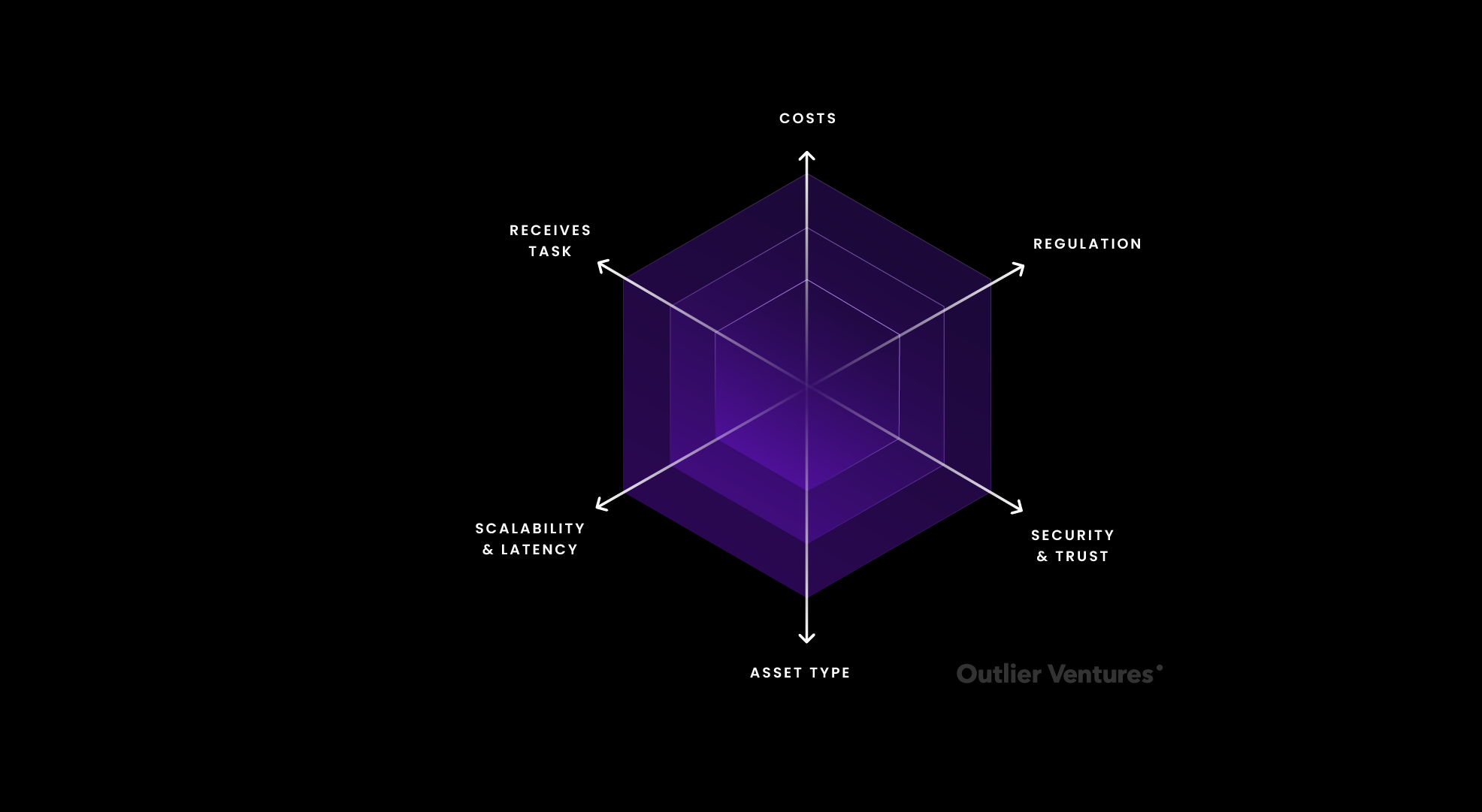
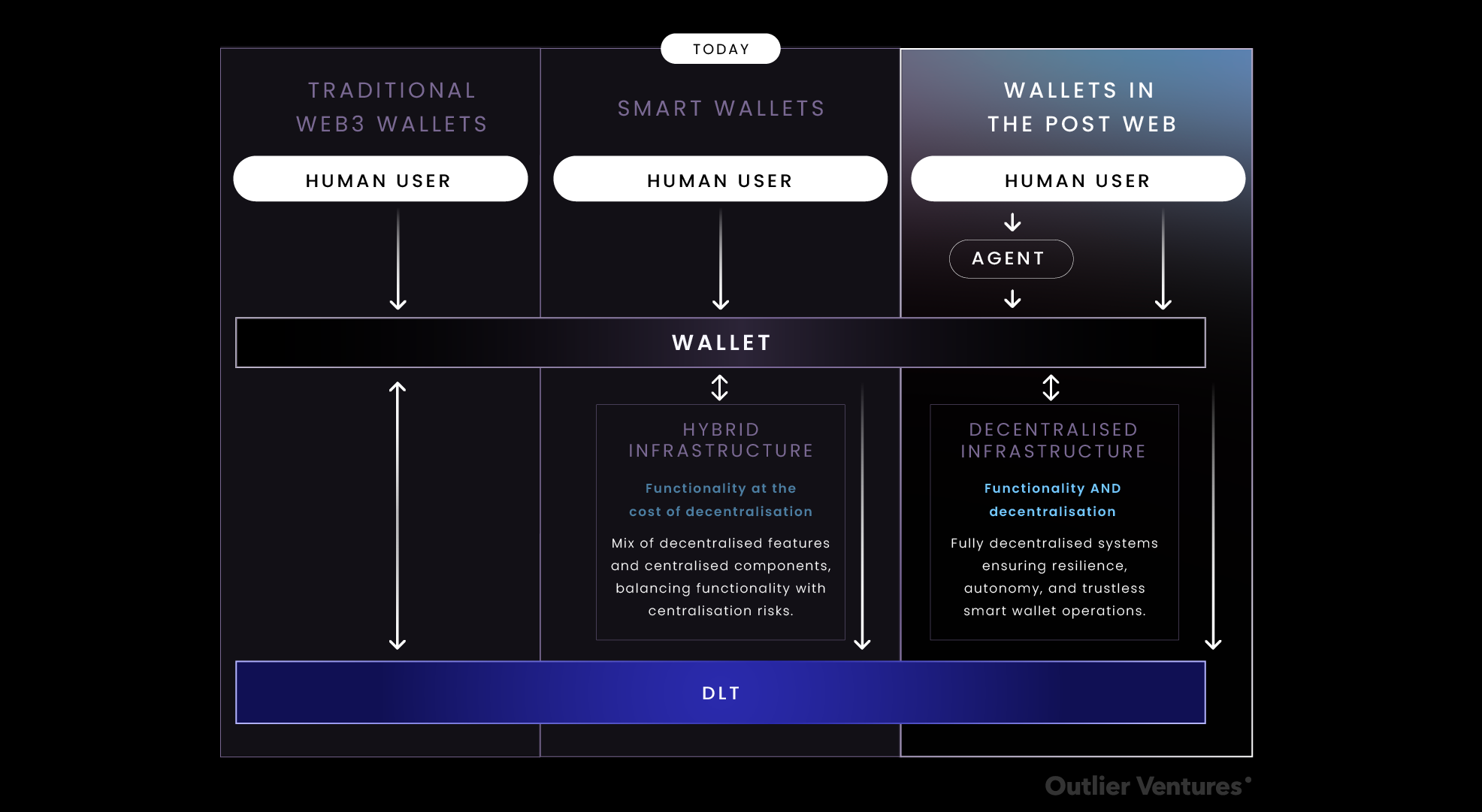
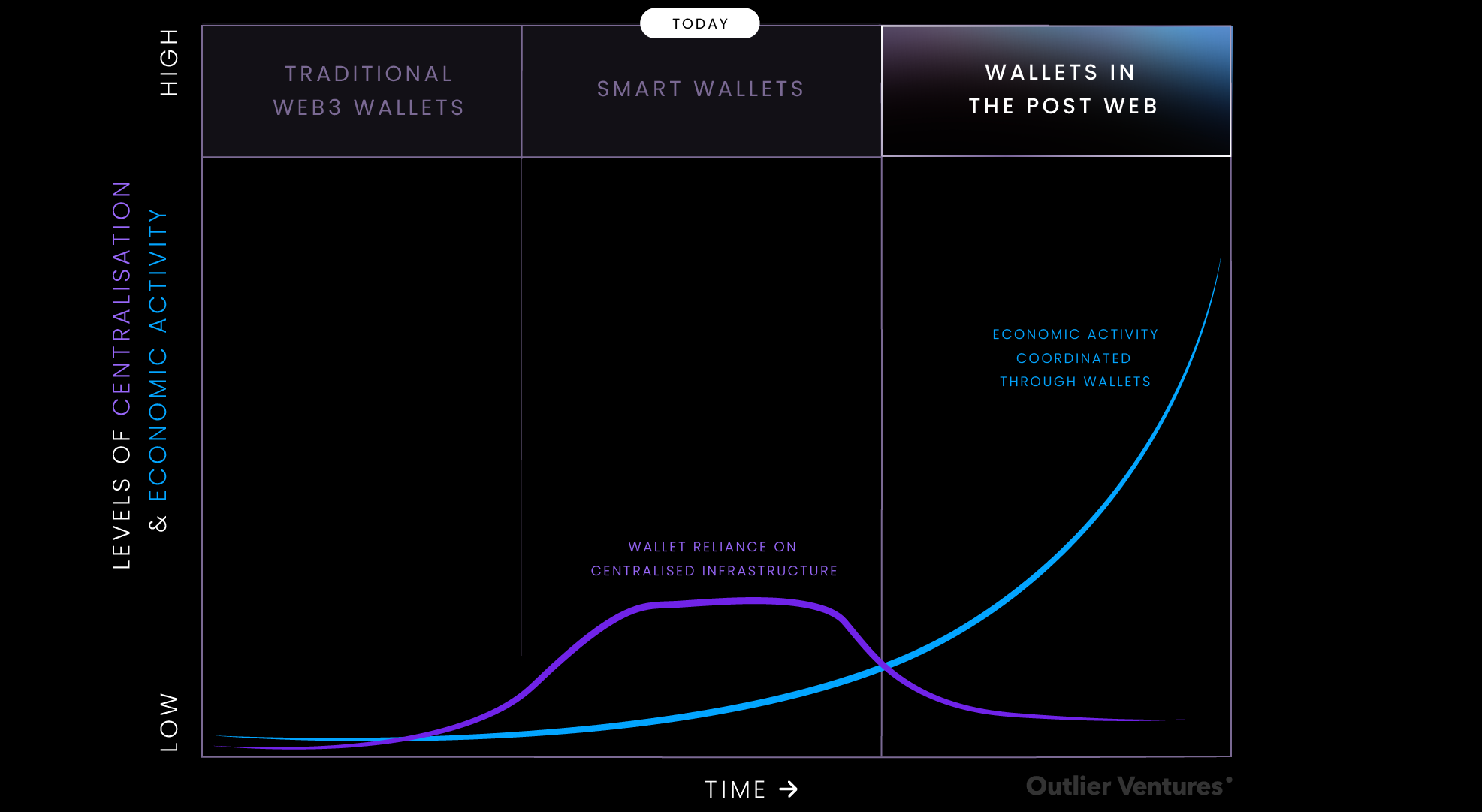
The architecture of digital interaction is undergoing a profound structural shift as the traditional Web3 wallet transitions from a simple private-key vault into a sophisticated, multi-functional operating interface. In the nascent stages of blockchain technology, digital wallets such as MetaMask and Ledger fulfilled a singular, rigid purpose: cryptographic custody. Users were governed by the uncompromising maxim of "own your keys, own your crypto," relying on these tools exclusively to sign transactions and hold native tokens. However, as the digital landscape moves beyond legacy blockchain frameworks into what industry analysts term the "Post Web," this legacy model has become obsolete. The modern digital wallet now occupies the central nexus of the user experience, evolving into a living, adaptive interface that manages identity, cryptographic permissions, distributed resources, and autonomous artificial intelligence agents.

This paradigm shift is meticulously documented in Chapter 2 of The Post Web Thesis, a comprehensive research publication released by Outlier Ventures in late 2025. According to the thesis, the modern wallet has emerged as the primary coordination hub of the "Agentic Web," serving as the foundational layer where human intent and machine intelligence seamlessly converge. Rather than acting merely as cold storage for speculative digital assets, the contemporary wallet is rapidly becoming the definitive operational framework for digital personhood, economic resource management, and automated intent execution.

From Cryptographic Custody to Self-Sovereign Personhood

Wallets Are Evolving: From Key Storage to Digital Command Center

To understand the trajectory of this evolution, industry observers must examine the limitations that historically stifled mainstream blockchain adoption. For years, the user experience of Web3 was severely bottlenecked by cumbersome onboarding procedures, the existential threat of lost seed phrases, and the profound friction of managing fragmented assets across dozens of isolated Layer 1 and Layer 2 networks. These friction points relegated blockchain technology to a niche financial sector, inaccessible to the average internet user who expected seamless, fault-tolerant digital interactions.

The modern era of smart wallets, championed by pioneering protocols like Safe, has systematically dismantled these historical barriers. By introducing advanced programmable features such as account abstraction, spending limits, whitelisting, and recurring transaction automation, smart wallets have redefined the relationship between users and blockchain infrastructure. More importantly, they have laid the groundwork for wallets to evolve into self-sovereign identity frameworks. In the Post Web, a wallet no longer simply holds value; it anchors reputation, verifiable credentials, and digital personhood into a unified, tamper-proof system. Your wallet is effectively you in digital form—a secure anchor for ownership, trust, and verifiable agency across open networks.

The Wallet as an Operating System for Resource Management

As decentralized technologies expand to encompass decentralized physical infrastructure networks (DePIN), cross-chain protocols, and distributed compute markets, the scope of what a wallet must manage has expanded exponentially. In this new paradigm, the wallet orchestrates complex ecosystems of resources rather than isolated digital tokens.

Wallets Are Evolving: From Key Storage to Digital Command Center

This operational shift transforms the wallet into an operating system for autonomy. It actively mediates interactions across disparate networks and protocols, handling permissions and resource allocation dynamically. According to findings highlighted in Outlier Ventures’ research, this capability is particularly critical for managing the computational and economic throughput required by decentralized applications. Users no longer interact with protocols directly via manual clicks; instead, their digital wallets maintain secure, real-time channels that govern how third-party applications and automated systems access decentralized storage, bandwidth, and computational power.

A Command Center and Governance Layer for Autonomous AI Agents

Perhaps the most transformative catalyst for the modern wallet is the proliferation of smart artificial intelligence agents. As autonomous software agents become integral components of the digital economy—capable of executing complex, multi-step workflows on behalf of human users—they require a secure, verifiable base of operations.

The wallet serves precisely this function, acting as the command console and governance layer for artificial intelligence. Each autonomous agent connects to the blockchain network through a user’s designated wallet, which establishes strict permission loops, verification protocols, and cryptographic boundaries. When an AI agent initiates a transaction or interacts with a decentralized finance protocol, the wallet evaluates the request against predefined user parameters.

Wallets Are Evolving: From Key Storage to Digital Command Center

This architecture guarantees that while autonomous agents possess the agency to act on behalf of human users, they operate strictly within immutable boundaries of authorization and risk management. Andres Acevedo, Investment Manager at Outlier Ventures, notes that smart wallets bridge the vital gap between human intent and autonomous on-chain action. By functioning as an intelligent mediator, the wallet ensures that human purpose is accurately translated into machine execution without sacrificing security or oversight.

Privacy-Preserving Architectures in an Agentic World

The centralization of behavioral data, credentials, agent connections, and financial assets within a single interface introduces significant security and privacy challenges. In an agentic world where autonomous systems constantly query and interact with various protocols, protecting user data becomes a paramount engineering objective.

To address these vulnerabilities, Post Web wallet architectures increasingly incorporate advanced cryptographic frameworks designed to achieve privacy by design. By integrating zero-knowledge proofs and advanced encryption standards, modern wallets allow users to prove ownership, reputation, and authorization without exposing sensitive underlying data to third-party networks or malicious actors. These cryptographic safeguards ensure that while autonomous agents operate with high efficiency and transparency on-chain, the user’s private data remains strictly confidential and entirely under personal control.

Wallets Are Evolving: From Key Storage to Digital Command Center

Interoperability, Intent, and the Future of Digital Selfhood

The ultimate expression of this technological evolution is the shift from manual task execution to intent negotiation. Historically, blockchain users were forced to manually navigate bridges, swap tokens, and approve individual smart contract interactions for every single on-chain operation. In the Post Web framework, this transactional burden is eliminated.

Users and their authorized AI agents simply express high-level intents—such as securing the optimal yield strategy under a defined risk threshold or participating in decentralized governance proposals aligned with specific ethical criteria. The smart wallet autonomously interprets, routes, and verifies those intents across multiple networks and protocols, negotiating the optimal execution path behind the scenes.

As Outlier Ventures details in Chapter 2 of The Post Web Thesis, this final metamorphosis redefines the wallet from a passive storage utility into an active, intelligent mediator of human purpose. It stands as the true manifestation of digital selfhood—a living, adaptive nexus where ownership, identity, and agency converge to power the emerging agentic economy. As the digital ecosystem prepares for subsequent developments, such as the upcoming release of Chapter 3, the reinvention of the wallet remains the foundational cornerstone upon which the next generation of the internet is being built.

September 10, 2026 0 comment
0 FacebookTwitterPinterestEmail
Cryptography & Privacy

The Apple-Google Siri AI Integration Raises Complex Privacy and Security Concerns for Autonomous Agents

by admin September 10, 2026
written by admin

Apple’s recent announcement regarding the integration of advanced artificial intelligence into its ubiquitous Siri ecosystem marks a significant milestone in consumer technology. By partnering with Google to incorporate Gemini models alongside Google’s Confidential Inference and Apple’s proprietary Private Cloud Compute (PCC) infrastructure, the tech giant aims to transition Siri from a basic voice-activated utility into a deeply personalized, highly capable digital assistant. While this technological leap promises to revolutionize how users interact with their mobile devices, it simultaneously exposes a complex web of privacy, security, and regulatory challenges that traditional cryptographic safeguards alone cannot resolve.

Background Context of the Siri AI Overhaul

For years, Siri has lagged behind competing conversational agents in terms of contextual awareness and natural language comprehension. The necessity for Apple to integrate frontier-grade large language models (LLMs) was not a matter of if, but when. The architecture chosen by Apple relies on a hybrid private hosting framework. In 2024, Apple introduced Private Cloud Compute, designed to run entirely on Apple Silicon within dedicated hardware security modules housed in Apple’s data centers. This stateless system was built to ensure data encryption in transit and immediate deletion upon delivery to a user’s device, preventing even Apple from inspecting user inputs.

In the latest evolution of this architecture, Apple has expanded PCC to incorporate Google’s confidential computing hardware. This dual-layer technical security approach is intended to control model execution while safeguarding data privacy. However, security analysts note that while these measures effectively prevent infrastructure operators—namely Apple and Google—from directly snooping on private data during the inference phase, the operational reality of autonomous AI agents introduces vulnerabilities far beyond the data center.

The Functional Reality of Personal AI Agents

To understand the latent security risks, industry experts point to the mechanics of modern AI agents. Consider a practical scenario: planning a complex business dinner. An autonomous agent must orchestrate multiple subtasks, including determining invitees’ schedules, reviewing past communications for dietary restrictions or personal preferences, conducting external web searches for suitable venues, and drafting calendar invitations and messages.

To execute these tasks efficiently, an agent requires continuous context, which translates to broad, near-unrestricted access to a user’s personal data repositories, including emails, text messages, contact lists, and personal notes. Proponents of local and private inference argue that technologies like PCC and Confidential Inference securely process this sensitive information without retaining copies. However, this level of privacy holds true only as long as the agent remains isolated.

The Paradox of Connected Intelligence

An AI restricted solely to private inference functions akin to a human assistant locked in a secure, windowless room with no internet access. While data remains perfectly secure, the assistant’s practical utility is severely limited, restricting it to basic summarization and draft generation—capabilities largely mirrored by existing localized tools like Apple Intelligence.

To become truly useful, agents must interact with the outside world. They require internet access, the ability to query external search engines, and the capacity to invoke public APIs for scheduling and messaging. Once an agent reaches outward, the ironclad privacy guarantees of private cloud infrastructure begin to fracture.

For instance, an agent tasked with finding a restaurant might query a powerful external, non-private LLM such as OpenAI’s ChatGPT, Anthropic’s Claude, or Google’s Gemini. To yield optimal results, the agent may transmit a comprehensive bundle of contextual facts gathered from the user’s private messages. Consequently, highly sensitive, monetizable data flows outward to public search infrastructures, bypassing local hardware protections entirely.

Adversarial Threats: Corporate Incentives and the Lethal Trifecta

Security researchers categorize the resulting vulnerabilities into distinct adversarial vectors. The first involves corporate data incentives. Major technology enterprises possess massive user bases with extensive digital footprints stored locally on devices. Generative AI drastically increases the value of this data for targeted advertising. Although direct scanning of private conversations has historically been restricted by user privacy expectations, an autonomous agent tasked with discerning user preferences and operationalizing them via repeated queries to search engines inherently leaks intimate behavioral patterns back to search operators.

The second, more acute vulnerability involves what security expert Simon Willison defines as the "lethal trifecta." This security condition arises when a system combines access to private data, the necessity to parse untrusted external content, and the ability to execute outbound communications.

Modern LLMs remain highly susceptible to prompt injection attacks, wherein malicious actors embed hidden instructions within everyday data streams—such as incoming emails, shared documents, or malicious websites—causing the AI to exfiltrate confidential information. Because personal agents must ingest untrusted incoming content while maintaining access to sensitive local documents and external communication channels, they represent a prime vector for automated data theft and digital exploitation. Industry responses, such as OpenAI’s introduction of restricted "lockdown mode" features to prevent web-search data leakage during sensitive operations, underscore that these systemic vulnerabilities are far from resolved.

Regulatory Pressures and Government Oversight

Beyond corporate data monetization and malicious cyber actors, autonomous personal agents introduce regulatory dilemmas regarding law enforcement and state surveillance. An AI assistant equipped with total visibility over a user’s messages, documents, and digital actions possesses the technical capability to monitor, detect, and potentially report unlawful activities.

This capability mirrors ongoing legislative debates surrounding end-to-end encryption. Regulatory bodies, such as the United Kingdom’s Office of Communications (Ofcom) and the European Commission via proposed frameworks like Chat Control, have consistently pushed for technical mechanisms that enable automated content monitoring for child safety and crime prevention. Major technology firms frequently find themselves locked in legal battles over mandates that compromise system privacy for regulatory compliance.

While constitutional protections like the Fourth Amendment in the United States restrict direct government surveillance, private corporations maintain legal avenues to configure AI agents to detect and flag illicit behaviors under corporate terms of service. Ultimately, the functional distinction between a helpful personal assistant, a corporate advertising asset, and a compliance reporting tool relies heavily on prompt engineering, model fine-tuning, and corporate policy rather than immutable cryptographic guarantees.

Implications for the Future of Cryptography and Trust

For decades, the foundational principle of applied cryptography has been to replace trust with mathematical certainty—transforming promises of "I promise not to look" into enforceable constraints of "I cannot look."

Private inference represents an ambitious extension of this philosophy, successfully mitigating data exposure risks from the immediate providers hosting the model. However, as AI systems evolve into autonomous agents interacting openly with the digital world, the primary security threats shift from the underlying infrastructure to the model’s design, external integrations, and programmatic instructions.

Cryptographic primitives cannot prevent an autonomous agent from willingly transmitting private search parameters to an external LLM or reporting suspicious patterns based on developer-mandated compliance protocols. As society transitions deeper into the agentic AI era, safeguarding user privacy will require navigating complex intersections of law, political governance, and corporate accountability—the very human institutions that cryptography was originally invented to bypass.

September 10, 2026 0 comment
0 FacebookTwitterPinterestEmail
FinTech Innovations

EMVCo Proposes New Framework to Standardize Secure Agentic Payments and Intent Management

by admin September 10, 2026
written by admin

The global technical body EMVCo has officially unveiled a draft framework designed to standardize the architecture of agentic payments, a burgeoning sector where artificial intelligence-driven agents execute financial transactions on behalf of consumers. As AI agents increasingly transition from passive digital assistants to active economic participants, the challenge of managing consumer intent—and the associated liability—has become a focal point for financial institutions, merchants, and technology providers. The proposed framework seeks to establish a universal, interoperable foundation to ensure that when an AI makes a purchase, the transaction is secure, verified, and transparent across the global payment ecosystem.

The core of the proposal introduces the concept of Intent Services, a centralized, shared layer that allows various participants in the payment chain to register, verify, and update consumer-authorized intents. By creating a unified state for these transactions, EMVCo aims to resolve the ambiguity that arises in complex AI-led scenarios, such as recurring subscriptions, multi-step procurement processes, or cumulative budget management, where a transaction’s validity may need to be tracked over an extended duration.

The Rise of Agentic Commerce and the Intent Dilemma

Agentic commerce represents a paradigm shift in how consumers interact with the digital economy. Unlike traditional e-commerce, where a human user manually navigates a storefront and completes a checkout process, agentic commerce utilizes autonomous or semi-autonomous software to act on the user’s behalf. Whether it is an AI agent booking travel, managing household expenses, or sourcing specialized goods, these entities must be granted some level of agency over the user’s payment credentials.

The primary friction point identified by EMVCo is the management of "shared intent states." In a traditional transaction, intent is binary: a user clicks "buy," and the payment proceeds. In agentic scenarios, intent is often fluid. An AI might be authorized to spend up to $500 per month on groceries, or to negotiate a service contract that concludes days after the initial interaction. If multiple entities—such as the merchant, the bank, and the AI provider—do not share a common understanding of what was authorized, the risk of fraud, unauthorized overspending, or system failure increases exponentially.

EMVCo’s framework addresses this by providing a common language for intent. The Intent Services layer acts as a ledger of sorts, ensuring that every participant in the transaction lifecycle has a consistent view of what the consumer authorized, the current status of that authorization, and how much of the allocated budget or service allowance remains.

Chronology and Development of the Framework

The development of this framework is the result of intensive collaboration within EMVCo’s dedicated Agentic Payments Task Force. The organization has been actively mapping the technical requirements for AI-driven financial interactions since early 2025.

  • Q1 2025: EMVCo identifies the "Agentic Gap" in existing payment standards, noting that current security protocols (such as 3-D Secure) were built for human-centric interfaces.
  • Q2 2025: Formation of the Agentic Payments Task Force, bringing together representatives from card networks, financial institutions, and security technology firms.
  • Q3 2025: Initial cross-industry dialogues held with organizations including the FIDO Alliance and the OpenID Foundation to determine how digital identity and wallet standards could integrate with autonomous agents.
  • September 2026: Release of the draft framework for public comment. The current window for industry feedback is scheduled to close on September 30, 2026.

Bridging Cryptographic Certainty with Practical Coordination

A common misconception in the industry is that cryptographic proofs—such as "Verifiable Intent"—are sufficient to solve the complexities of AI payments. While these technologies are essential for verifying that a consumer did indeed authorize an agent to act, they do not inherently solve the coordination problem. A cryptographic token confirms authorization, but it does not necessarily inform a merchant’s system how much of a dynamic budget has been exhausted or whether a specific purchase fits within the user’s predefined constraints.

EMVCo’s approach is additive. By integrating Intent Services, the organization is creating a coordination point that complements existing security standards. The framework defines specific ecosystem roles—such as the Intent Issuer, the Intent Verifier, and the Intent User—and outlines the precise data fields required to maintain lifecycle and state information. This structure ensures that even as an agent acts on a consumer’s behalf over weeks or months, the transaction remains anchored to a verified and observable intent state.

Implications for the Financial Ecosystem

The impact of this framework extends far beyond the immediate technical specifications. If adopted, it could set a global standard for how AI agents interact with existing payment infrastructures like EMV 3-D Secure (3DS) and Payment Tokenization. By providing a clear methodology for identifying and signaling AI-led transactions, the framework helps issuers and merchants refine their risk management models.

The inclusion of potential "Know Your Agent" (KYA) capabilities highlights the long-term vision of the project. Similar to "Know Your Customer" (KYC) regulations, KYA would allow payment networks to verify the identity and attributes of the AI agent itself. This would provide merchants with critical metadata—such as the purpose of the agent, the developer behind the model, and the agent’s specific permissions—before a transaction is authorized. Such transparency is a prerequisite for widespread consumer adoption of autonomous shopping technologies.

Industry Collaboration and Future Outlook

EMVCo’s strategy is heavily reliant on ecosystem-wide consensus. By partnering with the FIDO Alliance, the OpenID Foundation, the OpenWallet Foundation, and the W3C, EMVCo is ensuring that its standards do not exist in a silo. These organizations represent the vanguard of digital identity and decentralized finance, and their input is vital to ensuring that agentic payments are as portable as they are secure.

Junya Tanaka, Chair of the EMVCo Executive Committee, emphasized the necessity of this global interoperability. "Card-based agentic payments require a foundation that consumers, merchants, and issuers can all trust," Tanaka noted. "This framework provides a consistent approach for establishing and communicating intent alongside payment-related information, which is a fundamental requirement for scaling these technologies."

As the industry moves toward a future where AI agents manage a significant percentage of consumer retail activity, the ability to maintain trust and security will determine the success or failure of these platforms. If the EMVCo framework is widely adopted, it will provide the "rails" upon which autonomous commerce can safely run, turning the current wild-west of AI-purchasing into a regulated, transparent, and efficient marketplace.

Conclusion and Call for Feedback

The draft framework is currently available for public review, and EMVCo is actively soliciting feedback from stakeholders across the global payment spectrum. The deadline for submitting comments is September 30, 2026. Given the rapid advancement of generative AI and its integration into consumer applications, the finalization of this standard is expected to be a high-priority item for the financial services industry throughout the remainder of 2026 and into 2027.

For financial institutions, the framework offers a roadmap to mitigate the risks associated with autonomous transactions. For technology companies building AI agents, it provides a standard interface to ensure their products are compatible with the global payment ecosystem. Ultimately, the success of the framework will be measured by its ability to balance the need for autonomous innovation with the non-negotiable requirements of security, accountability, and user protection. As the deadline for comments approaches, the industry’s response will likely signal the pace at which agentic payments transition from a niche technological experiment to a standard feature of the modern digital economy.

September 10, 2026 0 comment
0 FacebookTwitterPinterestEmail
FinTech Innovations

The Clock Is Ticking To Host Your Own Official Side Event At TechCrunch Disrupt 2026

by admin September 10, 2026
written by admin

The countdown has entered its final phase for those aiming to secure a place within the ecosystem of TechCrunch Disrupt 2026. Prospective hosts have less than 24 hours to submit their applications to organize a Side Event, with the official window for submissions closing tonight at midnight Pacific Time. This deadline marks the final opportunity for companies, community leaders, and industry innovators to align their brand with one of the most significant gatherings in the global technology calendar.

TechCrunch Disrupt, scheduled to take place from October 10 through October 16, 2026, in San Francisco, acts as a primary nexus for the venture capital, startup, and enterprise technology sectors. While the main stage programming features industry titans and high-growth founders, the Side Events program serves as the decentralized heartbeat of the conference, allowing for specialized networking, niche industry workshops, and localized community building that extends beyond the exhibition floor.

Understanding the Strategic Value of Side Events

The significance of Side Events at a conference of this magnitude cannot be overstated. With an anticipated attendance of over 10,000 tech leaders, investors, and policymakers converging on the Bay Area, the competition for attention is intense. By hosting an official Side Event, organizers are not merely holding a meeting; they are integrating their brand into the formal narrative of the conference week.

Historically, these events have functioned as high-conversion environments for business development. Whether it is a curated happy hour for Series A founders, a technical workshop on emerging artificial intelligence frameworks, or a policy roundtable concerning the future of digital regulation, these gatherings provide a controlled, intimate setting that the hustle of a trade show floor often lacks. The ability to dictate the agenda, the audience, and the tone allows for a level of brand positioning that standard sponsorship packages may not provide.

The Logistics and Approval Framework

The process for becoming an official Side Event is intentionally rigorous. The TechCrunch events team conducts a comprehensive review of all incoming applications. This curation process is designed to ensure that the events included in the official programming align with the caliber and professional standards associated with the Disrupt brand.

Less than 24 hours to apply for your TechCrunch Disrupt 2026 Side Event

Prospective hosts must understand that approval is not guaranteed. The selection criteria generally prioritize events that demonstrate clear value to the attendee base, professional production standards, and a well-defined audience. Furthermore, while TechCrunch provides the platform and the visibility of the official program, the burden of logistics—including venue procurement, catering, marketing, and the associated financial costs—rests entirely with the organizer.

This structure forces organizers to treat their Side Events with the same level of seriousness as a professional corporate function. It ensures that the attendees who participate in these off-site gatherings are met with high-quality content and networking opportunities, reinforcing the ecosystem’s reputation for excellence.

A Chronology of the 2026 Engagement Cycle

The path to Disrupt 2026 has been a multi-month endeavor for the organizing team. Following the successful conclusion of the 2025 event, planning for the current year’s iteration began almost immediately, with a focus on diversifying the types of interactions available to participants.

  • Q1 2026: Initial planning and venue partnerships were solidified to accommodate the expanded footprint of the conference in San Francisco.
  • Q2 2026: The official call for startup exhibitors and early-bird ticket registration opened, signaling the start of the outreach phase.
  • Q3 2026: The Side Events application portal launched, providing a multi-week window for the community to propose independent programming.
  • September 4, 2026: The final 24-hour warning for Side Event submissions is issued, marking the end of the solicitation period.
  • September 25, 2026: A critical milestone for general attendees, as ticket prices are scheduled to increase.
  • October 10–16, 2026: TechCrunch Disrupt 2026 officially convenes.

This timeline reflects a strategic move by the organizers to foster early commitment from the community. By creating a hard cutoff for events, the team ensures that the final list of programs can be integrated into the conference app and digital schedule, maximizing visibility for both the hosts and the attendees.

Broader Economic and Industry Implications

The influx of 10,000-plus participants into San Francisco for a week of intensive networking serves as a vital economic stimulus for the city’s tech-adjacent industries. Hotels, hospitality venues, and private event spaces in the Bay Area see a notable surge in demand during the October window. Beyond the immediate economic impact, these events serve as a barometer for the health of the venture capital landscape.

When organizers choose to host a Side Event, they are signaling confidence in the market. In periods of economic contraction, event participation often declines; conversely, a robust slate of Side Events—as seen in the 2026 cycle—suggests that the appetite for deal-making, recruitment, and knowledge exchange remains high. The content of these events often shifts to reflect current market realities; in 2026, for example, there is a visible trend toward discussions on the ethical deployment of autonomous systems, the evolution of decentralized finance, and the practical application of large language models in enterprise settings.

Less than 24 hours to apply for your TechCrunch Disrupt 2026 Side Event

Analysis: Why Participation Remains Essential

For those still on the fence regarding their application, the data consistently suggests that presence is a competitive advantage. In the digital age, where thousands of virtual conferences exist, the premium on physical, face-to-face interaction has only increased. The "Disrupt" brand, built over nearly two decades, carries a specific cachet that provides a "halo effect" for participating organizations.

An approved Side Event serves as a signal of industry relevance. It tells the community that the host is a participant in the broader conversation, not just a bystander. For startups, it is an opportunity to get their product in front of influential journalists and venture capitalists in a low-pressure environment. For established firms, it is a way to reinforce their dominance and thought leadership.

Final Steps for Interested Parties

As the clock ticks toward midnight, the application process requires immediate attention. Interested parties should have their event title, target audience, format (e.g., panel, workshop, social mixer), and logistical plan ready for submission.

Those who miss the cutoff for hosting a Side Event still have options to remain part of the conversation. The general ticket sales remain active, though potential attendees are advised to act before the September 25 price hike. With a discount of up to $200 available for early registrants, the cost-benefit analysis of attending remains favorable for those looking to immerse themselves in the global tech scene.

The environment at TechCrunch Disrupt 2026 is expected to be as dynamic as ever. By facilitating these independent Side Events, the conference organizers are effectively expanding the tent, allowing the community to curate their own experience while contributing to the collective knowledge of the ecosystem. As the sun sets on the application window, the focus shifts from planning to execution, with the industry waiting to see which organizations will successfully carve out their space in the spotlight.

The integration of these events into the official program ensures that the energy of the conference is distributed throughout the city, transforming San Francisco into a sprawling laboratory for the future of technology. Whether through a high-profile cocktail reception or an intimate technical deep-dive, those who take the initiative to host will find themselves at the center of the week’s most impactful dialogues.

September 10, 2026 0 comment
0 FacebookTwitterPinterestEmail
FinTech Innovations

UK House of Lords Advances Landmark Financial Services Bill to Mandate Bank of England Support for Digital Payment Innovation

by admin September 10, 2026
written by admin

The United Kingdom is moving closer to a profound legislative shift in its financial architecture as the House of Lords has successfully backed a pivotal amendment to the Financial Services and Markets Bill. This new provision introduces an explicit secondary statutory duty for the Bank of England, compelling the central bank to actively facilitate innovation within the nation’s payment systems, with a specific mandate to embrace digital money, stablecoins, and asset tokenization.

The legislative progress represents a critical juncture in the ongoing debate over how traditional financial hubs must adapt to the relentless expansion of decentralized finance, distributed ledger technology, and digital assets. While the bill still requires consideration and potential revision in the House of Commons before receiving Royal Assent, the current developments signal a growing parliamentary consensus that regulatory frameworks must evolve dynamically to maintain London’s status as a premier global financial center.

Legislative Mechanics and the House of Lords Debate

During a series of crucial votes in the House of Lords, peers debated numerous amendments designed to reshape the trajectory of the UK’s financial regulatory landscape. Among the most contested measures was a successful amendment requiring Her Majesty’s Treasury to publish a comprehensive, formal digital-asset strategy within twelve months of the bill receiving Royal Assent.

This particular addition faced opposition from government ministers, who argued against imposing rigid statutory deadlines and maintained that an implicit digital asset strategy is already operational across various governmental departments. Despite the administration’s reservations, the chamber voted in favor of the timeline, underscoring a legislative appetite for greater accountability, transparency, and speed in adapting to technological advancements.

At the core of the Lords’ amendments is the newly minted secondary objective for the Bank of England. Historically, central banks have prioritized singular mandates centered on monetary stability, inflation targeting, and systemic risk mitigation. However, as financial transactions increasingly migrate toward digital rails, lawmakers have argued that absolute risk aversion can inadvertently stifle economic growth and technological progress.

The newly proposed secondary duty attempts to strike a delicate equilibrium. It tasks the Bank of England with fostering innovation while concurrently safeguarding the safety and integrity of the broader financial ecosystem. This dual responsibility encompasses a wide array of modern financial instruments, including retail and wholesale central bank digital currencies (CBDCs), privately issued stablecoins, and the tokenization of traditional financial assets such as bonds, equities, and real estate.

Background and Context: The Evolution of UK Financial Regulation

The current legislative push does not occur in a vacuum. Over the past half-decade, the United Kingdom has actively sought to redefine its post-Brexit financial regulatory framework to enhance its global competitiveness. Following the departure from the European Union, policymakers and regulators recognized an urgent need to tailor financial rules specifically to the needs of the UK economy, particularly regarding technology and fintech innovation.

In 2021 and 2022, the government initiated several reviews, including the Kalifa Review of UK Fintech, which strongly recommended that regulators adopt a more proactive stance toward emerging technologies. The subsequent Financial Services and Markets Act 2023 laid much of the groundwork for regulating cryptoasset promotions and stablecoins used as a means of payment.

However, industry participants and parliamentary reformers argued that existing statutes did not go far enough in compelling regulators like the Bank of England and the Financial Conduct Authority (FCA) to champion innovation actively. Under previous frameworks, fostering innovation was often viewed as secondary or even tertiary to core supervisory duties, occasionally resulting in regulatory bottlenecks for fintech startups, payment service providers, and digital asset firms seeking clarity.

Timeline of Key Regulatory and Legislative Milestones

To understand the current momentum behind the Financial Services and Markets Bill, it is helpful to examine the chronological progression of the UK’s digital finance policy:

  • March 2021: The publication of the Kalifa Review highlights the necessity of regulatory modernization to secure the UK’s fintech dominance.
  • April 2022: The UK government announces its ambition to make the country a global hub for cryptoasset technology, outlining plans for stablecoin regulation.
  • 2023: The Financial Services and Markets Act 2023 passes, granting regulators expanded powers over crypto promotions and recognizing stablecoins within the regulatory perimeter.
  • Throughout 2024: Industry adoption accelerates, with traditional institutions increasingly exploring tokenization and blockchain-based settlement rails.
  • Late 2024: The House of Lords reviews the Financial Services and Markets Bill, introducing amendments for a Bank of England innovation duty and a mandatory Treasury digital-asset strategy timeline.
  • Upcoming 2025 and Beyond: The bill transitions to the House of Commons for debate, amendment reviews, and potential final enactment.

Industry Perspectives and Expert Reactions

The legislative maneuver in the House of Lords has drawn widespread attention and commentary from senior figures across the financial technology and banking sectors. Industry leaders have largely praised the inclusion of an explicit statutory duty, viewing it as a vital bridge between traditional banking infrastructure and the burgeoning digital asset economy.

Charlotte Schiöttz Hassing, Head of Products, Payments & Business Development at Banking Circle, offered a detailed assessment of the legislative developments, emphasizing the critical role of regulation in shaping the future of money.

“Giving the Bank of England an explicit objective to support innovation in payments is a welcome step,” Schiöttz Hassing stated. “Regulation has a critical role to play not only in safeguarding financial stability, but in creating the confidence and clarity that allow new payment technologies to move from experimentation into widespread adoption. The inclusion of emerging forms of digital money is particularly important as stablecoins and other digital assets become increasingly integrated within mainstream financial services.”

Schiöttz Hassing also pointed to practical advancements within the industry that underscore the urgency of modern regulatory frameworks. “At Banking Circle, we are seeing this evolution first-hand. Following the award of our CASP license earlier this year, we launched stablecoin services that connect traditional fiat infrastructure with digital asset rails. Clear, proportionate regulatory frameworks will be essential to enabling institutions to embrace these technologies safely and ensuring the UK remains competitive as payments continue to evolve.”

Other industry stakeholders have echoed these sentiments, noting that legal clarity reduces compliance risks for institutional investors and commercial banks that might otherwise hesitate to engage with blockchain-based settlement systems.

Broader Economic Implications and Analytical Insights

The implementation of a statutory innovation duty for the central bank carries significant implications for the UK economy, the payments ecosystem, and international competitiveness.

First, by formally incorporating innovation into the Bank of England’s mandate, the legislation signals a cultural shift within public sector institutions. Regulators will be legally required to consider the developmental impact of their policies on market participants, potentially accelerating the approval processes for sandbox testing, digital payment pilots, and novel financial infrastructure.

Second, the debate over the Treasury’s digital-asset strategy highlights a persistent tension between government agility and legislative oversight. While administrative bodies frequently prefer flexibility to navigate rapidly shifting technological landscapes, market participants consistently demand regulatory certainty and predictable timelines. The imposition of a 12-month statutory deadline, should it survive the legislative process in the House of Commons, will force the Treasury to articulate a definitive roadmap for the integration of digital assets into the national economy.

Third, the integration of stablecoins and tokenized assets into mainstream financial services offers tangible economic benefits, including reduced settlement times, lower cross-border transaction costs, and enhanced liquidity management. However, these benefits must be carefully weighed against systemic risks, such as potential runs on stablecoin issuers, operational resilience vulnerabilities, and anti-money laundering (AML) compliance challenges. The dual mandate ensures that while innovation is encouraged, the central bank maintains robust oversight to prevent systemic contagion.

Next Steps in Parliament

As the legislative process continues, the Financial Services and Markets Bill will transition from the House of Lords to the House of Commons. During this phase, Members of Parliament (MPs) will review the amendments introduced by the Lords. It remains common for the elected chamber to modify, refine, or occasionally remove amendments passed by the unelected upper house.

Nevertheless, the underlying government support for the broader legislation suggests a shared recognition across political lines that the financial sector is undergoing an irreversible structural transformation. Whether the specific 12-month deadline for the Treasury’s digital asset strategy remains intact, the establishment of a statutory duty for the Bank of England to foster payment innovation marks a defining moment in the modernization of the United Kingdom’s financial system.

September 10, 2026 0 comment
0 FacebookTwitterPinterestEmail
NFT & Digital Assets

NFT Project Passport: Mad Lads

by admin September 10, 2026
written by admin

The digital asset ecosystem often rewards fleeting trends, but rare projects manage to bridge the gap between speculative fervor and enduring utility. Among these, Mad Lads stands out not merely as one of the Solana network’s most recognizable non-fungible token (NFT) collections, but as a defining cultural bedrock for the blockchain itself. Launched during a pivotal moment of crisis and recovery for the Solana ecosystem, the collection has matured far beyond its initial profile-picture (PFP) status. Today, it serves as the vibrant cultural layer and community vanguard for Backpack, an ambitious financial technology suite encompassing a digital wallet, exchange infrastructure, tokenized assets, and regulated securities.

This comprehensive Rarible Passport, compiled in close collaboration with the Mad Lads development team, offers an exhaustive look into the history, architectural significance, market trajectory, and broader implications of a project that fundamentally reshaped Solana’s digital landscape. To mark the release of this retrospective, organizers have introduced an interactive community engagement campaign featuring a Rarible Gacha Station giveaway, distributing five $25 Gacha Station packs to active participants via the official Mad Lads Discord channel.

Project Snapshot and Core Metrics

Understanding the longevity and market position of Mad Lads requires an examination of its foundational metrics. Operating exclusively on the Solana blockchain, the collection represents a hybrid asset class: a PFP and xNFT (executable NFT) collection that doubles as a membership-style brand tethered to the Backpack ecosystem.

NFT Project Passport: Mad Lads
Metric Category Project Details
Project Name Mad Lads
Underlying Blockchain Solana
Collection Taxonomy PFP / Avatar Collection, xNFT, Culture Layer, Membership Brand
Launch Window April 20–21, 2023
Initial Mint Price 6.9 SOL
Circulating Supply 10,000-piece maximum supply; 9,968 assets currently tracked on-chain
Founding Team Developed by Backpack; key figures include Armani Ferrante and Tristan Yver
Primary Marketplaces Magic Eden, Tensor, Solanart
Current Valuation Floor Approximately 13.66 SOL (valued near $1,012 as of late June 2026)
Historical Valuations USD All-Time High floor of roughly $34,459 on March 18, 2024; SOL All-Time High of 229.425 SOL on December 9, 2023

Executive Summary and Strategic Relevance

Mad Lads occupies a distinct echelon within the digital collectibles market. At its core, the project functions as a Solana-based PFP and xNFT initiative underpinned by a fiercely loyal community and an explicit connection to the Backpack ecosystem. Its primary strength lies in its ability to transcend static digital art, acting as the cultural flagship for a broader technological suite. However, this tight integration presents a structural vulnerability: the long-term viability and value proposition of the NFTs remain tethered to Backpack’s ongoing operational execution and the macroeconomic sentiment surrounding the Solana network.

The project’s historical importance cannot be overstated. Mad Lads debuted during a deeply challenging juncture for Solana. The ecosystem was reeling from the catastrophic collapse of FTX—an entity that had heavily backed the network—and watching major native projects like DeGods and y00ts migrate to competing chains. Rather than launching as a derivative digital collectible, Mad Lads arrived as a definitive statement of faith in Solana’s technological stack. It bridged advanced execution technology, distinctive art direction, and a robust product distribution model for Backpack.

Consequently, holders have consistently been treated not merely as speculators, but as early equity-equivalent participants in a larger financial network, receiving preferential access to ecosystem airdrops and subsequent token distributions. As Backpack expands its operational mandate beyond digital assets into mainstream financial infrastructure, the central inquiry for Mad Lads holders is whether this distinct cultural equity will compound in tandem with the platform’s corporate evolution.

Origins, Historical Context, and the Solana Renaissance

The genesis of Mad Lads is rooted in the engineering vision of Backpack, spearheaded by industry veterans Armani Ferrante and Tristan Yver. The conceptual framework behind the collection was designed to demonstrate the expansive capabilities of xNFTs—executable tokens capable of running code natively within a wallet interface, transforming static JPEGs into interactive applications.

NFT Project Passport: Mad Lads

The launch window of April 20 to 21, 2023, is etched into the collective memory of the Solana community. Demand for the mint was so overwhelming that it subjected the network’s infrastructure to severe traffic loads and DDoS-style pressures. In response to malicious bot activity, the development team famously deployed a honeypot mechanism designed to intercept automated sniping scripts. This decoy mint successfully ensnared more than $250,000 worth of SOL from automated bots, funds that were subsequently returned to legitimate participants.

The timing of the deployment was critical. Solana’s developer morale and investor confidence had plunged following the FTX fallout. The departure of marquee projects created a severe vacuum in local cultural identity. Mad Lads filled this void immediately, generating substantial secondary market volume within its first week of trading and signaling to the broader cryptocurrency market that Solana’s developer ecosystem remained robust and innovative. What began as a high-stakes mint rapidly crystallized into the enduring identity layer for Backpack.

Chronological Development and Ecosystem Expansion

Over the subsequent years, the trajectory of Mad Lads has evolved in lockstep with the milestones achieved by its parent organization, Backpack.

  • Early 2023 (April): The official launch of the 10,000-piece Mad Lads collection at a mint price of 6.9 SOL, stabilizing Solana’s shaken NFT market and establishing the framework for xNFT functionality.
  • Late 2023 (December): The collection reaches a historic valuation peak, hitting an all-time high of 229.425 SOL amid a broader market resurgence on the Solana blockchain.
  • Early 2024 (March): Mad Lads sets a USD all-time high floor of approximately $34,459 per asset, reflecting peak speculative interest and strong community alignment.
  • January to February 2026: Backpack formally confirms its native token distribution architecture, allocating 1% of the total BP token supply—equivalent to 10,000,000 tokens—specifically to Mad Lads holders. This move solidified the thesis that NFT collectors were valued stakeholders in the broader corporate ecosystem.
  • March 2026: Backpack introduces the official BP ticker and initiates public trading of the Backpack Token on Solana, binding the financial fortunes of the tokenized ecosystem directly to the NFT holding base.
  • June 2026: Backpack announces the creation of Backpack Securities, a regulated financial product designed to merge traditional securities ownership with tokenized asset infrastructure and unified portfolio management. Shortly thereafter, the platform introduces tokenized equities such as SpaceX stock ($SPCX), pushing the ecosystem firmly into real-world asset (RWA) tokenization.
  • Late June 2026: Market activity for the collection stabilizes with a floor price hovering around 13.66 SOL (approximately $1,012), demonstrating sustained liquidity and active secondary market engagement amid renewed attention toward Solana-based assets.

Strategic Implications and Future Outlook

The roadmap for Mad Lads diverges significantly from traditional digital art collections. Rather than relying on roadmap promises involving merchandise, gaming avatars, or disconnected virtual land sales, the project’s future is intrinsically linked to the financial expansion of Backpack.

NFT Project Passport: Mad Lads

The utility of the newly launched BP token—designed to facilitate trading fee discounts, platform governance rewards, staking yields, and ecosystem access—serves as a primary engagement driver for Mad Lads holders. Furthermore, Backpack’s institutional pivot toward tokenized traditional securities and cross-border brokerage services hints at an ambitious endgame: positioning the brand as a comprehensive, crypto-native financial institution.

For Mad Lads collectors, this corporate evolution offers a compelling value proposition. If Backpack successfully executes its vision of bridging decentralized technology with regulated financial markets, the Mad Lads collection stands to benefit from its status as the premier cultural and identity passport to that ecosystem. However, this reliance cuts both ways. The collection’s long-term relevance is vulnerable to any regulatory headwinds, technical friction, or execution missteps encountered by the parent company.

Strengths and Market Standing

An objective assessment of Mad Lads reveals several distinct structural advantages that have allowed the collection to weather multiple market cycles:

  1. Foundational Credibility: Backed by Armani Ferrante, Tristan Yver, and the engineering team at Backpack, the project benefits from rigorous technical oversight and a proven capacity to ship complex software products beyond the confines of digital art.
  2. Distinct Cultural Equity: The community has cultivated a recognizable vernacular, persistent social momentum, and a distinct brand identity that positions the collection more as a localized counter-cultural movement than a passive speculative asset class.
  3. Technological Differentiation: By pioneering xNFT architecture, the project proved that digital assets could function as dynamic, executable software utilities directly embedded within user interfaces, setting a technical benchmark for the wider industry.
  4. Ecosystem Synergy: Direct integration into a multi-product financial suite—including a high-performance wallet, trading venue, native utility token, and tokenized brokerage services—grants holders exposure to a diversified economic engine.
  5. Demonstrated Resilience: Having navigated severe market contractions, regulatory shifts, and platform migrations within the broader blockchain economy, Mad Lads has retained its core liquidity and remains a primary liquidity anchor for the Solana NFT sector.

As the digital asset landscape matures, projects that successfully bridge cultural resonance with tangible financial infrastructure are increasingly rare. Mad Lads continues to serve as a definitive case study in how a digital collectible can evolve from a speculative mint into the institutional and cultural heartbeat of a major financial technology ecosystem.

September 10, 2026 0 comment
0 FacebookTwitterPinterestEmail
Newer Posts
Older Posts

Recent Posts

  • Web3 Venture Capital Surges to $7.2 Billion in September 2025 as Late-Stage Deals and Token Megarounds Dominate the Landscape
  • The Evolution of the Web3 Wallet: From Private-Key Vault to the Command Center of the Agentic Web
  • Ethereum Foundation Announces Annual Protocol AMA Session Scheduled for September 16
  • Kraken Expands Its Digital Asset Offerings with the Official Listing of Doppler Finance (Xdp)
  • CSD BR and Ripple Collaborate to Integrate XRP Ledger into Brazilian Financial Market Infrastructure

Recent Comments

No comments to show.
  • Facebook
  • Twitter

@2021 - All Right Reserved. Designed and Developed by PenciDesign


Back To Top
Dr Crypton
  • Home
  • About Us
  • Contact Us
  • Cookies Policy
  • Disclaimer
  • DMCA
  • Privacy Policy
  • Terms and Conditions

We are using cookies to give you the best experience on our website.

You can find out more about which cookies we are using or switch them off in .

Dr Crypton
Powered by  GDPR Cookie Compliance
Privacy Overview

This website uses cookies so that we can provide you with the best user experience possible. Cookie information is stored in your browser and performs functions such as recognising you when you return to our website and helping our team to understand which sections of the website you find most interesting and useful.

Strictly Necessary Cookies

Strictly Necessary Cookie should be enabled at all times so that we can save your preferences for cookie settings.