

The architecture of digital interaction is undergoing a profound structural shift as the traditional Web3 wallet transitions from a simple private-key vault into a sophisticated, multi-functional operating interface. In the nascent stages of blockchain technology, digital wallets such as MetaMask and Ledger fulfilled a singular, rigid purpose: cryptographic custody. Users were governed by the uncompromising maxim of "own your keys, own your crypto," relying on these tools exclusively to sign transactions and hold native tokens. However, as the digital landscape moves beyond legacy blockchain frameworks into what industry analysts term the "Post Web," this legacy model has become obsolete. The modern digital wallet now occupies the central nexus of the user experience, evolving into a living, adaptive interface that manages identity, cryptographic permissions, distributed resources, and autonomous artificial intelligence agents.
This paradigm shift is meticulously documented in Chapter 2 of The Post Web Thesis, a comprehensive research publication released by Outlier Ventures in late 2025. According to the thesis, the modern wallet has emerged as the primary coordination hub of the "Agentic Web," serving as the foundational layer where human intent and machine intelligence seamlessly converge. Rather than acting merely as cold storage for speculative digital assets, the contemporary wallet is rapidly becoming the definitive operational framework for digital personhood, economic resource management, and automated intent execution.
From Cryptographic Custody to Self-Sovereign Personhood
To understand the trajectory of this evolution, industry observers must examine the limitations that historically stifled mainstream blockchain adoption. For years, the user experience of Web3 was severely bottlenecked by cumbersome onboarding procedures, the existential threat of lost seed phrases, and the profound friction of managing fragmented assets across dozens of isolated Layer 1 and Layer 2 networks. These friction points relegated blockchain technology to a niche financial sector, inaccessible to the average internet user who expected seamless, fault-tolerant digital interactions.
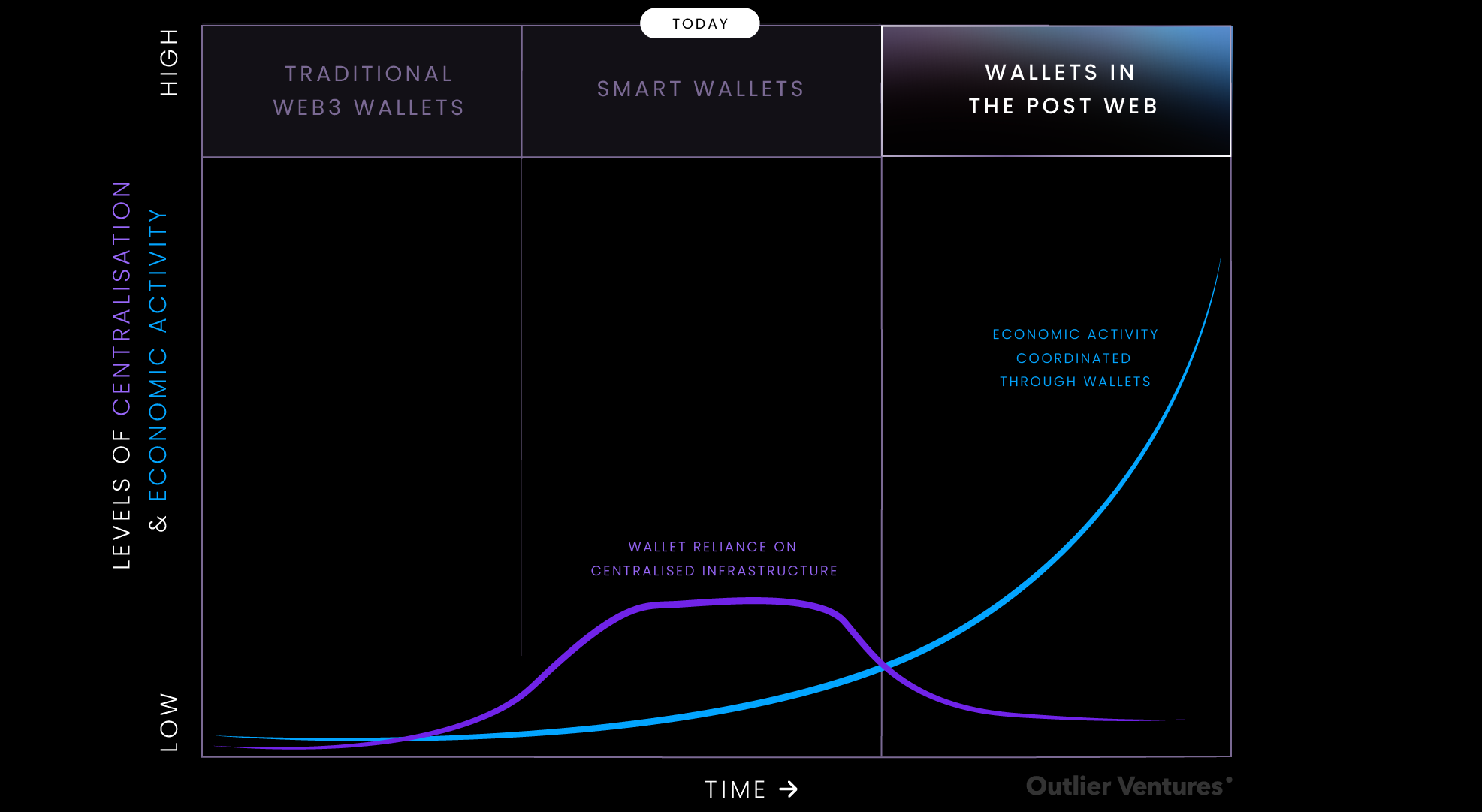
The modern era of smart wallets, championed by pioneering protocols like Safe, has systematically dismantled these historical barriers. By introducing advanced programmable features such as account abstraction, spending limits, whitelisting, and recurring transaction automation, smart wallets have redefined the relationship between users and blockchain infrastructure. More importantly, they have laid the groundwork for wallets to evolve into self-sovereign identity frameworks. In the Post Web, a wallet no longer simply holds value; it anchors reputation, verifiable credentials, and digital personhood into a unified, tamper-proof system. Your wallet is effectively you in digital form—a secure anchor for ownership, trust, and verifiable agency across open networks.
The Wallet as an Operating System for Resource Management
As decentralized technologies expand to encompass decentralized physical infrastructure networks (DePIN), cross-chain protocols, and distributed compute markets, the scope of what a wallet must manage has expanded exponentially. In this new paradigm, the wallet orchestrates complex ecosystems of resources rather than isolated digital tokens.
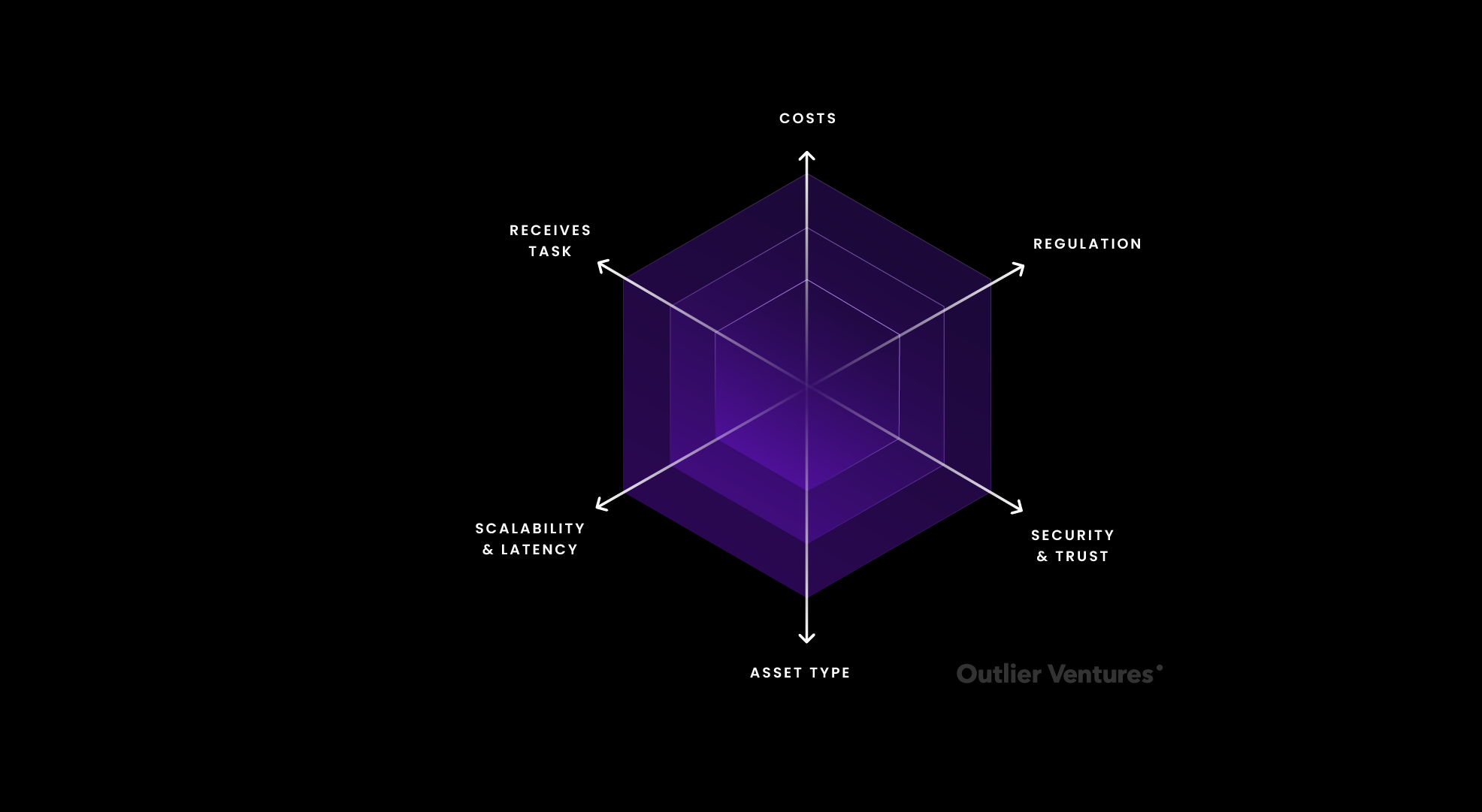
This operational shift transforms the wallet into an operating system for autonomy. It actively mediates interactions across disparate networks and protocols, handling permissions and resource allocation dynamically. According to findings highlighted in Outlier Ventures’ research, this capability is particularly critical for managing the computational and economic throughput required by decentralized applications. Users no longer interact with protocols directly via manual clicks; instead, their digital wallets maintain secure, real-time channels that govern how third-party applications and automated systems access decentralized storage, bandwidth, and computational power.
A Command Center and Governance Layer for Autonomous AI Agents
Perhaps the most transformative catalyst for the modern wallet is the proliferation of smart artificial intelligence agents. As autonomous software agents become integral components of the digital economy—capable of executing complex, multi-step workflows on behalf of human users—they require a secure, verifiable base of operations.
The wallet serves precisely this function, acting as the command console and governance layer for artificial intelligence. Each autonomous agent connects to the blockchain network through a user’s designated wallet, which establishes strict permission loops, verification protocols, and cryptographic boundaries. When an AI agent initiates a transaction or interacts with a decentralized finance protocol, the wallet evaluates the request against predefined user parameters.
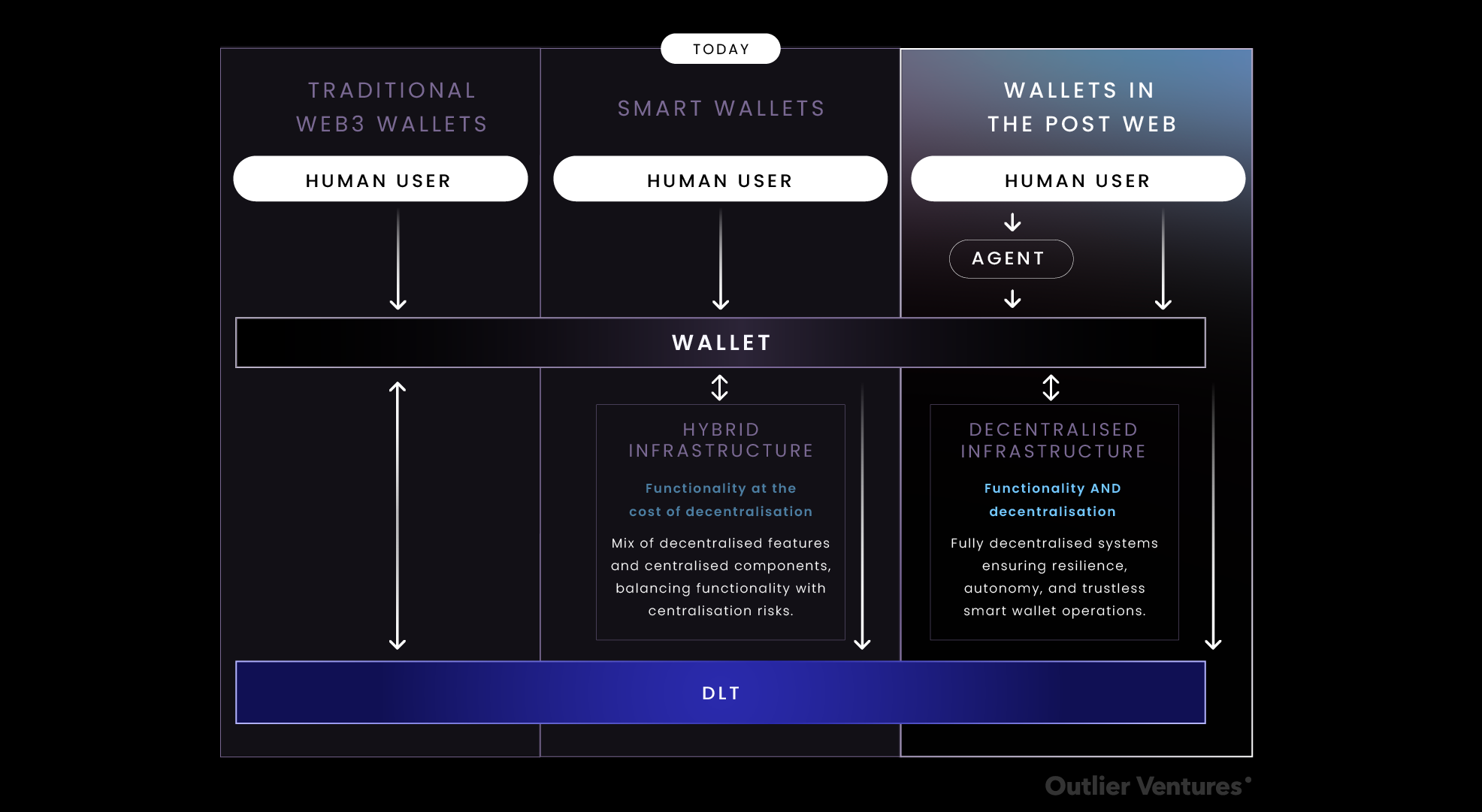
This architecture guarantees that while autonomous agents possess the agency to act on behalf of human users, they operate strictly within immutable boundaries of authorization and risk management. Andres Acevedo, Investment Manager at Outlier Ventures, notes that smart wallets bridge the vital gap between human intent and autonomous on-chain action. By functioning as an intelligent mediator, the wallet ensures that human purpose is accurately translated into machine execution without sacrificing security or oversight.
Privacy-Preserving Architectures in an Agentic World
The centralization of behavioral data, credentials, agent connections, and financial assets within a single interface introduces significant security and privacy challenges. In an agentic world where autonomous systems constantly query and interact with various protocols, protecting user data becomes a paramount engineering objective.
To address these vulnerabilities, Post Web wallet architectures increasingly incorporate advanced cryptographic frameworks designed to achieve privacy by design. By integrating zero-knowledge proofs and advanced encryption standards, modern wallets allow users to prove ownership, reputation, and authorization without exposing sensitive underlying data to third-party networks or malicious actors. These cryptographic safeguards ensure that while autonomous agents operate with high efficiency and transparency on-chain, the user’s private data remains strictly confidential and entirely under personal control.
Interoperability, Intent, and the Future of Digital Selfhood
The ultimate expression of this technological evolution is the shift from manual task execution to intent negotiation. Historically, blockchain users were forced to manually navigate bridges, swap tokens, and approve individual smart contract interactions for every single on-chain operation. In the Post Web framework, this transactional burden is eliminated.
Users and their authorized AI agents simply express high-level intents—such as securing the optimal yield strategy under a defined risk threshold or participating in decentralized governance proposals aligned with specific ethical criteria. The smart wallet autonomously interprets, routes, and verifies those intents across multiple networks and protocols, negotiating the optimal execution path behind the scenes.
As Outlier Ventures details in Chapter 2 of The Post Web Thesis, this final metamorphosis redefines the wallet from a passive storage utility into an active, intelligent mediator of human purpose. It stands as the true manifestation of digital selfhood—a living, adaptive nexus where ownership, identity, and agency converge to power the emerging agentic economy. As the digital ecosystem prepares for subsequent developments, such as the upcoming release of Chapter 3, the reinvention of the wallet remains the foundational cornerstone upon which the next generation of the internet is being built.

