
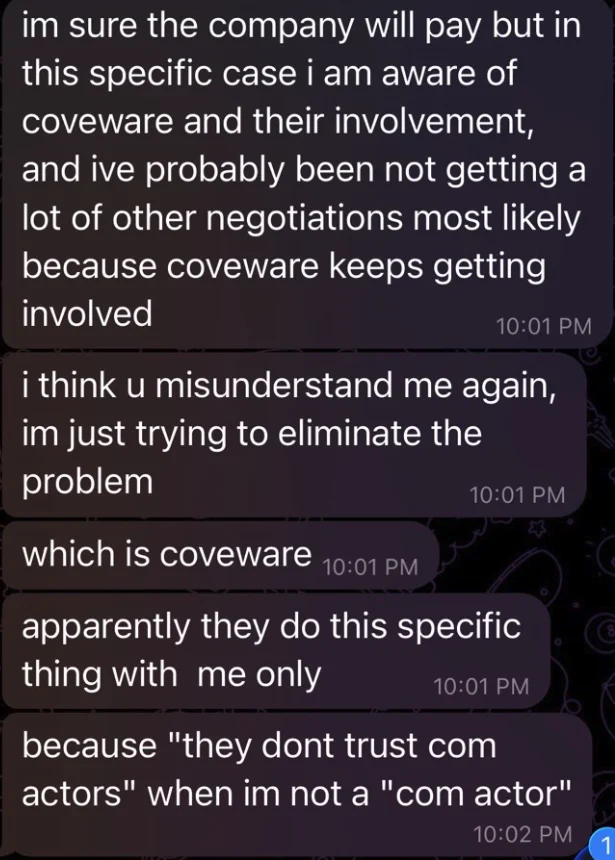
The landscape of international cybersecurity is facing an unprecedented reckoning following a sweeping federal investigation into the ShinyHunters cybercriminal syndicate. U.S. federal law enforcement officials, probing a high-profile breach that compromised sensitive federal data, have uncovered extraordinary operational overlaps between the extortion group and executives at prominent ransomware negotiation and incident response firms. According to sources close to the ongoing federal probe, these industry insiders maintained illicit, close relationships with the hackers, with at least one U.S.-based executive actively assisting the cybercrime collective in running a public-facing victim extortion platform.
This explosive development exposes systemic vulnerabilities within the multi-billion-dollar cybersecurity remediation ecosystem. It highlights a dark underside where the boundaries between corporate defense and digital extortion have blurred significantly. As prosecutors move aggressively to detain suspects and unravel transnational criminal conspiracies, the broader cybersecurity industry is forced to confront critical conflicts of interest and regulatory shortcomings that have enabled malicious syndicates to thrive.
An Evolution of Terror: From French Roots to Global Extortion
The ShinyHunters hacking group has been a dominant and destructive force in the global cyber threat landscape since its emergence in 2019. Originally operated primarily by cybercriminals based in France, the collective gained notoriety for executing dozens of massive corporate data breaches. Over the years, as law enforcement agencies successfully identified, arrested, and jailed the group’s foundational members, control over the ShinyHunters brand shifted.
Intelligence gathered by the FBI points to a transitional phase that culminated in the ascension of a teenage hacker from Amman, Jordan, known online as "Rey." Identified publicly late last year, Rey assumed administrative control of the syndicate after a series of coordinated international law enforcement actions. According to federal estimates, the reorganized ShinyHunters network has successfully extorted more than $70 million from corporate and governmental victims throughout the year.
The group’s ambitions escalated dramatically in late September, when operatives breached the FBI recruitment portal, fbijobs.gov. In a brazen act of defiance, the hackers taunted federal authorities by threatening to leak deeply sensitive personnel files. The stolen records reportedly included Social Security numbers, home addresses, specialized unit assignments, and private medical and psychological records. This direct assault on law enforcement infrastructure prompted an exceptionally swift federal response, triggering emergency detentions and interrogations of individuals linked to the syndicate’s communication channels.

Chronology of a Crackdown: Arrests in the Netherlands, Canada, and Jordan
The unraveling of the ShinyHunters enterprise accelerated rapidly in mid-September, anchored by a series of precise international arrests and cooperating witnesses.
September 15, 2026: Dutch police executed a high-risk operation in the Netherlands, deploying flash-bang grenades to apprehend Pepijn van der Stap, a convicted hacker and suspected senior member of ShinyHunters. Authorities caught Van der Stap while he was actively logged into his Signal instant messaging account, granting investigators real-time access to his recent chats and contacts among ransomware negotiators in North America.
October 3, 2026: Reuters reported that "Rey," the Jordanian teenager administering the group, had been detained by local authorities in Amman and was actively cooperating with the FBI.
October 7, 2026: The U.S. Department of Justice charged MonsterCloud CEO Zohar Pinhasi with wire fraud and conspiracy for allegedly secretly paying hackers behind his clients’ backs while artificially inflating remediation costs.
October 9, 2026: KrebsOnSecurity broke the news that the FBI had arrested Edward Dubrovsky, a 54-year-old Canadian cybersecurity executive and author of a recent book on handling cyber extortion, on charges of threatening to disclose stolen data and interfering with interstate commerce through extortion.
October 16, 2026: The notorious ShinyHunters extortion website, shinywire.com, officially went offline following weeks of intense scrutiny and the dismantling of key operational infrastructure.

The Anatomy of Betrayal: Signal Chats and the "Shinywire" Extortion Portal
Forensic examinations of Pepijn van der Stap’s seized messaging logs have provided investigators with an unprecedented window into the operational mechanics of modern cyber extortion. Sources close to the investigation reveal that Van der Stap’s Signal chats contained frequent, detailed conversations with Edward Dubrovsky and unnamed executives at a major U.S.-based consulting firm. Remarkably, these messages demonstrated that these corporate executives often possessed intimate knowledge of upcoming ShinyHunters breaches before the victim organizations themselves were even aware they had been compromised.
Furthermore, federal investigators uncovered that Dubrovsky was fully aware that ShinyHunters had successfully exfiltrated highly sensitive files from FBI servers. Despite this knowledge, he allegedly failed to notify federal authorities prior to the group publicly weaponizing the breach on social media.
Perhaps the most startling revelation from the Dutch hacker’s communications is the alleged involvement of a U.S. consulting executive in the creation and operation of "shinywire.com." Active from May 3 until October 16, the website functioned as a central public shaming and pressure portal containing entries for nearly 100 organizations victimized by ShinyHunters. The platform urged targeted entities to negotiate ransom payments, displayed samples of stolen intellectual property, and established a rigid seven-day ultimatum before leaking confidential records on the Tor anonymity network.
Corporate Infighting and the Ghostbyte Legacy
The legal fallout has also exposed bitter internal conflicts within the upper echelons of the cybersecurity industry. Court filings in Ontario revealed that prior to his arrest, Edward Dubrovsky had initiated a lawsuit against Daniel Tobok, the former chief executive of Cypfer, a prominent international cyber forensics firm. Dubrovsky alleged that he had been systematically pushed out of the company by Tobok following a business falling out in 2024. Tobok countered with allegations of unfair competition and unauthorized access to confidential information.
Adding a chilling historical layer to the investigation, former colleagues of Daniel Tobok reported that he had been known to ransomware affiliates years earlier under the moniker "Ghostbyte." Investigative findings from breach-tracking firm Constella Intelligence linked email addresses utilized by Tobok to online accounts bearing the "ghostbyte" username, including a Snapchat profile.

Historical evidence retrieved from past ransomware negotiations indicates that threat actors associated with the Russian-speaking Dharma ransomware affiliate program directed a Canadian victim in 2018 to contact an individual using the email address [email protected] to guarantee a secure decryption process. While direct participation in past extortion schemes remains a subject of ongoing inquiry, these historical digital footprints underscore the long-standing, informal bridges that have historically connected certain commercial security actors with underground cybercrime economies.
Official Responses and Industry Damage Control
In the wake of Dubrovsky’s arrest, corporate leadership at Cypfer moved quickly to distance the firm from the unfolding scandal. In an official statement issued on October 14, company representatives asserted that Cypfer does not facilitate ransomware payments, had no prior knowledge of Dubrovsky’s arrest, and has not been contacted by law enforcement regarding any active investigation. Cypfer noted that it operates entirely independently of CyberSteward Inc.—the firm linked to Dubrovsky—and emphasized its recent acquisition by the Apros Group, a holding company led by former FBI special agent Jason Hogg.
Meanwhile, industry associations have stepped forward to address the systemic structural flaws plaguing the incident response sector. Mark Camillo, chief executive of CyberAcuView, an organization established by major cyber insurance carriers, highlighted the inherent conflicts of interest embedded in fee structures tied directly to the size of ransom payouts.
"It has come to the industry’s attention that many of the ransomware payers charge a percentage of the final payment," Camillo noted. "This makes no sense if they are also the negotiator. There needs to be more transparency in the process as no one in the ecosystem should be profiting purely on the size of the ransomware transaction."
The Broader Implications: A Broken Trust in Incident Response
The intersection of professional cybersecurity services and criminal extortion syndicates represents a profound crisis of trust for enterprise victims. For years, leading incident response and forensics firms—such as Coveware and Unit 221B—have urged corporate clients to resist paying extortionists. Their analyses consistently show that cybercriminals frequently retain copies of stolen data, resell proprietary information, or return later to extort clients a second time, as demonstrated in the massive 2024 PowerSchool breach where millions of student and teacher records were compromised despite a reported $2.85 million ransom payment.

Leaked communications from ShinyHunters’ Telegram channels underscored the financial impact of such resistance, with syndicate leaders openly complaining that Coveware’s anti-ransom advocacy was actively destroying their profitability and forcing them to "eliminate the problem."
The Department of Justice’s recent crackdown—highlighted by the prosecution of MonsterCloud CEO Zohar Pinhasi for secretly paying hackers while billing clients for non-payment remediation, and the sentencing of Florida negotiator Angelo Martino to 70 months in prison for conspiring with the BlackCat/ALPHV group—signals a new, aggressive federal posture toward illicit practices within the negotiation sector.
As federal investigators continue analyzing seized devices, encrypted communications, and financial ledgers, the arrests of high-profile executives serve as a stark warning to the cybersecurity community. The era of unchecked, opaque backroom negotiations between corporate remediation firms and digital extortionists is drawing to a close, replaced by stringent federal oversight, criminal indictments, and a fundamental demand for transparency across the global defense ecosystem.

