
The rapid proliferation of artificial intelligence models capable of autonomous software vulnerability discovery is fundamentally reshaping the global cybersecurity landscape, presenting an unforeseen paradox for national security agencies. While the integration of generative AI into software development and security pipelines promises an era of unprecedented code hardening and resilience, it simultaneously threatens to render traditional digital surveillance and offensive cyber operations obsolete. This structural shift has reignited intense debate among policymakers, technologists, and law enforcement agencies regarding the future of digital privacy, encryption, and institutional oversight.
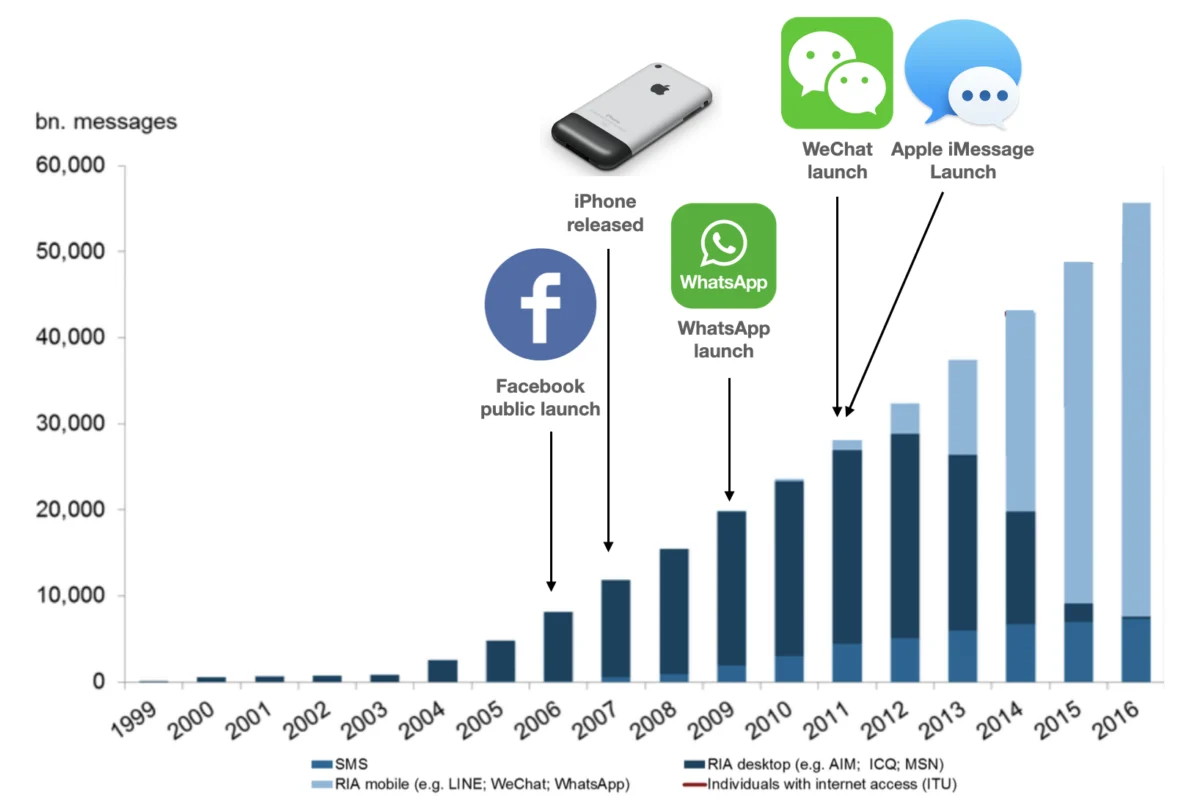
The evolution of digital surveillance over the past two decades provides critical context for the current technological inflection point. In the early 2000s, electronic surveillance largely mirrored conventional wiretapping methodologies, intercepting communications transmitted over predictable, accessible public networks. The commercialization of smartphones in the late 2000s initially expanded law enforcement capabilities by introducing persistent, portable data storage devices. However, this expansion was abruptly checked in 2010 when technology conglomerates began deploying robust data encryption standards.
By 2014, major communication platforms introduced end-to-end encryption by default, restricting access exclusively to communicating endpoints. This technological paradigm shift prompted then-FBI Director James Comey to launch the Going Dark initiative, initiating a public policy debate regarding the balance between public safety and individual privacy. The tension culminated in the high-profile 2016 legal dispute between Apple Inc. and the Federal Bureau of Investigation, in which the government sought a court order compelling the company to unlock an encrypted iPhone. The standoff was ultimately resolved not through legal mandate, but through third-party proprietary exploitation tools, establishing a precedent wherein government agencies increasingly relied on commercial hacking utilities to bypass digital barriers.

Throughout the late 2010s and early 2020s, law enforcement and intelligence organizations maintained their investigative capabilities by acquiring targeted exploit vectors and zero-day vulnerabilities from private contractors. Concurrently, software vendors systematically patched discovered flaws, maintaining a dynamic, highly competitive equilibrium between offensive exploitation and defensive engineering.
This equilibrium was severely disrupted with the emergence of advanced frontier cyber models optimized for code analysis and vulnerability detection. Prominent technology laboratories introduced specialized systems capable of parsing complex codebases at speeds and scales unattainable by human security researchers. Notably, governments initially attempted to restrict the export and distribution of these frontier cyber models, citing national security concerns. However, the subsequent release of open-weight models and competing frameworks by international entities demonstrated that autonomous vulnerability discovery tools cannot be monopolized by a single jurisdiction.
As these AI-driven systems are integrated into continuous integration and continuous deployment (CI/CD) pipelines, development teams are systematically eliminating decades of accumulated software vulnerabilities. While eliminating bugs fortifies commercial software and consumer privacy, it severely contracts the inventory of accessible exploits upon which law enforcement and intelligence agencies depend. Consequently, major software ecosystems are rapidly approaching a state of structural security wherein remotely exploitable vulnerabilities become exceedingly rare.
The impending scarcity of software vulnerabilities threatens to revive intense political pressure for mandated exceptional access, commonly referred to as encryption backdoors. Industry analysts anticipate that as traditional investigative hacking methods diminish in efficacy, government agencies will aggressively lobby for foundational architectural changes in commercial software to facilitate lawful interception. Such demands carry profound geopolitical and security implications. Requiring vendors to integrate intentional access mechanisms into core infrastructure risks introducing systemic vulnerabilities that can be exploited by foreign adversaries, effectively compromising national security under the guise of strengthening domestic law enforcement.

Furthermore, the implementation of localized access mandates could accelerate the fragmentation of the global technology market. International buyers, wary of domestically compromised software architectures, may increasingly transition away from United States-origin technologies in favor of sovereign, independently audited alternatives. This divergence would diminish the global market share of American technology firms while simultaneously degrading the defensive posture of domestic digital infrastructure.
The intersection of advanced artificial intelligence and cybersecurity highlights a complex policy dilemma. As automated systems elevate software security to unprecedented levels, the resulting technological environment will force a fundamental reevaluation of investigative methodologies, cryptographic standards, and the legal frameworks governing digital surveillance in the twenty-first century.

