
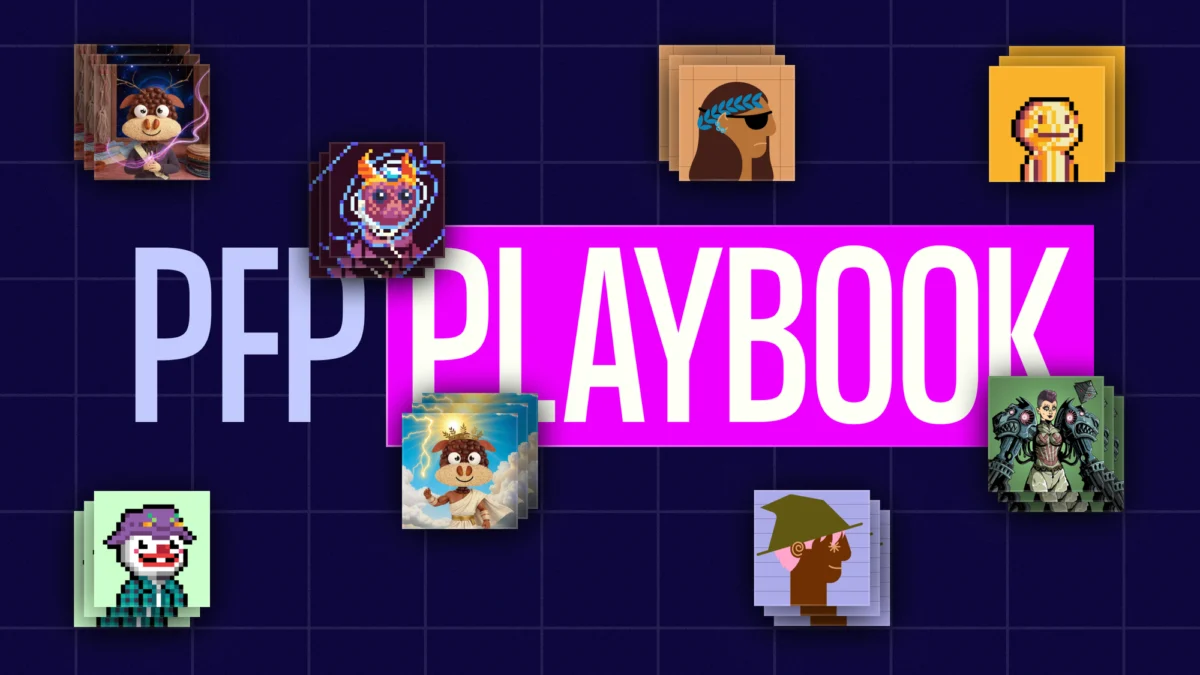
In the rapidly evolving landscape of decentralized technologies, the methodology for launching new blockchain networks and decentralized applications has shifted from a purely technical endeavor to a sophisticated cultural and community-driven strategy. Emerging Layer 1 (L1) and Layer 2 (L2) ecosystems are increasingly utilizing Profile Picture (PFP) NFT collections not merely as digital collectibles, but as foundational "Go-To-Market" (GTM) infrastructure. This strategic pivot allows projects to activate communities from day one, proving technical reliability while simultaneously building the social and cultural capital necessary for long-term sustainability.
As the Web3 sector matures, the "PFP Playbook" has become a standardized framework for user acquisition, ecosystem signaling, and on-chain activity. By analyzing the successful deployment of these collections across various networks—including recent high-profile launches on the Scope, Camp, and Espresso networks—it becomes evident that NFTs have transcended their initial role as speculative assets to become programmable tools for growth and retention.
The Evolution of PFPs: From Digital Art to Commercial Utility
To understand the current trend of PFP-led infrastructure, one must look at the pioneers who redefined the utility of digital identities. Collections such as Pudgy Penguins, World of Women, and Doodles transitioned from simple 10,000-unit drops into multi-faceted entertainment and retail brands.
Pudgy Penguins, for instance, utilized its digital IP to penetrate the traditional retail market, securing placement in over 2,000 Walmart stores across the United States. This "retail-first" strategy was punctuated by significant on-chain milestones, such as the July 2025 sale of the "Ice King" Pudgy for 120 ETH (approximately $440,000), signaling that high-value digital assets can coexist with mass-market physical products. Similarly, Doodles evolved from a profile picture project into a comprehensive entertainment brand, collaborating with global icons like Pharrell Williams and Adidas to merge music, animation, and fashion.
These examples demonstrate that PFPs are no longer isolated "NFT projects." Instead, they serve as brand activation tools with measurable commercial outcomes. For a new blockchain, a PFP drop acts as a "wedge"—a lightweight method to incentivize the first cohort of users to bridge assets, execute transactions, and engage with early-stage infrastructure.
Case Study: Building Creator Narratives on Scope via After School Club
The launch of the After School Club (ASC) on the Scope marketplace serves as a primary example of how a PFP collection can signal a network’s specific positioning. Scope, an NFT marketplace built on the Eclipse chain—the first Ethereum Layer 2 powered by the Solana Virtual Machine (SVM)—required a launch that would highlight its focus on the creator economy.
The objective was twofold: to establish Scope as a premier destination for digital creators and to demonstrate the high-speed, low-cost capabilities of the Eclipse infrastructure. The ASC collection was designed to reflect this creator-centric ethos. According to Alucard, Co-founder of ASC and Community Lead at the Eclipse Foundation, the project spent over seven months building trust through daily engagement and feedback loops.

The results of this narrative-driven approach were immediate. By aligning the collection’s aesthetic and utility with the specific needs of the creator community, the project successfully onboarded a dedicated user base before the network’s full public rollout. This pre-launch engagement ensures that when the mainnet goes live, there is already a "sticky" community ready to participate in the ecosystem.
Case Study: Driving Testnet Engagement with Camp Network’s TrailHeads
While some projects use PFPs for mainnet launches, the Camp Network utilized its "TrailHeads" collection to drive activity during its critical testnet phase. Camp Network, which focuses on integrating social media data with on-chain experiences, used the TrailHeads drop to identify and reward values-aligned users.
The GTM mechanics for TrailHeads involved a multi-stage narrative where users earned "allowlist" spots by contributing to the ecosystem’s growth. This created a meritocratic distribution model, ensuring that the NFTs ended up in the hands of active participants rather than passive speculators. Usman, Head of Community at Camp, noted that the collection became a focal point for the road to mainnet, sparking significant user-generated content and deepening the bond between the protocol and its holders.
By using the PFP drop as a reward for testnet participation, Camp Network was able to stress-test its social-to-chain integration while building a "cultural moat" around its brand.
Case Study: Technical Showcasing via Espresso Network’s The Composables
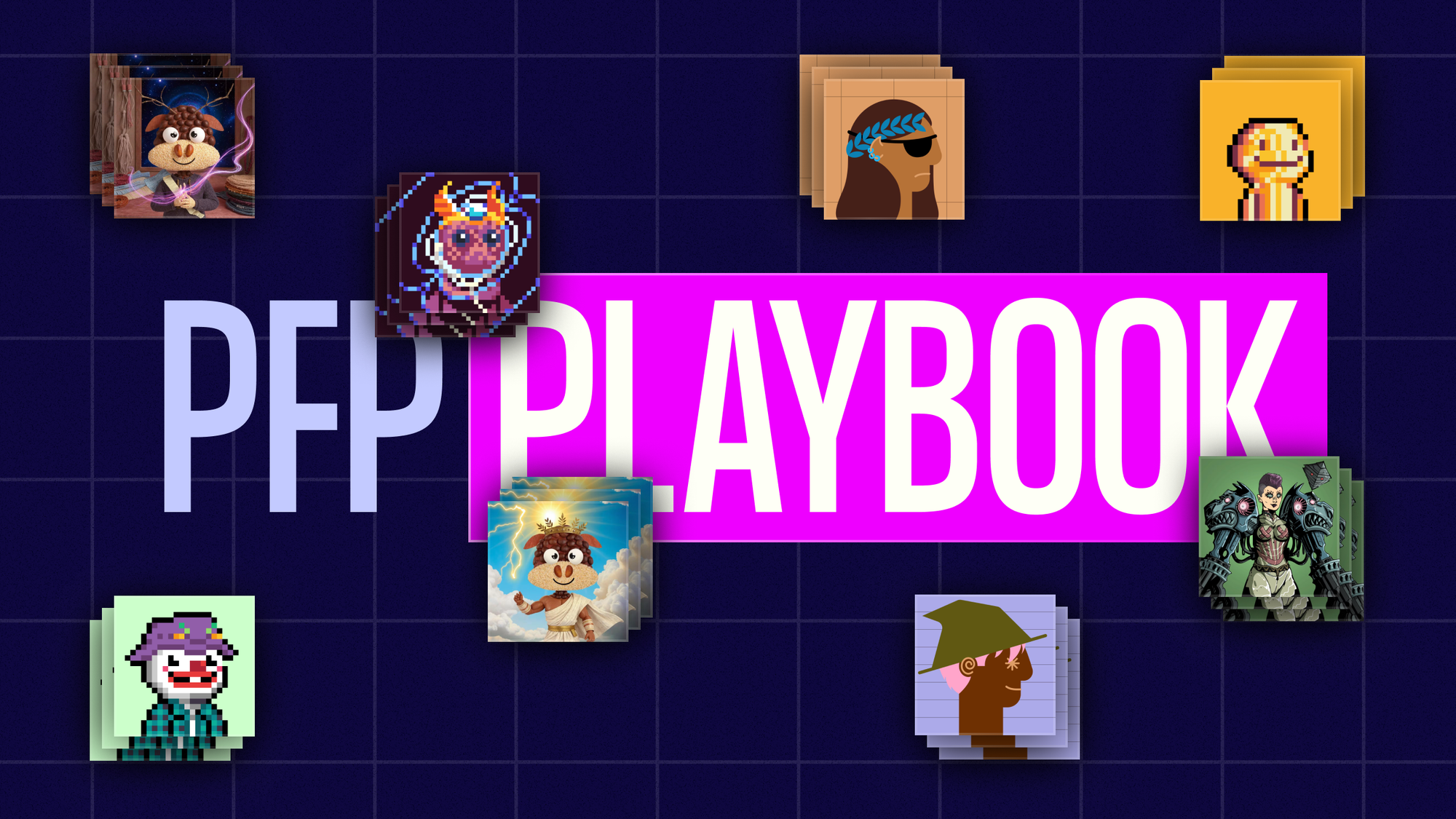
Perhaps the most technically ambitious application of the PFP playbook is "The Composables" by Espresso Network. Espresso is known for its work on shared sequencing and cross-chain interoperability, and the collection was designed to showcase this specific infrastructure.
Unlike traditional NFTs, which are often siloed on a single chain, The Composables were designed to be modular and mobile. The drop served as a live demonstration of Espresso’s ability to move assets seamlessly across different rollups and ecosystems. Jill Gunter, Chief Strategy Officer at Espresso Network, emphasized that the goal was to leverage Espresso’s technology to enable fluid movement of digital assets, a stark contrast to the rigid nature of early NFT collections.
The successful sell-out of The Composables on May 30, 2025, confirmed market appetite for "technically active" NFTs. The drop functioned as a proof-of-concept for the network’s cross-chain capabilities, providing a tangible example for developers and partners of what the Espresso infrastructure can achieve.
The GTM Framework: Strategic Levers of a PFP Launch
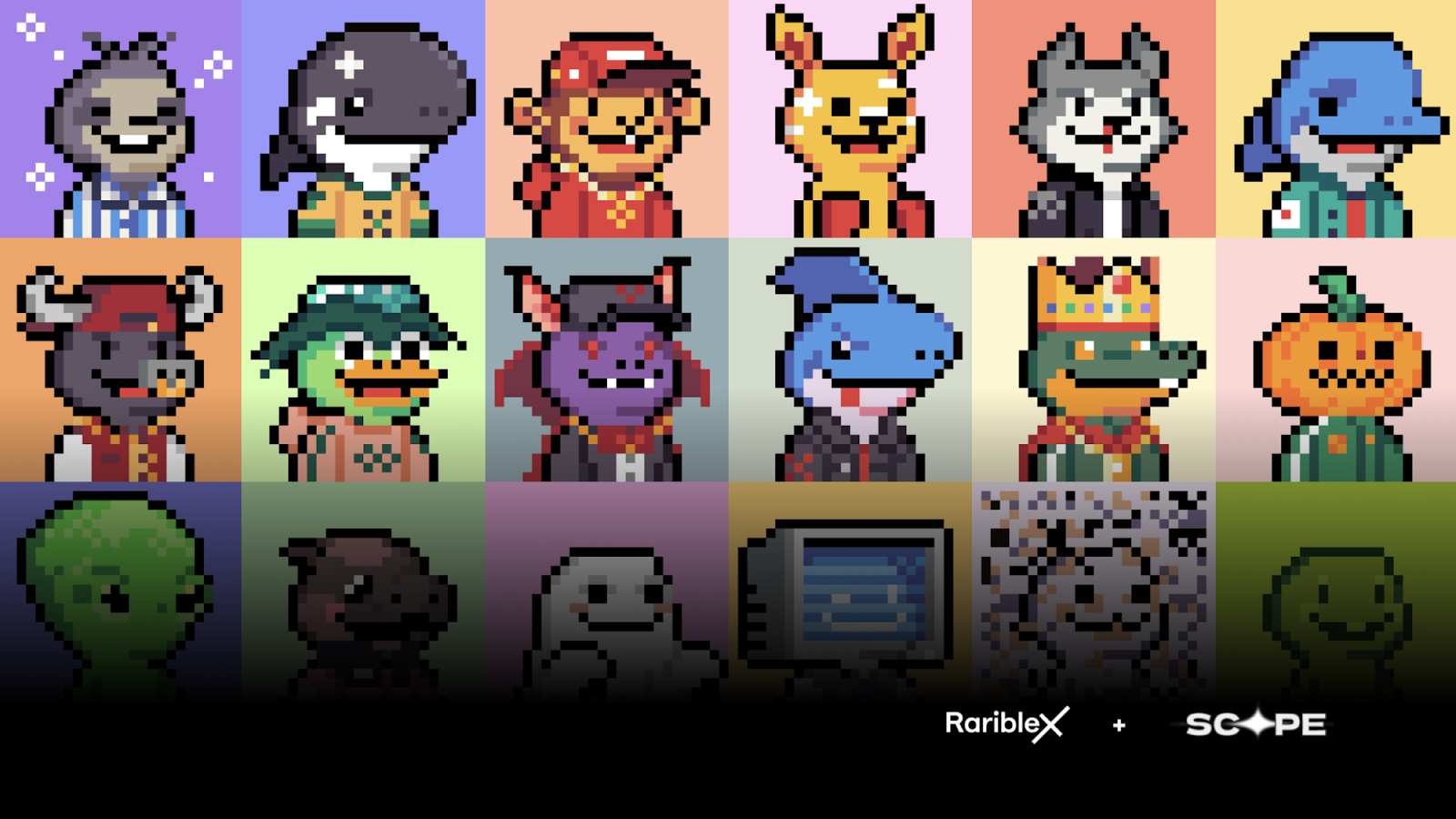
A professional analysis of these launches reveals a repeatable framework for using PFPs as growth infrastructure. When a project partners with an infrastructure provider like Rarible to execute a drop, they are typically pulling five primary strategic levers:
- Early User Acquisition: PFPs attract the "early adopter" cohort—individuals who are willing to navigate the complexities of new chains in exchange for social status and potential upside.
- On-Chain Activity Kickstart: A mint event forces users to perform essential actions: setting up wallets, bridging funds, and interacting with smart contracts. This "burn-in" period is vital for technical stability.
- Momentum Signaling: In the competitive "attention economy" of Web3, a sold-out PFP collection serves as a powerful signal to venture capitalists, developers, and potential partners that the ecosystem has "social proof."
- Utility and Access Layer: Modern PFPs act as "digital keys." They are frequently used to gate access to developer betas, private Discord channels, or future token airdrops.
- Long-Tail Retention: By giving users a financial and social stake in the ecosystem (the NFT), projects create a feedback loop that keeps users engaged far longer than a simple marketing campaign would.
Chronology of a Successful PFP-Led Launch
The timeline of a strategic PFP deployment typically follows a four-phase structure:
- Phase 1: Narrative Building (3-6 Months Pre-Mint): The project establishes its "lore" and mission. This phase focuses on community building via social platforms and identifying "core contributors."
- Phase 2: Technical Integration (1-2 Months Pre-Mint): The project selects its launch partner (e.g., Rarible) to ensure the minting contract is optimized for the specific blockchain (L1/L2) and that the user interface is seamless.
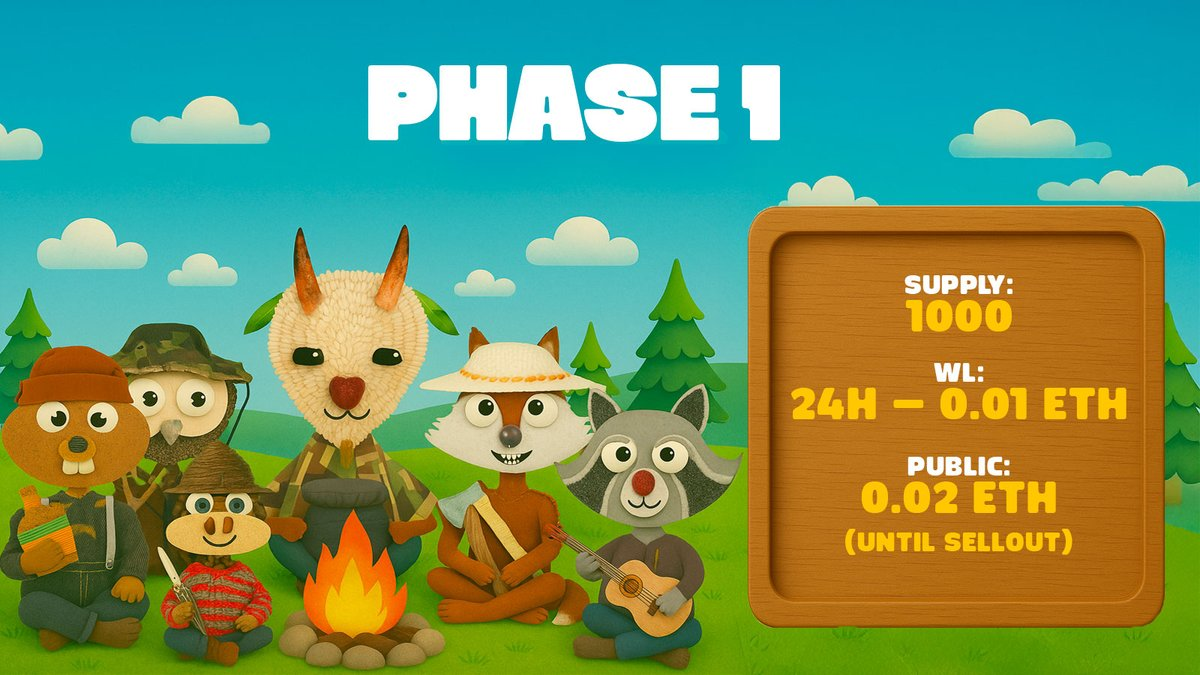
- Phase 3: The Mint Event: A high-intensity period where the collection is distributed. This often involves tiered access (Allowlist vs. Public) to reward early supporters and prevent "gas wars."
- Phase 4: Post-Mint Evolution (Ongoing): The project must deliver on its roadmap. This includes integrating the NFTs into ecosystem apps, providing "holders-only" perks, and evolving the metadata or utility of the assets to maintain interest.
Market Implications and the Future of Digital Identity
The shift toward PFP-as-infrastructure marks a significant maturation of the NFT market. Critics who once dismissed PFPs as "overpriced JPEGs" are now seeing these assets used as sophisticated tools for stress-testing multi-billion dollar blockchain networks.
The data suggests that networks which launch with a strong NFT-backed community have higher "stickiness" than those that rely solely on liquidity mining or traditional advertising. As digital identity becomes more central to the internet experience, the PFP will likely evolve into a "portable reputation" that users carry across the decentralized web.
Furthermore, the integration of PFPs with physical retail and cross-chain technology suggests a future where digital assets are not just "collected," but "utilized" across both the digital and physical worlds. For developers and founders, the lesson is clear: in Web3, the community is the product, and the PFP is the most effective tool for building that community at scale.
Conclusion
As evidenced by the success of Scope, Camp, and Espresso, the PFP playbook has become an essential component of the Web3 GTM stack. By transforming digital art into programmable infrastructure, projects can solve the "cold start" problem, creating vibrant, active ecosystems before their core products even reach full maturity. As the industry moves toward 2026, the focus will likely shift even further toward "dynamic" and "composable" NFTs that interact with the protocol layer in increasingly complex and beneficial ways. For any emerging network or brand, the question is no longer whether to launch an NFT collection, but how to strategically integrate that collection into the very fabric of their market entry.

