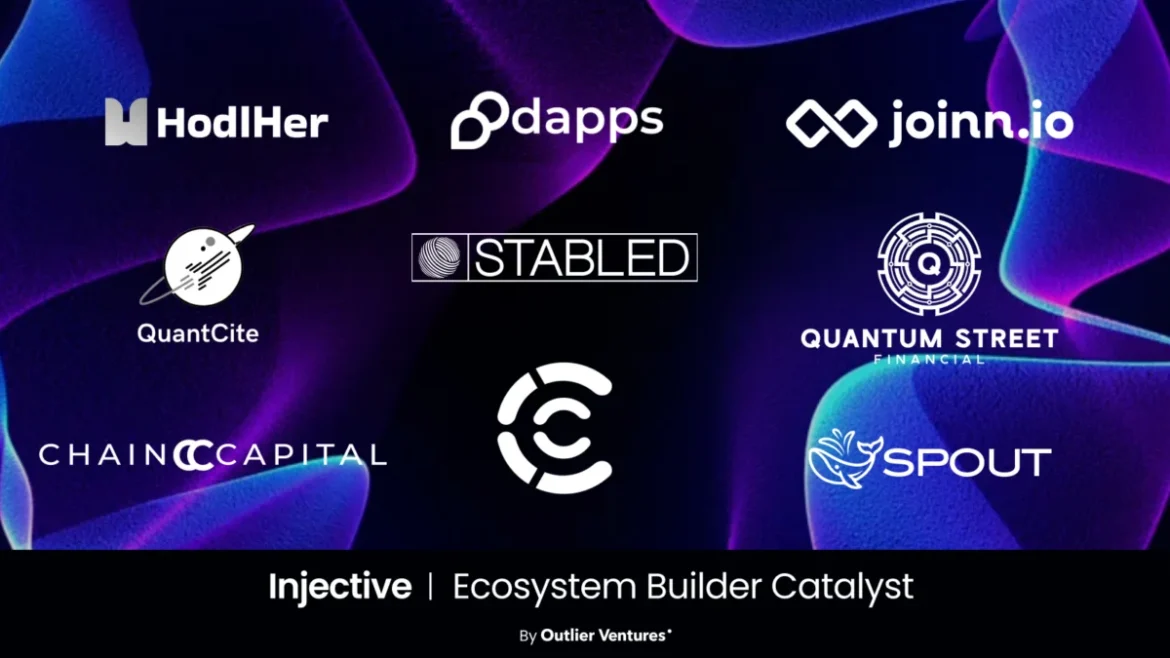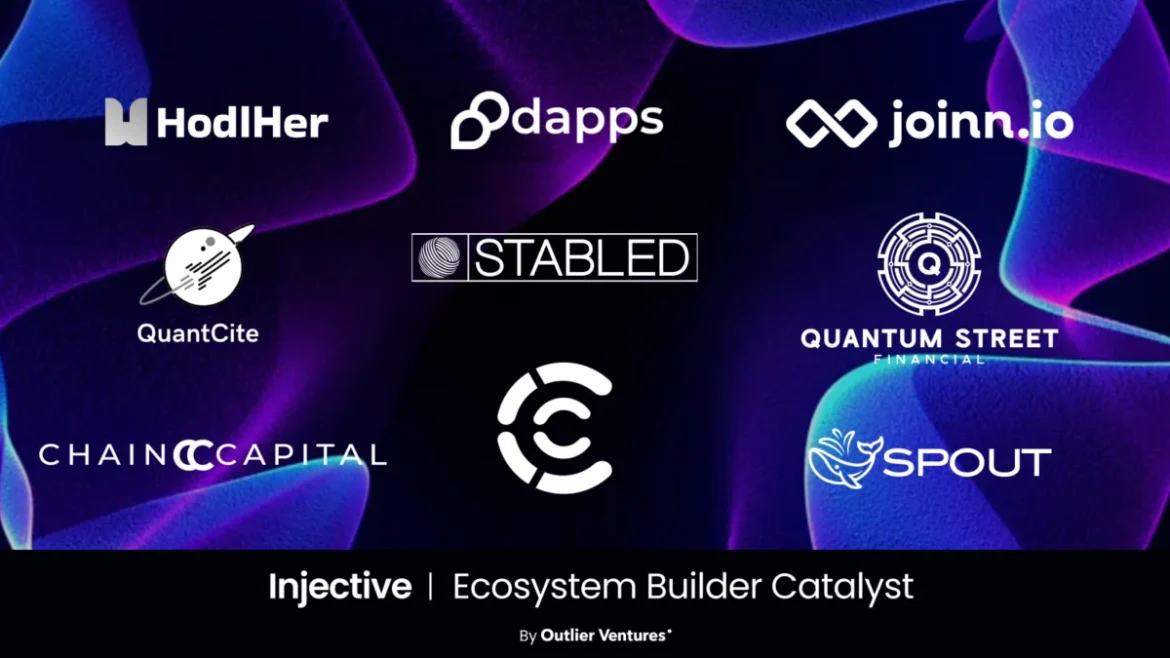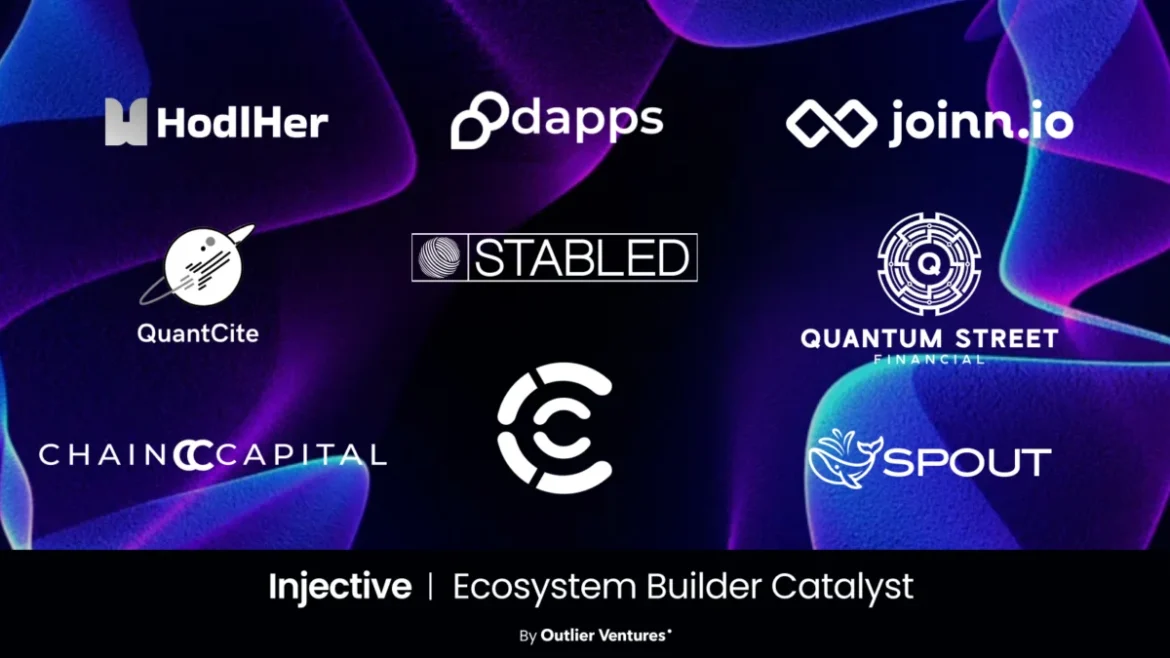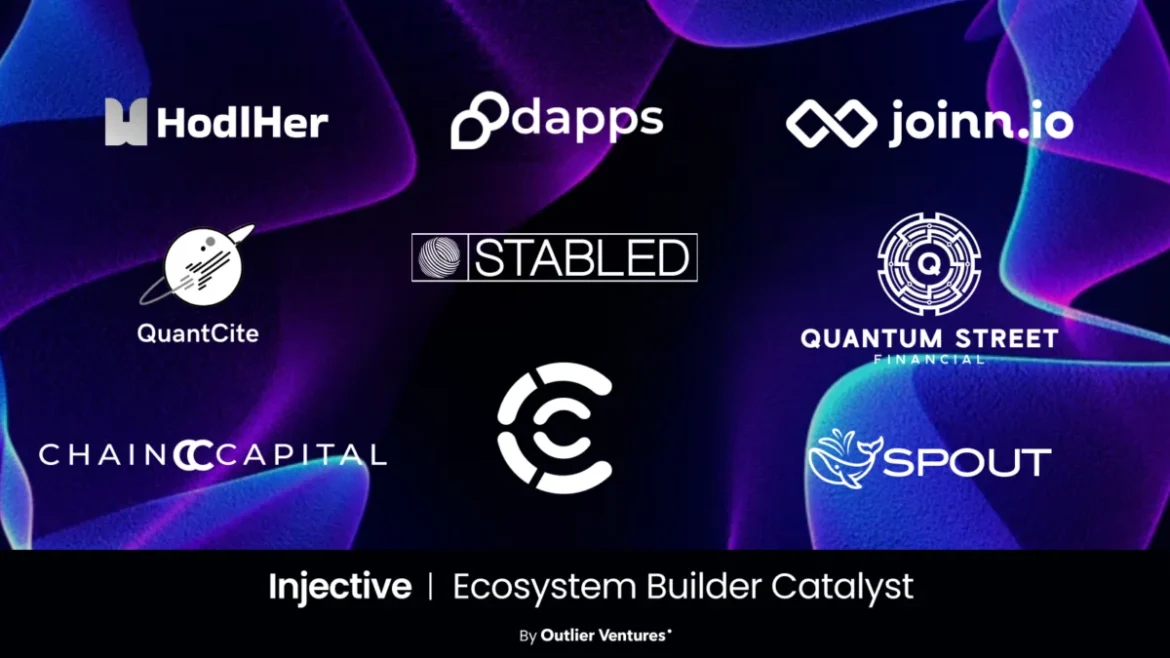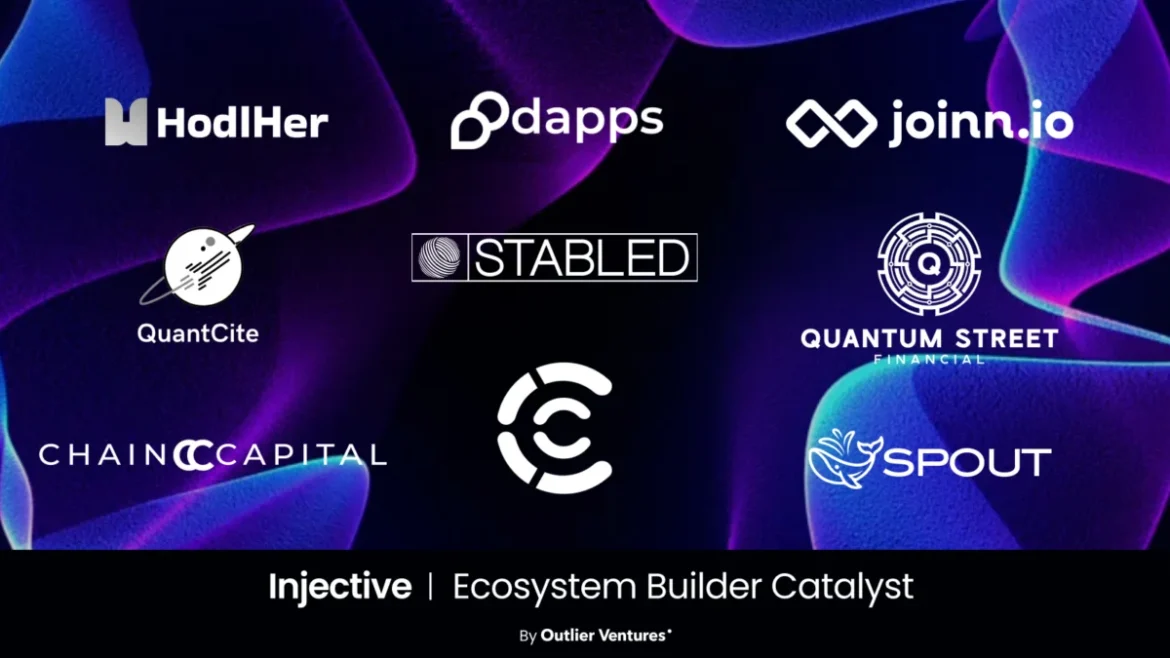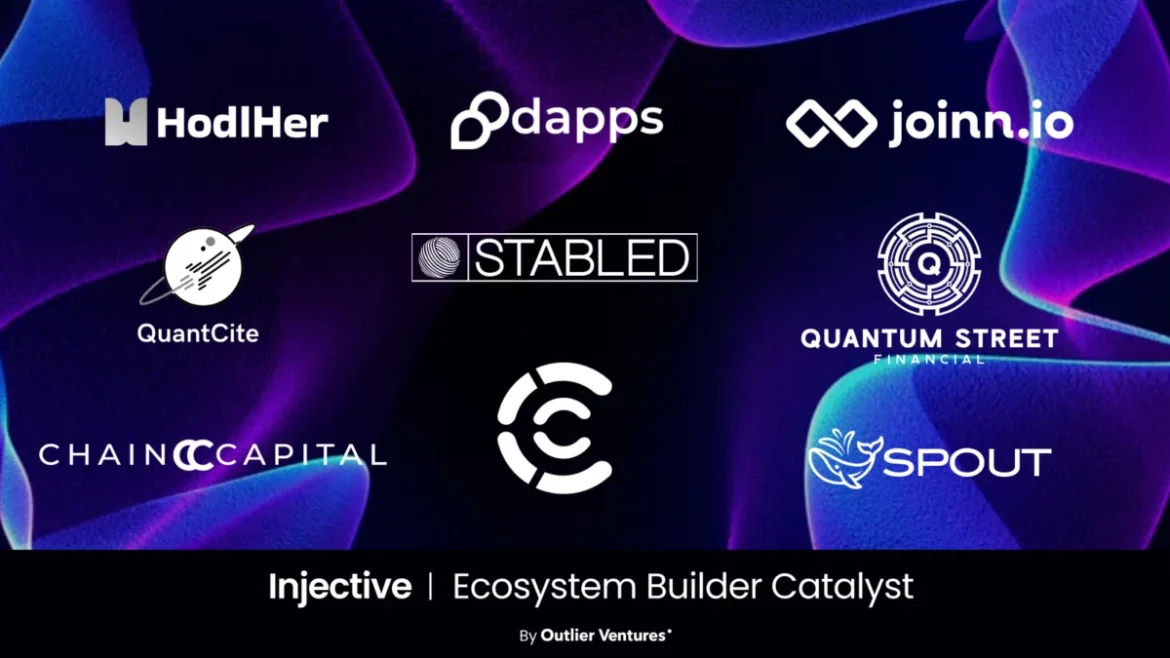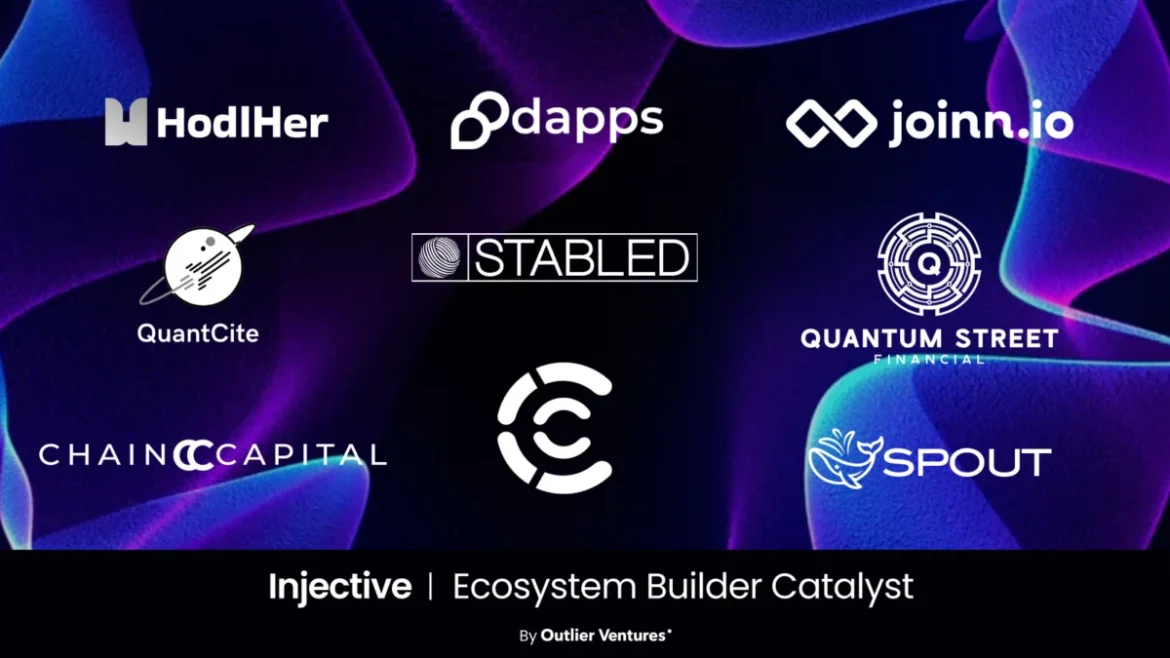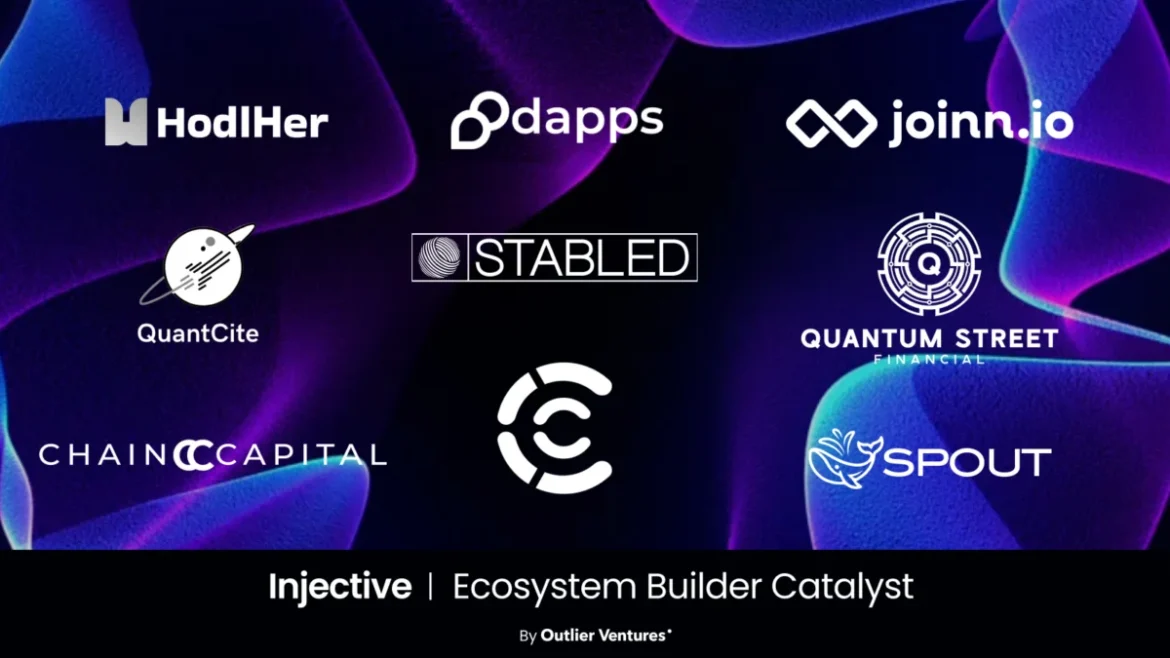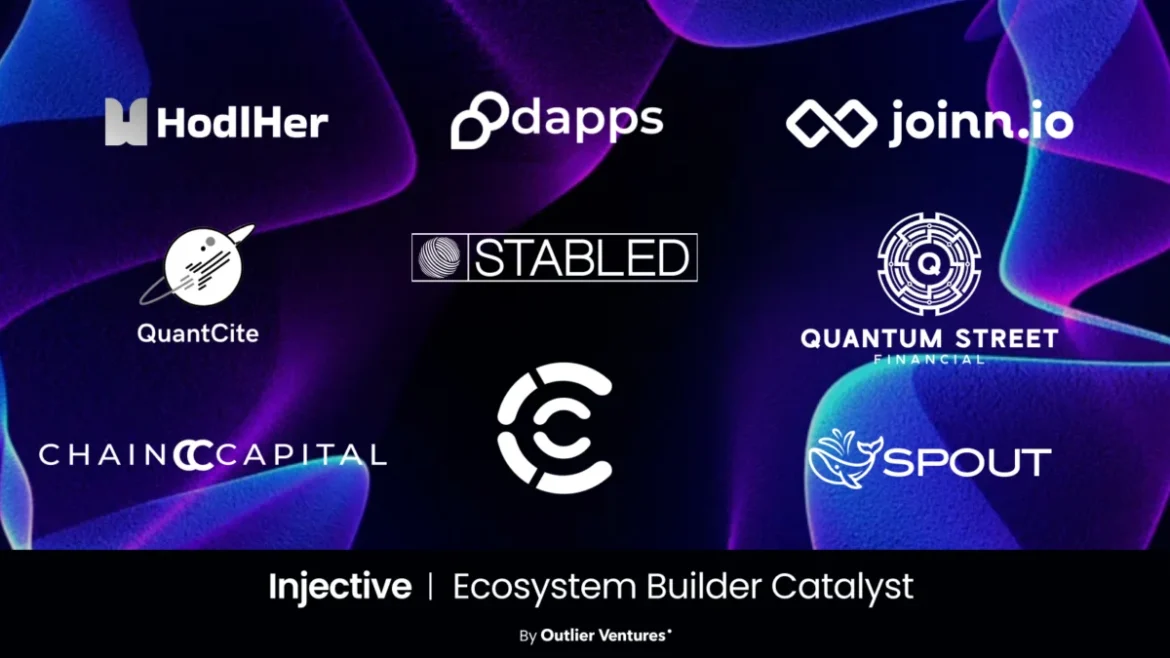
Outlier Ventures, a globally recognized Web3 venture capital firm and accelerator, has officially announced its latest collaborative initiative alongside Injective, a layer-one blockchain purpose-built for finance. The newly unveiled cohort comprises nine high-growth startups selected for the Injective Ecosystem Builder Catalyst, an intensive nine-week virtual accelerator program. This joint endeavor is engineered to cultivate and scale the next wave of decentralized finance (DeFi) primitives, institutional-grade infrastructure, and advanced on-chain applications native to the Injective network.
The launch of this accelerator arrives at a pivotal juncture for the broader digital asset economy. Decentralized finance total value locked (TVL) has steadily rebounded, hovering near $140 billion globally, while the tokenization of Real-World Assets (RWAs) has scaled by more than 380% since 2022. By leveraging Injective’s high-performance architecture—characterized by sub-second transaction finality, gasless mechanics, and robust MultiVM interoperability—the selected cohort aims to bridge the gap between legacy traditional finance (TradFi) and bleeding-edge Web3 innovation.
The Macroeconomic Context and the Evolution of DeFi Infrastructure
For years, the decentralized finance sector was largely defined by simple token swaps, automated market makers (AMMs), and basic over-collateralized lending protocols. However, the maturation of the market has demanded a paradigm shift toward high-performance, purpose-built infrastructure capable of satisfying institutional demands. Financial institutions, quantitative trading funds, and fintech enterprises require execution speeds, risk-management frameworks, and compliance mechanisms that mirror or exceed traditional market infrastructure.
Injective was architected precisely to meet these rigorous standards. By offering native financial modules—such as built-in order books, oracle feeds, and cross-chain bridging—the network provides developers with a modular execution layer. Rather than merely porting legacy applications from other blockchains, founders within the Ecosystem Builder Catalyst cohort are designing novel financial primitives. These include agentic trading systems, tokenized private debt markets, and decentralized cross-border payment rails that operate entirely on-chain without sacrificing compliance or efficiency.
Industry analysts note that the integration of institutional-grade capabilities with decentralized liquidity creates an unprecedented environment for financial engineering. As regulatory clarity improves globally, platforms capable of merging institutional compliance with decentralized transparency are expected to capture significant market share. The collaboration between Outlier Ventures and Injective seeks to position these early-stage startups at the forefront of that structural transformation.
Detailed Breakdown of the Selected Cohort
The nine startups chosen for the Injective Ecosystem Builder Catalyst represent a diverse cross-section of fintech, decentralized exchanges, institutional tooling, and AI-driven Web3 operating systems. Each project utilizes Injective’s native infrastructure to solve specific bottlenecks in capital efficiency, liquidity fragmentation, and cross-border settlement.
QuantCite spearheads the institutional tooling category as an advanced Order and Execution Management System (OEMS) combined with smart-routing technology. Designed specifically for quantitative funds and professional traders, QuantCite unifies execution venues across both centralized exchanges and decentralized protocols, granting users access to deep liquidity pools and high-frequency execution environments without compromising performance.

In the realm of consumer fintech, Joinn addresses financial inclusion in emerging markets. The application enables everyday users to protect and grow their savings through secure, yield-generating tokenized financial assets. Despite functioning on complex blockchain rails, Joinn delivers a seamless Web2 user experience featuring gasless, signless transactions, 24/7 account access, an integrated Visa card experience, and an autonomous AI agent designed to optimize personal compounding strategies.
Choice operates as a decentralized exchange and advanced aggregation layer optimized explicitly for the Injective network. By deploying a sophisticated routing algorithm capable of tapping into fragmented liquidity across multiple venues, Choice guarantees optimal swap execution while minimizing price slippage for traders operating at scale.
Stabled tackles international trade friction by offering a compliant cross-border stablecoin payments platform for global enterprises. The protocol allows businesses to execute instantaneous cross-border settlements completely bypassing traditional banking intermediaries, thereby minimizing foreign exchange (FX) losses and eliminating multi-day settlement delays.
Quantum Street bridges traditional capital markets and decentralized finance by focusing on the tokenization of off-chain assets. Comprising financial engineering specialists, the platform structures transactions for cash-flowing businesses, injecting genuine economic utility into stablecoins and directly contributing to the expansion of on-chain Total Value Locked (TVL).
Spout introduces a novel approach to the equities market by facilitating the seamless borrowing and lending of U.S. public equities. By tokenizing equities and deploying a Collateralized Debt Position (CDP) model, Spout allows users to access 0% APR margin loans while simultaneously providing lenders with competitive yields reaching approximately 10% APY.
Dapps.co redefines social interaction in the digital asset economy through a Web3-native social network designed to restore economic agency to creators. The platform features an AI provenance layer engineered to combat low-quality generated content, alongside monetization pathways that allow creators to earn directly through direct messaging fees and peer-to-peer tipping.
Chain Capital focuses on transforming illiquid private debt into tradable, liquid securities. By tokenizing corporate invoices and receivables, the platform automates complex securitization workflows, cutting traditional middle-office administrative costs by up to 75% while providing institutional investors with fully compliant access to high-yield investment exposures.
HodlHer rounds out the cohort as an AI-driven Web3 operating system built natively on Injective. Utilizing specialized intelligent personas, the platform assists individual users, creators, and protocol developers in navigating the complete lifecycle of on-chain engagement, spanning perception, reasoning, and automated execution.

Program Structure, Mentorship, and the Path to Demo Day
The Injective Ecosystem Builder Catalyst is structured as a rigorous, nine-week virtual accelerator. Throughout the program, founders receive comprehensive, hands-on mentorship from Outlier Ventures’ extensive network of industry experts, venture capitalists, tokenomics specialists, and legal advisors. Additionally, participating startups gain direct access to ecosystem incentives, technical workshops, and strategic partnership opportunities designed to accelerate their go-to-market strategies.
Leadership at Outlier Ventures emphasized that the overarching thesis of the accelerator centers on system fit and composability. Rather than focusing solely on the proliferation of new digital assets, the curriculum encourages founders to build applications that integrate seamlessly with existing financial architecture while unlocking trading and lending strategies that remain impossible within legacy financial systems.
The culmination of the nine-week accelerator will be showcased at the upcoming Injective Ecosystem Builder Catalyst Demo Day, scheduled for February 25, 2026. This virtual showcase will grant the cohort direct access to a global audience of tier-one venture capitalists, angel investors, and institutional allocators. Founders and industry participants interested in attending the event can secure their registration through the official Luma platform.
Broader Market Implications and Future Outlook
The launch of this accelerator cohort highlights a broader trend within the blockchain industry: the transition from speculative retail-driven applications to pragmatic, utility-driven financial infrastructure. As decentralized finance continues to mature, protocols that achieve functional parity with traditional financial order books and collateral management systems while retaining the censorship resistance and transparency of public ledgers are expected to dominate institutional adoption cycles.
Observers note that initiatives like the Injective Ecosystem Builder Catalyst play a critical role in mitigating the execution risks faced by early-stage founders. By providing structured capital, regulatory guidance, and direct technical integration with high-performance networks like Injective, accelerators help standardize institutional-grade security and reliability across the decentralized ecosystem.
As the cohort progresses through its curriculum and prepares for Demo Day, the performance and adoption metrics of these nine startups will serve as an important barometer for the health and scalability of the Injective network. With institutional interest in real-world asset tokenization and high-speed decentralized execution accelerating rapidly, the innovations emerging from this cohort may well define the operational standards of global finance for the next decade.