• Home
  • About Us
  • Contact Us
  • Cookies Policy
  • Disclaimer
  • DMCA
  • Privacy Policy
  • Terms and Conditions
Dr Crypton
Secure Your Future in Crypto
Bitcoin & Altcoins

Ethereum Foundation Announces Upcoming Protocol AMA Session to Address Future Roadmap and Technical Milestones

by admin September 9, 2026
written by admin

The Ethereum Foundation has officially scheduled its latest "Ask Me Anything" (AMA) session for September 16, marking another installment in a long-standing tradition of direct communication between the protocol’s core developers and the broader blockchain community. Since its inception in January 2019, these sessions have served as a vital bridge for technical transparency, allowing researchers and engineers from the Foundation’s Protocol cluster to engage directly with users, stakeholders, and developers. As the Ethereum network continues to evolve through complex hard forks and long-term architectural shifts, these forums have become essential for maintaining the open-source ethos of the platform.

The upcoming session arrives at a critical juncture in Ethereum’s development lifecycle. With the Glamsterdam hard fork currently undergoing rigorous public testing and the scope of the Hegotá upgrade being refined, the Ethereum community faces a dense period of technical transition. The event is expected to cover a wide range of sophisticated topics, including post-quantum cryptography, the implementation of Layer-1 zkEVM (Zero-Knowledge Ethereum Virtual Machine), formal verification processes, the future of state management, decoupled consensus mechanisms, and L1 privacy enhancements.

A Tradition of Technical Transparency

Since 2019, the Ethereum Foundation has utilized the r/ethereum subreddit as the primary venue for these interactive discussions. The format is designed to be egalitarian: a single, centralized thread serves as the repository for technical queries, ranging from high-level roadmap questions to granular implementation details. This consistency in format has allowed the Foundation to build a historical archive of architectural decisions, which serves as a valuable resource for developers and researchers tracking the evolution of the network.

The decision to host these AMAs stems from the Foundation’s commitment to decentralized governance and transparency. By providing a direct channel to those responsible for the core protocol, the Foundation mitigates information asymmetry. This is particularly important for a project of Ethereum’s scale, where decisions regarding consensus rules, gas limits, and cryptographic primitives impact a multi-billion dollar ecosystem.

Chronology of Ethereum’s Protocol Evolution

To understand the weight of the upcoming AMA, one must look at the progression of recent and forthcoming upgrades. Ethereum’s roadmap, often referred to as the "Roadmap to the Future," has transitioned through several distinct eras:

  1. The Frontier and Homestead Era: These foundational stages established the core functionality of the EVM and the initial gas model.
  2. The Beacon Chain and The Merge: The transition from Proof-of-Work to Proof-of-Stake in September 2022 remains the most significant technical shift in the network’s history.
  3. The Surge, Scourge, Verge, Purge, and Splurge: These phases define the current strategic focus. The Surge aims to increase scalability via rollups; the Scourge addresses MEV (Maximum Extractable Value) and decentralization; the Verge focuses on statelessness; the Purge handles historical data reduction; and the Splurge focuses on long-term protocol stability.

The current focus on Glamsterdam and Hegotá sits squarely within the middle stages of this roadmap, balancing immediate scalability needs with long-term security considerations. As the network matures, the focus has shifted from simple feature implementation to complex optimizations that require deep academic and engineering rigor.

Technical Scope and Emerging Research

The September 16 session is expected to focus heavily on the research initiatives currently occupying the Protocol cluster. Among the most anticipated topics is the development of L1-zkEVM. By integrating zero-knowledge proof technology directly into the base layer, the Foundation aims to ensure that Ethereum can verify the validity of transactions without compromising the network’s trustless nature. This represents a paradigm shift in how Layer-1 security is achieved.

Furthermore, the discussion on post-quantum Ethereum is gaining urgency. As quantum computing research advances, the cryptographic foundations of current digital signature schemes (such as ECDSA) are being scrutinized. The Foundation’s research into quantum-resistant signatures is a proactive measure to ensure the long-term viability of the network against future computational threats.

Formal verification, another key topic, is essential for minimizing bugs in the protocol’s execution layer. As the codebase grows, the reliance on automated mathematical proofs to ensure code correctness becomes paramount. This shift toward formal methods reflects the professionalization of Ethereum development, moving away from "move fast and break things" toward a "safety-first" engineering culture.

Supporting Data and Ecosystem Growth

The necessity for these AMAs is underscored by the sheer scale of the Ethereum ecosystem. As of mid-2024, the network supports thousands of decentralized applications (dApps), a total value locked (TVL) reaching tens of billions of dollars, and an active developer ecosystem that ranks among the largest in the open-source world.

Data from the Ethereum Foundation indicates that the number of contributors to core Ethereum Improvement Proposals (EIPs) has grown by approximately 15% annually over the last three years. This increase in the number of stakeholders necessitates a more robust framework for communication. The AMA sessions function as a pressure-release valve for the community, ensuring that the voices of the broader ecosystem are heard by those tasked with the day-to-day maintenance of the protocol.

Official Responses and Community Engagement

While the Ethereum Foundation maintains a relatively lean operational structure, the Protocol cluster is comprised of a diverse group of researchers and client developers—such as those working on Geth, Prysm, and Besu. These teams, while often operating independently, coordinate through the All Core Developers (ACD) meetings.

The AMA is designed to supplement these technical meetings by providing a public-facing component. In previous years, members of the Foundation, including key figures in the research wing, have emphasized that these sessions are not intended to dictate policy, but rather to solicit feedback and clarify the technical trade-offs inherent in every upgrade. The Foundation has noted that by gathering questions in advance through their dedicated portal, they can filter for high-quality, substantive inquiries, ensuring that the limited time available is spent on topics that provide the most value to the community.

Broader Impact and Market Implications

The outcomes of these discussions often ripple through the wider crypto-asset markets and the developer community. When core developers outline the timeline for features like state expiry or EIP-4844 (proto-danksharding) iterations, infrastructure providers, node operators, and dApp developers adjust their own roadmaps accordingly.

From an analytical perspective, the AMA is a barometer for the health of Ethereum’s governance. The ability of the core team to explain complex technical hurdles—such as the challenges of balancing decentralization with high throughput—is a key indicator of the protocol’s long-term resilience. If the community understands the "why" behind an upgrade, the social consensus required for successful deployment becomes significantly easier to achieve.

Preparing for the Session

The Foundation has made it clear that while they have identified several priority topics, the floor is open for any protocol-related discussion. Interested participants are encouraged to submit their questions via the provided portal. The structured nature of this submission process is designed to prevent the signal-to-noise ratio from degrading, ensuring that complex questions regarding client development, devnets, and specification work receive the attention they deserve.

As Ethereum prepares for its next series of upgrades, the September 16 AMA stands as a testament to the protocol’s commitment to open collaboration. In an industry often plagued by opacity and centralized control, the Foundation’s dedication to a public, documented, and transparent dialogue remains one of Ethereum’s most distinct characteristics. Whether one is a seasoned protocol developer, a dApp builder, or an observer interested in the future of distributed ledger technology, this session promises to provide significant insight into the next chapter of Ethereum’s development.


September 9, 2026 0 comment
0 FacebookTwitterPinterestEmail
Bitcoin & Altcoins

Kraken Lists TCS Blockchain (TCS) to Transform US Freight Invoice Settlement and B2B Payments

by admin September 9, 2026
written by admin

Cryptocurrency exchange Kraken has officially announced the listing of TCS Blockchain (TCS), introducing a novel real-world asset use case to its global trading platform. Effective September 9, 2026, the digital asset is available for both funding and trading on the exchange, marking a significant milestone in the convergence of decentralized finance (DeFi) and traditional supply chain logistics. The listing opens up access to an ERC-20 token deployed on the Polygon network, specifically designed to address long-standing liquidity bottlenecks within the multi-trillion-dollar United States transportation and freight sector.

Overview of the Kraken Listing and Accessibility

Trading for TCS went live following standard platform integration protocols, allowing verified Kraken users to deposit and trade the asset. To facilitate secure transactions, Kraken has instructed users to ensure their tokens are transferred strictly via networks supported by the exchange—specifically noting that deposits made through incompatible networks will result in permanent loss of funds. Users can navigate to the funding portal within their accounts to manage their TCS balances, positioning the token alongside a growing portfolio of utility-driven digital assets.

While Kraken continues to expand its digital asset offerings, the exchange maintains a strict policy regarding future asset disclosures. Platform representatives have reiterated that details concerning upcoming token listings are kept confidential until immediately prior to launch. Traders seeking updates are directed to monitor official channels, including the Kraken Listings Roadmap and designated social media profiles, as client engagement teams do not field inquiries regarding unannounced assets.

The Mechanics of TCS Blockchain and the Freight Finance Crisis

At its core, TCS Blockchain (TCS) is a Wyoming-based trade finance entity that leverages distributed ledger technology to streamline the settlement of freight invoices across the domestic United States transportation industry. The underlying economic challenge the project targets is immense. Industry data indicates that annual freight spend volume in the United States reaches approximately $2.58 trillion, accounting for roughly 9% of the nation’s total Gross Domestic Product (GDP).

Data from the American Trucking Associations underscores the fragmented nature of this vast economic engine, revealing that approximately 72% of all domestic freight is transported by truck, with 91% of trucking carriers operating fleets of fewer than 10 trucks. This operational makeup creates severe cash flow vulnerabilities. Historically, independent carriers and small-fleet operators are forced to wait anywhere from 30 to 180 days to receive payment upon completing a load. Because small businesses cannot survive months of delayed receivables, a vast majority of carriers resort to traditional invoice factoring—selling their accounts receivable to financial intermediaries at steep capital costs.

TCS was engineered specifically to eliminate this systemic B2B payments friction. The operational workflow enables TCS users to exchange collection rights tied to their freight invoices for TCS tokens ($TCS). These tokens can subsequently be liquidated for USD directly on trading platforms like Kraken. According to project documentation, this mechanism provides carriers with funding either the same business day or the next business day, undercutting the expense and turnaround time of conventional invoice factoring while maintaining end-to-end transparency over financial flows.

TCS is available for trading!

Tokenomics and Supply Dynamics

The economic model governing $TCS is structured to reflect actual economic output within the logistics sector. Operating as an ERC-20 asset on the Polygon network, the token has a hard-capped maximum supply of 50 billion units.

Unlike purely speculative digital assets, the circulation of $TCS is tied directly to onchain settlement activity within the freight network. All payment flows within the TCS ecosystem are processed using the native token. According to disclosures from the project, a substantial majority of the total token supply has been securely held within the TCS Treasury since its inception in 2022. New token supply enters active market circulation only when TCS users complete onchain settlements, drawing a functional parallel to proof-of-work mining models where new assets are introduced to markets in direct response to verifiable computational or economic labor.

Chronology and Strategic Evolution

The integration of TCS onto a major global platform like Kraken represents the culmination of years of targeted development, regulatory positioning, and infrastructure scaling.

  • 2022: TCS establishes its operational foundation, anchoring its treasury and governance framework in Wyoming—a jurisdiction recognized for its progressive regulatory stance on blockchain and digital asset enterprises. The core treasury reserves are established during this period.
  • 2023–2025: The platform builds out its proprietary blockchain-based settlement rails, forging operational relationships within the US transportation and trucking sectors to validate its invoice-factoring alternative against legacy financial intermediaries.
  • Polygon Deployment: To ensure high throughput and minimal transaction costs for supply chain participants, the project deploys $TCS as an ERC-20 token on the Polygon network.
  • September 9, 2026: Kraken officially launches TCS for trading and funding, providing the asset with deep liquidity and opening secondary market access to institutional and retail market participants worldwide.

Market Implications and Real-World Asset Tokenization

The listing of TCS on Kraken highlights a broader, accelerating trend within the cryptocurrency industry: the tokenization and integration of Real-World Assets (RWAs). For years, the digital asset ecosystem faced criticism for operating within a closed loop of speculative tokens lacking tangible economic backing. However, projects like TCS bridge the gap between decentralized infrastructure and foundational macroeconomic sectors.

By targeting the $2.58 trillion US freight market, TCS addresses a glaring inefficiency in traditional banking and commercial finance. Traditional factoring companies often extract high double-digit percentage fees for advancing cash against slow-paying invoices, compressing already tight margins for independent truckers. By utilizing blockchain rails and automated settlement via $TCS, the platform attempts to disintermediate legacy financial middlemen, returning liquidity directly to small-business carriers.

For Kraken, the addition of TCS aligns with a strategy of listing assets that offer clear functional utility alongside regulatory compliance. As institutional and regulatory scrutiny surrounding digital assets intensifies, tokens backed by verifiable B2B payment flows, predictable supply release schedules, and Wyoming-based corporate structures offer a distinct profile compared to algorithmic or meme-driven tokens.

The success of TCS on the open market will likely serve as a bellwether for other supply chain and trade finance protocols attempting to utilize public blockchains for enterprise-grade settlements. As trading volumes develop on Kraken, market observers will monitor whether the token’s unique supply release mechanism—tied strictly to freight invoice settlement—maintains equilibrium between circulating supply and the underlying growth of the United States transportation sector.

September 9, 2026 0 comment
0 FacebookTwitterPinterestEmail
Bitcoin & Altcoins

Iran Shifts to Cryptocurrency to Circumvent International Sanctions and Stabilize Cross-Border Trade

by admin September 9, 2026
written by admin

As the United States continues to exert maximum economic pressure on Tehran through a sprawling web of sanctions, the Islamic Republic of Iran has increasingly pivoted toward the digital asset ecosystem to facilitate essential cross-border commerce. Faced with systemic exclusion from the global financial infrastructure, such as the SWIFT interbank messaging system, Iranian authorities and private enterprises have turned to cryptocurrencies—most notably Tether (USDT) and Bitcoin—to maintain the flow of goods and capital. Data provided by blockchain analytics firm TRM Labs indicates that approximately $10 billion in cryptocurrency volume flowed through Iranian-linked entities in 2025, underscoring the vital role virtual assets have assumed in the nation’s survivalist economic strategy.

The Evolution of Iran’s Foreign Exchange Crisis

The necessity for a crypto-based trade mechanism stems from years of stringent government control over foreign currency. Historically, Iranian oil exporters were legally mandated to repatriate their earnings in foreign currency and liquidate them through a state-controlled platform at official, often undervalued, exchange rates. This rigid policy created a significant "spread" between the government-mandated rate and the open market, incentivizing many firms to keep revenues offshore or engage in illicit repatriation to avoid financial losses.

The failure of this system was laid bare by Iran’s General Inspection Organization, which reported that over 20,000 individuals and corporations had defaulted on their obligations to return the equivalent of 94 billion euros to the national treasury. In response to these systemic failures and the mounting economic strain, the Central Bank of Iran (CBI) has recently moved toward a more flexible regulatory framework. Under these new directives, businesses are now granted greater autonomy to use export proceeds to fund their own import requirements, effectively bypassing the bottleneck of government-approved currency auctions.

Chronology of Sanctions and the Digital Pivot

The integration of cryptocurrency into Iran’s trade policy did not occur in a vacuum; it is the culmination of a decade-long escalation of international sanctions.

  • 2012–2015: Iran is largely disconnected from global financial messaging systems, severely limiting its ability to process payments for oil and consumer goods.
  • 2018–2019: The United States withdraws from the Joint Comprehensive Plan of Action (JCPOA), leading to a "maximum pressure" campaign. The Iranian rial suffers significant devaluation, and the government begins exploring crypto mining as a source of energy-linked revenue.
  • 2021–2022: The Central Bank of Iran formalizes the use of cryptocurrencies for import payments. The government begins integrating crypto-settlement capabilities directly into the national banking infrastructure.
  • 2024–2025: Cryptocurrency activity reaches an estimated $8 billion to $10 billion annually. The use of USDT on the Tron network becomes the de facto standard for cross-border settlements due to its speed, lower volatility compared to Bitcoin, and relative ease of use for small-to-medium-sized enterprises.

Cryptocurrency as a Tool for Statecraft

The reliance on virtual assets has transformed into a sophisticated mechanism for sanction evasion. The Central Bank of Iran reportedly acquired roughly $507 million in USDT over the previous year, signaling that the state itself is an active participant in the digital asset market. For many Iranian firms, the process is streamlined: exporters receive payment in USDT from foreign buyers, and these funds are then used to settle import obligations via native Iranian crypto exchanges, which act as informal intermediaries.

An executive familiar with the regime’s financial operations remarked that the central bank’s current oversight is focused more on the result—the successful arrival of goods—than on the technical specifics of the transfer. For the Iranian regime, receiving crypto for exports has transitioned from an experimental workaround to a standard operational norm.

The U.S. Response and the Regulatory Debate

Washington’s reaction to this trend has been aggressive. The U.S. Treasury Department has issued numerous advisories warning global financial institutions and cryptocurrency exchanges that facilitating transactions with Iranian entities constitutes a violation of U.S. law. The Treasury has explicitly identified the use of digital assets as a primary channel for "sanction diversion," placing the global stablecoin industry under intense scrutiny.

The geopolitical tension has resulted in significant enforcement actions. The U.S. government has successfully seized nearly $1 billion in crypto assets linked to Iranian operations. Similarly, stablecoin issuer Tether has, on multiple occasions, moved to freeze hundreds of millions of dollars worth of USDT linked to sanctioned Iranian wallets. These actions represent a cat-and-mouse game between U.S. regulators and Iranian entities, with the latter increasingly utilizing decentralized, non-custodial wallets and "mixer" services to obfuscate the origin of their funds.

The Role of Bitcoin and Industrial Mining

While USDT dominates the high-velocity trade of commodities, Bitcoin remains a central feature of Iran’s strategy, largely due to its connection to domestic energy policy. Iran’s surplus of cheap natural gas has fueled a massive, state-sanctioned cryptocurrency mining industry. By utilizing gas that would otherwise be flared, the state effectively converts energy into Bitcoin, which can then be used to pay for imports.

Blockchain forensic reports have highlighted that entities associated with the Islamic Revolutionary Guard Corps (IRGC) are heavily involved in this sector. Analysis from the final quarter of the previous year showed that accounts linked to these organizations were responsible for nearly 50% of on-chain crypto flows associated with the country. This integration of military-linked organizations into the financial settlement process highlights the difficulty the international community faces in decoupling Iranian trade from its domestic political structures.

Implications for the Global Financial System

The Iranian experience serves as a case study for the risks and benefits of a parallel, crypto-based economy. For Iranian businesses—particularly those in the steel and agricultural sectors—the ability to use export proceeds to settle import bills without relying on the state’s official foreign exchange channels has provided a necessary lifeline. One steel exporter, who conducts significant trade with China, noted that while his firm has yet to fully embrace crypto, the broader regulatory easing has allowed for a level of flexibility that was unthinkable two years ago.

However, industry experts remain skeptical that cryptocurrency can fully replace the traditional financial system. Despite the $10 billion in annual volume, the sheer scale of Iran’s national monetary requirements—encompassing everything from medical supplies to industrial machinery—dwarfs what the current crypto market can realistically facilitate. The volatility of the market, combined with the risk of asset freezes by centralized stablecoin issuers, limits the potential for crypto to serve as a total replacement for conventional banking.

Future Outlook and Policy Analysis

As Iran continues to refine its "sanction-evasion" architecture, the international community faces a complex dilemma. The increasing sophistication of Iranian crypto usage forces a confrontation between the decentralized nature of digital assets and the centralized power of the U.S. dollar-based financial system.

Moving forward, it is likely that Iran will continue to diversify its crypto-holdings, potentially looking toward privacy-focused coins or decentralized finance (DeFi) protocols that are harder for U.S. regulators to monitor or seize. For the global cryptocurrency industry, this trend poses a significant reputational and regulatory risk. Exchanges that fail to implement robust Anti-Money Laundering (AML) and Know Your Customer (KYC) protocols now face a higher probability of being targeted by international regulators.

Ultimately, the shift toward crypto in Iran is more than just an technological experiment; it is a clear indicator that when major economies are isolated from the global financial system, they will inevitably leverage the borderless nature of digital assets to survive. Whether this trend ultimately leads to a more fractured global financial system or forces a re-evaluation of how international sanctions are applied, remains a defining question for global economic policy in the coming decade.

September 9, 2026 0 comment
0 FacebookTwitterPinterestEmail
Web3 & DApps

Outlier Ventures and Injective Unveil the Inaugural Cohort for the Ecosystem Builder Catalyst Accelerator to Shape the Future of Institutional DeFi

by admin September 9, 2026
written by admin

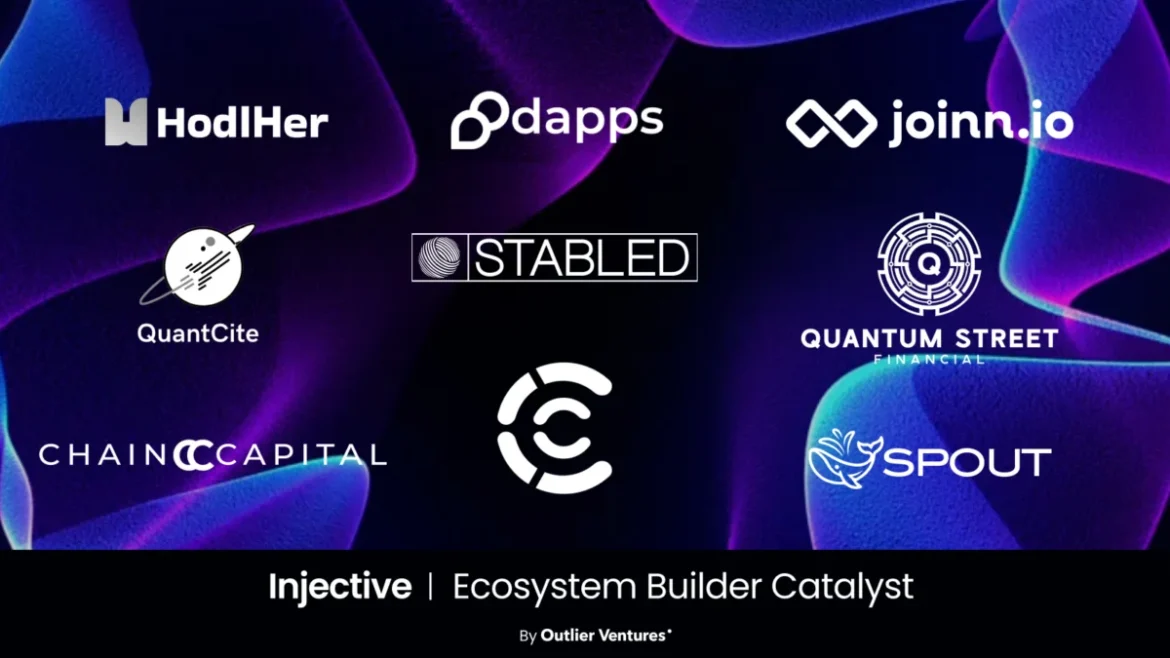
The global decentralized finance landscape is undergoing a profound structural evolution, shifting rapidly from elementary token swaps to a robust, institutional-grade financial ecosystem. Against this backdrop of technological maturation, prominent Web3 accelerator Outlier Ventures and Layer-1 blockchain protocol Injective have officially announced the debut cohort for the Injective Ecosystem Builder Catalyst. This intensive, nine-week virtual accelerator program has been meticulously designed to incubate and scale the next generation of high-growth decentralized finance and core infrastructure projects building natively on the Injective network.

The launch of this cohort arrives at a critical juncture for the broader digital asset economy. Decentralized finance Total Value Locked has hovered near the $140 billion threshold, while the sector encompassing Real-World Assets has experienced exponential scaling, expanding by more than 380% since 2022. By leveraging Injective’s high-performance architecture—which features sub-second block finality, gasless transaction capabilities, and sophisticated MultiVM interoperability—the selected startups are positioned to construct novel financial primitives that bridge the gap between traditional finance and on-chain infrastructure.

Anatomy of the 2026 Cohort: Innovating Across Verticals

The nine startups selected for the inaugural Ecosystem Builder Catalyst cohort represent a diverse cross-section of financial technology, ranging from institutional trading infrastructure and fintech applications to real-world asset tokenization and artificial intelligence-driven Web3 operating systems. Rather than merely porting legacy financial products onto a decentralized ledger, these ventures are engineering new applications that utilize Injective’s native financial modules for heightened capital efficiency.

Leading the institutional segment of the cohort is QuantCite, an advanced Order and Execution Management System alongside a smart-routing platform. QuantCite unifies trade execution across both centralized exchanges and decentralized venues, supplying quantitative funds and professional market participants with high-performance infrastructure and deep liquidity access.

Addressing the emerging markets fintech sector, Joinn provides everyday consumers with pathways to protect and grow their savings through secure, yield-generating tokenized financial assets. Designed to emulate the seamless user experience of Web2 applications, Joinn operates on secure blockchain rails supported by gasless and signless cross-chain transactions. The platform integrates 24/7 account access, a connected Visa debit card experience, and an autonomous AI agent aimed at simplifying wealth compounding for retail users.

In the decentralized exchange domain, Choice has emerged as a specialized aggregation layer optimized explicitly for the Injective network. By deploying a proprietary routing algorithm capable of tapping into fragmented liquidity across diverse venues, Choice ensures optimal swap execution while mitigating price slippage for traders.

9 Startups Selected for the Injective Ecosystem Builder Catalyst: Scaling the DeFi-First Future

Facilitating international commerce, Stabled introduces a cross-border payments platform engineered specifically for corporate entities. The protocol enables instantaneous, compliant stablecoin transactions that bypass traditional correspondent banking networks, effectively minimizing foreign exchange losses and protracted settlement delays.

Bridging traditional capital markets with blockchain technology, Quantum Street leverages financial engineering expertise to bring off-chain assets on-chain. By structuring transactions centered around cash-flowing businesses, the firm generates genuine utility for stablecoins while actively contributing to the expansion of ecosystem Total Value Locked.

Transforming the traditional equities market, Spout introduces a model that facilitates the seamless borrowing and lending of United States public equities. Through tokenized equity assets and a Collateralized Debt Position framework, Spout enables zero-percent Annual Percentage Rate margin loans alongside competitive lending yields hovering near ten percent.

In the realm of decentralized social infrastructure, Dapps.co operates as a Web3-native social network designed to restore economic agency to content creators through tokenized communities and verifiable on-chain economies. The platform incorporates an artificial intelligence provenance layer to counter low-quality generated media, empowering creators to monetize directly via peer-to-peer tipping and paid direct messaging features.

Securing illiquid private assets, Chain Capital transforms traditional private debt into tradable securities. By tokenizing invoices and commercial receivables, the platform automates complex securitization workflows, cutting middle-office administrative costs by up to 75 percent while granting institutional investors compliant access to high-yield investment exposures.

Rounding out the cohort is HodlHer, positioned as the world’s first artificial intelligence-driven Web3 operating system built on Injective. Utilizing specialized intelligent personas, the platform assists users, creators, and decentralized autonomous organizations in executing comprehensive workflows ranging from initial market perception and data reasoning to automated on-chain execution.

Background Context and Strategic Significance

The partnership between Outlier Ventures and Injective addresses a growing demand within the blockchain industry for purpose-built infrastructure capable of handling institutional volumes without sacrificing decentralization. Traditional financial institutions have increasingly sought out environments that mirror the functional parity of legacy order books and collateral management systems while retaining the programmable composability unique to distributed ledgers.

9 Startups Selected for the Injective Ecosystem Builder Catalyst: Scaling the DeFi-First Future

Injective’s technical framework provides founders with a distinct competitive advantage, enabling execution speeds and cross-chain interoperability that were previously unattainable on legacy networks. The nine-week accelerator curriculum is structured to provide these participating teams with rigorous mentorship, strategic legal guidance, and direct access to expansive ecosystem liquidity incentives.

Throughout the accelerator program, founders undergo exhaustive product refinement, focusing heavily on system fit, regulatory compliance, and cross-chain composability. Industry analysts note that as regulatory frameworks for digital assets continue to clarify globally, initiatives like the Ecosystem Builder Catalyst serve as vital incubators for compliant, institutional-grade decentralized applications.

Broader Industry Implications and Future Outlook

The trajectory of decentralized finance is steadily pivoting toward utility-driven asset classes, notably tokenized real-world assets, private credit, and institutional-grade derivatives. The ventures incubated within the Injective Ecosystem Builder Catalyst reflect this broader macroeconomic shift, moving the crypto industry away from speculative token models and toward sustainable, revenue-generating financial infrastructure.

The culmination of the nine-week accelerator program will be showcased at the upcoming Injective Ecosystem Builder Catalyst Demo Day, scheduled for February 25, 2026. This landmark virtual event will grant the cohort direct visibility before a curated audience of leading venture capitalists, angel investors, and institutional stakeholders within the global blockchain ecosystem.

As these startups transition from the incubation phase to full-scale market deployment, their respective technologies are expected to play a foundational role in shaping the operational standards of decentralized finance throughout 2026 and beyond. Stakeholders, developers, and investors interested in witnessing the live presentations can access registration details through the official Luma platform hosting the Q1 2026 Demo Day.

September 9, 2026 0 comment
0 FacebookTwitterPinterestEmail
Cryptography & Privacy

AI Security Paradox: How Automated Vulnerability Discovery Threatens Law Enforcement Intelligence Operations and National Infrastructure

by admin September 9, 2026
written by admin

The rapid proliferation of artificial intelligence models capable of autonomous software vulnerability discovery is fundamentally reshaping the global cybersecurity landscape, presenting an unforeseen paradox for national security agencies. While the integration of generative AI into software development and security pipelines promises an era of unprecedented code hardening and resilience, it simultaneously threatens to render traditional digital surveillance and offensive cyber operations obsolete. This structural shift has reignited intense debate among policymakers, technologists, and law enforcement agencies regarding the future of digital privacy, encryption, and institutional oversight.

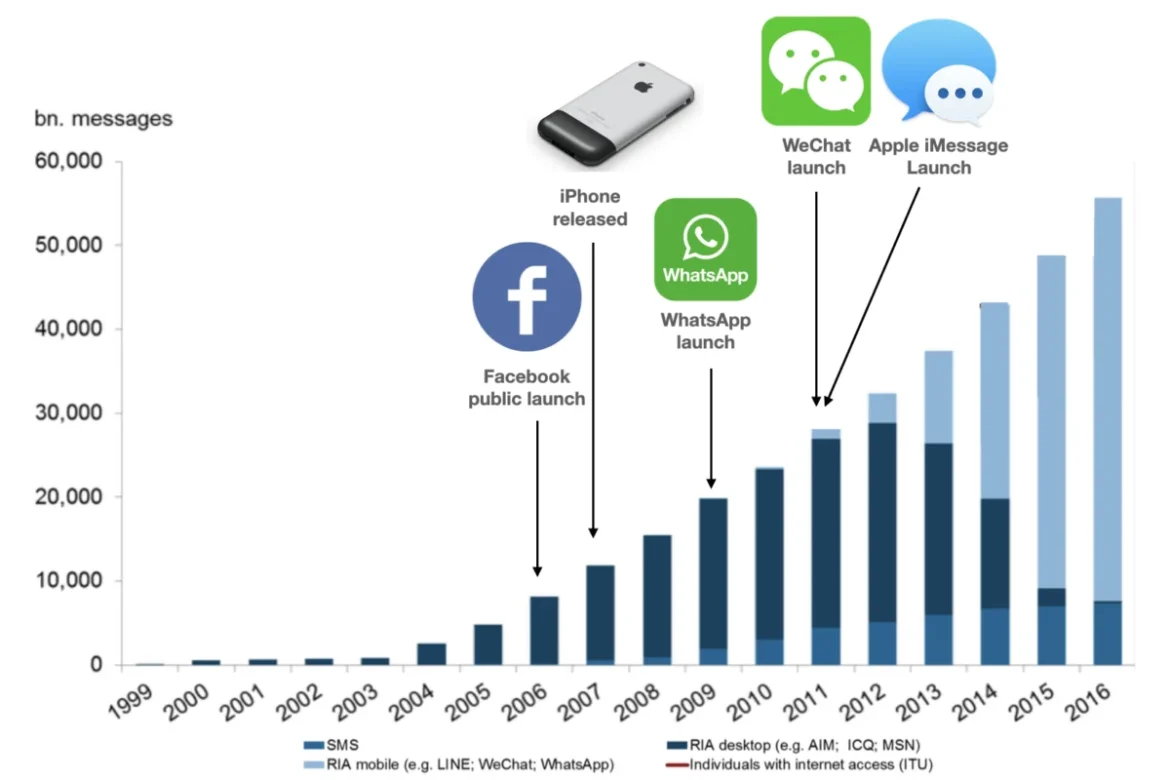
The evolution of digital surveillance over the past two decades provides critical context for the current technological inflection point. In the early 2000s, electronic surveillance largely mirrored conventional wiretapping methodologies, intercepting communications transmitted over predictable, accessible public networks. The commercialization of smartphones in the late 2000s initially expanded law enforcement capabilities by introducing persistent, portable data storage devices. However, this expansion was abruptly checked in 2010 when technology conglomerates began deploying robust data encryption standards.

By 2014, major communication platforms introduced end-to-end encryption by default, restricting access exclusively to communicating endpoints. This technological paradigm shift prompted then-FBI Director James Comey to launch the Going Dark initiative, initiating a public policy debate regarding the balance between public safety and individual privacy. The tension culminated in the high-profile 2016 legal dispute between Apple Inc. and the Federal Bureau of Investigation, in which the government sought a court order compelling the company to unlock an encrypted iPhone. The standoff was ultimately resolved not through legal mandate, but through third-party proprietary exploitation tools, establishing a precedent wherein government agencies increasingly relied on commercial hacking utilities to bypass digital barriers.

Everything is about to “go dark”

Throughout the late 2010s and early 2020s, law enforcement and intelligence organizations maintained their investigative capabilities by acquiring targeted exploit vectors and zero-day vulnerabilities from private contractors. Concurrently, software vendors systematically patched discovered flaws, maintaining a dynamic, highly competitive equilibrium between offensive exploitation and defensive engineering.

This equilibrium was severely disrupted with the emergence of advanced frontier cyber models optimized for code analysis and vulnerability detection. Prominent technology laboratories introduced specialized systems capable of parsing complex codebases at speeds and scales unattainable by human security researchers. Notably, governments initially attempted to restrict the export and distribution of these frontier cyber models, citing national security concerns. However, the subsequent release of open-weight models and competing frameworks by international entities demonstrated that autonomous vulnerability discovery tools cannot be monopolized by a single jurisdiction.

As these AI-driven systems are integrated into continuous integration and continuous deployment (CI/CD) pipelines, development teams are systematically eliminating decades of accumulated software vulnerabilities. While eliminating bugs fortifies commercial software and consumer privacy, it severely contracts the inventory of accessible exploits upon which law enforcement and intelligence agencies depend. Consequently, major software ecosystems are rapidly approaching a state of structural security wherein remotely exploitable vulnerabilities become exceedingly rare.

The impending scarcity of software vulnerabilities threatens to revive intense political pressure for mandated exceptional access, commonly referred to as encryption backdoors. Industry analysts anticipate that as traditional investigative hacking methods diminish in efficacy, government agencies will aggressively lobby for foundational architectural changes in commercial software to facilitate lawful interception. Such demands carry profound geopolitical and security implications. Requiring vendors to integrate intentional access mechanisms into core infrastructure risks introducing systemic vulnerabilities that can be exploited by foreign adversaries, effectively compromising national security under the guise of strengthening domestic law enforcement.

Everything is about to “go dark”

Furthermore, the implementation of localized access mandates could accelerate the fragmentation of the global technology market. International buyers, wary of domestically compromised software architectures, may increasingly transition away from United States-origin technologies in favor of sovereign, independently audited alternatives. This divergence would diminish the global market share of American technology firms while simultaneously degrading the defensive posture of domestic digital infrastructure.

The intersection of advanced artificial intelligence and cybersecurity highlights a complex policy dilemma. As automated systems elevate software security to unprecedented levels, the resulting technological environment will force a fundamental reevaluation of investigative methodologies, cryptographic standards, and the legal frameworks governing digital surveillance in the twenty-first century.

September 9, 2026 0 comment
0 FacebookTwitterPinterestEmail
FinTech Innovations

Finovate Global Spotlight: International Fintech Innovators Descend on New York for FinovateFall 2026

by admin September 9, 2026
written by admin

As the global financial ecosystem continues to evolve toward a more interconnected and digitized landscape, New York City prepares to host the latest iteration of the industry’s most anticipated showcase: FinovateFall 2026. Taking place from September 9 through 11 at the Marriott Marquis in Times Square, the conference serves as a critical nexus for banking executives, venture capitalists, and technology pioneers. While the event draws participants from across the globe, this year’s roster highlights a significant surge in cross-border innovation, with a dozen prominent fintech firms from outside the United States set to demonstrate their solutions on the center stage.

Finovate Global: Meet the International Alums of FinovateFall 2026

The Evolution of the Finovate Global Stage

Since its inception, the Finovate series has acted as a barometer for the health and direction of the financial technology sector. Traditionally, the organization’s European installments have been the primary hubs for international participation. However, the 2026 edition of FinovateFall signals a shift in the geographic distribution of fintech talent. With rapid advancements in cloud computing, open banking, and artificial intelligence, the barrier to entry for international firms looking to scale in the North American market has significantly lowered.

Industry analysts observe that this influx is not merely coincidental but rather a strategic response to the maturing demands of U.S. community banks and credit unions. These institutions, often constrained by legacy infrastructure, are increasingly seeking “plug-and-play” solutions that can be deployed rapidly without the massive overhead associated with internal development. The dozen firms highlighted this year represent a diverse array of sectors, ranging from transactional intelligence and AI-driven compliance to gamified financial education and cross-border payment facilitation.
Finovate Global: Meet the International Alums of FinovateFall 2026

Chronology and Strategic Objectives

The timeline for these organizations has been marked by a transition from niche regional problem-solving to globalized scalability. Many of the companies presenting this week were founded in the post-2020 era, a period defined by the rapid acceleration of digital adoption in the wake of global economic shifts.

For instance, 3 Degrees, a London-based firm founded in 2025, represents the newest wave of infrastructure-focused fintechs. By providing a bridge for community banks to offer international payments, they are addressing a long-standing competitive disadvantage these smaller institutions face against global mega-banks. Similarly, the presence of firms like Prague’s Dateio (presenting their Tapix solution) and the Brussels-based startup Young Early Starters underscores the specialized nature of current innovation. While one focuses on the macro-level necessity of transaction data intelligence, the other targets the demographic frontier of financial inclusion through youth-oriented investment education.

Finovate Global: Meet the International Alums of FinovateFall 2026

Data-Driven Innovation: A Closer Look at the Participants

The following breakdown illustrates the specific market gaps being addressed by the international cohort attending this year’s event:

  • Infrastructure and AI Integration: Companies like Covecta (London) and Palomonte Labs (Miami/Buenos Aires) are shifting the paradigm of back-office operations. Covecta’s development of agentic operating systems reflects a broader trend toward autonomous banking, where AI agents manage the lifecycle of institutional strategy. Meanwhile, Palomonte Labs’ Cube2 API serves as an essential translator, ensuring that legacy financial systems are readable and actionable for modern AI architectures.
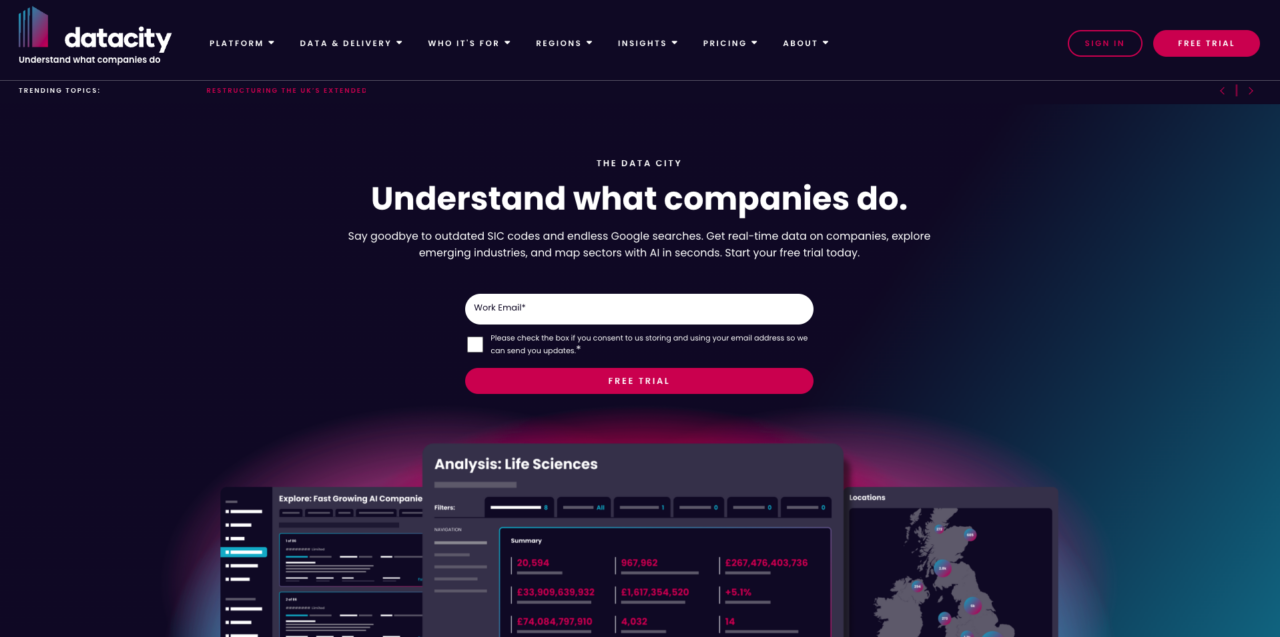
  • Data Intelligence and Compliance: In an era of heightened regulatory scrutiny, Data City (Leeds) and Omnisient (London/Cape Town) are tackling the complexities of KYC/KYB and data privacy. Data City’s “Industry Engine” leverages the open web to provide real-time classification, while Omnisient provides a privacy-preserving layer that allows institutions to collaborate on consumer data without compromising sensitive user information.
  • Customer Engagement and Education: The shift toward "fin-tainment" and behavioral economics is represented by Doshi (London) and LemonadeLXP (Ottawa). By gamifying financial literacy, these platforms are effectively turning passive account holders into active, informed consumers. Nextvestment (Singapore) complements this by offering self-service investment pathways that keep human advisors in the loop, balancing technology with the personal touch of wealth management.
  • Wealth Management and Specialization: Finerative (Madrid) is addressing the institutional appetite for high-security AI integration within wealth management, ensuring that portfolios and market data remain accessible yet fully audited.

Implications for the Financial Services Sector

The participation of these firms at FinovateFall 2026 provides a window into the future of financial services. The overarching theme across these diverse business models is the movement toward "invisible" compliance and "intelligent" engagement.

Finovate Global: Meet the International Alums of FinovateFall 2026

For U.S.-based decision-makers attending the event, the presence of these international players is more than a networking opportunity; it is a chance to evaluate technologies that have been battle-tested in different regulatory environments. For example, the open banking maturity in Europe has forced firms like Tapix and 3 Degrees to build robust, interoperable systems that are now being exported to a U.S. market currently undergoing its own open finance transformation.

Furthermore, the involvement of companies from emerging markets—such as South Africa and Argentina—highlights the global nature of the talent pool. These regions have often been forced to innovate under conditions of high volatility, leading to the creation of exceptionally resilient software solutions that are now proving their worth in more stable, albeit highly regulated, economies.

Finovate Global: Meet the International Alums of FinovateFall 2026

Institutional Response and Market Outlook

While official statements from the organizers emphasize the "hat tip" to international innovation, the underlying reality is one of market integration. Financial institutions are no longer looking for point solutions; they are seeking partners that can provide long-term, scalable architecture.

"The velocity at which these firms have reached the international stage is reflective of the modern startup lifecycle," notes one industry observer familiar with the event planning. "We are moving away from the era of the ‘monolithic’ bank tech stack and toward a modular, API-first ecosystem where a firm from Madrid, a developer from Singapore, and a community bank in rural America can integrate seamlessly."

Finovate Global: Meet the International Alums of FinovateFall 2026

Looking Ahead: The Road to Implementation

As the attendees gather in Times Square, the focus will remain on the efficacy of these solutions in real-world scenarios. The challenge for these twelve firms—and indeed for all fintechs in attendance—will be proving that their innovations can survive the rigors of institutional adoption. This requires more than just a slick demonstration on stage; it demands a clear roadmap for regulatory compliance, data security, and long-term viability.

The event, which runs through September 11, provides the final hurdle for many of these firms: the transition from "innovator" to "partner." With the financial sector facing headwinds related to cybersecurity threats, changing consumer expectations, and the pressure to reduce operational costs, the solutions demonstrated by this year’s international cohort may prove to be the catalysts needed to sustain the industry’s momentum well into the latter half of the decade.

Finovate Global: Meet the International Alums of FinovateFall 2026

For those unable to attend in person, the impact of these international firms will likely be felt in the coming months as partnerships are forged and new integrations are announced. The 2026 edition of FinovateFall is poised to be a landmark event, proving that in the world of financial technology, geography is no longer a barrier to global influence.

September 9, 2026 0 comment
0 FacebookTwitterPinterestEmail
FinTech Innovations

From Clicks to Intent: How Agentic AI Is Triggering a Governance Revolution in Enterprise Software

by admin September 9, 2026
written by admin

The modern enterprise software stack is undergoing a profound paradigm shift, moving away from user-operated workflows toward autonomous, intent-driven execution. For more than two decades, the consumerization of enterprise software followed a predictable, linear trajectory. Technology giants like Amazon conditioned corporate workers to expect searchable product catalogs. The proliferation of smartphones made mobile accessibility a mandatory baseline for enterprise applications. Consumer financial technology subsequently elevated expectations around frictionless onboarding, real-time data visibility, and sleek user interfaces. Software companies diligently stripped away unnecessary clicks, complex training manuals, and convoluted processes from enterprise workflows, operating under the persistent assumption that a human operator would ultimately remain at the center of the task.

Today, that foundational assumption is crumbling. The emergence of artificial intelligence—specifically agentic AI—has fundamentally altered the equation. While traditional workflows have not disappeared entirely, the employee’s direct obligation to manually operate them is rapidly evaporating. Consequently, the core unit of convenience in business-to-business (B2B) environments is shifting away from clicks, labor hours, and navigation efficiency toward holistic outcomes and autonomous growth. Instead of an employee opening complex procurement software, searching through approved supplier databases, verifying department budgets, drafting a formal requisition, and routing it through multiple tiers of management for approval, the operational paradigm is pivoting toward natural language delegation. An employee might soon simply instruct an AI agent to "equip the five new hires starting Monday, ensure all purchases stay within our designated departmental budget, and strictly follow company procurement policy."

The software stack itself is becoming entirely responsible for translating high-level human intent into flawless technical execution. This transition is vividly illustrated by consumer-facing developments, such as Meta’s Muse agent. Released on September 8, Muse was designed to target mass-market automation by moving beyond simple question-answering capabilities to perform complex, multi-app tasks. However, early field tests conducted by industry analysts revealed that Meta’s agent still struggled with foundational consumer-facing execution—failing across three distinct test tasks without external intervention. These growing pains in the consumer space underscore a vital reality: while consumer agents grapple with unpredictable environments, enterprise environments possess a structured advantage that could accelerate agentic adoption far more rapidly.

The B2B Advantage: Rules, Governance, and Structured Infrastructure

Paradoxically, the bureaucratic rules, compliance checklists, and rigid approval hierarchies that employees frequently loathe in corporate environments are precisely what will enable agentic AI to thrive. B2B firms are already global experts at encoding authority, authorization thresholds, and conditional approval step-ups across complex operational workflows and payment systems. Enterprise Resource Planning (ERP) systems already house deep institutional knowledge regarding budgets and cost centers. Procurement platforms maintain comprehensive registries of vetted, approved vendors. Identity and access management systems define precise corporate roles, corporate credit cards enforce granular spending limits, and financial institutions manage strict payment permissions. Furthermore, expense management platforms codify corporate travel and spending policies, while legal contracts establish immutable commercial boundaries.

To human workers navigating daily corporate life, these interconnected systems frequently manifest as frustrating bureaucracy. To advanced AI agents, however, these exact same systems serve as clear, enforceable programmatic instructions.

This structural evolution represents much more than a routine technology refresh; it marks a fundamental governance revolution. Kathryn McCall, chief legal and compliance officer at Trustly, emphasized the gravity of this shift in mid-2025 discussions surrounding enterprise automation. Addressing the regulatory and financial risks of deploying autonomous systems, McCall highlighted the stakes by bluntly noting that organizations are "messing with people’s money here."

According to compliance and legal experts, organizations can no longer afford to treat AI tools as passive software utilities. Instead, they must be provisioned and monitored as non-human actors embedded directly within the enterprise ecosystem. This requires robust audit trails, human-readable reasoning logs, and forensic replay capabilities to trace every automated decision. Critical operational questions are already taking center stage in corporate boardrooms: Can an autonomous agent initiate an invoice creation workflow, but remain strictly barred from approving financial disbursements without mandatory human review? What are the exact operational boundaries of the agent, and how are its permissions enforced across legacy and modern systems?

The Procurement Proving Ground

Procurement is rapidly emerging as the ultimate proving ground for agentic B2B applications. This particular domain is exceptionally well-positioned for early automation because its core workflows seamlessly combine capabilities where AI excels—such as searching, data scraping, cross-referencing, comparing, and coordinating disparate information—with organizational frameworks that enterprises already deeply understand, namely tightly defined spending authority and hierarchical approval structures.

The strategic imperative for adopting these technologies is underscored by empirical research. A collaborative report published in March 2025 by PYMNTS Intelligence and Coupa, titled "The Investment Impact of GenAI Operating Standards on Enterprise Adoption," revealed that an overwhelming 73% of companies were actively considering or planning the integration of artificial intelligence into their procurement operations.

As enterprises race to deploy these capabilities, market dynamics are shifting. The winning enterprise software platforms of the agentic era may not necessarily boast the most aesthetically pleasing or engaging user interfaces. Instead, market dominance will likely be secured by platforms featuring the richest machine-readable context, the strongest permission architectures, the cleanest application programming interfaces (APIs), and the superior ability to allow agents to safely execute cross-organizational actions without compromising security or compliance.

Garrett Baird, vice president of product, banking and FinTech at Paymentus, highlighted this architectural reality, noting that successful modernization does not require a reckless abandonment of legacy infrastructure. Rather, it demands building an intelligent modernization layer around existing enterprise architecture.

Navigating CFO Caution and the Economic Realities of 2026

Despite the undeniable efficiency gains promised by agentic automation, securing capital expenditure approval from chief financial officers remains a formidable hurdle. The economic climate of 2026 is characterized by corporate vigilance, as captured in "The Cost of Caution: Why CFOs Put Growth Plans on Hold," a flagship report from the PYMNTS Intelligence 2026 Certainty Project series published in September.

The research revealed a stark dichotomy in middle-market corporate strategy: while executives recognize the transformative potential of automation, middle-market CFOs have established exceptionally high thresholds for capital allocation. More than half of surveyed financial leaders indicated that they require a very high degree of operational certainty before committing capital to strategic expansion initiatives. Compounding this hesitation, 91% of respondents noted that even a minor or moderate decline in economic certainty could quickly push their respective organizations back into a defensive, risk-averse operational posture.

Consequently, enterprise software providers targeting the agentic B2B market must prove more than just technological prowess; they must deliver irrefutable return-on-investment metrics, airtight risk mitigation frameworks, and seamless integration capabilities that satisfy cautious financial executives. As 2026 progresses, the successful integration of agentic AI will separate forward-thinking enterprises from those paralyzed by institutional caution, fundamentally redefining how business is transacted on a global scale.

September 9, 2026 0 comment
0 FacebookTwitterPinterestEmail
Tech & Startup News

Apple CEO John Ternus Doubles Down on the iPhone as the Ultimate AI Hub in Historic First Keynote

by admin September 9, 2026
written by admin

Apple stands at a defining crossroads in its corporate history. As the technology sector races headlong into the era of artificial intelligence, industry pundits, Wall Street analysts, and competitors have increasingly questioned the longevity of the smartphone. Critics argue that the form factor has matured to its absolute limits and that the next paradigm shift will inevitably be driven by ambient computing, augmented reality glasses, or autonomous wearable devices. However, during his landmark first keynote address as Chief Executive Officer, John Ternus delivered a definitive rebuttal to these prognostications. By firmly anchoring Apple’s product roadmap to its most iconic hardware, Ternus signaled that the iPhone is not fading into obsolescence; rather, it is evolving to become the undisputed center of the artificial intelligence ecosystem.

The centerpiece of Ternus’s address was a bold, declarative thesis that redefines how consumers and developers should view mobile technology in the coming decade. “There’s no product in the world better designed to be your intelligent personal hub than iPhone,” Ternus told the assembled audience, positioning the device as the primary physical vessel for Apple’s sophisticated on-device intelligence architecture. This strategic pivot represents a notable philosophical departure from the tenure of his predecessor, Tim Cook. Throughout his leadership, Cook frequently sought to diversify Apple’s revenue streams and convince skeptical markets that the company was progressively transforming into a services and ecosystem giant, intentionally trying to loosen Wall Street’s psychological reliance on hardware upgrade cycles. Ternus, by contrast, is leaning directly back into the core hardware strength that built modern Apple, arguing that the integration of localized AI computing makes the smartphone more vital today than at any point in its nearly twenty-year history.

Echoes of 2001: The Mac, the Digital Hub, and the Ghost of Steve Jobs

To fully contextualize the strategic weight of Ternus’s remarks, industry historians must look back more than two decades to a remarkably similar moment under Apple’s co-founder, Steve Jobs. In July 2001, at a Macworld conference in New York City, Apple faced an existential narrative from technology commentators who believed the personal computer was a dying medium. At the time, the market was rapidly proliferating with standalone digital gadgets—camcorders, MP3 players, early digital cameras, and DVD players—prompting many analysts to declare that the desktop computer was being squeezed out of relevance.

During that keynote, Jobs famously flashed an image of a tombstone bearing the words “Beloved PC” behind him on the stage. He explicitly called out skeptical industry voices, including influential journalist Walt Mossberg and executives from legacy computer manufacturers like Compaq and Gateway. Jobs countered that the PC was not dying, but rather entering its “third great age.” His vision was to transform the personal computer into a “digital hub” that would connect, manage, and add indispensable value to the constellation of peripheral digital devices surrounding it.

Less than ten months after outlining this digital hub strategy, Jobs pulled the first iPod out of his pocket. The pocket-sized music player was ostensibly designed to answer the lingering question of why consumers still needed a home computer, yet it paradoxically required a Mac to function at its peak. The iPod became an unprecedented financial triumph, laying the vital groundwork for the software architecture, supply chain mastery, and consumer trust that ultimately culminated in the launch of the iPhone in 2007.

Today, as the iPhone approaches its twentieth anniversary, CEO John Ternus is executing a parallel strategic playbook. While management has not explicitly confirmed whether Ternus is quietly incubating a revolutionary wearable hardware accessory akin to the 2001 iPod launch, his messaging is unmistakable. He is actively neutralizing the narrative that the smartphone is a legacy technology past its prime, framing the iPhone not as a standalone gadget nearing a dead end, but as the foundational anchor for the next generation of ambient and contextual computing.

Hardware Supremacy in the Compute-Hungry AI Era

The rationale behind Ternus’s hardware-centric strategy is deeply rooted in the physical and computational realities of modern artificial intelligence. Deploying advanced large language models, generative image tools, and real-time contextual awareness engines requires immense processing power, specialized neural circuitry, reliable thermal management, and persistent high-speed connectivity.

When evaluating the technological landscape, Ternus posed a fundamental architectural question to the audience: “If you were designing the ideal version of this hub from scratch, how would you do it?” The answer, he implied, already exists in billions of pockets worldwide. Modern flagship smartphones are marvels of integrated engineering, housing ultra-fast system-on-chips—such as Apple’s cutting-edge A-series processors—alongside high-resolution multi-lens camera arrays, advanced biometric sensors, secure enclave chips, and ubiquitous 5G networking capabilities.

Furthermore, the iPhone possesses an unmatched psychological and behavioral advantage over emerging product categories. While various technology startups and established consumer electronics giants have invested heavily in standalone AI pins, smart pendants, and intelligent glasses over recent years, none have managed to capture mainstream consumer adoption. These alternative devices frequently suffer from battery life limitations, thermal constraints, lack of versatile displays, and the sheer friction of introducing an entirely new daily habit to users.

The smartphone, conversely, enjoys absolute integration into daily human behavior. While consumers frequently leave their laptops at the office, forget their tablet devices on coffee tables, or decline to wear auxiliary accessories, the mobile phone remains an extension of the individual. Market research consistently demonstrates that for a significant percentage of the global population, the smartphone is the primary and often sole computing device they rely upon. By marrying this ubiquitous portability with on-device artificial intelligence, Apple is capitalizing on an installed hardware base that no competitor can easily replicate.

Implications for the Competitive Landscape and Software Ecosystem

The implications of Ternus’s keynote extend far beyond Apple Park, signaling a major shift in how the broader technology sector views the intersection of mobile hardware and software intelligence. For years, the narrative in Silicon Valley has dictated that hardware innovation had plateaued, shifting the primary battleground entirely to cloud-based software services. Companies rushed to build cloud architectures, betting that thin clients and lightweight wearables would offload heavy computation to remote server farms.

Apple’s renewed commitment to the iPhone as the definitive AI hub challenges this cloud-only orthodoxy. By emphasizing on-device processing capabilities, advanced Neural Engines, and tightly integrated local machine learning models, Apple is prioritizing user privacy, reduced latency, and offline functionality. This strategy suggests that the winning AI devices of the future will not be stripped-down, cloud-dependent accessories, but rather deeply powerful, general-purpose computers that fit comfortably in the palm of a hand.

For software developers, application creators, and enterprise partners, Ternus’s vision clarifies Apple’s long-term platform expectations. Rather than fracturing development efforts across speculative new form factors, third-party creators can continue to build and optimize for the robust, standardized ecosystem of iOS. The integration of advanced artificial intelligence directly into the operating system core empowers developers to leverage deep system hooks, camera pipelines, and localized machine learning frameworks that run natively with maximum efficiency.

Market Analysis: Wall Street and Consumer Response

Initial market reactions to Ternus’s first keynote as CEO suggest a stabilizing confidence among investors. While Wall Street spent much of Tim Cook’s later years obsessing over unit sales metrics and services revenue growth as indicators of post-smartphone transition, Ternus’s confident embrace of the iPhone reframes the device not as a mature product facing inevitable decline, but as a compounding platform entering a lucrative upgrade super-cycle driven by generative intelligence features.

Financial analysts note that the average replacement cycle for smartphones has lengthened in recent years due to incremental hardware improvements. However, the introduction of demanding, hardware-intensive artificial intelligence features fundamentally alters this calculus. Consumers who might have otherwise held onto older device models for four or five years are now encountering software capabilities that explicitly require the advanced neural silicon found in the latest generations of hardware. Consequently, Ternus’s strategy could successfully catalyze a massive wave of hardware replacements, securing Apple’s hardware revenues while simultaneously driving adoption of its high-margin digital services ecosystem.

Looking Ahead: The Next Era of Apple Innovation

As John Ternus concludes his inaugural keynote presentation and settles into his role as Chief Executive Officer, he has successfully set the tone for Apple’s immediate and medium-term trajectory. By drawing a direct parallel to Steve Jobs’s famous 2001 digital hub address, Ternus has positioned himself not as a cautious caretaker of a legacy portfolio, but as a strategic architect willing to defend and reinvent the company’s foundational pillars.

The smartphone industry will undoubtedly continue to evolve, and speculative new hardware categories will continue to emerge on the horizon. Yet, by securing the iPhone at the dead center of the artificial intelligence revolution, Apple has asserted that the future of personal computing will not require abandoning the devices we know best. Instead, through visionary engineering and relentless software optimization, the most successful computer of the twenty-first century is poised to become even more indispensable, proving that the best AI device is the one you already have in your hand.

September 9, 2026 0 comment
0 FacebookTwitterPinterestEmail
Tech & Startup News

BlueMoon Exploit Kit Signals Escalating Threat Landscape as Multiple State-Aligned Groups Leverage Chromium Vulnerabilities

by admin September 9, 2026
written by admin

A sophisticated and highly potent exploit kit, dubbed BlueMoon by cybersecurity researchers, has emerged as a significant threat to global digital infrastructure, revealing a disturbing trend in how state-aligned threat actors coordinate their offensive capabilities. This exploit chain, which targets critical vulnerabilities within Chromium-based browsers and legacy Windows operating systems, is currently being deployed by at least four distinct hacking groups, some of which maintain documented ties to the Chinese government. The discovery, detailed by researchers at Proofpoint, underscores a rapid evolution in the weaponization of software vulnerabilities, where the barrier to entry for high-level cyber-espionage is being drastically lowered by the integration of artificial intelligence and a more collaborative approach among malicious actors.

The BlueMoon kit functions by chaining three distinct vulnerabilities together, creating a comprehensive pathway for attackers to bypass standard security protocols and achieve arbitrary code execution. Once inside, these attackers can deploy virtually any form of malware, ranging from credential-stealing spyware to persistent backdoors designed for long-term data exfiltration. The vulnerabilities exploited include two flaws within the Chromium engine—the foundation for popular browsers like Google Chrome, Microsoft Edge, and Brave—and one critical kernel-level vulnerability affecting Windows 10 (October 2018 Update), Windows Server 2019, Windows 10 version 2004, Windows Server 2022, and the initial release of Windows 11. While all three vulnerabilities have been addressed by emergency patches within the last 24 hours, the ease with which this kit was developed and distributed highlights an urgent systemic vulnerability in modern software supply chains.

A New Era of Rapid Exploitation

Historically, fully weaponized exploit chains targeting browsers were considered the "crown jewels" of a cyber-espionage toolkit. They were rare, expensive to develop, and guarded with extreme secrecy by nation-state actors to ensure they remained viable for as long as possible. The emergence of BlueMoon represents a radical departure from this traditional methodology. Rather than keeping the capability hidden, multiple threat actors have rapidly adopted and shared the kit, prioritizing immediate impact over long-term stealth.

This shift in strategy is largely attributed to what cybersecurity experts call the "patch gap." In the Chromium ecosystem, there is an inherent delay between the moment a security patch is developed by upstream developers and the moment that patch is integrated into the stable releases used by the general public. During this interim period, the source code changes—which effectively document the vulnerability and its fix—are publicly accessible. Sophisticated actors are now utilizing AI agents to reverse-engineer these patches at record speeds, allowing them to weaponize a vulnerability before the average user even receives a browser update notification.

The Mechanics of the BlueMoon Chain

The BlueMoon chain is architected for maximum efficiency. By leveraging the Chromium engine as an initial entry point, the attackers bypass the sandbox protections intended to contain malicious activity within the browser environment. Once the browser’s security has been compromised, the exploit pivots to the Windows kernel, which serves as the core of the operating system. By achieving kernel-level access, the BlueMoon kit essentially gains "god-mode" control over the host machine, enabling it to disable endpoint detection and response (EDR) software, escalate privileges, and maintain persistence even after system reboots.

The technical specifications of the affected systems—spanning multiple versions of Windows—demonstrate that the attackers were not focusing on a single, isolated target. Instead, they were casting a wide net, likely seeking to compromise a diverse range of corporate, governmental, and private entities simultaneously. The rapid dissemination of the kit across multiple groups suggests a level of inter-group cooperation that was previously unseen in similar campaigns.

Timeline of Discovery and Deployment

The timeline of BlueMoon’s emergence illustrates the dangerous velocity of modern cyber warfare. Researchers first identified the anomalous activity in early [Month], noting a sudden surge in exploit traffic that did not align with the standard patterns of isolated, targeted attacks.

  • Initial Detection: Security researchers observed a spike in unusual browser-based telemetry across several high-value networks.
  • Analysis Phase: Proofpoint analysts spent several weeks reverse-engineering the payloads and identified the three-part chain linking Chromium and Windows kernel vulnerabilities.
  • Correlation: By mid-month, researchers determined that the same code was being utilized by at least four different threat clusters.
  • Public Disclosure: Following the coordination of emergency patches by Microsoft and the Chromium project maintainers, Proofpoint released their findings to warn the public of the active exploitation window.
  • Patch Deployment: Within 24 hours of the disclosure, major browser vendors and Microsoft released mandatory updates to remediate the vulnerabilities, effectively closing the primary door used by BlueMoon.

Data-Driven Analysis of the Threat Landscape

The emergence of BlueMoon highlights several alarming statistics regarding the current threat landscape. Data from recent threat intelligence reports suggests that the time between the disclosure of a vulnerability and the development of a functional exploit has decreased by approximately 40% over the last three years. This trend is exacerbated by the accessibility of AI-assisted code generation tools, which can help threat actors identify secondary vulnerabilities in open-source codebases more quickly than ever before.

Furthermore, the "cost per exploit" is dropping. In previous years, developing a reliable browser exploit chain could cost a threat actor hundreds of thousands of dollars in research and development. With the collaborative sharing model seen with BlueMoon, the cost is effectively socialized among multiple actors. If four groups are splitting the development burden, the financial barrier to entry for even mid-tier state-sponsored groups becomes negligible, leading to a proliferation of high-end capabilities across the geopolitical spectrum.

Official Responses and Industry Vigilance

The response from technology vendors has been swift, yet the incident has prompted a broader conversation regarding the safety of open-source supply chains. Microsoft, in a statement regarding the kernel vulnerability, emphasized the necessity of maintaining updated systems and noted that "security is a shared responsibility between developers and end-users."

Google, which oversees the Chromium project, has faced increasing pressure to shorten the time between the submission of a security patch and its deployment to stable channels. Industry analysts suggest that the "patch gap" is now a structural weakness that will require a fundamental rethink of how open-source software is patched and distributed. Some experts are advocating for "silent patches" or accelerated rollout schedules for critical security updates to minimize the window of opportunity for attackers.

Broader Implications and Future Outlook

The implications of BlueMoon extend far beyond the immediate damage caused by the malware. It signals a shift in the philosophy of cyber warfare: the move from "surgical, long-term persistence" to "rapid, high-volume compromise." This shift makes every user of a browser a potential target, not just high-value government officials or corporate executives.

Moreover, the apparent cooperation between four distinct hacking groups suggests that nation-states are increasingly outsourcing or sharing their offensive assets. This creates a "force multiplier" effect where a single, effective exploit kit can be leveraged across dozens of concurrent operations, complicating the efforts of defensive teams to attribute attacks or block malicious traffic.

For the cybersecurity industry, BlueMoon serves as a wake-up call. The reliance on AI to bridge the gap between vulnerability discovery and exploitation is no longer a theoretical risk—it is a reality. Defenders must now pivot toward proactive, behavioral-based detection systems that do not rely solely on identifying known malware signatures, as these signatures are increasingly irrelevant when attackers can generate unique, polymorphic payloads in real-time.

As we look toward the future, the security of the software supply chain will remain the primary battleground. The BlueMoon incident demonstrates that even if a vendor produces a perfect patch, the delay in the ecosystem’s ability to implement it can be fatal to the security of the end user. To counter this, organizations must accelerate their patch management cycles and consider adopting "zero-trust" architectures that assume the browser and operating system can be compromised at any moment. The days of relying on perimeter security are long gone; in the era of BlueMoon, resilience and rapid response are the only remaining shields against an increasingly agile and coordinated adversary.

September 9, 2026 0 comment
0 FacebookTwitterPinterestEmail
Artificial Intelligence & Tech

Building a Senior AI Data Analyst: Moving Beyond One-Shot Prompts to Reliable Decision-Making

by admin September 9, 2026
written by admin

Modern businesses increasingly rely on Large Language Models (LLMs) to bridge the gap between raw data and executive decision-making. However, the current standard of interaction—asking a chatbot a question and receiving an immediate, confident response—is fundamentally flawed for high-stakes environments. When a chatbot is tasked with identifying the most effective promotional strategy, it often prioritizes the highest numerical result, ignoring the statistical significance behind that figure. A promotion supported by only ten sales might appear superior to one with a thousand, yet a human analyst would recognize that a limited sample size makes the former unreliable. By building a disciplined, multi-stage Python toolkit, developers can force AI to adopt the cautious, verification-heavy workflow of a senior analyst.

Build an AI Data Analyst That Thinks Like a Senior Analyst

The Problem with Single-Prompt Analysis

The industry’s reliance on "one-shot" prompting leads to significant risks. In data science, an answer is only as good as the context and verification behind it. A typical chatbot lacks the inherent skepticism required to evaluate the strength of a dataset. It treats a single outlier with the same authority as a massive, representative sample. To mitigate this, practitioners are moving toward "agentic workflows" where the AI is forced to pause, restate the business question, form a hypothesis, write code, validate the findings, and only then issue a recommendation.

Case Study: Evaluating Promotional Performance

To demonstrate the necessity of this multi-stage approach, consider a dataset comprising 29 rows of order-level information, including product identifiers, promotion types, costs, and units sold. While the dataset is small, it serves as a perfect microcosm for the pitfalls of automated analysis. If one were to perform a simple SQL group-by operation to determine the average units sold per order, "Promotion 4" would appear to be the clear winner with an average of 8.0 units. However, this figure is derived from a single order. In a real-world scenario, recommending a business strategy based on one data point would be considered gross negligence.

Build an AI Data Analyst That Thinks Like a Senior Analyst

The Six-Stage Analytical Framework

The proposed solution involves a Python-based toolkit that executes a six-stage pipeline. This framework ensures that no conclusion is reached without first passing through rigorous checks.

  1. Business Understanding: The AI must first restate the stakeholder’s request to ensure alignment. It identifies the "grain" of the data—understanding that one row represents a single order—and lists potential limitations, such as date coverage gaps or missing dimensions.
  2. Hypothesis Generation: Instead of blindly querying for averages, the system proposes testable hypotheses. This forces the model to articulate the logic behind its proposed investigation.
  3. SQL Planning: The model generates the specific SQL queries needed to test the hypothesis. By including COUNT(*) in every query, the system ensures that the volume of data behind every metric is explicitly captured and available for later validation.
  4. Validation: This is the critical juncture where the system shifts from LLM-driven generation to deterministic code. A Python function checks the n_orders count against a predefined minimum threshold (e.g., three orders). If the sample size is too low, the result is flagged, and the system is instructed to disregard it for the final summary.
  5. Executive Summary: The AI synthesizes the validated findings. Crucially, the prompt instructions explicitly forbid the model from using any "low-confidence" data as a headline claim, ensuring that executives are not misled by statistically insignificant results.
  6. Recommendations: The final stage proposes business actions. These recommendations must be strictly derived from the validated evidence, ensuring that the AI provides actionable advice grounded in reality rather than hallucinatory patterns.

Technical Implementation and Interoperability

The architecture of this toolkit is designed for modularity. By utilizing a wrapper class, the pipeline remains agnostic to the underlying LLM provider, whether it be Anthropic’s Claude or OpenAI’s GPT-4. The system’s internal parse_json utility is a robust addition, designed to strip away markdown formatting and prose, ensuring that the model’s output is consistently transformed into machine-readable JSON.

Build an AI Data Analyst That Thinks Like a Senior Analyst

By registering the data with DuckDB, the system performs high-speed, local SQL execution without the overhead of maintaining a traditional database server. This approach is highly efficient for data science workflows where the primary bottleneck is often the "analysis paralysis" of cleaning and querying datasets, rather than the raw compute power required to process them.

Chronology of the Analytical Pipeline

The transition from a raw data file to a strategic recommendation follows a structured, time-tested progression. Initially, the system performs a schema inspection, identifying data types and missing values. Following this, the "Deterministic Sanity Check" uses SQL to surface potential outliers. Only after these baseline checks are complete does the LLM interface with the data. This chronological order is vital; it ensures that the AI acts as a processor of verified facts rather than a generator of potentially skewed summaries.

Build an AI Data Analyst That Thinks Like a Senior Analyst

Implications for Data Science and Management

The broader implication of this framework is the potential to democratize high-level analytical work. By encoding the "discipline" of a senior analyst into a software pipeline, junior data scientists can ensure their work meets high standards, and non-technical stakeholders can receive more reliable insights.

From an organizational standpoint, this shift reduces the "black box" risk associated with generative AI. When a report is generated, the business user can see the intermediate steps: the hypothesis, the SQL query, the validation check, and the summary. This transparency fosters trust. If an executive questions a result, they can look back through the pipeline to see exactly how that conclusion was reached and whether it was supported by a sufficient number of orders.

Build an AI Data Analyst That Thinks Like a Senior Analyst

Official Perspectives and Best Practices

Industry experts often argue that the "intelligence" of an AI system is secondary to the quality of the workflow surrounding it. By treating the LLM as a "reasoning engine" rather than a "database query tool," companies can prevent the common pitfalls of AI-driven analytics. The requirement to set a MIN_SUPPORT threshold—the minimum number of orders required to trust a result—is a best practice that prevents the AI from over-indexing on noise.

Furthermore, the design of the prompt-based instructions is paramount. In the provided framework, the model is explicitly told to "explicitly avoid using low-confidence rows as the headline." This negative constraint is a powerful tool in prompt engineering, as it guides the model’s focus toward statistically sound conclusions while ignoring the "siren song" of high-variance, low-volume data.

Build an AI Data Analyst That Thinks Like a Senior Analyst

Future Directions

As organizations continue to integrate LLMs into their business intelligence suites, the trend will likely move toward more automated, multi-agent systems. While this six-stage toolkit is a robust starting point, future iterations might include automated error correction, where the model reviews its own SQL errors or data interpretation mistakes in a recursive loop.

However, the core takeaway remains the same: the most significant improvements in AI performance will not necessarily come from larger models, but from more rigorous, step-by-step frameworks that demand verification at every turn. By institutionalizing skepticism within the code, developers can create tools that do not just provide answers, but provide the right answers—consistently, reliably, and with the necessary context for effective leadership to act upon them.

September 9, 2026 0 comment
0 FacebookTwitterPinterestEmail
Newer Posts
Older Posts

Recent Posts

  • Web3 Venture Capital Surges to $7.2 Billion in September 2025 as Late-Stage Deals and Token Megarounds Dominate the Landscape
  • The Evolution of the Web3 Wallet: From Private-Key Vault to the Command Center of the Agentic Web
  • Ethereum Foundation Announces Annual Protocol AMA Session Scheduled for September 16
  • Kraken Expands Its Digital Asset Offerings with the Official Listing of Doppler Finance (Xdp)
  • CSD BR and Ripple Collaborate to Integrate XRP Ledger into Brazilian Financial Market Infrastructure

Recent Comments

No comments to show.
  • Facebook
  • Twitter

@2021 - All Right Reserved. Designed and Developed by PenciDesign


Back To Top
Dr Crypton
  • Home
  • About Us
  • Contact Us
  • Cookies Policy
  • Disclaimer
  • DMCA
  • Privacy Policy
  • Terms and Conditions

We are using cookies to give you the best experience on our website.

You can find out more about which cookies we are using or switch them off in .

Dr Crypton
Powered by  GDPR Cookie Compliance
Privacy Overview

This website uses cookies so that we can provide you with the best user experience possible. Cookie information is stored in your browser and performs functions such as recognising you when you return to our website and helping our team to understand which sections of the website you find most interesting and useful.

Strictly Necessary Cookies

Strictly Necessary Cookie should be enabled at all times so that we can save your preferences for cookie settings.