• Home
  • About Us
  • Contact Us
  • Cookies Policy
  • Disclaimer
  • DMCA
  • Privacy Policy
  • Terms and Conditions
Dr Crypton
Secure Your Future in Crypto
Artificial Intelligence & Tech

The Evolution of AI Engineering and Data Science Paradigms in 2026

by admin July 18, 2026
written by admin

The mid-summer period of 2026 has marked a significant turning point in the field of artificial intelligence and data science, characterized by a transition from experimental prototyping to rigorous, production-grade engineering. As the industry matures, the focus has shifted from the mere capabilities of large language models (LLMs) to the architectural frameworks, cost-optimization strategies, and development workflows that allow these systems to function reliably at scale. This shift is evidenced by a series of technical advancements and educational initiatives released between July 13 and July 17, 2026, which prioritize extensibility, deterministic output, and efficient resource management.

The Architecture of Scalability: Moving Beyond If-Else Chains

A central theme in contemporary Python development is the movement toward more robust design patterns. Software engineer Kanwal Mehreen highlighted a critical bottleneck in modern AI pipelines: the over-reliance on long conditional "if-else" chains. In the context of 2026’s complex AI systems, these chains frequently violate the Open/Closed Principle— a cornerstone of SOLID design which dictates that software entities should be open for extension but closed for modification.

To combat the brittleness inherent in hardcoded dispatch logic, the industry is increasingly adopting the Registry Pattern. This architectural approach replaces static conditional logic with a central lookup table. By allowing components to register themselves dynamically, developers can create pipelines where system behavior is driven by configuration rather than code changes. This pattern is particularly vital in 2026, as AI systems often require the hot-swapping of models, prompt templates, and data processors without necessitating a full redeployment of the application core.

Production Efficiency: Managing Latency and Inference Costs

As enterprise adoption of AI reaches new heights, the financial and operational realities of running LLMs have come to the forefront. On July 14, 2026, reports emphasized that reducing latency and inference costs is no longer optional for production-grade applications. The current strategy involves a multi-faceted approach to workflow optimization.

Key techniques currently being implemented by top-tier engineering teams include model routing—where simpler tasks are directed to smaller, cheaper models—and the implementation of multi-layered caching strategies. Unlike early caching methods that relied on exact string matches, 2026-era caching utilizes semantic similarity to retrieve previously generated responses for similar queries, significantly reducing token consumption. Furthermore, managing "context budgets" has emerged as a superior alternative to simply increasing context windows. By aggressively pruning irrelevant information and maintaining a lean context, developers are achieving faster inference speeds while simultaneously lowering the cost per request.

The Agentic Revolution: Local Orchestration and Parallel Development

The third week of July 2026 saw a surge in resources dedicated to "Agentic AI," a paradigm where AI entities act as autonomous agents capable of executing complex multi-step tasks. Shittu Olumide and other industry experts have identified a critical need for local orchestration frameworks. Seven specific Python frameworks have risen to prominence, allowing developers to run and coordinate these agents on local infrastructure. This trend is driven by a dual need for data privacy and a desire to avoid the escalating costs associated with cloud-based agentic platforms.

To support the development of these agents, the use of Git worktrees has become an essential practice. As AI agents are increasingly tasked with writing and refactoring code, the risk of file collisions and context loss in a traditional single-branch workflow has become untenable. Git worktrees provide the necessary infrastructure for multiple AI agents to operate simultaneously on a single repository by creating isolated workspaces. This enables parallel development cycles where an agent can test a new feature in one worktree while a human developer or another agent performs bug fixes in another, all without interfering with the primary development branch.

Determinism in a Probabilistic World: Structured Generation

One of the most persistent challenges in LLM integration has been the inherent randomness of model outputs. The release of the "Outlines" library has addressed this by introducing deterministic certainty into generation. By utilizing a technique known as token masking, the library prevents the model from generating syntactically illegal tokens during inference.

In practice, this means that if an application requires a JSON response, the library enforces that structure at the level of the model’s probability distribution. This prevents the "hallucination" of malformed data structures, which was a frequent cause of system crashes in earlier AI iterations. This move toward strictly structured outputs is seen as a prerequisite for the deep integration of AI into enterprise software ecosystems, where data integrity is paramount.

Context-Driven Development and the Minimalist Approach

The concept of Context-Driven Development (CDD) has gained traction with the introduction of tools like Conductor for Gemini CLI. CDD addresses the "context drift" that often occurs during long AI-assisted coding sessions. By persisting project specifications and architectural constraints directly within repository files, Conductor ensures that AI agents maintain a consistent understanding of the project’s goals across different sessions.

Simultaneously, a counter-trend toward architectural minimalism is being championed by projects like Pi Coding Agents. This approach argues that the current industry tendency to "over-inject" context can lead to inefficiency and confusion. By explicitly documenting what features are omitted and keeping the agentic workflow lean, developers can create more cost-effective and faster-responding systems. This minimalist philosophy is a reaction to the "feature bloat" seen in many first-generation AI development tools.

Chronology of AI Engineering Developments: July 13–17, 2026

The rapid pace of advancement during this five-day window illustrates the current momentum in the sector:

  • July 13, 2026: Focus on foundational skills and reliability. The industry saw the release of new guidelines for building data portfolios through real-world SQL projects in healthcare and banking. Simultaneously, the Outlines library for structured LLM generation was highlighted as a key tool for enterprise reliability.
  • July 14, 2026: Focus on efficiency. New methodologies for reducing LLM latency and the introduction of Conductor for Gemini CLI were publicized, marking a shift toward cost-aware and context-aware development.
  • July 15, 2026: Focus on software design and local control. The Registry Pattern was promoted as the standard for Pythonic extensibility, while seven new frameworks for local AI agent orchestration were unveiled.
  • July 16, 2026: Focus on education and minimalism. A curated list of elite YouTube channels for AI theory was released, alongside the "minimalist architecture" manifesto from the Pi Coding Agents project.
  • July 17, 2026: Focus on agentic infrastructure and free education. The implementation of Git worktrees for AI development was formalized, and a suite of free resources for learning Agentic AI was made available to the public.

Industry Impact and Broader Implications

The implications of these developments are profound for the global technology workforce. The emphasis on "Real-World SQL Projects" suggests that despite the rise of AI, fundamental data engineering skills remain the bedrock of the industry. Professionals are being encouraged to build portfolios that demonstrate clean data modeling and actionable business insights in sectors like healthcare and customer churn analysis.

Moreover, the rise of free, high-quality educational resources—from curated YouTube channels to comprehensive "Agentic AI" guides—indicates a democratization of high-level AI knowledge. This is likely a response to the massive talent gap in AI engineering; by lowering the barrier to entry for complex topics like multi-agent systems and orchestration patterns, the industry is attempting to rapidly upskill the next generation of developers.

From a business perspective, the focus on local orchestration and cost reduction signals a move away from the "growth at all costs" mentality that defined the early 2020s. In 2026, the successful AI enterprise is one that can demonstrate a clear return on investment through efficient token usage and maintainable codebases. The shift toward the Registry Pattern and structured generation tools like Outlines reflects a maturing market that values stability and long-term maintainability over the novelty of AI capabilities.

In conclusion, the events and releases of mid-July 2026 represent a consolidation of AI engineering best practices. By marrying traditional software engineering principles with cutting-edge probabilistic modeling, the industry is laying the groundwork for a more stable, efficient, and scalable AI-driven future. The focus has firmly moved from asking "what can AI do?" to "how can we build AI systems that are sustainable, affordable, and reliable?"

July 18, 2026 0 comment
0 FacebookTwitterPinterestEmail
Artificial Intelligence & Tech

Celebrating 25 years of visual search innovation.

by admin July 18, 2026
written by admin

The digital landscape has undergone a profound transformation since the turn of the millennium, shifting from a text-heavy repository of information to a vibrant, multi-sensory environment. This week, Google officially marks the 25th anniversary of Google Images, a milestone that celebrates the evolution of search from simple blue hyperlinks to an immersive, AI-driven experience that allows users to interact with the world through a lens. To commemorate this quarter-century of progress, Google is unveiling a suite of new features designed to streamline visual discovery and creative generation, while reflecting on the technological breakthroughs that have redefined how humanity accesses information.

The centerpiece of this anniversary is a comprehensive redesign of the Google Images homepage. Moving beyond the traditional grid-based layout, the new interface introduces a dynamic, immersive gallery tailored to individual user interests in real time. This update integrates Google’s "Collections" feature more deeply into the browsing experience, allowing users to save ideas and inspiration which then appear as accessible tabs above the main gallery. This shift signals Google’s intent to move Search away from being a purely transactional tool toward becoming a continuous discovery engine. Initially, this revamped experience will roll out to desktop users in the United States, with broader international availability expected to follow.

Celebrating 25 years of visual search innovation

The Integration of Generative AI in Visual Search

In a significant move to bridge the gap between discovery and creation, Google is also introducing native image generation directly within Search. Utilizing the company’s latest "Nano Banana" model—a cutting-edge iteration of its AI architecture—users can now generate high-quality, custom visuals from simple text prompts within AI Overviews. This feature is designed for instances where the specific image a user envisions does not yet exist on the open web. By embedding this capability into the search flow, Google is effectively transforming the search bar into a creative canvas.

The rollout of image generation in AI Overviews is scheduled to begin over the coming weeks in English-speaking regions that currently support Google’s AI Mode. This development follows a broader industry trend where search engines are increasingly incorporating generative capabilities to maintain user engagement in an era dominated by standalone AI platforms.

A Chronology of Innovation: 2001 to 2026

The history of Google Images is a testament to the idea that user behavior often dictates technological roadmaps. The genesis of the service can be traced back to the 2000 Grammy Awards, where Jennifer Lopez appeared in a now-iconic green Versace dress. The sheer volume of search queries for the dress overwhelmed Google’s text-based systems; users did not want to read about the fashion choice—they wanted to see it. Recognizing this unmet need, Google launched Google Images in July 2001, providing the first dedicated portal for visual web content.

Celebrating 25 years of visual search innovation

Over the subsequent decades, several key milestones have shaped the service:

  • 2009: Similar Images: This feature introduced the concept of visual relationship mapping. By allowing users to find visually related content without needing to refine their text queries, Google began the transition toward "query-less" discovery.
  • 2011: Search by Image: The introduction of reverse image search allowed users to use an image as the search term itself. This was a critical tool for verifying the origins of photos and finding higher-resolution versions of existing files.
  • 2018: Google Lens: Lens represented a shift from the web to the physical world. By utilizing smartphone cameras, Lens enabled real-time identification of plants, animals, and products, effectively making the physical environment searchable.
  • 2022: Multisearch: This marked the beginning of the multimodal era, allowing users to combine images and text in a single query (e.g., taking a photo of a pattern and typing "wallpaper" to find a specific product).
  • 2024: Circle to Search: Aimed at the Android ecosystem, this feature removed the friction of switching apps. Users could simply gesture—circle or scribble—over any content on their screen to initiate a search. As of late 2024, this feature is available on over 580 million devices globally.
  • 2025: Search Live and AI Mode: Google introduced the ability to share a live camera feed with an AI assistant while conducting a voice conversation. This "video call with Search" allowed for real-time troubleshooting and complex reasoning based on moving visual data.
  • 2026: Multi-Object Recognition and the Intelligent Search Box: The latest advancements include the ability for Circle to Search to recognize and deconstruct multiple objects within a single frame. Simultaneously, the search box has been reimagined as an "Intelligent Search Box," allowing for multi-image uploads and nuanced conversational inquiries.

Technical Analysis: The Visual Image Fan-Out Technique

A core component of Google’s recent visual successes is the "visual image fan-out" technique. Traditional image search often relied on metadata and surrounding text to understand an image’s content. However, the fan-out technique allows the AI to break a single image into dozens of sub-queries. By analyzing various segments of a scene—such as the texture of a fabric, the silhouette of a building, or the breed of a dog in the background—the system can synthesize a much deeper understanding of the user’s intent.

This technical leap has been instrumental in the success of "Search Live" and "Multi-Object Recognition." It allows the AI to maintain context even as the camera moves or as the user asks follow-up questions about different elements within a single photo. This level of granularity is what enables the new conversational shopping features, where a user can ask for "barrel jeans that aren’t too baggy" and receive a curated grid of shoppable results that match a specific aesthetic rather than just a keyword.

Celebrating 25 years of visual search innovation

Strategic Implications and Market Context

The evolution of visual search is not merely a technical achievement; it is a strategic necessity in a competitive digital economy. Industry data suggests that younger demographics, particularly Gen Z, are increasingly turning to visual-first platforms like TikTok, Instagram, and Pinterest for discovery. By integrating immersive galleries and generative AI, Google is positioning itself to retain its dominance as the primary "starting point" for the internet.

Brad Kellett, Senior Engineering Director at Google Search, emphasized that these updates are the culmination of 25 years of work aimed at making the world’s visual information "instantly accessible and useful." The shift from "finding a photo" to "searching the world as you see it" reflects a broader trend in human-computer interaction where the interface becomes invisible, and the interaction becomes more natural and intuitive.

Furthermore, the integration of shoppable results and AI-driven fashion advice represents a significant opportunity for the e-commerce sector. By allowing users to "imagine and shop" in a single flow, Google is shortening the distance between inspiration and purchase. This has profound implications for digital marketing and SEO, as brands must now optimize not just for keywords, but for visual clarity and AI-driven context.

Celebrating 25 years of visual search innovation

Broader Impact on the Information Ecosystem

As Google Images enters its next quarter-century, the implications of these technologies extend beyond convenience. The ability to generate images from scratch and the sophistication of AI Overviews raise important questions regarding digital literacy and the verification of information. Google has maintained that these updates are built on a foundation of responsible AI, ensuring that generated content is clearly labeled and that search results remain grounded in high-quality web data.

The transition to an "Intelligent Search Box" suggests a future where the distinction between "text search" and "visual search" disappears entirely. In this future, "Search" is a multimodal dialogue—a blend of voice, sight, and text that adapts to the user’s environment. The milestone reached this week serves as both a retrospective of how far visual technology has come and a roadmap for a future where imagination is the only limit to discovery.

In conclusion, the 25-year journey of Google Images from a reaction to a celebrity’s dress to a global AI powerhouse illustrates the rapid pace of digital innovation. By continuing to push the boundaries of what is possible through the "Nano Banana" model and multimodal reasoning, Google is ensuring that visual search remains a cornerstone of the modern internet experience. As these features roll out globally, they will undoubtedly continue to reshape the way we perceive, interact with, and create the visual world around us.

July 18, 2026 0 comment
0 FacebookTwitterPinterestEmail
Cryptocurrency News

Chainlink Navigates Critical Support Amidst Market Scrutiny Over Its Cross-Chain Infrastructure’s Real-World Demand

by admin July 18, 2026
written by admin

Chainlink, a foundational oracle network within the blockchain ecosystem, is currently maintaining a crucial support level as the broader cryptocurrency market evaluates the long-term viability of its expansive cross-chain infrastructure vision and its ability to translate into sustained demand for its native LINK token. The token’s price action has hovered around significant thresholds for short-term traders, yet the overarching narrative surrounding Chainlink extends far beyond mere price fluctuations. It centers on the imperative for its core offerings—specifically the Cross-Chain Interoperability Protocol (CCIP), robust data feeds, and burgeoning institutional integrations—to transition from strategic announcements and pilot programs into tangible, widespread, and recurring usage.

This distinction is paramount. Chainlink boasts one of the most compelling and clearly articulated infrastructure narratives in the digital asset space, particularly concerning its pivotal role in secure oracle services, the burgeoning trend of asset tokenization, and seamless cross-chain communication. However, the maturation and validation of such foundational infrastructure narratives inherently demand time and demonstrable adoption. The market, increasingly sophisticated and discerning, is actively seeking concrete evidence of real-world adoption, substantial transaction volume, and enduring demand for Chainlink’s services, moving beyond a mere enumeration of new integrations or partnerships. For holders of LINK, the present test of a key support area therefore represents more than a technical charting event; it signifies a broader assessment of the project’s trajectory and the efficacy of its strategic roadmap.

Chainlink’s Foundational Role Extends Beyond Short-Term Price Dynamics

Chainlink’s position in the cryptocurrency landscape distinguishes it from a typical altcoin. The project underpins a substantial portion of the decentralized finance (DeFi) and broader Web3 infrastructure stack through its comprehensive suite of services. These include providing secure and reliable oracle services that connect smart contracts with real-world data, enabling automated smart contract functions, offering verifiable randomness for gaming and NFTs (via VRF), powering proof-of-reserve tools for stablecoins and wrapped assets, and facilitating secure cross-chain messaging. This deep integration renders Chainlink critical to the functioning of numerous decentralized applications, even during periods when the LINK token experiences subdued price action.

However, a persistent challenge for market participants, particularly traders, is the often-complex translation of infrastructure utility and underlying network value into direct token momentum. While a new integration, a significant institutional collaboration testing Chainlink tools, or the expansion of CCIP across multiple blockchain ecosystems undeniably adds value to the network, the market’s mechanisms for reflecting this activity in LINK’s price are not always straightforward or immediate. This inherent disconnect creates a unique dynamic where fundamental strength does not always correlate perfectly with short-term speculative interest. Consequently, while technical support levels are crucial for short-term trading decisions, they capture only a fraction of Chainlink’s comprehensive story.

The current market setup presents a dual interpretation. Should LINK successfully defend its support level concurrently with a visible acceleration in adoption, bullish investors could reasonably argue that the market is progressively factoring in Chainlink’s indispensable role as a universal cross-chain infrastructure layer. Conversely, if the support area fails to hold despite a continued stream of positive announcements regarding integrations and developments, traders may begin to question whether the LINK token is adequately capturing and reflecting the network’s growing relevance and utility. The present market scenario finds itself delicately balanced between these two potential outcomes, with both fundamental and technical factors in play.

CCIP: The Cornerstone of Chainlink’s Interoperability Vision

The Cross-Chain Interoperability Protocol (CCIP) has rapidly ascended to become one of the most significant and closely watched components of Chainlink’s market narrative. Launched in July 2023, CCIP is meticulously engineered to facilitate the secure, reliable, and standardized movement of both data and value across disparate blockchain networks. This capability addresses a critical pain point within the cryptocurrency landscape: its inherent fragmentation. Currently, liquidity, digital assets, decentralized applications, and users are dispersed across a multitude of distinct blockchain ecosystems. This siloed environment poses substantial challenges, particularly for institutional participants who require robust security guarantees and are unlikely to tolerate the complex and often risky bridging solutions that have plagued the industry.

Should CCIP successfully establish itself as a widely adopted industry standard for secure cross-chain communication, Chainlink’s strategic position within the broader blockchain market would be significantly strengthened, cementing its role as a foundational layer for a truly interconnected Web3. This potential for widespread adoption makes CCIP activity and its ongoing integrations the primary areas of focus for market observers assessing Chainlink’s current trajectory. The market’s demand is not for abstract or vague claims about infrastructure importance; rather, it seeks concrete, verifiable evidence that real-world projects, established institutions, and prominent blockchain networks are actively utilizing Chainlink’s tools in ways that generate sustainable, recurring demand and value.

Such evidence can manifest through several key metrics: a measurable increase in transaction volume facilitated by CCIP, a rising total value transferred across chains using the protocol, a clear progression of integrations from pilot or test phases into full production environments, and the deployment of institutional use cases that extend beyond initial proof-of-concept programs. Until these indicators become unequivocally visible and substantial, CCIP, while undeniably a powerful narrative, remains in a live adoption test phase, with its ultimate success contingent on demonstrable utility and market penetration.

Historical Context and Technological Evolution

Chainlink’s journey began with its whitepaper in 2017, co-authored by Sergey Nazarov and Steve Ellis, aiming to solve the "oracle problem"—the inability of smart contracts to securely access off-chain data. The LINK token’s initial coin offering (ICO) took place in September 2017, raising $32 million. The mainnet for Chainlink 1.0 launched in May 2019, initiating the network’s mission to provide decentralized oracle services.

Over the years, Chainlink has systematically expanded its suite of services beyond simple price feeds. Key developments include:

  • Chainlink VRF (Verifiable Random Function): Introduced to provide provably fair and tamper-proof randomness for NFTs, gaming, and other applications requiring unpredictable outcomes.
  • Chainlink Automation: Enables smart contracts to perform automated tasks based on predefined conditions, eliminating the need for centralized intermediaries.
  • Proof of Reserve (PoR): Offers real-time verification of on-chain and off-chain reserves for stablecoins, wrapped assets, and other collateralized tokens, enhancing transparency and trust.
  • Data Streams: High-frequency, low-latency oracle feeds designed for DeFi protocols requiring rapid data updates.
  • CCIP Launch (2023): Marking a significant leap towards true cross-chain interoperability, allowing secure data and value transfer between various blockchains. This was a culmination of years of research and development, building on the network’s extensive experience with decentralized oracle infrastructure.

These technological advancements have positioned Chainlink as a multi-faceted infrastructure provider, moving beyond its initial role as a data oracle to become a comprehensive Web3 service layer. The evolution from Chainlink 1.0 to its current iteration, and the vision for Chainlink 2.0 and beyond, underscore a commitment to building a robust, secure, and decentralized foundation for the future of smart contracts and interconnected blockchains.

Market Dynamics: LINK’s Position Amidst Altcoin Cycles

Like the vast majority of major altcoins, LINK’s price performance is intrinsically linked to the broader cryptocurrency liquidity cycles. During periods of robust market sentiment and strong risk appetite, infrastructure tokens such as LINK frequently experience rallies as investors actively seek high-quality exposure to the burgeoning altcoin market. Conversely, when the market experiences downturns or periods of uncertainty, even fundamentally strong projects can witness price depreciation as capital tends to rotate back into safer assets like Bitcoin, stablecoins, or traditional fiat currencies. This cyclical nature underscores why Chainlink’s current test of a key support area is particularly significant; it serves as a litmus test for buyer conviction and their willingness to defend LINK’s valuation during a less forgiving market environment.

The bullish argument for LINK is robust, predicated on Chainlink’s undeniably clear utility story, which arguably surpasses that of many other altcoins. Its diverse suite of tools is actively utilized across the expansive DeFi landscape, for critical data provisioning, and in emerging cross-chain environments. Furthermore, Chainlink consistently features in high-level discussions concerning institutional-grade blockchain infrastructure, a rare distinction in the crowded crypto space. Its integration with traditional financial giants exploring tokenization and blockchain solutions highlights its potential as a bridge between legacy finance and decentralized ecosystems.

However, a counter-argument, which represents the weaker case for LINK’s immediate price appreciation, centers on the inherent difficulty in precisely modeling token demand. While market participants may universally acknowledge Chainlink’s importance and its foundational role, they might still harbor reservations about whether the LINK token adequately captures a sufficient proportion of that importance during quieter market periods or when network usage does not directly translate into token velocity. This tension between perceived utility and token value capture is not a novel phenomenon in the crypto market, but it is becoming increasingly critical as the industry matures and investors demand more sophisticated valuation metrics.

Broader Implications and Future Outlook

The current phase for Chainlink and LINK is a pivotal one, demanding more than just technical prowess or strategic partnerships. The market is seeking tangible proof of adoption that directly correlates with the token’s value proposition. If CCIP usage continues its expansion trajectory, evidenced by growing transaction volumes, increasing value transferred, and broader ecosystem integration, and if the LINK token successfully holds its current support levels, it could re-establish itself as a premier infrastructure play within the digital asset space, moving beyond short-term altcoin trading narratives. This scenario would signify a growing market confidence in Chainlink’s ability to monetize its network effects and foundational utility.

Conversely, if robust usage data remains elusive or unclear, and if the critical support level fails to hold, traders and investors may opt to await a more favorable entry point or stronger, more unambiguous confirmation of sustained adoption before re-engaging. This cautious approach reflects the market’s evolving maturity and its demand for verifiable performance metrics.

For now, Chainlink’s foundational narrative remains strong and largely intact, supported by its extensive network of integrations (over 1,700 projects and counting), its role in securing billions of dollars in Total Value Secured (TVS) across DeFi, and its strategic importance for the future of interoperability. The next critical phase for Chainlink hinges on its capacity to convert this substantial potential into visible and measurable adoption metrics, thereby solidifying its price narrative and securing its long-term position as a cornerstone of the decentralized economy. The outcome of this adoption test will not only shape Chainlink’s future but also provide a significant barometer for the broader industry’s progress towards a truly interconnected and utility-driven Web3.

This analysis is based on information provided by Chainlink and publicly available market data. The article was compiled and edited by our News Desk for clarity and journalistic integrity.

July 18, 2026 0 comment
0 FacebookTwitterPinterestEmail
Blockchain Technology

United States and United Kingdom Unveil Landmark Recommendations to Propel Cross-Border Digital Asset Integration and Financial Market Modernization

by admin July 18, 2026
written by admin

The governments of the United States and the United Kingdom have jointly published a comprehensive set of recommendations designed to significantly deepen cross-border financial activity between the two nations. These forward-looking measures place a strong emphasis on fostering the development and adoption of tokenized assets and stablecoins, alongside efforts to advance shared accounting and auditing standards, signaling a concerted effort to modernize the global financial landscape.

The pivotal announcements were made on July 14, when the U.S. Department of the Treasury and the U.K.’s HM Treasury released a joint statement and a detailed list of recommendations for collaboration on capital markets and digital assets. This was accompanied by a separate, dedicated joint statement focusing specifically on stablecoins. These documents are the culmination of the work of the Transatlantic Taskforce for the Markets of the Future (TTMF), a high-level initiative established to chart a course for future financial cooperation.

Formation of the Transatlantic Taskforce for the Markets of the Future

The TTMF was formally established in September 2025, a significant diplomatic and economic initiative coinciding with President Donald Trump’s State Visit to the U.K. during the same month. Its inception was spearheaded by key financial leaders: the U.K. Chancellor of the Exchequer, Rachel Reeves, and the U.S. Secretary of the Treasury, Scott Bessent. The primary mandate of this taskforce was to develop actionable recommendations aimed at advancing U.K.-U.S. financial services collaboration, with a particular focus on the burgeoning fields of digital assets and the evolution of capital markets.

The rationale behind the TTMF’s creation was clearly articulated in its foundational joint statement: "The United States and the UK should leverage their positions as leading global financial centres to actively shape the development of digital asset markets and next-generation financial infrastructure." This statement underscored a shared recognition of the transformative potential of digital technologies in finance and the imperative for two of the world’s most influential financial hubs to lead in their responsible development. The taskforce specifically sought to identify "targeted steps that can improve connectivity, enable more efficient and transparent markets, and inform potential alignment of regulatory frameworks," thereby setting a clear agenda for harmonized progress.

Boosting the Tokenization Sector

Among the most prominent recommendations put forth by the TTMF were several key initiatives designed to invigorate the tokenization sector in both countries. Tokenization, the process of converting rights to an asset into a digital token on a blockchain, has emerged as a revolutionary concept with the potential to unlock liquidity, enhance transparency, and streamline asset transfers across various markets.

Recent data underscores the rapid expansion and immense potential of this sector. A report valued the real-world asset (RWA) tokenization market at an impressive $60 billion across 7,000 distinct products. Further reinforcing this optimistic outlook, Citi Group (NASDAQ: C) boldly predicted that the RWA tokenization market could skyrocket to $5.5 trillion by 2030. This projection reflects a growing consensus among financial institutions regarding the efficiency gains and new investment opportunities that tokenization can bring to traditional asset classes such as real estate, fine art, private equity, and commodities. The recent surge in interest was dramatically illustrated in June 2026, when on-chain equity volumes surged by an astounding 145% to $3.86 billion following the highly anticipated SpaceX IPO, demonstrating the market’s appetite for tokenized securities.

To capitalize on and support this burgeoning space, the TTMF proposed several strategic measures:

  1. Private-Sector-Led Industry Experimentation: The taskforce called for the establishment of a private-sector-led group dedicated to industry experimentation and the testing of cross-border use cases for tokenized assets. This initiative aims to foster innovation from the ground up, allowing market participants to explore practical applications and share best practices. The joint statement clarified that "The engagement will be established on a one-year basis; UK and US officials will engage with industry on the optimal structure." This group is expected to tackle critical questions related to "fostering greater adoption of digital and tokenised assets in transatlantic markets, including consideration of regulatory clarity needed to enable specific use cases and technical standards to support development of the broader tokenised finance ecosystem."

  2. Regulatory Clarity and Harmonization: A paramount concern for the taskforce was the need for regulatory clarity. To address this, a key recommendation involved U.S. and U.K. authorities actively seeking to identify common approaches to the regulatory treatment of tokenized assets. This collaborative effort will include major financial regulators such as the Bank of England (BoE), the Financial Conduct Authority (FCA) in the U.K., and the Commodity Futures Trading Commission (CFTC) and the Securities and Exchange Commission (SEC) in the U.S. The scope of this harmonization effort is broad, encompassing crucial areas such as ensuring settlement finality of tokenized securities transactions and assessing the potential eligibility and use of stablecoins and tokenized money market funds as margin collateral at central counterparties. This focus highlights the desire to integrate tokenized assets into existing financial market infrastructure while mitigating systemic risks.

  3. Robust Policy Frameworks for Digital Financial Services: The taskforce further recommended that both nations collaborate to support financial innovation through the development of robust policy frameworks. These frameworks are envisioned to create an environment where "stablecoins, tokenised deposits, and other forms of digital money can coexist as part of a multi-money ecosystem to deliver benefits for consumers and businesses." This forward-thinking approach acknowledges the evolving nature of money and the need for regulatory structures that can accommodate diverse digital payment and asset solutions without stifling innovation.

Strategic Focus on Stablecoins

While stablecoins were frequently mentioned in conjunction with tokenized assets, they also received dedicated attention in a separate joint statement from the U.S. and U.K. Treasuries. This underscores their perceived importance within the broader digital asset ecosystem, particularly given their role as a bridge between traditional finance and the decentralized digital economy.

Stablecoins, cryptocurrencies designed to minimize price volatility by being pegged to a stable asset like a fiat currency, have garnered significant attention from lawmakers and authorities worldwide. As of July, the stablecoin market boasted a substantial market capitalization of $314 billion, reflecting their widespread utility in areas such as cross-border payments, remittances, and as a safe haven within volatile crypto markets. Regulators often prioritize stablecoins due to their broader adoption and the potential risks they could pose to traditional financial systems if not adequately regulated.

The joint U.S.-U.K. statement on stablecoins aimed specifically to promote convergence between their respective regulatory regimes, which are still evolving, and to actively support dynamic cross-border stablecoin activity. The statement unequivocally asserted: "Both governments recognize that well-regulated stablecoins have the potential to promote efficiency and competition in our financial systems, modernize financial market infrastructure, and improve cross-border payments and transactions." It also highlighted a shared understanding of "the importance of promoting competition and innovation, protecting financial stability, safeguarding consumers, and maintaining public confidence in money, in a financial ecosystem that includes multiple forms of money."

To achieve these objectives, the countries affirmed 10 key views on the asset class, all predicated on the shared assumption that "stablecoins are an important vehicle for innovation in digital money." Notable affirmations included:

  • Full Backing and High-Quality Reserves: Stablecoins held out as money should be fully backed, on at least a one-to-one basis, by high-quality, liquid assets. This principle is crucial for ensuring stability and investor confidence.
  • Prudential Requirements: Reserve, liquidity, and other prudential requirements for stablecoins should seek to mitigate risks and avoid unnecessary fragmentation. This will involve setting high standards for the custody, segregation, and protection of stablecoin reserves.
  • Cross-Border Mechanisms: Domestic regulatory and supervisory regimes should emphasize the importance of formal mechanisms to enable seamless cross-border stablecoin activity, facilitating global transactions.
  • Competition and Innovation: Both nations committed to stimulating competition and innovation "through policies that facilitate the coexistence and circulation of different forms of digital money solutions."
  • Balanced Regulatory Approaches: Regulatory approaches should "promote innovation and resilience, without imposing burdensome constraints that undermine commercial viability, create barriers to entry, or hinder competition." This reflects a nuanced understanding that over-regulation can stifle the very innovation it seeks to govern.

UK Following in US Footsteps: A Confluence of Digital Asset Ambitions

The aversion to onerous regulations, particularly concerning stablecoins, resonates strongly with the policy direction set by the Trump administration during its second term. Since taking office in January 2025, President Trump, a vocal proponent of cryptocurrency, has actively pursued his stated ambition of making the U.S. the "crypto capital of the world." This agenda has included a comprehensive reshaping of the country’s regulatory landscape to foster a more pro-innovation environment. Key initiatives have involved the creation of a Bitcoin strategic reserve, the pardoning of several individuals implicated in crypto-related offenses, and the successful passage of generally favorable stablecoin regulation in the form of the GENIUS Act.

The U.K., for its part, has been observing these developments closely while steadily progressing its own digital asset framework, which is anticipated for October 2027. The U.K. has consistently affirmed a commitment, adopted by successive governments since 2022, to establish itself as a global digital asset hub. The July 14 publication of the TTMF recommendations, coupled with the joint statement from the two countries’ respective Treasury Departments, serves as a powerful reaffirmation of this commitment. It signals a shared philosophy of supporting and enabling the digital asset space rather than curtailing it with overly restrictive measures.

U.S. Treasury Secretary Scott Bessent underscored this collaborative spirit, stating, "The Transatlantic Taskforce for Markets of the Future reflects the strength and depth of U.S. and UK markets and our shared commitment to fostering economic growth and advancing global standards that reward innovation and competition." His remarks highlight the strategic alignment between the two nations, leveraging their established financial prowess to drive the next wave of financial innovation.

Broader Implications and Future Outlook

The joint recommendations from the U.S. and U.K. carry significant implications for the future of global finance. This collaboration between two of the world’s most influential financial centers could serve as a powerful catalyst for regulatory harmonization on a broader international scale. By identifying common approaches to tokenized assets and stablecoins, the U.S. and U.K. are setting precedents that other jurisdictions may consider adopting, potentially leading to a more coherent global regulatory framework for digital assets.

For businesses and innovators in the digital asset space, this move promises greater certainty and reduced friction in cross-border operations. The emphasis on fostering industry experimentation and clarifying regulatory ambiguities could unlock substantial investment and development in both tokenization and stablecoin utility. Financial institutions, both traditional and digital-native, stand to benefit from the clearer guidelines, enabling them to integrate these technologies more seamlessly into their offerings. The vision of a "multi-money ecosystem" where stablecoins, tokenized deposits, and other digital money forms coexist suggests a future where payment systems are more efficient, transparent, and accessible, potentially reducing transaction costs and improving settlement times for international trade and remittances.

However, challenges remain. The implementation of these recommendations will require sustained coordination among multiple regulatory bodies across both countries. Ensuring interoperability between different tokenization platforms and stablecoin protocols will be critical for realizing the full potential of cross-border activity. Moreover, the dynamic nature of digital assets means that regulatory frameworks will need to remain adaptable and responsive to new technological advancements and evolving market risks.

Ultimately, this transatlantic partnership represents a proactive and strategic effort to harness the transformative power of digital assets while safeguarding financial stability and consumer protection. By collaboratively shaping the future of digital finance, the U.S. and U.K. aim not only to solidify their positions as global financial leaders but also to lay the groundwork for a more integrated, efficient, and innovative global financial system. The coming years will reveal the full impact of these recommendations as they transition from policy proposals to tangible market realities.

July 18, 2026 0 comment
0 FacebookTwitterPinterestEmail
Blockchain Technology

Tokenized stocks’ main custodian Alpaca raises $135m equity, takes on $300m debt

by admin July 18, 2026
written by admin

US-based API broker Alpaca has successfully closed a significant funding round, raising $135 million in venture capital led by Peak XV, with notable participation from Elefund, Opera Tech Ventures, the venture capital arm of BNP Paribas Group, and Unbound. This substantial equity injection is complemented by an additional $300 million in debt financing, primarily secured from Payward, the parent company of cryptocurrency exchange Kraken, and BMO. The dual funding strategy underscores Alpaca’s aggressive growth ambitions, aiming to solidify its position as a foundational infrastructure provider for the burgeoning embedded finance sector, expand its global footprint, and advance its capabilities in AI-driven investing and tokenized securities.

Alpaca’s Core Business Model: Powering Embedded Finance

Alpaca operates not as a conventional retail broker but as an API-first platform, a critical distinction in the evolving financial landscape. Its business model centers on providing robust, scalable trading infrastructure through application programming interfaces (APIs), enabling a diverse range of fintech companies to seamlessly integrate brokerage services into their own applications. This "embedded finance" approach allows fintechs to offer stock trading, fractional share investing, and other investment products to their users without the prohibitive cost and complexity of building and maintaining a full-fledged brokerage operation or navigating intricate regulatory frameworks. For startups and established financial institutions alike, leveraging Alpaca’s APIs means faster time-to-market, reduced operational overhead, and the ability to focus on user experience and product innovation, rather than back-office complexities. This model has gained significant traction as companies across various sectors look to deepen customer engagement by offering financial services directly within their platforms. Alpaca’s infrastructure is particularly appealing due to its flexibility, compliance readiness, and the comprehensive suite of tools it offers, ranging from order execution to custody and market data.

A Deep Dive into the Dual Funding Strategy

The recent $135 million venture funding round, led by Peak XV, a prominent global venture capital firm, signifies strong investor confidence in Alpaca’s strategic direction and market potential. This round saw the participation of several key investors, including Elefund, known for backing innovative technology companies; Opera Tech Ventures, which brings the strategic backing and potential synergies of BNP Paribas Group, a major global bank; and Unbound, another significant venture capital player. For Peak XV and its co-investors, Alpaca represents a pivotal investment in the future of financial technology, particularly in the infrastructure layer that underpins next-generation investment platforms.

This latest equity round follows closely on the heels of a $150 million Series D funding round in January, bringing Alpaca’s total venture capital raised to nearly $300 million within a span of months. The rapid succession of large funding rounds highlights not only the company’s accelerating growth but also the intense capital requirements for scaling a regulated financial infrastructure business globally. The combined equity capital is earmarked for further technological development, particularly in artificial intelligence and machine learning applications for investment analysis and execution, as well as continued global expansion initiatives.

Tokenized stocks’ main custodian Alpaca raises $135m equity, takes on $300m debt

Simultaneously, Alpaca secured an impressive $300 million in debt financing. This debt component, primarily from Payward and BMO, serves a different strategic purpose than equity. While equity typically funds long-term growth and innovation, debt often provides capital for specific operational needs, regulatory capital requirements, or to finance acquisitions without diluting existing shareholders. The involvement of Payward, the parent company of Kraken, is particularly noteworthy. Payward owns Backed, a significant issuer of synthetic tokenized stocks, which already relies heavily on Alpaca for the custody of the underlying assets. This dual relationship — client and creditor — provides Payward with enhanced visibility into Alpaca’s operations and financial health. Industry analysts suggest that such an arrangement could pave the way for deeper strategic partnerships, or even a potential equity stake for Payward, depending on the terms of the debt agreement. For Alpaca, leveraging debt alongside equity allows it to maintain capital efficiency and potentially accelerate strategic moves that require substantial, readily available funds.

Strategic Acquisitions: Expanding Global Footprint

Since its Series D funding in January, Alpaca has been actively executing its global expansion strategy through targeted acquisitions. The company acquired WealthKernel, a UK-based API service provider that offers a similar embedded finance infrastructure in Europe. This acquisition immediately granted Alpaca a significant foothold in the European market, which presents a unique regulatory landscape (e.g., MiFID II, GDPR) and a burgeoning demand for modern investment solutions. WealthKernel’s established presence and regulatory licenses in the UK and broader European Economic Area (EEA) allow Alpaca to accelerate its market entry and serve European fintechs more effectively, bypassing the lengthy process of obtaining new licenses.

Shortly thereafter, Alpaca also acquired Zincmoney in India. The Indian financial market is one of the fastest-growing globally, characterized by a vast, digitally savvy population and a rapidly evolving regulatory environment supportive of fintech innovation. Zincmoney’s local expertise and operational infrastructure provide Alpaca with a strategic entry point into this high-potential market, enabling it to cater to the specific needs of Indian fintechs and capitalize on the increasing digitization of financial services across the subcontinent. These acquisitions underscore Alpaca’s ambition to build a truly global API brokerage ecosystem, offering localized solutions while maintaining a unified technological backbone.

The Rise of Tokenized Securities and Alpaca’s Pivotal Role

One of the most compelling aspects of Alpaca’s business, and a key factor in its valuation, is its central role in the nascent but rapidly expanding market for synthetic tokenized stocks. These digital assets represent ownership stakes in traditional equities but are issued and traded on blockchain networks. Alpaca provides the crucial custody services for the actual stocks that underpin approximately $1.5 billion worth of these tokens. This means that when a user buys a tokenized share of, for example, Apple or Tesla through a blockchain platform, Alpaca holds the corresponding real share in a traditional brokerage account, ensuring the token’s value is directly backed by a tangible asset.

Alpaca’s client roster in this space includes some of the most prominent players: Backed (which issues xStocks), Ondo Global Markets, Robinhood (with its recently launched blockchain initiatives), and Binance bStocks. These entities leverage Alpaca’s regulated infrastructure to bridge the gap between traditional finance and decentralized finance (DeFi). The benefits of tokenized stocks are manifold, including potential for fractional ownership, 24/7 trading capabilities, enhanced liquidity, and streamlined settlement processes inherent to blockchain technology. However, the regulatory landscape for tokenized securities remains complex and evolving, with bodies like the U.S. Securities and Exchange Commission (SEC) providing taxonomies and guidance that often restrict access and define operational parameters. Alpaca’s ability to provide regulated custody for these assets positions it as a critical enabler for the mainstream adoption of digital asset securities, navigating the complexities of both traditional and blockchain-based finance. The company’s role as a trusted custodian is vital for establishing credibility and ensuring investor protection in this innovative asset class.

Tokenized stocks’ main custodian Alpaca raises $135m equity, takes on $300m debt

The Vision for AI in Investing

Beyond its current offerings, Alpaca has clearly articulated its strategic focus on AI-driven investing. The integration of artificial intelligence and machine learning into investment strategies is rapidly transforming the financial industry, offering new avenues for market analysis, risk management, and personalized investment advice. For an API broker like Alpaca, this ambition translates into developing advanced tools and algorithms that its fintech clients can leverage. This could include AI-powered analytics for identifying trading opportunities, automated portfolio management features, enhanced risk profiling for investors, and even conversational AI interfaces for financial advice.

By integrating AI capabilities directly into its API infrastructure, Alpaca empowers its clients to offer cutting-edge, data-driven investment solutions to their end-users. This not only differentiates Alpaca in a competitive market but also aligns with the broader industry trend towards intelligent automation in finance. The potential for AI to democratize sophisticated investment strategies, making them accessible to a wider range of investors through user-friendly fintech applications, is immense.

Future Outlook and Market Impact

Alpaca’s latest funding rounds and strategic acquisitions underscore a clear trajectory towards becoming a global powerhouse in financial infrastructure. The company is strategically positioned at the intersection of several high-growth trends: embedded finance, the digitization of assets, and the application of AI in investing. By providing the essential plumbing for fintechs, Alpaca is not just participating in the financial revolution; it is actively enabling it.

The convergence of traditional financial services with blockchain technology, exemplified by tokenized securities, represents a significant paradigm shift. Alpaca’s ability to provide a secure, regulated bridge between these two worlds is a testament to its forward-thinking strategy and operational capabilities. The company’s expansion into Europe and India taps into vast, underserved markets with high potential for digital financial adoption, further diversifying its revenue streams and strengthening its global presence.

As Alpaca continues to grow and innovate, it will likely face ongoing challenges related to regulatory compliance across diverse jurisdictions, technological scalability, and intense competition from both established financial institutions and other API-first providers. However, with substantial capital resources, a proven business model, and a clear vision for the future, Alpaca is well-equipped to navigate these complexities and continue its ascent as a critical enabler of the next generation of financial services. The financial community will be closely watching how Alpaca leverages its newfound capital to cement its leadership in embedded finance, tokenized assets, and AI-driven investment solutions, ultimately shaping the future of how individuals and institutions interact with capital markets worldwide.

July 18, 2026 0 comment
0 FacebookTwitterPinterestEmail
Blockchain Technology

CryptoPunks Reclaims Top Spot in Daily NFT Sales Amidst Shifting Market Dynamics and Strong Solana Performance

by admin July 18, 2026
written by admin

CryptoPunks, the pioneering non-fungible token (NFT) collection, asserted its dominance in the digital collectibles market on Wednesday, recording a total daily sales volume of US$704,104, according to the latest data from CryptoSlam. This significant resurgence positioned the iconic Ethereum-based collection at the apex of daily sales, underscoring the enduring appeal and perceived value of blue-chip NFTs amidst fluctuating market conditions. The reclaiming of the top spot by CryptoPunks highlights a week of dynamic shifts in the NFT landscape, where leadership in daily sales has been a closely contested battleground among various prominent collections.

A Week of Alternating Leadership and Market Volatility

The current week has been characterized by a noticeable ebb and flow in the daily sales rankings, with CryptoPunks and DMarket frequently exchanging the lead. This volatility reflects broader market trends within the NFT space, where investor interest can rapidly pivot between established, high-value collections and newer, utility-driven projects. DMarket, an NFT collection renowned for representing in-game virtual items and built on the Mythos blockchain, had previously demonstrated strong performance, often challenging CryptoPunks for the top position. However, on Wednesday, DMarket experienced a decline, settling into the fourth spot with a daily sales volume of US$442,778. This shift indicates a momentary cooling of demand for gaming-centric NFTs compared to the renewed focus on foundational digital art pieces.

The competitive nature of the NFT market is a constant, with collections vying for investor attention and transaction volume. While DMarket’s dip to fourth place on Wednesday might suggest a temporary reallocation of capital, its consistent presence near the top of the charts throughout the week speaks to the growing influence of gaming and utility-based NFTs. These collections often derive their value not just from scarcity or aesthetic appeal, but from their functional integration within digital ecosystems, offering tangible benefits or enhancements to users.

The Wider Landscape of Wednesday’s Top Performers

Beyond CryptoPunks’ lead and DMarket’s adjustment, Wednesday’s sales data revealed a diverse array of collections making significant impacts, particularly from the Solana blockchain ecosystem.

Securing the second-ranking position for the day was Solana Monkey Business (SMB), a prominent collection native to the Solana blockchain. SMB recorded a robust total sales volume of US$512,179. Known for its distinctive pixel art monkeys and strong community, SMB has carved out a significant niche within the NFT market. Its consistent performance is not merely a daily highlight; the collection holds the impressive rank of 29 in the all-time NFT sales chart. Furthermore, SMB stands as the best-selling Solana-based collection on that comprehensive list, cementing its status as a cornerstone of the Solana NFT ecosystem. The collection’s success underscores Solana’s growing viability as a blockchain for NFTs, offering faster transaction speeds and lower fees compared to Ethereum, which can attract a different segment of collectors and traders.

In the third position, Immutable’s Guild of Guardians Heroes demonstrated strong market activity, registering a daily sales volume of US$502,144. Guild of Guardians is a highly anticipated mobile role-playing game (RPG) that leverages NFTs for in-game assets, including heroes, weapons, and other items. Its strong showing reflects the burgeoning interest in play-to-earn (P2E) and Web3 gaming models, where digital assets are owned by players and can be traded on open markets. The Immutable X blockchain, on which Guild of Guardians operates, is an Ethereum Layer-2 scaling solution designed specifically for NFTs, aiming to provide gas-free minting and trading without compromising security. This performance highlights the potential of gaming NFTs to drive substantial market volume as the Web3 gaming sector continues to mature.

Rounding out the top five, the DogeZuki Collection, also operating on the Solana blockchain, secured the fifth position with a sales volume of US$342,557. This collection’s presence further emphasizes the increasing traction of Solana in the NFT space. While perhaps not as historically significant as CryptoPunks or as established as SMB, DogeZuki’s entry into the top ranks showcases the dynamic and often unpredictable nature of the NFT market, where new or emerging collections can capture significant daily trading volumes.

Blockchain Dominance: Ethereum and the Rise of Solana

CryptoPunks climbs back to NFT sales lead with over US$704,000

From a blockchain perspective, Ethereum continued to demonstrate its unparalleled dominance in the NFT sector. The blockchain, which hosts the prestigious CryptoPunks collection, led all blockchains in daily sales with an aggregated volume of US$4.1 million. This figure significantly outweighs the contributions from other chains, solidifying Ethereum’s position as the primary network for high-value NFT transactions and blue-chip collections. The network’s robust security, established infrastructure, and vast developer ecosystem contribute to its continued preference among major NFT projects and collectors.

However, the strong performance of Solana-based collections like Solana Monkey Business and DogeZuki highlights the burgeoning competition and diversification within the NFT landscape. Solana’s advantages, particularly its high throughput and low transaction costs, have attracted a growing community of creators and collectors looking for alternatives to Ethereum’s sometimes prohibitive gas fees. While Ethereum remains the king, Solana is rapidly establishing itself as a formidable challenger, particularly for projects that prioritize speed and accessibility. The combined sales volume of Solana-based projects on Wednesday, though not explicitly aggregated in the source data, clearly indicates a substantial portion of the overall market activity, signaling a healthy multi-chain future for NFTs.

The Enduring Legacy of CryptoPunks: A Deeper Dive

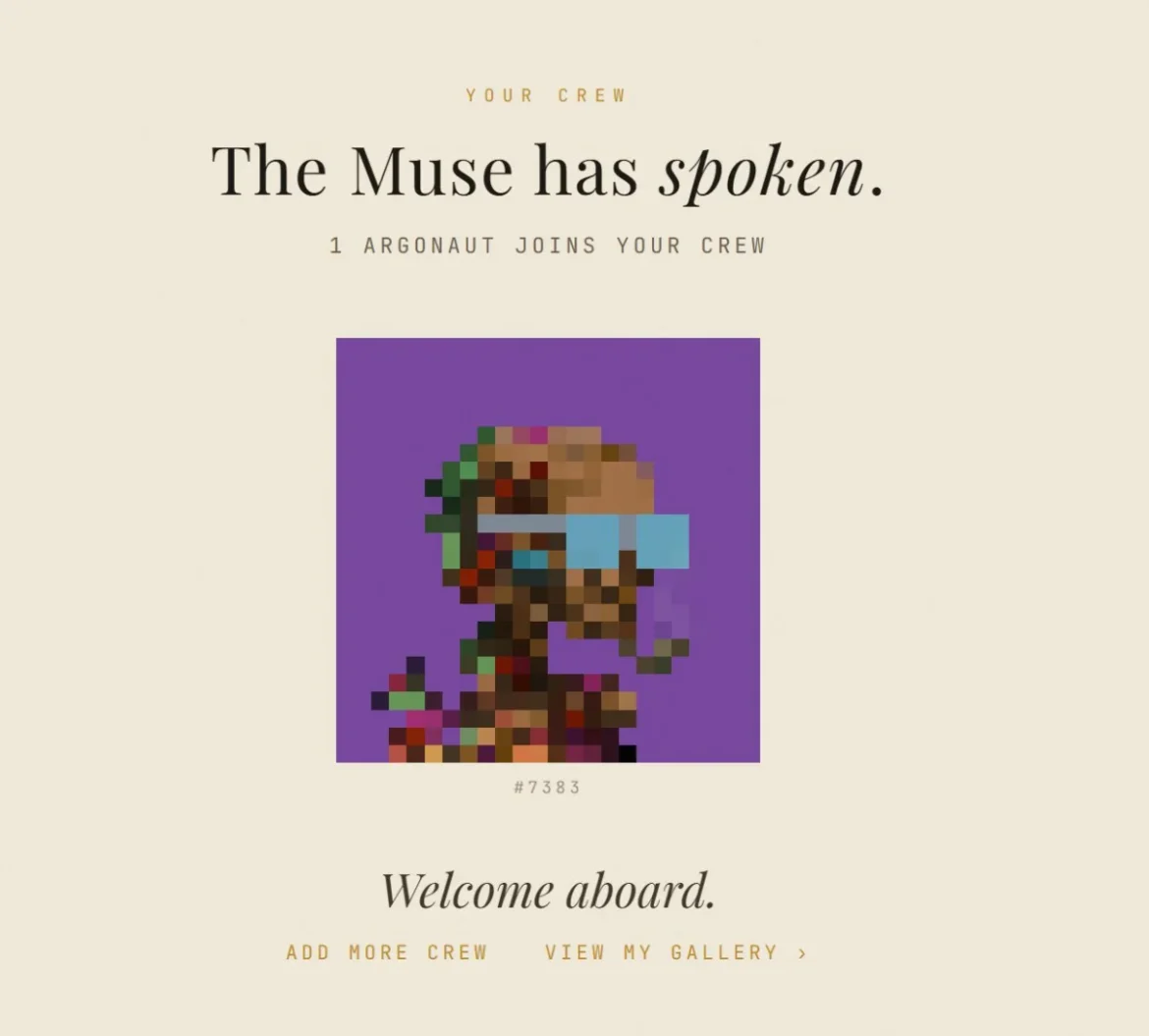
CryptoPunks are more than just digital images; they are widely recognized as one of the foundational projects of the modern NFT movement. Launched in June 2017 by Larva Labs (now owned by Yuga Labs), CryptoPunks predate the mainstream NFT boom by several years. The collection consists of 10,000 unique, algorithmically generated 24×24 pixel art images, featuring distinct attributes like gender, accessories, and rare types such as "Alien," "Ape," and "Zombie."

Their historical significance stems from several factors:

  • Pioneering Generative Art: CryptoPunks were among the first projects to utilize generative algorithms to create unique digital collectibles, setting a precedent for countless PFP (profile picture) NFT collections that followed.
  • Proof of Ownership: They demonstrated the concept of verifiable digital ownership on a blockchain, proving that digital scarcity was possible and valuable.
  • Cultural Icon Status: Over the years, CryptoPunks have evolved into cultural icons within the crypto and digital art communities, often used as status symbols or digital identities.
  • Blue-Chip Asset: Their limited supply, historical importance, and strong community have cemented their status as "blue-chip" NFTs, meaning they are considered stable, high-value assets within the volatile NFT market. This makes them attractive to long-term holders and institutional investors who view them as digital art with significant historical and cultural capital.

The US$704,104 daily sales volume for CryptoPunks, while impressive for a single day, is not an anomaly for the collection. Individual CryptoPunks have commanded multi-million dollar prices in the past, with some of the rarest types fetching record sums. For instance, in February 2022, CryptoPunk #5822, an "Alien" punk, sold for 8,000 ETH, equivalent to over US$23 million at the time. While daily sales figures represent aggregate market activity rather than individual record-breaking transactions, CryptoPunks’ consistent ability to generate substantial volume underscores the market’s enduring confidence in its long-term value proposition.

The Rise of Utility and Gaming NFTs: DMarket and Guild of Guardians

The strong performance of DMarket and Guild of Guardians Heroes offers a counter-narrative to the art-centric focus of collections like CryptoPunks. These projects represent the evolution of NFTs beyond mere collectibles, embedding them with practical utility within digital ecosystems.

DMarket’s success is rooted in its integration with the gaming industry. By tokenizing in-game items, DMarket allows players to truly own their digital assets, facilitating a secondary market for trading skins, weapons, and other virtual goods across different games. This model addresses a long-standing desire among gamers for greater control and liquidity over their in-game purchases. The Mythos blockchain, designed for Web3 gaming, provides the infrastructure for these transactions, emphasizing scalability and user experience. While its daily sales dipped on Wednesday, DMarket’s overall performance throughout the week indicates robust demand for NFTs that offer tangible utility within the burgeoning metaverse and Web3 gaming landscape.

Similarly, Guild of Guardians Heroes exemplifies the potential of play-to-earn models. By allowing players to own their in-game heroes as NFTs, the game creates an economy where participation can translate into real-world value. Players can earn, trade, and even craft unique NFT heroes, fostering a dynamic in-game economy. The choice of Immutable X, an Ethereum Layer-2 solution, for Guild of Guardians highlights the technical considerations for scaling NFT-based games. Immutable X offers instant transactions, zero gas fees for trading and minting, and carbon neutrality, making it an attractive platform for developers aiming for mass adoption without the performance bottlenecks often associated with mainnet Ethereum. The sustained sales volume of Guild of Guardians Heroes signals strong anticipation and engagement from both gamers and NFT collectors who see the long-term potential in Web3 gaming.

Solana’s Growing Footprint in the NFT Space

CryptoPunks climbs back to NFT sales lead with over US$704,000

The consistent presence of Solana-based collections like Solana Monkey Business (SMB) and DogeZuki in the top daily sales charts is a testament to Solana’s increasing prominence in the NFT ecosystem. While Ethereum has historically dominated, Solana has emerged as a serious contender, offering distinct advantages that appeal to a specific segment of the market.

Solana Monkey Business (SMB), launched in June 2021, quickly became a flagship project for Solana NFTs. Its success can be attributed to several factors:

  • Strong Community: SMB boasts a dedicated and active community, which is often a crucial driver of NFT project success.
  • Artistic Appeal: The collection’s distinctive pixel art style resonates with collectors.
  • Solana’s Advantages: Benefiting from Solana’s high transaction speeds (up to 65,000 transactions per second) and significantly lower transaction fees (fractions of a cent), SMB offers a more accessible entry point for many collectors compared to Ethereum.
  • Early Mover Advantage: As one of the earliest successful PFP projects on Solana, SMB has established a strong brand identity and historical significance within its ecosystem. Its ranking as the 29th all-time NFT collection and the top Solana collection underscores its long-term impact.

The DogeZuki Collection’s appearance in the top five further solidifies Solana’s growing market share. While specific details about DogeZuki’s utility or long-term roadmap might be less established than SMB, its ability to generate significant daily sales volume demonstrates the breadth of activity and interest on the Solana blockchain. This suggests that the Solana NFT ecosystem is maturing, with both blue-chip equivalents (like SMB) and newer, rapidly traded collections contributing to its overall vitality.

Broader Market Context and Analyst Perspectives

Wednesday’s NFT sales data, particularly CryptoPunks’ return to the top, offers valuable insights into the broader health and sentiment of the NFT market. After the explosive growth of 2021 and early 2022, the NFT market experienced a significant downturn, often correlating with the broader crypto bear market. However, recent months have shown signs of stabilization and even cautious recovery.

Analysts often interpret strong performance from blue-chip collections like CryptoPunks as a sign of market resilience and a flight to quality. In uncertain times, investors tend to gravitate towards assets with established track records, proven historical value, and strong brand recognition. The fact that CryptoPunks can still command significant daily volume suggests that a core group of collectors and investors remains committed to these foundational assets, viewing them as long-term stores of value or digital art investments.

Conversely, the continued strong showing of utility-based NFTs like DMarket and Guild of Guardians, alongside the rising influence of alternative blockchains like Solana, points to a diversifying market. It indicates that the NFT space is not monolithic but rather evolving to cater to different use cases and preferences. The demand for gaming NFTs highlights the potential for mass adoption as Web3 gaming matures, while Solana’s growth signals a desire for more efficient and cost-effective alternatives to Ethereum for certain types of NFT transactions.

Market observers suggest that the current landscape represents a period of consolidation and maturation. While the speculative frenzy of the past may have subsided, a more fundamental value proposition is emerging, driven by genuine utility, community engagement, and artistic merit. The interplay between established blue-chips, innovative gaming projects, and alternative blockchain ecosystems will likely define the next phase of NFT market development.

Implications for Investors and Collectors

For investors and collectors, Wednesday’s data offers several key takeaways:

  1. Blue-Chips Endure: The sustained performance of CryptoPunks reaffirms the long-term value of established, historically significant NFT collections. These assets often act as a barometer for market confidence and can be seen as relatively safer bets in a volatile market.
  2. Utility is King (for some): The consistent demand for DMarket and Guild of Guardians Heroes highlights the growing importance of utility in NFT valuation. Projects that offer tangible benefits, whether in gaming, metaverse experiences, or other applications, are attracting significant attention.
  3. Solana’s Ascent Continues: The strong showing of Solana Monkey Business and DogeZuki underscores Solana’s emergence as a viable and attractive platform for NFT projects. Its advantages in speed and cost make it an ecosystem worth watching for both new mints and secondary market activity.
  4. Diversification is Key: The varied nature of the top-performing collections suggests that a diversified approach to NFT collecting, encompassing both historical art pieces and utility-driven assets across different blockchains, might be a prudent strategy.
  5. Market Dynamics Remain Fluid: The alternating leadership in daily sales indicates that the NFT market is highly dynamic. While trends can emerge, rapid shifts in sentiment and transaction volume are common, requiring collectors to stay informed and agile.

In conclusion, CryptoPunks’ return to the top of the daily NFT sales charts on Wednesday is a significant indicator of the enduring appeal of blue-chip digital assets. However, this event occurred within a dynamic and competitive market, where utility-driven NFTs and collections from alternative blockchains like Solana are increasingly challenging the traditional dominance of Ethereum-based art projects. The US$4.1 million in daily sales volume on Ethereum reinforces its foundational role, yet the growing strength of Solana’s ecosystem signals a healthy, diversifying future for the non-fungible token market.

July 18, 2026 0 comment
0 FacebookTwitterPinterestEmail
Blockchain Technology

Venice AI Secures $65 Million Series A at $1 Billion Valuation, Championing Uncensored and Private AI Access Amid Growing Scrutiny

by admin July 18, 2026
written by admin

The burgeoning field of artificial intelligence, while promising transformative advancements, has concurrently ignited a global debate surrounding its ethical implications and societal impact. Concerns range from the potential for AI chatbots to exacerbate mental health issues and compromise personal safety through enabling harassment, to their significant role in accelerating the spread of disinformation. In response, leading AI developers have increasingly implemented stringent safeguards and content moderation protocols to govern how their models interact and what information they are permitted to generate. However, this push for control often clashes with a persistent user demand for unrestricted access to AI’s full potential, coupled with an unwavering desire to preserve personal privacy.

Emerging as a prominent player navigating this complex landscape, Venice AI has rapidly ascended by offering a platform that provides access to over 200 AI models while meticulously ensuring user privacy. The company announced Wednesday it has successfully closed a $65 million Series A funding round, valuing the startup at an impressive $1 billion. This marks Venice AI’s inaugural external fundraise, led by the crypto-centric venture firm Dragonfly, with significant participation from Coinbase Ventures, North Island Ventures, and other strategic investors. The substantial investment underscores a growing appetite for AI solutions that prioritize user autonomy and data protection, even as the broader industry grapples with the ramifications of its technology.

The Rise of Private AI and Venice AI’s Rapid Ascent

Founded just two years ago, Venice AI has tapped directly into the aforementioned demand, demonstrating remarkable growth. The platform currently boasts more than 850,000 unique visitors to its website, serves over 3 million active users, and handles an average of 1.7 million API calls daily. This exponential adoption reflects a significant segment of the user base seeking alternatives to more heavily regulated AI services, particularly those concerned about data collection and content censorship. The company’s unique selling proposition lies in its commitment to hosting "uncensored" open-source models on its proprietary data centers, while also routing queries to popular closed-source models from developers like OpenAI and Anthropic, all within a privacy-preserving framework.

Venice AI’s technological architecture is specifically designed to uphold its privacy pledge. All user input is encrypted client-side before being unencrypted and routed through an external proxy. Crucially, no user data is stored on Venice AI’s internal systems, ensuring a stateless interaction that minimizes privacy risks. For an enhanced layer of security, the company also offers end-to-end encryption on select models, available through a subscription service. This robust approach to data handling has not only attracted a substantial user base but has also translated into significant financial success. CEO Erik Voorhees revealed in an exclusive interview with TechCrunch that Venice AI is already profitable, reporting annualized run-rate revenues exceeding $70 million. This profitability, rare for a two-year-old startup in a competitive tech landscape, undoubtedly played a pivotal role in attracting the recent influx of investor capital.

Addressing the AI Paradox: Safety vs. Freedom

The backdrop against which Venice AI operates is one of intense scrutiny over AI’s potential for harm. Recent reports and legal actions have highlighted instances of "AI psychosis," where chatbots allegedly contributed to users developing delusions or engaging in harmful behaviors. Cases involving AI fueling stalkers’ obsessions, facilitating the spread of non-consensual imagery, and accelerating disinformation campaigns have prompted urgent calls for greater accountability and more robust ethical frameworks from AI developers and policymakers alike.

Major AI players like Google, OpenAI, and Meta have responded by implementing increasingly sophisticated content filters, safety guidelines, and user monitoring systems. While these measures aim to mitigate risks, they inevitably introduce a degree of content moderation that some users perceive as censorship or an infringement on their digital freedom. This tension forms the core of the AI paradox: how to harness the immense potential of AI while safeguarding against its inherent risks, without stifling innovation or user autonomy.

Venice AI positions itself firmly on the side of user autonomy, offering a platform where "freedom" is paramount. The company’s website prominently features customizable AI "characters" and proudly advertises an "uncensored" experience. Voorhees articulated this philosophy, stating, "We’re optimizing for freedom and actually respecting users as adults, which is, I think, rare these days." He further explained that while Venice AI works to instruct open models to respond more openly, it refrains from adding any restrictive filters to their outputs.

Erik Voorhees: A History of Privacy Advocacy and Its Influence

The strategic alignment between Venice AI’s mission and its investor base, particularly the crypto-focused firms, is profoundly influenced by the background of its CEO, Erik Voorhees. Voorhees is a well-known figure in the cryptocurrency world, a staunch early advocate for Bitcoin, and a serial entrepreneur with a history of championing user privacy and decentralized systems. His past ventures include the pioneering Bitcoin gambling site Satoshi Dice and the cryptocurrency exchange ShapeShift.

Voorhees’s commitment to privacy has been a defining characteristic throughout his career. ShapeShift, in its early days, operated without requiring users to identify themselves, a stance that later drew the attention of regulatory bodies and a Wall Street Journal investigation. The report accused ShapeShift of processing millions in suspect funds, to which Voorhees famously responded, "I don’t think people should have their identity recorded to catch an occasional criminal." This statement encapsulates his enduring philosophy: that the societal cost of pervasive surveillance outweighs the benefit of catching a small percentage of illicit actors.

This same principle underpins his approach at Venice AI. When questioned about the platform’s role in light of recent AI-related harms, Voorhees likened Venice AI to a "neutral tool or a neutral platform," drawing a direct parallel to Bitcoin. "This is the same principle that you have in Bitcoin, where Bitcoin, as a neutral protocol, works the same way for all people," he asserted. He further emphasized his concern about a future where every interaction is monitored: "I think it’s actually quite dangerous from a safety perspective, for the world to enter this next phase and have everyone be constantly watched. To me that is actually much more dangerous than any particular person asking a controversial question or something that might be considered bad." This perspective offers critical insight into Venice AI’s operational ethos and its commitment to an "uncensored" environment, viewing widespread surveillance as a greater threat than the potential misuse of unrestricted AI.

Integrating Web3: Crypto Tokens and User Incentives

In line with Voorhees’s crypto background, Venice AI has integrated Web3 elements into its ecosystem, featuring two associated crypto tokens. In early January, the company launched "VVV" to incentivize user engagement and growth. This was followed in August of the previous year by the introduction of "DIEM." Users can acquire VVV and then stake it to mint DIEM, which in turn generates $1 worth of AI credits per day, redeemable for services on the Venice AI platform.

While the crypto token economy is a distinctive feature, Voorhees acknowledged that only about 8% of the company’s users currently opt to pay with cryptocurrency. Nevertheless, he credited the strong performance of these tokens as a contributing factor to the company’s overall growth. However, he emphasized that the most significant driver of Venice AI’s success has been its relentless pursuit of feature parity with leading AI models like ChatGPT. "When we launched, we were very far away from what ChatGPT could do, but people would use us because it was private. And today, we’re very close to what ChatGPT can do… so as we’ve closed that gap, it’s become an increasingly compelling alternative," he explained. This indicates a strategic balance between offering a unique privacy proposition and delivering a competitive user experience in terms of AI model capabilities.

Future Outlook: Infrastructure and Market Position

With the fresh injection of $65 million, Venice AI has outlined ambitious plans for its future development. A primary objective is to acquire its own Graphics Processing Units (GPUs) and establish proprietary data centers. Currently, the company leases GPUs, a common practice for startups in the computationally intensive AI sector. By owning its infrastructure, Venice AI aims to significantly reduce operational costs, thereby increasing its gross margins and bolstering its long-term financial stability. This strategic move will also grant the company greater control over its computing resources, potentially enabling further optimization of its AI models and service offerings.

The investment round and Venice AI’s growth highlight a critical divergence in the AI industry. While many major players lean towards greater control and moderation, a substantial market segment values privacy and unrestricted access. Venice AI’s success demonstrates that a significant number of users are willing to embrace platforms that prioritize these values, even as the ethical and regulatory debates surrounding AI continue to intensify.

Navigating the Ethical and Regulatory Landscape

Venice AI’s "neutral tool" philosophy and its commitment to an "uncensored" experience place it at the heart of ongoing global discussions regarding AI governance. Regulators worldwide are grappling with how to effectively oversee AI development and deployment without stifling innovation. Initiatives like the European Union’s AI Act, which aims to classify AI systems by risk level and impose corresponding obligations, and various national strategies focusing on responsible AI, represent concerted efforts to establish guardrails.

A platform like Venice AI, which explicitly offers uncensored access and minimizes data retention, presents both opportunities and challenges for these regulatory frameworks. From a privacy advocacy standpoint, it aligns with principles of data minimization and user control. However, from a content moderation and public safety perspective, it raises questions about accountability when harmful content or misinformation is generated and disseminated through such a platform. The debate will likely center on whether platforms can truly remain "neutral" when the tools they provide have clear potential for misuse, and where the line should be drawn between empowering users and preventing harm.

Venice AI’s trajectory will be closely watched as a test case for how a privacy-first, "uncensored" approach to AI can scale and operate within an increasingly regulated technological landscape. Its success suggests a burgeoning market for such services, yet it also underscores the enduring tension between technological freedom and societal responsibility in the age of artificial intelligence. The company’s ability to maintain its growth, profitability, and user trust while navigating these complex ethical and regulatory waters will be a defining factor in its long-term impact on the AI industry.

July 18, 2026 0 comment
0 FacebookTwitterPinterestEmail
Decentralized Finance (DeFi)

Robinhood Launches "Permissionless" Blockchain Amidst Skepticism Over Centralized Control and Restricted Assets

by admin July 18, 2026
written by admin

Five and a half years after the infamous "buy button" incident that sparked widespread outrage and congressional scrutiny, Robinhood, the popular retail brokerage, has unveiled its own public blockchain, Robinhood Chain, boldly branding it as "permissionless." Launched on July 2, 2026, the new Layer 2 network, built on Arbitrum’s Orbit stack and settling to Ethereum, represents a significant strategic pivot for the company. However, the move is met with a mix of technical admiration for its robust architecture and profound skepticism regarding its operator’s history and the inherently restricted nature of its flagship asset: tokenized stocks. This dichotomy forms the central tension surrounding Robinhood Chain, raising critical questions about what "permissionless" truly signifies when tied to an entity with a track record of unilateral control.

The Genesis of the "Buy Button" Controversy: A Scarred Legacy

To understand the current skepticism surrounding Robinhood’s venture into decentralized finance, one must recall the tumultuous events of January 28, 2021. At the apex of the GameStop (GME) short squeeze, a retail investor-led phenomenon that saw the stock’s price skyrocket, Robinhood unilaterally disabled the "buy" button for GME, AMC, and several other "meme stocks." While users retained the ability to sell, opening new positions was prohibited. The company cited unprecedented clearinghouse collateral requirements—a legitimate, albeit sudden, financial constraint—as the reason for its actions.

However, the public perception was swift and damning: a brokerage seemingly protecting its institutional counterparties, primarily hedge funds that were heavily short GME, at the expense of its own retail users who were driving the price surge. The move ignited a firestorm of criticism across social media, leading to protests, multiple class-action lawsuits, and a highly publicized congressional hearing where Robinhood CEO Vlad Tenev testified. The phrase "buy button" became an enduring shorthand for a platform’s capacity to arbitrarily dictate trading parameters, directly challenging the principles of free and open markets that Robinhood had initially championed for its user base. This indelible image of centralized control and intervention continues to shadow Robinhood’s attempts to position itself as a champion of "permissionless" technology.

Robinhood’s Strategic Pivot into Web3: A Calculated Move

Despite its contentious past, Robinhood has been steadily integrating crypto offerings into its platform, recognizing the burgeoning interest among its user base. The launch of Robinhood Chain is not an isolated event but rather the culmination of a broader strategy to embrace Web3 technologies and potentially redefine its market position. The company’s vision, as articulated in its launch materials, is to "democratize finance" by leveraging blockchain’s transparency and efficiency, offering 24/7 trading and composability for assets. This move positions Robinhood to own its on-chain infrastructure, rather than merely rent it, granting greater control over its product ecosystem and potentially enabling new revenue streams.

The decision to build on Arbitrum’s Orbit stack, a leading Layer 2 solution, reflects a conservative yet sensible technological choice. Orbit allows for the creation of custom, application-specific chains that benefit from Ethereum’s security while offering enhanced scalability and reduced transaction costs. By opting for a battle-tested L2 framework and standard Solidity/Vyper contract compatibility, Robinhood has minimized the technical risk often associated with novel blockchain development. Gas fees are paid in ETH, and notably, there is no native chain token announced, a decision that could mitigate immediate speculative pressure and regulatory scrutiny often associated with new project tokens.

Unpacking Robinhood Chain’s Architecture and Ecosystem

Robinhood Chain’s technical blueprint is undeniably robust. As a Layer 2 built on Arbitrum Orbit, it leverages the Nitro-based technology, benefiting from Ethereum’s robust security model and utilizing Ethereum blobs for data availability. The mainnet chain ID is 4663, with a testnet ID of 46630. The chain supports ERC-4337 account abstraction, enabling features like gas sponsorship and batched transactions, enhancing user experience. Transaction sequencing is currently first-come, first-served, managed by a single sequencer operated by or on behalf of Robinhood.

The day-one integration list is remarkably comprehensive, showcasing a concerted effort to establish a functional and diverse ecosystem from launch:

  • Infrastructure: Key partners include Alchemy (primary RPC provider), Arbitrum itself, Chainlink for critical oracle data, BitGo and Fireblocks for institutional-grade custody solutions, LayerZero for cross-chain interoperability, and QuickNode.
  • Trading/DEX: The ecosystem supports various trading venues. Uniswap operates a dedicated Automated Market Maker (AMM) for public liquidity, complemented by Pleiades, a proprietary AMM catering to prop trading. Further routing is facilitated through 1inch, Rialto, and Arcus, serving as venues for stock tokens.
  • Lending: Morpho powers Robinhood Earn, the on-chain lending product, with additional ecosystem partners like Steakhouse, Ethena, Spark, and Maple contributing to the lending landscape. Robinhood Earn, offering competitive yields (e.g., ~7% APY on USDG via Morpho, with insurance from Lloyd’s of London and RELM against cyber/smart-contract exploits), represents a key DeFi offering for eligible users.

This extensive roster suggests a serious architectural undertaking, and indeed, much of the crypto-native community acknowledges the technical competence. The prevailing skepticism, however, quickly shifts from the "tech" to the "operator," highlighting the enduring trust deficit Robinhood faces.

The Flagship Asset: Tokenized Stocks Under Scrutiny

The primary driver for Robinhood Chain’s creation is its tokenized stock offering, designed to provide 24/7 exposure to major equities like Nvidia, Apple, and Alphabet, enabling their use as collateral and tradability on-chain. This is the headline feature, but it comes with critical fine print.

The "Stock Tokens" are not actual shares of the underlying companies. Instead, they are tokenized debt securities issued by Robinhood Assets (Jersey) Limited, a subsidiary established in the Channel Islands. Holding one of these tokens grants price exposure to the underlying stock but confers no actual ownership, voting rights, or direct claim on the issuing company. In the event of the Jersey entity’s failure, token holders would be creditors, not shareholders. Redemption is currently for cash via authorized participants, with the redemption for actual underlying securities described as a "future plan." This structural model mirrors previous tokenized equity efforts that have faced public pushback, including instances where companies, like OpenAI in 2025, distanced themselves from tokens purporting to represent their equity.

A comparative breakdown highlights the fundamental differences:

Feature Robinhood Stock Token The Actual Share
What it is Tokenized debt security Equity ownership
Counterparty Robinhood Assets (Jersey) Limited The company itself
Ownership / Voting None Yes
Claim if issuer fails Creditor of the Jersey entity Shareholder of the company
Redemption Cash via authorized participants Sell on the exchange
Who can hold 120+ countries (not US, UK, CA, CH, UAE) Anyone with a broker
Trading 24/7 on an AMM Exchange hours, on an order book

This is not Robinhood’s inaugural venture into tokenized equities. In June 2025, it launched over 200 tokenized US stocks and ETFs for EU and EEA users, branded as "Classic Stock Tokens" within the Robinhood Europe app. The new Robinhood Chain tokens represent a second generation, primarily distinguished by their composability within the broader DeFi ecosystem, allowing movement beyond a single application.

Crucially, the geographical restrictions are significant. While available in over 120 countries, these tokenized stocks are explicitly unavailable in the United States, the United Kingdom, Canada, Switzerland, the UAE, and sanctioned jurisdictions. While the US exclusion is largely attributed to the complex regulatory landscape for retail-traded tokenized debt securities wrapping equities, the impact remains the same: Robinhood’s core American retail audience, the very demographic that made the company a household name, cannot access its flagship on-chain product. While US users can engage with Robinhood Earn’s lending product, they are excluded from the tokenized equity component that underpins the entire chain.

This creates the central paradox: the underlying blockchain rails are permissionless, allowing anyone to deploy contracts or bridge ETH. Yet, the core product that justifies the chain’s existence is highly permissioned—a geographically gated, ownership-free debt instrument issued by a single offshore entity. The chain is open; the product it was built for is fenced. This dichotomy raises fundamental questions about the true "permissionless" nature of the overall offering.

Market Structure and the Liquidity Question

Robinhood Chain: Open Rails, Fenced-Off Asset

Even assuming the tokenized stocks function as advertised, a significant market-structure challenge looms, forming the basis of many bearish arguments. The primary spot venues for these tokens are Automated Market Makers (AMMs) like Uniswap and Pleiades. While AMMs excel in providing liquidity for long-tail crypto assets, their suitability for highly liquid, widely traded equities, traditionally priced on central limit order books (CLOBs) for over a century, is debatable. Equities benefit from continuous price discovery and deep order books.

An AMM holding tokenized NVDA or AAPL must be constantly arbitraged against its real-world exchange price, which updates continuously during market hours. Arbitrageurs extract value from liquidity providers (LPs) who supply the capital to the AMM pools. In environments with thin liquidity and a fast-moving external reference price, LPs are highly susceptible to "being picked off," leading to losses that, in turn, can further thin liquidity.

Robinhood appears to acknowledge this challenge, as its perpetual futures venue, Lighter, integrated into the wallet, operates as an order-book DEX (CLOB) rather than an AMM. This creates an inconsistency: a CLOB for perps, but an AMM for the underlying tokenized stocks where the argument for order-book efficiency is arguably stronger. Whether tokenized equities can achieve robust, deep, and efficient trading at scale on an AMM model remains an open and untested question. Early liquidity for these stock tokens will be a crucial metric to monitor in the coming weeks.

The Trust Deficit and Centralization Concerns

The "buy button" incident casts a long shadow over Robinhood’s claims of "permissionless" finance. At launch, Robinhood Chain employs a single sequencer, controlled by Robinhood. While this is a common starting point for many young Arbitrum Orbit chains, with decentralization planned for later stages, it means the entity that once restricted trading now dictates transaction ordering on a chain whose core asset is issued by its own subsidiary. While the canonical bridge to Ethereum is trustless (subject to a seven-day challenge period for withdrawals), the operational reality is that the sequencer, the asset issuer, and the primary application are currently all under the same corporate umbrella.

Further fueling skepticism are recent corporate developments. In mid-June 2026, just weeks before the chain’s launch, Robinhood announced layoffs affecting approximately 10% of its workforce, incurring roughly $28 million in restructuring charges. While management framed these cuts as coming "from a position of business strength," the timing appears incongruous with the intensive execution demands of launching a new blockchain, an issuer entity, a wallet integration, and a lending product simultaneously.

Additionally, the bootstrap incentives—a confirmed 90 days of covered gas fees for eligible wallet users and zero fees on Lighter perps during the initial window—while common for new platform launches, can inflate early usage numbers that may not be sustainable post-expiration. While none of these points are individually disqualifying, collectively they contribute to a cautious outlook and a discounting of initial adoption metrics.

Early Adoption Metrics and Market Reception

As of July 2, 2026, with mainnet mere hours old, confirmed on-chain data remains scarce. What exists is a mix of testnet benchmarks, company launch claims, and unverified figures:

  • Testnet Activity: Approximately 4 million transactions were reported in the first week of testnet activity (February 2026), indicating technical functionality.
  • Latent Distribution: Robinhood frequently cites its ~28 million user base as a significant on-ramp potential, though this represents company scale, not direct chain adoption.
  • Gas Subsidy: A confirmed 90-day period of covered gas fees for wallet users incentivizes early engagement.
  • Lighter Incentives: An estimated $11 million in LIT tokens has been allocated for perps liquidity, according to ecosystem project claims.
  • Robinhood Earn Yield: Confirmed ~7% APY for lending USDG via Morpho, backed by insurance.
  • $HOOD Reaction: Robinhood’s stock ($HOOD) saw a modest ~2% increase pre-market on the announcement, reflecting a limited market reaction.
  • Mainnet TVL/Volume: Crucially, no meaningful mainnet Total Value Locked (TVL), transaction count, or active address figures have been widely published, underscoring the nascent stage of the ecosystem.

The 28-million-user figure, while impressive for Robinhood as a platform, does not translate directly to chain adoption, especially given that most of these users, particularly in the US, cannot access the flagship tokenized stock product. The absence of a confirmed airdrop or governance token has not prevented the usual wave of "point-farming" guides and memecoin launches, reflecting speculative interest typical of new chain deployments. While headline integrations are technically "live," "live" does not equate to "liquid," and many deployed AMMs may initially suffer from thin depth.

Competitive Landscape and Strategic Positioning

Robinhood Chain’s launch naturally invites comparisons, most notably with Coinbase’s Base. Both are large, regulated, US-listed consumer platforms launching Layer 2 solutions to onboard their user bases into Web3. However, their approaches differ:

Feature Robinhood Chain Coinbase’s Base
Stack Arbitrum Orbit OP Stack
Mainnet Launch July 2026 August 2023
Design Focus Purpose-built for tokenized equities General-purpose
Operator Robinhood (single sequencer, for now) Coinbase (single sequencer)
US Access Flagship stock tokens blocked Fully available

Coinbase Base, launched in 2023, adopted a general-purpose OP-stack chain, allowing the ecosystem to organically determine its primary use cases. Robinhood, conversely, has opted for an Arbitrum-stack chain with a very specific, flagship use case—tokenized equities—integrated from day one. This represents a significant bet on whether a purpose-built chain can outperform a general-purpose one in attracting both developers and users.

Furthermore, Robinhood is not the first to venture into on-chain equities. The debt-security-wrapper model it employs has been attempted by other issuers, often with mixed success and recurring questions from underlying companies about tokens they never explicitly authorized. This highlights a broader challenge in the tokenized RWA (Real World Asset) space: navigating legal ownership, regulatory compliance, and the often-reluctant participation of traditional financial entities.

Regulatory Horizons and Future Implications

The launch of Robinhood Chain, particularly its tokenized stock offering, operates within an evolving and fragmented global regulatory landscape. The explicit exclusion of US users from the tokenized stock product underscores the prevailing uncertainty and stringency of US securities law concerning tokenized debt securities wrapping equities for retail distribution. Jurisdictions like the UK, Canada, Switzerland, and the UAE also maintain strict frameworks, leading to similar restrictions.

The implications of Robinhood’s move are multi-layered. For Robinhood, it’s an attempt to regain trust and pivot towards a future where it controls more of its infrastructure, potentially tapping into new markets and revenue streams. For DeFi, it represents a significant institutional player entering the space, bringing with it a large user base and established brand, albeit with a centralized operational model. For the broader financial market, it accelerates the conversation around tokenized assets, their liquidity, and the challenges of integrating traditional securities into decentralized frameworks. The "Distributed vs. Represented" RWA framework is a useful lens here: while Robinhood’s tokens are mobile and composable (Distributed), their lack of direct ownership and reliance on a single issuer places them firmly on the "Represented" end of the spectrum in terms of underlying asset claim.

Conclusion and Outlook

Robinhood Chain stands as a fascinating case study at the intersection of traditional finance and Web3. The bull case highlights a technically sound, battle-tested Layer 2, deep day-one integrations, the promise of 24/7 tokenized equity access for non-US users, and the immense retail distribution potential of Robinhood. The bear case, however, focuses on the fundamental limitations of the flagship asset—a synthetic debt security with counterparty and regulatory risk, blocked in Robinhood’s primary market, and reliant on an unproven AMM model for equities. Compounding this is the enduring trust deficit in an operator whose "permissionless" chain is, for now, centrally controlled by the very entity famously associated with restricting trades.

For DeFi builders and users, the chain’s open architecture and standard tooling mean it’s immediately accessible for deployment and bridging. However, the unique selling proposition of Robinhood Chain—its tokenized stock product—is precisely where the most significant caveats and risks reside. The next few weeks will be crucial in observing real-world metrics like mainnet TVL, transaction volume, and the actual liquidity depth of its tokenized stock AMMs. These figures, rather than initial promises or speculative fervor, will ultimately determine whether Robinhood Chain can truly reconcile its past with its permissionless aspirations, or if the "buy button" legacy continues to define its future.

July 18, 2026 0 comment
0 FacebookTwitterPinterestEmail
Cybersecurity & Hacking

CISA’s Critical Data Leak: An In-Depth Examination of Contractor Negligence, Remediation Delays, and Essential Cybersecurity Lessons

by admin July 18, 2026
written by admin

The Cybersecurity and Infrastructure Security Agency (CISA), America’s lead agency for safeguarding critical infrastructure from cyber threats, has released a comprehensive postmortem report detailing a significant data leak. The incident involved a contractor inadvertently publishing dozens of CISA’s internal credentials, including highly sensitive AWS GovCloud keys, to a public GitHub repository. This critical exposure persisted for nearly six months before being brought to CISA’s attention by independent security researchers via KrebsOnSecurity. The agency’s subsequent analysis and the identified gaps in its initial response have prompted cybersecurity experts nationwide to highlight crucial lessons for all organizations, emphasizing the perennial challenges of third-party risk, robust secret management, and effective incident response protocols.

The Genesis of the Exposure: A Contractor’s Critical Error

The root of the incident can be traced back to a contractor’s misstep, which led to 844 megabytes of CISA-related data being made publicly accessible on GitHub. Among the trove of exposed information were files containing administrative credentials to three Amazon AWS GovCloud servers, a highly secure cloud environment specifically designed for U.S. government agencies and contractors handling sensitive workloads. One particularly damning file, aptly named "importantAWStokens," contained these critical administrative keys. Further compounding the severity, another file, "AWS-Workspace-Firefox-Passwords.csv," explicitly listed plaintext usernames and passwords for numerous internal CISA systems. The presence of such unencrypted, high-privilege credentials in a public domain represents a profound security lapse, creating an immediate and severe risk of unauthorized access to CISA’s core infrastructure. This kind of exposure is a goldmine for malicious actors, offering direct pathways into an organization’s most protected digital assets.

A Chronology of Detection and Delayed Response

The timeline of the incident underscores significant challenges in both proactive threat detection and responsive incident management:

  • Pre-May 15, 2026 (Approximately six months prior): A CISA contractor uploads sensitive CISA credentials and data, including AWS GovCloud keys and plaintext passwords, to a public GitHub repository, initiating the exposure.
  • Ongoing Detection by GitGuardian: Security firm GitGuardian, which specializes in continuously scanning public code repositories for exposed secrets, identifies the CISA credentials in the "Private CISA" GitHub repository.
  • Repeated Automated Alerts Ignored: GitGuardian’s automated systems generate and send nine separate notification emails to CISA regarding the exposed credentials. All nine alerts reportedly go unanswered, allowing the exposure to persist.
  • May 15, 2026: External Notification Initiated: Frustrated by the lack of response from CISA, GitGuardian researcher Guillaume Valadon contacts cybersecurity journalist Brian Krebs of KrebsOnSecurity, providing details of the discovered leak.
  • May 15, 2026: KrebsOnSecurity Alerts CISA: KrebsOnSecurity promptly notifies CISA about the existence and contents of the public GitHub repository.
  • Initial Acknowledgment, Subsequent Delays: CISA quickly acknowledges the initial alert from KrebsOnSecurity. However, it takes more than 48 hours for the agency to invalidate the compromised AWS keys and other critical secrets found in the GitHub repository.
  • Post-Incident: CISA’s Internal Review and Public Report: Following the successful remediation, CISA conducts an internal review and subsequently publishes its official postmortem report, "Lessons from CISA’s Cyber Incident," detailing the incident, its causes, and the agency’s response.

The Gravity of the Compromise: AWS GovCloud and Plaintext Passwords

The nature of the leaked data amplifies the seriousness of this incident. AWS GovCloud (US) is Amazon Web Services’ dedicated cloud region designed to host sensitive data and regulated workloads for U.S. government agencies, contractors, and educational institutions. It adheres to stringent compliance standards, including FedRAMP High, DoD SRG IL2/IL4/IL5, and ITAR, making it a cornerstone for secure government operations. The exposure of administrative credentials for such an environment is akin to handing over the master keys to critical national infrastructure. It could have granted unauthorized parties extensive control over CISA’s cloud resources, potentially leading to data exfiltration, service disruption, or the establishment of persistent backdoors.

Moreover, the presence of plaintext usernames and passwords for dozens of internal CISA systems represents a fundamental breakdown in security hygiene. Storing credentials in plaintext is universally condemned as a critical security vulnerability. It eliminates any protective layers that hashing or encryption would provide, making the leaked information immediately usable by an attacker. This not only jeopardizes the systems directly associated with these credentials but also poses a significant lateral movement risk, as attackers often leverage compromised credentials to access other interconnected systems within an organization.

CISA’s Self-Assessment: Admissions and Lessons Learned

In its official report, authored by Preston Werntz, acting Chief Information Officer, and Brad Libbey, acting Chief Information Security Officer, CISA openly acknowledges several critical shortcomings. The agency attributed the protracted key rotation process – taking over 48 hours – to the "complexities of the agency’s systems and interconnections with federal and industry partners." This highlights the inherent challenges faced by large, interconnected governmental entities in swiftly responding to security incidents involving deeply embedded credentials. The report explicitly encourages other organizations to "maintain mature and well-tested key management capabilities," a direct reflection of CISA’s own struggle in this area.

Beyond the technical remediation, CISA also confessed to deficiencies in its incident reporting mechanisms. The postmortem stressed the necessity of "clear and distinct reporting channels" to differentiate between incidents affecting the organization itself and those involving its products or customers. The report candidly noted that CISA’s channels "were not well defined, leading the security researcher to try multiple avenues — including emailing the contractor, submitting through CISA’s vulnerability disclosure platform (intended for broader cybersecurity community vulnerabilities), and ultimately involving a reporter." This fragmented approach not only delayed the crucial initial notification but also underscores a broader systemic issue within many large organizations: the lack of a streamlined, universally recognized process for external parties to report vulnerabilities or exposures directly affecting the organization’s own infrastructure.

External Criticism and the Call for Continuous Vigilance

Guillaume Valadon, the GitGuardian researcher who initiated the process leading to CISA’s notification, provided a pointed critique of the agency’s initial response, particularly the nine ignored automated alerts. Valadon emphasized that "Letting nine notification emails go unanswered is how a one-day incident becomes a six-month exposure." His analysis, published on the GitGuardian blog, called for organizations to "Make it trivial to report a leak about you, not just about your products." He advocated for publishing clear reporting instructions in multiple prominent locations, beyond just a security.txt file, and ensuring that reports concerning internal infrastructure are not shunted into product-bug queues.

Valadon’s criticism resonates deeply within the cybersecurity community, which often faces similar frustrations when attempting to responsibly disclose vulnerabilities to organizations. The incident serves as a stark reminder that even agencies at the forefront of cybersecurity can falter in basic operational security practices and researcher engagement.

Broader Implications and Lessons for All Security Teams

This incident offers invaluable lessons that extend far beyond CISA, impacting government agencies, private enterprises, and the entire cybersecurity ecosystem:

  1. Third-Party Risk Management is Paramount: The leak originated from a contractor, highlighting the critical importance of rigorous vendor security assessments, strict access controls, and continuous monitoring of third-party activities. Organizations must extend their security perimeters to encompass all entities with access to their systems and data.
  2. Robust Secrets Management is Non-Negotiable: The exposure of AWS GovCloud keys and plaintext passwords underscores the need for advanced secrets management solutions. This includes secure storage (e.g., dedicated secrets managers), automated rotation, granular access controls, and robust monitoring for secret usage. Manual key management, especially for high-privilege credentials, is inherently risky.
  3. Continuous Scanning of Public Repositories: The fact that GitGuardian detected the leak through automated scanning, while CISA did not internally for six months, validates the necessity of continuously monitoring public code repositories (like GitHub) for inadvertent secret exposures. This proactive approach can significantly reduce the dwell time of such incidents.
  4. Clear and Accessible Incident Reporting Channels: Organizations must establish clear, well-publicized, and dedicated channels for security researchers and the public to report vulnerabilities or data exposures directly affecting the organization’s own infrastructure. These channels should be distinct from customer support or product-related bug reporting systems and must guarantee a prompt and effective response.
  5. Mature Incident Response Playbooks: While CISA had a cybersecurity incident playbook, it reportedly lacked specific guidance for incidents involving GitHub or other cloud services. This highlights the need for playbooks to be comprehensive, regularly updated, and thoroughly tested to cover all potential incident vectors and technologies in use.
  6. Transparency in Post-Incident Analysis: CISA’s decision to publish a transparent postmortem, detailing its failures and lessons learned, is highly commendable. As Valadon noted, "To my knowledge, it is also the first time a national cybersecurity agency has publicly advocated for secrets scanning and for simplifying relations with security researchers. That is exactly the incident communication we should expect from every organization." This level of transparency fosters trust, enables collective learning, and sets a positive precedent for the industry.

CISA’s Path Forward: Mitigation and Improvement

In response to the incident, CISA has outlined a clear action plan. The agency confirmed that all exposed secrets have been rotated, mitigating immediate risks. Furthermore, CISA has committed to improving its management of developer secrets and enhancing its monitoring capabilities to prevent similar incidents in the future. The agency also announced that the contractor responsible for the exposure had their system access revoked.

Despite the significant shortcomings, CISA’s report also highlighted areas where its security posture proved beneficial. The agency credited its enhanced logging capabilities and the adoption of zero-trust principles in both production and development systems with helping to gauge the scope and impact of the exposed secrets. These detailed logs reportedly allowed CISA to confirm that no customer or mission-critical data was exposed and that the leaked credentials were not utilized outside of CISA’s environments. This aspect underscores the importance of foundational security practices, even when other areas might be lacking. Zero-trust, by minimizing implicit trust and requiring continuous verification, likely limited the potential blast radius of the compromised credentials.

Conclusion: A Call for Collective Responsibility and Continuous Improvement

The CISA data leak serves as a sobering reminder that no organization, regardless of its cybersecurity mandate, is immune to human error and the complexities of modern IT environments. It powerfully illustrates the interconnectedness of security, from the actions of individual contractors to the efficacy of automated detection systems and the responsiveness of incident management teams. The agency’s transparency in admitting its missteps and articulating its lessons learned is a commendable step towards fostering a culture of continuous improvement across the cybersecurity landscape. Ultimately, the incident underscores the imperative for every organization to treat secrets management with the highest priority, cultivate robust relationships with security researchers, and maintain an adaptable, well-tested incident response framework capable of addressing the ever-evolving threat landscape. The collective security of critical infrastructure, governmental operations, and private data depends on it.

July 18, 2026 0 comment
0 FacebookTwitterPinterestEmail
Cybersecurity & Hacking

OpenSSL Servers Vulnerable to "HollowByte" DoS Attack as Okta Discloses Quietly Patched Memory Leak Flaw.

by admin July 18, 2026
written by admin

A subtle yet potent denial-of-service (DoS) vulnerability, dubbed "HollowByte" by Okta’s Red Team, has been revealed, affecting unpatched OpenSSL servers where a mere eleven bytes of attacker-controlled data can compel a server to reserve up to 131 KB of memory for a message that never fully materializes. This allocated memory, particularly on systems leveraging glibc (GNU C Library) for memory management, remains inaccessible until the affected process is restarted, leading to a persistent memory leak and potential system instability. The revelation by Okta on Thursday, July 18, 2024, has cast a spotlight on OpenSSL’s decision to integrate the fix for this critical issue without a Common Vulnerabilities and Exposures (CVE) identifier, a public advisory, or even a specific changelog entry, making it exceptionally challenging for system administrators and downstream distributors to identify and address the threat.

The HollowByte Vulnerability: A Deeper Dive into its Mechanics

At its core, the HollowByte vulnerability exploits a fundamental trust mechanism in older versions of OpenSSL’s TLS (Transport Layer Security) handshake process. Every TLS handshake message initiates with a 4-byte header. Crucially, three of these bytes are dedicated to declaring the anticipated length of the message body. Prior to the patch, vulnerable OpenSSL versions would immediately expand their receive buffer to accommodate this declared size upon receiving the header, even before a single byte of the actual message body had arrived and critically, before the handshake’s own internal validation checks could run.

For an inbound ClientHello message, a standard part of initiating a TLS connection, the maximum size ceiling is approximately 131 KB. An attacker can leverage this by sending only the initial 4-byte header, declaring a large body size up to this 131 KB limit, and then abruptly terminating the connection without ever sending the proclaimed message body. This forces the server’s worker thread to block indefinitely, awaiting data that will never arrive, tying up resources. The critical distinction of HollowByte from traditional connection-exhaustion attacks, such as Slowloris, lies in how the memory is handled post-disconnection.

The Crucial Role of Glibc and Persistent Memory Fragmentation

While typical connection-exhaustion attacks aim to overwhelm a server by exhausting its available connection slots, HollowByte introduces a more insidious problem: memory fragmentation and persistent consumption. When the attacker severs the connection, OpenSSL does attempt to free the allocated buffer. However, the interaction with glibc, the ubiquitous C standard library found on most Linux systems, prevents this memory from being truly returned to the operating system for immediate reuse.

Glibc employs sophisticated memory management strategies, often holding onto small and medium-sized memory chunks in various arenas for future reuse rather than immediately releasing them back to the kernel. This optimization is designed to improve performance by reducing the overhead of repeated system calls for memory allocation. In the context of HollowByte, the attack’s efficacy stems from varying the claimed message size across multiple, successive connections. Okta’s testing demonstrated that this variation in requested buffer sizes was sufficient to confuse glibc’s allocator, preventing it from effectively reusing the "freed" chunks.

The result is a phenomenon known as heap fragmentation. The server’s memory becomes littered with numerous small, unusable blocks of memory, effectively reducing the contiguous memory available to the application and the system. The resident set size (RSS) – the portion of memory held in RAM by a process – climbs steadily and remains elevated long after the attacker has ceased their activity. This "frozen" memory is not released until the entire OpenSSL process (or the service using it, like NGINX) is restarted, necessitating manual intervention and leading to prolonged degradation of service.

Impact and Scale of the Attack

Okta’s testing provided concrete figures illustrating the severity of the HollowByte attack. In one scenario involving an NGINX server with 1 GB of RAM, the system was subjected to an Out-Of-Memory (OOM) kill, with 547 MB of its memory permanently consumed by fragments. On a more robust 16 GB server, the attack managed to lock up 25% of the total system memory without ever hitting the server’s configured connection limit. This critical observation led Okta’s Red Team to conclude that "standard connection-limiting defenses won’t stop it," as the attack doesn’t rely on exhausting the number of concurrent connections but rather on depleting available memory through repeated, subtle fragmentation.

The absence of public exploit code or proof-of-concept repositories on platforms like GitHub as of July 18, 2024, suggests that the immediate risk of widespread, automated exploitation might be mitigated. However, the simplicity of the attack vector (11 bytes) means that a motivated attacker could quickly develop and deploy such tools, making the lack of official identification even more concerning.

OpenSSL HollowByte Flaw Could Freeze Server Memory with 11-Byte TLS Requests

OpenSSL’s Controversial Handling and Lack of Transparency

The most contentious aspect of the HollowByte saga is OpenSSL’s decision regarding its disclosure and classification. The fix, integrated into OpenSSL releases 4.0.1, 3.6.3, 3.5.7, 3.4.6, and 3.0.21, all dated June 9, was implemented by Matt Caswell, a prominent OpenSSL developer. His pull request, specifically for this patch, explicitly states the security team’s choice to "handle this as a ‘bug or hardening’ only fix."

OpenSSL’s official security policy delineates four severity tiers for vulnerabilities: Critical, High, Moderate, and Low. Notably, "bug or hardening" is not one of these categories. Even issues classified as "Low" typically warrant a CVE identifier, an entry in the project’s changelog, and a listing on the dedicated vulnerabilities page. HollowByte received none of these standard recognitions. The Hacker News confirmed the absence of any mention of this fix in the release notes or the 23 entries of OpenSSL’s 4.0.1 changelog.

This lack of transparency poses significant challenges. Without a CVE, security scanners cannot automatically detect the vulnerability. Without an advisory or changelog entry, system administrators have no official notification that a security-relevant update has been applied, or even that such a vulnerability existed.

OpenSSL has not publicly provided a detailed explanation for this specific classification. Potential arguments for their decision might include the bounded nature of the allocation (131 KB per connection is finite, unlike unbounded growth), and the general understanding that TLS servers inherently allocate memory per connection. From this perspective, a bounded allocation might not be seen as a true "vulnerability" in the traditional sense. However, Okta’s counter-argument, emphasizing that the memory never returns, fundamentally alters this calculus, transforming a bounded allocation into a persistent resource exhaustion mechanism.

Comparing to Other OpenSSL Vulnerabilities

The decision to triage HollowByte below the "Low" severity tier appears inconsistent when compared to OpenSSL’s past vulnerability classifications. For example, in January, OpenSSL assigned CVE-2025-66199 (rated Low) to a TLS 1.3 certificate-compression bug. This flaw involved a peer-supplied length growing a heap buffer before validation, potentially consuming around 22 MiB per connection. While requiring specific conditions (certificate compression compiled in, available algorithm, extension negotiated, client certificates requested on servers), it was still deemed worthy of a CVE. HollowByte, in contrast, requires none of these specific conditions, making it arguably simpler to exploit.

Furthermore, the same June 9 release that contained the HollowByte fix also assigned CVE-2026-34183 (rated Moderate) to an unbounded memory growth vulnerability within the QUIC PATH_CHALLENGE handler. Both this and HollowByte are memory-exhaustion DoS attacks, yet one received a CVE and a moderate rating, while the other was quietly integrated as a "bug fix." This disparity raises questions about the consistency and transparency of OpenSSL’s vulnerability management process. The June 9 release also notably closed 18 other CVEs, including a High-severity use-after-free bug in PKCS7_verify(), ensuring that users upgrading to these versions received these critical fixes, albeit without specific notice for HollowByte.

Challenges for Patching and Downstream Distributors

The implications of OpenSSL’s non-disclosure extend significantly to downstream distributors and system administrators. Major Linux distributions like Red Hat often employ a "backporting" strategy, where security fixes are applied to older, stable versions of software packages rather than forcing a full version upgrade. This means a patched OpenSSL package on a Red Hat system might still report its original, older version number.

Normally, the presence of a CVE identifier and corresponding security advisories (often linked to OVAL feeds) would enable distributors to clearly communicate the specific vulnerabilities addressed and allow automated tools to verify patch status. In the absence of a CVE for HollowByte, this standard process breaks down entirely. System administrators cannot rely on typical patch pipelines, vulnerability scanners, or official advisories to identify if their systems are vulnerable or have been patched.

Instead, they are forced into a manual, labor-intensive process: either consulting the package changelog (which may not explicitly mention the "bug or hardening" fix) or directly contacting maintainers to inquire whether their builds rebased on the June 9 releases or specifically incorporated the relevant pull requests. These pull request identifiers are 30792 for master and 4.0, 30793 for 3.6, 3.5, and 3.4, and 30794 for 3.0. Organizations that compile OpenSSL from source must proactively upgrade to the specified patched releases and ensure all services linking against the old library are restarted.

OpenSSL HollowByte Flaw Could Freeze Server Memory with 11-Byte TLS Requests

The Unaddressed DTLS Flaw

Adding another layer of concern, the fix for HollowByte explicitly covers only TLS. Matt Caswell noted in the pull request that addressing the same vulnerability in DTLS (Datagram Transport Layer Security) would have been "far more invasive," leading the project to defer a fix for it. Analysis by The Hacker News revealed that the DTLS handshake file remained byte-identical between OpenSSL 3.6.2 and 3.6.3 (the patched version), confirming that the vulnerability persists in DTLS. Even in OpenSSL 4.0.1, the newest release, the DTLS path continues to size its buffer based on the length declared by the peer, leaving it vulnerable to the same memory exhaustion attack.

OpenSSL has not classified this lingering DTLS vulnerability, nor has it committed to a timeline for its remediation. As with the TLS fix, no mention of this unaddressed DTLS path appears in release notes, changelogs, or the vulnerabilities page, with the only public acknowledgement residing within the pull request comments. This omission means that DTLS-based applications, which are often used in latency-sensitive or unreliable network environments, remain exposed to a known, unfixed memory exhaustion attack.

OpenSSL’s Role in Internet Security and Disclosure Standards

OpenSSL is a cornerstone of internet security, providing the cryptographic functions that underpin countless websites, applications, and services. Its ubiquity means that vulnerabilities, even seemingly minor ones, can have widespread repercussions. The project operates as an open-source endeavor, relying on community contributions and a dedicated core team. The transparency of its security advisories and patching processes is crucial for maintaining trust and enabling rapid, effective responses to threats across the global digital infrastructure.

The handling of HollowByte raises important questions about OpenSSL’s vulnerability disclosure policy and its commitment to transparency. While the project has a history of addressing critical flaws and providing detailed CVEs, the decision to quietly patch a DoS vulnerability that bypasses standard defenses and causes persistent memory leaks could erode confidence among its user base and security researchers.

Responsible disclosure typically involves public advisories, clear identification (like CVEs), and detailed changelogs to ensure that all stakeholders are aware of risks and can take appropriate action. Deviating from these established norms, especially for a widely used library like OpenSSL, introduces unnecessary risk and burden onto the very community it serves.

Recommendations and Mitigation

For system administrators and organizations utilizing OpenSSL, immediate action is paramount:

  1. Upgrade OpenSSL: The most direct mitigation is to upgrade to the latest patched versions: OpenSSL 4.0.1, 3.6.3, 3.5.7, 3.4.6, or 3.0.21. Ensure that any services or applications linking against OpenSSL are restarted after the upgrade to load the new library.
  2. Verify Patch Application: Due to the lack of a CVE, verify that the specific patches corresponding to pull requests 30792, 30793, or 30794 have been applied, especially if relying on distribution-specific packages. Consult package changelogs or contact maintainers directly.
  3. Monitor Memory Usage: Implement robust monitoring for memory consumption on TLS-serving processes. Anomalous, persistent increases in resident set size (RSS) that do not correlate with increased connection counts could indicate an ongoing HollowByte attack.
  4. Consider DTLS Implications: If using DTLS-based applications with OpenSSL, be aware that the HollowByte vulnerability remains unaddressed in this protocol. Implement additional application-level protections or explore alternative solutions if DTLS is critical to your infrastructure.

Ongoing Questions and Future Implications

As of the latest information, "The Hacker News" has reached out to OpenSSL for clarification on why HollowByte was triaged below "Low" and whether the fix will extend to the extended-support 1.1.1 and 1.0.2 branches. Inquiries have also been directed to Okta regarding whether the memory fragmentation effect survives with allocators other than glibc, which could broaden or narrow the scope of affected systems. The answers to these questions will be crucial in fully understanding the vulnerability’s impact and OpenSSL’s long-term strategy for addressing such subtle yet impactful flaws.

The HollowByte incident serves as a critical reminder of the complexities of securing fundamental internet infrastructure and the ongoing challenges faced by open-source projects in balancing rapid development with transparent and consistent security disclosure practices. The implications extend beyond just this single vulnerability, potentially influencing how future "bug or hardening" fixes are communicated and managed within the broader cybersecurity ecosystem.

July 18, 2026 0 comment
0 FacebookTwitterPinterestEmail
Newer Posts
Older Posts

Recent Posts

  • BitMEX Faces Landmark $40 Million Class Action Over Alleged Forced Liquidations and Internal Trading Desk Misconduct
  • U.S. Senate Crypto Legislation Stalls Amidst Ethics Dispute, Banking Concerns, and Looming Deadline
  • Bitcoin-Based FSIC Collection Surges to Top Daily NFT Sales, Signaling Broadening Market Dynamics Beyond Ethereum and Solana Dominance
  • Nearly One Million Investors Lose $3.8 Billion in President Donald Trump’s $TRUMP Memecoin
  • Ostium Perpetuals Suffers Multi-Million Dollar Exploit Through Oracle Manipulation on Arbitrum

Recent Comments

No comments to show.
  • Facebook
  • Twitter

@2021 - All Right Reserved. Designed and Developed by PenciDesign


Back To Top
Dr Crypton
  • Home
  • About Us
  • Contact Us
  • Cookies Policy
  • Disclaimer
  • DMCA
  • Privacy Policy
  • Terms and Conditions

We are using cookies to give you the best experience on our website.

You can find out more about which cookies we are using or switch them off in .

Dr Crypton
Powered by  GDPR Cookie Compliance
Privacy Overview

This website uses cookies so that we can provide you with the best user experience possible. Cookie information is stored in your browser and performs functions such as recognising you when you return to our website and helping our team to understand which sections of the website you find most interesting and useful.

Strictly Necessary Cookies

Strictly Necessary Cookie should be enabled at all times so that we can save your preferences for cookie settings.