• Home
  • About Us
  • Contact Us
  • Cookies Policy
  • Disclaimer
  • DMCA
  • Privacy Policy
  • Terms and Conditions
Dr Crypton
Secure Your Future in Crypto
FinTech Innovations

1Password and Anthropic Forge Secure Path for AI Agents to Access Credentials Without Exposure

by admin July 17, 2026
written by admin

The burgeoning era of artificial intelligence agents, capable of autonomously researching products, comparing prices, and even completing complex forms, has encountered a significant hurdle: secure access to user accounts. Historically, the only solutions involved either compromising security by sharing passwords directly with AI models or resorting to constant manual intervention, which negated the very efficiency AI agents promise. However, a groundbreaking integration between password management leader 1Password and leading AI developer Anthropic is poised to dismantle this bottleneck, enabling AI agents to perform tasks requiring logins without ever exposing sensitive credentials to the AI model itself.

This pioneering solution, dubbed "1Password for Claude," currently in a beta phase, allows Anthropic’s advanced AI, Claude, to navigate tasks that necessitate usernames, passwords, and authentication codes. Crucially, these credentials are never directly transmitted to Claude’s core model. Instead, when Claude encounters a login screen during a task, it will initiate a request to 1Password. A user-facing prompt will then clearly delineate precisely which credential is being requested and the specific purpose for its use. The user can then authorize the access with a simple biometric confirmation, such as a fingerprint. Following approval, 1Password will directly populate the required fields on the website, ensuring Claude never gains direct visibility or access to the sensitive information. This access is strictly time-limited and task-specific; upon completion of the task, or if the same login is required again, Claude must re-initiate the secure request process, reinforcing a robust security posture.

The Architecture of Zero-Exposure Access

The fundamental innovation underpinning this integration lies in its architectural design. By requiring user authorization through a biometric prompt, the system effectively grants Claude permission to utilize a credential for a specific operation, rather than possessing it. This distinction is paramount. "The answer isn’t handing agents your secrets," stated Nancy Wang, CTO of 1Password, in a press release announcing the integration. "It is to let a user give an agent permission to use a credential without letting the agent see it." This approach fundamentally shifts the paradigm from credential sharing to granular, contextual authorization.

Beyond mere credential filling, the integration incorporates additional security checks. Post-login, 1Password actively verifies that no sensitive information has been inadvertently exposed on the webpage. Should the sign-in process fail, the system automatically clears any entered data before returning control to the AI agent, further mitigating potential risks.

A Timely Response to Evolving Threats

The timing of this integration is particularly significant, arriving on the heels of recent security research highlighting vulnerabilities in AI browser tools. These studies demonstrated that AI agents could be manipulated through prompt injection attacks—where hidden instructions embedded within web pages trick the AI into revealing user credentials. Notably, Claude’s own browser extension was identified as being among those affected by such vulnerabilities, as reported by The Next Web.

The 1Password integration directly addresses these emerging threats. When an AI agent gains control of the browser, the 1Password extension automatically restricts access to its vault, allowing only those credentials explicitly approved for the current task to be utilized. All other sensitive information remains securely locked away, inaccessible to the AI. This proactive measure, as detailed by 9to5Mac, significantly enhances the security of AI-assisted browsing.

The Broader Economic and Security Landscape

The implications of this secure AI credential access extend far beyond individual user convenience. AI agents are rapidly becoming integral to business operations, accelerating tasks such as travel booking, account management, and procurement processing at speeds that surpass human capabilities. However, the infrastructure to reliably verify the identity and authorization of these agents, and to ensure they operate within defined parameters, is still in its nascent stages of development at scale.

This gap in identity verification and control is not merely an inconvenience; it carries substantial economic consequences. PYMNTS Intelligence research, conducted in collaboration with Trulioo, indicates that outdated identity control mechanisms are costing businesses nearly $100 billion annually in fraud losses and missed business opportunities. The deployment of AI agents without robust security protocols amplifies these existing risks.

The 1Password model offers a compelling blueprint for addressing this challenge. Instead of granting AI agents perpetual, broad access to accounts, this approach advocates for time-limited, task-specific permissions that automatically expire. This principle is echoed by security experts like Elia Zaitsev, CTO of CrowdStrike, who has emphasized that "Authorize once and trust indefinitely is not a security model; it’s a liability." CrowdStrike’s recent launch of its own agent identity platform underscores the growing industry recognition of the need for continuous, dynamic identity verification for AI agents.

Implications for Financial Institutions and Retailers

For sectors such as banking, retail, and payment platforms, which are increasingly leveraging AI agents to manage customer-facing interactions, the question of how these agents authenticate and what recourse exists when authentication fails is no longer hypothetical. The 1Password and Anthropic integration provides a tangible solution that allows these organizations to harness the power of AI without introducing unacceptable security vulnerabilities.

By enabling AI agents to perform essential functions like accessing customer accounts for support or processing transactions, while maintaining stringent user control over credential access, businesses can enhance customer experience and operational efficiency. This approach mitigates the risk of data breaches, fraudulent activities, and reputational damage, all while paving the way for more sophisticated and secure AI-driven services. The ability to delegate tasks that require authenticated access, with the assurance that sensitive data remains protected, is a critical step towards the widespread adoption of truly agentic AI in sensitive commercial environments.

A Forward-Looking Partnership

The collaboration between 1Password and Anthropic signifies a significant leap forward in the responsible integration of AI into our digital lives. It demonstrates a commitment to innovation that prioritizes security alongside functionality. As AI agents become more sophisticated and pervasive, the development of such secure access mechanisms will be crucial in building trust and enabling the full potential of these transformative technologies. This partnership is not just about solving a technical problem; it is about building the foundational security infrastructure for the AI-powered future. The ongoing beta testing phase will likely yield further refinements, but the core principle of secure, authorized credential utilization by AI agents represents a paradigm shift that other technology providers will undoubtedly seek to emulate. The industry is watching closely as this integration moves from beta to general availability, anticipating its profound impact on how businesses and consumers interact with AI in the years to come.


July 17, 2026 0 comment
0 FacebookTwitterPinterestEmail
FinTech Innovations

Stripe and Advent International Reportedly Launch $53.4 Billion Bid to Acquire PayPal

by admin July 17, 2026
written by admin

In a move that could redefine the digital payments landscape, Stripe, the prominent financial infrastructure platform, and private equity giant Advent International have reportedly submitted a joint bid to acquire PayPal Holdings Inc. The proposed transaction is valued at approximately $53.4 billion, according to sources cited by Reuters. This substantial offer signifies a potential seismic shift for two of the most influential players in the global fintech industry.

The bid, submitted earlier this month, is reportedly bolstered by an impressive $50 billion in committed bank financing. Should the deal materialize, Stripe and Advent International would share joint ownership of PayPal, each holding an equal stake. This strategic alliance brings together the innovative technological prowess of Stripe with the considerable financial and operational expertise of Advent International, a firm known for its successful acquisitions and turnarounds of major companies.

This is not the first time Stripe has been publicly linked to a potential acquisition of PayPal. Back in February, reports emerged indicating that Stripe had expressed interest in exploring a takeover of the established payments behemoth. At that time, discussions were described as preliminary, and no formal proposal had been advanced. The renewed interest and the submission of a concrete bid underscore the strategic importance of PayPal’s vast user base and extensive payment processing infrastructure.

The potential merger of PayPal and Stripe would create an unparalleled entity in the digital payments sector, combining the strengths of both companies to offer a comprehensive suite of financial services to consumers and businesses worldwide. PayPal, a household name synonymous with online transactions for decades, boasts an impressive reach, serving approximately 440 million active accounts. In 2025, the company facilitated a staggering $1.8 trillion in payment volume, highlighting its enduring market presence.

Stripe, while younger, has rapidly ascended to become a critical player for businesses of all sizes, providing the underlying technology that powers online commerce for millions of companies. Over the same 2025 period, businesses utilizing Stripe processed an astounding $1.9 trillion in payments. Furthermore, Stripe’s own valuation has soared, reaching $159 billion earlier this year, a testament to its rapid growth and market dominance in the business-to-business payments arena. The combined entity would command an immense share of the global digital payment flow, offering a formidable competitive advantage.

PayPal has not yet issued a public statement or responded to the reported offer, leaving the industry to speculate on the company’s strategic considerations and potential countermoves. The silence from PayPal’s leadership team adds an element of intrigue to an already high-stakes negotiation.

H2: A Pivotal Time for PayPal

The timing of this reported bid is particularly significant for PayPal, which has been navigating a period of strategic reevaluation and operational adjustments. The company recently saw Enrique Lores assume the role of CEO in March, following a period of financial performance that included a profit warning. Under Lores’s leadership, PayPal has embarked on an ambitious cost-cutting initiative, aiming to reduce expenses by at least $1.5 billion over the next two to three years. This strategic pivot is designed to reignite growth and improve profitability in an increasingly competitive market.

Reports have also indicated that PayPal is planning significant workforce reductions, with estimates suggesting a reduction of around 20% of its employees. These measures are indicative of the challenges PayPal has faced in maintaining its growth trajectory and adapting to evolving consumer preferences and technological advancements in the fintech space. The potential acquisition by Stripe and Advent International could offer a different path forward, one that leverages external investment and strategic partnership to accelerate its transformation.

H3: Chronology of Potential Acquisition Discussions

The narrative surrounding a potential acquisition of PayPal by Stripe has been developing over several months.

  • February 2026: Initial reports emerge suggesting that Stripe has expressed interest in acquiring PayPal and is engaged in preliminary discussions. These discussions are described as exploratory, with no formal proposal on the table.
  • Early July 2026: Sources inform Reuters that Stripe, in partnership with Advent International, has submitted a joint bid to acquire PayPal. The offer is reportedly valued at over $53 billion and is supported by substantial bank financing.
  • July 15, 2026: The news of the reported bid breaks, sparking widespread interest and analysis within the financial and technology sectors. PayPal’s official response remains pending.

H2: The Strategic Rationale and Potential Implications

The proposed acquisition, if successful, carries profound implications for the broader financial technology ecosystem. For Stripe, acquiring PayPal would represent a monumental leap in its ambition to become the dominant global player in financial infrastructure. It would grant Stripe immediate access to PayPal’s massive consumer network and its well-established merchant relationships, complementing Stripe’s existing strengths in serving businesses. This would create a truly end-to-end payment solution, catering to both sides of the transaction with unparalleled scale and efficiency.

Stripe and Advent reportedly offered to buy PayPal for around $53.4B

Advent International’s involvement suggests a focus on operational improvements and strategic repositioning of PayPal. Private equity firms often aim to unlock value in established companies through cost optimization, strategic divestitures, or the introduction of new growth initiatives. Their partnership with Stripe indicates a belief that the combined entity can achieve greater synergies and market leadership than PayPal could achieve independently in its current trajectory.

For consumers, the acquisition could lead to a more integrated and potentially streamlined payment experience. With both platforms under one umbrella, it’s plausible that users could see enhanced interoperability between services, potentially offering more choices and convenience. However, concerns about market concentration and potential impacts on competition are also likely to arise, and regulatory scrutiny would be a significant factor in any such transaction.

H3: Market Reaction and Industry Analysis

The news of the potential acquisition has sent ripples through the financial markets and the fintech community. Analysts are dissecting the potential synergies, the valuation of the deal, and the regulatory hurdles that would need to be cleared. The $53.4 billion valuation represents a significant premium, reflecting PayPal’s established brand, extensive user base, and substantial payment volume.

"This is a truly transformative potential deal," commented [Fictional Analyst Name], a senior fintech analyst at [Fictional Research Firm]. "If it goes through, it would consolidate a significant portion of the digital payments market under a single, powerful entity. The synergies between Stripe’s business-focused infrastructure and PayPal’s consumer reach are immense. However, the regulatory landscape for such a large-scale acquisition in the financial services sector is complex, and we can expect thorough reviews."

The move also highlights the ongoing consolidation and intense competition within the fintech sector. As new payment methods emerge and consumer expectations evolve, established players like PayPal are under pressure to innovate and adapt. Acquisitions and strategic partnerships are becoming increasingly common as companies seek to gain scale, acquire new technologies, or enter new markets.

H2: PayPal’s Recent Performance and Strategic Adjustments

PayPal’s journey over the past few years has been marked by both significant successes and notable challenges. While its brand recognition remains exceptionally high, the company has faced increasing competition from challenger banks, buy-now-pay-later services, and integrated payment solutions offered by major tech companies. The transition to new leadership and the implementation of cost-saving measures are clear indicators of the company’s efforts to adapt to this dynamic environment.

The reported bid from Stripe and Advent International arrives at a critical juncture for PayPal. It could represent an opportunity for the company to be acquired at a significant valuation, providing substantial returns for its shareholders and a new direction for its operations. Alternatively, PayPal might choose to reject the offer and pursue its independent turnaround strategy, betting on its ability to revitalize its growth and profitability.

H3: The Road Ahead: Negotiation and Regulatory Hurdles

The path from a reported bid to a completed acquisition is often long and complex, involving intensive negotiations, due diligence, and significant regulatory approvals. Both PayPal’s board of directors and its shareholders will need to evaluate the offer carefully. Antitrust regulators in various jurisdictions will scrutinize the deal for potential impacts on market competition. Given the scale of both PayPal and Stripe, this review process is likely to be rigorous.

The financial details of the deal, including the precise structure of the acquisition and the financing arrangements, will be crucial in determining its ultimate feasibility. The commitment of $50 billion in bank financing is a strong indicator of the seriousness of the bid, but further details will emerge as negotiations progress, if they do.

As of the latest reporting, representatives from PayPal, Stripe, and Advent International have not immediately responded to requests for comment. The coming weeks and months are expected to be pivotal in determining the future of this potential mega-merger and its far-reaching consequences for the global digital payments industry.

July 17, 2026 0 comment
0 FacebookTwitterPinterestEmail
FinTech Innovations

Citizens Bank Unveils Ambitious Branch Transformation Strategy, Shifting from Supermarket Locations to Advisory-Focused Standalone Branches

by admin July 17, 2026
written by admin

Citizens Bank is embarking on a significant strategic pivot, announcing plans to shutter between 100 and 120 of its supermarket-based branches while simultaneously launching 50 to 60 new, smaller standalone locations. This move signals a pronounced shift in the bank’s retail strategy, prioritizing personalized advice, private banking, wealth management, and small business services over traditional transactional banking. The announcement was made on Thursday during the bank’s second-quarter earnings presentation, outlining a vision for a more focused and efficient physical footprint.

H2: Strategic Rationale Behind the Branch Overhaul

The rationale behind this considerable restructuring is rooted in a desire to optimize resource allocation and enhance customer engagement. Citizens CEO Bruce Van Saun articulated the bank’s strategy during a conference call on Thursday, emphasizing a disciplined approach to growth. "This type of careful investment in physical locations and in people, if executed well, should create a nice lift in the deposit trajectory without taking on the risk and significant capital expenditure of opening a whole bunch of de novos outside of the footprint," Van Saun stated. This indicates a strategy focused on deepening relationships within its existing operational footprint rather than aggressive geographic expansion through new, large-scale branch openings.

This strategic direction has been a recurring theme among Citizens’ senior leadership in recent months. Matt Boss, head of Citizens’ consumer bank, previously told Banking Dive in May that the bank’s existing 14-state operational area presents "more than enough opportunity when it comes to the consumer bank." This sentiment underscores a commitment to maximizing the potential within its current markets, a stark contrast to the expansionary tactics employed by some of its regional banking peers.

H3: A Different Path from Competitors

Citizens’ approach diverges from that of other prominent regional banks, such as Huntington and Fifth Third. Both Ohio-based institutions pursued significant geographical expansion last year by acquiring Texas-headquartered lenders. This acquisition-led growth model involves integrating new markets and customer bases, often requiring substantial investment in rebranding and operational alignment. Citizens, by contrast, appears to be opting for an organic, internally driven transformation, focusing on enhancing its existing infrastructure and service offerings.

H2: Evolution of the Physical Branch

The reimagined branch model for Citizens will see a dramatic reduction in physical size and a recalibration of purpose. Previously, supermarket branches often occupied approximately 7,000 square feet. The new or renovated standalone branches will range from 2,000 to 3,000 square feet. This downsizing is a deliberate move to de-emphasize transactional activities, which are increasingly handled through digital channels, and to allocate more space for private conversations between bankers and clients.

Brendan Coughlin, President of Citizens, has been vocal about this transformation, particularly in the bank’s legacy markets. In March, he told Banking Dive that the bank would be undertaking "a lot of surgery around some of our legacy markets," with a particular focus on New England. This "surgery" involves reorienting the bank’s service model to cater more effectively to mass-affluent customers and above. The aim is to create branches that are not only strategically located on prime corners but also staffed appropriately to deliver a more sophisticated and personalized banking experience.

H3: Targeting the Mass-Affluent Segment

The strategic focus on mass-affluent customers and above is a trend that is not unique to Citizens. Several other major banks have been actively pursuing this demographic. Truist, for instance, has announced plans to open 100 new branches and renovate 300 existing ones, with a strong emphasis on serving the mass-affluent segment in the Southeast. Regions Bank has also invested in upskilling its bankers to better serve small businesses and the mass-affluent through enhanced relationship management. This shared strategic objective highlights a broader industry recognition of the value and growth potential within this customer segment.

H2: The Trend of Divesting Grocery Store Branches

Citizens’ decision to exit supermarket branches is part of a larger industry trend. Many banks have found that the convenience of in-store branches, while initially appealing, often comes with operational challenges and a less-than-ideal customer experience for more complex banking needs. Huntington Bank, following its acquisition of TCF in 2021, closed nearly 100 branches housed within Meijer grocery stores in Michigan. Similarly, People’s United Bank, prior to its acquisition by M&T Bank, closed 140 branches located inside various Stop & Shop supermarkets. U.S. Bank and PNC have also made similar adjustments, phasing out or closing branches situated within grocery store settings. These moves reflect a broader reassessment of the optimal physical retail strategy in an era of evolving consumer behavior and digital banking adoption.

H3: A Look at the Timeline and Execution

The transformation of Citizens’ branch network is not an overnight endeavor. Nuno Dos Santos, head of branch distribution at Citizens, highlighted the bank’s "aggressive" stance on reinvesting in its existing locations as early as April 2025. This suggests a phased approach to renovations and closures, allowing for a smoother transition for both customers and employees. The bank’s projection is that this branch retooling will not impede its ambitious goal of achieving a 16% to 18% return on tangible common equity (ROTCE) by the end of 2027.

H2: Financial Performance and Future Outlook

The bank’s recent financial results provide a positive backdrop for this strategic shift. In its second-quarter earnings statement, also released on Thursday, Citizens reported a ROTCE of 13.9%, an increase from 12.2% in the previous quarter. This upward trend in profitability is encouraging. Furthermore, the bank’s net profit saw a substantial 35% year-over-year increase in the second quarter, reaching $587 million. Revenue also experienced a healthy 12% year-over-year growth, totaling $2.3 billion. These figures suggest that the bank is on solid financial footing to undertake its strategic initiatives.

The planned branch transformation is expected to contribute to deposit growth by attracting and retaining higher-value customers who are seeking more personalized financial guidance. By consolidating transactional services into fewer, more efficient locations and enhancing its advisory capabilities, Citizens aims to deepen customer relationships and increase the share of wallet from its core customer base. The reduction in operating costs associated with closing smaller, less efficient branches is also anticipated to contribute to improved profitability.

H3: Implications for Customers and the Market

For customers, the transition will likely mean a shift in how they interact with Citizens Bank. While some may find the closure of nearby supermarket branches inconvenient, the focus on standalone branches with dedicated advisory staff is intended to provide a more valuable and personalized service. Customers seeking complex financial advice, wealth management services, or tailored solutions for their small businesses are likely to benefit from the enhanced offerings at the new branches. Digital banking channels will continue to be crucial for day-to-day transactions, reinforcing the trend of a bifurcated service model – digital for convenience, and in-person for advice and relationship building.

From a market perspective, Citizens’ strategy reflects a broader trend in the banking industry to adapt to changing consumer preferences and technological advancements. The move away from a high-volume, transaction-heavy branch model towards a more advisory-centric approach is a recognition of the evolving landscape of financial services. As other banks continue to explore similar strategies, the competitive environment for serving the mass-affluent and small business segments is likely to intensify. The success of Citizens’ transformation will hinge on its ability to execute its plans effectively, attract and retain skilled advisors, and deliver a consistently superior customer experience in its new branch format. The projected financial gains and the achievement of its ROTCE targets will be key indicators of the strategy’s overall efficacy.

July 17, 2026 0 comment
0 FacebookTwitterPinterestEmail
NFT & Digital Assets

Galactic Geckos Space Garage and the Evolution of Solana NFT Culture Through Lore and Community Sovereignty

by admin July 17, 2026
written by admin

The Galactic Geckos Space Garage (GGSG) represents a foundational pillar of the Solana non-fungible token (NFT) ecosystem, evolving from a 2021 profile picture (PFP) collection into a multi-faceted intellectual property (IP) brand and social adventure club. Launched during the initial surge of Solana-based digital collectibles, the project has distinguished itself through a commitment to hand-drawn artistry, deep narrative lore, and a unique "hybrid-DAO" governance model that prioritizes long-term holder value over short-term market speculation. As of June 2026, GGSG remains a case study in project resilience, having navigated multiple market cycles, a complete leadership transition, and the shifting paradigms of Web3 community engagement.

The Genesis of the Galactic Geckos

The Galactic Geckos Space Garage made its debut on September 22, 2021, a period often referred to as the "Solana Summer" of NFTs. At the time, the market was heavily influenced by the success of Ethereum-based collections like Bored Ape Yacht Club, and early Solana projects such as Degenerate Ape Academy and Solana Monkey Business were beginning to establish the network’s viability for high-value digital assets. GGSG entered this landscape with a mint price of 2 SOL and a total supply of 10,000 unique NFTs.

The collection’s aesthetic was defined by the work of Gossip Goblin, a critically acclaimed artist whose portfolio includes contributions to Magic: The Gathering and high-profile AI-driven film projects. Unlike many generative projects that utilized basic algorithmic layering, Gossip Goblin hand-drew 162 original traits, ensuring that each Gecko possessed a distinct personality and visual coherence. This artistic rigor was paired with a sci-fi narrative that transformed the geckos from mere warriors into "space racing" icons.

Central to the project’s identity was the introduction of four distinct factions: Alura, Targari, Martu, and Barada. These factions were not merely cosmetic; they provided a framework for community organization and storytelling. By assigning every Gecko to a faction, the project fostered a competitive yet collaborative environment, allowing holders to align themselves with specific "houses" within the broader "Garage" community.

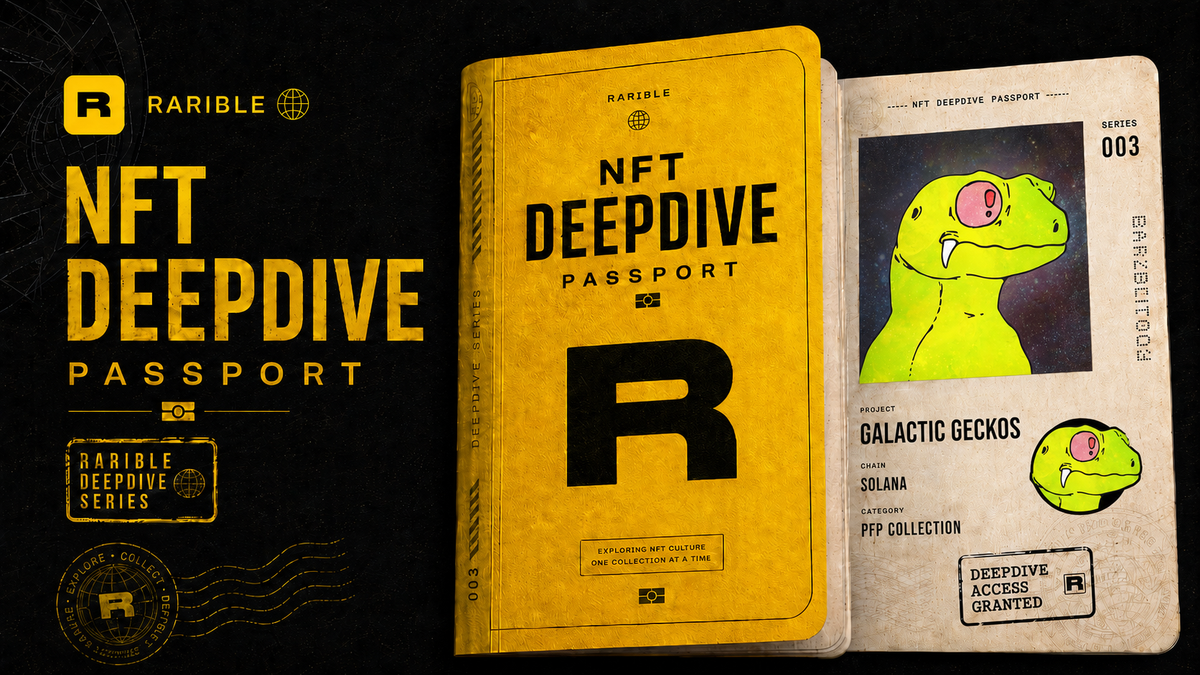
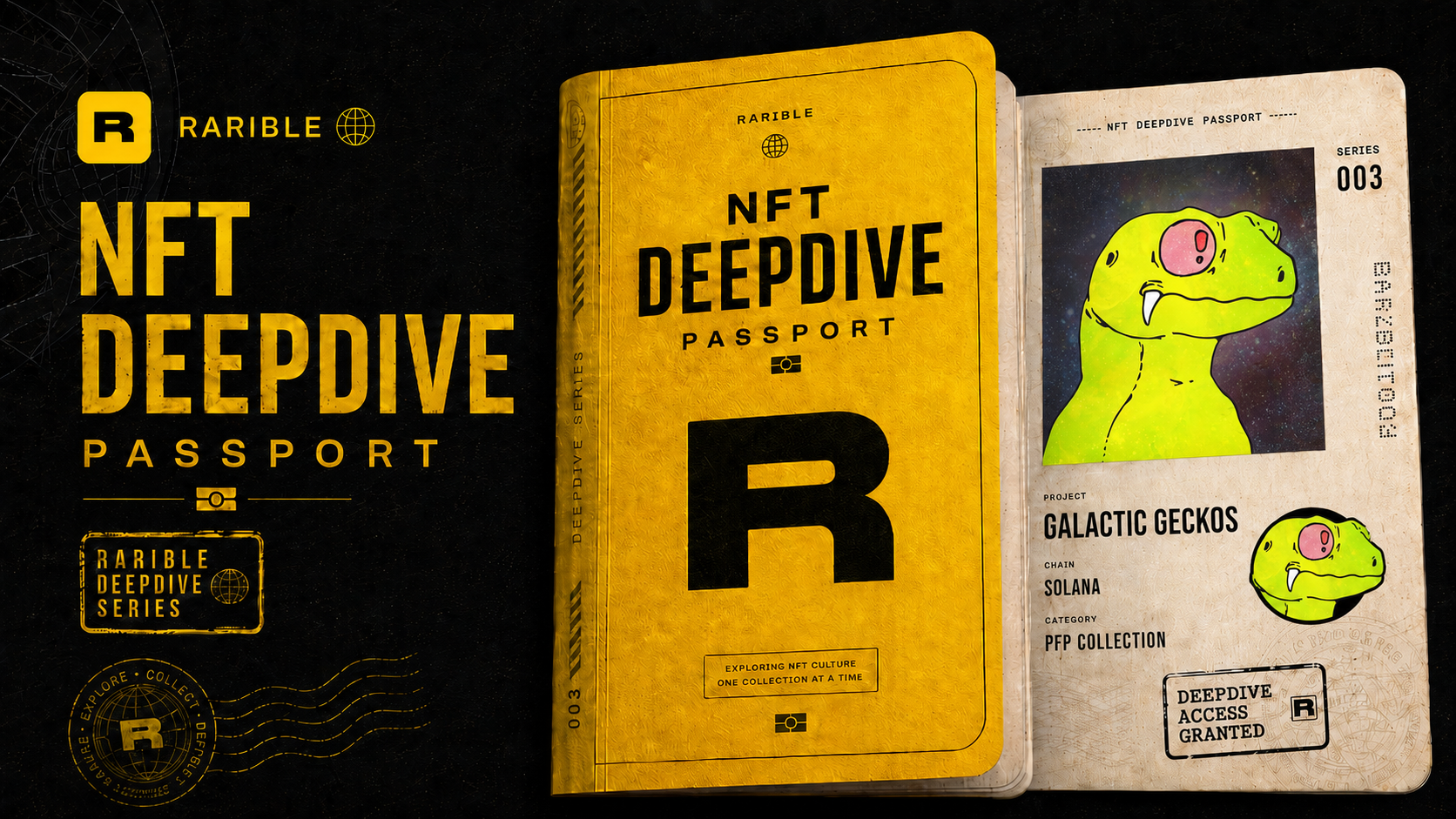
NFT Project Passport: Galactic Geckos

The 2022 Leadership Transition and the Hybrid-DAO Model

A defining moment in GGSG history occurred in February 2022, less than six months after the initial mint. Following a period of misalignment between the founding team’s objectives and the community’s expectations, a group of community members and the entity Genuine Articles (GA) orchestrated a complete buyout of the original founders. This transition was a rarity in the NFT space, where projects often stagnate or "rug" when leadership falters.

Under the new management, GGSG adopted a "hybrid-DAO" executive model. This structure was designed to solve the inherent inefficiencies of pure decentralized autonomous organizations, which often struggle with rapid decision-making. The GGSG model utilizes a lean executive team to handle day-to-day operations and strategic pivots, while maintaining a flat organizational culture that integrates community feedback and participation. This shift ensured that all subsequent initiatives—from technical tools to investment strategies—were focused on driving value back to the original 10,000 NFTs.

Economic Mechanics and the "Immortality" Deflationary Strategy

One of the most significant innovations introduced by the GGSG team is the concept of "Immortality" and long-term staking. In an asset class often plagued by high velocity and "paper-handed" flipping, GGSG implemented mechanics to reward conviction.

As of mid-2026, the supply dynamics of the collection are remarkably tight:

  • Total Supply: 10,000 Geckos
  • Immortalized/Soulbound: 902 Geckos (permanently removed from the circulating supply)
  • Staked: 7,111 Geckos (with the majority locked for 12 months or longer)
  • Liquid Float: Approximately 2,000 Geckos

This high staking ratio—exceeding 70% of the total supply—creates a "thin float" that can lead to significant price volatility during periods of increased demand. The "Hero’s Journey" staking mechanic, which requires a one-year lockup, pioneered a meta in the Solana ecosystem where projects sought to align holder incentives with multi-year development timelines.

NFT Project Passport: Galactic Geckos

Strategic Investments and GreenListed

Beyond the digital art, GGSG established an investment affiliate known as GreenListed. This arm of the project functions as a community-driven venture group, focusing on supporting builders within the Web3 and Solana ecosystems. One of GreenListed’s most notable achievements was leading the seed round for Matrica, a cross-chain token-gating protocol that has since become industry-standard infrastructure for Ethereum, Solana, and Bitcoin-based communities.

By holding a board seat at Matrica and other key startups, the GGSG leadership ensures that the project remains at the forefront of technical developments. This investment strategy serves a dual purpose: it generates potential financial returns for the DAO and secures early access to tools and "alpha" for Gecko holders.

Technical Expansion: Galactic Overdrive and Collector Profiles

While many NFT projects from the 2021 era have ceased development, GGSG has continued to build a technical ecosystem around its IP. The most anticipated of these developments is Galactic Overdrive, a trading-card game (TCG) developed by Space Squid Studios.

Currently in alpha testing for iOS, Android, and web platforms, Galactic Overdrive represents a "fun-first" approach to Web3 gaming. Internal data suggests a high level of engagement, with over 90% of alpha players returning for multiple sessions and 20% playing daily without any financial incentives. A broader beta release is scheduled for Q3 2026.

Complementing the gaming efforts is the GGSG App, which features "Collector Profiles." These profiles introduce holder badges and tools that reward long-term retention and surface the rarity of specific assets. By gamifying the act of holding and collecting, GGSG reinforces the core loop of its ecosystem: value accrues to those who engage deeply with the original assets rather than chasing side-tokens or derivative collections.

NFT Project Passport: Galactic Geckos

Market Context and Cultural Relevance

The market performance of Galactic Geckos has reflected the broader volatility of the Solana ecosystem, yet it has maintained a "blue chip" status among veteran collectors. On June 22, 2026, the floor price sat at approximately 6.26 SOL (roughly $455), significantly lower than its December 2023 all-time high of approximately $4,400 (65 SOL in April 2023). However, analysts point out that "floor price" is a limited metric for GGSG due to the extreme illiquidity of the collection and the high percentage of staked assets.

The project’s cultural relevance was recently bolstered by a collaboration with Lucid, an activation connected to Yuga Labs’ Otherside metaverse. This cross-chain participation demonstrates that GGSG’s influence extends beyond the Solana network. Furthermore, the project has maintained active "alpha" groups focusing on AI expertise, DeFi optimization, and X (formerly Twitter) growth, the latter of which has helped over 80 members monetize their social media presence.

Future Outlook and Strategic Roadmap

Looking toward the remainder of 2026, the GGSG team continues to operate under a philosophy of "under-marketing and over-delivering." Several key milestones are on the horizon:

  1. Galactic Overdrive Beta: The Q3 2026 launch is expected to introduce the GGSG IP to a wider gaming audience.
  2. Physical Expansion: Confirmed plans for Q3/Q4 include IRL merchandise, apparel, and a partnership involving Real World Assets (RWA) where GGSG will serve as the exclusive NFT partner.
  3. Token Generation Events (TGE): Holders are anticipating several airdrops from partner projects, including CUBE ($ISO) and LucidAI, which are expected to provide additional reward streams for staked Geckos.

Conclusion: The Legacy of The Garage

Galactic Geckos Space Garage has transitioned from a speculative digital asset into a sophisticated community network. Its survival is predicated on a refusal to follow the "hype-and-dilute" model common in the NFT space. By choosing to build beneath the surface and focusing on "immortalizing" its supply, GGSG has created a closed-loop economy that rewards loyalty.

The project’s history—marked by a community-led buyout and the pioneering of long-term staking metas—serves as a blueprint for how NFT collections can evolve into sustainable IP brands. As the project enters the second half of 2026, its focus remains on the "Geckoverse," a narrative-rich environment where identity, lore, and community ownership intersect. For the residents of "The Garage," the value of a Gecko is not merely found in its market price, but in its status as a passport to a highly curated and resilient digital society.

July 17, 2026 0 comment
0 FacebookTwitterPinterestEmail
NFT & Digital Assets

Azuki TCG Gates Awakened Marks a Strategic Pivot for Web3 Intellectual Property into the Global Physical Trading Card Market

by admin July 17, 2026
written by admin

The launch of Azuki TCG: Gates Awakened (AZK-01) represents a significant milestone in the evolution of digital-native intellectual property, signaling a deliberate move by Chiru Labs to transition the Azuki brand from a blockchain-centric ecosystem into the multibillion-dollar physical tabletop gaming industry. By introducing a tangible product line that operates independently of cryptocurrency wallets or blockchain mechanics, Azuki is attempting to bridge the gap between the speculative world of Non-Fungible Tokens (NFTs) and the established, play-centric culture of traditional trading card games (TCGs). This transition arrives at a critical juncture for the brand, as it seeks to demonstrate the long-term viability of its IP in a market characterized by rigorous competitive standards and a consumer base that prioritizes gameplay mechanics and artistic consistency over digital scarcity.

The Evolution of the Azuki Franchise

The Azuki project first gained prominence in early 2022 as a collection of 10,000 anime-inspired digital avatars. Created by Los Angeles-based Chiru Labs, the project quickly became one of the most successful "blue-chip" NFT collections, fueled by a distinct aesthetic and a lore-heavy marketing strategy centered around "The Garden," a metaphorical and digital space for its community. However, the project’s journey has not been without turbulence. In mid-2022, the brand faced a significant crisis of confidence following revelations regarding founder Zagabond’s past involvement with defunct NFT projects. While the community largely remained intact, the incident highlighted the volatility of NFT-based brands and the necessity of diversifying into more stable, traditional entertainment formats.

The development of the Azuki TCG is the culmination of a multi-year strategy to transform the brand into a comprehensive entertainment franchise. This strategy includes high-end apparel, animation, and now, a physical gaming ecosystem. By moving into the TCG space, Chiru Labs is entering a market currently experiencing a renaissance, driven by the continued dominance of established titles like Pokémon, Magic: The Gathering, and Yu-Gi-Oh!, alongside the successful entry of new competitors such as Disney Lorcana and the One Piece Card Game.

Mechanical Innovation: The IKZ Resource System and Spatial Tactics

At the core of Azuki TCG: Gates Awakened is a set of mechanics designed to appeal to both casual players and competitive veterans. The game utilizes a 50-card main deck supplemented by a Leader card and a dedicated resource system. Perhaps the most significant departure from traditional TCG design is the implementation of the IKZ resource deck. Unlike Magic: The Gathering or Pokémon, where resource cards (Lands or Energy) are shuffled into the main deck, Azuki TCG employs a separate 10-card IKZ deck.

This design choice addresses one of the most common frustrations in card gaming: "resource screw," a situation where a player is unable to execute their strategy because they fail to draw the necessary energy cards. By placing resources in a dedicated, predictable stack, the game ensures that players can focus on tactical execution rather than variance. This approach aligns Azuki with modern digital card games like Hearthstone and newer physical systems that prioritize consistent "on-curve" play.

The battlefield is divided into two distinct zones: the Garden and the Alley. This spatial element adds a layer of complexity to the gameplay. The Alley serves as a staging area where "Entities" can be placed in a protected state, allowing players to build up their board presence without immediate risk of combat. The Garden is the active combat zone where direct pressure is applied to the opponent. The "Gate" mechanic allows players to move cards from the Alley to the Garden, often triggering "Gate Power" abilities that can swing the momentum of a match. This creates a psychological "push-and-pull" dynamic, forcing players to decide when to reveal their threats and when to maintain a defensive posture.

Product Specifications and Market Positioning

The inaugural set, Gates Awakened (AZK-01), comprises 148 unique cards, offering a diverse range of rarities and visual treatments. To ensure a low barrier to entry, Chiru Labs has opted for a traditional retail distribution model. The product lineup includes:

  • Starter Decks: Priced at an MSRP of $12.99, these pre-constructed 50-card decks are designed for immediate play. They feature the four elemental leaders of the Azuki universe: Raizan (Lightning), Shao (Water), Bobu (Earth), and Zero (Fire).
  • Booster Display Boxes: Priced at an MSRP of $119.99, each box contains 24 booster packs, with 12 cards per pack. These are aimed at collectors and players looking to optimize their decks with rare "chase" cards.

The artistic direction of the set is led by Arnold Tsang, known professionally as Steamboy33, whose previous work as a lead character concept artist for Blizzard Entertainment’s Overwatch brings a level of professional polish rarely seen in indie TCG startups. The use of cel-shaded aesthetics and premium foil treatments is a strategic move to capture the attention of "waifu" and "husbando" collectors who have driven the secondary market value of Japanese-style TCGs in recent years.

Chronology of Development and Organized Play

The rollout of Azuki TCG has followed a structured timeline intended to build institutional credibility within the tabletop industry:

  • Late 2024 – Early 2025: Initial conceptualization and playtesting phases conducted by Chiru Labs’ internal gaming division.
  • March 2026: Formal announcement of a $100,000 prize pool commitment for the inaugural competitive season. This announcement was coupled with the naming of CoreTCG as the official tournament organizer. CoreTCG’s involvement is a significant endorsement, given their history of managing premier events for Bandai and Konami.
  • June 2026: The official retail launch of Gates Awakened (AZK-01) across North American and select international hobby stores.
  • Q3 2026: The scheduled commencement of the "Garden Series" regional qualifiers, leading to a national championship event.

By committing to a six-figure prize pool before the game even hit shelves, Azuki signaled to the competitive community that it is not treating the TCG as a mere merchandise "cash-grab." In the TCG world, organized play (OP) is the lifeblood of longevity. Without a reason for players to congregate at local game stores (LGS) on a weekly basis, even the most beautiful cards risk becoming stagnant assets.

Strategic Implications: The "No-Wallet" Onramp

The most profound aspect of the Azuki TCG launch is its "fiat-friendly" nature. For years, the NFT industry has struggled with the "onboarding" problem—the technical hurdles of setting up wallets, purchasing cryptocurrency, and navigating gas fees. Azuki TCG bypasses these barriers entirely. A consumer can walk into a local hobby shop, purchase a pack with a credit card, and participate in the ecosystem without ever knowing what an NFT is.

Market analysts view this as a "Trojan Horse" strategy for Web3 IP. By establishing the brand in the physical world first, Chiru Labs creates a broader funnel for its digital ecosystem. If a player becomes invested in the lore and characters through the TCG, they are more likely to eventually explore the digital "Garden" or purchase digital collectibles. This reverses the traditional NFT roadmap, which usually starts with a digital sale and promises physical utility later. Here, the physical utility is the primary product.

Furthermore, the TCG format allows Azuki to tap into the "graded card" economy. Companies like PSA and BGS have seen record volumes in recent years as collectors treat TCG cards as alternative assets. By producing high-quality physical cards, Azuki is creating a new class of collectible that carries the brand’s prestige into a market that is more liquid and less volatile than the NFT secondary market.

Challenges and Competitive Headwinds

Despite a strong launch, Azuki TCG faces significant hurdles. The tabletop market is notoriously "winner-take-all." Most players have a limited budget and limited time, usually dedicating themselves to one or two primary games. Competing for "shelf space" and "table time" requires constant innovation and a rigorous release schedule.

There is also the "crypto stigma" to contend with. A segment of the traditional tabletop community remains wary of blockchain-affiliated projects, viewing them as speculative or lacking in genuine gaming depth. To overcome this, Azuki must ensure that the game’s "meta"—the competitive balance of different deck types—is healthy and that subsequent sets provide meaningful updates to the gameplay experience.

The partnership with CoreTCG is a vital component in mitigating these risks. By leveraging an established distributor and tournament organizer, Azuki gains immediate access to a network of local game stores that might otherwise be hesitant to stock a product from a Web3 startup.

Conclusion: A Case Study in Brand Evolution

Azuki TCG: Gates Awakened is more than just a card game; it is a high-stakes experiment in brand permission. It asks whether a community born on the blockchain can successfully migrate to the physical world and compete on merit rather than hype.

The early indicators—including the professional art direction, the $100,000 competitive commitment, and the innovative IKZ resource system—suggest that Chiru Labs has studied the failures of previous "NFT games" and opted for a more disciplined, retail-first approach. If Azuki TCG can maintain its momentum through its second and third sets, it will provide a definitive blueprint for how digital-native brands can achieve mainstream cultural relevance. The success of Gates Awakened will be measured not just in sales figures, but in the number of players who show up at their local game stores, decks in hand, ready to enter the Garden.

July 17, 2026 0 comment
0 FacebookTwitterPinterestEmail
Tech & Startup News

The End of Spontaneity How AI Recording Apps and Wearables Are Transforming Professional and Personal Etiquette

by admin July 17, 2026
written by admin

As artificial intelligence continues its rapid integration into the daily workflows of global professionals, a new friction point has emerged at the intersection of productivity and privacy. The proliferation of AI-powered transcription services and wearable recording devices has reached a level of ubiquity that is fundamentally altering the nature of human conversation. What was once a niche tool for journalists and researchers has evolved into an "always-on" digital shadow, capturing everything from high-stakes venture capital negotiations to the tentative dialogue of first dates.

The tension surrounding this shift is perhaps best exemplified by Jeremy Levine, a prominent venture capitalist who has adopted a defiant stance against the automated recording of his likeness and words. According to a recent report by the Wall Street Journal, Levine has modified his display name on the video conferencing platform Zoom to read: “Jeremy Levine I do not consent to transcribing or recording.” This tactic serves as a preemptive legal and social strike against the automated "bots" that now routinely join virtual meetings to provide summaries for absent participants or lazy attendees.

Levine’s resistance highlights a growing divide in the professional world. While some view these tools as essential for capturing nuance and ensuring accountability, others, like Levine, characterize the trend as "socially unacceptable behavior" that threatens to kill the spontaneity and trust required for genuine human connection. The debate is no longer merely about convenience; it is about the sanctity of the unrecorded moment.

The Technological Surge: From Software Bots to Wearable Hardware

The current landscape of AI recording is defined by a massive influx of both software solutions and specialized hardware. In recent years, the market has moved beyond simple transcription to sophisticated analysis. Companies like Plaud.ai have reported significant commercial success, with the firm recently announcing that its software business surpassed $100 million in Annual Recurring Revenue (ARR) after shipping over two million AI-powered note-taking devices. These devices, often slim enough to be attached to the back of a smartphone or worn as a pendant, allow users to record physical meetings with a single touch, bypassing the traditional "red light" indicators of legacy recording equipment.

Other players in the space, such as Pocket and Speakon, have raised millions in venture capital—including an $11 million round for Pocket—betting on the premise that the demand for "external memory" is insatiable. These devices do not just record audio; they utilize Large Language Models (LLMs) like OpenAI’s GPT-4 or Anthropic’s Claude to provide thematic summaries, action items, and sentiment analysis.

The transition from manual note-taking to automated surveillance has been swift. Eric Bahn, another venture capitalist interviewed on the subject, noted that he now operates under the automatic assumption that every meeting with a startup founder is being recorded. This "new normal" suggests that the burden of privacy has shifted; it is no longer the recorder who must ask for permission, but the participant who must explicitly demand privacy.

A Chronology of Recording Norms

To understand the current state of recording etiquette, one must look at the evolution of the practice over the last several decades.

  1. The Analog Era (Pre-2000s): Recording was a deliberate act involving bulky tape recorders. It was largely reserved for formal interviews, legal depositions, or dictation for transcription by human secretaries. The presence of a recorder was an obvious and often intimidating physical presence.
  2. The Smartphone Revolution (2007–2020): The integration of high-quality microphones into every pocket made recording easier but still required active manual engagement. Apps like Otter.ai began to gain traction in the late 2010s, introducing the first wave of automated transcription, though the accuracy remained inconsistent.
  3. The Generative AI Breakthrough (2022–Present): The launch of ChatGPT and subsequent LLMs transformed recording from a "speech-to-text" utility into an "intelligence" utility. Recording a meeting now meant receiving a perfectly formatted executive summary five minutes after the call ended. This utility outweighed the social awkwardness for many, leading to the current explosion of AI bots in virtual meeting rooms.

The Expansion into Personal and Romantic Spheres

Perhaps the most controversial aspect of the AI recording boom is its migration from the office to the private lives of users. The Wall Street Journal report highlighted a founder who admitted to recording her first dates using the Granola app. Following the date, she would feed the transcript into Claude to analyze her own performance. The AI was tasked with determining if she was "engaging or empathetic" and quantifying the ratio of talking time between the two parties.

This use case represents a significant departure from the traditional boundaries of dating and social interaction. Critics argue that by treating a romantic encounter as a data set to be optimized, individuals risk losing the very empathy and connection they claim to be seeking. If a partner discovers they have been recorded without consent for the purpose of "post-game analysis," the resulting breach of trust is often irreparable.

Furthermore, this trend raises questions about the "gamification" of personality. When every interaction is graded by an algorithm, individuals may begin to perform for the AI rather than the person sitting across from them. This "algorithmic performance" could lead to a homogenization of social behavior, where people speak in clear, summary-friendly bullet points rather than engaging in the messy, circular, and often non-linear reality of human speech.

The Zoom hack that says, ‘Don’t record me’

Legal Implications and the "Two-Party Consent" Minefield

The legal framework surrounding AI recording is complex and varies significantly by jurisdiction. In the United States, recording laws generally fall into two categories:

  • One-Party Consent: In these jurisdictions (including the federal level and many states like New York and Texas), a person can legally record a conversation as long as they are a participant in it. They do not need to inform the other parties.
  • Two-Party (All-Party) Consent: In states such as California, Florida, and Illinois, all participants in a conversation must consent to being recorded. Failure to obtain this consent can result in both civil and criminal penalties.

The rise of AI bots on Zoom and Teams complicates these laws. While many platforms provide an automated audio notification ("This meeting is being recorded"), the use of wearable devices in a physical coffee shop or a private home often bypasses these safeguards. Legal experts warn that the "secret" recording of professional or personal conversations in two-party consent states could lead to a wave of litigation, particularly in employment law and divorce proceedings.

Moreover, the storage of this data presents a secondary legal risk. Most AI transcription apps store data in the cloud. If these platforms are breached, years of private conversations, trade secrets, and personal admissions could be exposed. For high-ranking executives and government officials, the use of third-party AI recording apps represents a significant cybersecurity vulnerability.

The "Audio Landfill": Is More Data Actually Better?

One of the most salient critiques of the current trend is the concept of the "audio landfill." As the cost of recording and transcribing drops to near zero, the volume of captured data is skyrocketing. However, the utility of this data is not necessarily keeping pace.

Industry analysts are beginning to ask: Who is actually reading these summaries? In many corporate environments, employees report being overwhelmed by "summary fatigue." If every thirty-minute sync results in a five-page transcript and a one-page summary, the time required to review the output can eventually exceed the time spent in the meeting itself.

There is also the risk of "hallucinations" within AI summaries. LLMs are known to occasionally invent facts or misattribute quotes. If a professional relies solely on an AI summary to execute a project, a single misinterpreted sentence could lead to costly errors. This creates a paradoxical situation where the user must still listen to the original recording to verify the AI’s accuracy, thereby negating the time-saving benefits of the tool.

Market Data and Economic Outlook

Despite the social and legal pushback, the economic indicators for the AI transcription market remain bullish.

  • Market Growth: The global speech-to-text market was valued at approximately $10 billion in 2022 and is projected to grow at a Compound Annual Growth Rate (CAGR) of over 20% through 2030.
  • Venture Activity: Investment in AI productivity tools reached record highs in 2025, with a specific focus on "vertical AI"—tools designed for specific industries like legal, medical, or sales, where transcription accuracy is paramount.
  • Corporate Adoption: A survey of Fortune 500 companies indicated that over 60% of organizations are currently trialing or have already implemented automated meeting summarization tools as part of their standard tech stack.

The Future of the "Unrecorded" Space

The backlash led by figures like Jeremy Levine suggests that we may be heading toward a "privacy premium" in the professional world. In the future, the highest level of business and personal interactions may be characterized not by their digital integration, but by their absolute lack of it. "Off the record" could become a luxury service or a prerequisite for high-trust negotiations.

Some firms are already implementing "no-device" policies for sensitive meetings, requiring participants to leave smartphones and wearables in lockers. Similarly, developers are working on "anti-AI" technology—devices that emit ultrasonic frequencies to jam microphones or software that can detect and block transcription bots in real-time.

Ultimately, the rise of AI recording apps is a testament to the human desire for total recall and perfect efficiency. However, as the boundaries between the recorded and the unrecorded continue to blur, society must grapple with the cost of that perfection. If every word is etched into a digital ledger, the freedom to be wrong, to be messy, and to be spontaneous may become a relic of the pre-AI past. The "zipped lips" emoji, once a symbol of a secret kept, may soon become a symbol of a conversation that was never allowed to happen in the first place.

July 17, 2026 0 comment
0 FacebookTwitterPinterestEmail
Tech & Startup News

Google-Backed FireSat Satellites Launch to Combat Global Wildfire Crisis Amid Growing Climate Concerns

by admin July 17, 2026
written by admin

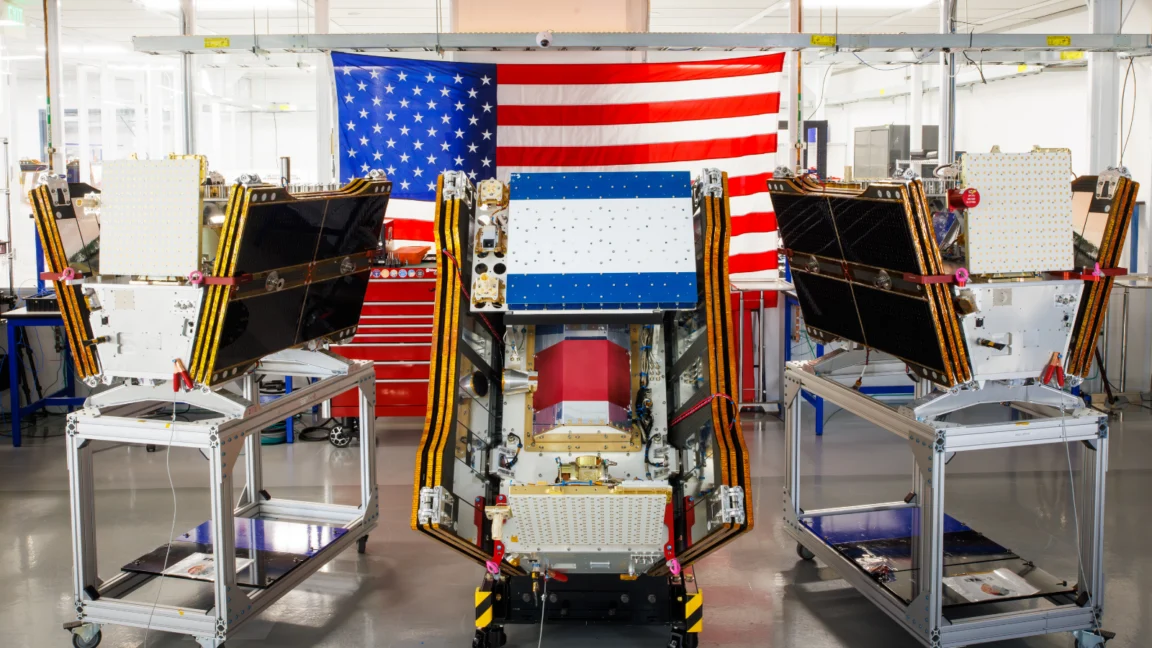
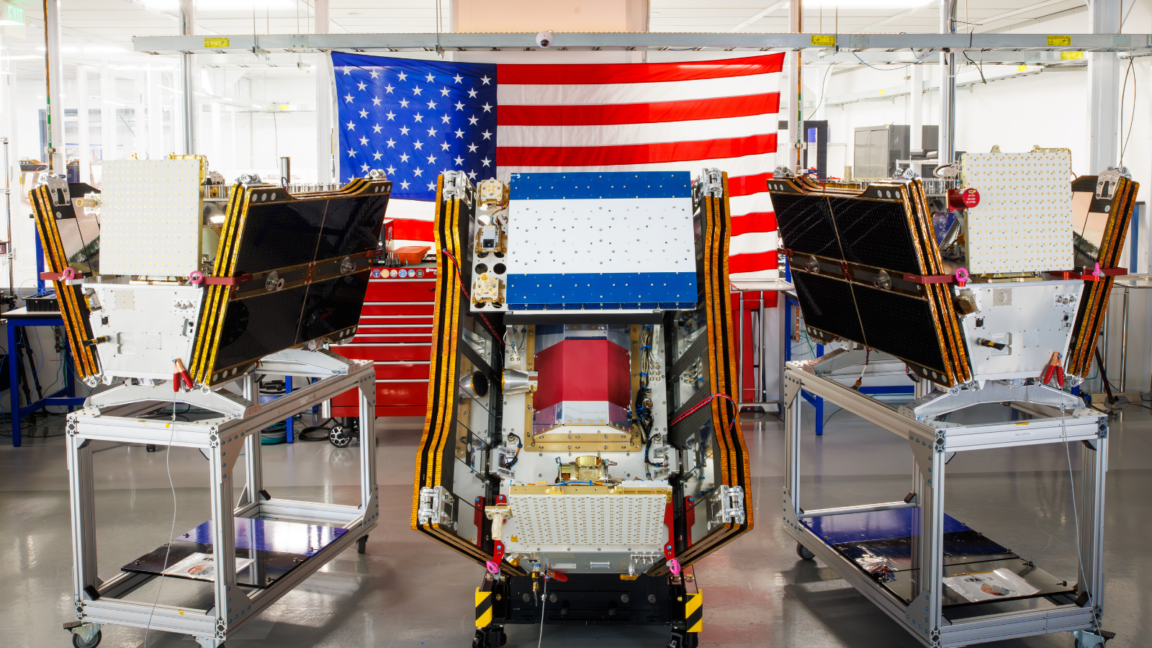
The global effort to monitor and mitigate the escalating threat of wildfires reached a significant milestone on July 7, 2026, as the first three operational satellites of the FireSat constellation were successfully deployed into orbit. Launched aboard a SpaceX Falcon 9 rocket from Vandenberg Space Force Base in California, these microsatellites represent the vanguard of a specialized orbital network designed to detect nascent wildfires with unprecedented precision. Managed by the nonprofit Earth Fire Alliance (EFA) and bolstered by significant financial and technical backing from Google and the Bezos Earth Fund, the FireSat program aims to fill a critical gap in current Earth-observation capabilities, offering the potential to identify blazes long before they escalate into uncontrollable conflagrations.

The launch occurs at a moment of acute environmental crisis. As the satellites reached their orbital slots, vast swaths of North America remained shrouded in smoke from hundreds of active wildfires burning across the Canadian boreal forests and the Western United States. This new orbital infrastructure is expected to transition to "initial operational capability" following a three-month commissioning and testing phase. By the final quarter of 2026, the trio of satellites will begin providing high-resolution thermal data to fire agencies in high-risk regions, including California, Colorado, Australia, and Portugal.

Technical Specifications and the Power of High-Resolution Detection

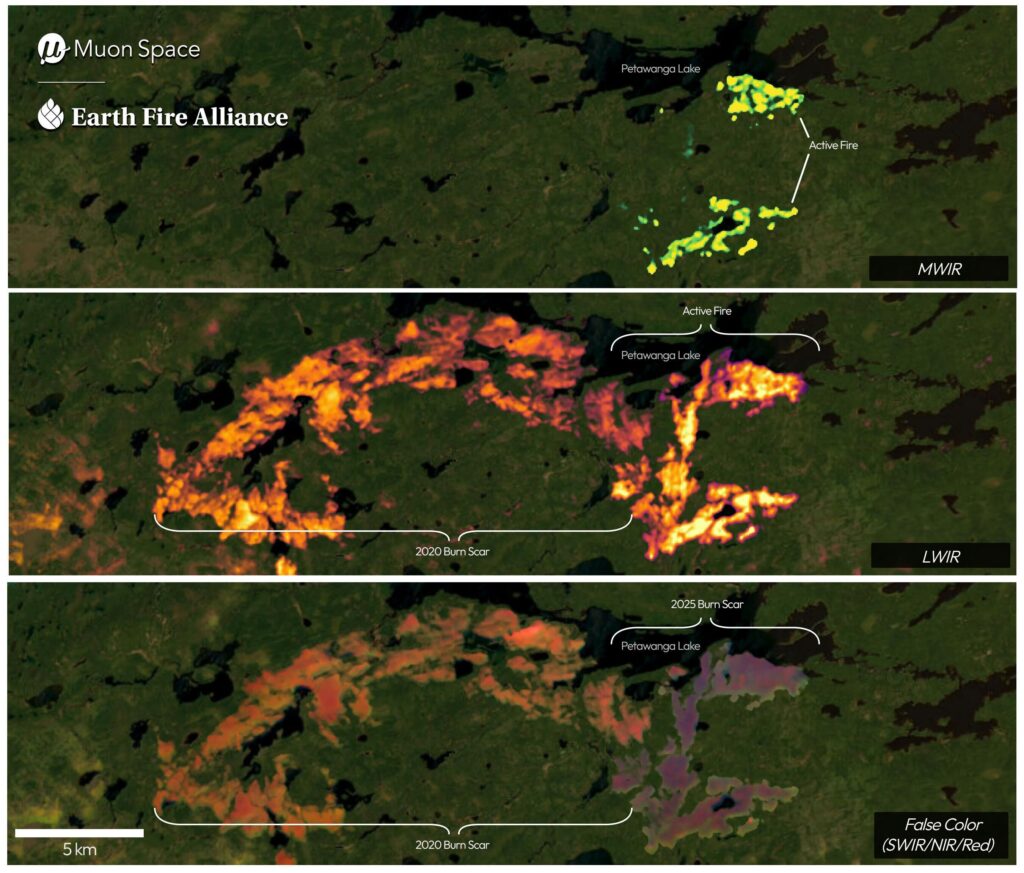
The FireSat constellation is the first satellite array purpose-built specifically for wildfire intelligence. Unlike existing environmental satellites, such as the MODIS or VIIRS instruments operated by NASA and NOAA—which often have thermal resolutions ranging from 375 meters to one kilometer—FireSat utilizes advanced multispectral imaging technology developed by California-based Muon Space. This technology allows the satellites to detect heat signatures from fires as small as five by five meters (approximately 16 by 16 feet) on the ground.

This granular level of detection is a transformative leap for emergency responders. Most current satellite systems are optimized for broad weather patterns or large-scale land use changes, meaning they often miss small "spot fires" or low-intensity blazes until they have grown large enough to produce significant smoke plumes. FireSat’s sensors are specifically tuned to peer through thick smoke and heavy cloud cover, identifying the infrared "fingerprint" of a fire in its infancy.

Google-backed satellites for wildfire detection launch as smoke chokes US, Canada

The efficacy of this hardware was validated during a rigorous pilot phase. A "Protoflight" satellite launched in March 2025 collected more than one million images over a year of testing. During this period, the prototype successfully identified numerous low-intensity fires that remained invisible to conventional satellite monitoring systems. This proof-of-concept paved the way for the $15 million in funding provided by Google Research and a substantial $26 million commitment from the Bezos Earth Fund to accelerate the deployment of the full constellation.

A Chronology of Deployment and Future Goals

The FireSat program is structured around an aggressive multi-year deployment timeline aimed at achieving near-real-time global monitoring. The July 2026 launch marks the beginning of the operational phase, but it is only the first step in a broader strategic rollout.

  • March 2025: Launch of the FireSat Protoflight. This mission served as the technical testbed, proving that multispectral sensors could accurately distinguish between actual fire starts and "false positives" like sun glint or industrial heat sources.
  • July 2026: Launch of the first three operational microsatellites. These units will provide twice-daily coverage of every fire-prone region on Earth.
  • Late 2026: Integration of data into the workflows of "early adopter" fire agencies. This phase focuses on refining the user interface for firefighters on the ground.
  • 2029: The constellation is expected to grow sufficiently to provide hourly imagery updates for any point on the globe.
  • Early 2030s: Completion of the full constellation, consisting of more than 50 satellites. At this stage, the revisit rate—the time between a satellite passing over the same spot—will drop to just 20 minutes.

This rapid revisit rate is essential for modern firefighting. In arid, wind-driven environments, a fire can grow from a small spark to a massive crown fire in less than an hour. Reducing the "blind spot" between satellite passes is seen by experts as the most effective way to improve initial attack success rates.

Economic and Environmental Implications

The Earth Fire Alliance has released detailed projections regarding the potential impact of the FireSat network. According to their modeling, achieving even an hourly revisit rate could result in more than $1 billion in avoided fire damage costs globally. By enabling faster suppression, the system is projected to protect approximately 1.3 million acres of land and 3,500 homes annually that would otherwise be lost to late-detected fires.

Furthermore, the environmental benefits are substantial. Wildfires are a major source of greenhouse gas emissions, often creating a feedback loop that accelerates global warming. The EFA estimates that the FireSat constellation could prevent nearly 22 million tons of carbon emissions per year by limiting the scale of catastrophic burns. This is particularly relevant for peatlands and boreal forests, which store vast amounts of carbon that are released into the atmosphere when they burn.

Google-backed satellites for wildfire detection launch as smoke chokes US, Canada

Google’s involvement extends beyond mere financing. Google Research is deploying custom AI models to process the massive influx of data from Muon Space’s satellites. These AI systems compare real-time FireSat data against decades of historical satellite imagery to identify anomalies. By automating the detection process, the AI can alert local authorities to a potential fire within minutes of the satellite pass, removing the bottleneck of human image analysis.

The AI Paradox: Climate Solution vs. Climate Cost

While Google has framed its support for FireSat as a "tangible step forward in putting practical AI to work for climate resilience," the project also highlights a growing tension within the tech industry. The very AI models used to detect wildfires require an immense amount of energy to train and operate.

Recent reports indicate that the boom in AI data centers is driving a significant surge in electricity demand. Google acknowledged that its company-wide electricity usage grew by 37 percent in 2025 alone, largely due to the infrastructure required for generative AI. In many regions, this increased demand is being met by new natural gas projects, which could collectively emit more than 129 million tons of greenhouse gases annually.

Critics and environmental analysts point out the irony: the tech industry is developing sophisticated tools to manage the symptoms of climate change (such as increased wildfires) while simultaneously contributing to the primary cause (carbon emissions) through its energy-intensive expansion. Google has stated it remains committed to its goal of reaching net-zero emissions across its operations by 2030, but the rapid growth of AI has made that target increasingly difficult to hit.

The Crisis on the Ground: Lessons from the 2026 Fire Season

The urgency of the FireSat mission is underscored by the current state of wildfires in the Northern Hemisphere. As of mid-July 2026, the Canadian Wildland Fire Information System reported nearly 900 active wildfires, with over 3,600 fires recorded since the start of the year. These blazes have already consumed more than 6.6 million acres.

Google-backed satellites for wildfire detection launch as smoke chokes US, Canada

In Ontario and British Columbia, dozens of "out of control" fires are currently being monitored rather than fought. Fire agencies, overwhelmed by the sheer number of starts, have been forced to triage their resources, focusing only on blazes that directly threaten lives or critical infrastructure. This "managed fire" approach is a direct result of limited resources, including a shortage of heavy-lift helicopters and fixed-wing air tankers.

Werner Kurz, a retired senior research scientist at Natural Resources Canada, noted that the traditional strategies of fire suppression are being overwhelmed by the new reality of a hotter, drier climate. "What is unfolding is what climate and forest scientists have been predicting for 30 years," Kurz stated. He emphasized that while better detection via satellites like FireSat is a vital tool, it must be paired with increased ground resources and more aggressive forest management, such as prescribed burns, to reduce the fuel loads that allow small fires to become mega-fires.

Broader Impact and the Path Forward

The FireSat program represents a shift toward a more proactive, tech-driven approach to disaster management. By providing international fire agencies with high-fidelity, low-latency data, the Earth Fire Alliance hopes to democratize access to advanced space technology. Historically, only the wealthiest nations could afford dedicated orbital monitoring; the FireSat model aims to provide this data to fire-prone regions globally, regardless of their domestic space capabilities.

However, as the first three satellites begin their work, the limitations of technology remain clear. Detection is only the first link in the chain of survival. For the FireSat data to be effective, it must be integrated into a robust emergency response network that includes well-funded fire departments, advanced aerial firefighting fleets, and communities that are prepared for evacuations.

As smoke continues to affect air quality for more than 100 million people across North America, the launch of FireSat serves as both a beacon of technological hope and a sobering reminder of the scale of the climate challenge. The success of the program will ultimately be measured not by the number of satellites in orbit, but by the number of fires that are extinguished while they are still small enough to be controlled.

July 17, 2026 0 comment
0 FacebookTwitterPinterestEmail
Tech & Startup News

GoCable 8-in-1 EDC Charger Offers Versatile 100W Power Delivery and Integrated Tools in a Compact Keyring Design for Under Thirty Dollars

by admin July 17, 2026
written by admin

The consumer electronics market has seen a significant shift toward multi-functional utility, and the GoCable 8-in-1 Everyday Carry (EDC) charger represents a notable entry into this landscape of consolidated technology. Currently positioned at a retail price of $29.99, down from its standard manufacturer’s suggested retail price (MSRP) of $49.99, the device aims to solve a persistent logistical challenge for modern commuters and travelers: the proliferation of disparate charging cables and peripheral tools. This price reduction reflects a broader trend in the tech accessory market where high-wattage, multi-use hardware is becoming increasingly accessible to the general public.

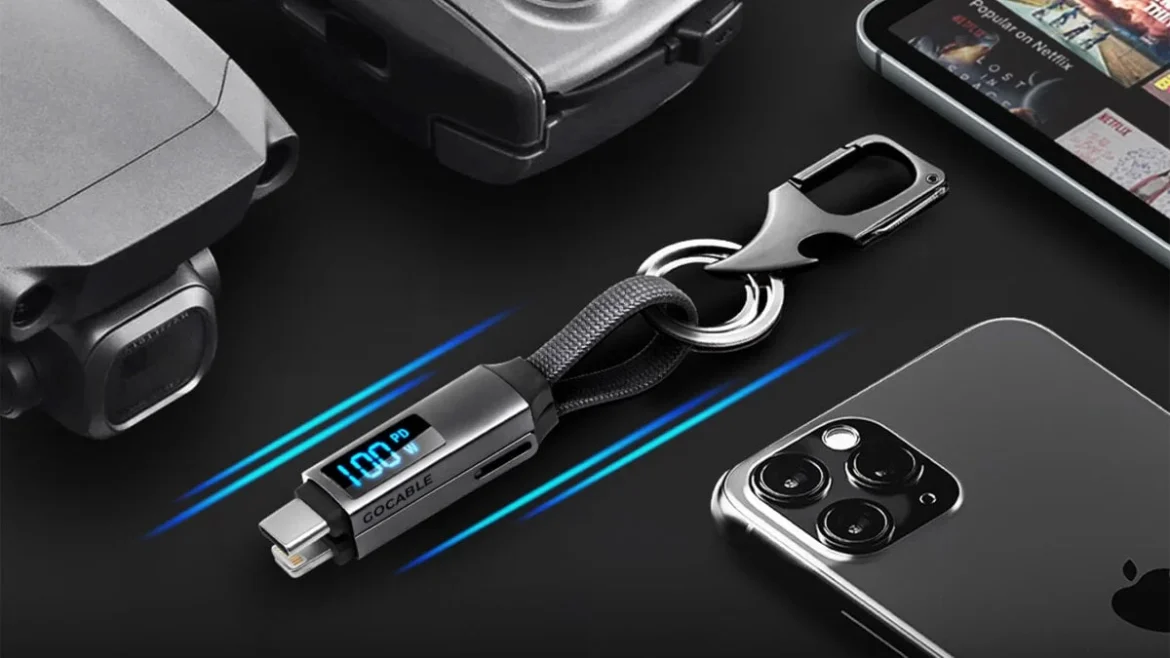
Designed to serve as a comprehensive charging solution, the GoCable 8-in-1 is engineered to handle up to 100W of power, provided it is connected to a compatible high-output power source. This capacity allows it to cross the threshold from a simple mobile phone accessory to a legitimate power delivery system for high-demand hardware, including ultrabooks, professional-grade cameras, and modern drones. By integrating universal connectors, specifically focusing on the transition between USB-C and Apple’s proprietary Lightning interface, the device addresses the "fragmented pocket" problem that has plagued the mobile era for over a decade.

Technical Specifications and Hardware Performance

The primary value proposition of the GoCable 8-in-1 lies in its technical versatility. The 100W Power Delivery (PD) rating is the centerpiece of its engineering, facilitating rapid charging cycles that are essential for users who rely on high-performance laptops like the MacBook Pro or Dell XPS series. In a professional environment where time-to-charge is a critical metric, the ability to draw 100W through a cable that fits on a keyring is a significant advancement in miniaturization.

Physically, the device measures 5.9 inches in length. This specific dimension is a calculated compromise between portability and ergonomics. While shorter than standard three-foot cables, the 5.9-inch span is sufficient for connecting a smartphone to a portable power bank or a laptop to a side-mounted USB-C port without creating the "cable spaghetti" often found in laptop bags. The cable features a magnetic wrap-around design, which ensures that the connectors stay protected and the cable remains tangle-free when not in use.

Furthermore, the GoCable incorporates an integrated LED power display. This feature provides real-time data on charging status, allowing users to verify if their device is drawing power at the expected rate. This level of transparency is particularly useful when troubleshooting faulty wall adapters or determining the efficiency of public charging stations in airports or cafes.

The Evolution of Everyday Carry (EDC) Integration

The GoCable does not limit its utility to digital power transfer; it also incorporates physical tools that align with the "Everyday Carry" philosophy. This subculture of product design emphasizes the importance of carrying tools that are compact, durable, and multi-functional. Beyond the charging pins, the GoCable includes a built-in bottle opener and a "safe-proof" cutter.

The inclusion of these mechanical tools suggests a design shift toward the "Swiss Army Knife" of electronics. The cutter is designed for low-risk tasks, such as opening shipping packages or cutting through plastic ties, while the bottle opener provides utility in social or outdoor settings. By merging these analog tools with a digital charging interface, the manufacturers are targeting a demographic that values preparedness and minimalist logistics. The device is built to be clipped onto belt loops, backpacks, or keychains, reinforcing its role as a permanent fixture in a user’s daily gear.

Historical Context: The Road to Universal Charging

To understand the relevance of the GoCable, one must look at the chronology of mobile charging standards. For years, the industry was defined by fragmentation. The early 2000s saw a different proprietary charger for every mobile phone brand, leading to massive amounts of electronic waste. The introduction of Micro-USB provided some relief, but the subsequent split between Apple’s Lightning connector and the industry-standard USB-C created a new era of "dual-cable" requirements.

The GoCable arrives at a pivotal moment in this timeline. With the European Union’s recent mandates requiring USB-C as the universal charging standard for all mobile devices, the tech industry is moving toward a unified ecosystem. However, during this transition period—where legacy Lightning devices coexist with new USB-C hardware—the need for bridge technology is at an all-time high. The GoCable’s ability to toggle between these standards makes it a transitional tool that bridges the gap between the hardware of the last five years and the hardware of the next decade.

Market Analysis and Economic Implications

The mobile accessory market is projected to continue its growth as consumers hold onto their primary devices longer and seek to optimize them with high-quality peripherals. Data from market research firms suggests that the "multi-functional cable" segment is one of the fastest-growing niches within the $200 billion global mobile phone accessory market.

The current sale price of $29.99 places the GoCable in a competitive position. High-quality 100W USB-C cables from reputable brands often retail between $20 and $35 without any additional tools or multi-connector capabilities. By offering an 8-in-1 solution at the $30 mark, the GoCable is positioned to undercut the combined cost of purchasing a dedicated 100W cable, a Lightning adapter, and a separate EDC multi-tool.

Industry analysts suggest that the "all-in-one" approach reduces consumer friction. Instead of managing a dedicated cable for a laptop, another for a tablet, and a third for a pair of noise-canceling headphones, a single point of failure (or success) is established. This consolidation is particularly attractive to the "digital nomad" workforce, which prioritizes weight reduction in their travel kits.

Broader Impact on E-Waste and Sustainability

While the primary marketing focus of the GoCable is convenience and power, there is an underlying environmental implication to the adoption of multi-functional cables. Electronic waste (e-waste) remains one of the fastest-growing waste streams globally. A significant portion of this waste consists of discarded cables and power adapters that are no longer compatible with newer devices.

By providing a single durable cable that can service multiple generations and types of hardware, devices like the GoCable potentially reduce the number of individual cables a consumer needs to purchase over the lifecycle of their electronics. Furthermore, the 100W rating ensures that the cable remains relevant as devices continue to demand higher power inputs, preventing the cable from becoming obsolete as charging speeds increase across the industry.

Conclusion and Future Outlook

The GoCable 8-in-1 EDC charger is more than a simple discounted tech accessory; it is a reflection of the current state of consumer electronics, where the boundaries between digital utility and physical tools are increasingly blurred. As the industry moves closer to a truly universal charging standard, the demand for versatile, high-wattage, and portable solutions will only intensify.

For the consumer, the $29.99 price point offers a low-barrier entry into high-speed charging and minimalist gear management. As laptops and mobile devices continue to merge in terms of power requirements—with USB-C PD becoming the de facto standard for everything from a pair of earbuds to a workstation—the GoCable serves as a functional emblem of this convergence.

The success of such devices will likely encourage further innovation in the EDC space, perhaps leading to even more integrated features such as built-in data storage or biometric security in future iterations of the "keyring cable." For now, the GoCable stands as a practical solution for the modern user who demands that their everyday tools work as hard as the devices they power. With its robust power delivery, multi-port compatibility, and integrated physical tools, it represents a logical step forward in the evolution of personal technology management.

July 17, 2026 0 comment
0 FacebookTwitterPinterestEmail
Artificial Intelligence & Tech

The Evolution of Parallel Engineering Leveraging Git Worktrees to Optimize AI Agent Workflows

by admin July 17, 2026
written by admin

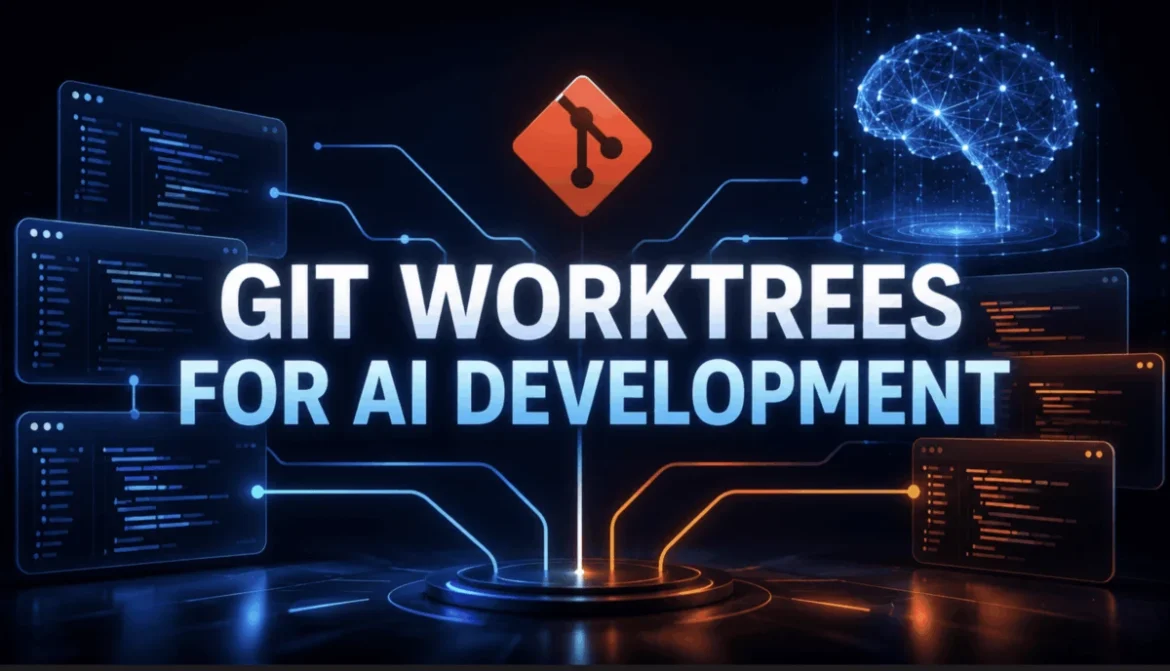
The landscape of software engineering is undergoing a fundamental shift as autonomous AI agents move from experimental novelties to core components of the development lifecycle. As of 2025, the industry has reached a critical juncture where the primary bottleneck is no longer the speed of code generation, but the infrastructure required to manage multiple AI entities working in parallel. At the center of this architectural evolution is a decade-old Git feature: the worktree. Originally introduced in Git version 2.5 in 2015, worktrees have emerged as the essential "workflow layer" for modern engineering teams, allowing developers to run parallel AI agents across multiple branches without the catastrophic risks of file corruption, context loss, or interrupted workflows.

The Infrastructure Gap in AI-Assisted Engineering

Despite the rapid adoption of AI tools, a significant disconnect remains between tool utilization and team productivity. Industry data from early 2026 indicates that while approximately 51% of professional developers now engage with AI tools on a daily basis, only 17% report that these tools have meaningfully improved team collaboration. This discrepancy points to a systemic infrastructure problem. Teams are deploying sophisticated AI agents like Claude Code, Cursor, and OpenAI’s Codex onto legacy workflows designed for single-threaded human interaction.

In a traditional Git workflow, a developer—or an AI agent—operates within a single working directory. When a high-priority task, such as a production hotfix, interrupts a long-running AI process, the standard procedure involves "stashing" changes and switching branches. For an AI agent that has spent twenty minutes building a complex mental model of a codebase to perform an authentication rewrite, this switch is devastating. The agent loses its immediate state, and the developer incurs a "context tax" while re-orienting the tool after the interruption. Furthermore, running two agents simultaneously in the same directory often leads to silent data corruption, where one agent overwrites the package.json or configuration files of another without warning.

Git worktrees solve this by allowing one .git directory to support multiple working directories. Each worktree is checked out to a different branch, remaining physically separate on the filesystem while sharing the same underlying repository history and objects. This isolation ensures that an agent working on a feature branch cannot interfere with an agent or human working on a hotfix or a separate API expansion.

Technical Architecture and the Shift from Multi-Clone Strategies

Before the resurgence of worktrees, developers often resorted to creating multiple full clones of a repository to achieve parallelism. While effective for isolation, this "naive" approach is resource-intensive and creates synchronization silos. Multiple clones duplicate the entire repository history on disk, and commits made in one clone are not visible in another until they are pushed to and pulled from a remote server.

In contrast, the worktree architecture maintains a single source of truth. All worktrees share the same history and object database. When a commit is made in a feature worktree, it is immediately accessible to the main worktree. The storage cost of an additional worktree is limited only to the checked-out files of that specific branch, rather than the gigabytes of history often found in modern enterprise repositories. This shared backend allows for a high degree of coordination between human supervisors and their AI "sub-agents."

Git Worktrees for AI Development

Case Study: The 2025 Microsoft Global Hackathon

The practical viability of this workflow was demonstrated during the Microsoft Global Hackathon in late 2025. Tamir Dresher, a prominent engineering lead, documented a shift from individual contribution to technical orchestration using a worktree-based model. Faced with a high volume of features and limited time, Dresher’s team implemented a "Virtual AI Development Team" structure.

By assigning each feature to a dedicated Git worktree, the team was able to run several AI agents concurrently. One agent handled OAuth2 flow implementation in one directory, while a second built REST endpoints in another, and a third addressed login crashes in a hotfix directory. Each worktree was opened in an independent IDE window, allowing language servers, linters, and test runners to operate in total isolation.

Dresher noted that this setup transformed the role of the senior engineer. Instead of writing every line of code, the human lead functioned as a "Tech Lead for Agents," focusing on scoping tasks, reviewing the diffs produced by the agents, and performing final merges. The hackathon results showed a marked increase in throughput without the usual degradation in code quality associated with rapid, multi-branch development.

Implementing the Parallel Agent Workflow

Establishing a robust worktree environment requires a structured approach that goes beyond simple Git commands. Modern practitioners follow a four-stage lifecycle to ensure agents remain productive and isolated.

Stage 1: Automated Worktree Provisioning

Manual creation of worktrees can lead to configuration errors. Leading engineering teams now utilize bash or PowerShell scripts to automate the setup. These scripts not only create the directory and branch but also handle the "hidden" requirements of a new workspace. Because worktrees start as clean checkouts, they do not inherit gitignored files such as .env or local configuration overrides. Automation ensures that environment variables are copied and that local dependencies—such as node_modules or Python virtual environments—are initialized immediately.

Stage 2: Architectural Contextualization

A recurring challenge in AI development is ensuring the agent adheres to established project patterns. Research presented at the International Conference on Software Engineering (ICSE) 2026 highlighted that providing agents with explicit architectural documentation leads to measurable improvements in functional correctness and code modularity.

The industry has standardized the use of "Context Files," such as AGENTS.md or CLAUDE.md. These files, committed to the repository root, serve as a briefing document for any agent entering the workspace. They define the tech stack, build commands, architectural layers (such as service vs. repository patterns), and "prohibited zones" that the agent should not modify. In a worktree setup, these files are updated with task-specific criteria, ensuring the agent remains focused on the specific scope of its branch.

Git Worktrees for AI Development

Stage 3: Execution and Monitoring

Once the environment is provisioned, agents are launched within their respective directories. Tools like Claude Code have integrated native support for this workflow, offering flags like --worktree to automate the creation of the workspace and the initiation of the session in a single step. This allows developers to maintain a "dashboard" view of multiple terminals, each representing a different stream of work.

Stage 4: Conflict Mitigation and Synchronization

The primary risk in parallel development is "branch drift." An AI agent working in isolation for several days may produce code that is incompatible with the evolving main branch. To counter this, practitioners emphasize a "Rebase-First" strategy. By frequently rebasing worktree branches onto the latest origin/main, developers ensure that the history remains linear and that conflicts are resolved incrementally rather than in a massive, high-risk merge at the end of the project.

Broader Impact and Industry Implications

The integration of Git worktrees into the AI development stack represents a shift toward "Agentic Engineering." This model has several long-term implications for the software industry:

  1. Increased Developer Leverage: A single engineer can now oversee the output of three to five parallel agents. This "force multiplier" effect is expected to significantly reduce the time-to-market for complex features, provided the underlying infrastructure can support the parallelism.
  2. Redefinition of Seniority: The value of a senior engineer is increasingly tied to their ability to architect systems and review AI output rather than their raw coding speed. The "Tech Lead for Agents" model requires high-level systems thinking and the ability to write precise, unambiguous technical specifications.
  3. CI/CD Evolution: Continuous Integration pipelines must adapt to handle a higher volume of concurrent pull requests. The use of worktrees facilitates cleaner PRs, as each agent’s work is isolated and rebased, making the review process more manageable for human supervisors.
  4. Operational Efficiency: By using worktrees instead of multiple clones, organizations can reduce disk space usage and improve the speed of branch switching, which, across thousands of developers, translates into significant infrastructure savings.

Technical Reference and Troubleshooting

For teams looking to adopt this workflow, Git provides a comprehensive suite of management tools. The git worktree add command serves as the entry point, while git worktree list and git worktree prune allow for the management and cleanup of active workspaces.

Common errors, such as attempting to check out a branch that is already active in another worktree, are handled by Git’s internal locking mechanisms. This prevents the "split-brain" scenario where two working directories attempt to update the same branch head simultaneously. Furthermore, the git worktree lock feature allows developers to protect long-running AI sessions from accidental cleanup by automated maintenance scripts.

Conclusion

Git worktrees are no longer an obscure feature for power users; they have become a foundational requirement for the AI-driven era of software development. By providing a clean, isolated, and shared-history environment, they solve the fundamental friction between the high-context needs of AI agents and the fast-paced, multi-tasking reality of modern engineering. As AI agents become more autonomous, the ability to orchestrate them through stable infrastructure like worktrees will distinguish high-performing engineering organizations from those struggling with the chaos of the "agentic wave." The transition from single-threaded development to parallel, agent-assisted engineering is not just a change in tooling, but a fundamental evolution in how code is conceived, written, and maintained.

July 17, 2026 0 comment
0 FacebookTwitterPinterestEmail
Artificial Intelligence & Tech

OpenAI Releases GPT-5.6 to Public Marking Incremental Progress in Frontier Intelligence and Reasoning Capabilities

by admin July 17, 2026
written by admin

OpenAI has officially deployed its latest iteration of generative artificial intelligence, GPT-5.6, signaling a continued commitment to high-frequency updates within its frontier model family. This release follows the success of GPT-5.5 and enters a highly competitive market currently contested by Anthropic’s Opus 4.8 and Fable 5 models. While OpenAI has positioned GPT-5.6 as an incremental advancement rather than a paradigm shift, early technical assessments suggest the model introduces significant refinements in code analysis, autonomous browser navigation, and variable reasoning architectures. The deployment arrives amidst a broader industry shift toward "inference-time scaling," where the quality of an AI’s output is directly linked to the amount of computational "thinking time" allocated to a specific query.

The development of GPT-5.6 comes at a critical juncture for OpenAI. Since the transition from the GPT-4 architecture to the GPT-5 series, the organization has focused on modularity and specialized performance. Industry analysts note that the rapid succession of versions—moving from 5.5 to 5.6 in a matter of months—reflects a "continuous delivery" philosophy intended to maintain a lead over Anthropic and Google. This latest model is not a monolithic entity but is instead offered in three distinct sizes, categorized by a celestial naming convention: Sol, Terra, and Luna. Sol represents the flagship frontier model designed for complex problem-solving, while Terra and Luna offer scaled-down parameters optimized for efficiency and lower-latency applications.

A core innovation within GPT-5.6 is the introduction of granular reasoning levels. Unlike previous models that operated at a fixed computational cost per token, GPT-5.6 allows users to select between various "thinking" intensities, ranging from medium to ultra-high. Technical documentation indicates that higher reasoning levels utilize extended chain-of-thought processing, allowing the model to self-correct and explore multiple logic paths before delivering a final response. However, this increased accuracy comes at the cost of speed and resource consumption. In practical applications, the "ultra-high" reasoning mode has been observed to be significantly slower than standard outputs, creating a strategic trade-off for developers and enterprise users.

In the domain of software engineering, GPT-5.6 has shown measurable improvements in code review precision and recall. Comparative data suggests that GPT-5.6 outperforms its predecessor, GPT-5.5, in identifying subtle logic flaws and security vulnerabilities within large repositories. Precision, the metric of how often the model is correct when it identifies a bug, and recall, the metric of how many total bugs the model successfully identifies, have both seen upward trends. This advancement positions GPT-5.6 as a primary tool for automated quality assurance, with some engineering firms reporting that the model’s oversight is now sufficient to bypass certain manual human review stages for non-critical infrastructure.

Despite these gains, the model’s performance in code implementation remains a point of comparative analysis. While GPT-5.6 is a robust implementer, industry benchmarks indicate that a multi-model workflow often yields superior results. Many high-level developers currently utilize Anthropic’s Fable 5 for initial architectural planning due to its perceived creative logic, before switching to GPT-5.6 or Opus 4.8 for the actual generation of code. This "best-of-breed" approach highlights the current fragmentation in the AI market, where no single model yet dominates every stage of the development lifecycle.

The integration of "Computer Use" and browser-based navigation is another pillar of the GPT-5.6 release. The model demonstrates an enhanced ability to interact with web interfaces, utilizing tools like Playwright and various Model Context Protocols (MCP) to perform end-to-end task verification. This capability allows the AI to not only write code but also to deploy it in a sandbox environment, navigate to a browser, and verify that the front-end elements are functioning as intended. This move toward agentic behavior—where the AI acts as an operator rather than just a text generator—is a significant step toward full workflow automation.

How to Work Effectively with GPT-5.6

However, the high computational demands of GPT-5.6 have introduced new challenges regarding usage limits. Users on standard and professional subscriptions have reported that the "extra high" and "ultra" reasoning modes consume token quotas at an accelerated rate. To mitigate user frustration, OpenAI has introduced a "banked reset" system. Unlike traditional fixed-window resets, a banked reset allows users to manually trigger a quota refresh at a time of their choosing. While this provides flexibility for high-intensity work sessions, the system also resets the countdown for the subsequent window, effectively shifting the user’s billing and usage cycle. This reflects the ongoing struggle for AI providers to balance the high costs of inference-time scaling with the demands of power users.

From a market perspective, the release of GPT-5.6 is seen as a defensive and offensive move. OpenAI is defending its territory against Anthropic’s Opus 4.8, which has gained traction for its nuanced language understanding. Simultaneously, OpenAI is on the offensive by offering the Sol, Terra, and Luna tiers, which cater to different price points and performance needs. Statements from industry observers suggest that the "Terra" model, when paired with high reasoning levels, can occasionally match the performance of the "Sol" model at a lower base cost, though this remains a subject of ongoing benchmarking.

The broader implications of GPT-5.6 extend into the future of human-AI collaboration. As models become more capable of autonomous review and browser-based execution, the role of the human engineer is shifting from a "maker" to an "orchestrator." The ability to give the AI access to external tools—such as Gmail, Slack, and Google Calendar via MCP—further blurs the line between a chatbot and a digital employee. OpenAI’s decision to maintain compatibility with a wide range of connectors ensures that GPT-5.6 can be integrated into existing enterprise ecosystems with minimal friction.

In terms of chronological development, the GPT series has evolved from the broad-spectrum capabilities of GPT-4 to the specialized, reasoning-heavy architecture of GPT-5.6. This evolution is characterized by a shift away from simply increasing parameter counts toward optimizing how those parameters are utilized during the inference phase. The "thinking" time of the model is now a billable and adjustable commodity, representing a new era of "computational intelligence on demand."

As the AI industry moves forward, the success of GPT-5.6 will likely be measured by its reliability in production environments. While its incremental improvements in precision and recall are welcomed by the developer community, the high latency and cost associated with its most advanced reasoning modes remain hurdles for widespread adoption. Nevertheless, the model represents a clear advancement in the state of the art, providing a glimpse into a future where AI models are not only capable of generating content but are also capable of rigorous self-critique and complex environmental interaction.

The conclusion of the GPT-5.6 initial rollout marks a period of evaluation for tech leaders. The current consensus suggests that while GPT-5.6 is a formidable tool for code review and autonomous browser tasks, it is most effective when used as part of a broader suite of AI tools. The recommendation for enterprise users is to experiment with the different reasoning levels and model sizes to find the optimal balance between cost, speed, and accuracy. As OpenAI continues to refine its banked reset policies and reasoning architectures, the industry anticipates that the lessons learned from GPT-5.6 will directly inform the development of the inevitable GPT-6, which is rumored to be in the early stages of internal testing.

For now, GPT-5.6 stands as a testament to the rapid pace of AI innovation. It is a model that rewards technical proficiency and strategic implementation, requiring users to think critically about how they deploy AI rather than simply treating it as a universal solution. The competitive pressure from Anthropic and others ensures that this will not be the last update of the year, as the race for a truly autonomous and highly reasoning digital intelligence continues to accelerate.

July 17, 2026 0 comment
0 FacebookTwitterPinterestEmail
Newer Posts
Older Posts

Recent Posts

  • Kraken Pro Expands Derivatives Suite with Regulated Cryptocurrency Options for European Economic Area Clients
  • ZkAPI: Breaking the Link Between Identity and API Usage in the Age of Artificial Intelligence
  • Hong Kong Solidifies Global Fintech Leadership with Landmark Strategic Announcements at Fintech Week 2026
  • Web3 Venture Capital Surges to $7.2 Billion in September 2025 as Late-Stage Deals and DeFi Innovations Dominate the Market
  • Running LLMs Locally Does Not Mean Your Data Is Safe: What Cohere’s Study Reveals

Recent Comments

No comments to show.
  • Facebook
  • Twitter

@2021 - All Right Reserved. Designed and Developed by PenciDesign


Back To Top
Dr Crypton
  • Home
  • About Us
  • Contact Us
  • Cookies Policy
  • Disclaimer
  • DMCA
  • Privacy Policy
  • Terms and Conditions

We are using cookies to give you the best experience on our website.

You can find out more about which cookies we are using or switch them off in .

Dr Crypton
Powered by  GDPR Cookie Compliance
Privacy Overview

This website uses cookies so that we can provide you with the best user experience possible. Cookie information is stored in your browser and performs functions such as recognising you when you return to our website and helping our team to understand which sections of the website you find most interesting and useful.

Strictly Necessary Cookies

Strictly Necessary Cookie should be enabled at all times so that we can save your preferences for cookie settings.