
The landscape of international cybercrime has shifted dramatically following a high-profile federal investigation into the notorious hacking collective known as ShinyHunters. U.S. law enforcement agencies, spearheading a multi-jurisdictional crackdown, have identified corporate executives within two separate ransomware negotiation firms who allegedly maintained unusually close operational ties with the extortion syndicate. Most alarmingly, federal sources revealed that a U.S.-based executive allegedly assisted the cybercriminal group in managing an active extortion website designed to pressure breached corporations into paying multi-million-dollar ransoms.
This widening probe underscores a dark and ethically compromised intersection within the cybersecurity sector, where individuals trusted with mitigating digital extortions are suspected of covertly collaborating with the very threat actors they are hired to fight. With the FBI itself recently falling victim to a major security breach attributed to the group, federal authorities have accelerated arrests and raids across North America and Europe, exposing a web of insider complicity, international money laundering, and deep-seated industry conflicts of interest.
Evolution of ShinyHunters and the FBI Recruitment Breach
Since its emergence in 2019—initially operated by cybercriminals based in France—ShinyHunters has claimed responsibility for dozens of high-profile corporate data breaches. As law enforcement dismantled the original cell through targeted arrests, operational control shifted toward a younger generation of hackers. Last year, investigators identified "Rey," a teenage hacker from Amman, Jordan, as the primary administrator steering the group. According to federal estimates, ShinyHunters has successfully extorted more than $70 million from corporate and governmental victims throughout the current calendar year alone.

The group crossed a critical threshold in late September, targeting the federal government directly by hacking the FBI recruitment portal, fbijobs.gov. The threat actors taunted the bureau by threatening to publish a cache of highly sensitive personnel records. The stolen data reportedly encompassed home addresses, Social Security numbers, internal unit specializations, and confidential medical and psychological evaluations of applicants and employees.
This brazen attack on federal infrastructure triggered an immediate and aggressive response from the U.S. Department of Justice and the FBI. On October 3, international news reports confirmed that "Rey" had been detained by Jordanian authorities and was actively cooperating with federal investigators.
Chronology of the Crackdown: From the Netherlands to Canada
The rapid unraveling of the ShinyHunters enterprise began weeks prior to the public exposure of the FBI breach. On the evening of September 15, Dutch law enforcement executed a high-risk tactical operation, deploying flash-bang grenades to apprehend convicted hacker and prominent ShinyHunters suspect Pepijn van der Stap in the Netherlands. Police caught Van der Stap while he was actively logged into his digital accounts, specifically his Signal instant messaging application.
Access to Van der Stap’s active messaging sessions provided investigators with an unhindered view of his communications network, revealing frequent contacts with ransomware negotiators stationed in Canada and the United States. Furthermore, sources close to the investigation noted that these decrypted chats served as the foundation for uncovering an alleged murder-for-hire plot orchestrated abroad, though authorities confirmed no attacks were ultimately carried out.

The intelligence gathered from Van der Stap’s device quickly materialized into tangible legal actions against corporate figures. On October 9, federal authorities arrested Edward Dubrovsky, a 54-year-old Canadian cybersecurity executive, charging him with threatening to disclose hacked data and interfering with interstate commerce through extortion. Court records indicate that prosecutors have pushed to keep Dubrovsky in custody pending trial while sealing related case files. Investigators established that Dubrovsky maintained continuous dialogue with Van der Stap, often receiving detailed intelligence regarding fresh ShinyHunters breaches before the victimized companies were even aware they had been compromised.
The Dark Legacy of "Shinywire" and Corporate Infighting
Beyond simple communication, federal investigators uncovered evidence suggesting that at least one executive at a prominent U.S.-based consulting firm played an active role in running "shinywire[.]com," a now-defunct extortion portal utilized by ShinyHunters. Active between May 3 and October 16, the website hosted profiles of nearly 100 corporate victims. Each listing featured stolen file samples, countdown timers, and direct demands for payment, warning that non-compliance would result in the public leakage of proprietary data on Tor-based shaming blogs. Among the high-profile organizations listed on the portal was Intuitive Surgical, an American medical technology firm compromised earlier in the year via targeted credential phishing.
The fallout from the investigation has also exposed bitter legal battles within the executive ranks of the cybersecurity industry. In Ontario, Edward Dubrovsky had previously filed a lawsuit against Daniel Tobok, former CEO of the prominent incident response firm Cypfer. Dubrovsky alleged that he was being targeted in a malicious campaign by a former business partner seeking to destroy his career. Tobok countered with allegations that Dubrovsky misappropriated confidential information to compete through a separate venture, CyberSteward Inc.
Adding a deeper layer of historical context to the investigation, former colleagues of Daniel Tobok revealed that he had been linked by ransomware affiliates years prior to the moniker "Ghostbyte." Digital forensic reviews traced historical communications from the Dharma ransomware affiliate program in 2018, where operators explicitly directed victims seeking payment guarantees to contact an individual associated with the email handle [email protected]. While Tobok has not responded to multiple requests for comment regarding the moniker, continuous digital intelligence mapping underscores the deep, historical entanglement of early remediation figures with underground cybercriminal syndicates.

Cypfer, for its part, released statements distancing itself from Dubrovsky’s arrest, asserting that the firm had no prior knowledge of the federal action and maintains no business connection with CyberSteward. The company was recently acquired by Apros Group, a holding company led by former FBI special agent Jason Hogg.
Systemic Conflicts of Interest in the Ransomware Ecosystem
The unfolding scandal sheds light on a broader, systemic vulnerability within the multibillion-dollar ransomware remediation industry. While paying ransoms to decrypt files or secure the deletion of stolen data is not inherently illegal under U.S. law—provided the target group is not subject to U.S. Treasury sanctions—the financial incentives governing negotiation firms are increasingly drawing regulatory scrutiny.
Industry experts and executives, including Mark Camillo of CyberAcuView, have long warned that a percentage-based fee structure creates a dangerous conflict of interest. When a remediation firm’s compensation is directly tied to the overall size of the ransom payout, negotiators retain a perverse financial incentive to inflate demands, discourage pushback against threat actors, and prioritize quick financial settlements over long-term data security.
Recent federal prosecutions highlight this growing regulatory crackdown. In October, the Department of Justice charged MonsterCloud CEO Zohar Pinhasi with wire fraud and conspiracy, alleging that he secretly paid cybercriminals millions behind his clients’ backs while billing them inflated remediation fees. Similarly, in July, Florida ransomware negotiator Angelo Martino was sentenced to 70 months in prison for conspiring with the BlackCat/ALPHV ransomware group to betray his clients’ negotiating strategies and maximize payouts.

Broader Implications and Industry Fallout
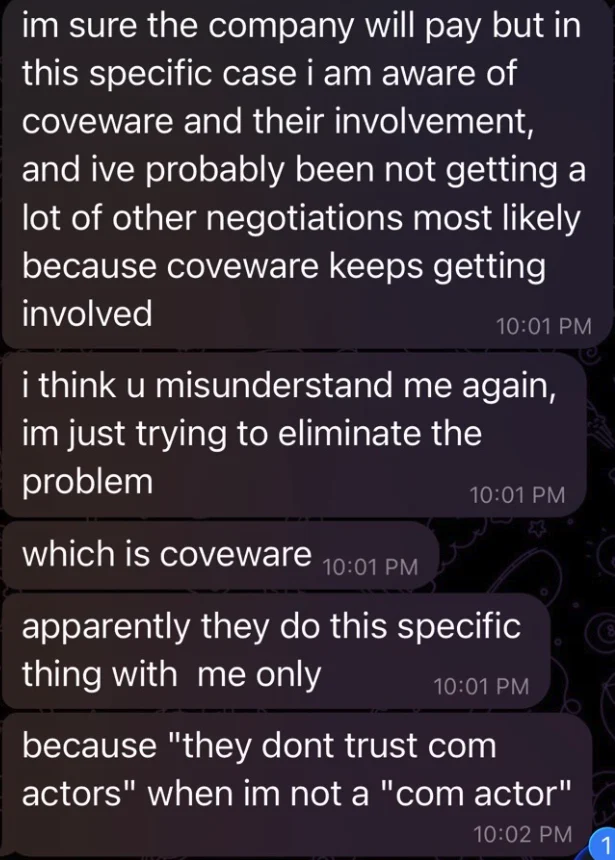
The arrest of high-level executives in connection with the ShinyHunters syndicate marks a watershed moment for the cybersecurity sector. For years, reputable incident response firms like Coveware and Unit 221B have advised corporate victims against paying ShinyHunters, warning that extortionists routinely retain, resell, or weaponize stolen data despite financial settlements. These warnings frequently drew the ire of ShinyHunters leadership, who lamented in intercepted Telegram chats that Coveware’s public guidance was actively destroying their profitability and forcing them to "eliminate the problem."
As federal prosecutors press forward with indictments against figures like Edward Dubrovsky and foreign authorities maintain custody of key operatives like "Rey," the implications for the cybersecurity insurance and incident response markets are profound. The ongoing investigations signal that law enforcement is no longer solely focused on dismantling hacker collectives abroad, but is actively dismantling the domestic facilitators, negotiators, and corporate insiders who inadvertently—or intentionally—sustain the global ransomware economy.

