
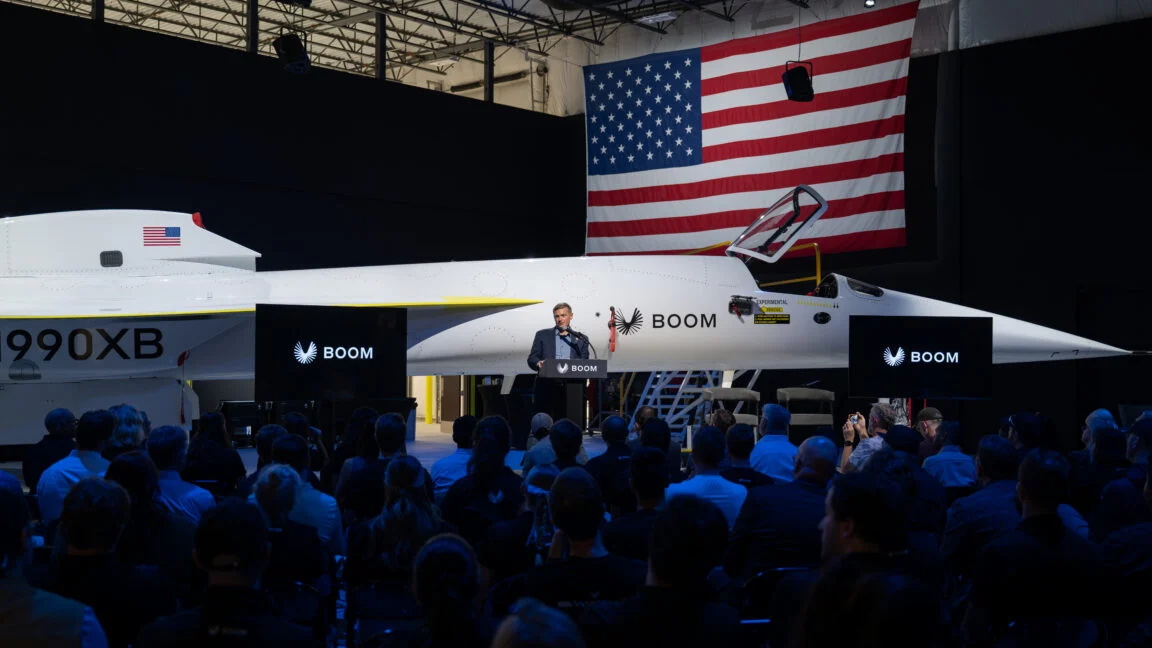
The ambitious vision of a supersonic renaissance led by Boom Supersonic has hit a series of significant logistical and commercial roadblocks, casting doubt on the company’s ability to meet its high-profile delivery targets. As the Colorado-based aerospace firm pivots between the development of its Overture supersonic airliner and a new, energy-intensive venture into natural gas turbines for AI data centers, stakeholders are increasingly questioning the feasibility of its timeline.
The most prominent skepticism originated from one of the company’s most critical partners. United Airlines CEO Scott Kirby, during an appearance on the October 28, 2026, episode of the Office Hours: Business Edition podcast, delivered a candid assessment of the Overture program. While acknowledging the potential of supersonic travel, Kirby flatly rejected the feasibility of the company’s long-standing 2029 target for commercial entry. "’29 is their official timeline," Kirby told host Monica Langley. "It’s not going to happen in ’29—it’s going to take longer."
This assessment follows a trend of cooling enthusiasm from industry insiders. In March 2026, Kirby famously placed the odds of the Overture program reaching commercial viability at 50-50, a comment that reverberated through the aerospace investment community. Despite these public reservations, Boom continues to maintain its internal development milestones, though the gap between promise and performance is widening.
The Supersonic Ambition: A Complex Engineering Path
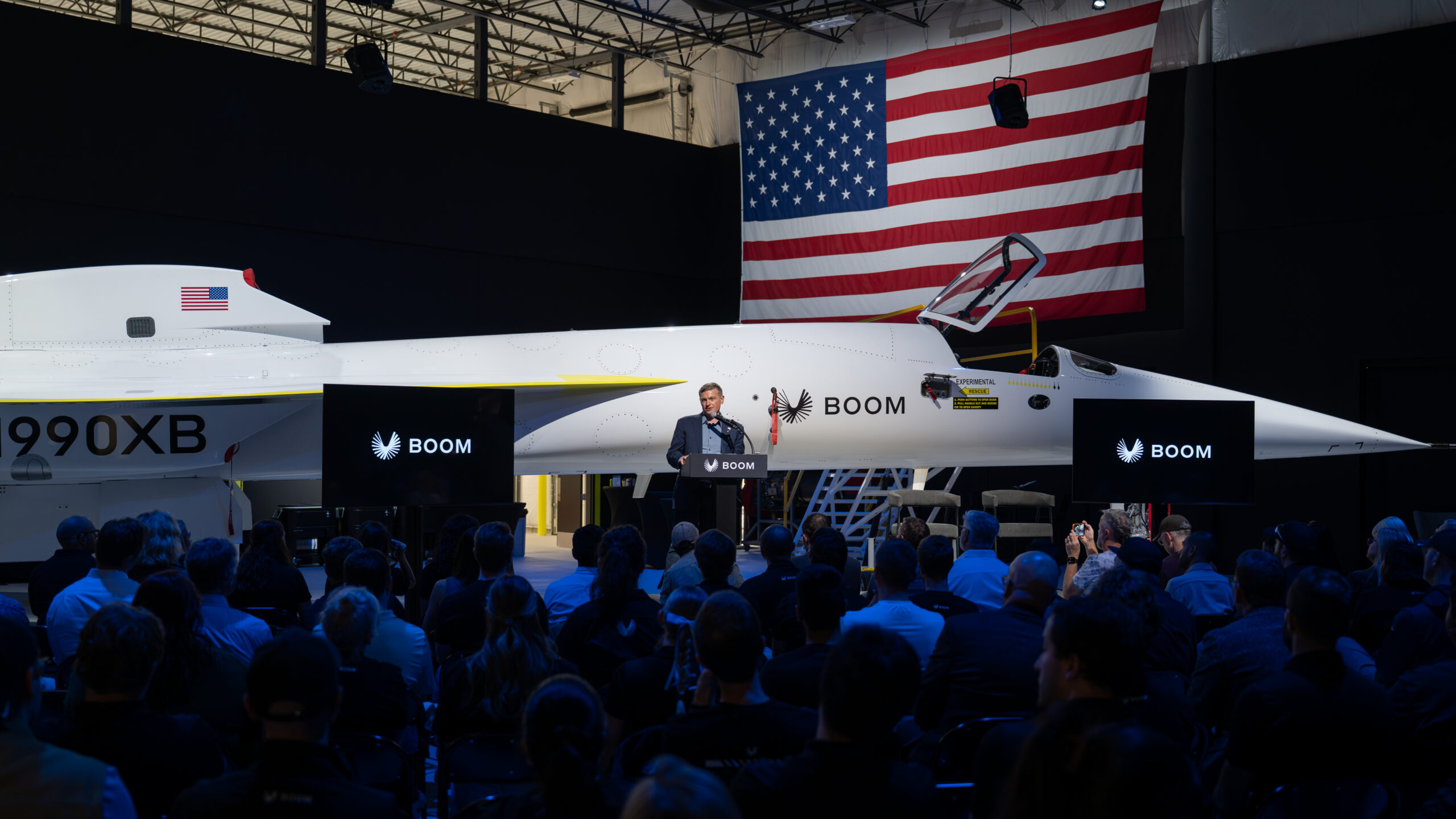
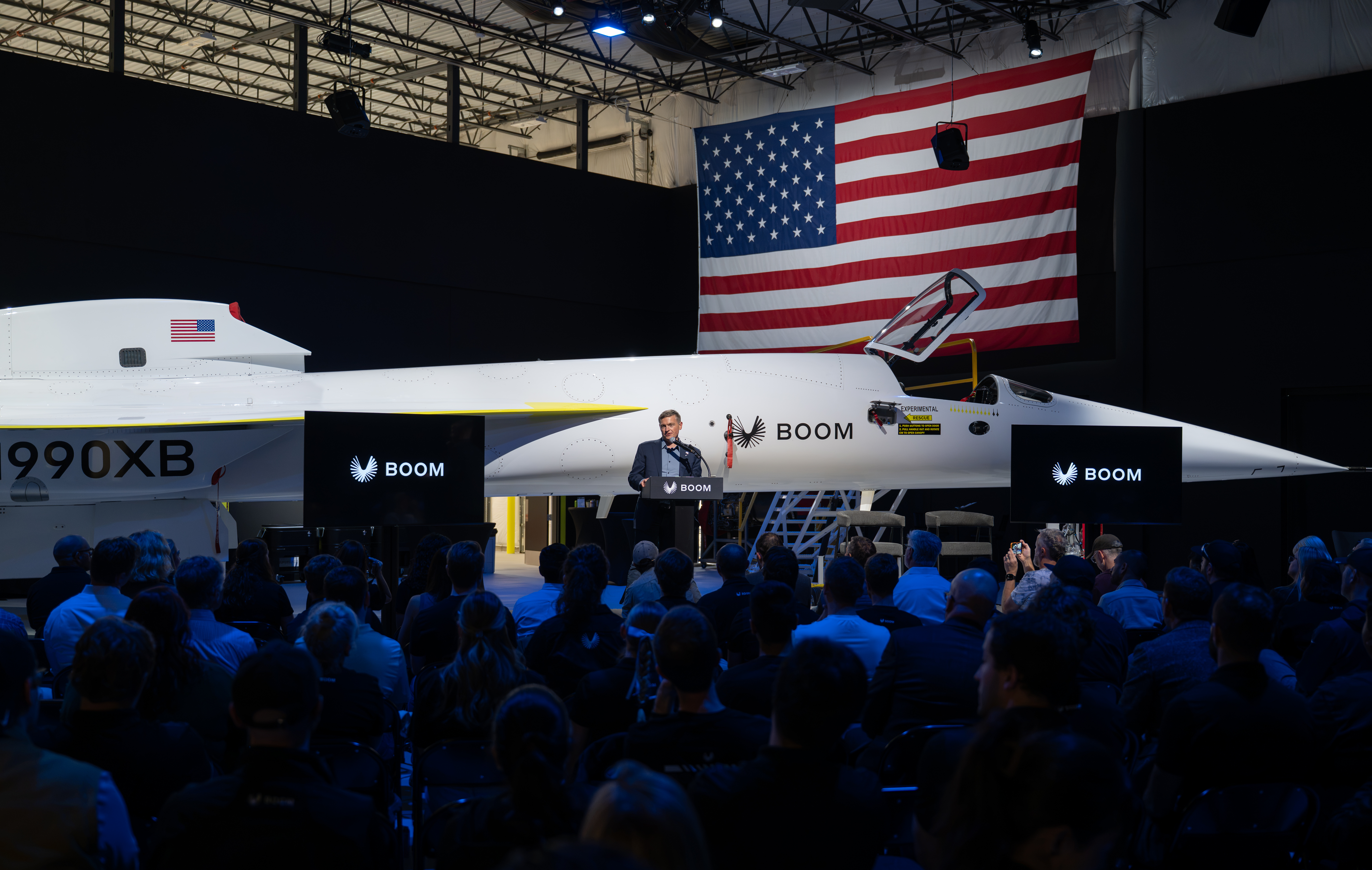
Boom Supersonic first gained global attention through the successful flight testing of its XB-1 demonstrator aircraft throughout 2024 and 2025. The XB-1 serves as a crucial proof-of-concept for the company’s "boomless cruise" technology, which utilizes the Mach cutoff phenomenon. By navigating specific atmospheric conditions at high altitudes, the aircraft aims to ensure that shockwaves refract upward rather than hitting the ground, effectively mitigating the sonic boom—a primary regulatory hurdle that grounded the supersonic Concorde fleet for overland flights decades ago.
The company’s efforts have been buoyed by a supportive regulatory environment. In June 2026, the Federal Aviation Administration (FAA) proposed rules that could eventually permit commercial supersonic flights over the United States, effectively overturning long-standing federal prohibitions. This regulatory shift followed an executive order issued by President Donald Trump in 2025, which prioritized domestic leadership in supersonic aviation.
Despite these tailwinds, the physical infrastructure of the program remains a point of contention. Boom completed the construction of its Overture Superfactory at the Piedmont Triad International Airport in Greensboro, North Carolina, in 2024. However, the facility has remained largely dormant in the months since, leading to intense scrutiny from North Carolina state officials. Having secured more than $50 million in taxpayer-funded incentives to support the facility’s construction, local legislators are beginning to demand accountability regarding when the site will transition from an empty shell to a bustling production line.
Diversification into the Data Center Power Market
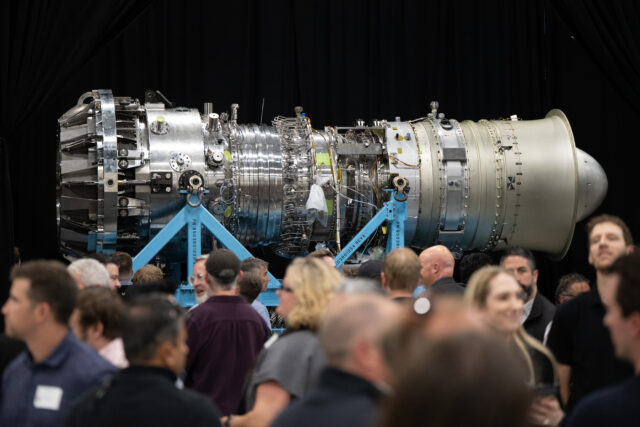
In a strategic pivot that has surprised many in the aerospace sector, Boom Supersonic has recently expanded its mandate to include the production of natural gas turbines intended for the AI data center market. On October 22, 2026, the company unveiled a new facility in Centennial, Colorado, dedicated to manufacturing a 42-megawatt turbine dubbed "Superpower."
The move highlights the desperate scramble by tech giants to secure reliable, high-output power sources for the rapidly growing demand of artificial intelligence infrastructure. According to data from the market intelligence platform Cleanview, the trend has become so acute that some developers are resorting to unconventional solutions, including mobile gas generators mounted on semi-trucks or repurposing aeroderivative turbines originally designed for aviation and maritime applications.
Boom’s entry into this space is framed as a synergistic effort. The company has developed a prototype turbine core, branded "Sprint Core," which is intended to serve as the technological foundation for both the Superpower data center turbines and the Symphony engine slated for the Overture airliner. The company plans to conduct initial fire-testing of the Sprint Core at the Colorado Air & Space Port before the end of November 2026.
The launch of the Centennial facility saw significant political backing, with U.S. Secretary of Energy Chris Wright and Colorado Governor Jared Polis in attendance. Boom has set aggressive production goals for the Superpower line, aiming to deliver the first units in mid-2027 and scaling up to an annual output of 50 turbines by 2029.
The Loss of a Strategic Anchor
Despite the high-profile unveiling of its energy division, the business case for the Superpower turbines suffered a major blow in September 2026. CEO Blake Scholl confirmed via a post on X (formerly Twitter) that the company had lost a $1.25 billion contract with Crusoe, a major data center developer. Under the original terms, Crusoe had intended to purchase 29 of Boom’s gas turbines to support its massive data center operations, which serve clients including Oracle, Google, and Microsoft.
The cancellation of such a significant order raises questions about the market’s appetite for Boom’s proprietary power solutions. While Scholl asserted in his statement that the company expects to deliver approximately 250 megawatts of power to other undisclosed sites in 2027, the loss of a foundational customer like Crusoe underscores the volatility of the nascent data center power market.
Challenges in Certification and Testing
The path forward for Boom involves navigating a dual-track strategy that is fraught with risk. In the aviation sector, the company must satisfy the rigorous requirements of the FAA for aircraft certification. The process for certifying a new supersonic passenger jet is arguably the most stringent in the aerospace industry, requiring years of safety testing, engine validation, and noise compliance verification.
While NASA is independently conducting research with the X-59 "Frankenjet," which features an elongated nose to suppress sonic booms, Boom’s reliance on Mach cutoff represents a different philosophy. The success of the Overture hinges on the company’s ability to prove that its aircraft can consistently meet noise standards while maintaining the efficiency required to be profitable for airlines.
Furthermore, the "Symphony" engine, which remains in the development phase, is critical to the Overture’s success. The interdependency between the Symphony engine and the Superpower turbine means that any technical setback in one will inevitably delay the other. If the Sprint Core prototype fails to meet performance benchmarks during the upcoming November tests, the timeline for both the Overture airliner and the Superpower turbine could face further, more protracted delays.

Broader Implications for the Aerospace Industry
The case of Boom Supersonic serves as a litmus test for the viability of modern, venture-backed aerospace manufacturing. The industry is currently witnessing a transition from traditional, slow-moving legacy manufacturers to leaner, high-growth startups that promise to disrupt decades-old stagnation. However, the sheer capital intensity and engineering complexity of supersonic flight remain significant barriers.
For stakeholders and investors, the next 18 months will be decisive. The focus will shift to the test results of the Sprint Core and the progress of the North Carolina production facility. If Boom can deliver on its promise to initiate turbine production in 2027 and provide concrete evidence of progress on the Overture’s engine development, it may regain the confidence of its airline partners.
However, the skepticism expressed by industry veterans like Scott Kirby serves as a sobering reminder that in the world of high-speed travel, speed of innovation does not always translate into speed of delivery. As Boom navigates the intersection of energy policy and aviation technology, its ability to survive the current "turbulence" will depend less on public declarations and more on the tangible, measurable outcomes of its engineering teams in the months ahead. The company has yet to release a revised timeline for the Overture, leaving the 2029 goal in a state of suspended uncertainty that will likely continue to draw criticism until the first production-ready units are cleared for the tarmac.

