
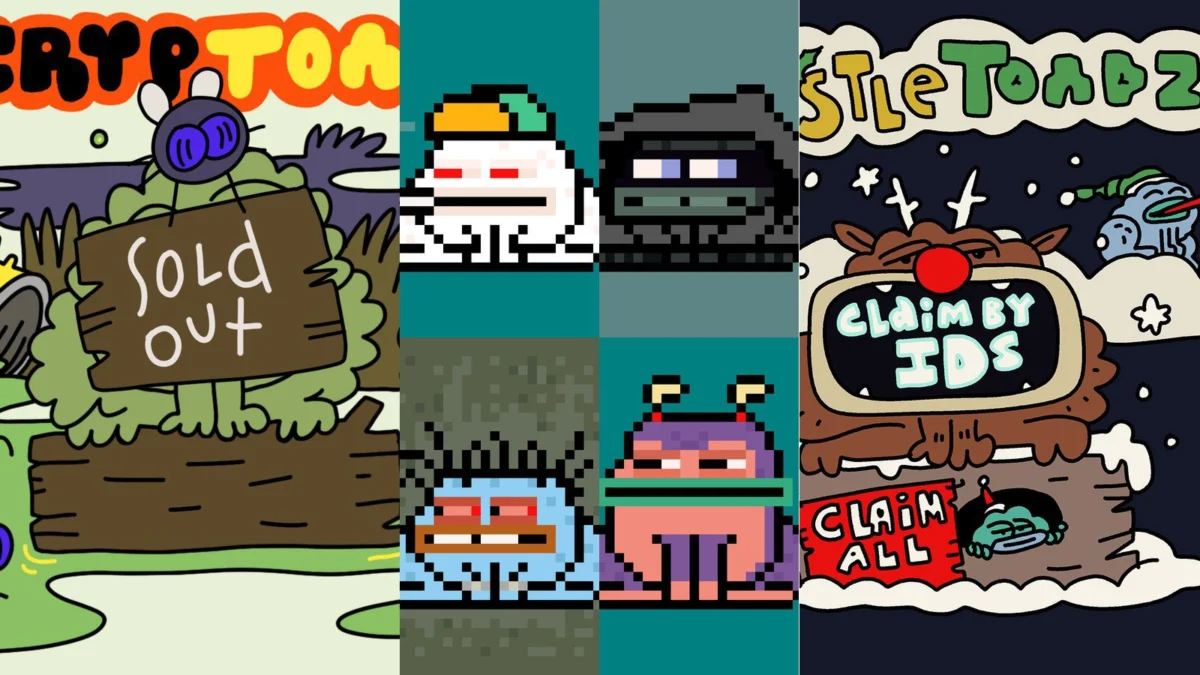
In the rapidly shifting landscape of digital assets, few projects have demonstrated the resilience and cultural longevity of CrypToadz by Gremplin. Launched on September 8, 2021, this collection of 6,969 pixel-art amphibians emerged during the height of the NFT market’s initial explosion. Unlike many of its contemporaries, which focused on gated communities and centralized intellectual property, CrypToadz opted for a radical, community-centric model: the CC0 (Creative Commons Zero) public domain license. Five years later, as the broader NFT ecosystem faces significant consolidation and the shuttering of major legacy platforms, CrypToadz stands as a case study in how open-source ethos can safeguard digital heritage against corporate volatility.
The Origins of a Digital Ecosystem
The project was conceptualized by the pseudonymous artist known as Gremplin. By mid-2021, Gremplin had already established a reputation for distinct, minimalist aesthetics and an intimate understanding of the burgeoning NFT space. Having been a key contributor to the Nouns DAO—a project that pioneered the use of on-chain, CC0 assets—Gremplin applied these lessons to the CrypToadz initiative.
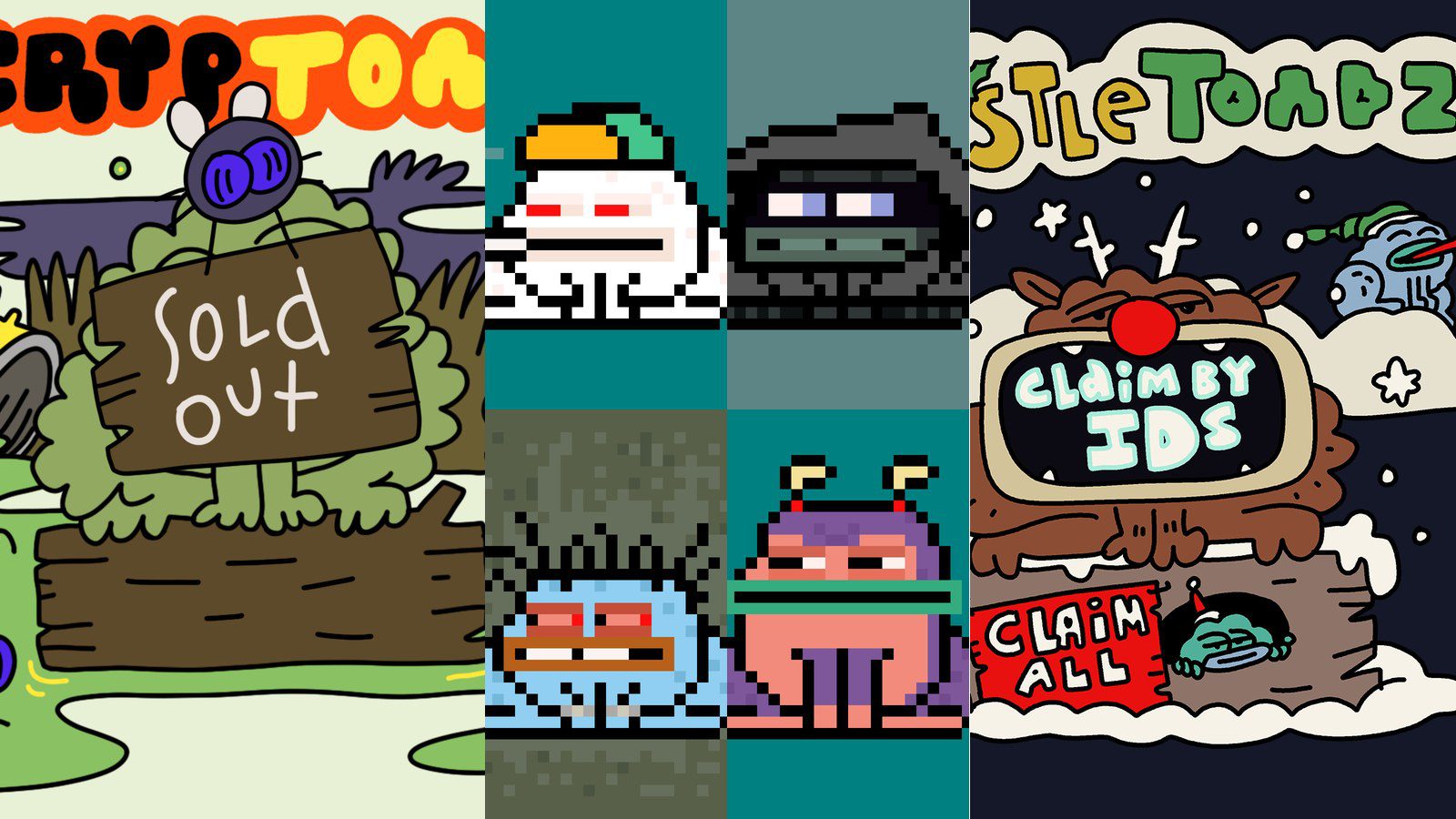
The collection is characterized by its whimsical, warty, and scruffy aesthetic. Each toad is algorithmically generated from a series of traits—bodies, heads, mouths, and accessories—resulting in a diverse array of characters. The project’s metadata defines each asset as “a small, warty, amphibious creature that resides in the metaverse.” This simplicity, however, belies the technical and social complexity of the project. From its inception, the collection was framed as an invitation rather than an exclusive club, encouraging holders and non-holders alike to iterate on the art, build lore, and develop secondary applications.
Chronology of the Swamp: From Mint to MistleToadz
The narrative structure of CrypToadz served as a blueprint for community-driven world-building. The official project lore centered on the “Uniswamp,” a digital basin characterized by its decentralized, chaotic energy. According to the foundational story, the toads were oppressed by the Evil King Gremplin, who exiled their leader, Colonel Floorbin, to Gooch Island and renamed the territory "Grempland."
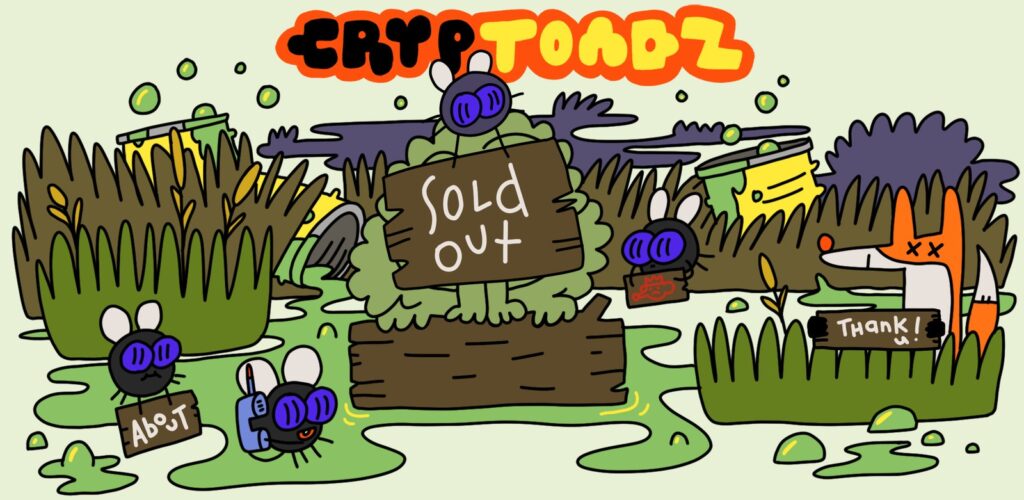
The minting process itself was gamified to reflect this narrative. Collectors were tasked with “rescuing” the toads from the tyranny of Grempland, a framing that injected humor and thematic weight into the transactional act of purchasing an NFT. This self-referential, ironic humor became a hallmark of the project, allowing it to maintain a distinct voice during a period where most collections relied on generic roadmap promises and corporate-style marketing.
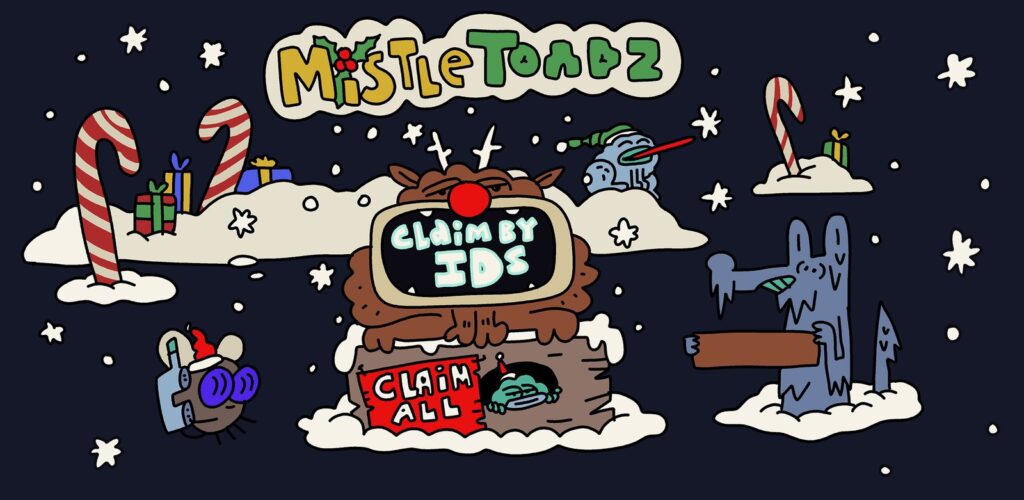
Following the success of the initial drop, the project expanded through decentralized "claims." In late 2021, the MistleToadz event allowed holders to claim additional assets, framing the action as a “holiday attack on Grempland.” This strategy reinforced the idea that the project was not a static set of images, but an evolving, living organism that rewarded participation and engagement with the underlying lore.
The Strategic Importance of CC0 Licensing
The decision to place CrypToadz under a CC0 license was, at the time, a bold departure from industry norms. Most NFT projects of the 2021 era, such as Azuki or Bored Ape Yacht Club, utilized strict licensing agreements that restricted the commercial use of assets or kept them under the control of a parent company.

By contrast, CC0 waives all copyright interests, effectively placing the art into the public domain. This allowed anyone—regardless of whether they owned a specific token—to remix, animate, sell, or build upon the toad imagery. The implications of this are profound: the brand is not owned by a single entity, but by the community that sustains it. This decentralized ownership model ensures that even if the original website goes offline or the creator steps away, the intellectual property remains accessible and usable by the public, effectively immune to the bankruptcy or mismanagement of any single corporation.
CrypToadz Chained: Technical Preservation
Perhaps the most significant development in the project’s history is "CrypToadz Chained," a community-led technical initiative that highlights the importance of on-chain data. While the original CrypToadz contract relied on Arweave for image hosting—a decentralized storage solution—it still required external gateways to display the files.
CrypToadz Chained sought to eliminate this dependency. The project involved re-coding the collection into a new smart contract where the toads are stored entirely on the Ethereum blockchain. Through compressed drawing instructions written in Solidity, the contract generates the visual assets in real-time. This ensures that the art is permanently tethered to the blockchain, independent of any external servers or hosting companies.
The validation process for this project was rigorous, involving two independent teams comparing the on-chain renditions against the original images pixel-by-pixel to ensure absolute fidelity. Because the source code for the Chained project is also licensed under CC0, it represents a gold standard for digital preservation in the Web3 era.
Market Context and the 2026 Shift
The year 2026 has proven to be a watershed moment for the NFT industry. The closure of major platforms like Nifty Gateway and the winding down of Foundation have sent shockwaves through the community, forcing a re-evaluation of what constitutes a "blue-chip" asset. When a platform closes, the hosting of image files often becomes a point of failure, leading to "broken" NFTs—where the token exists on the blockchain, but the visual data it points to has vanished.
In this context, the foresight of the CrypToadz community has been vindicated. Because the project’s assets are distributed and its code is open-source, the survival of the art does not hinge on the solvency of a marketplace. This creates a stark contrast between projects that were built as closed, platform-dependent brands and those, like CrypToadz, that were built as resilient, autonomous protocols.
Implications for Future Digital Artists
The trajectory of CrypToadz offers a clear lesson for creators and collectors alike: longevity is a function of decentralization. The project demonstrates that intellectual property does not always need to be guarded to be valuable. In fact, by relinquishing control through the CC0 license, Gremplin empowered a global community to protect and build upon the work, effectively crowdsourcing the project’s maintenance and historical significance.
For collectors, the primary takeaway is the necessity of due diligence regarding data storage. Evaluating where an NFT’s metadata is stored—and whether that storage is centralized or on-chain—has become the most important metric for determining long-term value. For creators, the CrypToadz model suggests that fostering an ecosystem of open participation often yields a stronger, more enduring brand than one built on restrictive copyright and centralized control.
As the industry matures, the “swamp” continues to thrive. While the hype cycle of 2021 has long since faded, the underlying infrastructure of CrypToadz remains intact. It stands as a testament to the idea that in the world of digital ownership, the most enduring creations are those that belong to no one, and therefore, belong to everyone. Whether through the community-built Chained contract or the continued evolution of the lore, the toads have secured their place as a foundational element of digital culture, proving that while platforms may come and go, the code and the community endure.

