
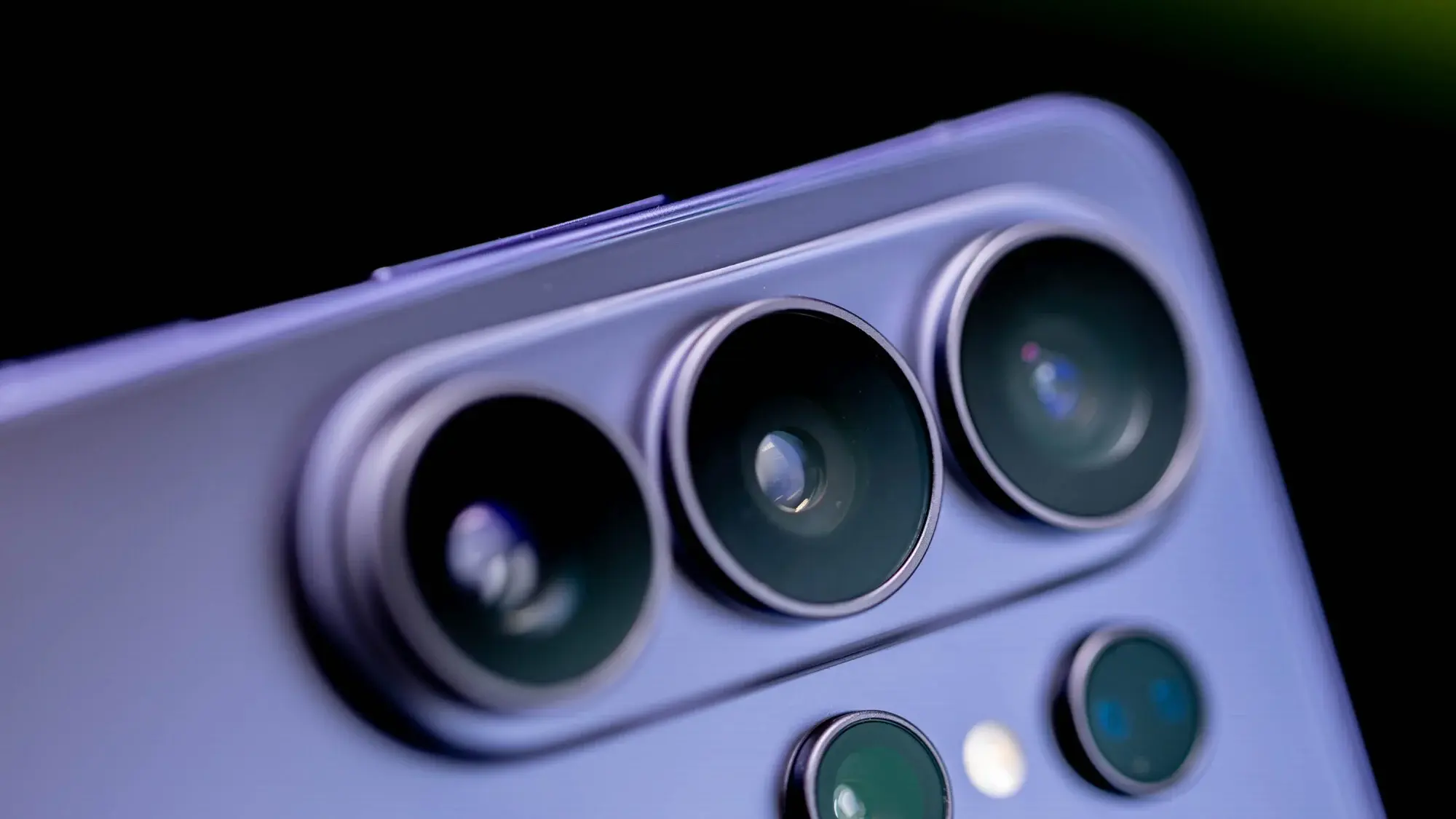
The smartphone industry operates on an unyielding annual cycle of anticipation, speculation, and incremental innovation. As consumers increasingly hold onto their mobile devices for longer periods, the pressure on manufacturers to deliver compelling reasons to upgrade has never been higher. For Samsung, the undisputed titan of the Android ecosystem, the upcoming Galaxy S generation represents a critical battleground in maintaining market dominance against fierce competition from Apple and various Chinese original equipment manufacturers. However, if the latest wave of supply chain leaks is to be believed, prospective buyers eyeing the standard Samsung Galaxy S27 lineup may find themselves questioning the value of a generational leap.
According to a comprehensive report published by specialized Samsung news outlet SammyGuru, the upcoming Galaxy S27 series will not bring universal camera upgrades across the board. While recent industry chatter pointed toward a radical aesthetic overhaul and comprehensive redesign for the entire family of devices, the reality of the internal hardware tells a more nuanced—and potentially underwhelming—story for entry-level and mid-tier buyers. For consumers currently utilizing a Samsung Galaxy S26 and contemplating an immediate transition to the standard Galaxy S27 or Galaxy S27 Plus, the technical specifications suggest a striking level of stagnation.
The Standard and Plus Models: A Study in Stagnation
A granular examination of the leaked specifications indicates that Samsung is drawing a hard operational line between its standard tier and its newly expanded high-end offerings. If the SammyGuru report holds true, both the Galaxy S27 and the Galaxy S27 Plus will feature virtually identical camera configurations to their predecessors, leaving zero hardware delta between consecutive generations.
Both the standard S27 and the S27 Plus are reportedly slated to retain a 50-megapixel main wide-angle camera. Depending on regional manufacturing distribution, this primary sensor will utilize either a Sony IMX955 or a Samsung S5KGNG sensor—the exact same hardware foundation found in the current S26 generation. Complementing the main shooter will be a 12-megapixel Sony IMX564 ultrawide lens, paired with a familiar 10-megapixel telephoto lens offering 3x optical zoom. For selfie enthusiasts, the front-facing camera array will likewise see no movement, sticking to the established 12-megapixel resolution.
For the average consumer, this lack of evolutionary hardware raises significant questions regarding marketing narratives and trade-in value. Historically, smartphone manufacturers rely heavily on camera improvements to justify year-over-year pricing structures. When the core imaging sensors remain untouched for two consecutive hardware cycles, the burden of proof shifts heavily toward software optimization, processing pipelines, and broader architectural changes—such as battery life or chipset efficiency—to incentivize consumer spending.
Relief for the High-End: Pro and Ultra Variants Expected to Shine
While buyers of the baseline models may feel left behind, the upper echelon of Samsung’s product stack appears poised for more meaningful attention. The SammyGuru leak indicates that the anticipated Galaxy S27 Pro and the flagship Galaxy S27 Ultra will introduce tangible hardware enhancements, albeit with details regarding their full capabilities still developing.
Most notably, the S27 Pro and S27 Ultra are reportedly set to adopt a brand-new 200-megapixel main camera sensor, identified as the Samsung S5KHP6. This represents a direct architectural evolution from the Samsung S5KHP2 sensor utilized in the preceding Galaxy S26 Ultra. While both generations boast a headline-grabbing 200-megapixel count, sensor-level refinements typically yield improvements in light capture, dynamic range, autofocus speed, and pixel-binning efficiency.

In addition to the primary wide sensor, high-end buyers can anticipate a long-overdue resolution bump for self-portraits. Both the Pro and Ultra variants are rumored to transition to a 16-megapixel front-facing camera, moving past the 12-megapixel standard that Samsung has maintained for multiple generations. Furthermore, optical configurations for the rear zoom lenses appear locked in for specific use cases: the S27 Pro will reportedly anchor its zoom capabilities around a 3x optical telephoto lens, while the photography-centric S27 Ultra will retain its signature 5x optical zoom structure, optimized for distant subjects.
Historical Context and the Leak Ecosystem
To understand the weight of these leaks, one must examine the predictable chronology of Samsung’s flagship product launches. The South Korean tech giant typically unveils its primary Galaxy S lineup during major Unpacked events held in January or February of each calendar year. As a result, the months leading up to the winter window serve as a fertile ground for supply chain whispers, component manifests, and case-maker schematics.
Historically, hardware leaks intensify exponentially during the fourth quarter of the preceding year. Prototype units move from closed R&D facilities to mass-production testing sites, increasing the exposure surface for leaks from component manufacturers, case designers, and firmware developers. While initial rumors often lean toward sensational design overhauls—such as the rumored camera module redesigns circulating for the S27 family—specialized trackers like SammyGuru frequently provide the reality check needed to ground consumer expectations.
It is crucial to note that none of these specifications have been officially confirmed or acknowledged by Samsung Electronics. As a matter of corporate policy, the company maintains a strict silence regarding unannounced products, actively discouraging speculation while leveraging the continuous media coverage to maintain brand visibility in the highly competitive mobile landscape.
Industry Implications and Consumer Strategy
The bifurcated strategy reportedly planned for the Galaxy S27 series reflects a broader maturation of the global smartphone market. As component costs rise and physical limitations in camera sensor sizing reach a plateau within thin chassis designs, manufacturers are increasingly forced to reallocate capital. Rather than investing heavily in marginal upgrades for high-volume entry-level flagships, brands are prioritizing innovation in ultra-premium tiers—such as foldables and top-tier Ultra models—where profit margins are higher and consumers are more willing to pay a premium for cutting-edge technology.
For market analysts, this approach carries distinct risks and rewards. On one hand, keeping the standard S27 and S27 Plus hardware stable may allow Samsung to maintain aggressive pricing or preserve profit margins in the face of inflationary pressures on silicon and memory components. On the other hand, it risks alienating a loyal consumer base that expects tangible physical improvements when committing to a multi-year financial upgrade.
Consumers currently navigating the upgrade cycle face a clear strategic choice. Those utilizing devices older than the Galaxy S26—such as the S24 or S25 series—will still experience a substantial cumulative leap in performance, display technology, and battery longevity should they transition to a standard Galaxy S27. However, owners of the Galaxy S26 generation appear to have little technical incentive to purchase an S27 or S27 Plus, making the Pro and Ultra models the primary destination for those demanding the absolute cutting edge of Samsung’s imaging technology.
As the industry ticks closer to the official announcement window in early 2027, additional leaks concerning chipset integrations, battery capacities, and pricing tiers will undoubtedly clarify the complete picture. Until then, prospective buyers are advised to weigh these early hardware reports carefully against their personal device usage habits and current technological needs.

