
The rapid integration of advanced artificial intelligence into software development cycles is fundamentally reshaping the global cybersecurity landscape, presenting an unexpected and profound challenge to law enforcement and intelligence agencies worldwide. As machine learning models achieve unprecedented efficiency in identifying and remediating legacy vulnerabilities, major technology platforms are poised to eliminate significant backlogs of exploitable software bugs. While this technological leap promises a more robust and resilient digital infrastructure for enterprises and consumers alike, it threatens to render modern digital communication channels entirely opaque to state-sponsored surveillance, a scenario security experts are beginning to term ultimate digital darknes.
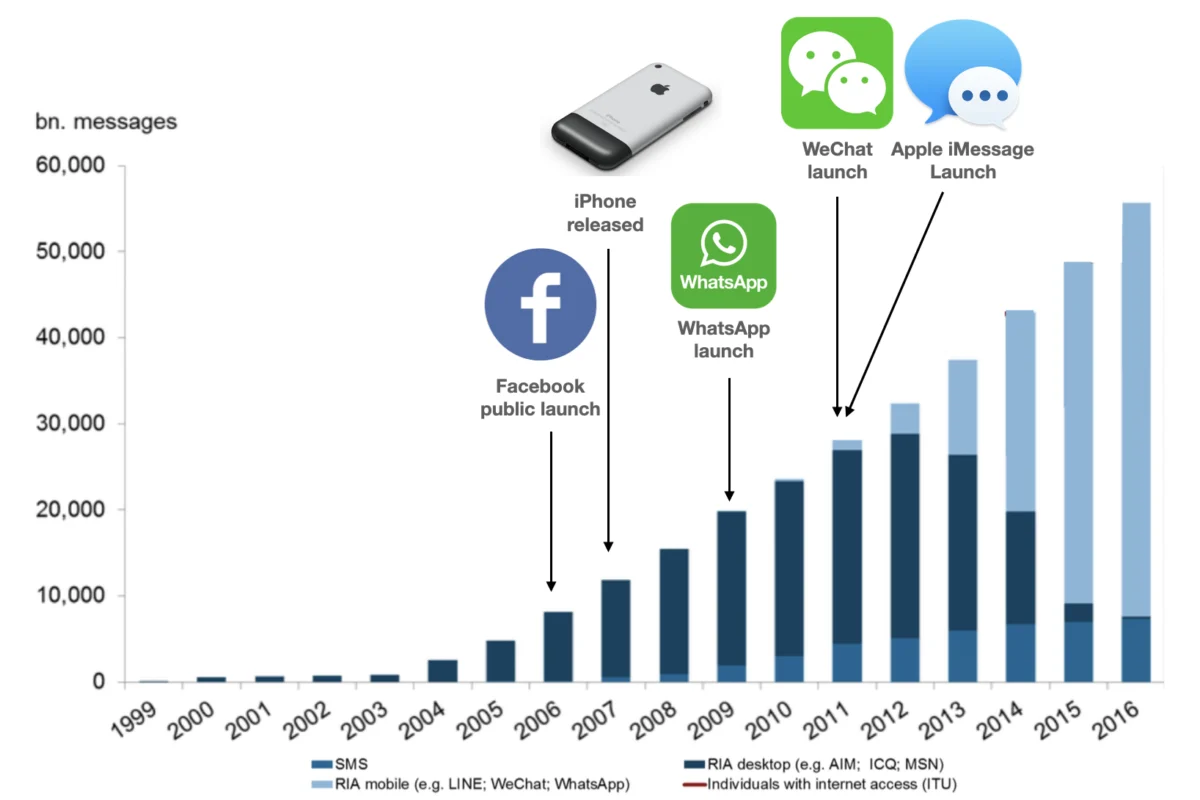
To understand the current trajectory of digital surveillance, it is necessary to examine the historical evolution of electronic intelligence gathering over the past two decades. In the early 2000s, law enforcement agencies relied primarily on traditional wiretaps and physical interception, techniques famously depicted in popular media capturing the technological limitations of the era. However, the commercial proliferation of smartphones in the late 2000s dramatically transformed the digital ecosystem. Devices began storing vast repositories of personal data locally, transforming physical handsets into critical evidentiary assets for criminal investigations.
This paradigm shifted decisively in 2010 when major technology companies, beginning with Apple and quickly followed by Android ecosystem developers, introduced hardware-level storage encryption secured by user-derived passcodes. Shortly thereafter, the deployment of end-to-end encryption across messaging platforms severed the traditional intercept capabilities that intelligence and law enforcement agencies had long relied upon. By the mid-2010s, hundreds of millions of global citizens communicated through encrypted channels, prompting then-FBI Director James Comey to launch the Going Dark initiative in 2014. This campaign sought to initiate a national dialogue regarding the technical feasibility of compelling technology providers to build lawful interception mechanisms into encrypted media.

The tension between technological privacy and state investigative powers culminated in the landmark 2016 legal dispute between Apple and the FBI following a terrorist attack in San Bernardino, California. The federal government sought to compel Apple to write custom software to bypass security controls on a locked iPhone. The ensuing legal stalemate dissolved not through a judicial mandate, but through commercial intervention, when an outside vendor demonstrated the capability to physically and digitally bypass the device’s security architecture.
For the subsequent decade, law enforcement and intelligence agencies adapted by procuring targeted exploitation tools, such as specialized unlocking hardware and remote surveillance software developed by private offensive security firms. While technology vendors engaged in continuous defensive engineering to patch discovered vulnerabilities, offensive security researchers consistently maintained a strategic advantage, ensuring a steady supply of exploitation vectors for state-backed investigations.
The advent of frontier artificial intelligence models capable of autonomous vulnerability discovery threatens to upend this long-standing equilibrium. In early 2026, major artificial intelligence laboratories, including Anthropic with its Mythos model, OpenAI, and various open-weight labs globally, demonstrated systems possessing exceptional proficiency in source-code analysis and automated bug hunting. Initially triggering export controls and government scrutiny due to national security concerns, the proliferation of these capabilities across multiple international jurisdictions proved that offensive computational auditing could not be monopolized by a single entity.
Concurrently, software engineering organizations are integrating these same artificial intelligence models directly into continuous integration and continuous deployment toolchains. By automatically scanning codebases for vulnerabilities before software reaches production deployment, developers are systematically eradicating decades of accumulated coding errors. Industry analysts project that within a relatively short operational window, mature software ecosystems will experience a dramatic reduction in remotely exploitable vulnerabilities, effectively closing the window of opportunity that commercial and state-sponsored hackers have historically exploited.

The systematic elimination of software vulnerabilities carries profound policy and operational implications for national security agencies. Deprived of the low-hanging fruit of zero-day exploits and routine software flaws, intelligence organizations may find their digital intelligence-gathering capabilities severely degraded. In response, analysts anticipate a resurgence of intense political and legislative pressure on the technology sector to incorporate intentional, structural backdoors—often referred to in policy circles as exceptional access mechanisms—into communication platforms and operating systems.
This renewed demand for mandatory access architectures creates a complex geopolitical dilemma. Security researchers and cryptographers have long warned that architectural backdoors designed exclusively for authorized state actors inevitably become accessible to foreign adversaries and malicious non-state entities. Consequently, efforts by governments to weaken domestic encryption standards or compel weakened security protocols risk undermining the very digital infrastructure those agencies are mandated to protect.
Furthermore, the implementation of region-specific or mandated compromise mechanisms could accelerate market fragmentation. International entities and foreign governments increasingly seek software free from potential domestic intelligence influence, potentially driving a global bifurcation of technology supply chains and diminishing the market dominance of United States-based platforms. As artificial intelligence fundamentally alters the baseline security of digital systems, policymakers, engineers, and legal scholars face critical decisions regarding the reconciliation of public safety objectives with the imperative of absolute data security in an increasingly automated world.

