
The rapid integration of artificial intelligence into software development lifecycles is fundamentally shifting the balance of power between cybersecurity defenders and government intelligence agencies. Emerging frontier models developed by firms such as Anthropic, OpenAI, and various open-weight labs across the globe possess advanced code-analysis capabilities that fundamentally alter the landscape of vulnerability discovery. While long-awaited by enterprise security professionals seeking to rid codebases of decades-old bugs, this technological leap introduces a paradoxical crisis for law enforcement. As automated systems systematically eradicate software vulnerabilities, intelligence agencies face the prospect of a permanent "going dark" scenario. This potential shift threatens to upend a decade-long status quo where digital surveillance heavily relied on offensive cyber exploits to bypass end-to-end encryption.
A Chronology of Surveillance and Encryption: From Wiretaps to Zero-Days
To understand the current friction between technological advancement and state surveillance, it is necessary to examine the evolution of digital communication over the past two decades. In the early 2000s, electronic surveillance largely mirrored the paradigms depicted in media snapshots like the television series The Wire, relying heavily on traditional wiretaps, physical tracking, and easily intercepted telephonic communications.
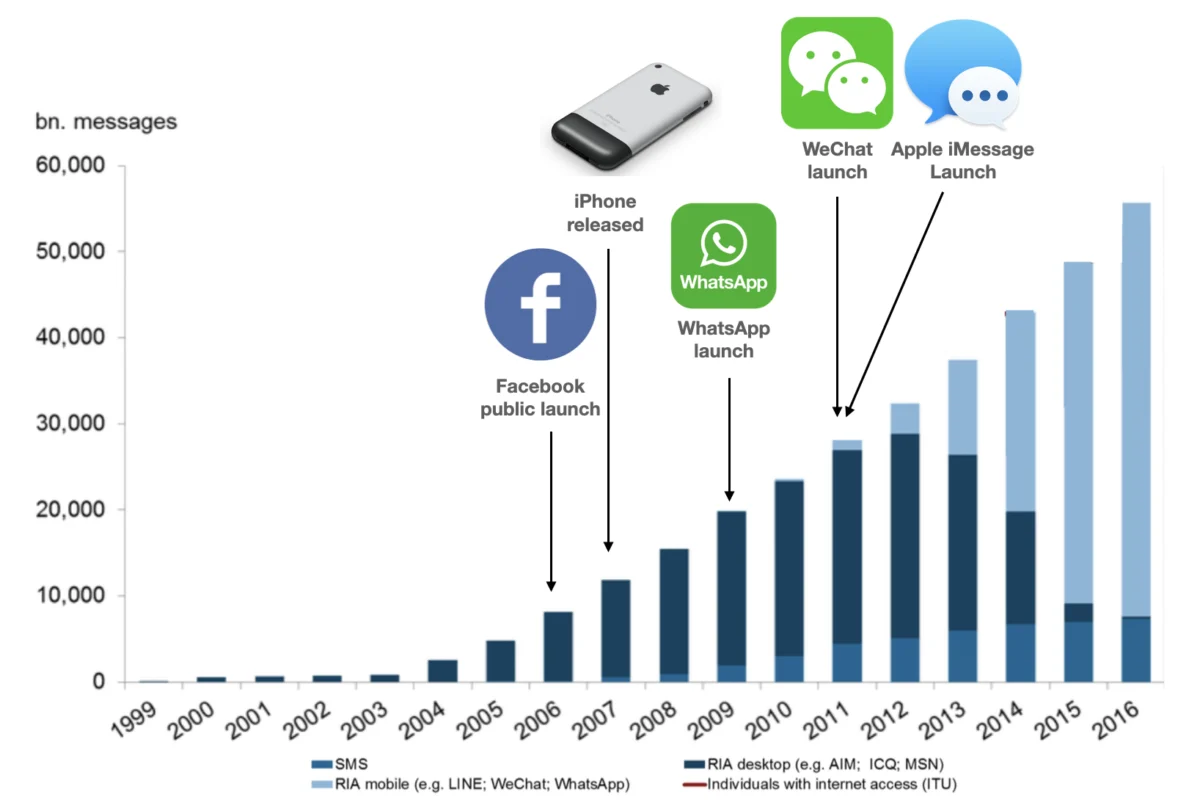
The proliferation of smartphones in the late 2000s fundamentally altered this landscape. As mobile devices transformed from simple communication tools into repositories for personal data, law enforcement agencies adapted by shifting focus toward digital forensics and physical device extractions. This dynamic changed dramatically in 2010 when Apple introduced passcode-derived encryption for iPhone storage, a standard rapidly adopted by Android ecosystems. By 2011, end-to-end encryption expanded to messaging platforms, culminating by 2016 in nearly a billion global users utilizing default encrypted messaging services like WhatsApp.
Faced with a rapidly closing window of observability, the U.S. Federal Bureau of Investigation launched the "Going Dark" initiative in 2014, attempting to compel technology providers to build lawful interception capabilities directly into their architectures. The tension culminated in the 2016 legal battle between Apple and the FBI following the San Bernardino shooting, where the government sought to force the creation of a software backdoor. Although that specific legal showdown was short-circuited by an outside vendor demonstrating the ability to independently exploit the device, it established a precedent: rather than compelling backdoors, intelligence and law enforcement agencies increasingly relied on purchasing and deploying commercial zero-day exploits—such as those developed by NSO Group—to target securely encrypted devices.

The Rise of Autonomous Vulnerability Discovery
This era of offensive exploitation is now drawing to a close due to rapid breakthroughs in artificial intelligence. In early 2026, the introduction of advanced frontier models specifically optimized for cyber operations—such as Anthropic’s Mythos, alongside comparable models from OpenAI and international labs like Z.ai and Moonshot—demonstrated unprecedented efficacy in identifying deep-seated software vulnerabilities.
Initially, these capabilities prompted defensive geopolitical moves, including temporary export restrictions by the U.S. government on high-capability cyber models. However, the proliferation of open-weight alternatives made technological monopolies impossible to maintain. As these AI systems are integrated into Continuous Integration and Continuous Deployment (CI/CD) toolchains, software development pipelines are shifting from reactive patching to proactive, automated eradication of flaws.
Industry analysts project that within the next two years, major enterprise software will experience a dramatic reduction in remotely exploitable vulnerabilities. Codebases that historically harbored decades of latent bugs are undergoing comprehensive remediation, effectively sealing the digital attack surfaces that law enforcement agencies and intelligence services have historically relied upon to conduct authorized surveillance.
Implications for Law Enforcement and National Security
The impending scarcity of software vulnerabilities presents a profound dilemma for public safety and national security organizations. Without reliable access to zero-day exploits or functional security flaws, intelligence agencies will likely find their technical surveillance capabilities severely degraded.

This technological shift is expected to revive intense policy debates regarding "exceptional access" and mandatory backdoors. Cybersecurity experts have long warned that mandated cryptographic vulnerabilities weaken overall infrastructure, making systems susceptible to hostile foreign adversaries and criminal syndicates. The renewed pressure from governments to re-architect systems for lawful access could trigger a wedge in the global technology market, potentially driving international enterprises and foreign governments to decouple entirely from U.S.-developed software ecosystems to ensure their own sovereign security.
Furthermore, domestic adoption of mandated backdoors risks disproportionately compromising the cybersecurity posture of the nations implementing them, leaving local critical infrastructure vulnerable to sophisticated foreign espionage while providing diminishing returns against highly sophisticated criminal networks that already utilize isolated, custom communications architectures.
Path Forward and Industry Outlook
As the software industry approaches an inflection point defined by hyper-secure code and automated threat mitigation, policymakers and cybersecurity professionals face unprecedented strategic questions. Unlike previous transitions in encryption standards, the shift toward AI-driven software hardening is occurring autonomously and at scale.
Navigating this transition will require a fundamental recalibration of cybersecurity policy, moving away from reliance on offensive exploitation and toward resilient, zero-trust architectures that account for a world where traditional software vulnerabilities are effectively engineered out of existence. The long-term consequences of this systemic security upgrade remain uncertain, forcing both the private sector and government agencies to adapt to an environment where digital surveillance capabilities are permanently constrained by mathematically sound, AI-verified code.

