
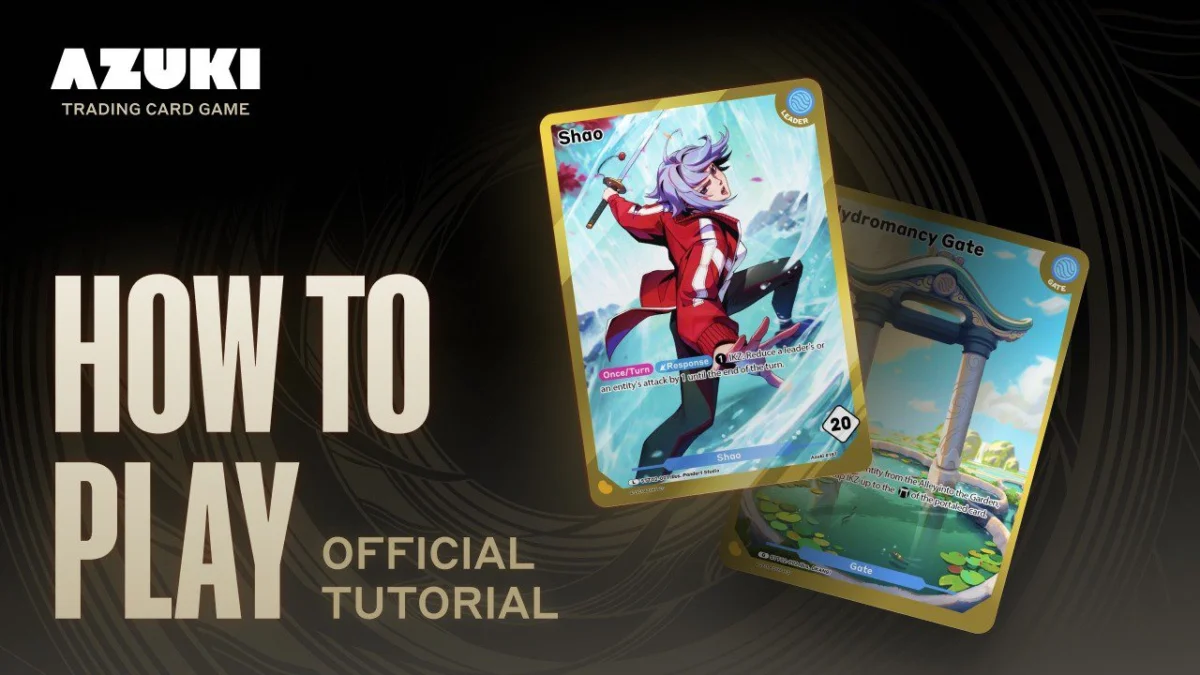
The transition of a digital-first brand into the tangible world of physical collectibles represents a pivotal moment in the evolution of modern intellectual property. Azuki, a brand that originated as a high-profile non-fungible token (NFT) project, is now testing its cultural resonance in the competitive and often unforgiving arena of the physical trading card game (TCG) market. With the official launch of Azuki TCG: Gates Awakened (designated as set AZK-01), the project’s parent company, Chiru Labs, is attempting to bridge the gap between blockchain-native communities and the traditional tabletop gaming ecosystem. This move signifies a strategic pivot from "wallet-based" exclusivity to "tabletop-based" strategy, aiming to capture a mainstream audience that may have little to no interest in the underlying mechanics of cryptocurrency or digital wallets.
The Strategic Shift From Digital Scarcity to Physical Play
Azuki first rose to prominence as one of the most recognizable anime-inspired NFT collections on the Ethereum blockchain. Launched in early 2022, the project quickly established a dedicated following through its high-quality art direction, lore-heavy marketing, and the creation of "The Garden"—a digital ecosystem for holders. However, the brand’s journey has not been without significant hurdles. In May 2022, the project’s founder, known as Zagabond, faced intense scrutiny following the revelation of his involvement in several previous NFT projects that critics claimed were prematurely abandoned. This historical context is essential to understanding the current TCG launch, as it frames the move into physical media as both an expansion and a necessary maturation of the brand.
The launch of Gates Awakened is not merely a merchandising exercise; it is a full-scale entry into a TCG market currently dominated by giants like Magic: The Gathering, Pokémon, and the One Piece Card Game. By moving into physical cards, Azuki is attempting to prove that its IP can stand on its own merits as entertainment, independent of the speculative volatility often associated with the NFT market.
Analyzing the Mechanics of Gates Awakened (AZK-01)
For any TCG to survive beyond its initial hype, the underlying gameplay must be robust enough to support a competitive meta-game. Azuki TCG introduces several distinct mechanics designed to appeal to modern players who favor fast-paced, strategic interactions.
The IKZ Resource System
One of the most significant departures from traditional TCG design is the IKZ resource deck. Unlike Magic: The Gathering, where players must draw "Land" cards from their main deck to play spells—a mechanic that can lead to "mana screw" or "mana flood"—Azuki TCG utilizes a separate 10-card resource deck. This ensures that players have a predictable progression of power, similar to the energy systems found in the One Piece Card Game or Hearthstone. This design choice reduces variance and places a higher premium on tactical decision-making rather than the luck of the draw regarding resource management.
Spatial Gameplay: The Garden and The Alley
The battlefield in Azuki TCG is divided into two primary zones: the Garden and the Alley. The Alley serves as a protected back row where players can stage "Entities" and prepare for future turns without immediate threat from the opponent. The Garden is the active front line where combat occurs.
The "Gate" mechanic acts as the bridge between these two zones. Once per turn, a player can use their Gate to "portal" an Entity from the Alley into the Garden. This move often triggers "Gate Power" abilities, creating a dynamic where players must decide exactly when to commit their hidden resources to the front line. This spatial tension adds a layer of "fog of war" strategy, as opponents must anticipate what threats are being developed in the Alley before they are deployed.
Product Offerings and Market Positioning
The inaugural set, Gates Awakened, features 148 unique cards, focusing on the elemental themes that have defined the Azuki universe since its inception. According to retail data and previews from ICv2, the product line launched with a clear tier-based pricing strategy:
- Booster Display Boxes: Priced at an MSRP of $119.99, containing 24 packs with 12 cards per pack.
- Starter Decks: Priced at $12.99, providing a low-friction entry point for new players.
The four starter decks are centered around "Elemental Leaders" who represent the core factions of the Azuki lore:
- Raizan (Lightning): Focuses on speed and aggressive strikes.
- Shao (Water): Emphasizes control and resource manipulation.
- Bobu (Earth): Built around defensive stability and high-health Entities.
- Zero (Fire): Dedicated to high-damage output and "burn" mechanics.
By offering pre-constructed starter decks alongside randomized booster packs, Chiru Labs is following the industry-standard "razor and blade" model, ensuring that the game is accessible to casual players while providing the "chase" elements necessary to attract serious collectors and speculators.
A Timeline of the Azuki Evolution
To understand the significance of this TCG launch, one must look at the chronology of the brand’s development:
- January 2022: Azuki launches on the Ethereum blockchain, selling out in minutes and establishing a floor price that would eventually reach over 30 ETH.
- May 2022: Founder Zagabond releases a blog post detailing his history with previous projects (Phunks, Zunks, and Tendies), leading to a temporary loss of community trust and a significant price correction.
- June 2023: The launch of "Azuki Elementals" faces backlash due to the visual similarity between the new collection and the original flagship set, prompting Chiru Labs to refocus on long-term IP utility.
- March 2026: Chiru Labs announces a formal partnership with CoreTCG and commits $100,000 to an inaugural competitive prize pool, signaling a serious intent to enter the professional gaming circuit.
- June 2026: Azuki TCG: Gates Awakened officially hits local game stores (LGS) and major retailers, marking the brand’s transition to a "fiat-friendly" consumer product.
Organized Play and Competitive Infrastructure
The longevity of a TCG is often determined by the strength of its "Organized Play" (OP). Without a reason for players to gather at local game stores, a card game quickly becomes a stagnant collectible. Chiru Labs has addressed this by partnering with CoreTCG, a veteran in the tournament organization space known for its work with Bandai and Konami.
The $100,000 prize pool commitment for the first season is a substantial signal to the market. It positions Azuki TCG not as a niche "crypto toy," but as a legitimate esport. The inclusion of store locators and a dedicated app ecosystem further suggests that the company is investing in the infrastructure required to support a global community of players. This level of professionalization is intended to court "grinders"—players who travel to regional events to compete at the highest level—who are essential for defining the game’s competitive "meta."
Visual Identity and the Role of Arnold Tsang
A primary driver of Azuki’s success has always been its aesthetic. The art for the TCG is led by Arnold Tsang (Steamboy33), the former Lead Character Concept Artist for Blizzard Entertainment’s Overwatch. Tsang’s involvement brings a level of industry credibility that few other Web3 projects can claim.
The cards utilize a cel-shaded anime style that is currently high in demand within the TCG world, as seen by the explosive growth of the One Piece and Dragon Ball Super card games. By focusing on "hand-drawn" quality and premium card treatments (such as textured foils and alternate arts), Azuki is leaning into the psychological triggers of the modern collector: rarity, aesthetic beauty, and social signaling.
Broader Implications for the Web3 and Entertainment Landscape
The launch of Azuki TCG is a high-stakes experiment in "de-platforming" IP. For years, the criticism of NFT projects was that their value was entirely circular—dependent on the growth of the crypto market rather than the quality of the content. Azuki is attempting to break this cycle by creating a product that functions entirely without a blockchain.
This "no-wallet-required" approach is a blueprint for how other Web3 brands might survive. By using the initial capital and community from the NFT mint to fund a traditional consumer product, Chiru Labs is effectively using Web3 as a venture capital launchpad for a mainstream media franchise. If successful, it proves that "crypto-native" brands can successfully compete with legacy IP like Disney or Nintendo in the physical world.
However, skepticism remains. Traditional TCG players are notoriously protective of their hobby and are often wary of "outsider" brands that may have origins in the speculative NFT space. The challenge for Azuki will be to sustain interest after the initial "hype" of the launch window fades. The game will need consistent set releases, balanced mechanics, and a transparent relationship with local game store owners to ensure long-term viability.
Conclusion: The Path Toward Mainstream Integration
Azuki TCG: Gates Awakened represents a definitive moment for Chiru Labs and the broader Web3 ecosystem. It is an attempt to move beyond the "bubble" of digital speculation and into the "culture" of physical play. By prioritizing high-quality art, modern game design, and a robust competitive infrastructure, Azuki is positioning itself as a serious contender in the multibillion-dollar TCG industry.
Whether the game can convert traditional tabletop enthusiasts remains to be seen, but the strategy is clear: build a product so compelling that the "Web3" label becomes a footnote rather than the main attraction. In the unforgiving arena of the game table, the only thing that ultimately matters is whether the game is fun to play and the cards are beautiful to hold. For Azuki, the gates have officially awakened, and the true test of their thesis has begun.

