
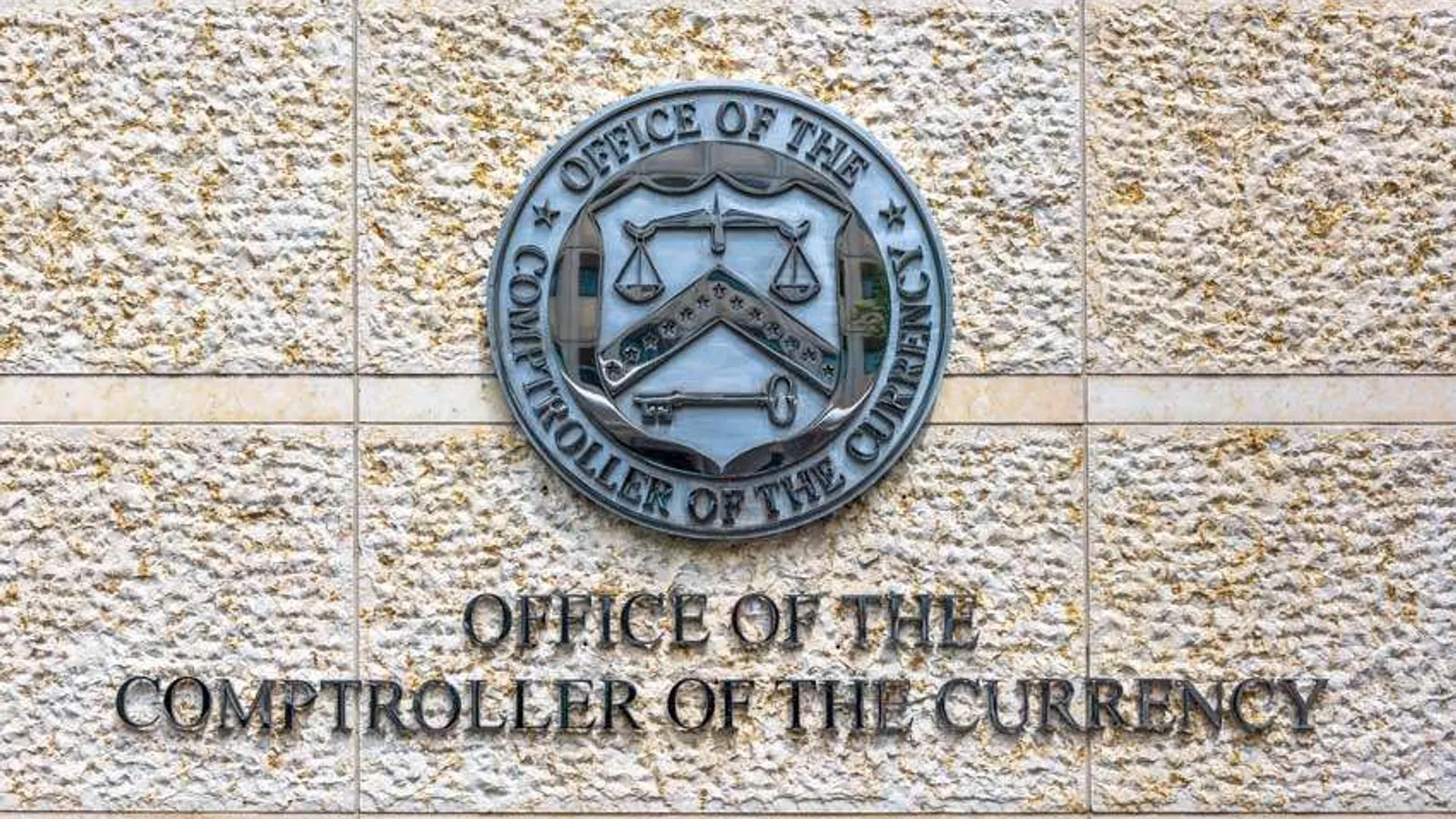
Upstart Holdings has secured conditional regulatory approval from the Office of the Comptroller of the Currency (OCC) to establish its own national bank, marking a significant milestone for the artificial intelligence-driven lending marketplace. The announcement, made by the company on Thursday, July 24, 2026, follows a rigorous review process that has spanned approximately four-and-a-half months since the initial application was submitted. This conditional charter grants Upstart the potential to operate as a federally chartered bank, a move that could fundamentally reshape its business model and expand its reach across the United States.
The Burlingame, California-based fintech firm’s ambition to launch "Upstart Bank" is central to its long-term strategy. The proposed bank aims to originate loans nationwide and, crucially, to accept Federal Deposit Insurance Corporation (FDIC)-insured deposits. This dual capability would allow Upstart to control more of its lending value chain and potentially reduce funding costs. However, the company has clarified that it will continue to rely on its established network of financial institution partners to purchase Upstart-originated loans, positioning the new bank as a complementary entity rather than a replacement for existing partnerships.
A Rigorous Path to Conditional Approval
The journey to obtaining conditional approval from the OCC has been characterized by intense scrutiny, as acknowledged by an Upstart executive. "We’ve been challenged extensively throughout the process, and that’s exactly what should happen when an institution is seeking the privilege of becoming a national bank," stated Annie Delgado, Upstart’s Chief Risk Officer and the proposed CEO of Upstart Bank. This statement underscores the gravity of the regulatory process and the high standards applied to institutions seeking national bank charters.
The conditional approval signifies that Upstart has met the fundamental requirements set forth by the OCC. However, it is not a final grant of authority. Several critical steps remain before Upstart Bank can officially commence operations. These include obtaining deposit insurance from the FDIC and securing approval from the Federal Reserve to operate as a bank holding company. These pending applications highlight the multi-faceted nature of banking regulation, requiring clearance from multiple federal agencies.
Strategic Vision and Mission Alignment
Paul Gu, co-founder and new CEO of Upstart, expressed his enthusiasm for the development, emphasizing its alignment with the company’s core mission. "Upstart Bank will allow us to lower the cost of lending and bring our full product offering to all 50 states, advancing our mission to radically reduce the cost and complexity of credit for all Americans," Gu said in a prepared statement. This indicates a strategic intent to leverage the national bank charter to enhance product accessibility and affordability for a broader segment of the population.
The establishment of a federally chartered bank is a significant undertaking for a fintech company, often necessitating a shift in operational structure and regulatory compliance. Upstart has indicated that it does not plan to open physical branches, signaling a continued reliance on digital channels for customer interaction and loan origination, consistent with its fintech roots.
Expert Commentary and Regulatory Environment

The process was supported by regulatory consultant Klaros Group. Michele Alt, co-founder at Klaros, described Upstart’s conditional approval as "speedy" in an emailed statement to Banking Dive. This assessment is particularly noteworthy given the recent regulatory landscape. Alt referenced the OCC’s first charter denial since at least 2010, which was issued to the fintech Wise, underscoring the challenging environment for new charter applicants.
"This administration is far more welcoming of financial innovators than we’ve seen for a while," Alt commented, suggesting a more open stance by the current regulatory leadership towards technological advancements in the financial sector. However, she cautioned that "an open door is an invitation, not a guarantee. The application process is rigorous and examiner standards remain very high. We’re proud to have worked with Upstart and gratified that their application met with conditional approval, as that remains a very high bar." This sentiment highlights the delicate balance between fostering innovation and maintaining robust regulatory oversight.
A Broader Trend of Fintech Charter Applications
Upstart’s conditional approval is part of a larger trend of increased interest from fintech companies in obtaining national bank charters. Under Comptroller Jonathan Gould, the OCC has seen a surge in charter applications compared to previous administrations. While some of these have been for national trust charters, which are more limited in scope, Upstart is among those that have received conditional approval for a full national bank charter.
Other notable fintechs that have received similar conditional approvals include Nubank, Mercury, and Valt Bank. Erebor Bank is among the few that have achieved full charter approval. This pattern suggests a deliberate strategy by the OCC to integrate innovative financial technology firms into the traditional banking system, albeit under strict regulatory frameworks.

Implications for the Lending Landscape
The potential launch of Upstart Bank carries several implications for the broader lending market. Firstly, it could intensify competition by introducing a new, well-capitalized player with a technology-driven approach. This may pressure incumbent banks to accelerate their digital transformation efforts and potentially lower their own lending rates.
Secondly, Upstart’s ability to accept FDIC-insured deposits could provide it with a more stable and potentially lower-cost funding source compared to relying solely on wholesale funding markets or partner banks. This could enhance its competitive pricing and expand its capacity to serve a wider range of borrowers.
Thirdly, the move signifies a growing acceptance and integration of fintech models within the regulated financial sector. It demonstrates that innovative companies, with the right compliance and risk management structures, can navigate the complex regulatory environment to operate as traditional financial institutions. This could pave the way for other fintechs to pursue similar strategies, further blurring the lines between traditional banking and financial technology.
The success of Upstart Bank will likely depend on its ability to effectively manage its regulatory obligations, maintain its technological edge, and continue to serve its customer base with competitive and accessible credit products. The path ahead remains challenging, with the pending FDIC and Federal Reserve approvals representing significant hurdles. However, the conditional approval from the OCC is a clear indication of progress and a testament to Upstart’s commitment to evolving within the established financial regulatory framework. The company’s ability to balance innovation with stringent oversight will be crucial in defining its long-term impact on the American financial landscape.

