
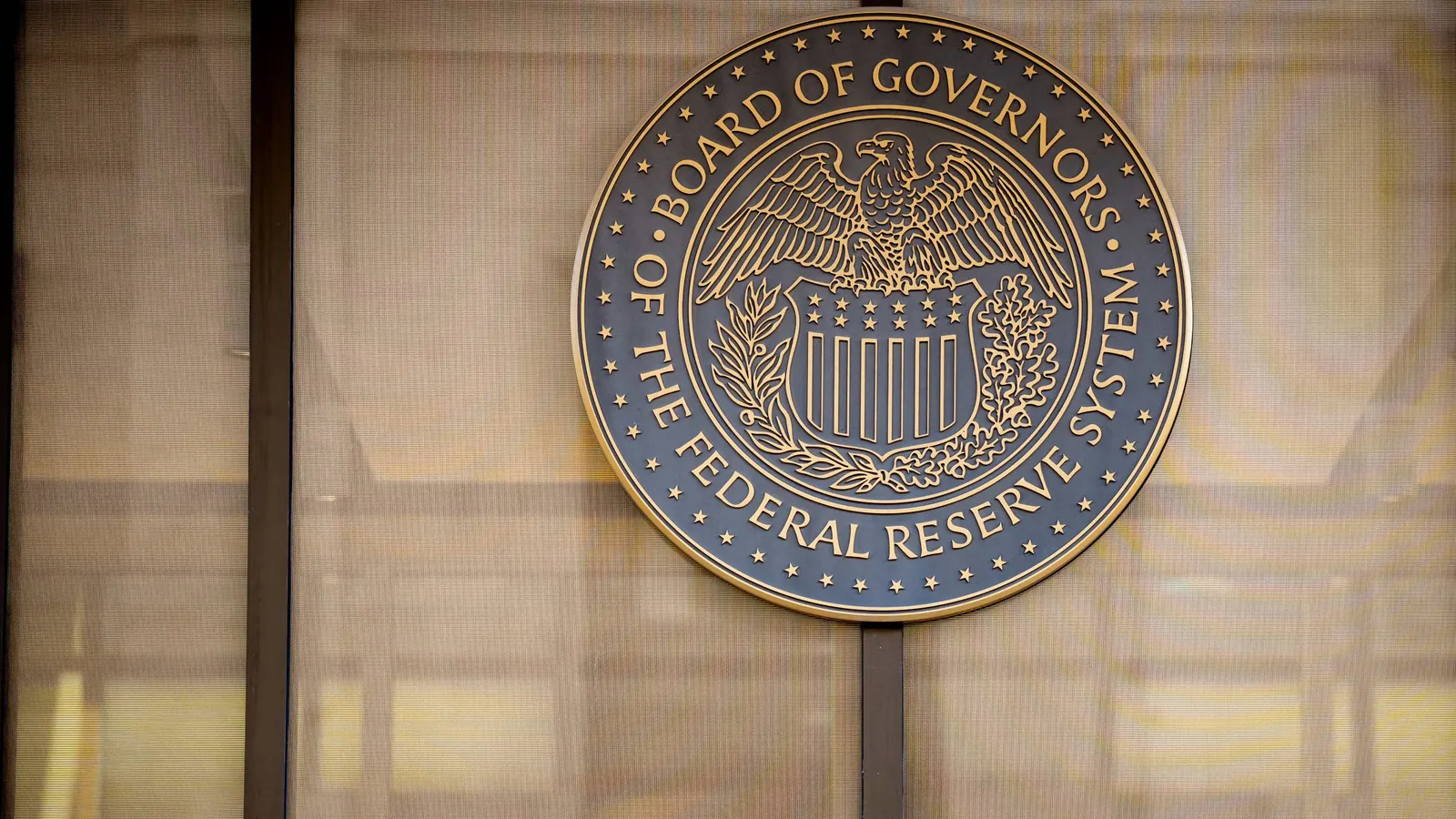
The Federal Reserve has officially unveiled a rigorous set of proposed rules designed to govern the issuance and management of stablecoins, marking a pivotal shift in how the United States central bank approaches digital assets. This regulatory framework, released on September 25, 2026, aims to integrate stablecoin issuers into the traditional financial guardrails by mandating that these digital assets be backed by high-quality, liquid assets, specifically Treasury bills and similar instruments. The move, long awaited by the fintech industry and traditional banking sectors alike, represents the Fed’s latest attempt to codify oversight under the mandates established by the Genius Act.
The proposal mandates that any stablecoin issuer supervised by the Federal Reserve must maintain a robust capital structure to mitigate credit, operational, and liquidity risks. Furthermore, the rules establish a formal, transparent application process for banks seeking to issue their own stablecoins, complete with protocols for appeals and final determinations. By imposing these standards, the Federal Reserve intends to prevent the systemic risks associated with digital assets that lack sufficient collateralization, ensuring that users can redeem their tokens at par even during periods of extreme market volatility.
The Legislative Mandate: The Genius Act
The regulatory push stems from the Genius Act, a piece of bipartisan legislation that tasked federal financial regulators and the Treasury Department with creating a cohesive framework for the rapidly evolving stablecoin market. The Act was born out of concerns that the proliferation of privately issued digital currencies could threaten the integrity of the U.S. dollar-denominated payment system.
Under the provisions of the Genius Act, federal agencies were directed to establish comprehensive rules by July 2026. While the Federal Reserve’s proposal arrives after this initial deadline, the agency has defended its deliberate approach as necessary to properly analyze the complex interplay between decentralized finance and traditional banking infrastructure. The delay highlights the administrative challenges regulators face when attempting to harmonize existing banking laws with the novel technology inherent in blockchain-based payments.
Chronology of Regulatory Action
The regulatory landscape for stablecoins has been shifting rapidly throughout 2026, as various agencies have moved to stake their claim in the oversight process:
- February 2026: The Office of the Comptroller of the Currency (OCC) and the National Credit Union Administration (NCUA) were the first to move, issuing their own proposed rules for stablecoin issuers under their respective jurisdictions.
- April 2026: The Federal Deposit Insurance Corp. (FDIC) released its proposal, focusing on the protection of depositors and the resolution frameworks for firms holding stablecoin reserves.
- August 2026: The U.S. Treasury Department issued its regulatory guidance, emphasizing the anti-money laundering (AML) and counter-terrorist financing (CTF) requirements for issuers.
- September 2026: The Federal Reserve released its long-awaited framework, filling the gaps for Fed-supervised institutions and setting the standards for asset safekeeping.
Despite these collective efforts, the financial ecosystem remains in a state of regulatory flux. To date, no single federal agency has finalized its proposed rules, leaving market participants in a period of "regulatory limbo" while they wait for the comment periods to conclude and final standards to be codified. The Federal Reserve’s proposal will remain open for public comment for 60 days following its publication in the Federal Register.
Federal Reserve Oversight and Risk Mitigation
Federal Reserve Governor Michael Barr has been the primary architect behind the central bank’s recent stance on digital assets. In his public statement accompanying the proposal, Barr emphasized that the primary goal of the framework is to preserve the "moneyness" of stablecoins.
"Stablecoins will only be stable if they can be reliably and promptly redeemed at par in a range of conditions," Barr stated. He noted that the regulations are designed to withstand market stress, particularly during periods where even government debt might experience liquidity pressures. The Fed’s proposal explicitly targets the "safekeeping" of assets, ensuring that if a stablecoin issuer fails, the underlying reserves are protected and accessible to token holders.
This focus on operational resilience is particularly pertinent given the history of stablecoin de-pegging events, where market panics led to a divergence between the value of the digital asset and its claimed underlying fiat currency. By requiring high-quality, liquid assets (HQLA), the Fed aims to minimize the risk of a "run on the bank" scenario that could potentially spill over into broader capital markets.

Industry Implications and Financial Stability
The proposal has sent ripples through the fintech industry. Banks and payment processors that have been waiting for regulatory clarity now have a roadmap for entry, though the costs of compliance are expected to be significant. The mandate for capital requirements, risk management standards, and independent audits will likely favor larger, well-capitalized financial institutions over smaller startups.
Market analysts suggest that the Fed’s intervention will likely accelerate the "institutionalization" of stablecoins. By providing a clear path for traditional banks to issue their own tokens, the central bank may be signaling a preference for bank-issued stablecoins over those managed by non-bank private entities. This would effectively bring a significant portion of the crypto-economy under the umbrella of traditional banking supervision.
However, some critics argue that the rigid requirements may stifle innovation. If the compliance burden is too high, it may push stablecoin issuance into jurisdictions with more lenient oversight, potentially leading to regulatory arbitrage. Proponents of the Fed’s plan, meanwhile, argue that such guardrails are essential to prevent the catastrophic failures seen in other sectors of the digital asset market, which have previously resulted in billions of dollars of losses for retail investors.
Analyzing the "High-Quality, Liquid Assets" Mandate
The requirement that stablecoins be backed by Treasury bills is a strategic move to ensure that the backing assets remain truly "liquid." Unlike speculative assets or lower-grade corporate debt, Treasury bills provide a level of safety that aligns with the Fed’s mandate to maintain financial stability.
Furthermore, the Fed’s rules for "Federal Reserve-supervised firms" that handle the custody of these assets are intended to prevent the commingling of funds. By requiring clear segregation between the reserves held by the issuer and the firm’s operational accounts, the regulators are attempting to ensure that in the event of bankruptcy, the reserves remain ring-fenced and available for the orderly redemption of stablecoins.

Future Outlook and Next Steps
The coming months will be critical for the development of the U.S. stablecoin market. As the Federal Reserve moves through the 60-day comment period, it is expected that a wide array of stakeholders—including crypto-native firms, traditional banking lobbies, and consumer advocacy groups—will submit feedback.
Once the comment period concludes, the Federal Reserve will likely reconcile its proposal with those of the FDIC, OCC, and the Treasury Department. The ultimate goal is a harmonized federal approach that provides legal certainty. For the U.S. economy, the successful implementation of these rules could lead to a more efficient, real-time payment system that leverages blockchain technology while maintaining the safety and soundness that the public expects from the financial system.
As the financial world moves toward a more digitized future, the Federal Reserve’s move is not merely a bureaucratic requirement; it is a fundamental shift in how the central bank monitors the evolution of money itself. Whether these regulations will succeed in balancing the need for innovation with the necessity of consumer protection remains to be seen, but the intent is clear: the era of "wild west" digital asset issuance is rapidly coming to an end in the United States.

