The countdown has entered its final 24 hours for founders, investors, and technology operators seeking to secure discounted access to TechCrunch Disrupt 2026. As the clock winds down to midnight, attendees have a narrow window to capture up to $200 in savings on individual ticket registrations for the premier startup conference. Scheduled to take place from October 13 to October 15, 2026, at Moscone West in San Francisco, this year’s event is positioned as a critical nexus for early-stage innovation, venture capital networking, and strategic industry alignment.
Beyond standard registration markdowns, event organizers have introduced additional promotional incentives, including a 50% discount on a second pass of the same type and group discounts of up to 30% for teams of four or more. These tiered pricing structures are designed to encourage collaborative participation, enabling startup teams, venture firms, and corporate innovation divisions to attend collectively without prohibitive overhead costs.
Background and Context of TechCrunch Disrupt
Established over a decade ago, TechCrunch Disrupt has evolved into one of the global technology ecosystem’s most influential gatherings. Originally conceived as a platform to launch early-stage software and hardware startups—most notably through its signature Startup Battlefield competition—the conference has expanded into a comprehensive summit addressing macroeconomic trends, regulatory landscapes, artificial intelligence integration, and venture capital deployment strategies.

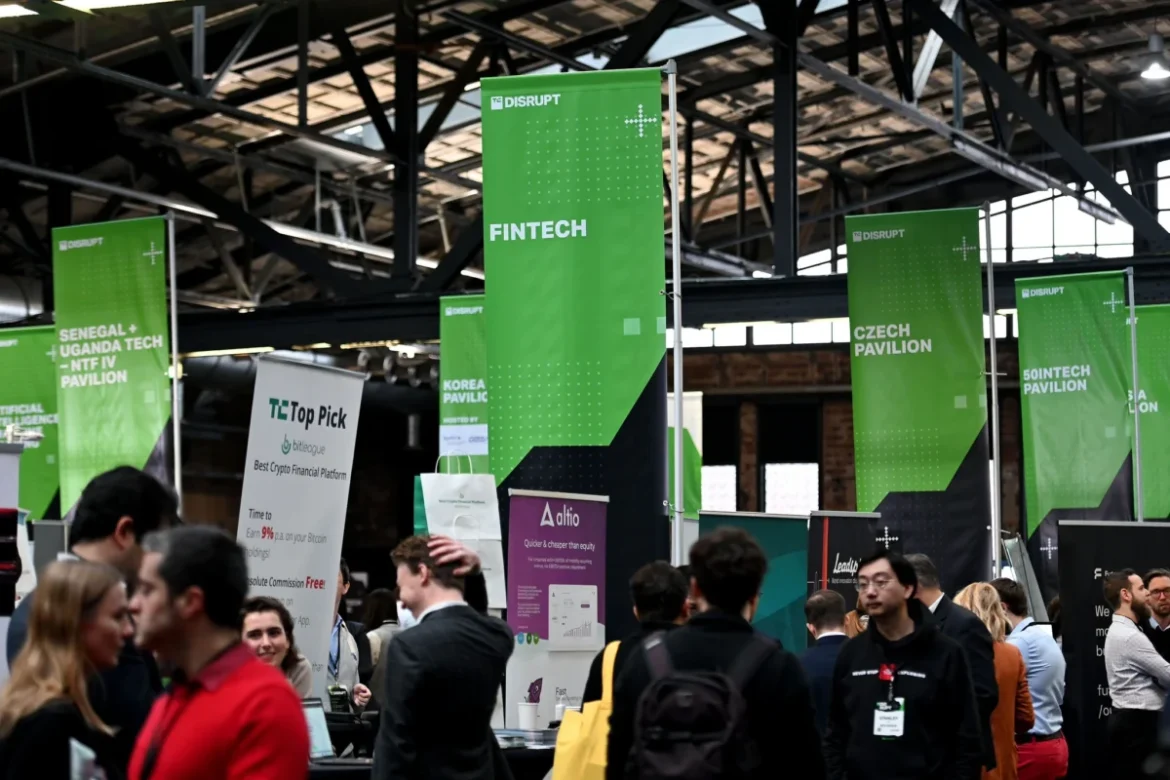
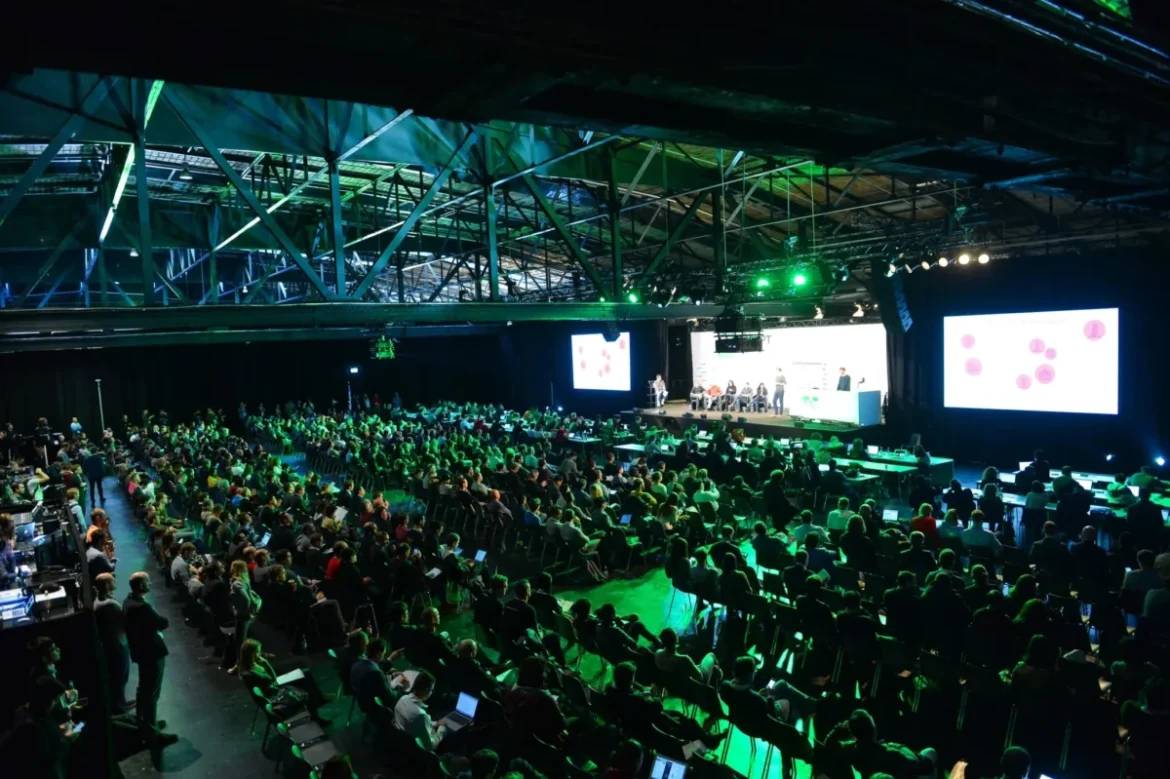
San Francisco’s Moscone Center will once again serve as the epicenter for the three-day convention, hosting more than 10,000 international participants. The venue layout is engineered to facilitate high-density networking, featuring exhibition floors dedicated to emerging hardware, software-as-a-service (SaaS) platforms, biotechnology breakthroughs, and climate tech solutions. Over the course of the event, attendees will navigate six distinct industry stages, hosting upward of 250 curated sessions, keynotes, fireside chats, and tactical workshops led by prominent figures in venture capital and enterprise technology.
Chronology and Registration Deadlines
The ticketing timeline for TechCrunch Disrupt 2026 follows a structured, phased escalation model typical of major enterprise and technology conferences. Early-bird registration periods reward proactive planning, while subsequent tiers adjust to reflect dwindling inventory and high demand.
- Phase One (Early Bird Launch): Initial ticket releases offered the deepest discounts, targeting proactive founders and established investors months in advance.
- The Final 24-Hour Window: The current promotional period represents the absolute final opportunity to utilize specific discount codes to shave up to $200 off standard admission prices.
- Midnight Cutoff: Upon the stroke of midnight, promotional discounting expires permanently, and ticket prices transition to regular general admission rates.
- Event Execution (October 13–15, 2026): The three-day operational window at Moscone West, featuring keynote addresses, Startup Battlefield pitches, and structured networking sessions.
The Core Thesis: Compressing Time and Building Momentum
The central theme guiding the content programming for TechCrunch Disrupt 2026 is the acceleration of organizational momentum. In the lifecycle of an emerging technology company, progress is rarely linear; it is typically bottlenecked by prolonged research cycles, fragmented communication networks, and protracted fundraising processes.
Event organizers emphasize that the primary value proposition of attending an in-person gathering of this scale is time compression. Tasks that ordinarily require months of asynchronous communication—such as conducting competitive intelligence research, sourcing prospective venture capital partners, evaluating emerging enterprise software stacks, and securing initial pilot customers—can theoretically be condensed into a concentrated 72-hour period.

By placing thousands of decision-makers under a single roof, Disrupt creates an environment where serendipity is systematically engineered. A founder exiting a panel discussion on artificial intelligence regulation can immediately transition to a hallway conversation with an active seed-stage investor or an enterprise buyer evaluating pilot deployments. This frictionless exchange of ideas helps convert abstract hypotheses into actionable corporate milestones.
Supporting Data and Ecosystem Impact
Economic data surrounding technology conferences consistently underscore the high ROI of in-person B2B networking for early-stage ventures. According to various tech industry barometers, venture capital deployment frequently correlates with face-to-face deal sourcing, despite the proliferation of digital pitch platforms and remote communication tools.
- Scale of Participation: TechCrunch Disrupt regularly attracts an audience exceeding 10,000 attendees, drawing heavily from Silicon Valley’s dense venture capital community, international angel investors, and bootstrapped entrepreneurs.
- Content Density: The agenda features more than 250 individual sessions spread across six specialized stages, ensuring coverage across diverse verticals such as generative AI, fintech, cybersecurity, climatetech, and deep tech.
- Startup Battlefield Legacy: Over its history, companies launched on the Disrupt stage have collectively raised billions of dollars in follow-on venture funding and achieved numerous high-profile public offerings and multi-million-dollar acquisitions.
Fact-Based Analysis of Strategic Implications
For early-stage founders and enterprise operators, attending a conference of this magnitude involves a calculated allocation of both capital and operational bandwidth. In a tighter macroeconomic climate characterized by more disciplined venture capital deployment, founders face heightened pressure to demonstrate clear product-market fit, capital efficiency, and scalable growth metrics.
Consequently, participation in events like TechCrunch Disrupt serves multiple strategic functions:

- Fundraising Efficiency: Meeting multiple general partners and institutional investors in quick succession reduces the protracted timeline typical of a traditional fundraising roadshow.
- Competitive Benchmarking: Observing the density of innovation across the exhibition floor provides immediate, ground-level insights into how competitors are adapting to emerging technological shifts, particularly in hyper-competitive sectors like generative AI.
- Talent Acquisition and Partnerships: For scaling startups, the event functions as a recruitment pool for seasoned operators and a marketplace for forging vital channel partnerships that accelerate go-to-market strategies.
Official Guidelines and Promotional Terms
Prospective attendees navigating the final hours of the early-bird pricing window must complete their registration through the official TechCrunch Disrupt portal prior to midnight. The dual-ticket incentive—allowing purchasers to acquire a second pass of identical classification at a 50% reduction—aims to incentivize co-founders and executive teams to attend jointly. Furthermore, corporate groups comprising four or more registrants are eligible for cumulative discounts of up to 30%, maximizing budgetary efficiency for growing enterprises.
As the tech ecosystem prepares to converge on San Francisco this October, the closing of the current registration window marks the final opportunity for participants to lock in optimal pricing before entering the final operational countdown to TechCrunch Disrupt 2026.