• Home
  • About Us
  • Contact Us
  • Cookies Policy
  • Disclaimer
  • DMCA
  • Privacy Policy
  • Terms and Conditions
Dr Crypton
Secure Your Future in Crypto
FinTech Innovations

Stripe and Advent International Launch $53.4 Billion Bid for PayPal

by admin July 25, 2026
written by admin

San Jose, CA – July 15, 2026 – In a move that could redefine the digital payments landscape, Stripe, in partnership with private equity firm Advent International, has reportedly submitted a joint bid to acquire PayPal Holdings, Inc. The proposed transaction is valued at approximately $53.4 billion, according to sources familiar with the matter and reported by Reuters. This ambitious offer, reportedly lodged earlier this month, is bolstered by a substantial $50 billion in committed bank financing, signaling a significant financial commitment from the consortium.

The proposed structure of the acquisition would see Stripe and Advent International emerge as co-owners of PayPal, each holding an equal stake. This potential union brings together two formidable forces in the global payments industry, promising a potent combination of technological innovation and financial backing.

This development is not entirely out of the blue. Speculation surrounding Stripe’s interest in PayPal has been circulating for months. In February of this year, Bloomberg reported that the payments processor had been exploring a possible takeover, engaging in preliminary discussions that, at the time, did not materialize into a formal proposal. The renewed interest, now culminating in a concrete bid, underscores the strategic importance of PayPal’s extensive user base and established infrastructure.

A Deep Dive into the Potential Acquisition

The implications of this potential merger are far-reaching, given the sheer scale and market influence of both PayPal and Stripe. PayPal, a veteran in the digital wallet and online payment processing arena, boasts a formidable presence, serving approximately 440 million active accounts globally. In the fiscal year 2025, the company facilitated a staggering $1.8 trillion in payment volume, a testament to its entrenched position in consumer and business transactions.

Stripe, a more recent but rapidly ascending player, has carved out a significant niche by focusing on providing robust and developer-friendly payment infrastructure for online businesses. Over the same 2025 period, businesses utilizing Stripe processed an impressive $1.9 trillion in payments. The company’s own valuation has soared, reaching a remarkable $159 billion earlier this year through a share sale, highlighting its significant growth trajectory and investor confidence.

The combined entity would represent a dominant force, potentially consolidating market share and offering a more comprehensive suite of payment solutions. This could present both significant opportunities for innovation and formidable challenges for competitors.

Chronology of Interest and Recent Developments

The narrative leading up to this $53.4 billion bid can be traced back several months, marked by increasing speculation and strategic shifts within the involved companies.

  • February 2026: Reports first emerge indicating that Stripe has expressed interest in acquiring PayPal and is engaged in preliminary discussions. At this stage, the discussions are exploratory, and no formal offer is on the table.
  • Early July 2026: Stripe and Advent International reportedly submit a joint bid to acquire PayPal, with a valuation cited at approximately $53.4 billion. This bid is reportedly supported by significant bank financing.
  • July 15, 2026: News of the bid breaks, as reported by Reuters, bringing the potential acquisition into the public spotlight.

The timing of this offer is particularly noteworthy, coinciding with a period of significant internal adjustment for PayPal. The company has been navigating a challenging market environment, which led to a profit warning earlier in the year. Enrique Lores, who assumed the role of CEO in March, has been tasked with steering PayPal towards renewed growth and profitability.

In response to these challenges, PayPal has outlined ambitious cost-cutting measures, intending to reduce expenses by at least $1.5 billion over the next two to three years. Furthermore, reports suggest that the company is also planning a significant workforce reduction, with estimates indicating a potential cut of around 20%. These internal initiatives highlight PayPal’s focus on operational efficiency and strategic realignment, making the timing of an acquisition bid a critical factor in its consideration.

Stripe and Advent reportedly offered to buy PayPal for around $53.4B

Strategic Rationale and Market Implications

The rationale behind a Stripe-Advent International acquisition of PayPal appears to be rooted in several key strategic advantages. For Stripe, acquiring PayPal would provide immediate access to a massive, established consumer user base and a robust, albeit mature, payment network. This could accelerate Stripe’s expansion into consumer-facing financial services and further diversify its revenue streams beyond its core B2B offerings.

Advent International, a seasoned player in private equity, brings substantial financial firepower and operational expertise. Their involvement suggests a belief in PayPal’s underlying value and potential for improvement under new ownership and strategic direction. Private equity firms often seek to acquire companies with strong market positions but facing operational or strategic challenges, aiming to implement efficiencies and drive growth before a potential exit through an IPO or sale.

The implications for the broader fintech industry are significant:

  • Consolidation: A successful acquisition would represent a major consolidation event in the digital payments space, potentially leading to a more concentrated market with fewer dominant players.
  • Innovation: The combined resources and expertise could spur innovation, leading to new product development and enhanced service offerings for both consumers and businesses.
  • Competition: Competitors would likely face increased pressure to adapt and innovate to remain competitive. This could include other payment processors, neobanks, and traditional financial institutions.
  • Regulatory Scrutiny: A deal of this magnitude would undoubtedly attract close scrutiny from antitrust regulators in various jurisdictions, given the potential market impact.

Past Performance and Financial Overview

To understand the context of this bid, a brief look at the financial performance and market position of PayPal is crucial. As of the end of fiscal year 2025:

  • Active Accounts: Approximately 440 million.
  • Payment Volume: $1.8 trillion.
  • Revenue (FY 2025): While not explicitly stated in the provided text, the $1.8 trillion payment volume suggests substantial revenue generation. For context, PayPal’s reported revenue for FY 2023 was $30.36 billion.
  • Profitability: The company has recently issued a profit warning, indicating challenges in maintaining profit margins amidst increased competition and evolving market dynamics.
  • Cost Reduction Initiatives: Planned savings of at least $1.5 billion over the next two to three years.
  • Workforce Reduction: Anticipated reduction of around 20%.

Stripe’s financial profile, while private, is characterized by rapid growth and a high valuation:

  • Payment Volume (FY 2025): $1.9 trillion.
  • Valuation (February 2026): $159 billion.
  • Focus: Primarily B2B payment processing, offering APIs and infrastructure for online businesses.

The valuation of $53.4 billion for PayPal, while substantial, represents a premium over its current market capitalization, reflecting the strategic value of its user base and brand recognition. However, it also comes at a time when PayPal is undergoing significant restructuring, which could be viewed as either an opportunity to acquire a company on the cusp of a turnaround or a risk associated with ongoing operational challenges.

Official Responses and Future Outlook

As of the publication of this report, PayPal has not issued a public statement responding to the reported acquisition bid. Similarly, Stripe and Advent International have also not provided immediate comment on the matter. The silence from the involved parties is typical during the early stages of such significant corporate maneuvers, as companies carefully consider their strategic communications and legal obligations.

The coming weeks and months will be critical in determining the trajectory of this potential acquisition. Should PayPal engage with the offer, a period of due diligence and negotiation would ensue. The regulatory landscape, particularly concerning antitrust concerns, will also play a pivotal role.

The potential acquisition of PayPal by Stripe and Advent International represents a watershed moment in the evolution of digital payments. It highlights the ongoing consolidation within the fintech sector and underscores the strategic imperative for established players to adapt to a rapidly changing technological and competitive environment. The outcome of this bid will undoubtedly shape the future of online transactions and influence the broader financial technology ecosystem for years to come.


July 25, 2026 0 comment
0 FacebookTwitterPinterestEmail
FinTech Innovations

Robinhood CEO’s X Account Compromised to Promote Fake Memecoin, Triggering Brief Trading Frenzy

by admin July 25, 2026
written by admin

On July 23, 2026, the official X account of Robinhood Markets CEO Vlad Tenev was reportedly compromised, leading to the unauthorized promotion of a newly created memecoin dubbed "Vladhood" or $VLAD. The fraudulent post falsely positioned the token as the official mascot of Robinhood Chain and suggested an imminent listing within the Robinhood application, even providing a blockchain contract address for prospective buyers. This incident highlights the persistent security vulnerabilities faced by high-profile executives and major financial platforms in the digital age, particularly within the volatile cryptocurrency market.

The deceptive message, disseminated through Tenev’s verified X account, rapidly circulated among cryptocurrency traders actively engaged in networks associated with Robinhood’s blockchain initiatives. The rapid spread of the misinformation underscores the potent influence of seemingly official endorsements in the fast-paced world of digital assets, where hype and perceived legitimacy can drive significant market activity.

Chronology of the Incident

The events unfolded rapidly on July 23, 2026.

  • Early Morning (Pacific Time): An unauthorized post appeared on Vlad Tenev’s X account, announcing the memecoin "Vladhood" ($VLAD) as the official mascot of Robinhood Chain and hinting at its upcoming integration into the Robinhood trading platform. The post included a blockchain contract address.
  • Mid-Morning: The fraudulent message began to gain traction within crypto communities, particularly those following Robinhood’s blockchain developments. Initial trading activity for the $VLAD token commenced, with some users rushing to acquire it based on the perceived endorsement.
  • Late Morning/Early Afternoon: Reports of sharp price movements and bursts of trading volume for $VLAD emerged. As awareness of the compromised account grew, some early investors began to exit their positions, realizing profits or incurring losses depending on their timing. Simultaneously, blockchain explorers flagged the $VLAD contract as a scam.
  • Afternoon: Robinhood’s communications team confirmed the account compromise and the fraudulent nature of the post. They announced efforts to regain account access and work with X (formerly Twitter) to address the situation. The fraudulent post was removed.
  • Late Afternoon/Evening: Access to Vlad Tenev’s X account was reportedly restored. Tenev himself posted, confirming his regained control and reiterating that Robinhood had not issued any official coins or tokens. He also urged caution within the crypto market. Multiple copycat tokens began to surface in the hours following the initial incident.

The Rise of Memecoins and Exploitation Tactics

Memecoins, a category of cryptocurrencies often inspired by internet memes and pop culture, have become a significant force in the digital asset landscape. Their value is frequently driven by social media hype, community sentiment, and the perception of endorsements, rather than underlying technological innovation or utility. This makes them particularly susceptible to manipulation and fraudulent schemes.

The incident involving "Vladhood" ($VLAD) exemplifies a common tactic used by malicious actors in the crypto space. By leveraging the compromised X account of a high-profile executive like Vlad Tenev, fraudsters aim to create an illusion of legitimacy and urgency. The inclusion of a blockchain contract address directly facilitates immediate trading, allowing perpetrators to quickly amass funds through transaction fees and the price manipulation of the newly created token.

Data from blockchain analytics firms indicates that in such "rug pull" or pump-and-dump schemes, the creators often aim to extract liquidity within a short timeframe, typically hours or days, before regulatory bodies or platform operators can intervene. The rapid trading volume observed for $VLAD, though temporary, suggests that this objective may have been at least partially achieved for the perpetrators before the official warnings could fully dampen speculative interest.

Robinhood’s Response and Official Statements

Robinhood’s official communications team acted swiftly to mitigate the damage caused by the account compromise. In a statement released shortly after the incident, the company confirmed that Tenev’s X account had been "compromised and posted a fake promotion for a meme coin." The company emphasized that it was actively collaborating with X to restore full account access and ensure the removal of the unauthorized post.

Later, after regaining control of the account, Vlad Tenev posted a personal message to his followers. He stated, "Heads up: Our CEO Vlad Tenev’s X account was compromised and posted a fake promotion for a meme coin. We’re working with X to restore access and the post has been removed." He followed up with a more personal message, confirming the restoration of his account access and stressing that "Robinhood has not issued any official coins or tokens." Tenev also took the opportunity to remind his audience of the inherent risks within the cryptocurrency market and urged them to exercise vigilance.

The rapid response from Robinhood’s communication channels was crucial in limiting the spread of misinformation and potentially preventing a larger number of investors from falling victim to the scam. The clear and immediate disavowal of the token and the confirmation of the account breach provided essential clarity to the market.

Broader Implications for Digital Security and Investor Protection

This incident serves as a stark reminder of the ongoing security challenges faced by individuals and organizations operating in the digital realm. For high-profile executives, maintaining robust cybersecurity protocols is paramount, as their social media presence can be a valuable asset for communication but also a significant liability if compromised. The use of strong, unique passwords, multi-factor authentication, and regular security audits are essential measures to prevent such breaches.

Furthermore, the event underscores the need for enhanced vigilance among retail investors, particularly in the speculative cryptocurrency markets. The allure of quick profits and the pressure to participate in trending assets can sometimes override critical thinking and due diligence. Investors are strongly advised to:

  • Verify Information: Always cross-reference information from social media posts with official company announcements, reputable financial news outlets, and blockchain explorers.
  • Be Skeptical of Hype: Treat unsolicited promotions of new tokens, especially those claiming official endorsements or imminent exchange listings, with extreme skepticism.
  • Understand the Risks: Recognize that memecoins and many other digital assets carry significant volatility and risk of loss.
  • Check Official Channels: Ensure any trading or investment opportunities are presented through the legitimate and verified channels of the financial institution or platform.

The incident also highlights the responsibility of social media platforms like X to implement and enforce robust security measures to prevent the misuse of verified accounts. While X likely has protocols in place, the ability of malicious actors to gain unauthorized access to such influential accounts remains a persistent concern.

For Robinhood, a company that has been actively involved in making cryptocurrency trading more accessible to retail investors, this incident presents an opportunity to reinforce its commitment to user safety and education. By emphasizing that no legitimate company token was involved and by clearly communicating the unauthorized nature of the post, Robinhood is working to protect its brand reputation and its user base from the fallout of such external malicious activities.

The long-term implications of this event will likely involve a renewed focus on account security for prominent figures in the financial industry and a continued push for investor education regarding the risks inherent in speculative digital asset markets. As the cryptocurrency landscape continues to evolve, so too will the tactics employed by fraudsters, necessitating a continuous adaptation of security measures and a heightened sense of awareness among all participants. The speed at which such scams can spread and impact markets, even briefly, demonstrates the interconnectedness and fragility of digital financial ecosystems.

July 25, 2026 0 comment
0 FacebookTwitterPinterestEmail
FinTech Innovations

Upstart Receives Conditional Approval from OCC to Establish National Bank

by admin July 25, 2026
written by admin

Upstart Holdings has secured conditional regulatory approval from the Office of the Comptroller of the Currency (OCC) to establish its own national bank, marking a significant milestone for the artificial intelligence-driven lending marketplace. The announcement, made by the company on Thursday, July 24, 2026, follows a rigorous review process that has spanned approximately four-and-a-half months since the initial application was submitted. This conditional charter grants Upstart the potential to operate as a federally chartered bank, a move that could fundamentally reshape its business model and expand its reach across the United States.

The Burlingame, California-based fintech firm’s ambition to launch "Upstart Bank" is central to its long-term strategy. The proposed bank aims to originate loans nationwide and, crucially, to accept Federal Deposit Insurance Corporation (FDIC)-insured deposits. This dual capability would allow Upstart to control more of its lending value chain and potentially reduce funding costs. However, the company has clarified that it will continue to rely on its established network of financial institution partners to purchase Upstart-originated loans, positioning the new bank as a complementary entity rather than a replacement for existing partnerships.

A Rigorous Path to Conditional Approval

The journey to obtaining conditional approval from the OCC has been characterized by intense scrutiny, as acknowledged by an Upstart executive. "We’ve been challenged extensively throughout the process, and that’s exactly what should happen when an institution is seeking the privilege of becoming a national bank," stated Annie Delgado, Upstart’s Chief Risk Officer and the proposed CEO of Upstart Bank. This statement underscores the gravity of the regulatory process and the high standards applied to institutions seeking national bank charters.

Upstart nabs conditional bank charter

The conditional approval signifies that Upstart has met the fundamental requirements set forth by the OCC. However, it is not a final grant of authority. Several critical steps remain before Upstart Bank can officially commence operations. These include obtaining deposit insurance from the FDIC and securing approval from the Federal Reserve to operate as a bank holding company. These pending applications highlight the multi-faceted nature of banking regulation, requiring clearance from multiple federal agencies.

Strategic Vision and Mission Alignment

Paul Gu, co-founder and new CEO of Upstart, expressed his enthusiasm for the development, emphasizing its alignment with the company’s core mission. "Upstart Bank will allow us to lower the cost of lending and bring our full product offering to all 50 states, advancing our mission to radically reduce the cost and complexity of credit for all Americans," Gu said in a prepared statement. This indicates a strategic intent to leverage the national bank charter to enhance product accessibility and affordability for a broader segment of the population.

The establishment of a federally chartered bank is a significant undertaking for a fintech company, often necessitating a shift in operational structure and regulatory compliance. Upstart has indicated that it does not plan to open physical branches, signaling a continued reliance on digital channels for customer interaction and loan origination, consistent with its fintech roots.

Expert Commentary and Regulatory Environment

Upstart nabs conditional bank charter

The process was supported by regulatory consultant Klaros Group. Michele Alt, co-founder at Klaros, described Upstart’s conditional approval as "speedy" in an emailed statement to Banking Dive. This assessment is particularly noteworthy given the recent regulatory landscape. Alt referenced the OCC’s first charter denial since at least 2010, which was issued to the fintech Wise, underscoring the challenging environment for new charter applicants.

"This administration is far more welcoming of financial innovators than we’ve seen for a while," Alt commented, suggesting a more open stance by the current regulatory leadership towards technological advancements in the financial sector. However, she cautioned that "an open door is an invitation, not a guarantee. The application process is rigorous and examiner standards remain very high. We’re proud to have worked with Upstart and gratified that their application met with conditional approval, as that remains a very high bar." This sentiment highlights the delicate balance between fostering innovation and maintaining robust regulatory oversight.

A Broader Trend of Fintech Charter Applications

Upstart’s conditional approval is part of a larger trend of increased interest from fintech companies in obtaining national bank charters. Under Comptroller Jonathan Gould, the OCC has seen a surge in charter applications compared to previous administrations. While some of these have been for national trust charters, which are more limited in scope, Upstart is among those that have received conditional approval for a full national bank charter.

Other notable fintechs that have received similar conditional approvals include Nubank, Mercury, and Valt Bank. Erebor Bank is among the few that have achieved full charter approval. This pattern suggests a deliberate strategy by the OCC to integrate innovative financial technology firms into the traditional banking system, albeit under strict regulatory frameworks.

Upstart nabs conditional bank charter

Implications for the Lending Landscape

The potential launch of Upstart Bank carries several implications for the broader lending market. Firstly, it could intensify competition by introducing a new, well-capitalized player with a technology-driven approach. This may pressure incumbent banks to accelerate their digital transformation efforts and potentially lower their own lending rates.

Secondly, Upstart’s ability to accept FDIC-insured deposits could provide it with a more stable and potentially lower-cost funding source compared to relying solely on wholesale funding markets or partner banks. This could enhance its competitive pricing and expand its capacity to serve a wider range of borrowers.

Thirdly, the move signifies a growing acceptance and integration of fintech models within the regulated financial sector. It demonstrates that innovative companies, with the right compliance and risk management structures, can navigate the complex regulatory environment to operate as traditional financial institutions. This could pave the way for other fintechs to pursue similar strategies, further blurring the lines between traditional banking and financial technology.

The success of Upstart Bank will likely depend on its ability to effectively manage its regulatory obligations, maintain its technological edge, and continue to serve its customer base with competitive and accessible credit products. The path ahead remains challenging, with the pending FDIC and Federal Reserve approvals representing significant hurdles. However, the conditional approval from the OCC is a clear indication of progress and a testament to Upstart’s commitment to evolving within the established financial regulatory framework. The company’s ability to balance innovation with stringent oversight will be crucial in defining its long-term impact on the American financial landscape.

July 25, 2026 0 comment
0 FacebookTwitterPinterestEmail
NFT & Digital Assets

Galactic Geckos Space Garage and the Evolution of Solana NFT Culture A Comprehensive Analysis of a Legacy Project

by admin July 25, 2026
written by admin

The landscape of non-fungible tokens (NFTs) on the Solana blockchain has undergone several transformative cycles since the network first emerged as a viable competitor to Ethereum in early 2021. Among the thousands of projects that have launched, few have maintained the cultural relevance and structural integrity of Galactic Geckos Space Garage (GGSG). Originally minted in September 2021, Galactic Geckos has transitioned from a high-demand profile picture (PFP) collection into a multi-faceted intellectual property (IP) brand, a social adventure club, and a decentralized investment vehicle. As of June 2026, the project remains a cornerstone of the Solana ecosystem, characterized by its hand-drawn aesthetics, deep narrative lore, and a unique governance model that has allowed it to survive where many of its contemporaries have faded into obscurity.

The Genesis of the Galactic Geckos Space Garage

The story of Galactic Geckos began during the "Solana Summer" of 2021, a period marked by explosive growth in network activity and the arrival of the first major NFT collections, such as Degenerate Ape Academy and Solana Monkey Business. When Galactic Geckos launched on September 22, 2021, it introduced a refreshing departure from the prevailing "ape" and "monkey" tropes. The collection consisted of 10,000 unique "warrior-turned-space-racing geckos," each hand-drawn by the acclaimed artist Gossip Goblin.

Gossip Goblin, whose professional background includes work for Magic: The Gathering and high-profile AI film projects, brought a level of artistic pedigree that was rare in the early generative art space. Every gecko was composed of traits from a pool of 162 unique assets, each accompanied by its own specific lore. This narrative-heavy approach was unprecedented at the time, providing a foundation for what would later become a comprehensive "Geckoverse."

The initial mint price of 2 SOL was met with significant demand, and the collection quickly sold out, establishing a secondary market that saw the floor price reach as high as 65 SOL in early 2023. However, the project’s journey was not without its turbulence. In early 2022, the community faced a crisis regarding the alignment of the founding team’s incentives with the long-term health of the project.

The 2022 Buyout and the Shift to Community Governance

A pivotal moment in the chronology of GGSG occurred in February 2022. Following a period of heated negotiations between the community and the original developers, a buyout was orchestrated. The founding team was replaced by a coalition led by Genuine Articles (GA) and a team of dedicated community members. This transition marked one of the first successful community-led takeovers of a major NFT project on Solana.

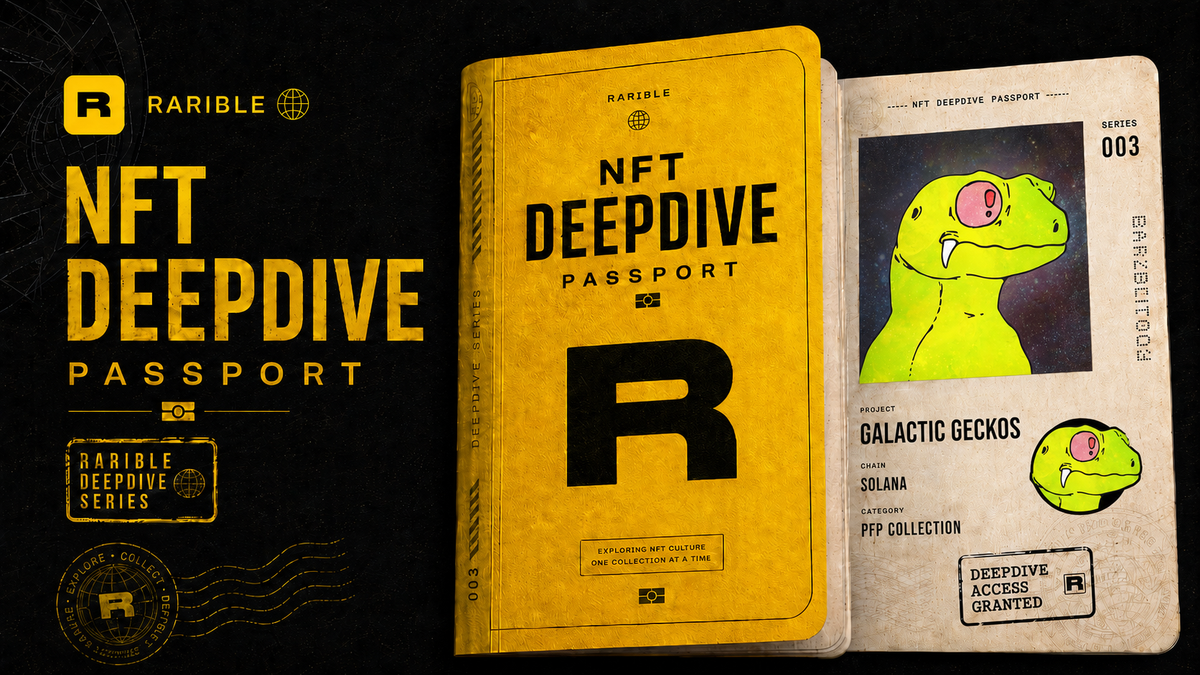
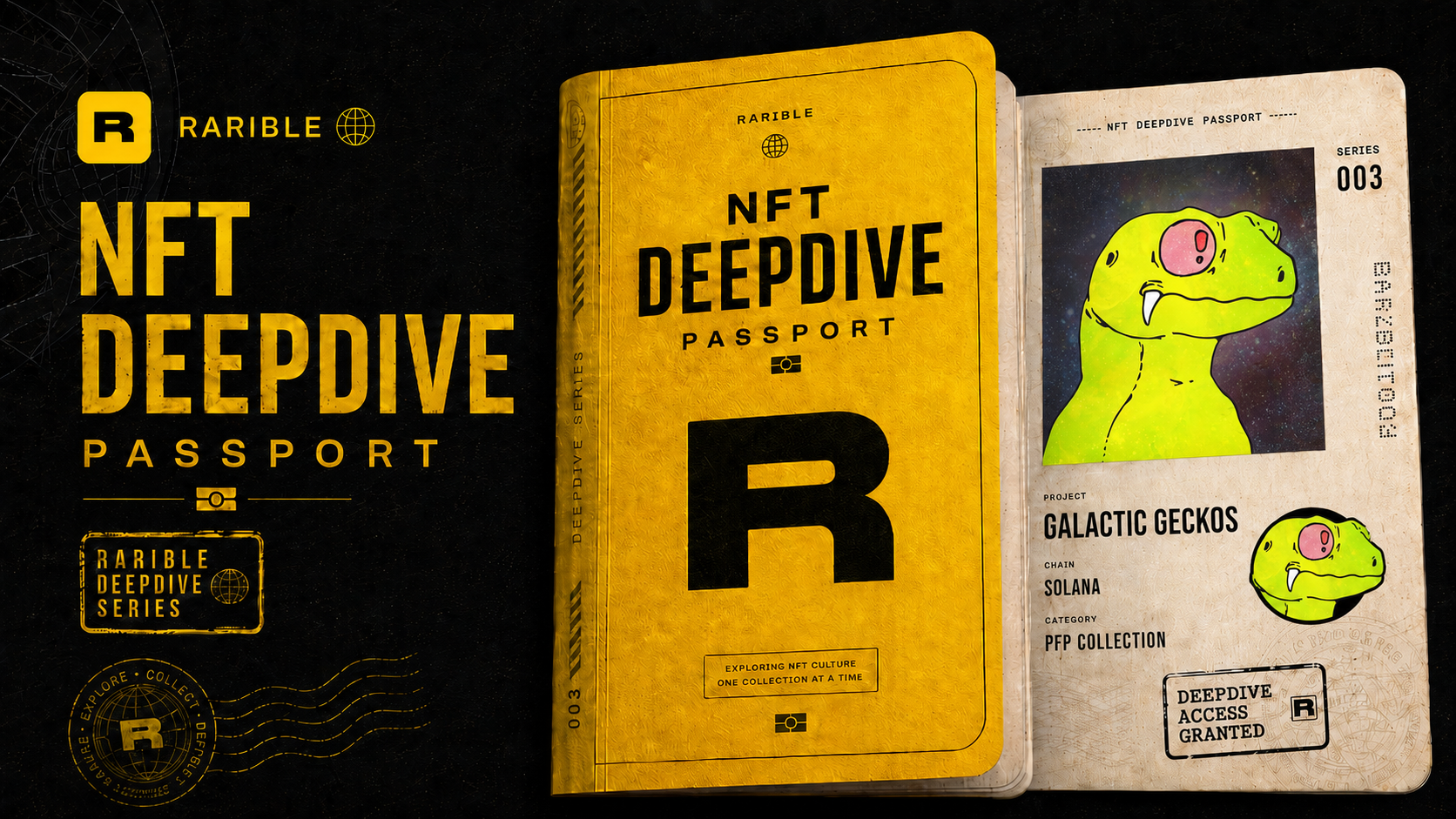
NFT Project Passport: Galactic Geckos

Under the new leadership, GGSG adopted a "hybrid DAO" model. Unlike traditional decentralized autonomous organizations that can suffer from stagnation due to a lack of clear executive direction, the GGSG model utilizes a lean executive team capable of moving quickly, while maintaining a flat organizational structure that integrates holder feedback. This shift prioritized value accrual for the original NFT holders, moving away from dilutive expansions and focusing on building sustainable utility.

Factionalism and Narrative Architecture

One of the defining characteristics of GGSG is its faction-based system. The 10,000 geckos are divided into four primary factions: Alura, Targari, Martu, and Barada. These are not merely cosmetic labels; they serve as the basis for the project’s lore and community identity. In the fictional world of the Geckoverse, intergalactic warfare has been replaced by brutal spaceship racing, with each faction representing different philosophies and competitive styles.

This narrative architecture has fostered a "social adventure club" atmosphere. Holders do not just own an asset; they belong to "The Garage," a colloquial term for the holder community. This sense of belonging is reinforced by the "Fifth Faction" narrative and the introduction of Enigma Crystals and Concordians—elements that expand the world-building and provide avenues for future media extensions.

Technical Innovations and Staking Mechanics

GGSG has been a pioneer in implementing deflationary mechanics and long-term staking protocols. A significant portion of the supply is currently locked through various mechanisms:

  1. Immortalization: As of mid-2026, 902 geckos have been "immortalized." This process renders the NFT soulbound, meaning it is permanently removed from the circulating supply.
  2. The Hero’s Journey: This staking mechanic encourages one-year lockups, rewarding holders with ecosystem benefits and airdrops.
  3. Staking Statistics: Current data indicates that approximately 7,111 geckos are staked, with the majority committed for 12 months or longer.

With nearly 80% of the total supply either soulbound or staked, the "liquid float"—the number of geckos available for trade on secondary marketplaces like Magic Eden and Tensor—is remarkably thin. This scarcity has been a primary driver of the project’s price stability compared to newer, more volatile collections.

GreenListed and the GeckoDAO Investment Arm

Beyond art and lore, GGSG operates as a sophisticated investment network through "GreenListed," its investment affiliate. GreenListed focuses on supporting builders within the Solana and wider Web3 ecosystems. The group’s most notable achievement to date was leading the seed round for Matrica, a cross-chain token-gating protocol that has since become industry-standard infrastructure.

NFT Project Passport: Galactic Geckos

The success of GreenListed differentiates GGSG from pure PFP projects. It functions as a venture group where the value generated from successful investments is funneled back into the GeckoDAO ecosystem. This "alpha" group culture extends into several sub-sectors, including DeFi optimization, stock trading, and the "Gecko Growth Group," which focuses on helping members monetize their social media presence and professional skills.

Recent Developments and the Move into Gaming

In 2026, the project has focused on expanding its digital footprint through "Galactic Overdrive," a trading-card game (TCG) developed by Space Squid Studios. Unlike many blockchain games that prioritize "play-to-earn" mechanics over gameplay quality, Galactic Overdrive was designed as a "fun-first" title. Alpha testing on iOS and Android revealed high retention rates, with over 20% of players engaging daily without financial incentives.

The broader beta release, expected in the third quarter of 2026, represents a major catalyst for the brand. By moving into the TCG space, GGSG aims to attract a demographic of gamers who may not be traditional NFT collectors, thereby expanding the reach of the IP.

Furthermore, recent collaborations have shown GGSG’s ability to bridge the gap between Solana and other ecosystems. A partnership with Lucid, connected to Yuga Labs’ "Otherside" metaverse, allowed Gecko holders to secure allocations for LucidAI. This cross-chain participation signals that while GGSG is a Solana-native project, its brand ambitions are network-agnostic.

Market Analysis and Future Outlook

As of June 22, 2026, the floor price for a Galactic Gecko sits at approximately 6.26 SOL (roughly $455). While this is lower than the all-time high of $4,400 recorded in late 2023, the project’s health is measured by its "stickiness" rather than just its price point. With nearly 3,000 unique holders and a highly engaged DAO, GGSG remains one of the most stable communities in the digital asset space.

The roadmap for the remainder of 2026 includes:

NFT Project Passport: Galactic Geckos
  • Physical Expansion: Confirmed plans for IRL merchandise, apparel, and physical trading cards.
  • RWA Partnerships: Ongoing discussions regarding Real World Asset (RWA) partnerships where GGSG would serve as the exclusive NFT partner.
  • Collector Profiles: The launch of holder badges and tools to reward long-term collectors and surface rare assets within the community.

Professional Implications and Broader Impact

The trajectory of Galactic Geckos Space Garage offers several lessons for the broader NFT industry. First, it demonstrates the viability of the "community buyout" model when a project’s original founders fail to meet expectations. Second, it highlights the importance of "under-marketing"—a strategy GGSG employs to avoid the boom-and-bust cycles associated with hyper-active hype machines. By favoring "surprise-and-delight" moments over rigid roadmaps, the project has maintained a high level of trust with its core base.

Furthermore, GGSG’s success without external venture capital fundraising proves that NFT projects can be sustainable through internal revenue generation and strategic ecosystem investments. As the industry moves toward more mature, utility-driven models, GGSG’s "hybrid DAO" and "Lore-as-a-Service" approach may serve as a blueprint for future IP-based collections.

In conclusion, Galactic Geckos Space Garage is no longer just a collection of digital images; it is a resilient digital nation-state with its own economy, culture, and territorial ambitions in the metaverse. While the public-facing momentum may at times appear quieter than that of newer, flashier projects, the underlying infrastructure and community loyalty suggest that GGSG is positioned for long-term endurance in the ever-evolving Solana landscape. The upcoming launch of Galactic Overdrive and the expansion into physical goods will be the next major tests of whether this "OG" project can successfully transition into a mainstream entertainment brand.

July 25, 2026 0 comment
0 FacebookTwitterPinterestEmail
NFT & Digital Assets

Azuki TCG Gates Awakened From Web3 Roots to Physical Tabletop Reality Everything You Need to Know.

by admin July 25, 2026
written by admin

The transition of a digital-first brand into the tangible world of physical collectibles represents a pivotal moment in the evolution of modern intellectual property. Azuki, a brand that originated as a high-profile non-fungible token (NFT) project, is now testing its cultural resonance in the competitive and often unforgiving arena of the physical trading card game (TCG) market. With the official launch of Azuki TCG: Gates Awakened (designated as set AZK-01), the project’s parent company, Chiru Labs, is attempting to bridge the gap between blockchain-native communities and the traditional tabletop gaming ecosystem. This move signifies a strategic pivot from "wallet-based" exclusivity to "tabletop-based" strategy, aiming to capture a mainstream audience that may have little to no interest in the underlying mechanics of cryptocurrency or digital wallets.

The Strategic Shift From Digital Scarcity to Physical Play

Azuki first rose to prominence as one of the most recognizable anime-inspired NFT collections on the Ethereum blockchain. Launched in early 2022, the project quickly established a dedicated following through its high-quality art direction, lore-heavy marketing, and the creation of "The Garden"—a digital ecosystem for holders. However, the brand’s journey has not been without significant hurdles. In May 2022, the project’s founder, known as Zagabond, faced intense scrutiny following the revelation of his involvement in several previous NFT projects that critics claimed were prematurely abandoned. This historical context is essential to understanding the current TCG launch, as it frames the move into physical media as both an expansion and a necessary maturation of the brand.

The launch of Gates Awakened is not merely a merchandising exercise; it is a full-scale entry into a TCG market currently dominated by giants like Magic: The Gathering, Pokémon, and the One Piece Card Game. By moving into physical cards, Azuki is attempting to prove that its IP can stand on its own merits as entertainment, independent of the speculative volatility often associated with the NFT market.

Analyzing the Mechanics of Gates Awakened (AZK-01)

For any TCG to survive beyond its initial hype, the underlying gameplay must be robust enough to support a competitive meta-game. Azuki TCG introduces several distinct mechanics designed to appeal to modern players who favor fast-paced, strategic interactions.

The IKZ Resource System

One of the most significant departures from traditional TCG design is the IKZ resource deck. Unlike Magic: The Gathering, where players must draw "Land" cards from their main deck to play spells—a mechanic that can lead to "mana screw" or "mana flood"—Azuki TCG utilizes a separate 10-card resource deck. This ensures that players have a predictable progression of power, similar to the energy systems found in the One Piece Card Game or Hearthstone. This design choice reduces variance and places a higher premium on tactical decision-making rather than the luck of the draw regarding resource management.

Spatial Gameplay: The Garden and The Alley

The battlefield in Azuki TCG is divided into two primary zones: the Garden and the Alley. The Alley serves as a protected back row where players can stage "Entities" and prepare for future turns without immediate threat from the opponent. The Garden is the active front line where combat occurs.

The "Gate" mechanic acts as the bridge between these two zones. Once per turn, a player can use their Gate to "portal" an Entity from the Alley into the Garden. This move often triggers "Gate Power" abilities, creating a dynamic where players must decide exactly when to commit their hidden resources to the front line. This spatial tension adds a layer of "fog of war" strategy, as opponents must anticipate what threats are being developed in the Alley before they are deployed.

Product Offerings and Market Positioning

The inaugural set, Gates Awakened, features 148 unique cards, focusing on the elemental themes that have defined the Azuki universe since its inception. According to retail data and previews from ICv2, the product line launched with a clear tier-based pricing strategy:

  • Booster Display Boxes: Priced at an MSRP of $119.99, containing 24 packs with 12 cards per pack.
  • Starter Decks: Priced at $12.99, providing a low-friction entry point for new players.

The four starter decks are centered around "Elemental Leaders" who represent the core factions of the Azuki lore:

  1. Raizan (Lightning): Focuses on speed and aggressive strikes.
  2. Shao (Water): Emphasizes control and resource manipulation.
  3. Bobu (Earth): Built around defensive stability and high-health Entities.
  4. Zero (Fire): Dedicated to high-damage output and "burn" mechanics.

By offering pre-constructed starter decks alongside randomized booster packs, Chiru Labs is following the industry-standard "razor and blade" model, ensuring that the game is accessible to casual players while providing the "chase" elements necessary to attract serious collectors and speculators.

A Timeline of the Azuki Evolution

To understand the significance of this TCG launch, one must look at the chronology of the brand’s development:

  • January 2022: Azuki launches on the Ethereum blockchain, selling out in minutes and establishing a floor price that would eventually reach over 30 ETH.
  • May 2022: Founder Zagabond releases a blog post detailing his history with previous projects (Phunks, Zunks, and Tendies), leading to a temporary loss of community trust and a significant price correction.
  • June 2023: The launch of "Azuki Elementals" faces backlash due to the visual similarity between the new collection and the original flagship set, prompting Chiru Labs to refocus on long-term IP utility.
  • March 2026: Chiru Labs announces a formal partnership with CoreTCG and commits $100,000 to an inaugural competitive prize pool, signaling a serious intent to enter the professional gaming circuit.
  • June 2026: Azuki TCG: Gates Awakened officially hits local game stores (LGS) and major retailers, marking the brand’s transition to a "fiat-friendly" consumer product.

Organized Play and Competitive Infrastructure

The longevity of a TCG is often determined by the strength of its "Organized Play" (OP). Without a reason for players to gather at local game stores, a card game quickly becomes a stagnant collectible. Chiru Labs has addressed this by partnering with CoreTCG, a veteran in the tournament organization space known for its work with Bandai and Konami.

The $100,000 prize pool commitment for the first season is a substantial signal to the market. It positions Azuki TCG not as a niche "crypto toy," but as a legitimate esport. The inclusion of store locators and a dedicated app ecosystem further suggests that the company is investing in the infrastructure required to support a global community of players. This level of professionalization is intended to court "grinders"—players who travel to regional events to compete at the highest level—who are essential for defining the game’s competitive "meta."

Visual Identity and the Role of Arnold Tsang

A primary driver of Azuki’s success has always been its aesthetic. The art for the TCG is led by Arnold Tsang (Steamboy33), the former Lead Character Concept Artist for Blizzard Entertainment’s Overwatch. Tsang’s involvement brings a level of industry credibility that few other Web3 projects can claim.

The cards utilize a cel-shaded anime style that is currently high in demand within the TCG world, as seen by the explosive growth of the One Piece and Dragon Ball Super card games. By focusing on "hand-drawn" quality and premium card treatments (such as textured foils and alternate arts), Azuki is leaning into the psychological triggers of the modern collector: rarity, aesthetic beauty, and social signaling.

Broader Implications for the Web3 and Entertainment Landscape

The launch of Azuki TCG is a high-stakes experiment in "de-platforming" IP. For years, the criticism of NFT projects was that their value was entirely circular—dependent on the growth of the crypto market rather than the quality of the content. Azuki is attempting to break this cycle by creating a product that functions entirely without a blockchain.

This "no-wallet-required" approach is a blueprint for how other Web3 brands might survive. By using the initial capital and community from the NFT mint to fund a traditional consumer product, Chiru Labs is effectively using Web3 as a venture capital launchpad for a mainstream media franchise. If successful, it proves that "crypto-native" brands can successfully compete with legacy IP like Disney or Nintendo in the physical world.

However, skepticism remains. Traditional TCG players are notoriously protective of their hobby and are often wary of "outsider" brands that may have origins in the speculative NFT space. The challenge for Azuki will be to sustain interest after the initial "hype" of the launch window fades. The game will need consistent set releases, balanced mechanics, and a transparent relationship with local game store owners to ensure long-term viability.

Conclusion: The Path Toward Mainstream Integration

Azuki TCG: Gates Awakened represents a definitive moment for Chiru Labs and the broader Web3 ecosystem. It is an attempt to move beyond the "bubble" of digital speculation and into the "culture" of physical play. By prioritizing high-quality art, modern game design, and a robust competitive infrastructure, Azuki is positioning itself as a serious contender in the multibillion-dollar TCG industry.

Whether the game can convert traditional tabletop enthusiasts remains to be seen, but the strategy is clear: build a product so compelling that the "Web3" label becomes a footnote rather than the main attraction. In the unforgiving arena of the game table, the only thing that ultimately matters is whether the game is fun to play and the cards are beautiful to hold. For Azuki, the gates have officially awakened, and the true test of their thesis has begun.

July 25, 2026 0 comment
0 FacebookTwitterPinterestEmail
Tech & Startup News

OpenAI Micro Review: The Artisanal Keypad Navigating Innovation and Legal Turbulence

by admin July 25, 2026
written by admin

The launch of Micro, OpenAI’s debut entry into the consumer hardware market, represents a significant pivot for the San Francisco-based artificial intelligence laboratory. Developed in close collaboration with the boutique hardware designer Work Louder, the Micro is a specialized, artisanal macropad designed to streamline interactions with ChatGPT and its developer-centric counterpart, Codex. While the device has been met with enthusiasm from a niche segment of the technology community, its arrival is overshadowed by a high-stakes legal confrontation with Apple and a polarizing reception regarding its utility and price point. As OpenAI transitions from a software-dominant entity to a multi-faceted technology conglomerate, the Micro serves as a physical manifestation of the company’s broader ambitions to integrate artificial intelligence into the tactile daily workflows of professional users.

The Architecture of the Micro: Design and Functionality

The Micro is characterized by its compact, industrial design, which emphasizes durability and aesthetic precision. Weighing enough to be described by early reviewers as a potential "paperweight" should its electronic utility fail, the device signals a departure from the lightweight, plastic-heavy peripherals common in the consumer market. The collaboration with Work Louder, a firm known for its creator-focused mechanical keyboards, is evident in the Micro’s tactile feedback and minimalist layout.

The device features a distinct interface consisting of twelve primary keys. At the top of the pad sit six frosted "agent" keys. These are designed to be programmable, allowing users to map specific AI-driven tasks or "agents" within the ChatGPT ecosystem directly to a physical button. Below these are six command keys, intended for navigating the software or executing pre-defined scripts within the Codex environment. Connectivity is handled through both Bluetooth for wireless flexibility and a USB-C port for low-latency, wired configurations.

One of the most notable functional additions is a dedicated voice dictation button. By holding this key, users can bypass traditional typing, speaking directly to the AI model. This is paired with a neighboring "send" button, creating a streamlined, two-step process for input and execution. The device’s status is communicated through a color-coded LED system: white indicates an idle state, blue signifies the AI is processing or "thinking," green denotes a completed task, and red serves as an alert for errors or failed requests.

Integration and Customization within the OpenAI Ecosystem

To manage the Micro, OpenAI has integrated a dedicated configuration tab within the ChatGPT web and desktop interfaces. This software bridge allows users to customize the brightness of the RGB lighting and, more importantly, to bind specific ChatGPT sessions or coding projects to individual keys. For a developer working across multiple repositories, this offers a hardware-level "hot-swap" capability, allowing them to toggle between a debugging agent and a documentation-generation agent with a single press.

Despite these features, the device carries a steep learning curve. Users are required to memorize not only the color-coded signals but also the specific project assignments for each of the twelve keys. For those whose workflows do not already revolve heavily around AI-assisted coding or content generation, the utility of the device remains a subject of debate.

The Legal Context: Apple v. OpenAI

The release of the Micro comes at a time of unprecedented legal tension between OpenAI and Apple. Several weeks prior to the hardware launch, Apple filed a lawsuit against the AI lab, alleging the theft of trade secrets. This litigation centers on claims that OpenAI recruited high-level talent from Apple’s hardware and AI divisions to bolster its own burgeoning device department.

The timing and design of the Micro have only fueled these comparisons. Industry analysts have noted that the Micro’s packaging—a clean, white, minimalist box—bears a striking resemblance to Apple’s signature retail aesthetic. Furthermore, reports have surfaced regarding a second OpenAI hardware project currently in development: a screenless, mobile smart speaker. This secondary device is reportedly being spearheaded by a team largely comprised of former Apple engineers, further complicating the relationship between the two tech giants. As OpenAI moves deeper into the smart home and peripheral markets, the legal battle over intellectual property and talent acquisition is expected to intensify, potentially setting a precedent for how AI companies interact with established hardware manufacturers.

I tried out OpenAI’s new AI keypad — which will be fun for some coders and slightly mystifying to everyone else

Market Reception and Community Critique

The Micro’s $230 price tag has become a primary point of contention within the tech community. For many, the cost is difficult to justify when compared to existing "off-the-shelf" macropads or DIY alternatives. Open-source platforms like QMK and VIA already allow enthusiasts to program standard mechanical numpads to perform similar macro functions at a fraction of the cost.

On platforms such as Reddit, the response from the "hard-core" developer community has been notably skeptical. Critics have labeled the device a "novelty" or a "prank," arguing that professional coders are unlikely to abandon their established keyboard shortcuts for a standalone 12-key pad. A review by the independent outlet Aftermath was particularly scathing, suggesting that the device felt "engineered to piss off" its intended audience by adding unnecessary friction to an already efficient digital workflow.

However, proponents of the device argue that the value lies in the seamless integration with OpenAI’s proprietary API. Unlike generic macropads, the Micro is "plug-and-play" with the ChatGPT ecosystem, removing the need for complex third-party scripting. For "power users" who spend several hours a day interacting with AI agents, the time saved through dedicated tactile controls may eventually offset the initial investment.

Chronology of OpenAI’s Hardware Evolution

The path to the Micro began long before its launch last week. To understand the significance of this device, one must look at the timeline of OpenAI’s expansion:

  • Late 2022: The launch of ChatGPT triggers a global surge in AI adoption, prompting OpenAI to consider how to move beyond the browser.
  • 2023: Reports emerge that OpenAI CEO Sam Altman has been in discussions with former Apple design chief Jony Ive regarding the creation of an "iPhone of AI."
  • Early 2024: OpenAI begins aggressively hiring hardware engineers and supply chain experts, many of whom were veterans of the Apple and Google hardware teams.
  • July 2024: Apple sues OpenAI over trade secret theft, specifically targeting the recruitment of key engineers.
  • Late July 2024: OpenAI officially launches the Micro in collaboration with Work Louder, marking its first commercial hardware release.

Analysis of Implications: The "Agentic" Future

The launch of the Micro is more than just the release of a workplace accessory; it is a signal of the "agentic" shift in artificial intelligence. OpenAI is moving away from a model where AI is a passive chatbot and toward a future where AI "agents" perform specific, autonomous tasks. The Micro’s "agent keys" are a physical representation of this shift.

By providing hardware dedicated to these agents, OpenAI is attempting to create a "lock-in" effect. If a developer’s physical workspace is literally built around ChatGPT-specific buttons, the friction of switching to a competing model (such as Google’s Gemini or Anthropic’s Claude) increases significantly. This strategy mirrors the ecosystems built by Apple and Microsoft, where hardware and software are inextricably linked to ensure user retention.

Furthermore, the Micro serves as a low-stakes "beta test" for OpenAI’s supply chain and distribution capabilities. Launching a high-end, niche keypad allows the company to iron out the logistical challenges of manufacturing and shipping physical goods before it moves on to more ambitious projects, such as the rumored screenless smart speaker or wearable AI devices.

Conclusion

The OpenAI Micro is a polarizing debut. As a piece of hardware, it is impeccably built and aesthetically pleasing, reflecting the artisanal standards of Work Louder. As a tool, its utility is highly dependent on the user’s level of integration with ChatGPT. While critics view it as an overpriced novelty, it represents a crucial milestone for OpenAI as it navigates a transition into a hardware-software hybrid company.

Whether the Micro becomes a staple of the modern developer’s desk or remains a historical curiosity, its launch has successfully signaled OpenAI’s intent to compete on all fronts. Amidst lawsuits and community skepticism, the company has made its first move into the physical world, asserting that the future of artificial intelligence will not just be something we see on a screen, but something we can touch, press, and control from the palm of our hand.

July 25, 2026 0 comment
0 FacebookTwitterPinterestEmail
Tech & Startup News

Wildfires Force Evacuation of NASA Madrid Deep Space Station Amidst Growing Network Vulnerability

by admin July 25, 2026
written by admin

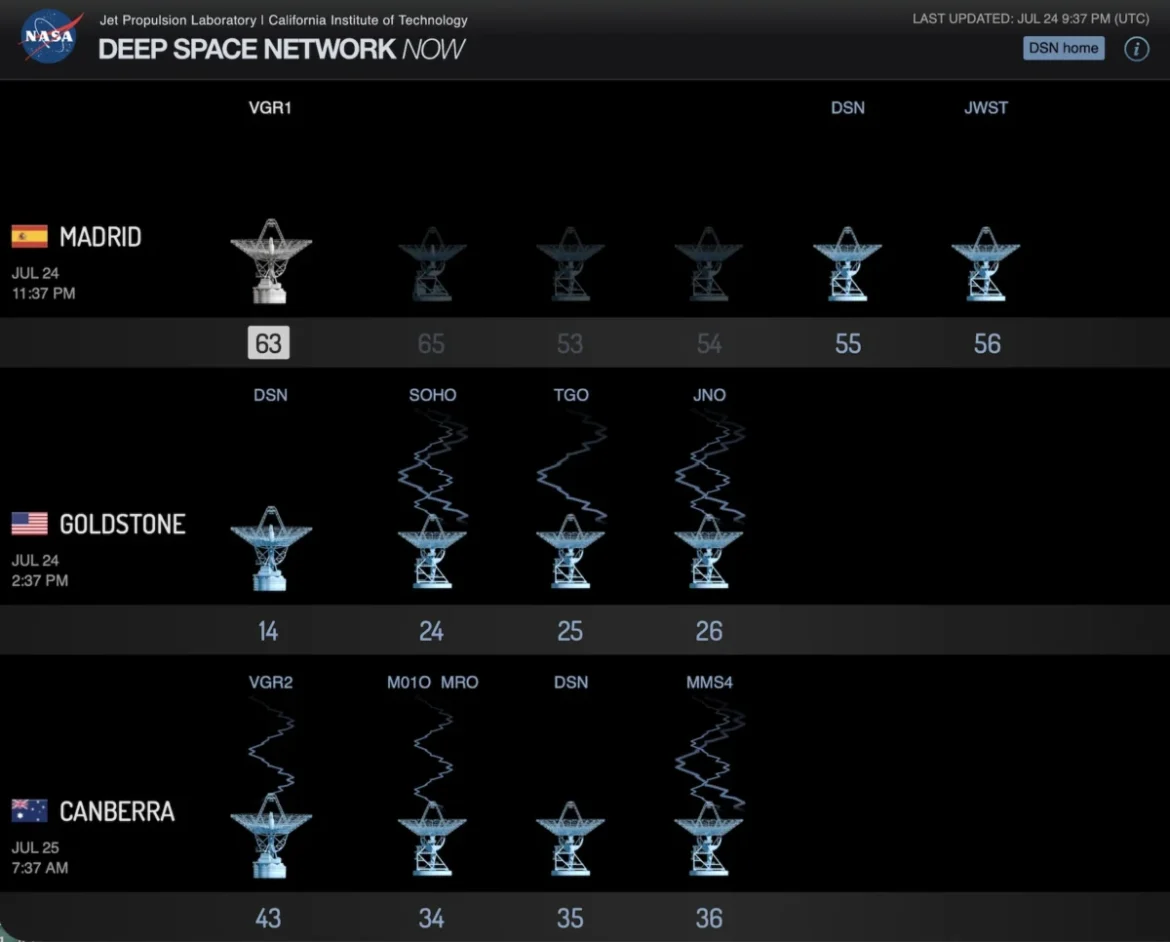
The NASA Deep Space Network facility in Madrid, Spain, has been forced to suspend operations and evacuate all personnel as aggressive wildfires sweep through the mountainous regions west of the Spanish capital, leaving the agency’s global communications infrastructure in a precarious state. On Friday afternoon, real-time status monitors for the Deep Space Network (DSN) confirmed a total cessation of activity at the Madrid Deep Space Communications Complex, while sister sites in Goldstone, California, and Canberra, Australia, struggled to shoulder the increased communication load for a fleet of spacecraft exploring the solar system and beyond. This emergency closure highlights a growing vulnerability in NASA’s ability to maintain constant contact with its most distant assets, including the Voyager 2 probe in interstellar space and the Juno orbiter at Jupiter.

The evacuation of the Madrid site follows a series of escalating environmental crises in the region, driven by a prolonged summer heatwave and chronic drought conditions that have turned the Spanish countryside into a tinderbox. According to reports from Spanish authorities, the fires originated in the mountains west of Madrid, prompting the mandatory evacuation of more than 19,000 residents across several towns. The scale of the disaster has necessitated a massive emergency response, with over 2,000 fire-fighting personnel and 10 specialized aircraft deployed to combat the advancing flames. The Madrid DSN complex, located near Robledo de Chavela, sits directly in the path of the environmental threat, leading NASA officials to prioritize the safety of ground crews over mission continuity.

A Critical Node in Global Space Communications

The Deep Space Network is a foundational element of modern space exploration. It consists of three ground stations spaced approximately 120 degrees apart in longitude: Goldstone in California’s Mojave Desert; Canberra, Australia; and Madrid, Spain. This strategic placement is designed to ensure that as the Earth rotates, at least one station remains in view of any given spacecraft at all times. When one of these nodes goes offline, a significant "blind spot" is created in the network’s coverage, forcing mission controllers to wait for the Earth’s rotation to bring the spacecraft back into view of the remaining operational sites.

The Madrid complex is particularly vital for missions operating in the northern celestial hemisphere. It houses several high-gain antennas, including a massive 70-meter (230-foot) dish capable of capturing the incredibly faint signals sent from the outer reaches of the solar system. Without the Madrid site, the DSN must rely on its Australian and American counterparts to pick up the slack. However, as of Friday afternoon, the network was already operating at a deficit.

NASA’s official statement emphasized that the safety of the workforce remains the paramount concern. "The safety and well-being of our personnel is our highest priority, and our thoughts are with the families and neighbors who are also experiencing the impact of the wildfires in the surrounding communities," the agency stated. "We will provide updates as conditions evolve." While the physical structures of the antennas are built to withstand many environmental stresses, the sensitive electronics, cooling systems, and the safety of the humans required to operate the complex make continued operations during a nearby wildfire impossible.

Regional Impact and the ESA Cebreros Station

The crisis is not limited to NASA’s infrastructure. A separate deep-space tracking station, owned and operated by the Spanish government in coordination with the European Space Agency (ESA), was also evacuated on Friday. The Cebreros tracking station, which forms a critical part of ESA’s Estrack network, is located only a few miles from the NASA facility. Cebreros is home to a 35-meter antenna that supports flagship European missions, including the Juice mission to Jupiter’s icy moons and the BepiColombo mission to Mercury.

Spanish news reports indicate that the fire’s proximity to these high-value scientific installations has created a localized state of emergency. The mountainous terrain of the Robledo de Chavela and Cebreros areas makes fire-fighting efforts particularly difficult, as steep slopes and dense vegetation provide ample fuel for the fast-moving blazes. The loss of both the NASA and ESA stations simultaneously represents a significant blow to international space cooperation, as both agencies often share tracking duties during critical mission phases.

Technical Vulnerabilities and the Goldstone Accident

The evacuation in Spain comes at a time when the Deep Space Network is already reeling from a major technical failure in the United States. The 70-meter antenna at the Goldstone complex in California—the primary high-gain instrument for the North American sector—has been offline since last year following a catastrophic mechanical accident.

According to NASA technical reports, the Goldstone antenna suffered an "over-rotation" incident during a routine maintenance or repositioning maneuver. The massive structure moved beyond its intended mechanical stops, causing severe damage to internal cabling and high-pressure water lines. The resulting breach flooded the base of the antenna with approximately 200,000 gallons of water. Complicating the cleanup was the presence of glycol, a chemical used in the antenna’s cooling systems to prevent freezing and overheating. The spill created an environmental hazard that required specialized remediation before repairs to the dish’s structural and electrical components could even begin.

Wildfire forces evacuation of NASA's Deep Space Network complex in Spain

The cost of repairing the Goldstone 70-meter dish is currently projected to be between $4.1 million and $4.6 million. NASA has opted to bundle these repairs with previously scheduled hardware upgrades to modernize the aging instrument, but the complexity of the work means the antenna is not expected to return to service until 2028.

With the California 70-meter dish out of commission and the Madrid site evacuated, the global Deep Space Network is currently reduced to just one operational 70-meter antenna, located in Canberra, Australia. While the smaller 34-meter antennas at each site remain capable of communicating with many spacecraft, they lack the sensitivity required for high-data-rate downlinks from the most distant probes, such as Voyager 1 and Voyager 2, which are currently billions of miles away in interstellar space.

Implications for Current and Future Missions

The immediate impact of the Madrid shutdown is felt most acutely by missions requiring constant monitoring or those currently performing time-sensitive maneuvers. Voyager 2, which is more than 12 billion miles from Earth, relies on the 70-meter dishes to receive commands and send back data regarding the heliopause. Similarly, the Juno mission at Jupiter depends on high-gain antennas to transmit the high-resolution imagery and gravity science data that define its mission.

Looking ahead, the fragility of the DSN poses a significant challenge for the Artemis program, NASA’s ambitious effort to return humans to the Moon. Artemis missions place an unprecedented demand on the network. Unlike robotic probes that send periodic bursts of data, human-rated spacecraft require constant, high-bandwidth telemetry and live video feeds to ensure the safety of the crew.

The timeline for Artemis has already seen adjustments that may provide a small window of relief for the DSN. Artemis III, which was originally intended to be a lunar landing, has been restructured to fly in low-Earth orbit (LEO). This mission will focus on testing the Orion capsule’s docking capabilities with commercial Moon landers developed by SpaceX and Blue Origin. By remaining in LEO, Artemis III will be able to utilize the Near Space Network and the Tracking and Data Relay Satellite System (TDRS), easing the burden on the DSN’s deep-space dishes.

However, Artemis IV—the program’s first planned lunar landing with astronauts—is targeted for no earlier than 2028. This date aligns precariously with the expected return-to-service date of the Goldstone 70-meter antenna. If the Madrid site suffers long-term damage from the wildfires or if the Goldstone repairs face further delays, NASA could find itself in a position where it lacks the communication redundancy necessary to safely support a crewed lunar landing.

Analysis: The Intersection of Climate Change and Space Exploration

The situation in Madrid is a stark reminder that the infrastructure of space exploration is inextricably linked to the health of the Earth’s environment. As climate change increases the frequency and intensity of extreme weather events, including heatwaves and wildfires, ground stations located in arid or forested regions face growing risks.

The DSN sites were originally chosen for their geographical isolation and dry climates, which minimize radio interference and signal attenuation from moisture. However, those same characteristics now make them hotspots for wildfire activity. NASA and other space agencies may soon be forced to invest in more robust fire-suppression systems, larger buffer zones, or even mobile communication assets to ensure that a local weather event does not result in a global loss of contact with the stars.

As the fires continue to burn in Spain, the international scientific community remains on edge. The immediate goal is the containment of the blaze and the safety of the residents and technicians in the Madrid region. Once the flames are extinguished, engineers will face the task of assessing the smoke and heat damage to the sensitive electronics of the Madrid Deep Space Communications Complex. Until then, the eyes of the world—and the ears of our spacecraft—remain focused on the remaining operational dishes in Australia and California, highlighting the thin, silver thread that connects Earth to its emissaries in the void.

July 25, 2026 0 comment
0 FacebookTwitterPinterestEmail
Tech & Startup News

Lego Expands Smart Play Ecosystem with Interactive Pokémon Sets Featuring Advanced Sensor Technology

by admin July 25, 2026
written by admin

The Lego Group has officially announced the expansion of its high-tech "Smart Play" ecosystem with a new line of interactive Pokémon sets, scheduled for a global release on August 1. This launch represents a significant milestone in the company’s efforts to merge traditional tactile building experiences with sophisticated digital interactivity. Built around the proprietary "Smart Brick" technology first unveiled at the 2026 Consumer Electronics Show (CES), the Pokémon series aims to address previous consumer feedback regarding interactive playability while leveraging one of the most successful media franchises in history.

I played with the Lego Pokémon Smart Play sets and they deserve all the awards

The new collection introduces a range of iconic characters, including Pikachu, Squirtle, Charmander, Bulbasaur, and Mewtwo, each integrated with the Smart Play system. Unlike standard Lego minifigures, these interactive iterations utilize the Smart Brick—a modified 2×4 Lego element packed with a suite of sensors—to provide real-time audio and visual feedback. The August 1 launch is expected to be a pivotal moment for the toy manufacturer as it seeks to solidify its "phygital" (physical plus digital) strategy in an increasingly competitive global toy market.

Technical Architecture: The Smart Brick and Smart Tag System

At the core of the Lego Pokémon Smart Play sets is the Smart Brick, a technological marvel that serves as the "brain" of the assembly. Lego engineers have successfully integrated an array of hardware into the dimensions of a standard brick, including a three-axis accelerometer, a gyroscope, a color sensor, and magnetic field sensors. These components are complemented by integrated microphones, high-fidelity speakers, and multi-color LED lights.

I played with the Lego Pokémon Smart Play sets and they deserve all the awards

The Smart Brick operates by identifying "Smart Tags" embedded within specific sets and accessories. When a Pokémon figure equipped with a Smart Brick is placed on a designated tag—such as the "Murphy Bed" in the Pikachu Treehouse set—the system triggers a specific response. In this instance, the sensor detects the magnetic signature of the bed, prompting the speaker to emit snoring sounds while the internal LEDs pulse to simulate sleep.

To ensure sustained play, the sets include a proprietary wireless charging pad. This hardware allows users to recharge the Smart Bricks without deconstructing the models, a design choice that reflects Lego’s commitment to user-centric engineering. The system’s color sensor also plays a vital role, allowing the figures to recognize and react to different colored bricks, simulating various environments like water, grass, or fire.

I played with the Lego Pokémon Smart Play sets and they deserve all the awards

Interactive Gameplay and the "Battle Mode" Mechanic

The defining feature of the Pokémon Smart Play line is the introduction of "Battle Mode," a gameplay mechanic that moves beyond simple sound effects to offer a structured, competitive experience. This mode allows users to "level up" their Pokémon through training stations included in specific kits. By interacting with these stations, the Smart Brick records data, theoretically increasing the Pokémon’s performance in simulated encounters.

During a battle, the Smart Brick’s accelerometer and gyroscope monitor the user’s physical movements. Players can "charge" special abilities by moving the figures in specific patterns. However, the system requires precision; if a user shakes the figure too aggressively, the sensors register a "fizzle," and the move fails. This adds a layer of skill-based play that distinguishes the Pokémon line from the earlier Star Wars Smart Play sets, which some critics and early adopters found lacked depth.

I played with the Lego Pokémon Smart Play sets and they deserve all the awards

Furthermore, the Pokémon are programmed to interact with one another. When two Smart Brick-equipped figures are placed in proximity, they engage in "chatter," utilizing their microphones and speakers to recognize and respond to each other’s presence. This inter-set connectivity is designed to encourage the collection of multiple kits, as different Pokémon pairings unlock unique dialogue and sound sequences.

Chronology of the Smart Play Development

The journey toward the August 1 Pokémon launch began in early 2026 at the Consumer Electronics Show in Las Vegas. There, the Lego Group first demonstrated the Smart Brick as a conceptual leap forward from their previous "Hidden Side" and "Lego Super Mario" lines. While those earlier products relied heavily on smartphone integration and Augmented Reality (AR), the Smart Play system was designed to be "screen-free," keeping the focus on the physical bricks themselves.

I played with the Lego Pokémon Smart Play sets and they deserve all the awards

Following the CES debut, Lego launched a series of Star Wars-themed Smart Play sets in early 2026. While the Star Wars line was praised for its technical ambition, consumer reception was mixed. Market analysts noted that the interactivity felt somewhat detached from the core building experience. In response, Lego hosted a dedicated launch event in London during the summer to showcase how the Pokémon line would implement a more integrated and "cute" auditory experience to better suit the target demographic.

The Pokémon sets represent the second generation of this hardware rollout. By focusing on "adorable" interactions—such as Squirtle’s buggy making engine noises or Geodude reacting to being "tapped"—Lego is pivoting toward a more character-driven interactive model. This evolution suggests that the company is actively iterating on its hardware and software based on real-world usage data.

I played with the Lego Pokémon Smart Play sets and they deserve all the awards

Market Analysis and Product Tiers

The Lego Pokémon Smart Play collection is structured into distinct tiers to accommodate different price points, a strategy aimed at maximizing market penetration. The "All-in-One" kits, such as the Training House with Pikachu and the Charizard vs. Jolteon Ultimate Battle set, are priced at approximately $69.99. These sets are essential for new users as they include the necessary Smart Brick and wireless charger.

For consumers who already own the core hardware, Lego is offering "Smart Play Compatible" add-on sets starting at $19.99. These include:

I played with the Lego Pokémon Smart Play sets and they deserve all the awards
  • Mewtwo’s Lab Break: A mid-tier set focusing on action features and laboratory-themed Smart Tags.
  • Trainer’s Buggy Adventure with Squirtle: A vehicle-based set that highlights the accelerometer’s engine-noise functionality.
  • Charmander and Geodude’s Cavern Clash: An entry-level battle set designed for tactical play.
  • Eevee and Lapras’s Treasure Hunt: A set focused on exploration and environment-based sensor triggers.
  • Berry Bash with Bulbasaur and Bidoof: A social-interaction set emphasizing the "chatter" feature.
  • Cubone and Gengar’s Spooky Showdown: A themed set utilizing the LED lighting capabilities of the Smart Brick for atmospheric effects.

Industry experts suggest that this pricing model is a direct response to the high cost of the initial Star Wars Smart Play sets. By offering entry-level interactive kits for under $20, Lego is making the technology accessible to a broader audience while maintaining a high-margin "starter kit" requirement.

Strategic Implications for the Lego Group and Nintendo

The partnership between the Lego Group and the Pokémon Company (largely owned by Nintendo) is a significant shift in the licensing landscape. For years, the Pokémon construction license was held by Mattel’s Mega Construx. The transition to Lego signifies a consolidation of Nintendo’s most valuable intellectual properties under the Lego umbrella, following the massive success of the Lego Super Mario and Lego Animal Crossing lines.

I played with the Lego Pokémon Smart Play sets and they deserve all the awards

From a business perspective, the Smart Play Pokémon sets serve as a hedge against the rising dominance of digital entertainment. By embedding technology directly into the plastic, Lego is attempting to capture the attention of "Generation Alpha," children who are accustomed to interactive, responsive devices. This strategy also provides Lego with valuable data on how children play, which can inform future product development.

Furthermore, the "Battle Mode" and "Leveling Up" features mimic the core mechanics of the Pokémon video games, creating a cross-platform synergy that encourages brand loyalty. Analysts predict that if the Pokémon launch is successful, Lego may expand the Smart Play technology to other high-value licenses, such as Marvel or Harry Potter, potentially standardizing the Smart Brick across all major licensed themes.

I played with the Lego Pokémon Smart Play sets and they deserve all the awards

Consumer Outlook and Future Prospects

As the August 1 release date approaches, anticipation among both the Lego AFOL (Adult Fans of Lego) community and younger fans is high. Early hands-on demonstrations at media events have highlighted the "charm factor" of the Pokémon line, with many noting that the tactile feedback and character-specific sounds provide a more emotional connection than previous electronic Lego products.

However, the success of the line will ultimately depend on the durability of the Smart Brick and the depth of the "Battle Mode" software. Unlike traditional Lego bricks, which can last for decades, the electronic components of the Smart Play sets have a finite lifespan. Lego has addressed this by ensuring the sets remain fully functional as traditional building toys even if the electronics are not in use, but the premium price tag remains a point of consideration for some parents.

I played with the Lego Pokémon Smart Play sets and they deserve all the awards

In conclusion, the Lego Pokémon Smart Play sets are more than just new toys; they are a sophisticated experiment in the future of play. By combining the world-building potential of Lego with the interactive "magic" of the Pokémon universe, the Lego Group is positioning itself at the forefront of the modern toy industry. Whether this technology becomes a permanent fixture of the Lego catalog or remains a niche offering will be determined by the reception of this ambitious August launch. For now, the "Smart Brick" stands as a testament to the enduring relevance of the plastic brick in a digital age.

July 25, 2026 0 comment
0 FacebookTwitterPinterestEmail
Artificial Intelligence & Tech

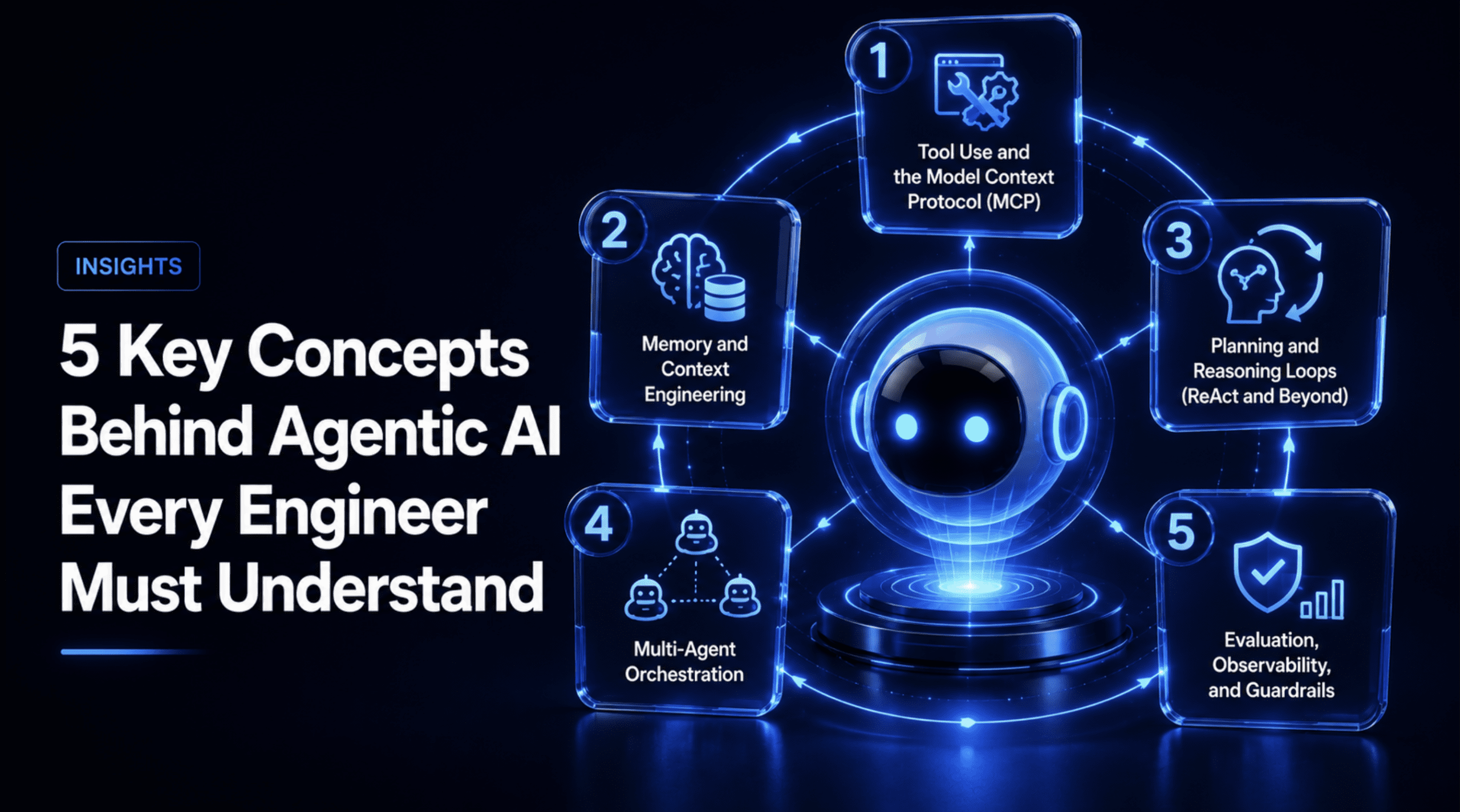
5 Key Concepts Behind Agentic AI Every Engineer Must Understand

by admin July 25, 2026
written by admin

The transition from generative artificial intelligence to agentic systems represents the most significant paradigm shift in software engineering since the move to cloud-native architectures. While the first wave of AI adoption focused on large language models (LLMs) as sophisticated chatbots capable of "telling," the current era is defined by agents capable of "doing." This evolution moves the technology beyond simple text generation into the realm of autonomous execution—checking availability, comparing data across disparate platforms, executing transactions, and managing complex multi-step workflows without constant human intervention. As engineering roadmaps for 2026 increasingly prioritize agentic capabilities, the industry is grappling with a stark reality: despite the immense promise, approximately 88% of AI agent pilots fail to reach production. This high failure rate is rarely a result of the underlying model’s limitations; rather, it stems from a fundamental misunderstanding of the architectural pillars required to support autonomous systems at scale.

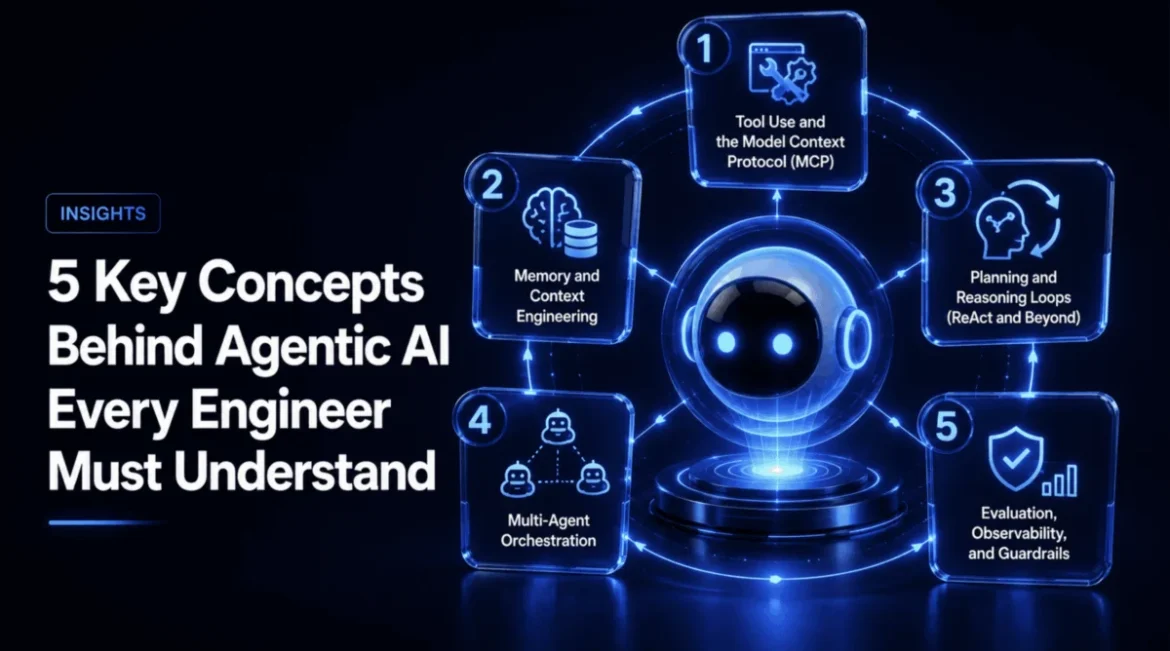
To bridge the gap between experimental demos and production-ready systems, engineers must master five core concepts that govern the stability, interoperability, and intelligence of agentic AI. These concepts—tool use standardization, memory engineering, reasoning loops, multi-agent orchestration, and rigorous evaluation—form the blueprint for the next generation of enterprise software.

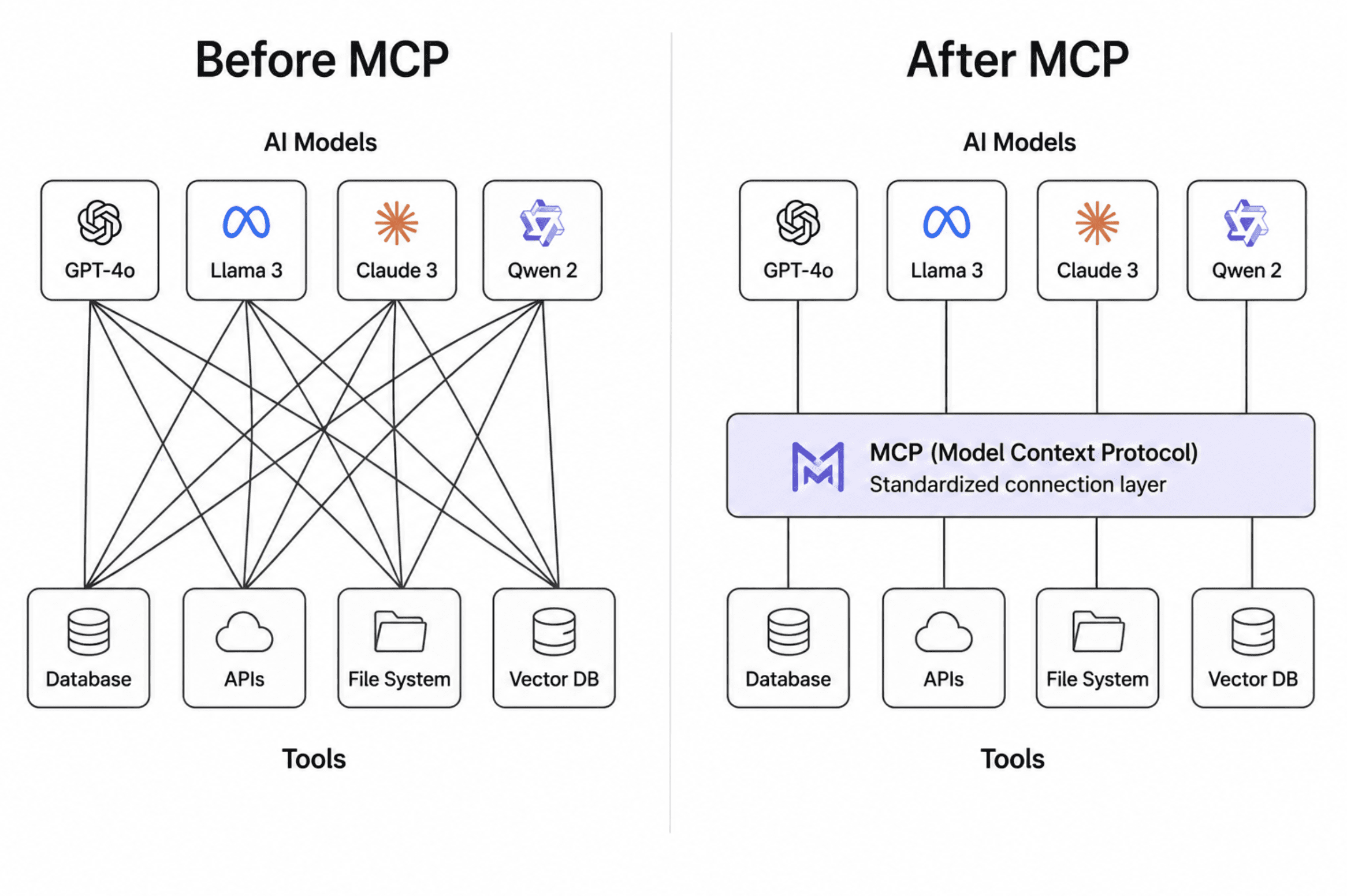
1. Tool Use and the Standardization of the Model Context Protocol (MCP)

At its core, an LLM is a closed system, limited to the data it was trained on and the text it can generate. For an agent to be effective, it must interact with the "real world" via APIs, databases, and file systems. Historically, this required engineers to build bespoke integrations for every tool-model combination, creating a brittle and unscalable web of code. A system using ten tools across three different models could necessitate dozens of unique, manual integrations.

5 Key Concepts Behind Agentic AI Every Engineer Must Understand

The landscape changed dramatically in November 2024 with the introduction of the Model Context Protocol (MCP) by Anthropic. Designed to act as a universal bridge, MCP standardizes how models discover and invoke external capabilities. The adoption of this protocol has been unprecedented. By March 2026, official MCP Software Development Kits (SDKs) reached a milestone of 97 million monthly downloads. For context, this level of adoption took the React framework nearly three years to achieve, whereas MCP reached it in just sixteen months.

The institutionalization of MCP reached a turning point in December 2025, when the protocol was donated to the Agentic AI Foundation under the Linux Foundation. This move, spearheaded by co-founders OpenAI and Block, and supported by industry titans including AWS, Google, Microsoft, and Cloudflare, transformed MCP from a vendor-specific tool into shared global infrastructure. For engineers, this means that a model can now query an MCP-compliant server to understand its manifest of capabilities and invoke them using a standardized JSON-RPC pattern. While MCP introduces a slight token overhead compared to direct API calls, its value in handling OAuth, data boundaries, and multi-tenant security makes it the de facto standard for enterprise-grade agentic systems.

2. Memory Architecture and the Rise of Context Engineering

A primary challenge in agentic AI is the stateless nature of LLMs. Without a dedicated memory layer, an agent remains a "goldfish," losing all historical context the moment a session ends. Early attempts at solving this involved simply stuffing past conversation history into the model’s context window. However, as tasks become more complex—spanning weeks or involving multi-user collaborations—this approach becomes prohibitively expensive and technically inefficient.

Modern agentic architecture treats memory as a distinct, sophisticated component. This has led to the emergence of "context engineering" as a discipline superior to simple prompt engineering. The focus has shifted from the volume of information provided to the quality and relevance of that information. The process involves a sophisticated pipeline: during an interaction, a memory layer extracts salient facts and stores them in a vector database or a temporal knowledge graph. When a new session begins, the system utilizes semantic similarity and entity matching to retrieve only the relevant slices of data, which are then injected into the model’s current context.

5 Key Concepts Behind Agentic AI Every Engineer Must Understand

Tools such as Mem0, Letta, and Zep have become essential in this space. Zep, in particular, utilizes a temporal knowledge graph known as Graphiti to track how facts change over time. This allows agents to answer complex temporal questions—such as how a client’s preferences have shifted over the last quarter—rather than simply recalling the most recent interaction. Engineers are learning that a larger context window is not a substitute for a precise retrieval strategy; it is merely more room for noise if the memory layer is poorly designed.

3. Planning through Reasoning Loops and the ReAct Framework

The mechanical distinction between a chatbot and an agent lies in the "loop." An agent must possess the ability to plan a sequence of actions, execute them, observe the outcomes, and adjust its strategy dynamically. This iterative process is largely based on the ReAct (Reasoning and Acting) framework, first proposed by researchers at Google and Princeton in late 2022.

The ReAct pattern involves the model interleaving reasoning steps with action steps. It produces a "thought," executes an "action" (such as a database query), "observes" the result, and then generates a subsequent "thought" based on that observation. This loop continues until the task is completed or an exit condition is met. By 2026, this basic structure has evolved to include advanced self-correction mechanisms and task decomposition.

However, these reasoning loops are often where reliability issues first manifest. If left unmonitored, an agent can enter an infinite loop, rapidly consuming tokens and hitting API rate limits while making no progress toward its goal. Production data suggests that a significant percentage of agent failures are caused by these unchecked cycles. Consequently, engineers must implement "budgets" for reasoning loops, including maximum step counts and cost thresholds, to ensure that the autonomy of the agent does not lead to financial or operational instability.

5 Key Concepts Behind Agentic AI Every Engineer Must Understand

4. Multi-Agent Orchestration and Interoperability Protocols

As the scope of AI tasks expands, the limitations of a single-agent system become apparent. Attempting to force one agent to manage an entire codebase, a legal brief, and a marketing strategy simultaneously leads to "context dilution," where the model loses track of critical details. The industry solution is hierarchical multi-agent orchestration: a system where an "orchestrator" agent delegates specific sub-tasks to specialized "worker" agents.

The benefits of this approach are quantifiable. For example, Fountain, a global hiring platform, implemented hierarchical orchestration to manage candidate screening. By assigning specific agents to tasks like document verification and initial interviewing, they reduced staffing timelines from weeks to less than 72 hours, representing a 40% improvement in onboarding speed.

To facilitate this, several frameworks have matured. LangGraph offers high-level control and state management for complex workflows, while CrewAI has gained popularity for its role-based approach to agent collaboration. In April 2025, Google introduced the Agent2Agent (A2A) protocol to solve the problem of cross-framework communication. Now an open-source project under the Linux Foundation, A2A allows agents built on different platforms to discover each other and collaborate. While MCP standardizes how agents talk to tools, A2A standardizes how they talk to each other, creating a modular ecosystem where specialized agents can be swapped in and out as needed.

5. Evaluation, Observability, and the Path to ROI

The final and perhaps most critical concept is the implementation of rigorous evaluation and guardrails. The economic disparity in the field is striking: while 88% of projects fail to reach production, the 12% that do succeed report an average Return on Investment (ROI) of 171%. This success is rarely a matter of luck; it is a product of engineering discipline.

5 Key Concepts Behind Agentic AI Every Engineer Must Understand

Observability in agentic AI requires more than standard logging; it requires "tracing." Engineers must be able to reconstruct the agent’s entire reasoning chain—every thought, every tool call, and every observation. Tools like LangSmith have become the standard for this, allowing developers to debug the "why" behind an agent’s failure. Furthermore, the industry is moving toward "LLM-as-a-judge" evaluation systems. Microsoft’s recent tooling, for example, uses rubric-based evaluators that score agents across weighted dimensions such as accuracy, safety, and efficiency.

Gartner has predicted that over 40% of agentic AI projects will be canceled by the end of 2027 due to escalating costs and inadequate risk controls. To avoid this, organizations are adopting five-point validation checkpoints that cover input sanitization, reasoning alignment, state integrity, tool execution safety, and output verification. These guardrails ensure that the agent operates within defined business logic and ethical boundaries.

Implications and the 2026 Outlook

The integration of these five concepts—standardized tool use, sophisticated memory, structured reasoning, multi-agent orchestration, and rigorous evaluation—is what separates experimental toys from enterprise infrastructure. As we move through 2026, the focus of the engineering community is shifting away from the pursuit of "larger" models toward the creation of more "reliable" systems.

The implications for the workforce and the software industry are profound. We are seeing the rise of the "Agentic Engineer," a role that requires a blend of traditional software architecture skills and new AI-specific competencies. The successful deployment of these systems will likely lead to a massive surge in productivity across sectors like legal, finance, and healthcare, but only if the underlying engineering is sound. For those building in this space, the message is clear: start with a narrow scope, prioritize evaluation from day one, and use standardized protocols like MCP and A2A to ensure your agents are ready for a connected, autonomous future.

July 25, 2026 0 comment
0 FacebookTwitterPinterestEmail
Artificial Intelligence & Tech

Building a Fully Automated Intelligent Document Processing System on Amazon Web Services

by admin July 25, 2026
written by admin

The rapid digital transformation of the insurance and public sectors has reached a critical milestone with the implementation of advanced Intelligent Document Processing (IDP) frameworks. Recent developments in cloud computing and generative artificial intelligence have enabled the creation of systems capable of handling complex Freedom of Information-style requests with unprecedented efficiency. A primary example of this technological shift is the deployment of a fully automated IDP system on Amazon Web Services (AWS), designed to manage the identification and extraction of Personally Identifiable Information (PII) for citizens inquiring about their records within large-scale insurance databases.

The transition from manual document review to automated processing represents a significant leap in operational capability. In documented applications within the Irish insurance sector, such systems have demonstrated a 90% increase in efficiency compared to traditional manual methods. By leveraging a suite of serverless technologies, these systems can ingest, classify, and extract data from diverse document types—including passports, driving licenses, and bank statements—without the need for constant human intervention, except for final high-level verification.

Build and Run an Intelligent Document Processing (IDP) System in the Cloud

The Architecture of Intelligent Document Processing

The modern IDP system is built upon a modular architecture that prioritizes scalability, security, and accuracy. At its core, the system utilizes AWS Lambda for compute tasks, Amazon S3 for durable storage, and Amazon Textract for Optical Character Recognition (OCR). The integration of Amazon Bedrock, specifically utilizing the Claude Sonnet 3.5 or 4.6 models, allows the system to move beyond simple text extraction into the realm of semantic understanding and document classification.

The workflow begins with the ingestion of data from communication channels such as corporate Outlook accounts or Gmail. Once an email is received, the system identifies attachments and transfers them to a secure "raw" storage bucket in S3. This triggers a series of orchestrated steps managed by AWS Step Functions, which act as the "brain" of the operation, ensuring that each task is completed before the next begins and handling any errors or retries that may occur during the process.

Build and Run an Intelligent Document Processing (IDP) System in the Cloud

Chronology of System Implementation

The development of a production-ready IDP system follows a rigorous sequence of technical milestones designed to ensure data integrity and security.

  1. Credential Management and Security Setup: The initial phase involves the secure storage of OAuth credentials and refresh tokens. Using AWS Secrets Manager, developers can encrypt and store sensitive API keys required to access email servers. This prevents hardcoding credentials in the source code, adhering to the principle of least privilege.
  2. Infrastructure Provisioning: Amazon S3 buckets are configured with specific directory structures to handle different stages of the document lifecycle: raw/ for initial uploads, textract/ for intermediate OCR results, and results/ for the final JSON output containing extracted PII.
  3. The Ingestion Layer: An "ingest_email_image" Lambda function is deployed to poll the email server. This function is programmed to validate attachments, ensuring they meet specific criteria regarding file type (JPG or PNG) and size (typically capped at 10MB to manage costs and processing time).
  4. OCR and Text Extraction: The second Lambda function, "extract_text," interface with Amazon Textract. Unlike traditional OCR, Textract identifies the relationship between text elements, such as key-value pairs and table structures, which is vital for processing bank statements or identity documents.
  5. LLM-Powered Classification and Extraction: The final processing stage involves the "classify_and_extract_pii" Lambda. This function passes the Textract output to Amazon Bedrock. By using advanced models like Claude Sonnet, the system can determine if a document is a passport or a utility bill and extract specific fields such as "First Name," "Last Name," "Date of Birth," and "Address."
  6. Orchestration and Scheduling: AWS Step Functions are utilized to chain these Lambdas into a coherent state machine. Finally, Amazon EventBridge is configured to trigger the entire process on a recurring schedule—for instance, every weekday at 11:55 PM—to process the day’s intake.

Technical Specifications and Model Performance

The efficacy of an IDP system is largely dependent on the underlying Large Language Model (LLM) and the precision of the OCR engine. In the described AWS implementation, Amazon Textract provides a confidence score for every line of text extracted. This metadata is crucial for the subsequent AI analysis. For example, a bank statement might yield a 99.9% confidence for the word "Account" but a lower score for handwritten notes.

Build and Run an Intelligent Document Processing (IDP) System in the Cloud

The use of Claude Sonnet via Amazon Bedrock has emerged as a preferred choice for many data engineers due to its high context window and its ability to follow complex formatting instructions. When the extracted text is passed to the model, it is accompanied by a "system prompt" that defines the expected output format—usually a JSON schema. This ensures that the unstructured text from a document is converted into structured data that can be easily ingested by a database or a downstream Human-In-The-Loop (HITL) application.

Supporting Data on Operational Efficiency

The shift toward IDP is driven by compelling economic and operational data. Manual data entry and document verification are notoriously prone to human error, with industry estimates suggesting error rates between 1% and 4% in high-volume environments. Automated systems, while not infallible, offer a consistent logic that can be audited and refined.

Build and Run an Intelligent Document Processing (IDP) System in the Cloud

In the case of the Irish insurance claims database requests, the 90% efficiency gain is attributed to several factors:

  • Reduced Latency: Documents are processed in minutes rather than days.
  • Cost Reduction: Serverless architectures like AWS Lambda follow a pay-per-use model, eliminating the need for expensive, always-on server infrastructure.
  • Scalability: The system can handle ten requests or ten thousand requests simultaneously without requiring additional staffing.

Official Responses and Industry Standards

While AWS and other cloud providers offer the tools, the implementation of such systems must comply with stringent data protection regulations, most notably the General Data Protection Regulation (GDPR) in Europe. Data engineers and privacy officers emphasize that while automation handles the bulk of the work, a "Human-In-The-Loop" process remains a requirement for high-stakes PII extraction. This allows a human reviewer to perform a final cross-check on the extracted data before it is officially recorded or sent back to a citizen.

Build and Run an Intelligent Document Processing (IDP) System in the Cloud

Industry analysts suggest that the integration of AI into document processing is no longer an optional luxury but a necessity for organizations handling large volumes of public inquiries. The ability to quickly and accurately identify whether a citizen’s details are on file is a fundamental aspect of modern transparency and data rights.

Broader Impact and Future Implications

The implications of automated IDP extend far beyond insurance claims. This technology is currently being adapted for mortgage processing, legal discovery, and healthcare records management. By automating the "drudge work" of data extraction, professionals can focus on higher-value tasks such as exception handling and policy analysis.

Build and Run an Intelligent Document Processing (IDP) System in the Cloud

However, the move toward full automation also necessitates a new approach to cybersecurity. As these systems handle sensitive PII, the "production-readiness" of the pipeline is paramount. Experts recommend several advanced layers for any system moving beyond the prototype stage:

  • Dead Letter Queues (DLQ): To capture and isolate failed processing attempts for manual review.
  • Enhanced Monitoring: Using Amazon CloudWatch to set alarms for unexpected spikes in error rates or processing costs.
  • VPC Integration: Running Lambda functions within a Virtual Private Cloud (VPC) to ensure that data traffic does not traverse the public internet.
  • Advanced PII Masking: Implementing automated masking of sensitive data within logs to ensure that even system administrators cannot view unencrypted citizen information.

Conclusion

The construction of an IDP system on AWS demonstrates the maturing of cloud-native AI services. By combining the reliability of Amazon S3 and Lambda with the cognitive capabilities of Amazon Bedrock, organizations can now build robust pipelines that significantly outperform manual processes. The 90% efficiency increase noted in real-world applications highlights a clear path forward for both public and private entities seeking to modernize their administrative workflows. As these technologies continue to evolve, the focus will likely shift toward even more complex document types, including those with multi-lingual text and intricate hand-written annotations, further closing the gap between human and machine processing capabilities.

July 25, 2026 0 comment
0 FacebookTwitterPinterestEmail
Newer Posts
Older Posts

Recent Posts

  • EF Protocol Cluster Releases Unified Tier List for Hegotäel Upgrade
  • Kraken Expands Its Digital Asset Offerings With the Official Launch of KOR Protocol Token Trading
  • Zcash Ecosystem Faces Pivotal Week with Network Upgrade 7 and Landmark Governance Restructuring
  • Navigating the Digital Identity Crisis: An Illustrated Primer on Anonymous Authentication in the Age of AI and Age-Verification Laws
  • Verifone Integrates Visa Featurespace Adaptive AI to Revolutionize Global Fraud Detection and Payment Security

Recent Comments

No comments to show.
  • Facebook
  • Twitter

@2021 - All Right Reserved. Designed and Developed by PenciDesign


Back To Top
Dr Crypton
  • Home
  • About Us
  • Contact Us
  • Cookies Policy
  • Disclaimer
  • DMCA
  • Privacy Policy
  • Terms and Conditions

We are using cookies to give you the best experience on our website.

You can find out more about which cookies we are using or switch them off in .

Dr Crypton
Powered by  GDPR Cookie Compliance
Privacy Overview

This website uses cookies so that we can provide you with the best user experience possible. Cookie information is stored in your browser and performs functions such as recognising you when you return to our website and helping our team to understand which sections of the website you find most interesting and useful.

Strictly Necessary Cookies

Strictly Necessary Cookie should be enabled at all times so that we can save your preferences for cookie settings.