• Home
  • About Us
  • Contact Us
  • Cookies Policy
  • Disclaimer
  • DMCA
  • Privacy Policy
  • Terms and Conditions
Dr Crypton
Secure Your Future in Crypto
Cryptocurrency News

Cardano Navigates Critical Support Level Amidst Quest for Fresh Market Catalyst

by admin July 17, 2026
written by admin

Cardano (ADA), a prominent proof-of-stake blockchain platform, is currently trading near a pivotal support level, prompting investors and market observers to closely monitor its performance. The present market sentiment suggests a collective search for a compelling new catalyst strong enough to reinvigorate broader interest and potentially break the asset out of its recent consolidation pattern. Despite a deeply committed community and a robust development roadmap, the price action for ADA has remained subdued, mirroring a wider market grappling with reduced risk appetite. This creates a palpable tension for Cardano: while it remains a significant presence in the crypto conversation, a powerful new narrative or tangible breakthrough is needed to translate its foundational strengths into renewed market momentum beyond the dedicated support of its existing user base. Until such a catalyst emerges, ADA may continue to exhibit sideways trading, testing the patience of its long-term holders.

The Enduring Test of Patience: Cardano’s Foundational Ethos

Cardano’s journey in the cryptocurrency landscape has consistently been characterized by a deliberate, research-driven approach, often contrasting with the faster-paced development cycles observed in many rival ecosystems. This methodology, rooted in academic peer review and formal verification methods, has long been championed by its proponents as a fundamental strength, fostering a more secure, scalable, and ultimately durable blockchain infrastructure. They argue that this methodical pace minimizes vulnerabilities and ensures a robust foundation for decentralized applications and services. Conversely, critics frequently point to the perceived slowness of development and the challenge in converting ambitious roadmap milestones into immediate market excitement and tangible user adoption. This dichotomy profoundly influences how ADA is perceived and traded in varying market conditions.

During periods of pronounced market bullishness, Cardano has historically benefited from renewed attention, drawing on the significant size and unwavering loyalty of its global community, as well as the memory of its substantial rallies in previous market cycles. However, when the broader crypto market adopts a more cautious stance, ADA typically requires clearer, more immediate evidence of ecosystem growth, utility, or innovation to attract fresh capital inflows. This inherent characteristic underscores the importance of the current support test. It transcends a mere technical price level; it serves as a litmus test for the market’s underlying confidence in Cardano’s long-term vision and its willingness to accumulate ADA while awaiting the realization of its next major developmental phase. The outcome of this test will signal whether the market believes Cardano can still deliver on its promise in a competitive environment.

A Chronology of Development: Building Block by Block

Cardano’s development has been structured into distinct eras, each named after influential figures in computing and poetry, symbolizing a phased approach to decentralization and feature integration.

  • Byron Era (2017-2020): This initial phase saw the launch of the Cardano mainnet and the introduction of the Daedalus wallet. It established the foundational layer of the network, primarily focusing on token transfer capabilities and setting the stage for future decentralization.
  • Shelley Era (2020-2021): A pivotal period that introduced significant decentralization to the network. The implementation of the Ouroboros Praos consensus mechanism enabled community-run stake pools, allowing users to delegate their ADA and earn rewards, thereby increasing network security and robustness. This move was critical for moving away from federated nodes towards a truly decentralized system.
  • Goguen Era (2021-Present): This era, named after computer scientist Joseph Goguen, focused on smart contract functionality. The Alonzo hard fork in September 2021 was a landmark event, bringing Plutus smart contract capabilities to Cardano. This opened the door for developers to build decentralized applications (dApps), DeFi protocols, and NFTs on the platform, significantly expanding its utility.
  • Basho Era (Ongoing): The current primary focus, Basho is centered on scaling and interoperability. This era aims to enhance network performance, throughput, and scalability through innovations like Hydra, a layer-2 scaling solution designed to drastically increase transaction speeds and reduce fees. Sidechains and enhanced cross-chain capabilities are also key components of Basho, aiming to make Cardano a hub for interconnected blockchain ecosystems.
  • Voltaire Era (Future): The final stage of Cardano’s roadmap, Voltaire will introduce a fully decentralized governance system. Through a treasury system and voting mechanisms, ADA holders will have the power to propose and vote on network upgrades, funding proposals, and key policy changes, ushering in a self-sustaining and community-driven future for the protocol.

Each of these eras, while meticulously planned and executed, often involves extensive research, peer review, and rigorous testing, contributing to the slower but arguably more secure development cycle that defines Cardano.

Bridging the Gap: Development Progress vs. Market Demand

The technical progress on Cardano’s Ouroboros roadmap remains a central tenet of its ongoing narrative and value proposition. The platform’s commitment to continuous improvement, evidenced by its iterative hard fork combinator (HFC) events and ongoing research into advanced scaling solutions like Hydra, is undeniable. However, a critical distinction must be drawn between robust development progress and the immediate translation of that progress into tangible market demand for its native token, ADA.

A blockchain network can consistently advance its underlying technology, shipping significant upgrades and expanding its capabilities, while its native token experiences prolonged periods of sideways trading. Developers may diligently implement new features and optimizations, yet traders and investors might remain disengaged if they do not perceive a clear bridge between these technical achievements and visible, measurable increases in network usage, liquidity, or application activity. For Cardano, this "bridge" is paramount. It needs to demonstrate that its roadmap advancements are directly leading to a flourishing ecosystem characterized by:

  • Increased DeFi Activity: Higher Total Value Locked (TVL) in its decentralized finance protocols, a wider array of innovative DeFi products, and growing user participation. According to DeFiLlama, Cardano’s TVL, while growing, remains significantly lower than established competitors like Ethereum, Solana, or Avalanche, highlighting a key area for expansion.
  • Stablecoin Growth: The adoption and circulation of stablecoins on the Cardano network are crucial for facilitating easier transactions and fostering a more vibrant economic environment within its dApp ecosystem.
  • Real-World Applications: Demonstrable use cases beyond speculative trading, such as supply chain management, digital identity solutions, or decentralized social media platforms, could provide a strong narrative for institutional and mainstream adoption.
  • Enhanced Governance Participation: Active and meaningful engagement in its nascent governance structures, moving towards the full Voltaire era, can signal a healthy, decentralized community.
  • Stronger Developer Traction: A growing number of active developers building on Cardano, measured by GitHub commits, new project launches, and developer tool adoption, is a vital indicator of future growth. Data from reports like Electric Capital’s Developer Report, while showing consistent developer activity for Cardano, also highlights the intense competition for developer mindshare across various ecosystems.

Without clear evidence that technical progress is directly stimulating these forms of ecosystem growth and external demand, the market may continue to view updates as positive but not sufficiently urgent to warrant significant capital allocation. This is not to diminish the importance of development; rather, it underscores the market’s need to perceive how technical advancements translate into economic utility and increased demand for the ADA token.

The Narrative Challenge: Distinguishing Cardano’s Story

In the highly competitive and often narrative-driven cryptocurrency market, a clear, concise, and compelling story is a powerful asset. Each major blockchain ecosystem typically possesses a distinct narrative that resonates with different segments of the market:

  • Bitcoin (BTC): The digital gold narrative, an inflation hedge, and the recent catalyst of spot Exchange Traded Funds (ETFs) driving institutional adoption.
  • Ethereum (ETH): The foundational smart contract platform, the backbone of DeFi, NFTs, staking, and increasingly seen as an institutional-grade programmable blockchain.
  • Solana (SOL): Emphasizes speed, low transaction costs, and a burgeoning ecosystem of consumer-facing applications and retail activity.
  • XRP (Ripple): Focuses on cross-border payments, institutional partnerships, and its ongoing regulatory clarity battle with the SEC.
  • Dogecoin (DOGE): Represents meme liquidity, community power, and the influence of prominent figures.
  • Chainlink (LINK): Positioned as the decentralized oracle network, critical infrastructure for connecting real-world data to smart contracts.

Cardano’s narrative, while encompassing many technically profound and socially impactful themes, often appears more diffuse and complex. It weaves together threads of decentralized governance, rigorous academic research, advanced staking mechanisms, unwavering decentralization principles, disciplined development, and long-term ecosystem building. While these are undoubtedly serious and foundational themes, they can be more challenging to distill into a simple, easily digestible market catalyst that captures broad investor imagination in the same way as "digital gold" or "fastest blockchain."

This narrative complexity makes the current support zone for ADA particularly critical. If ADA can successfully hold its current technical levels during this period of narrative quietude, it buys valuable time for the bulls, allowing the next significant catalyst to mature and arrive. Conversely, a failure to maintain support could signal a lack of conviction from the market, potentially forcing a narrative reset at lower price points.

The coming trading sessions will provide important insights into whether traders are prepared to defend ADA at its current levels or if capital continues to rotate towards assets that offer clearer near-term momentum and more readily apparent growth stories. A strong rebound, while not a panacea for all of Cardano’s challenges, would unequivocally demonstrate that active buyers remain engaged and confident. Persistent weakness, however, would intensify the pressure on the Cardano ecosystem to deliver a more visible and compelling reason for wider market participation, translating its underlying strengths into tangible demand.

Official Stances and Community Resilience

Representatives from Input Output Global (IOG), the primary development company behind Cardano, and the Cardano Foundation have consistently reaffirmed their long-term commitment to the platform’s vision and roadmap. Charles Hoskinson, founder of Cardano, frequently reiterates the importance of a scientific, peer-reviewed approach, emphasizing the security, stability, and scalability benefits derived from this methodical development. While direct, real-time statements on specific price movements are rare from official entities, their broader messaging consistently highlights:

  • Unwavering Focus on Decentralization: The transition to the Voltaire era and fully community-led governance remains a core objective.
  • Commitment to Scaling: Continued research and implementation of solutions like Hydra are key to meeting future transaction demands.
  • Interoperability: Efforts to integrate Cardano with other blockchain networks and traditional financial systems.
  • Real-World Utility: Exploring applications in areas such as digital identity, supply chain, and decentralized finance in emerging markets.

The Cardano community, often referred to as the "Cardano Army," is widely recognized as one of the most loyal and engaged in the crypto space. This community plays a vital role not only in staking ADA and securing the network but also in advocating for the project, participating in governance, and fostering ecosystem growth. Their resilience and belief in the long-term vision provide a crucial bedrock of support during periods of market uncertainty.

Key Metrics and Data Points for a Holistic View

To assess Cardano’s position more comprehensively, several key metrics offer valuable insights:

  • Market Capitalization and Trading Volume: While market cap indicates overall size, trading volume reflects immediate market interest and liquidity. Periods of low volume during support tests can be concerning, suggesting a lack of strong buying pressure.
  • Total Value Locked (TVL) in DeFi: As of early 2024, Cardano’s TVL stands modest compared to larger rivals, typically in the hundreds of millions of dollars, a fraction of Ethereum’s tens of billions. Growth in this metric is critical for signaling a vibrant dApp ecosystem.
  • Unique Active Addresses: An increase in unique active addresses indicates growing user adoption and engagement with the network.
  • Developer Activity: While difficult to quantify perfectly, metrics like GitHub commits, number of active developers, and new project launches (e.g., Catalyst projects funded through community treasury) provide insight into the health of the developer ecosystem. Reports from crypto analytics firms consistently place Cardano among the top blockchains for developer activity, albeit often behind Ethereum.
  • Transaction Volume and Fees: Sustained increases in transaction volume and the associated fees collected by stake pool operators are indicators of network utility. Cardano’s eUTXO model provides predictable fees, which is a key advantage.
  • Staking Participation: Cardano boasts one of the highest staking participation rates among major PoS chains, often exceeding 70% of eligible ADA supply, demonstrating strong community conviction and network security.

Comparing these metrics to competitors highlights areas where Cardano excels (e.g., staking participation, developer activity) and areas where it needs to accelerate (e.g., TVL, dApp adoption, narrative clarity for mainstream investors).

The Road Ahead: Potential Catalysts and Future Outlook

Cardano stands at a pivotal juncture, with several potential catalysts on the horizon that could provide the stronger signal the market desires:

  • Basho Era Milestones (Hydra): The successful and widespread implementation and adoption of Hydra, Cardano’s Layer 2 scaling solution, could dramatically enhance transaction throughput and reduce fees, making the network more attractive for high-volume applications and micro-transactions. Clear metrics demonstrating Hydra’s impact would be a powerful narrative.
  • Voltaire Era Progress: Concrete steps towards fully decentralized on-chain governance, including the launch of a functional treasury system and robust voting mechanisms, could empower the community and solidify Cardano’s position as a truly decentralized autonomous organization.
  • Ecosystem Growth: The emergence of "killer dApps" – applications that achieve widespread adoption and demonstrate unique utility on Cardano – could significantly boost network activity, TVL, and user engagement. This includes advancements in DeFi, stablecoins, NFTs, and real-world asset tokenization.
  • Interoperability Solutions: Enhanced bridges and cross-chain capabilities that seamlessly connect Cardano with other major blockchain ecosystems could unlock new liquidity and user bases.
  • Broader Altcoin Recovery: A general resurgence in the altcoin market, often led by Ethereum, could lift ADA alongside other major cryptocurrencies, though Cardano seeks to stand on its own merits.

For now, ADA appears to be a token awaiting confirmation. The core strengths – a dedicated community, an active development roadmap, and a compelling long-term vision – remain firmly in place. However, the market is demanding a stronger, more immediate signal. This signal could manifest through the successful delivery of key development milestones, exponential growth within its ecosystem, significant progress in its governance model, or a broader market shift favoring fundamentally strong altcoins. Until then, Cardano’s current test of support is precisely that: a critical evaluation of investor patience, underlying confidence, and whether the next impactful catalyst is close enough to translate its inherent value into renewed market enthusiasm. The outcome will shape Cardano’s trajectory in the evolving landscape of decentralized technologies.


July 17, 2026 0 comment
0 FacebookTwitterPinterestEmail
Blockchain Technology

Microsoft and Google Champion Passkeys and Hardware Security Keys Amid Rising Agentic AI Cyber Threats

by admin July 17, 2026
written by admin

In a pivotal move to fortify digital defenses against an increasingly sophisticated cyber threat landscape, particularly one amplified by Agentic AI, tech behemoths Microsoft (NASDAQ: MSFT) and Google (NASDAQ: GOOGL) are aggressively advocating for and implementing passkeys and hardware security keys for workplace authentication. The twin announcements, made on Monday, underscore a concerted industry effort to usher in a new era of phishing-resistant authentication, aiming to mitigate the escalating risks of digital identity attacks. Microsoft unveiled advancements within its Entra ID platform, while Google rolled out support for FIDO2-compliant physical security keys, marking a significant step towards eradicating vulnerabilities commonly exploited in phishing schemes and data breaches.

The Escalating Threat Landscape: The Agentic AI Era

The urgency behind this strategic shift by two of the world’s most influential technology companies is rooted in the dramatic evolution of cyber threats. The "Agentic AI era" refers to a new generation of artificial intelligence systems capable of autonomous decision-making, learning, and performing complex tasks with minimal human intervention. In the realm of cybersecurity, this translates to AI-powered malware, automated phishing campaigns, deepfake-driven social engineering, and highly adaptive credential-stuffing attacks that can bypass traditional security measures with alarming efficiency.

Traditional password-based authentication, even when augmented by rudimentary multi-factor authentication (MFA) like SMS or voice codes, has proven increasingly vulnerable. Cybercriminals leverage sophisticated phishing techniques, often impersonating trusted entities, to trick users into divulging their credentials. According to IBM’s 2023 Cost of a Data Breach Report, the global average cost of a data breach reached an all-time high of $4.45 million, with credential compromise and phishing consistently ranking among the top initial attack vectors. Phishing alone accounted for 16% of breaches, with a lifecycle of 316 days from breach to containment. The emergence of Agentic AI further empowers attackers, enabling them to generate highly personalized and contextually aware phishing emails, create convincing deepfake audio/video for social engineering, and automate the discovery and exploitation of system vulnerabilities at an unprecedented scale. This technological arms race necessitates a fundamental re-evaluation of how digital identities are secured.

Google’s Enhanced Security Measures: FIDO2 and GCPW Integration

On July 13, Google Credential Provider for Windows (GCPW) announced a significant update to bolster its security architecture. This update introduces support for FIDO2-compliant physical security keys, enabling them to function as a robust second factor for authentication within the extensive Google ecosystem, specifically at the Windows login screen.

FIDO2 is an open authentication standard developed by the FIDO Alliance, designed to provide strong, phishing-resistant authentication without relying on passwords. It leverages public-key cryptography, where a unique cryptographic key pair is generated for each user and service. The private key remains securely on the user’s device (or a hardware security key), while the public key is registered with the service. During authentication, the service challenges the user’s device to prove possession of the private key, a process that is virtually unphishable because the authentication relies on cryptographic proof tied to a specific device and origin, rather than a secret that can be stolen or guessed.

This integration allows Google Workspace administrators to significantly enhance their organization’s security posture by enforcing "2-Step Verification" (2SV) through hardware security keys directly at the Windows login screen. The Google official press release highlighted that this measure empowers administrators to mandate a strong, phishing-resistant second factor, thereby fortifying access to corporate resources.

Furthermore, Google announced that users would also be able to utilize passkeys from nearby Bluetooth-connected mobile devices for their second-factor authentication. This provides flexibility and convenience, leveraging existing mobile devices as secure authenticators without needing dedicated hardware keys for every scenario.

For Google Workspace administrators, the implementation process is streamlined. They can mandate users to complete their 2-Step Verification by enabling an enforcement policy in the Google Admin console. Before the policy takes effect, users can enroll in 2SV and register a verification method. Beyond FIDO2 security keys, available methods include Google Prompt (a push notification to a trusted device), an authenticator app (e.g., Google Authenticator generating time-based one-time passwords), or a phone number (though this method is less phishing-resistant than others).

Administrators have granular control over the rollout, checking enrollment status via Policy Settings > Security > Authentication > 2-Step Verification in the admin console. They can choose to apply the policy immediately or schedule it for a later date, targeting specific organizational units or configuration groups. Once activated, users will be required to sign in with their password and a registered second verification method, thereby adding a critical layer of security against unauthorized access. This move signifies Google’s commitment to making advanced security accessible and manageable for its enterprise clients.

Microsoft’s Strategic Shift: Entra ID and Passkey Default

Mirroring Google’s initiative, Microsoft is proactively updating its authentication system by designating passkeys as the default phishing-resistant authentication method. This strategic shift aims to drastically reduce customer reliance on less secure, phishable methods such as SMS and voice-based MFA, which have been increasingly compromised by sophisticated attackers.

Beginning September 1, Microsoft will commence the rollout of passkeys as the default authentication experience within the public cloud version of Microsoft Entra ID. Formerly known as Azure Active Directory, Entra ID is Microsoft’s comprehensive identity and access management platform, central to how millions of organizations manage user identities, access to applications, and secure data across cloud and on-premises environments.

As this rollout progresses across organizations, users currently utilizing default SMS or voice authentication will automatically be configured for passkeys. The next time these users are prompted to perform multifactor authentication, they will be guided through the process of registering a passkey. This proactive enrollment aims to smoothly transition users to a more secure authentication method without requiring manual intervention from IT administrators for initial setup.

A critical component of Microsoft’s strategy is the phased retirement of its less secure authentication methods. By February 1, 2027, Microsoft will cease providing telecom delivery for SMS and voice authentication services. This hard deadline underscores the company’s commitment to phasing out these vulnerable methods entirely. Organizations that still require SMS or voice authentication after this date will need to select one of Microsoft’s approved telecom partners, available through the Microsoft Security Store. It is important to note that customers will be responsible for any telecom-related costs incurred from these selected partners, incentivizing a faster transition to passkeys.

Latest Blockchain News, BSV Insights, and AI Web3 Trends from CoinGeek

Microsoft explicitly stated in a recent blog post, "We strongly recommend moving users to passkeys or another phishing-resistant authentication method as soon as possible." This strong recommendation highlights the severity of the current threat landscape and the benefits of adopting passkeys. Further details regarding supported providers, comprehensive deployment guidance, and technical documentation, along with pricing and commercial terms, are scheduled to be released on September 18, 2026, through the Microsoft Security Store. After Microsoft’s native SMS and voice services conclude, users who continue to rely on these methods for multifactor authentication will be required to register a passkey to sign in, ensuring a universal shift to more robust security.

Understanding Passkeys: The Future of Digital Identity

Passkeys represent a revolutionary leap in authentication technology, moving beyond the inherent weaknesses of traditional passwords. They are a form of passwordless authentication that leverages cryptographic credentials, enabling users to authenticate using biometrics (like fingerprint or facial recognition) or a device PIN. Unlike conventional passwords, which are susceptible to being stolen, guessed, or phished, passkeys are fundamentally linked to a specific user and device, offering unparalleled security.

At their core, passkeys operate on the principles of public-key cryptography. When a user creates a passkey for a service, their device generates a unique cryptographic key pair: a public key and a private key. The public key is registered with the online service, while the private key remains securely stored on the user’s device (e.g., smartphone, computer, or hardware security key). To log in, the service sends a challenge to the user’s device, which uses its private key to cryptographically sign the challenge. This signature is then sent back to the service, which verifies it using the stored public key. This process confirms the user’s identity without ever transmitting the private key or a password, making it virtually impossible for attackers to intercept credentials.

The development of passkeys is largely driven by the FIDO Alliance, an industry consortium dedicated to creating open standards for passwordless authentication. Major tech companies, including Apple, Google, and Microsoft, are key members and implementers of FIDO standards, ensuring broad interoperability and a consistent user experience across different platforms and devices.

Key security benefits of using passkeys include:

  1. Increased Protection Against Phishing Attacks: Passkeys are inherently phishing-resistant. Because they are tied to a specific website or application domain and require cryptographic proof from the user’s device, they cannot be tricked into authenticating to a malicious imposter site.
  2. Reduced Risk of Account Takeovers: With no passwords to steal or guess, the primary vector for account takeovers is eliminated. Even if an attacker gains access to a user’s device, the biometric or PIN lock provides an additional layer of protection for the passkey.
  3. Enhanced User Experience: Users no longer need to remember complex passwords, leading to faster and more seamless logins. This reduces password fatigue and the common practice of reusing weak passwords.
  4. Improved Regulatory Compliance: Many data protection regulations (e.g., GDPR, CCPA, HIPAA) require strong authentication measures to protect sensitive user data. Passkeys offer a robust solution that helps organizations meet these stringent compliance requirements.
  5. Resistance to Credential Stuffing: Since each passkey is unique to a service and a device, credential stuffing attacks (where stolen credentials from one service are tried on others) become ineffective.

Before the widespread adoption of passkeys, most advanced security relied on multi-factor authentication (MFA) used in conjunction with passwords. While MFA adds a layer of security by requiring a second verification factor (like a code from an authenticator app or SMS), it still leaves the password vulnerable to phishing. Passkeys eliminate the password entirely, representing a more fundamental shift in digital identity management.

The Broader Industry Shift Towards Passwordless

The synchronized push by Microsoft and Google for passkeys is not an isolated event but rather a significant acceleration of a broader industry trend towards a passwordless future. The FIDO Alliance, formed in 2012, has been instrumental in this movement, developing open standards like FIDO2 that underpin passkey technology. Apple, for instance, has already integrated passkey support across its ecosystem, allowing users to create and use passkeys for websites and apps on iPhones, iPads, and Macs. This cross-platform support is crucial for widespread adoption, ensuring a consistent and secure experience regardless of the device or operating system.

The collective effort by these tech giants signals a tipping point. With the largest operating systems and identity providers embracing passkeys, the infrastructure for a truly passwordless internet is rapidly taking shape. This paradigm shift promises not only enhanced security but also a significantly improved user experience, as the burden of managing complex passwords is removed.

Implications for Enterprises and IT Administrators

The transition to passkey-centric authentication carries profound implications for enterprises and IT administrators:

  • Enhanced Security Posture: The most immediate and significant benefit is a dramatic reduction in the organization’s attack surface, particularly against phishing, which remains one of the most prevalent and damaging cyber threats. This directly translates to fewer data breaches and account takeovers.
  • Operational Efficiency: Passkeys promise to reduce the burden on IT help desks. Password reset requests constitute a significant portion of help desk tickets, and eliminating passwords can free up valuable IT resources to focus on more strategic initiatives.
  • Compliance and Risk Management: Stronger authentication directly contributes to better compliance with evolving data protection regulations. It also lowers the overall cybersecurity risk profile of an organization, potentially leading to reduced insurance premiums and improved stakeholder trust.
  • Migration Challenges: While the benefits are clear, the transition will not be without its challenges. Organizations will need to develop comprehensive migration strategies, educate users on the new authentication methods, and ensure compatibility with legacy systems and applications that may not yet fully support FIDO standards. IT administrators will need to manage the rollout, provide support, and address any interoperability issues.
  • Cost Considerations: While long-term operational savings are anticipated, there may be initial costs associated with the transition. For Microsoft users, the retirement of native SMS/voice MFA means potential expenditures with third-party telecom partners if those methods are still deemed necessary. Additionally, some organizations might invest in providing hardware security keys to their employees, especially for high-privilege accounts.
  • User Adoption and Education: Successful implementation hinges on user adoption. Clear communication, comprehensive training, and a smooth onboarding experience will be crucial to ensure employees embrace passkeys rather than reverting to less secure workarounds. The ease of use inherent in passkeys should aid this adoption.

The Role of Hardware Security Keys

While passkeys can be stored on various devices, dedicated hardware security keys represent the pinnacle of phishing-resistant authentication. Devices like Google’s Titan Security Key or YubiKey, when FIDO2-compliant, offer an unphishable layer of security. They are tamper-resistant and generate cryptographic keys internally, meaning the private key never leaves the device. This makes them immune to remote attacks, as the physical presence and interaction with the key are required for authentication. For highly sensitive accounts or environments, hardware security keys provide the strongest possible defense against even the most sophisticated, AI-powered attacks.

Looking Ahead: The Road to a Passwordless Future

The concerted efforts by Microsoft and Google to champion passkeys and FIDO2-compliant hardware security keys mark a significant turning point in the evolution of digital identity. This strategic pivot, driven by the escalating threat landscape of the Agentic AI era, aims to fundamentally redefine enterprise security by making it simpler, more robust, and virtually impervious to traditional phishing attacks.

While the transition to a fully passwordless future will require sustained effort, user education, and continued technological refinement, the foundational steps taken by these industry leaders lay a clear path forward. The convergence of enhanced security, improved user experience, and broad industry support positions passkeys as the undisputed successor to passwords, promising a more secure and seamless digital experience for workplaces worldwide. The ongoing battle against AI-powered threats demands such proactive and innovative measures, ensuring that digital identities remain protected in an increasingly complex and interconnected world.

July 17, 2026 0 comment
0 FacebookTwitterPinterestEmail
Blockchain Technology

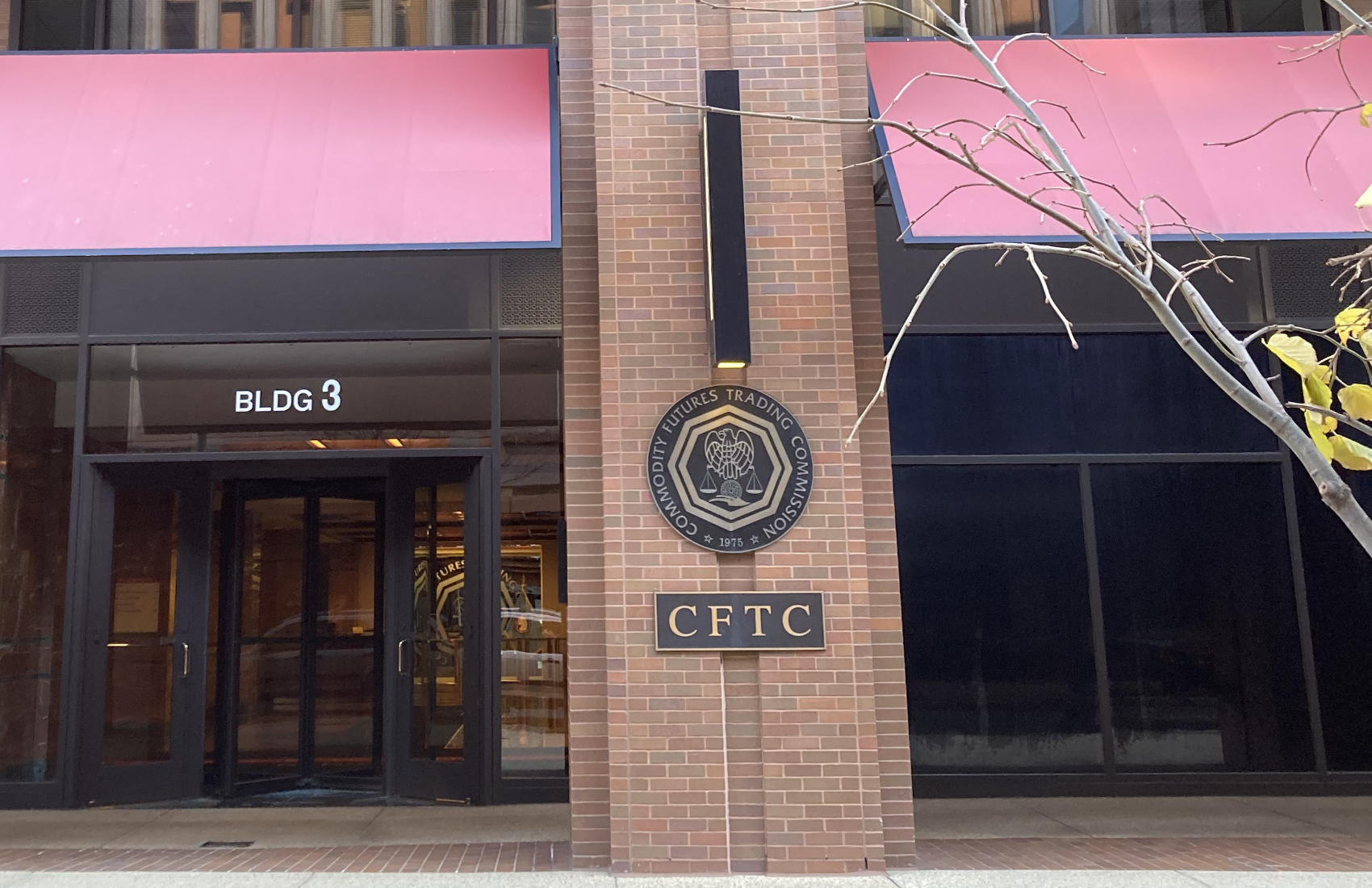
CFTC Finalizes Rule Expanding Eligible Money Market Funds for Uncleared Swaps Initial Margin

by admin July 17, 2026
written by admin

The Commodity Futures Trading Commission (CFTC) has recently finalized a significant rule change regarding margin requirements for uncleared swaps, a move set to broaden the scope of money market funds (MMFs) eligible for use as initial margin. This regulatory adjustment removes previous restrictions on MMFs that engage in reverse repurchase agreements (reverse repo), repurchase agreements (repo), and securities lending, thereby expanding the pool of collateral available for these critical financial instruments. Given the substantial market activity dominated by over-the-counter (OTC) derivatives such as interest rate swaps and foreign exchange (FX) swaps, this decision carries considerable implications for a vast segment of the financial market.

Understanding Uncleared Swaps and Margin Requirements

Swaps are derivative contracts through which two parties exchange financial instruments or cash flows. They are often used by corporations and financial institutions to manage interest rate, currency, or commodity price risks. "Uncleared swaps," also known as over-the-counter (OTC) swaps, are those not processed through a central clearinghouse. Unlike cleared swaps, which benefit from the risk-mitigating functions of a central counterparty (CCP) that effectively steps in as buyer to every seller and seller to every buyer, uncleared swaps expose parties directly to bilateral counterparty credit risk.

Following the 2008 global financial crisis, which highlighted systemic risks associated with interconnectedness and opaque OTC markets, international regulators, including those in the United States, embarked on a comprehensive reform agenda. A cornerstone of these reforms, particularly under the Dodd-Frank Wall Street Reform and Consumer Protection Act in the U.S., was the mandate for increased clearing of derivatives and, for those remaining uncleared, the requirement to exchange initial and variation margin. Margin acts as a financial safeguard, ensuring that if one party defaults, the other party has collateral to cover potential losses. Initial margin, in particular, is collected upfront to cover potential future exposure over a specified liquidation period, typically ranging from a few days to several weeks, depending on the asset class.

The original CFTC regulations permitted MMFs as collateral, but with stringent conditions: they could only invest in cash and government securities. Crucially, MMFs that utilized reverse repo, repo, and securities lending were explicitly excluded. This exclusion stemmed from a cautious approach, seeking to minimize potential liquidity and credit risks associated with these activities, even when backed by government securities.

The Role of Money Market Funds in Collateral Management

Money Market Funds (MMFs) are open-end mutual funds that invest in highly liquid, short-term debt instruments. They are a vital component of the short-term funding markets, providing liquidity to financial institutions and corporations while offering investors a relatively safe, low-yield investment option. MMFs are typically categorized into "government MMFs," "prime MMFs," and "tax-exempt MMFs," each defined by the types of securities they hold.

Government MMFs, the focus of this rule change, primarily invest in cash, U.S. Treasury securities, and securities issued by U.S. government agencies. Many of these funds also engage heavily in the repurchase agreement (repo) market. In a reverse repo transaction, an MMF lends cash to a counterparty (often a bank or dealer) in exchange for receiving government securities as collateral, with an agreement to sell them back at a later date at a slightly higher price. Conversely, in a repo transaction, the MMF receives cash by temporarily selling its government securities with an agreement to repurchase them. Securities lending involves an MMF lending out securities it owns in exchange for cash or other collateral, generating additional income.

These activities are generally considered low-risk when backed by high-quality government securities. If the cash borrower in a reverse repo goes bankrupt, the MMF retains possession of the government securities, significantly limiting its exposure. The Office of Financial Research (OFR) data, cited by the CFTC, underscores the scale of MMF participation in these markets, noting that U.S. MMFs were involved in approximately $1.7 trillion in Treasury repo transactions as of October 2025. This substantial volume highlights the integral role these funds play in the functioning of the Treasury market and broader financial system.

CFTC collateral rule change could boost tokenized MMF

CFTC’s Rationale: Balancing Risk and Market Efficiency

The CFTC’s decision to drop the restriction on MMFs engaged in repo and securities lending reflects a nuanced understanding of market dynamics and a re-evaluation of the associated risks. The Commission’s rationale is multi-faceted:

  1. Risk Assessment: The CFTC determined that the risks associated with government MMFs utilizing reverse repo, repo, and securities lending are sufficiently mitigated, especially when these transactions are collateralized by high-quality government securities. The distinction between government MMFs and prime MMFs is critical here. Prime MMFs, which invest in a broader range of corporate and non-government securities, remain ineligible as collateral under the CFTC rule. This distinction is informed by historical MMF crises, such as those in 2008 and 2020, which primarily impacted prime MMFs due to their exposure to less liquid or higher-risk assets, leading to "breaking the buck" (when a fund’s net asset value falls below $1 per share). Government MMFs, by contrast, have historically proven more resilient.

  2. Market Liquidity and Efficiency: The previous exclusion created an artificial constraint on the supply of eligible collateral, potentially increasing funding costs for market participants engaging in uncleared swaps. By expanding the range of eligible MMFs, the CFTC aims to enhance market liquidity, reduce collateral fragmentation, and potentially lower the operational burden and costs for firms. This change allows a wider array of high-quality, highly liquid assets to be used, thereby making the collateralization process more efficient without, in the Commission’s view, unduly increasing systemic risk.

  3. Regulatory Harmonization (Implicit): While not explicitly stated as a primary driver, regulatory bodies often seek to harmonize rules where appropriate to avoid regulatory arbitrage and ensure a level playing field. Other jurisdictions and regulatory frameworks might have different eligibility criteria for MMFs, and this move could bring the CFTC’s stance closer to other accepted practices for low-risk collateral.

Notably, the Commission explicitly declined to impose additional conditions suggested during the public comment period, such as capping the volume of repo activity, applying an additional haircut (a discount applied to the value of collateral), or mandating central clearing for the funds’ repo transactions. The CFTC justified this by acknowledging that the Securities and Exchange Commission (SEC) has already pushed back its Treasury clearing compliance date for repo to June 30, 2027. This indicates a recognition of ongoing regulatory developments and a desire not to preempt or complicate efforts in other areas of financial market reform.

The Evolution of MMF Regulation and Historical Context

The regulatory landscape for Money Market Funds has undergone significant transformations, largely in response to financial crises. Prior to 2008, MMFs were often perceived as cash equivalents, and their vulnerabilities were not fully appreciated. The collapse of Lehman Brothers in September 2008, and the subsequent "breaking the buck" by the Reserve Primary Fund, triggered a mass exodus from prime MMFs, threatening the stability of the short-term funding markets. This event prompted the SEC to implement a series of reforms under Rule 2a-7 of the Investment Company Act of 1940, tightening liquidity requirements, imposing redemption gates, and introducing fees for non-government MMFs during times of stress.

Further reforms were enacted in 2014 and 2016, and again in 2023, aimed at bolstering MMF resilience. These reforms included moving away from stable net asset values (NAVs) for institutional prime and tax-exempt MMFs to floating NAVs, and enhancing liquidity requirements. The CFTC’s latest rule change is a continuation of this iterative regulatory process, where lessons learned from past crises are balanced against the need for market efficiency and liquidity. The distinction between the relative safety of government MMFs and the higher risk profile of prime MMFs, which hold corporate debt, remains a core tenet of current regulatory thinking.

Industry Reactions and Market Implications

CFTC collateral rule change could boost tokenized MMF

The financial industry is expected to largely welcome this rule change. Market participants, particularly banks and other financial institutions that engage in a high volume of uncleared swaps, will benefit from increased flexibility in managing their collateral portfolios.

  • Increased Collateral Supply: By expanding the universe of eligible MMFs, the rule effectively increases the supply of high-quality, liquid assets that can be used as initial margin. This can help ease potential collateral shortages and reduce the cost of funding for firms.
  • Operational Efficiency: Firms may find it easier to source and manage collateral, potentially streamlining their back-office operations related to margin calls.
  • Reduced Funding Costs: A broader pool of eligible collateral can lead to lower funding costs for market participants. If more assets are deemed acceptable, firms face less pressure to hold specific, scarce assets solely for collateral purposes, freeing up capital for other uses.
  • Impact on MMFs: The rule could increase demand for certain government MMFs, particularly those that actively participate in the repo market. This could marginally enhance their attractiveness to investors seeking both safety and the potential for their holdings to serve as eligible collateral for institutional needs.
  • Risk Management: While the CFTC has deemed the risk acceptable, some market observers might still point to the inherent interconnectedness within the financial system. However, the focus on government MMFs, backed by U.S. Treasury securities, is a key mitigating factor, aligning with the industry’s general preference for ultra-safe assets as collateral.

From a regulatory perspective, this adjustment reflects a continued effort to fine-tune post-crisis reforms. Regulators constantly grapple with the challenge of making markets safer without inadvertently stifling liquidity or imposing excessive costs that could push activity into less regulated corners. This rule appears to be an attempt to strike that balance by recognizing the low-risk nature of specific MMF activities.

The Broader Landscape: Tokenized Collateral and Future Trends

The CFTC’s rule change also intersects with broader discussions in financial technology, particularly regarding "tokenized collateral." There has been significant discourse around the potential for blockchain and distributed ledger technology (DLT) to revolutionize collateral management by enabling the tokenization of assets, including money market fund shares, for margin purposes.

Tokenized collateral promises several benefits:

  • Increased Efficiency: Automation of collateral transfers, reconciliation, and reporting.
  • Reduced Settlement Risk: Near real-time settlement of margin calls.
  • Improved Transparency: A clear, immutable record of collateral movements.
  • Broader Access: Potentially making collateral available from a wider range of sources.

Money market funds have been central to these discussions because their underlying assets (cash, government securities) are ideal candidates for tokenization due to their high liquidity and low credit risk. This CFTC rule, by significantly expanding the range of eligible MMFs for uncleared margin in the United States, indirectly supports the conceptual framework for tokenized collateral. If more MMFs are deemed eligible, it logically follows that their tokenized representations, assuming regulatory acceptance of the tokenization method, could also become more viable as collateral.

However, it is crucial to distinguish between eligibility for uncleared margin and eligibility for cleared margin. Central counterparties (CCPs) typically have their own stringent rules for eligible collateral, often even more conservative than those for uncleared bilateral trades. While the CFTC’s move is a step towards broader acceptance of MMFs in the collateral ecosystem, eligibility for cleared margin remains a separate and more complex matter, requiring careful consideration of CCP risk management frameworks and operational capabilities for handling tokenized assets.

As the financial industry continues its digital transformation, regulatory bodies will face the ongoing task of adapting existing rules and developing new frameworks to accommodate innovative technologies while upholding market stability and investor protection. The CFTC’s latest rule change represents a pragmatic adjustment to current market realities and a recognition of the evolving nature of risk management in the derivatives landscape, potentially paving the way for future advancements in collateral management, including the eventual integration of tokenized assets. The "Article continues…" prompt in the original text hints at the depth of ongoing discussions and the need for continuous analysis in this dynamic field.

July 17, 2026 0 comment
0 FacebookTwitterPinterestEmail
Blockchain Technology

Mad Lads NFTs soar with US$673K in daily sales

by admin July 17, 2026
written by admin

A notable disruption reverberated through the non-fungible token (NFT) market on Thursday as FSIC, a novel collection operating on the Bitcoin network, ascended to the apex of CryptoSlam’s daily sales chart, registering an impressive US$887,396 in transactions. This pivotal moment marked the first instance this week that the highly coveted top position was claimed by an entity other than the perennial heavyweights, Ethereum’s iconic CryptoPunks or the consistent volume generated by the DMarket platform. The event underscores a burgeoning diversification within the NFT ecosystem, with new blockchain protocols and innovative projects increasingly challenging the established order. This shift reflects a maturing market where foundational technologies like Bitcoin are expanding their utility, and alternative Layer-1 solutions like Solana, alongside Layer-2 scaling solutions such as Immutable X, are solidifying their niches.

The Rise of Bitcoin NFTs and FSIC’s Breakthrough

FSIC’s sudden dominance is a direct testament to the growing influence of Bitcoin-native NFTs, often referred to as Ordinals. Historically, the Bitcoin blockchain, renowned for its unparalleled security and decentralization, was primarily viewed as a peer-to-peer electronic cash system and a store of value. However, the introduction of the Ordinals protocol in January 2023 fundamentally expanded Bitcoin’s capabilities, enabling the inscription of various forms of data—including images, text, and videos—directly onto individual satoshis, the smallest unit of Bitcoin. This innovation effectively allowed for the creation and transfer of unique digital assets on the Bitcoin blockchain, akin to NFTs on Ethereum or other chains, without altering Bitcoin’s core protocol.

The initial reception to Ordinals was mixed, with some Bitcoin maximalists expressing concerns about network congestion and a departure from Bitcoin’s original ethos. Nevertheless, the technology rapidly gained traction among developers and collectors drawn to Bitcoin’s robust security model and its vast, untapped user base. Collections utilizing the BRC-20 token standard, an experimental fungible token standard built on Ordinals, further propelled activity, showcasing Bitcoin’s potential for more complex decentralized applications. FSIC, by topping the charts, signifies a significant milestone for this nascent but rapidly expanding segment of the NFT market. Its strong performance indicates not just speculative interest but a broader acceptance and utility for digital collectibles on the world’s oldest and most secure blockchain. The nearly US$900,000 in daily sales volume for FSIC highlights a robust demand that signals confidence in Bitcoin’s evolving role beyond just a digital currency.

Solana’s Enduring Momentum: Mad Lads and Solana Monkey Business

While Bitcoin’s FSIC captured the top spot, Solana-based collections continued to demonstrate formidable strength, securing prominent positions in the daily rankings. Mad Lads, a highly anticipated non-fungible token collection conceived by the Web3 infrastructure firm Backpack, clinched the second position with a substantial daily sales volume of US$673,970. This performance reaffirms Mad Lads’ status as a flagship project within the Solana ecosystem. Since its launch, Mad Lads has quickly ascended to become the second best-selling Solana NFT collection of all time, a remarkable feat given the competitive landscape. With total sales exceeding US$207 million, it currently ranks as the 33rd collection in the all-time global sales chart, a testament to its strong community, innovative features, and the enduring appeal of its artistic vision.

The success of Mad Lads is indicative of Solana’s broader resilience and growing prominence as a viable alternative to Ethereum for NFT creators and collectors. Solana’s architecture, characterized by its high transaction throughput and significantly lower fees compared to Ethereum, has fostered a vibrant ecosystem of digital collectibles. This environment has attracted a new generation of artists, developers, and users seeking more accessible and efficient platforms for engaging with NFTs.

Mad Lads NFTs soar with US$673K in daily sales

Further solidifying Solana’s position, Solana Monkey Business (SMB), often considered the "blue-chip" collection of the Solana network, secured the fourth spot on Thursday with US$543,019 in daily sales. SMB’s consistent performance underscores its foundational importance to the Solana NFT landscape. Launched in 2021, SMB has maintained its value and cultural relevance, serving as a benchmark for quality and community within the Solana ecosystem. Its continued presence among the top-selling collections demonstrates the long-term viability and investor confidence in established Solana projects, even amidst the emergence of new contenders from other chains. The collective performance of Mad Lads and SMB highlights Solana’s robust and maturing NFT market, capable of sustaining significant trading volumes and cultivating enduring projects.

Ethereum’s Persistent Dominance Amidst Shifting Sands

Despite the ascendance of Bitcoin and Solana-based collections in individual daily rankings, Ethereum’s CryptoPunks, a foundational pillar of the NFT movement, still commanded significant attention. Dropping to the third position on Thursday with daily sales totaling US$643,866, CryptoPunks continue to demonstrate their enduring appeal and historical significance. Created by Larva Labs in 2017, CryptoPunks were among the earliest examples of NFTs and are widely credited with pioneering the concept of provably scarce digital art. Their iconic status and cultural impact within the Web3 space have cemented their position as high-value digital assets, often traded by discerning collectors and institutions. The fact that CryptoPunks consistently remain among the top-selling collections, even when not at the absolute pinnacle, speaks volumes about Ethereum’s established liquidity and the depth of its NFT market.

More broadly, Ethereum maintained its overall leadership among all blockchains on Thursday, recording a commanding US$4.48 million in total daily NFT sales. This figure, significantly higher than any other individual chain, underscores Ethereum’s comprehensive ecosystem, which includes not only blue-chip collections like CryptoPunks and the Bored Ape Yacht Club but also a vast array of marketplaces, decentralized finance (DeFi) protocols, and a deeply entrenched developer community. While individual collections from newer chains can momentarily top the charts, Ethereum’s aggregate volume consistently demonstrates its role as the dominant infrastructure for the broader NFT and Web3 economy. The network’s robust security, proven track record, and extensive network effects continue to attract the lion’s share of NFT activity, even as competitive pressures from other chains intensify. The presence of DMarket, a major marketplace for gaming NFTs and virtual assets, which frequently sees high sales volumes, also contributes significantly to the overall Ethereum-linked ecosystem, as many of its traded assets are often bridged to or originate from Ethereum-compatible chains.

The Niche of Gaming NFTs: Guild of Guardians Heroes on ImmutableX

Rounding out the top five, Immutable’s Guild of Guardians Heroes secured the fifth spot with US$485,837 in daily sales. This performance highlights the growing significance of gaming-specific NFTs and the vital role played by specialized Layer-2 solutions like Immutable X. Immutable X is an Ethereum Layer-2 scaling solution specifically designed for NFTs, offering instant trades, massive scalability, zero gas fees, and carbon-neutral minting and trading. It achieves this by leveraging ZK-rollups technology, which bundles hundreds of thousands of transactions off-chain and then submits a single proof to the Ethereum mainnet, ensuring security while dramatically increasing efficiency.

Guild of Guardians is a highly anticipated mobile RPG built on Immutable X, emphasizing player-owned assets and a play-to-earn model. The daily sales volume for its heroes collection indicates strong ongoing interest in blockchain gaming and the utility NFTs provide within these ecosystems. Gaming NFTs often represent in-game assets such as characters, weapons, skins, or land, which players can truly own, trade, and even monetize. This model empowers players by giving them digital property rights, a stark contrast to traditional gaming where assets are typically locked within the game publisher’s ecosystem. The consistent demand for Guild of Guardians Heroes underscores the potential for gaming NFTs to drive substantial market activity and attract a new demographic of users to the Web3 space. Immutable X’s focus on providing a seamless and cost-effective experience for blockchain game developers and players positions it as a critical infrastructure provider for the future of digital entertainment.

Broader Market Dynamics and Implications

Thursday’s NFT sales data paints a compelling picture of a rapidly evolving and diversifying market. The dethroning of long-standing leaders by a Bitcoin-native collection like FSIC, coupled with the sustained strength of Solana projects and the specialized growth of gaming NFTs on Immutable X, signals several key trends.

Mad Lads NFTs soar with US$673K in daily sales

Firstly, the emergence of Bitcoin as a serious contender in the NFT space, driven by the Ordinals protocol, is arguably one of the most significant developments of the past year. It challenges the long-held perception that NFTs are solely an Ethereum-centric phenomenon and broadens the appeal of digital collectibles to a new segment of users who prioritize Bitcoin’s inherent security and decentralization. This expansion into Bitcoin brings fresh capital, new communities, and diverse perspectives to the NFT landscape, fostering a multi-chain future where different blockchains cater to specific needs and preferences.

Secondly, Solana’s consistent performance, particularly with projects like Mad Lads achieving top-tier status, underscores its maturation as a robust ecosystem. Despite past network challenges, Solana has demonstrated its capacity to host innovative projects and cultivate thriving communities, leveraging its technological advantages of speed and low transaction costs. Its ability to retain high-value collections and attract significant trading volume suggests it will continue to be a formidable competitor in the Layer-1 space for NFTs.

Thirdly, Ethereum’s enduring aggregate sales dominance, even as individual collections face heightened competition, highlights its foundational role. Ethereum remains the most liquid and secure platform for a vast array of decentralized applications, and its extensive network of developers and users ensures its continued relevance. The shift in individual collection leadership does not diminish Ethereum’s overall market share but rather points to a more distributed and competitive environment across different blockchain ecosystems.

Finally, the success of gaming NFTs on platforms like Immutable X illustrates the sector-specific growth within the broader NFT market. As blockchain gaming continues to mature, utility-driven NFTs that offer tangible benefits within virtual worlds are poised to attract significant investment and user engagement. This specialization indicates a natural progression of the NFT market beyond purely speculative art, towards functional assets that drive value in specific applications.

In conclusion, Thursday’s NFT sales chart provides a snapshot of a dynamic industry in transition. The rise of Bitcoin NFTs, the sustained growth of Solana, the enduring strength of Ethereum, and the specialized success of gaming platforms collectively point towards a future characterized by multi-chain innovation, diverse utility, and a broadening landscape of digital ownership. This diversification benefits the entire ecosystem by fostering competition, driving innovation, and offering a wider array of options for creators, collectors, and investors alike. As the market matures, these trends are likely to intensify, shaping the next era of digital assets.

July 17, 2026 0 comment
0 FacebookTwitterPinterestEmail
Blockchain Technology

Trump memecoin investors lost $3.8 billion, analysis finds

by admin July 17, 2026
written by admin

Nearly one million individuals have collectively lost an estimated $3.8 billion after investing in the $TRUMP memecoin, a digital asset associated with President Donald Trump, according to a comprehensive analysis by the cryptocurrency analytics firm Nansen. This substantial financial setback impacts approximately two out of three buyers of the highly speculative digital currency, raising significant questions about investor protection, the ethics of political figures promoting volatile assets, and the regulatory environment under the current administration. The revelation comes at a time when President Trump has disclosed personal earnings exceeding half a billion dollars from the very same memecoin, highlighting a stark contrast between presidential profits and widespread investor losses.

Unpacking the Losses: The Nansen Report and Blockchain Transparency

Nansen’s detailed analysis, first reported by The New York Times, leverages the inherent transparency of blockchain technology to meticulously track transactions. As of the end of June, Nansen identified 988,905 distinct accounts that had experienced net losses from their investments in $TRUMP. This granular data, publicly accessible and immutable on the blockchain, provides an unprecedented level of insight into the financial outcomes of participants in this particular cryptocurrency venture. The $3.8 billion figure represents the aggregate capital outflow from these nearly one million accounts, painting a stark picture of the risks associated with memecoin investments, particularly when tied to high-profile public figures. The ability of firms like Nansen to provide such precise audits underscores both the transparency and the accountability challenges inherent in the decentralized finance (DeFi) space. While the blockchain itself is transparent, interpreting its data requires sophisticated tools and expertise to distill actionable insights about market trends and individual financial performance.

The Volatile Trajectory of $TRUMP: A Case Study in Speculation

The $TRUMP memecoin has experienced extreme volatility since its inception, characteristic of many assets in the highly speculative memecoin category. On Sunday, July 5, 2026, the token was trading at a mere $1.69. This represents a staggering decline of nearly 98% from its all-time high of $75.35, a peak achieved during a period of intense market speculation and hype. Such precipitous drops are not uncommon in the memecoin market, where prices are often driven by social media trends, celebrity endorsements, and community sentiment rather than underlying technological innovation or tangible utility. The rapid ascent to $75.35 likely lured many retail investors, often with limited experience in cryptocurrency markets, who were hoping to capitalize on what appeared to be a rapidly appreciating asset. However, as is often the case with such speculative bubbles, the subsequent crash has left a vast majority of these investors with significant losses, underscoring the "greater fool" theory that often underpins memecoin valuations.

President Trump’s Entry into the Crypto Sphere: A Chronology

President Trump’s foray into the cryptocurrency world predates the launch of the $TRUMP memecoin. His broader engagement began with the co-founding of World Liberty Financial (WLF) alongside his sons. This crypto startup introduced its own digital token, $WLFI, which, much like $TRUMP, has also witnessed a substantial decline in value since its launch.

The announcement of the $TRUMP memecoin itself came just three days before his inauguration in 2025, signaling a deliberate and high-profile entry into the digital asset space at the very outset of his presidential term. This timing was notable, as it immediately linked his political brand with a novel and inherently risky financial product. The launch of $TRUMP was met with a mix of excitement from his supporters within the crypto community and skepticism from financial analysts and regulatory watchdogs concerned about the potential for conflicts of interest and market manipulation. The initial surge in the token’s value post-announcement exemplified the power of branding and personality in the memecoin market, where perceived endorsement can instantly create significant trading volume and price appreciation, irrespective of fundamental value.

A Lucrative Venture for the President: Personal Gains Amidst Public Losses

While nearly a million investors faced substantial losses, President Trump’s personal financial disclosures reveal a dramatically different outcome. In a recent filing, the president reported making a staggering $636 million from the $TRUMP memecoin alone. This considerable sum accounts for almost half of the total $1.4 billion he reportedly earned from the cryptocurrency industry last year, further solidifying his position as a significant beneficiary of the digital asset boom. The disparity between the president’s immense personal profit and the collective losses of his investors has fueled criticism and raised ethical questions regarding the promotion of speculative assets by public officials. Critics argue that such direct financial gain from a volatile, personality-driven asset, especially one launched during his political tenure, creates a significant conflict of interest and could be perceived as leveraging his public office for personal enrichment.

Regulatory Environment Under the Trump Administration: A Laissez-Faire Approach

Under the Trump administration, the Securities and Exchange Commission (SEC) has adopted a notably lenient stance on memecoins. In February 2025, the SEC publicly stated its position that it would not regulate memecoins as securities. This decision marked a significant departure from traditional financial regulatory approaches, which typically subject investment contracts and other financial instruments to stringent oversight to protect investors. The SEC’s reasoning often centers on the argument that memecoins, lacking a centralized issuer or a clear expectation of profit derived from the efforts of others, do not fit the established legal definition of a security under the Howey Test.

Trump memecoin investors lost $3.8 billion, analysis finds

Further illustrating this regulatory posture, the SEC has also dropped a number of high-profile lawsuits against various cryptocurrency companies, including a notable case against the Winklevoss twins’ Gemini crypto exchange in January 2026. These actions collectively signal a broad hands-off approach to regulating certain segments of the crypto market, particularly those deemed less conventional. A White House spokesperson, defending the administration’s policy, told The New York Times that "President Trump proudly made the United States the crypto capital of the world." This statement underscores the administration’s prioritization of fostering innovation and growth within the crypto sector, even if it entails a more permissive regulatory framework that some argue leaves retail investors vulnerable.

Understanding Memecoins: High Risk, High Reward, and the Allure of the Crowd

Memecoins represent a unique and often perplexing phenomenon within the broader cryptocurrency landscape. Unlike established cryptocurrencies such as Bitcoin or Ethereum, which aim to solve specific technical or financial problems, memecoins are typically created as satirical or humorous digital assets, often inspired by internet memes or pop culture references. Their value is predominantly driven by community hype, social media trends, and the speculative interest of investors seeking rapid, exponential gains. They often lack a robust whitepaper, a dedicated development team, or a clear roadmap for utility, making their valuations highly susceptible to sudden shifts in sentiment.

The appeal of memecoins lies in their potential for astronomical returns in short periods, a siren song for retail investors hoping to "get rich quick." This allure is amplified by success stories (often highly publicized) of early investors who made fortunes, fueling a "fear of missing out" (FOMO) among others. However, the flip side is extreme volatility and a high propensity for "pump-and-dump" schemes, where early holders or large players inflate the price through coordinated buying and promotional activities, only to sell off their holdings at the peak, leaving latecomers with devalued assets. The $TRUMP memecoin, with its direct association with a prominent political figure, added another layer of complexity, intertwining political affiliation with financial speculation.

The Broader Implications: Investor Protection and Ethical Concerns

The substantial losses incurred by nearly a million investors in the $TRUMP memecoin, juxtaposed with the immense personal profits of President Trump, raise serious ethical and policy implications. From an investor protection standpoint, the lack of robust regulation for memecoins means that affected individuals have limited recourse compared to losses sustained in regulated financial markets. There are no clear mechanisms for recovery, and the speculative nature of the assets often means that buyers are implicitly accepting high levels of risk. This situation intensifies calls for clearer regulatory frameworks that can differentiate between legitimate technological innovations and purely speculative digital tokens, especially when public figures are involved.

Furthermore, the perceived conflict of interest is significant. A president actively profiting from a highly speculative and unregulated financial instrument, while his administration simultaneously adopts a lenient stance on its regulation, creates an appearance of impropriety. This scenario could undermine public trust in both financial markets and government institutions, suggesting that political influence might be used to create favorable conditions for personal financial gain. Critics argue that such circumstances necessitate stricter ethical guidelines for public officials engaging in financial activities, particularly in emerging and unregulated markets like cryptocurrency.

Expert Perspectives and Market Reaction

Financial analysts and consumer protection advocates have largely reacted to the Nansen report with concern, reiterating warnings about the inherent dangers of unregulated memecoin markets. Many experts have long cautioned against investing in assets driven primarily by hype, emphasizing the importance of due diligence, understanding underlying technology, and assessing genuine utility. The sheer scale of losses associated with $TRUMP reinforces these warnings, providing a real-world example of the potential financial devastation that can result from speculative bubbles.

Within the broader cryptocurrency community, reactions are more varied. While some vocal proponents continue to defend the "free market" nature of memecoins and the right of individuals to take on high risks, others acknowledge the reputational damage such incidents inflict on the nascent industry. The narrative of widespread losses, particularly when tied to a prominent political figure, risks alienating mainstream investors and could invite stricter regulatory scrutiny in the long run, despite the current administration’s stance. The market itself, by devaluing $TRUMP by 98%, has delivered its own verdict on the long-term viability and stability of the asset.

Looking Ahead: The Future of Political Memecoins and Regulation

The saga of the $TRUMP memecoin is likely to serve as a pivotal case study for the future of digital assets, particularly those intertwined with politics. The unprecedented scale of investor losses, coupled with the significant personal gains of a sitting president, will undoubtedly fuel ongoing debates about the appropriate level of regulation for cryptocurrencies. As digital assets become increasingly integrated into the global financial landscape, governments worldwide are grappling with how to balance innovation with investor protection.

The "crypto capital of the world" ambition, while promoting technological advancement, must also contend with the consequences of an unbridled market. Future administrations, or even the current one under renewed pressure, may be compelled to revisit the SEC’s stance on memecoins and other speculative tokens. There could be a push for clearer guidelines on what constitutes a security in the digital age, enhanced disclosure requirements for politically linked tokens, or even outright prohibitions on public officials from promoting or profiting from such volatile assets. The $TRUMP memecoin phenomenon has undeniably highlighted a critical intersection of finance, technology, and politics, with its ripples expected to influence regulatory discussions and ethical considerations for years to come.

July 17, 2026 0 comment
0 FacebookTwitterPinterestEmail
Decentralized Finance (DeFi)

Ostium Perpetuals Exchange Suffers $11.86 Million Exploit on Arbitrum Due to Oracle Vulnerability

by admin July 17, 2026
written by admin

At 14:18 UTC on Wednesday, July 15, 2026, the decentralized perpetuals exchange Ostium, a prominent player in the real-world asset (RWA) sector, was targeted in a sophisticated exploit that saw an attacker bundle twenty calls into its trading contracts and illicitly extract approximately $11.86 million in USDC. The swift operation, executed via a single Arbitrum transaction, began just minutes after the recipient wallet established its initial position with a minimal, almost negligible, deposit. By the time security alerts began to propagate across the blockchain ecosystem, the stolen funds were already in motion, rapidly being transferred out of the attacker’s control.

Ostium has long been recognized as one of the more credible and well-funded entities in the burgeoning field of on-chain real-world asset trading. It offers a decentralized platform for perpetual contracts on traditional assets like stocks, commodities, indices, and currencies, alongside major crypto pairs. The protocol’s innovative approach, which aimed to democratize access to global markets from self-custodial wallets, was underpinned by a custom price layer. This proprietary oracle system, designed to determine the settlement price for every trade, became the very mechanism exploited by the attacker. Crucially, the vulnerability was not leveraged on an obscure or illiquid exotic asset, but on Bitcoin, one of the most transparent and easily verifiable markets Ostium facilitated. This incident raises profound questions about the security of custom oracle solutions and the broader "bring global markets on-chain" narrative.

Chronology of a Coordinated Attack

The exploit unfolded with precision, demonstrating a clear understanding of Ostium’s internal mechanisms and the critical role of its oracle system. The attacker’s preparatory steps were minimal, with a newly created wallet opening a position just moments before the main assault. This initial, seemingly insignificant deposit served to establish a footprint within the protocol.

At the core of the attack was the Arbitrum transaction identified as 0x359f8c05b86a4409d60cfba02084334313fd94b19f74a294fb7fc4ea7d4870e0. This single, bundled transaction executed a series of actions that were simultaneously destructive and self-serving. It not only initiated and closed the malicious trades but also, critically, invoked OstiumPrivatePriceUpKeep to deliver the fabricated settlement prices. Specifically, the attacker opened a Bitcoin long position at an artificially low price of $5,000 and immediately closed it at an artificially high price of $60,000. This immense, fabricated price differential, applied to a significant position, allowed the attacker to profit immensely from the Ostium Liquidity Pool (OLP).

The funds, totaling approximately $11.86 million in USDC from this primary transaction, were immediately routed to the receiving wallet 0x321df194...bfd9. Blockchain explorers such as Arbiscan and Blockscout confirmed these details, showing the specific price fields recorded by the contracts, leaving no ambiguity about the method of theft. Further analysis revealed that this primary transaction was complemented by several "sibling" batch transactions, executed using the same pattern, which siphoned additional USDC from the protocol, though a precise total for these supplementary losses remained unconfirmed in the immediate aftermath.

The attacker’s swiftness in exfiltrating the funds was paramount. Within hours of the initial exploit, the receiving wallet held no USDC. It contained only a gas-scale amount of ETH (roughly 99.6 ETH, a low six-figure sum) and some spoofed lookalike tokens, a common tactic to obscure tracing. The stablecoins were rapidly moved, likely swapped, split across multiple wallets, or bridged off Arbitrum, demonstrating a sophisticated and well-rehearsed cashout strategy. This rapid egress of funds echoes similar incidents in the DeFi space, such as the Resolv USR stablecoin exploit in March of the same year, where attackers prioritized moving assets before protocols could react or implement freezes.

Ostium: A Pioneer in On-Chain RWAs

To fully grasp the significance of this exploit, one must understand Ostium’s position and ambition within the decentralized finance landscape. Ostium presented itself as a decentralized perpetuals exchange on Arbitrum specifically tailored for real-world assets (RWAs). Its core value proposition was to offer leveraged exposure to traditional financial instruments—such as gold, crude oil, the S&P 500 index, EUR/USD currency pairs, and individual equities—all accessible from a self-custodial wallet. This model directly challenged traditional financial markets, which typically operate with restricted hours and gate retail investors behind layers of brokers and intermediaries. By providing continuous, permissionless access to these markets, Ostium had carved out a compelling product-market fit within the RWA narrative. Beyond traditional assets, it also listed major crypto pairs, including Bitcoin (BTC) and Ethereum (ETH), a detail that proved particularly relevant to the nature of the exploit.

Ostium was far from a fledgling project. Its credibility was bolstered by its founding team, composed of Harvard alumni, and substantial backing from prominent venture capital firms. In 2023, the platform successfully raised a $3.5 million seed round, led by General Catalyst and LocalGlobe, with additional support from SIG, DeFi Alliance, and Balaji Srinivasan. This initial success was followed by an even more significant Series A round in December 2025, co-led by General Catalyst and Jump Crypto, bringing in $20 million and elevating its total funding to approximately $27.8 million.

The platform had demonstrated considerable traction, advertising over $25 billion in cumulative trading volume as of its December 2025 raise, including a notable $5 billion in metals trading. On the day of the exploit, DefiLlama, a leading DeFi data aggregator, reported Ostium’s Total Value Locked (TVL) to be near $63 million. This significant TVL underscored the trust and capital flowing into the protocol from liquidity providers. Traders’ collateral and the counterparty liquidity required to pay out winning trades were held within Ostium’s vault, known as the Ostium Liquidity Pool (OLP). Liquidity providers deposited USDC into the OLP, effectively taking the opposite side of trades. This OLP was the ultimate target for the attacker, and on July 15, a pathway to drain it was tragically discovered and exploited.

The Critical Oracle Vulnerability: A Deep Dive

The root cause of the exploit lies in Ostium’s unique approach to price discovery for its diverse range of assets. Unlike crypto-native perpetuals exchanges that can often rely on deep on-chain liquidity from decentralized exchanges (DEXs) for price feeds, real-world assets like gold or Apple stock do not have native on-chain liquidity. To address this, Ostium developed a custom, pull-based oracle system.

This system did not continuously store prices on-chain. Instead, a cryptographically signed price report was delivered on-chain only at the precise moment it was required—when a trade was opened, closed, a limit order triggered, or a liquidation executed. Automated "keeper" or forwarder services were responsible for relaying these signed reports to the relevant smart contracts, thereby triggering trade settlement. Stork Network managed the real-world asset feeds, while Chainlink Data Streams provided crypto feeds.

While a sensible architecture for assets that primarily trade off-chain, this design concentrates immense trust in a single point: the authority empowered to submit price reports. The party authorized to submit a price effectively dictates the number against which a trader’s profit and loss (PnL) is calculated. The exploit demonstrated that if this authorization is compromised, or if the system lacks robust checks to verify the freshness and legitimacy of a submitted price, an attacker can manipulate prices to their advantage. This "failure surface" is strikingly similar to the one that led to the collapse of Resolv’s USR stablecoin in March 2026, where a privileged role could mint tokens without sufficient on-chain limitations.

The attacker’s ability to use OstiumPrivatePriceUpKeep to submit wildly divergent prices ($5,000 and $60,000 for Bitcoin) confirmed that they either possessed a legitimate signing key, had managed to register a malicious price upkeep service, or exploited a fundamental weakness in the validation process for submitted prices. The bundled transaction showed the attacker acting as both the price authority and the counterparty, effectively operating on both sides of the trade simultaneously. The on-chain trace clearly displayed the manipulated prices recorded by the contracts, solidifying the evidence of oracle manipulation. What the trace could not immediately reveal was the exact mechanism of authorization failure—whether it was a compromised key, a registration flaw, or a weak validation check—a critical detail reserved for Ostium’s eventual post-mortem.

Magnitude of the Financial Blow and Unanswered Questions

In the immediate aftermath, the precise total financial loss remained a subject of ongoing investigation and speculation. The confirmed floor of the loss stood at approximately $11.86 million in USDC, derived directly from the transfer logs of the primary transaction. However, the presence of multiple "sibling" transactions, following the same exploit pattern, indicated that the total sum siphoned from the OLP was higher. Early estimates circulating on the day of the incident suggested figures ranging into the high teens of millions, with some reports even citing a "$34 million vault, 35% drained." While the $34 million vault figure could potentially align with the reported $63 million TVL (as a component within the total), these higher estimates remained unconfirmed. The honest assessment, therefore, points to a confirmed minimum loss and an open-ended total awaiting official reconciliation from Ostium or an independent forensic analysis.

The incident has brought several uncomfortable and critical questions to the forefront:

  1. How did an attacker become authorized to submit prices? This is the paramount question. A pull-based oracle system’s integrity hinges entirely on the strict control over parties authorized to deliver signed prices and the rigorous validation of those reports upon arrival. The exploit suggests a catastrophic failure in this control mechanism—whether a signing key was compromised, a malicious forwarder was registered, or a crucial gap in price report validation was exploited.
  2. Where were the on-chain guardrails? The year 2026 has consistently highlighted the necessity of robust on-chain limits to back off-chain trust. Were there any bounds on how far a settlement price could deviate from the last accepted legitimate price? Was there a strict freshness or timestamp check capable of rejecting a "future-dated" or stale report? Were there per-block or per-account caps on vault payouts that could have mitigated the damage? The atomic and batched nature of the theft strongly suggests that such critical checks were either absent or bypassable.
  3. What about the audits? Ostium was not an unaudited protocol. Zellic conducted an audit in early 2024, identifying 19 findings, including two critical ones, with the price-upkeep and vault contracts within scope. Notably, Zellic even raised upkeep-specific issues, such as "Chainlink feed ID not checked in upkeep." Pashov Audit Group conducted a further review in September 2025. Ostium also listed audits by ThreeSigma, an economic audit by Chaos Labs, and maintained an Immunefi bug bounty program. However, critical limitations in these audits become apparent post-exploit. Zellic’s 2024 engagement explicitly excluded "key custody" and "infrastructure relating to the project," areas where the abuse of a registered PriceUpKeep would likely originate. The September 2025 Pashov review focused only on the trading-engine contracts, specifically excluding any price-upkeep or vault contracts. This suggests that the exact component exploited, OstiumPrivatePriceUpKeep, might have either been reviewed years ago under an older design or completely omitted from the most recent, crucial security assessments. Audits are designed to mitigate risk, not to certify its complete absence, particularly when it comes to the complex, trust-intensive plumbing of price authorization that often lies at the periphery of typical contract audit scopes.

The Asset Was Never the Point: A Stark Lesson for RWAs

Perhaps the most unsettling aspect of this exploit is the choice of asset: Bitcoin. The intuitive concern for RWA perpetuals often centers on the exotic nature of the assets—gold, thinly traded stocks, or overnight forex crosses—where the absence of deep on-chain liquidity makes price verification challenging and manipulation harder to detect. This exploit, however, occurred on BTC/USD, the most liquid, widely traded, and easily cross-checked asset on Ostium. A fabricated Bitcoin price of $5,000 should, in theory, have been instantly rejected by any robust validation system.

This fact fundamentally shifts the focus of the vulnerability. The weak point was not the asset itself, nor the difficulty of its off-chain pricing, but rather the upstream authorization layer that governs who can submit a price and whether the smart contracts adequately validate that price before processing a payout. An RWA venue, therefore, carries this fundamental oracle security risk in addition to, rather than instead of, the inherent risks associated with exotic asset feeds.

Ostium’s stature as a well-funded project, backed by reputable investors, with significant trading volume and a compelling RWA thesis, amplifies the importance of this incident. The fact that such a prominent team allowed its pricing layer to accept a demonstrably false price for crypto’s most-watched asset highlights a systemic issue. The custom-oracle problem is not a minor flaw in an immature protocol; it represents a significant category risk for the entire "bring global markets on-chain" movement. This incident serves as a stark reminder that robust, bulletproof oracle security must be established and rigorously maintained before asking users to commit substantial capital to these ambitious decentralized platforms.

Immediate Aftermath and Broader Implications

In the hours following the attack, Ostium had not yet released an official statement or a reconciled loss figure. The typical sequence of events is anticipated: an acknowledgment of the incident, a temporary pause of affected protocol functions, a statement indicating an ongoing investigation into the exploit and efforts to trace funds, and ultimately, a comprehensive post-mortem report. This post-mortem will be critical, needing to precisely detail how price-submission authorization was secured, the validation checks a submitted report was supposed to pass, whether a key was compromised or a forwarder maliciously registered, and what circuit breakers or caps were in place to prevent such a large-scale payout from the OLP.

For individuals with funds deposited in Ostium, particularly OLP liquidity providers who bear the counterparty risk for all trades, the advice remains consistent with any DeFi incident: directly verify personal exposure, rely solely on official communications from Ostium rather than unconfirmed figures, and understand that any initially stated total loss figure may be provisional.

For the broader ecosystem of builders and allocators in the RWA space, this incident must be filed alongside the Resolv exploit as a critical case study. While the specific attack vectors differed, both incidents trace back to a common vulnerability: an over-reliance on a single, privileged component, often trusted off-chain, with insufficient on-chain safeguards separating it from significant user funds. As RWA protocols increasingly seek to onboard vast quantities of the world’s assets into components precisely like Ostium’s custom oracle, understanding and mitigating these foundational security risks becomes paramount. The Ostium exploit is a powerful illustration of what happens when that critical link in the chain breaks.

July 17, 2026 0 comment
0 FacebookTwitterPinterestEmail
Cybersecurity & Hacking

Microsoft Unveils Record-Breaking Patch Tuesday with Over 570 Fixes, Citing AI for Accelerated Vulnerability Discovery

by admin July 17, 2026
written by admin

Microsoft Corp. has announced an unprecedented security update release for July 2026, addressing a staggering 570 vulnerabilities across its Windows operating systems and other software. This monumental effort marks a nearly threefold increase over the company’s previous record-setting Patch Tuesday last month, with the software giant directly attributing the burgeoning patch counts to the enhanced capabilities of artificial intelligence in vulnerability discovery. The release underscores a significant shift in the cybersecurity landscape, where the speed and scale of vulnerability identification are being dramatically reshaped by AI technologies.

The July 2026 Patch Tuesday: A Deep Dive into the Numbers

The sheer volume of security fixes released this month highlights an escalating arms race in digital security. Among the 570-plus bugs quashed, nearly 60 were designated with a "critical" severity rating. This classification is reserved for vulnerabilities that, if exploited, could allow malicious actors or sophisticated malware to gain remote control over a Windows device with minimal or no user interaction, posing an immediate and severe threat to system integrity and data confidentiality. The Common Vulnerability Scoring System (CVSS) is typically used to assess such severity, with "critical" often corresponding to scores upwards of 9.0 out of 10, indicating maximum impact.

Further compounding the urgency, Microsoft also addressed three zero-day flaws – vulnerabilities that were either publicly disclosed or actively exploited in the wild before a patch was available. Two of these zero-days were already under active exploitation, representing immediate threats to users. Specifically, these critical weaknesses included two elevation of privilege (EoP) flaws: CVE-2026-56155, an Active Directory Federation Services (ADFS) bug, and CVE-2026-56164, a Microsoft SharePoint vulnerability.

Active Directory Federation Services (ADFS) is a crucial component in enterprise environments, enabling single sign-on capabilities across disparate systems and organizations. An EoP flaw in ADFS could allow an attacker to escalate their privileges within a corporate network, potentially gaining access to sensitive resources or taking control of critical infrastructure. Similarly, SharePoint, Microsoft’s widely used collaboration and document management platform, is central to many organizations’ operations. An EoP vulnerability here could allow an attacker to gain elevated access within SharePoint, compromising shared documents, user data, and potentially leveraging that access for further network penetration. The fact that these were zero-days and, in some cases, actively exploited, elevates their risk profile considerably.

The third zero-day, CVE-2026-50661, is a security feature bypass in Windows BitLocker. BitLocker is Microsoft’s full-disk encryption feature designed to protect data by encrypting entire volumes. A bypass vulnerability, particularly one that can be exploited with physical access to the device, could undermine the core security promise of BitLocker, potentially allowing attackers to gain access to encrypted data. While Microsoft noted this bug had been publicly detailed, they were not aware of active exploitation at the time of the patch release, offering a slight reprieve but underscoring the potential danger.

Beyond the zero-days, approximately 250 other elevation of privilege flaws were fixed this month, indicating a widespread issue with privilege management across various Microsoft products. Another notable vulnerability highlighted by Jack Bicer, director of vulnerability research at Action1, was CVE-2026-48561, a remote code execution (RCE) flaw in Microsoft Copilot, boasting a high CVSS threat score of 9.6. This vulnerability is particularly concerning as it allows an unauthorized attacker to execute code over the network. Microsoft detailed a potential exploitation scenario where an attacker could host a malicious website that causes Microsoft Edge for Android to automatically send crafted prompts to Copilot when a user visits the site, leading to remote code execution. Given the increasing integration of AI assistants like Copilot into daily workflows, such vulnerabilities present novel and potent attack vectors.

AI’s Double-Edged Sword: Accelerating Discovery and Exploitation

Microsoft’s declaration regarding AI’s role in the surge of vulnerability discoveries marks a pivotal moment in cybersecurity. In a blog post dated July 9, Pavan Davuluri, Microsoft Executive Vice President, explicitly stated that Windows users should anticipate "a higher volume of security updates included in each security release" moving forward. He elaborated, "The pace of vulnerability discovery is changing with advances in AI making it possible to find more issues, faster, across more code, with new mechanisms that can accelerate both discovery and analysis."

AI’s contribution to vulnerability discovery is multi-faceted. Machine learning algorithms can be trained on vast datasets of code, identifying patterns indicative of common security flaws, anomalous code structures, or deviations from secure coding practices. AI can automate the process of fuzzing (feeding unexpected inputs to software to find bugs), analyze system logs for suspicious activity, and even predict potential weaknesses based on historical data. This capability allows security researchers and developers to scan immense codebases with unprecedented speed and thoroughness, uncovering vulnerabilities that might have eluded human review or traditional static and dynamic analysis tools. Microsoft’s substantial investment in AI research and development is now evidently yielding results in its security operations, leading to a more proactive stance against potential threats.

However, AI’s influence is a double-edged sword. While it accelerates discovery for defenders, it also equips attackers with powerful tools to rapidly devise working exploits for known software flaws. Microsoft has historically relied on its "exploitability index," a proprietary assessment that estimates the likelihood of attackers developing a reliable exploit for a given vulnerability. This index was designed to help IT professionals prioritize patching efforts. Yet, as AI speeds up the exploit development process, the human-centric nature of this index is being called into question.

Satnam Narang, senior staff research engineer at Tenable, has publicly argued that Microsoft’s exploitability index needs to adapt to the "machine speed of discovery and exploitation." He cited the example of this month’s SharePoint zero-day, which Microsoft initially rated as "less likely" to be exploited. Despite this assessment, the flaw was added to CISA’s (Cybersecurity and Infrastructure Security Agency) Known Exploited Vulnerabilities (KEV) list on July 1, indicating active exploitation in the wild. This discrepancy underscores a critical challenge: traditional human-led assessments of exploitability are struggling to keep pace with AI-accelerated threat development.

Narang further highlighted findings from Anthropic’s Red Team, which demonstrated the fragility of current exploitability assessments. Their Mythos Preview model, an AI system, was able to produce proof-of-concept exploits for 13 out of 14 vulnerabilities that had been rated by humans as "Exploitation Less Likely" or "Exploitation Unlikely." This evidence strongly suggests that AI can rapidly bridge the gap between identifying a vulnerability and weaponizing it, rendering traditional threat prioritization models obsolete. "What this means is that our way of looking at Patch Tuesday has changed, because the exploitability index is centered around humans, not AI tools, and as these tools continue to improve, defense needs to improve alongside it," Narang concluded, emphasizing the urgent need for adaptive security strategies that factor in AI’s capabilities on both sides of the cybersecurity spectrum.

Broader Industry Trends: A Shifting Landscape for Software Security

The record-breaking patch numbers from Microsoft are not an isolated phenomenon but rather reflect a broader industry trend towards increased patch cadence among major software makers. Chris Goettl, a cybersecurity expert at Ivanti, observed that this surge in updates coincides with similar shifts across the software ecosystem. Adobe, for instance, also announced its move to twice-monthly security bulletins, published on the second and fourth Tuesdays of each month, explicitly citing AI as a factor accelerating their patch cycles.

Other technology giants like Cisco, Mozilla, and Oracle are similarly shipping updates more frequently. Google’s patch batches in June 2026, for example, totaled more than 900 security fixes across its various platforms, as noted by Goettl. This widespread acceleration can be attributed to several converging factors:

  1. AI-Driven Discovery: As Microsoft and Adobe have articulated, AI tools are becoming incredibly effective at identifying vulnerabilities at scale, forcing vendors to patch more frequently.
  2. Increasing Software Complexity: Modern software stacks are incredibly intricate, often incorporating numerous third-party libraries and components. This complexity introduces a larger attack surface and more opportunities for bugs to emerge.
  3. Sophisticated Threat Actors: Adversaries, including state-sponsored groups and organized cybercriminals, are continuously refining their techniques, necessitating a faster response from vendors. They are also leveraging AI to enhance their offensive capabilities.
  4. Regulatory Pressure: Growing data privacy regulations (like GDPR, CCPA) and government mandates (like CISA’s KEV catalog) are increasing pressure on companies to promptly disclose and remediate vulnerabilities.
  5. Supply Chain Security: The interconnectedness of software components means a vulnerability in one piece of the supply chain can impact many products, leading to a ripple effect of necessary patches.

This accelerated patching cycle presents both opportunities and challenges for IT departments and end-users. While more frequent updates theoretically lead to more secure software, they also impose a heavier burden on IT teams responsible for testing, deploying, and managing these patches across potentially thousands of devices. This can lead to "patch fatigue," where the sheer volume of updates strains resources and increases the risk of deployment errors or system instability. For individual users, the constant stream of updates can be inconvenient, sometimes requiring restarts or interrupting workflows.

Recommendations for Users and Organizations

In light of the unprecedented volume of patches and the evolving threat landscape, several recommendations are paramount for users and organizations to maintain a robust security posture.

For individual users:

  • Backup Your Data: Always back up your Windows system and/or critical data before applying major operating system updates. While patches are designed to improve security, there’s always a slight risk of unforeseen system stability issues.
  • Consider a Short Delay: Given the gigantic patch count released this month, it may be wise for end-users to wait a few days before applying these fixes. This allows the wider community to identify and report any critical stability issues that might arise from such a large update, giving Microsoft time to issue follow-up fixes if necessary.
  • Enable Automatic Updates: While a short delay for this specific monumental patch might be prudent, maintaining automatic updates is generally the best practice for timely security. Ensure your system is configured to receive and install updates promptly once you’ve decided to proceed.

For organizations and IT departments:

  • Robust Patch Management Strategy: Implement a comprehensive patch management strategy that includes testing environments, phased rollouts, and thorough validation before widespread deployment. This is crucial for managing the increased volume and complexity of updates.
  • Prioritize Critical Patches: While all patches are important, prioritize the deployment of critical severity fixes and those addressing actively exploited zero-days. Utilize vulnerability management tools to help assess risk and guide prioritization.
  • Enhanced Monitoring: Increase monitoring capabilities post-patch deployment to quickly identify and respond to any system instabilities or unexpected behavior.
  • User Education: Continuously educate employees about phishing, social engineering, and the importance of reporting suspicious activities. Many exploits rely on user interaction.
  • Layered Security: Maintain a multi-layered security approach, including Endpoint Detection and Response (EDR), next-generation antivirus, firewalls, intrusion detection/prevention systems, and robust access controls. These layers can help mitigate risks even if a vulnerability is exploited.
  • Regular Security Audits: Conduct regular security audits, vulnerability assessments, and penetration testing to identify weaknesses in your environment proactively.

Historical Context of Patch Tuesday

Patch Tuesday, a moniker for the second Tuesday of each month when Microsoft typically releases its security updates, was established in October 2003. Its inception was a direct response to the chaotic and unpredictable nature of security updates prior to that. Before 2003, Microsoft released patches on an ad-hoc basis, making it incredibly challenging for IT administrators to plan for deployment, test compatibility, and manage system downtime. By standardizing the release schedule, Microsoft aimed to provide predictability and simplify the patch management process for businesses and individual users alike.

For over two decades, Patch Tuesday has served as a cornerstone of Microsoft’s security strategy, allowing organizations to budget time and resources for system maintenance. However, the current surge in vulnerability disclosures, largely driven by AI, challenges the original intent of predictability. While the consistent timing remains, the sheer scale of the patches introduces new complexities and potential risks, forcing a re-evaluation of how organizations approach this monthly ritual.

Conclusion

The July 2026 Patch Tuesday marks a significant inflection point in cybersecurity. The release of over 570 security fixes, nearly 60 of which are critical, including three zero-days, highlights an intensifying battle against cyber threats. Microsoft’s explicit acknowledgment of AI’s role in accelerating vulnerability discovery signals a new era where technology itself is both the catalyst for identifying flaws and the means by which adversaries can more rapidly exploit them.

The evolving landscape demands an adaptive and proactive approach from all stakeholders. While AI offers unprecedented capabilities for defensive security, it simultaneously necessitates a re-evaluation of traditional risk assessment models and a continuous improvement of defensive strategies. As other major software vendors also increase their patching cadence, it is clear that the rhythm of digital security is quickening. For users and organizations, this means a heightened need for vigilance, robust backup practices, sophisticated patch management, and a multi-layered security posture to navigate the increasingly complex and fast-paced world of cybersecurity. The future of digital security will undoubtedly be shaped by the ongoing interplay between human ingenuity and artificial intelligence, requiring constant adaptation and unwavering commitment to safeguarding digital infrastructure.

July 17, 2026 0 comment
0 FacebookTwitterPinterestEmail
Cybersecurity & Hacking

Critical Pre-Authentication Remote Code Execution Vulnerability Discovered in WordPress Core, Triggering Urgent Forced Updates for Millions of Sites

by admin July 17, 2026
written by admin

A severe security vulnerability, allowing anonymous attackers to execute arbitrary code on WordPress websites without prior authentication, has been disclosed and subsequently patched in an urgent release. The critical flaw, affecting WordPress core versions 6.9 and 7.0, means that a bare installation with no plugins is immediately exploitable, posing a significant threat to a vast segment of the internet. WordPress responded swiftly on Friday, July 17, 2026, by deploying versions 6.9.5 and 7.0.2 and leveraging its auto-update system for a "forced update" to mitigate the risk.

The vulnerability was identified by Adam Kues, a security researcher at Assetnote, the attack surface management division of Searchlight Cyber. Kues reported the flaw through WordPress’s established HackerOne bug bounty program, adhering to responsible disclosure protocols. Searchlight Cyber published a preliminary write-up on the vulnerability, branding it "wp2shell," which unequivocally states that the attack "has no preconditions and can be exploited by an anonymous user." This designation underscores the extreme severity of the flaw, as it requires no prior access, authentication, or specific site configuration, making it a prime target for widespread automated exploitation.

Understanding the Severity: Pre-Auth RCE

The term "Pre-Authentication Remote Code Execution" (RCE) signifies one of the most dangerous classes of vulnerabilities in web security. It means an attacker can execute arbitrary commands on a target server before needing to authenticate or log in. This grants immediate and complete control over the compromised website, allowing for data theft, defacement, malware injection, or even using the site as a launchpad for further attacks. When combined with a core vulnerability in a widely used platform like WordPress, the implications are catastrophic.

WordPress, powering an estimated 43% of all websites globally, represents an enormous attack surface. While the total install base exceeds 500 million websites, Searchlight’s report clarifies that the flawed code specifically exists from version 6.9 onward. Given that WordPress 6.9 shipped on December 2, 2025, the affected population comprises sites running releases less than eight months old. While WordPress has not provided an exact figure for the vulnerable population, this still represents millions of relatively recent installations susceptible to compromise.

Discovery, Disclosure, and Mitigation

Adam Kues’s discovery of the vulnerability was a critical intervention. The responsible disclosure via HackerOne allowed WordPress to develop and deploy patches before the full technical details of the exploit were made public. Searchlight Cyber, in line with its commitment to responsible disclosure, has temporarily withheld the detailed technical specifics of the exploit. Instead, they have launched a public-facing checker tool at wp2shell.com, enabling site owners to independently verify if their WordPress instance is vulnerable. This approach aims to give defenders a crucial head start in patching their systems while minimizing the immediate risk of opportunistic exploitation by malicious actors.

WordPress responded with remarkable speed, releasing security updates 6.9.5 and 7.0.2 on July 17, 2026. These updates specifically address the pre-authentication RCE vulnerability in the core. The affected version ranges are primarily 6.9 and 7.0. Additionally, WordPress 7.1 beta2 also carries the same fix, ensuring that even pre-release versions are secured. It is important to note that sites still operating on older 6.8 branches also received an update (6.8.6), though this particular patch addresses a different SQL injection bug reported by a separate research team, highlighting a broader ongoing effort to fortify the platform.

Forced Updates and the Auto-Update Dilemma

A significant aspect of WordPress’s response is the implementation of "forced updates" through its auto-update system. This mechanism is designed to push critical security patches to a vast number of installations rapidly, overriding user-configured settings in some cases. However, WordPress has not clarified whether this forced push reaches sites that have explicitly disabled auto-updates. This ambiguity necessitates that site administrators actively verify the version they are running rather than assuming the patch has landed. Manual checks and updates remain the most reliable course of action for absolute certainty.

New wp2shell WordPress Core Flaw Lets Unauthenticated Attackers Run Code

The reliance on forced updates for critical vulnerabilities highlights the continuous tension between user control and security imperatives in open-source software. While auto-updates are a boon for many less-technical users, preventing a massive wave of compromises, administrators of larger or more complex sites often disable them to ensure compatibility and stability with custom themes, plugins, and integrations. For these administrators, the onus remains on proactive monitoring and manual patching.

Technical Details and the REST API

WordPress’s official release post describes Kues’s finding as "a REST API batch-route confusion and SQL injection issue leading to Remote Code Execution." This description offers more insight into the nature of the flaw than the initial researcher’s write-up. It indicates a complex vulnerability chain:

  1. REST API Batch-Route Confusion: The WordPress REST API allows applications to interact with the website programmatically. The "batch endpoint" (available since WordPress 5.6 in November 2020) enables clients to send multiple requests in a single HTTP request, improving efficiency. "Batch-route confusion" suggests that the API server could misinterpret or incorrectly process sequences of requests within a batch, potentially allowing an attacker to bypass security checks or invoke unintended functions.
  2. SQL Injection Issue: This common vulnerability allows attackers to manipulate database queries by injecting malicious SQL code. In this context, it likely means that an attacker could craft specific input that, when processed through the confused batch route, leads to an exploitable SQL injection.
  3. Leading to Remote Code Execution (RCE): The most critical outcome. A successful SQL injection, especially when it can manipulate database functions or file paths, can often be escalated to RCE, giving the attacker full control over the server.

The patch for this vulnerability touched three core files, as listed on the version page for 7.0.2:

  • /wp-includes/rest-api/class-wp-rest-server.php: This file is central to how the REST API processes requests. Changes here likely address the "batch-route confusion."
  • /wp-includes/class-wp-query.php: This class handles database queries in WordPress. Modifications here would target the SQL injection aspect.
  • /wp-includes/rest-api.php: Another core file for the REST API, potentially related to how API requests are initialized or routed.

The fact that the batch endpoint has existed since WordPress 5.6 (November 2020) but became exploitable only from version 6.9 onward strongly suggests that a change introduced in WordPress 6.9 (released December 2, 2025) inadvertently opened this attack vector. What specific change led to this vulnerability remains undisclosed, but it highlights the delicate balance of introducing new features or optimizations while maintaining robust security.

Absence of CVE and Impact on Tracking

As of July 18, neither the WordPress advisories nor Searchlight Cyber’s write-up carried a CVE ID or a CVSS score. This absence has immediate implications for the cybersecurity community.

  • CVE-keyed Scanners and Inventories: Automated security scanners and asset management systems that rely on CVE IDs to identify vulnerabilities will not flag this specific issue. Organizations that depend on these tools for vulnerability management may miss the critical patch requirement.
  • CISA KEV Catalog: The Cybersecurity and Infrastructure Security Agency (CISA) maintains a Known Exploited Vulnerabilities (KEV) Catalog, which lists vulnerabilities that have been observed being actively exploited in the wild. Federal agencies are mandated to patch vulnerabilities in the KEV catalog within specific timeframes. Without a CVE ID, CISA cannot formally add this vulnerability to its catalog, potentially delaying awareness and remediation efforts for entities reliant on this resource.

In the interim, organizations are advised to track this vulnerability by its version numbers (WordPress 6.9.5 and 7.0.2) and the descriptive name "wp2shell." This manual tracking emphasizes the need for proactive security measures beyond automated scanning tools in rapidly evolving threat landscapes.

Immediate Mitigations for Unpatched Systems

For administrators who cannot immediately update their WordPress sites, Searchlight Cyber has offered several stopgap mitigations. These measures are designed to block anonymous access to the vulnerable batch endpoint but come with a caveat: they are temporary solutions and may disrupt legitimate integrations that rely on the REST API.

  1. Disable the Batch API Endpoint: This is the most direct approach. By preventing access to /wp-json/batch/v1, attackers cannot exploit the vulnerability. However, any plugins or themes that utilize the batch API for performance or functionality will cease to work correctly.
  2. Restrict Access to the REST API: Implementing server-level rules (e.g., via .htaccess or Nginx configurations) to restrict access to /wp-json/ or specific REST API endpoints to known, trusted IP addresses or authenticated users can prevent anonymous exploitation. This is a more granular approach but still risks breaking legitimate unauthenticated API calls.
  3. Implement Web Application Firewall (WAF) Rules: A WAF can be configured to detect and block malicious requests targeting the batch endpoint. Custom rules can be written to identify patterns associated with the wp2shell exploit. This offers a layer of protection without directly altering the WordPress core, but requires a WAF solution and ongoing rule maintenance.

These mitigations are strictly temporary. The only definitive solution is to update WordPress to versions 6.9.5, 7.0.2, or 7.1 beta2 (or later).

New wp2shell WordPress Core Flaw Lets Unauthenticated Attackers Run Code

The Broader Threat Landscape: Mass Exploitation

The discovery of wp2shell comes amidst a pervasive threat landscape characterized by mass exploitation campaigns targeting WordPress vulnerabilities. The article highlights a recent example: the "WP-SHELLSTORM" crew, who reportedly compromised over 17,000 sites using a caching-plugin flaw. This particular bug was already public and patched, and only worked on a non-default setting, yet it still led to widespread compromise. The wp2shell vulnerability, being a pre-authentication RCE in core with no preconditions, is significantly more dangerous and has the potential for even broader impact.

The speed with which vulnerabilities can be weaponized is a constant challenge. The article references a similar anonymous SQL injection bug in Drupal core (CVE-2026-9082) that was patched in May. Searchlight Cyber published a "same-day teardown" with two working proofs of concept for the Drupal flaw. This demonstrates the rapid pace at which skilled researchers (and by extension, malicious actors) can reverse-engineer patches to develop exploits. While Searchlight Cyber has chosen to withhold technical details for wp2shell, the precedent suggests that this period of grace may be limited.

The Open-Source Security Dilemma

The situation with wp2shell encapsulates a fundamental dilemma inherent to open-source software security. WordPress core, including its patches, is publicly available in release archives. When a security fix is shipped, it inherently provides a "map to the bug" for anyone with sufficient technical expertise to compare the patched code with the vulnerable versions. This transparency is a cornerstone of open-source development, fostering trust and allowing for independent security audits. However, it also means that the window of opportunity for attackers to reverse-engineer and exploit a vulnerability is directly linked to how quickly the patch reaches affected sites.

WordPress’s decision to deploy forced updates on Friday, July 17, 2026, was a direct attempt to "pull that lever" – to maximize the speed of patch deployment and get ahead of potential mass exploitation. The race is now between the rate of successful auto-updates and manual patching by site owners, and the speed at which attackers can develop and deploy exploits based on the publicly available patches. Network traffic analysis targeting /wp-json/batch/v1 will eventually reveal when attackers arrive, and WordPress’s internal version statistics will indicate the efficacy of the patching efforts. The outcome of this race, particularly the number of sites compromised versus those successfully patched, will define the narrative of this critical incident.

Conclusion and Recommendations

The wp2shell vulnerability represents a serious threat to the WordPress ecosystem. The combination of pre-authentication RCE, a core component, and the vast install base of WordPress necessitates immediate action from site administrators.

  • Prioritize Updates: The most crucial step is to update WordPress to versions 6.9.5 or 7.0.2 (or later) immediately. Do not rely solely on auto-updates; verify your site’s version.
  • Implement Mitigations: If immediate patching is impossible, deploy the recommended stopgap measures (disabling batch API, restricting REST API access, or WAF rules) with caution, understanding potential compatibility issues.
  • Stay Informed: Monitor official WordPress security announcements and reputable cybersecurity news sources for further technical details or exploit attempts.
  • Regular Backups: Maintain frequent and reliable backups of your website data and files, enabling quick recovery in case of compromise.
  • Security Best Practices: Continue to follow general WordPress security best practices, including using strong passwords, keeping plugins and themes updated, and utilizing security plugins for additional layers of protection.

While no exploitation attempts had been publicly reported as of July 18, the absence of a CVE ID means that many traditional monitoring systems are not yet specifically looking for this threat. The open-source nature of WordPress ensures that the details of the vulnerability will eventually become widely known. The speed and decisiveness of WordPress’s patching efforts, coupled with the proactive response of site administrators, will be the determining factors in limiting the potential impact of this critical vulnerability.

July 17, 2026 0 comment
0 FacebookTwitterPinterestEmail
Cybersecurity & Hacking

Abbott Laboratories Grapples with Dual Cybersecurity Investigations Following ShinyHunters Extortion and LabCentral Portal Breach Claims

by admin July 17, 2026
written by admin

Abbott Laboratories, a global healthcare giant, finds itself embroiled in a complex dual cybersecurity challenge, currently investigating two distinct incidents that have cast a spotlight on its digital defenses. The first, confirmed by the company, involves unauthorized access to internal legacy systems within its Cancer Diagnostics business, a breach swiftly attributed to the notorious ShinyHunters extortion gang. Concurrently, Abbott is probing a separate claim from a threat actor identified as ShadowByt3$, who alleges a breach of the company’s LabCentral customer portal, leading to the exfiltration of sensitive business and intellectual property documents. These incidents underscore the persistent and evolving cyber threats facing critical healthcare infrastructure and raise significant questions about data security protocols within large enterprises.

The Confirmed Breach: ShinyHunters Targets Cancer Diagnostics (Legacy Exact Sciences)

The first incident came to light when the prolific ShinyHunters data extortion group added Abbott to its dark web data leak site. The group initially threatened to publish allegedly stolen data after July 18, before extending this deadline to July 21, signaling their intent to negotiate or expose information if their demands were not met. This public declaration prompted immediate action and an official response from Abbott.

Upon inquiry, Abbott directed BleepingComputer to a statement published on its corporate newsroom, confirming the compromise. "Abbott is investigating a cyber incident in which there was unauthorized access to a limited number of internal systems in our Cancer Diagnostics business only," the company affirmed. Crucially, Abbott sought to reassure stakeholders and the public, stating, "This does not impact any business operations, product or product availability, manufacturing or lab operations, or our ability to serve patients." The company further emphasized that the security incident had not affected any other Abbott businesses or systems, clarifying that the compromised "legacy Exact Sciences systems are separate from Abbott’s" core infrastructure. This distinction is vital, suggesting a contained breach within a specific, older segment of their digital environment.

In response to the identified intrusion, Abbott activated its comprehensive incident response procedures without delay. This included engaging external cybersecurity experts to assist with forensic analysis and remediation efforts, as well as notifying relevant law enforcement agencies to facilitate a broader investigation into the malicious activity. Despite the seriousness of the breach, Abbott publicly stated its expectation that the incident would not have a material impact on its overall business operations or financial results, a common initial assessment in such situations, though the full scope of any data exfiltration often takes time to ascertain.

ShinyHunters’ Modus Operandi: Vishing and SSO Compromise

Abbott Laboratories probes two cyber incidents amid extortion claims

ShinyHunters, a group known for its sophisticated social engineering tactics and data extortion, claimed to BleepingComputer that their access to Abbott’s systems was achieved through a vishing attack. Vishing, a portmanteau of "voice" and "phishing," involves attackers using phone calls to trick individuals into divulging sensitive information or performing actions that compromise security. According to the threat actor, this vishing campaign targeted several Abbott employees in mid-June. The success of this attack allegedly allowed ShinyHunters to compromise a Microsoft Entra single sign-on (SSO) account, which subsequently granted them unauthorized access to internal systems.

This method aligns perfectly with ShinyHunters’ established pattern of attack. Since last year, the extortion group has been actively conducting social engineering campaigns specifically designed to target employees’ SSO accounts across various platforms, including Microsoft Entra, Okta, and Google SSO. The objective of these campaigns is to gain an initial foothold, which then allows the threat actors to pivot and steal data from a wide array of connected Software-as-a-Service (SaaS) applications. These often include critical business platforms such as Salesforce, Microsoft 365, Google Workspace, SAP, Slack, Adobe, Atlassian, Zendesk, Dropbox, and numerous others, which house a treasure trove of corporate and customer data.

The Alleged Data Haul and Broader Implications for MedTech

ShinyHunters provided BleepingComputer with a detailed list of the data they purportedly exfiltrated from Abbott’s compromised systems. Their claims include data stolen from Microsoft Entra, ServiceNow, SharePoint, Databricks, and Coupa. The alleged data types encompass a broad spectrum of sensitive information, including internal documents, contracts, and customer information. More alarmingly, the group claimed to have stolen over 30 million rows of customer personally identifiable information (PII) from multiple datasets. This PII allegedly includes names, email addresses, phone numbers, physical addresses, and dates of birth. Furthermore, ShinyHunters asserted possession of more than one million Social Security numbers, a highly sensitive data point that can lead to severe identity theft and financial fraud. The claims extended to over 22 million client notes, which could contain confidential doctor-patient conversations, more than 20 million medical orders, and various customer agreements and non-disclosure agreements (NDAs). It is imperative to note that BleepingComputer has not independently verified these extensive claims regarding the stolen data.

This incident is not an isolated event but rather fits into a concerning trend of ShinyHunters increasingly targeting companies within the medical technology (medtech) sector. The group’s past victims include prominent names such as Medtronic, OneMedical, and AdaptHealth. BleepingComputer has also reported that ShinyHunters was behind the iRhythm data breach and even targeted Stryker shortly after that company had recovered from a destructive Iranian data-wiping attack. The consistent targeting of medtech firms underscores the immense value threat actors place on healthcare data, both for its monetary value in black markets and potentially for corporate espionage or disruption. The sensitive nature of medical data and the critical services provided by these companies make them particularly vulnerable and attractive targets for financially motivated cybercriminals.

The Second Incident: ShadowByt3$’s Claims Against LabCentral

Parallel to the ShinyHunters investigation, Abbott is also contending with a separate claim from a threat actor known as ShadowByt3$. This group contacted BleepingComputer, alleging that they had successfully breached Abbott’s Core Laboratory diagnostics business via its LabCentral customer portal. According to ShadowByt3$, their access was gained using compromised customer credentials, identifying what they described as a "weak point" within the environment.

Abbott Laboratories probes two cyber incidents amid extortion claims

The threat actor claimed to have initiated the breach on July 4, 2026, and subsequently engaged in a slow, methodical exfiltration of files by targeting API endpoints. The alleged stolen data, according to ShadowByt3$, is highly technical and proprietary in nature. It reportedly includes CE manufacturing certificates, crucial for product regulatory compliance in Europe; operation manuals; technical specifications; regulatory documentation; product requirement archives; calibrator value assignments; assay files; and other product documentation related to Abbott’s sophisticated laboratory diagnostic systems. Significantly, ShadowByt3$ explicitly stated that no customer data was stolen in this particular breach, but they claimed to have obtained sensitive business documents and intellectual property. As purported proof of their intrusion, the group provided BleepingComputer with screenshots and a file listing.

Abbott, however, offered a different perspective on the LabCentral incident. While acknowledging awareness of the "potential" cyber incident, the company disputed ShadowByt3$’s characterization of the data allegedly stolen. An Abbott spokesperson clarified to BleepingComputer, "LabCentral is an externally facing third-party hosted portal used by Abbott’s core laboratory diagnostics business. It houses publicly available technical product reference documents, including operating manuals, troubleshooting checklists and product specifications, and does not contain proprietary/sensitive customer or business information." This statement suggests that while an intrusion might have occurred, the impact on sensitive data might be minimal if the accessed information is indeed publicly available or non-critical. The discrepancy between the threat actor’s claims and Abbott’s assessment highlights the challenges in verifying the true scope of a breach in its early stages.

Timeline and Chronology of Events

To provide a clearer picture of these unfolding events, a chronological overview is helpful:

  • Mid-June (Alleged): ShinyHunters allegedly conducts a vishing attack targeting Abbott employees, leading to the compromise of a Microsoft Entra SSO account.
  • Early July 2026 (Alleged): ShadowByt3$ claims initial access to Abbott’s LabCentral customer portal on July 4, 2026, beginning a slow data exfiltration process.
  • Prior to July 18: ShinyHunters adds Abbott to its data leak site, threatening to publish allegedly stolen data from the Cancer Diagnostics business.
  • July 18: ShinyHunters’ initial deadline for data publication passes without public release.
  • July 21: ShinyHunters extends its deadline for data publication.
  • Ongoing: Abbott confirms the Cancer Diagnostics incident, initiates incident response, engages cybersecurity experts, and notifies law enforcement.
  • Ongoing: Abbott acknowledges a "potential" incident related to LabCentral but disputes the sensitivity of the claimed stolen data.
  • Present: Neither ShinyHunters nor ShadowByt3$ has publicly released any data they claim to have stolen from Abbott.

Broader Implications and Industry Context

These dual incidents at Abbott Laboratories serve as a stark reminder of the persistent and multifaceted cybersecurity challenges confronting the healthcare and medtech sectors. These industries are particularly attractive targets for cybercriminals due to the immense value of the data they handle. Patient PII, highly sensitive medical records, proprietary research, and intellectual property (IP) related to medical devices and diagnostics are all highly sought after on the dark web for various nefarious purposes, from identity theft to corporate espionage.

The ShinyHunters breach highlights the critical vulnerability of human elements and identity management systems. Vishing, a sophisticated form of social engineering, preys on human trust and can bypass even robust technical controls if employees are not adequately trained and vigilant. The compromise of an SSO account, a single point of entry to numerous interconnected applications, demonstrates how a single breach point can cascade into widespread data exposure across an enterprise’s digital ecosystem. The focus on legacy systems, as in the Exact Sciences case, also underscores the challenges large organizations face in securing sprawling, often heterogeneous IT environments that include older infrastructure which may not benefit from the latest security updates or architectural designs.

Abbott Laboratories probes two cyber incidents amid extortion claims

The LabCentral incident, while Abbott claims the data is non-sensitive, brings to the fore the risks associated with third-party portals and external-facing systems. Even if the data itself is public, unauthorized access to such portals can indicate broader vulnerabilities or serve as a stepping stone for further intrusions. Claims of stolen intellectual property, such as manufacturing certificates and technical specifications, could have significant competitive and regulatory implications, irrespective of whether customer data is involved. Protecting IP is paramount for innovation-driven companies like Abbott.

From a regulatory perspective, incidents involving PII, especially health-related data, can trigger stringent compliance requirements under laws such as HIPAA in the United States, GDPR in Europe, and CCPA in California, among others. While Abbott has stated no material financial impact, the costs associated with forensic investigations, remediation, potential legal fees, credit monitoring for affected individuals (if PII exposure is confirmed), and potential regulatory fines can be substantial. Beyond direct financial implications, reputational damage can erode patient trust and investor confidence, which are invaluable assets for a healthcare company.

Abbott’s Ongoing Response and Future Steps

Abbott’s swift activation of incident response procedures, engagement of cybersecurity experts, and notification of law enforcement are standard and necessary steps in managing such crises. However, the ongoing nature of these investigations means that the full extent of the impact, particularly regarding the ShinyHunters claims, is yet to be definitively determined.

Moving forward, Abbott, like all organizations in critical sectors, will need to continuously strengthen its cybersecurity posture. This includes:

  • Enhanced Employee Training: Regular and sophisticated training on social engineering tactics, especially vishing, is crucial to empower employees as the first line of defense.
  • Multi-Factor Authentication (MFA) and Identity Management: Robust MFA across all systems, particularly SSO accounts, is non-negotiable. Regular audits of identity and access management policies are also essential.
  • Legacy System Modernization and Segmentation: Isolating or modernizing legacy systems to reduce their attack surface and prevent lateral movement in case of a breach is a strategic imperative.
  • Third-Party Risk Management: Rigorous security assessments and continuous monitoring of third-party vendors and external portals are vital to mitigate supply chain risks.
  • Proactive Threat Intelligence: Staying abreast of emerging threat actors and their tactics, techniques, and procedures (TTPs), like those employed by ShinyHunters, allows for proactive defense.

Conclusion

The dual cybersecurity investigations at Abbott Laboratories represent a significant challenge for the company, highlighting the relentless and evolving nature of cyber threats. While Abbott maintains that operational impact has been minimal and disputes the sensitivity of some alleged stolen data, the claims made by ShinyHunters regarding extensive PII and sensitive internal documents are concerning. As both investigations proceed, the healthcare industry and the broader public will be watching closely for definitive conclusions regarding the scope of the breaches, the data compromised, and the ultimate implications for patient data security and corporate intellectual property. These incidents serve as a powerful reminder that in the interconnected digital age, vigilance, robust defenses, and rapid response are paramount for safeguarding critical infrastructure and sensitive information.

July 17, 2026 0 comment
0 FacebookTwitterPinterestEmail
Bitcoin & Altcoins

Devcon 8 Tickets Now Available, Ushering in a New Era for Ethereum in Mumbai

by admin July 17, 2026
written by admin

The Ethereum ecosystem is buzzing with anticipation as Devcon 8 ticket sales have officially commenced, marking a significant milestone for the highly anticipated annual conference. This year, the premier gathering for Ethereum’s brightest minds will convene in the vibrant city of Mumbai, India, promising a more focused and intimate experience for its global attendees. Scheduled for November, Devcon 8 aims to foster deeper connections and more impactful discussions within the rapidly evolving world of decentralized technologies.

Devcon has long served as a critical nexus for the Ethereum community, attracting a diverse array of participants including builders, researchers, protocol maintainers, ecosystem organizers, and anyone with a keen interest in the future of open technology. Over its four-day duration, the conference is renowned for facilitating in-depth technical discussions, hands-on workshops designed to empower developers, and invaluable opportunities for attendees to learn from individuals with varied backgrounds, perspectives, and specialized expertise. This year’s move to Mumbai signifies not only a geographical expansion but also a strategic choice to engage with a burgeoning and dynamic tech landscape. India’s rapidly growing developer community and its increasing prominence in the global technology sector make it an ideal host for fostering innovation and collaboration within the Ethereum space.

Ticket Tiers and Accessibility: A Multi-Faceted Approach

Recognizing the importance of inclusivity and accessibility, Devcon 8 has introduced a tiered ticketing system designed to accommodate a wide spectrum of participants. Three primary avenues for ticket acquisition are available: General Admission, Community Discounts, and specialized Student, Youth, and Builder discounts.

General Admission Tickets: These tickets are open to all individuals without any specific application or eligibility prerequisites. The initial sale wave opened on July 14th, offering a limited quantity of tickets at the lowest available price point. Subsequent sale waves are planned, with ticket prices progressively increasing. This strategy encourages early commitment and rewards those who secure their participation promptly. The availability of General Admission tickets underscores Devcon’s commitment to being a broadly accessible event, welcoming anyone eager to contribute to or learn about the Ethereum ecosystem. As the Ethereum network matures and its applications diversify, the need for broad participation in its foundational conferences becomes increasingly vital for collective advancement.

Community Discounts: In line with Devcon’s enduring mission to make the conference accessible to the individuals who actively build, maintain, and strengthen the Ethereum and open-source communities, a significant portion of tickets are allocated with substantial discounts. These are specifically earmarked for Indian residents, fostering local engagement. Additionally, discounts are extended to contributors to public goods, core protocol developers, past Devcon attendees, and builders associated with the Sanctuary Tech initiative. The rationale behind these targeted discounts is to ensure that those who are most invested in the health and progress of Ethereum have a clear pathway to attend, regardless of financial constraints. This approach acknowledges the immense contributions of these groups and seeks to reward their dedication. It is important to note that while no formal application is required for these tickets, their availability is limited, and they are non-transferable, ensuring that the intended beneficiaries are the ones who gain access.

Student, Youth, and Builder Applications: For aspiring developers, students, and emerging entrepreneurs, Devcon 8 offers dedicated application tracks. These applications are reviewed on a rolling basis, encouraging eligible candidates to submit their requests early to maximize their chances of securing a spot. This initiative is crucial for nurturing the next generation of Ethereum innovators and ensuring a continuous influx of fresh perspectives and talent into the ecosystem. The inclusion of youth and builder tracks signals a forward-looking approach, emphasizing the importance of early-stage engagement and fostering a pipeline of future contributors. The application process is designed to identify individuals who demonstrate genuine passion and potential to contribute to the Ethereum space.

Devcon 8: A Deeper Dive into the Ethereum Landscape

The decision to host Devcon 8 in Mumbai is a strategic one, reflecting the growing influence and potential of the Indian subcontinent within the global blockchain and cryptocurrency landscape. India has emerged as a significant hub for technological innovation, with a rapidly expanding pool of skilled developers and a burgeoning interest in decentralized technologies. Hosting Devcon in Mumbai not only provides a unique opportunity to tap into this vibrant ecosystem but also to foster greater collaboration and knowledge exchange between the global Ethereum community and its Indian counterparts.

The Ethereum network, since its inception in 2015, has evolved from a platform primarily for decentralized applications (dApps) to a robust foundation for a wide array of financial services, digital identity solutions, and decentralized autonomous organizations (DAOs). Its scalability solutions, such as the ongoing Ethereum roadmap focusing on sharding and layer-2 technologies, are continuously improving transaction speeds and reducing costs, making it more accessible and practical for everyday use. Devcon serves as the annual barometer for the health and direction of this ecosystem, providing a platform for critical discussions on protocol upgrades, security advancements, and the ethical implications of decentralized technologies.
Engaging Beyond Attendance: Opportunities to Contribute

Devcon 8 extends invitations for involvement beyond simply attending the conference. Several avenues are available for individuals and organizations to actively participate in shaping the event and contributing to its success.

Community Hubs: Returning for Devcon 8, Community Hubs are designed to be spaces where diverse groups within the Ethereum, open-source, privacy, and public-interest technology sectors can convene. These hubs aim to facilitate learning, experimentation, and the amplification of varied voices within the broader conversation. Selected Community Hubs will have the autonomy to curate their own programming, which can range from interactive workshops and focused roundtables to onboarding sessions, engaging games, and live discussions. The emphasis for these hubs is on community-led initiatives that are topic-focused, beneficial to attendees, and strictly free from overt branding or project promotion, ensuring a pure exchange of knowledge and ideas. The Request for Proposals (RFP) for Community Hubs is currently open on the Devcon Forum, inviting applications from groups with innovative ideas to bring to Mumbai.

Support Devcon 8: The Supporters and Impact Programs: For aligned teams and organizations, Devcon 8 offers the Supporters and Impact Programs as distinct avenues to engage and contribute to the event’s development. The Supporters Program provides ecosystem projects with the opportunity to establish a significant presence at Devcon. This includes showcasing their ongoing work, launching new initiatives, connecting with users, and demonstrating their commitment to the Ethereum ecosystem. The program particularly seeks to support teams whose work aligns with the CROPS (Core, Research, Operations, Public Goods, Security) principles, emphasizing a focus on foundational development and community benefit.

The Impact Program is specifically designed for Free and Open Source Software (FOSS) projects, public-goods initiatives, and non-profit organizations. It offers complimentary participation opportunities, aiming to lower barriers for impactful organizations to engage with the Devcon audience and network. Applications for both programs are reviewed on a rolling basis, and inquiries can be directed to [email protected]. These programs highlight Devcon’s commitment to fostering a collaborative environment where various stakeholders can contribute to the advancement of the Ethereum ecosystem.

Shape the Conversation: Speaker Applications Open

The very fabric of Devcon is woven by the contributions of its attendees who are willing to share their knowledge, insights, and challenges. Speaker applications for Devcon 8 are now open to everyone, removing traditional barriers such as invite-only lists or speaker bureaus. The call for speakers encourages individuals with ideas that can propel the conversation around Ethereum’s future to submit their proposals.

This year’s program is set to be more expansive than ever, aiming to reach over 10,000 builders, researchers, designers, and thinkers across nine distinct tracks. These tracks will cover critical areas of the Ethereum ecosystem, including Core Protocol development, Applied Cryptography, Privacy, Security, Open Source contributions, Governance, and more. Speakers can propose various formats for their contributions, including presentations, workshops, panel discussions, and lightning talks. Successful speakers will be granted a complimentary Devcon 8 ticket, recognizing their valuable contribution to the event’s intellectual discourse. The deadline for speaker applications is August 6, 2026, with decisions commencing at the end of August. This structured approach ensures that the programming is diverse, relevant, and reflective of the community’s collective knowledge and future aspirations.

Looking Ahead: A Transformative Devcon in Mumbai

As ticket sales commence and opportunities for involvement unfold, the Ethereum community is gearing up for a transformative Devcon 8 in Mumbai. The conference promises to be a pivotal event, not only for solidifying the current advancements in the Ethereum ecosystem but also for charting the course for its future trajectory. The selection of Mumbai as the host city underscores the global reach and growing influence of Ethereum, while the tiered ticketing and diverse engagement opportunities reflect a commitment to inclusivity and community-driven progress.

Further announcements regarding subsequent ticket release waves, speaker lineups, and the detailed conference program are expected to be shared through the official Devcon blog and their Twitter channel. This strategic communication ensures that the community remains informed and engaged as the countdown to Devcon 8 intensifies. The move to India represents a significant step in decentralizing major tech conferences and engaging with a rapidly growing demographic of blockchain enthusiasts and developers, potentially leading to new collaborations and innovations that will shape the future of decentralized technology. The success of Devcon 8 in Mumbai could serve as a blueprint for future global Ethereum gatherings, emphasizing cultural exchange and localized engagement within the broader decentralized movement.

July 17, 2026 0 comment
0 FacebookTwitterPinterestEmail
Newer Posts
Older Posts

Recent Posts

  • How native transaction assertions could enforce a transaction’s final outcome
  • Kraken Officially Lists NEXO Token, Expanding Access to the Digital Asset Wealth Platform Ecosystem
  • Crypto.com and OG.com Revolutionize US Derivatives Market with Regulated Crypto Perpetual Contracts
  • Beyond the Seed Phrase: How Smart Wallets and AI Agents Are Redefining Digital Personhood in the Post Web
  • Why Artificial Intelligence Might Make Software Too Secure for Law Enforcement Surveillance

Recent Comments

No comments to show.
  • Facebook
  • Twitter

@2021 - All Right Reserved. Designed and Developed by PenciDesign


Back To Top
Dr Crypton
  • Home
  • About Us
  • Contact Us
  • Cookies Policy
  • Disclaimer
  • DMCA
  • Privacy Policy
  • Terms and Conditions

We are using cookies to give you the best experience on our website.

You can find out more about which cookies we are using or switch them off in .

Dr Crypton
Powered by  GDPR Cookie Compliance
Privacy Overview

This website uses cookies so that we can provide you with the best user experience possible. Cookie information is stored in your browser and performs functions such as recognising you when you return to our website and helping our team to understand which sections of the website you find most interesting and useful.

Strictly Necessary Cookies

Strictly Necessary Cookie should be enabled at all times so that we can save your preferences for cookie settings.