• Home
  • About Us
  • Contact Us
  • Cookies Policy
  • Disclaimer
  • DMCA
  • Privacy Policy
  • Terms and Conditions
Dr Crypton
Secure Your Future in Crypto
Cryptography & Privacy

X’s New End-to-End Encrypted Messaging Protocol Faces Scrutiny Over Cryptographic Weaknesses and Key Management Concerns

by admin July 20, 2026
written by admin

A recent analysis of X’s new end-to-end encrypted messaging protocol, XChat, has raised significant concerns regarding its cryptographic integrity and the security of user data. The protocol, which X has begun rolling out to users, employs a system called "Juicebox" for managing encryption keys, but experts argue that the current implementation carries substantial vulnerabilities, potentially undermining the very premise of end-to-end encryption.

The core of the critique, as detailed by security researcher Matthew Garrett and further explored in subsequent analyses, centers on XChat’s approach to key storage. Unlike robust end-to-end encryption systems where decryption keys are held solely by the end-user, XChat appears to store these critical keys on servers controlled by X. Specifically, the system relies on three servers, described as "realms" within the Juicebox architecture, to manage and protect user keys. The fundamental flaw, according to security professionals, is that if these keys reside on servers under X’s direct control, the company itself could potentially access and decrypt any user’s messages. This capability could be exploited for internal monitoring, driven by executive decisions, or compelled by legal mandates such as warrants or subpoenas.

Background: The Challenge of End-to-End Encryption Key Management

End-to-end encryption (E2E) is designed to ensure that only the sender and intended recipient can read a message. This is achieved by encrypting messages on the sender’s device and decrypting them only on the recipient’s device, with the encryption keys never being exposed to the service provider. However, implementing E2E effectively presents a significant technical hurdle: securely managing the cryptographic keys that enable encryption and decryption.

Historically, many E2E systems have struggled with this challenge. Users are often poor custodians of their own cryptographic keys. Devices can be lost or stolen, leading to key loss. Managing keys across multiple devices for a single user can also be complex, with keys potentially ending up in insecure locations. A particularly difficult scenario arises for applications that need to function within web browsers, as secret keys must be securely introduced into the browser’s sandboxed environment.

A seemingly straightforward solution is for the service provider to store the user’s secret keys. However, this approach fundamentally defeats the purpose of E2E encryption, as it grants the service provider access to user secrets. Storing decryption keys in an accessible format on a provider’s servers is widely considered a critical vulnerability.

A bit more on Twitter/X’s new encrypted messaging

Juicebox: An Attempt to Solve the Key Management Conundrum

To circumvent the "infinite pile of turtles" problem of encrypting keys with other keys, systems like Juicebox, Signal’s SVR, and Apple’s iCloud Key Vault have emerged. These systems acknowledge that while users may struggle to manage complex cryptographic keys, they are generally adept at remembering simpler credentials like PINs or passwords, especially when prompted periodically. The core idea is to use a user’s PIN or password to encrypt their stronger cryptographic key, which is then uploaded to the service provider.

However, this method is not without its own limitations. Most human-selected passwords and PINs are not cryptographically strong enough to serve as direct encryption keys. Short, numerical PINs, such as those used for phone passcodes, are particularly susceptible to brute-force guessing attacks. A six-digit PIN, for instance, offers a theoretical security level of approximately 2^20, which is considered insufficient by cryptographic standards. Even employing robust key derivation functions like scrypt or Argon2 with aggressive settings may not adequately protect data against determined attackers.

Recognizing these limitations, cryptographers have explored methods for transforming "weak secrets" into strong ones, a process often referred to as password hardening. Effective password hardening typically involves two key components: first, a strong cryptographic secret that can be combined with the user’s password to generate a truly robust encryption key; and second, a mechanism to limit the number of guessing attempts. This latter component cannot be enforced through cryptography alone; it necessitates a server or servers to enforce these limits. Critically, these servers must be able to restrict how many incorrect password attempts a user can make before their account is locked or their associated key material is erased.

This brings the discussion back to the operational aspect of server management. If the server responsible for enforcing these limits is under the control of the service provider, they could potentially disable the guessing limits or extract the server’s secret key material, thereby reintroducing the original security concerns.

Juicebox Protocol Explained

Juicebox is presented as a software-based distributed key hardening service designed to operate across multiple servers. Users "enroll" their accounts, allowing Juicebox servers to transform their PIN/password into a strong cryptographic key by combining it with a secret stored on the Juicebox servers. Subsequently, users can access this cryptographic key by correctly entering their password and adhering to attempt limits. The Juicebox system allows for the specification of the number of servers (N) and a threshold (T), aiming to maintain security even if N-T servers are lost or unavailable, and to withstand compromises of fewer than T servers. Crucially, Juicebox enforces attempt limits, locking or destroying user accounts after excessive incorrect password entries.

A bit more on Twitter/X’s new encrypted messaging

In principle, Juicebox servers, referred to as "realms," can be implemented either in software or within Hardware Security Modules (HSMs). HSMs are specialized, tamper-resistant hardware devices designed to securely store and manage cryptographic keys. However, according to available information, the HSM capability within Juicebox has not been widely supported or utilized in deployments outside of a specific test environment. This suggests that the security of XChat’s Juicebox implementation likely hinges on the nature of the servers operating these realms.

X’s Juicebox Deployment: Software or HSMs?

As of initial reporting, the prevailing understanding was that all XChat servers operating as Juicebox realms were run in software by X itself. This configuration, if accurate, would mean that the decryption keys, while protected by user passwords, are ultimately accessible to X’s server administrators. The security of such a system would then heavily depend on the strength of the user’s password and the operational security practices of X.

Update: Conflicting Claims Emerge

A significant development occurred on June 10th, with a short conversation with an engineering lead at X suggesting that some devices used by X are claimed to be utilizing HSMs. This claim, shared via social media, introduces a layer of complexity and uncertainty. If true, it would imply that X has implemented a more robust security measure than initially assumed. However, the lack of public documentation or detailed key ceremonies associated with this alleged HSM deployment raises questions about verifiability. Security experts emphasize that without transparent key ceremonies and verifiable HSM usage, such claims remain difficult to substantiate, and the security benefits are not readily assured.

The argument against the widespread use of HSMs in X’s deployment is further supported by analysis of the Juicebox GitHub repository. This repository contains both software-only and HSM-specific implementations of "realms." While a dedicated repository for supporting Juicebox on Entrust nShield Solo XC HSMs exists, along with instructions for setting them up, this code can also be deployed outside of HSMs. The existence of a "ceremony" document for administrators to certify correct HSM setup and the destruction of programming cards is noted, but its application by X is not publicly confirmed.

Nora Trapp, the protocol designer for Juicebox, expressed skepticism regarding X’s use of HSMs in their Juicebox deployment. Trapp indicated that the Juicebox project had been inactive for over a year, with its codebase now open-source and unmaintained. Analyzing XChat’s Juicebox deployment, Trapp observed that the identified realms (realm-a.x.com, realm-b.x.com, realm-east1.x.com, and realm-west1.x.com) appear to be using a software-based HSM. This conclusion is based on timing analysis, specifically the x-exec-time response header, which suggests performance characteristics consistent with software execution rather than the typically slower operations of real HSMs. Trapp also noted the absence of any published ceremony, which is crucial for verifying secure HSM setup and preventing key material exfiltration. Trapp has recently published warnings advising against placing all servers under the control of a single service provider, a practice seemingly followed by X.

A bit more on Twitter/X’s new encrypted messaging

Therefore, the current advice for XChat users remains cautious: assume the deployment is entirely software-based and that all Juicebox realms are operated by the same organization. This implies that user decryption keys could be recoverable by X’s server administrators, with the primary defense being a very strong password.

The Juicebox Protocol: Threshold OPRFs

Beyond the specific concerns regarding X’s implementation, the Juicebox protocol itself relies on a sophisticated cryptographic primitive known as a "threshold oblivious pseudorandom function" (t-OPRF). OPRFs are functions that, when provided with a key (K) and a password (P), generate a pseudorandom output (O = PRF(K, P)). This output is designed to appear random to anyone without the key, making it suitable for use as cryptographic keys.

An OPRF is a two-party protocol where a client and server jointly compute the output of a PRF. In this protocol, the client sends a blinded version of its password to the server. The server computes the PRF on the blinded password using its secret key and returns the result. The client then unblinds the result to obtain the final PRF output. A key feature of OPRFs is that the server never learns the user’s actual password, even if the server itself is malicious.

This basic OPRF design allows for password hardening by generating strong cryptographic keys from user passwords. However, it does not inherently provide mechanisms for the server to limit password guessing attempts or for the process to be distributed across multiple servers.

To address password guessing, a system can implement an "authenticator tag." During account registration, the client computes a tag (T) derived from the OPRF output (O). When a user logs in, the OPRF is re-run, and the client verifies that the newly computed O is consistent with the stored tag T. If the verification fails, the server increments an incorrect password guess counter. Successful verification resets the counter. Upon reaching a maximum number of incorrect attempts, the server locks the account or deletes the associated key K, thus preventing brute-force attacks.

Distributing the PRF computation across multiple servers is achieved through threshold implementations. The OPRF used by Juicebox, based on elliptic curves, is amenable to such threshold schemes. This allows the secret key (K) to be split across multiple servers (realms). A client can then interact with a threshold number (T) of these servers to obtain the final PRF output, PRF(K, P).

A bit more on Twitter/X’s new encrypted messaging

Security Implications and Potential Attacks

The security of systems like Juicebox, particularly in an end-to-end encrypted context, hinges on the assumption that the service operator cannot easily access user secrets. This typically involves the use of HSMs or distributing operational control across mutually distrustful entities. Without these safeguards, a service provider controlling all Juicebox realms could potentially recover user decryption keys. This concern is amplified by real-world examples of governments seeking to compel companies to bypass encryption.

Within such systems, several potential attack vectors exist:

  • Password Guessing: Even with rate limiting, if the password space is small enough or the rate limiting is insufficient, an attacker could eventually guess the password.
  • Server Compromise: If the servers running the Juicebox realms are compromised, an attacker could potentially extract key material or manipulate the system. This is mitigated by HSMs and by distributing trust.
  • Protocol Exploitation: Malicious server operators might attempt to exploit vulnerabilities within the OPRF protocol itself.

One theoretical attack identified within the Juicebox protocol, though considered practically difficult to execute, involves manipulating realm IDs. The protocol relies on unique "realm IDs" to differentiate servers and ensure that verification tags are specific to each server. If a malicious actor could trick clients into interacting with newly created, software-based servers that share the same realm ID as legitimate, potentially HSM-protected servers, they could obtain verification tags. These stolen tags could then be used to repeatedly reset the attempt counters on the legitimate HSM servers with the matching realm ID, effectively enabling unlimited password guessing against those specific servers. While developers acknowledge the theoretical possibility, practical implementation challenges are significant.

Broader Impact and Conclusion

The scrutiny of XChat’s encryption protocol highlights the critical importance of transparency and robust security practices in the realm of digital communications. The potential for a social media giant to possess the means to decrypt user communications, even if inadvertently due to implementation choices, raises significant privacy concerns. The debate over whether X’s Juicebox realms are software-based or utilize HSMs underscores the need for clear, verifiable security assurances from technology providers.

As X continues to roll out XChat, users are advised to exercise extreme caution. The reliance on strong passwords is paramount, but it does not fully compensate for potential weaknesses in the underlying cryptographic infrastructure. The ongoing evolution of encryption technologies and the constant vigilance required to secure user data remain central challenges in the digital age. Until X provides verifiable evidence of secure HSM implementation and a distributed trust model for its Juicebox realms, users should operate under the assumption that their message content may not be as private as the promise of end-to-end encryption suggests.
July 20, 2026 0 comment
0 FacebookTwitterPinterestEmail
FinTech Innovations

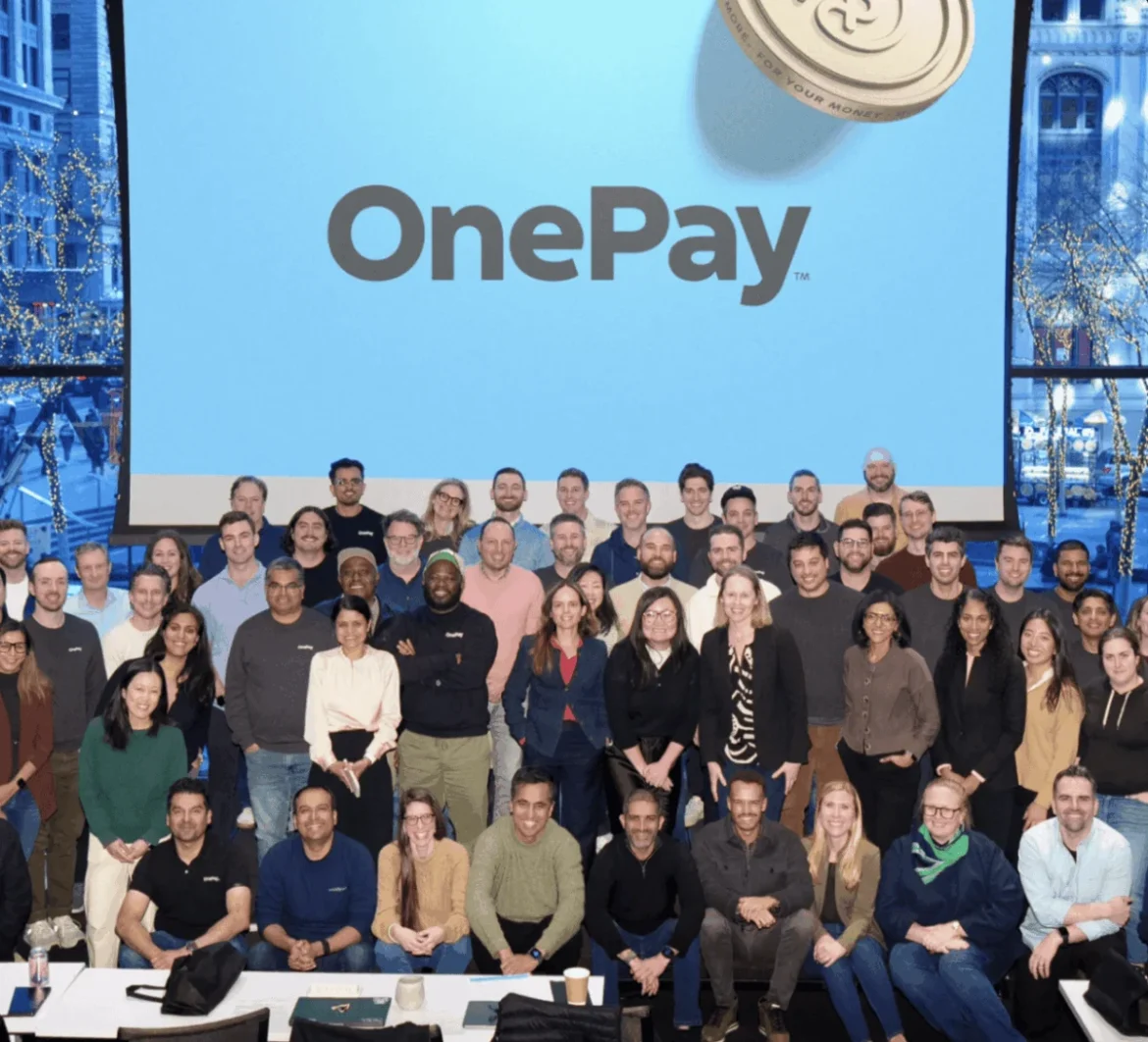
OnePay Launches Personal Loans Powered by Upgrade, Expanding Access to Larger, More Flexible Financing

by admin July 20, 2026
written by admin

Walmart-owned digital banking platform OnePay is significantly enhancing its service offerings this week with the introduction of personal loans, a strategic move that integrates larger and more flexible financing options directly into its mobile application. This expansion is made possible through a new partnership with Upgrade, a prominent alternative lender and fellow digital banking platform. The collaboration aims to provide OnePay’s growing customer base with a vital financial tool that addresses a persistent gap in credit accessibility for many Americans.

Strategic Partnership Enhances Financial Ecosystem

The integration of personal loans marks a pivotal moment for OnePay, which has been diligently building its digital banking super app since its inception in 2021. By embedding unsecured lending capabilities directly within its platform, OnePay is transitioning beyond its origins as a digital wallet and deposit service to become a more comprehensive financial services hub. This strategic alliance with Upgrade allows OnePay to leverage established lending infrastructure and underwriting expertise without the substantial undertaking of developing these capabilities in-house. For Upgrade, the partnership provides access to OnePay’s burgeoning customer base, creating a symbiotic relationship that benefits both entities in an increasingly competitive fintech landscape.

The personal loan product allows eligible OnePay users to apply for amounts ranging from $1,000 to $50,000. Successful applicants will be offered Annual Percentage Rates (APRs) that fall between 7.74% and 35.99%, with the ability to manage and repay their loans entirely within the OnePay app. This new offering is viewed by OnePay as a crucial advancement in its overarching mission to simplify, democratize, and enhance the utility of everyday financial services for its users.

Addressing the Credit Gap: OnePay’s Vision

Omer Ismail, CEO of OnePay, highlighted the critical need for improved credit access in the United States. "Getting access to credit in America today is harder than it should be," Ismail stated. "It’s never been more important to give consumers access to financing that’s simple, transparent, and meets them where they already are—and we’re excited to partner with Upgrade to introduce another financing option for our customers with OnePay Personal Loans." This sentiment underscores OnePay’s commitment to serving its customer base by providing financial tools that are both accessible and user-friendly, aligning with the convenience expected from a digital-first platform.

A key advantage of this integration lies in OnePay’s ability to streamline the application process. By utilizing information customers have already shared with the platform, OnePay can reduce the need for repetitive data entry, thereby minimizing friction for applicants. Furthermore, the platform can leverage existing customer data, including average daily balances, overdraft history, and spending patterns, for underwriting purposes. This data-driven approach enables OnePay to extend financing offers to some active customers as early as the same day, a significant acceleration compared to traditional lending timelines.

Upgrade’s Proven Lending Infrastructure

San Francisco-based Upgrade brings a wealth of experience and robust lending infrastructure to this partnership. Founded in 2017, Upgrade has established itself as a digital banking platform focused on offering checking and savings accounts, personal loans, credit cards, and reward programs. The company’s core philosophy revolves around low fees and promoting responsible credit usage to empower consumers in improving their financial well-being.

With a customer base exceeding 7.5 million individuals, Upgrade has facilitated over $42 billion in credit. Its innovative products, such as the Upgrade Card, are designed to encourage prompt balance repayment, discourage revolving debt, and foster responsible credit building. This proven track record makes Upgrade an ideal partner for OnePay, enabling the integration of substantial lending capabilities directly into the OnePay app.

Renaud Laplanche, CEO and Co-founder of Upgrade, expressed enthusiasm for the collaboration, emphasizing the impact of their personal loans. "Our personal loans offer consumers the breathing room they need to get on the best financial path," Laplanche remarked. "We’re proud that this partnership makes that resource more accessible to millions of OnePay customers." This statement reflects Upgrade’s mission to provide financial solutions that contribute positively to users’ financial journeys.

The Rebundling Trend in Fintech

The addition of a personal lending product signifies a major strategic evolution for OnePay. This move is emblematic of a broader trend in the fintech industry known as "rebundling." In recent years, the fintech landscape saw a period of "unbundling," where specialized apps emerged to offer single financial services. Now, many digital banking providers are moving back towards offering a more comprehensive suite of services, often through strategic partnerships rather than building every product from scratch. This approach allows companies like OnePay to rapidly expand their offerings and deepen customer engagement by integrating specialized fintech solutions into their existing platforms.

OnePay Teams with Upgrade to Add Personal Loans to its Banking App

For OnePay, partnering with Upgrade allows for a swift expansion of its product catalog without the significant capital investment and time required to develop a proprietary lending system. This allows them to focus on their core strengths in user experience, customer acquisition, and integrating various financial services. The partnership strategically aligns with the growing consumer demand for integrated financial platforms that offer convenience and a holistic view of their financial lives.

Implications for the Digital Banking Landscape

This collaboration between OnePay and Upgrade has several significant implications for the broader digital banking and fintech sectors.

Enhanced Customer Value Proposition

For OnePay customers, the introduction of personal loans directly within the app provides a seamless and convenient way to access much-needed credit. This integrated experience reduces the hassle of applying for loans through separate institutions, potentially leading to increased customer loyalty and engagement. The ability to manage all financial aspects, from daily spending to larger credit needs, within a single application is a powerful draw for consumers.

Competitive Advantage in a Crowded Market

As competition among digital banking platforms intensifies, offering a diverse range of integrated financial products is becoming crucial for differentiation. By partnering with Upgrade, OnePay is enhancing its competitive edge by providing a service that many of its rivals may not yet offer directly within their core application. This can attract new customers and retain existing ones by meeting a wider spectrum of financial needs.

Scalability and Efficiency for Fintechs

The partnership model demonstrated here offers a blueprint for other fintech companies looking to expand their offerings. Instead of bearing the full cost and complexity of developing new product lines, collaborating with specialized providers allows for faster market entry and a more efficient allocation of resources. This approach is particularly valuable for smaller or newer players looking to compete with established financial institutions.

Data-Driven Underwriting and Personalized Offers

OnePay’s ability to leverage existing customer data for underwriting is a testament to the power of data analytics in modern finance. This approach not only speeds up the lending process but also has the potential to create more personalized and responsible lending offers. By understanding customer behavior, OnePay and Upgrade can better assess risk and tailor financial products to individual needs, potentially leading to better financial outcomes for consumers.

Future of Financial Super Apps

The move by OnePay aligns with the vision of the "financial super app"—a single platform where users can manage all aspects of their financial lives. This includes banking, payments, investing, insurance, and lending. As more players embrace this model, consumers can expect a future where financial management is more integrated, intuitive, and accessible than ever before.

Broader Economic Context and Consumer Impact

The introduction of accessible personal loans by a major player like OnePay, backed by Walmart, could have a notable impact on consumer financial health. Many individuals struggle to access traditional credit due to factors such as limited credit history, low credit scores, or lack of collateral. Alternative lenders and digital platforms are increasingly filling this gap, providing essential capital for various needs, including debt consolidation, home improvements, medical expenses, or unexpected emergencies.

However, it is also important to consider the responsible lending aspect. While the APR range offered by OnePay (7.74% to 35.99%) reflects market standards for personal loans, consumers should always exercise caution and ensure they can afford the repayment terms. The transparency touted by OnePay and Upgrade is crucial, as it allows borrowers to make informed decisions. The emphasis on responsible credit usage by Upgrade, a key aspect of their operational philosophy, suggests a commitment to helping customers manage their debt effectively.

The timeline for the rollout of these personal loans is immediate, with the announcement indicating their availability this week. This rapid deployment highlights the agility of modern fintech partnerships. The successful integration and adoption of this new product will likely set a precedent for future service expansions by OnePay and influence the strategic decisions of other digital banking platforms seeking to broaden their financial ecosystems. As OnePay continues to evolve, its strategic alliances will be critical in shaping its trajectory as a comprehensive financial services provider for millions of consumers.

July 20, 2026 0 comment
0 FacebookTwitterPinterestEmail
FinTech Innovations

Embedded Finance Fuels Bank Balance Sheet Growth Through Strategic FinTech Pacts

by admin July 20, 2026
written by admin

The integration of embedded finance and the strategic alliances forged with financial technology (FinTech) companies are demonstrably enhancing the balance sheets of traditional banking institutions. Recent earnings reports from prominent players such as Fifth Third Bancorp, The Bancorp, and Pathward Financial Inc. reveal a spectrum of successful models that effectively translate partnerships with FinTechs and digital platforms into tangible deposit growth and substantial fee income. These evolving financial ecosystems underscore a significant shift in how banks are leveraging technology and collaboration to expand their reach and revenue streams beyond conventional channels.

Fifth Third Bancorp Demonstrates Success with In-House Embedded Finance Platform

Fifth Third Bancorp, in its second-quarter earnings release on July 17, 2026, highlighted the successful scaling of its proprietary embedded finance platform. The bank reported a significant increase in "Newline deposits," which are directly linked to its embedded finance initiative. These deposits surged by $2.1 billion during the second quarter. Complementing this deposit growth, Newline’s fee revenue experienced a robust 35% year-over-year increase. The Newline platform serves as a critical conduit, connecting FinTech companies and enterprises with Fifth Third’s comprehensive banking and payment infrastructure. This strategic approach allows the bank to cultivate a substantial deposit base and generate fee income from customers acquired through channels that bypass its traditional branch network, effectively expanding its market penetration.

The underlying strategy behind Fifth Third’s Newline platform is to offer a seamless integration of banking services into non-financial applications and platforms. By providing FinTechs with direct access to Fifth Third’s regulated banking capabilities, the bank positions itself as an essential partner in the digital economy. This not only diversifies its funding sources but also creates new avenues for revenue generation through transaction fees and service charges associated with these embedded financial products. The success of Newline signals a forward-thinking approach by Fifth Third to adapt to the changing financial landscape and capture value from the rapidly growing embedded finance market.

The Bancorp’s FinTech-Centric Model Drives Deposit Acquisition

In contrast, The Bancorp has architected a banking model where FinTech partnerships are the primary engine for deposit acquisition. The company’s first-quarter earnings report underscored the critical role of its FinTech Solutions segment, which encompasses embedded finance but is not exclusively limited to it. FinTech partnerships were credited with generating an impressive 93% of the company’s total deposits. This FinTech-centric approach has led to a substantial increase in average deposits, which reached $8.32 billion, marking a sequential increase of $721.1 million, or 9%. This growth is predominantly fueled by the ongoing expansion of deposits sourced through its extensive network of FinTech relationships.

Beyond deposit gathering, payments represent another significant component of The Bancorp’s economic model. The company reported a gross dollar volume of $52.51 billion on prepaid, debit, and credit card transactions, representing an 18% year-over-year increase. This surge in transaction volume translated into a 5% rise in prepaid, debit card, ACH, and other payment-related fees, reaching $32.5 million. This dual focus on deposit generation and payment processing through its FinTech partners positions The Bancorp as a key enabler of digital commerce and a beneficiary of the transactional flows within these ecosystems.

The Bancorp’s strategy is particularly notable for its deep integration with the FinTech ecosystem. By positioning itself as a core banking provider for a multitude of FinTech firms, the bank benefits from the scale and reach of its partners. This symbiotic relationship allows FinTechs to offer a broader range of financial services to their end-users without the need for a banking license, while The Bancorp gains access to a diverse and growing deposit base and a significant volume of payment transactions. This model effectively outsources customer acquisition and product development to FinTech innovators, allowing The Bancorp to focus on its core strengths in regulatory compliance, infrastructure, and risk management.

Pathward Financial’s Hybrid Approach: Custodial Services and Balance Sheet Deposits

Pathward Financial Inc. presents a third distinct variation in embedded finance delivery models. The company operates a partner-banking model that allows deposits associated with its Partner Solutions relationships to reside directly on Pathward’s balance sheet. Concurrently, it also functions as a custodian for customer deposits held at other financial institutions. This hybrid approach provides flexibility and diverse revenue streams.

As of the end of its most recent fiscal quarter in March, Pathward managed $1.07 billion in customer deposits held at other banks in its custodial capacity. These custodial balances generated $7.8 million in servicing fee income during its fiscal second quarter. This represents a notable increase from $6.5 million in the prior year and $3.4 million in the preceding quarter. Pathward attributes this growth to higher average deposit balances maintained at its partner banks. This custodial model allows Pathward to earn fees without holding the full regulatory capital requirements for those deposits, while still providing a valuable service to its partners and their customers.

The ability to act as both a direct deposit holder and a custodian allows Pathward to cater to a wider range of FinTech partners and their specific needs. For FinTechs that require direct access to banking services, Pathward offers its balance sheet. For those that may already have existing banking relationships or prefer a different structure, Pathward provides its custodial and servicing expertise. This adaptability is a key factor in its ability to capture value in the dynamic embedded finance landscape. The servicing fees generated from custodial deposits are a testament to the ongoing demand for specialized financial infrastructure and services that banks can provide to the FinTech industry.

Embedded Finance Delivery Models Diverge With Scale and Strategic Focus

The divergent approaches adopted by Fifth Third, The Bancorp, and Pathward underscore a key finding from a PYMNTS Intelligence report, "The Embedded Finance Scale Factor: How Firm Size Shapes Strategy, Technology and Partnership Decisions." This report indicates that as companies mature and grow, their strategies for implementing embedded finance capabilities evolve.

The PYMNTS Intelligence report revealed that 79% of middle-market companies and 80% of companies with annual revenues under $250 million plan to enhance their embedded finance capabilities within the next 12 months. This indicates a strong ongoing demand for these integrated financial solutions. In contrast, only 63% of companies with revenues exceeding $1 billion plan similar upgrades, likely because many of these larger enterprises already possess more sophisticated embedded finance infrastructure.

For banks, this escalating demand presents significant opportunities to capture the financial flows and transactions that underpin these increasingly embedded financial products. The report also highlighted that as companies scale, they often lean towards third-party providers to manage their embedded finance operations. While 26% of companies with annual revenues below $250 million utilize a single third-party provider, this figure rises significantly among larger corporations. Most companies with revenues exceeding $1 billion tend to rely on a single third-party for these services, suggesting a preference for specialized expertise and streamlined integration. Middle-market companies, meanwhile, exhibit a more balanced approach, with similar proportions opting to build capabilities internally, work with a single provider, or engage multiple providers.

The Growing Importance of Bank Charters in Embedded Finance

A critical insight from the PYMNTS Intelligence report is the growing emphasis on bank charters within the embedded finance ecosystem. The study found that 32% of middle-market companies identified a requirement for an embedded finance partner to hold a bank charter, the highest proportion across all revenue groups surveyed. A chartered banking institution possesses the inherent ability to hold deposits, issue credit, and facilitate direct money movement. This direct involvement places the regulated bank at the heart of the underlying economics of embedded financial relationships, offering a level of trust, security, and operational capability that non-bank entities cannot replicate.

The demand for chartered providers in embedded finance signifies a maturing market where trust and regulatory compliance are paramount. As more companies seek to upgrade their embedded finance capabilities and increasingly turn to external partners, traditional banks are strategically positioned to capitalize on these trends. By offering their regulated infrastructure and expertise, banks can effectively capture the economic value generated by these innovative financial products and services. The future of embedded finance appears to be one where established financial institutions play an indispensable role, not just as infrastructure providers, but as strategic partners enabling the seamless integration of financial services into every aspect of commerce and daily life. The success of Fifth Third, The Bancorp, and Pathward serves as compelling evidence of this evolving paradigm.

July 20, 2026 0 comment
0 FacebookTwitterPinterestEmail
NFT & Digital Assets

Rarible Launches Branded Onchain Storefronts With VeeFriends to Redefine Digital Brand Commerce

by admin July 20, 2026
written by admin

The evolution of digital trade has reached a significant milestone as Rarible, a leading non-fungible token (NFT) marketplace and protocol, officially unveiled its "Storefronts" initiative. This new feature aims to transform how brands interact with the blockchain by moving beyond the constraints of generic, aggregate marketplaces toward dedicated, immersive onchain environments. To mark the debut of this technology, Rarible has partnered with VeeFriends, the sprawling intellectual property ecosystem created by entrepreneur Gary Vaynerchuk. This collaboration represents a strategic shift in the Web3 landscape, signaling a transition from speculative digital asset trading to a more holistic, brand-centric commerce model.

As the digital economy migrates onchain, the industry is seeing a fundamental shift in how "front pages" are defined. In the traditional Web2 era, a brand’s website or social media profile served as its primary digital identity. In the emerging Web3 era, Rarible posits that the onchain storefront—a modular, branded, and sovereign space—will become the essential gateway for consumer interaction. By providing a dedicated hub for VeeFriends, Rarible is offering a blueprint for how legacy and native digital brands can manage their community engagement, storytelling, and asset distribution without the interference of third-party intermediaries.

Rarible Launches Branded Onchain Storefronts With VeeFriends

The Genesis and Growth of VeeFriends

The selection of VeeFriends as the inaugural partner for Rarible’s Storefronts is a calculated move based on the project’s historical performance and cultural resonance. Launched in May 2021 by Gary Vaynerchuk, VeeFriends began as an NFT collection of 268 unique characters, each hand-drawn by Vaynerchuk himself. These characters were designed to represent human traits that Vaynerchuk believes lead to happiness and success, such as "Patient Pig," "Gratitude Gorilla," and "Accountable Ant."

Since its inception, VeeFriends has matured into a multi-faceted media empire. It has successfully bridged the gap between digital collectibles and real-world utility through VeeCon—a multi-day "un-conference" for holders—as well as physical merchandise collaborations with global retailers like Macy’s and Toys "R" Us, and high-profile partnerships with brands like Mattel and Reebok. The VeeFriends ecosystem now encompasses animation, literature, and physical games, making it one of the few NFT-native projects to achieve mainstream brand recognition. By consolidating these disparate elements into a single onchain storefront, Rarible and VeeFriends are providing fans with a centralized destination to explore the lore, track asset statistics, and participate in the ecosystem’s economy.

Technical Infrastructure and Frictionless Onboarding

One of the primary hurdles to the mass adoption of onchain commerce has been the complexity of user onboarding. Historically, interacting with decentralized applications required users to manage private keys, navigate browser extensions, and understand the intricacies of "gas fees." The new VeeFriends storefront addresses these pain points by integrating a sophisticated technology stack designed for the "mainstream" user.

Rarible Launches Branded Onchain Storefronts With VeeFriends

Central to this experience is the integration of the VeeFriends Wallet, powered by Privy. This infrastructure utilizes "account abstraction," allowing users to create a secure digital wallet and sign into the storefront using only an email address. This removes the "seed phrase" barrier that has historically deterred non-technical users. Furthermore, the storefront leverages Crossmint, a leading enterprise-grade payment processor for the blockchain. Through Crossmint, collectors can purchase digital assets using traditional payment methods, including credit cards, Apple Pay, and Google Pay. This "fiat-to-onchain" bridge is essential for brands looking to expand their reach beyond the existing crypto-native audience.

Additionally, the storefront is deeply integrated with the $RARI rewards program. Managed by the RARI Foundation, this program incentivizes ecosystem participation. Transactions and engagement within the VeeFriends storefront may qualify users for $RARI rewards, creating a circular economy that benefits both the brand and its most loyal supporters. This loyalty-driven approach mirrors traditional retail reward programs but operates with the transparency and programmability of the blockchain.

A Strategic Pivot in the NFT Marketplace Wars

The launch of branded storefronts comes at a pivotal time for NFT marketplaces. For several years, the "marketplace war" was characterized by a race to the bottom regarding creator royalties and transaction fees. Platforms like Blur and OpenSea engaged in fierce competition to capture high-volume professional traders, often at the expense of the artists and brands that provide the underlying value.

Rarible Launches Branded Onchain Storefronts With VeeFriends

Rarible has consistently positioned itself as a "creator-centric" platform. By launching Storefronts, Rarible is pivoting away from the aggregate marketplace model—where a brand’s assets are listed alongside millions of unrelated items—and toward a "Shopify-style" model for Web3. In this new paradigm, Rarible acts as the infrastructure provider, allowing brands to maintain their own aesthetic, data, and community relationships. This modularity is key; brands can customize the look and feel of their space to ensure it aligns with their broader identity, rather than being forced into the standardized UI of a general marketplace.

Chronology of the Rarible Evolution

The journey toward the Storefronts launch can be traced through a series of strategic developments within the Rarible ecosystem over the past three years:

  1. 2021-2022: The Rise of the Protocol: Rarible transitioned from a simple website to a decentralized protocol, allowing developers to build their own marketplaces using Rarible’s shared liquidity and order book.
  2. 2023: The Royalty Stand: During the industry-wide debate over creator royalties, Rarible made a definitive stand by refusing to aggregate orders from marketplaces that did not honor royalties. This solidified its reputation among creators and major IP holders like VeeFriends.
  3. Late 2023: Launch of the RARI Chain: To combat high transaction costs on the Ethereum mainnet, the RARI Foundation launched RARI Chain, an EVM-equivalent Layer 3 solution built on Arbitrum. This provided the low-cost, high-speed environment necessary for high-volume commerce.
  4. 2024: Integration of Modern Auth and Payments: By partnering with Privy and Crossmint, Rarible laid the technical groundwork for a "Web2.5" experience—retaining the security of the blockchain while adopting the ease of use of traditional e-commerce.
  5. 2025: The Debut of Storefronts: The launch of the VeeFriends storefront marks the culmination of these efforts, moving the technology out of the "developer" phase and into the "consumer" phase.

Implications for the Future of Brand Commerce

The implications of onchain storefronts extend far beyond the niche of digital art. Industry analysts suggest that this technology represents the next phase of the "Direct-to-Consumer" (DTC) movement. By owning their onchain presence, brands can achieve a level of data sovereignty and customer intimacy that is currently impossible on centralized social media platforms or e-commerce aggregators.

Rarible Launches Branded Onchain Storefronts With VeeFriends

In a traditional setup, a brand selling on a major marketplace does not "own" the customer relationship; the marketplace does. Onchain storefronts flip this dynamic. Because the transactions happen on an open ledger, the brand has a direct, permanent link to its customers’ wallets. This allows for "token-gated" experiences, where owning a specific digital collectible grants access to exclusive physical merchandise, early ticket sales, or private community channels.

Furthermore, the "modular" nature of these storefronts means they can scale with the brand. A creator might start with a simple gallery of digital art but can eventually expand into a full-scale digital boutique featuring 3D assets for virtual worlds, digital twins of physical products, and loyalty badges.

Looking Ahead: Rarible Studio and Market Expansion

The partnership with VeeFriends is merely the first chapter in a broader rollout. Rarible has announced that in the coming weeks, several other "iconic brands" will launch their own dedicated storefronts. These brands are expected to span the sectors of fashion, gaming, and entertainment, further validating the demand for sovereign onchain spaces.

Rarible Launches Branded Onchain Storefronts With VeeFriends

Perhaps the most significant upcoming development is the launch of "Rarible Studio." This will be a self-service dashboard designed to democratize access to storefront technology. Currently, building a custom onchain experience requires significant technical resources. Rarible Studio aims to provide a "no-code" solution, allowing any brand or creator to build, manage, and scale their own storefront with the same ease as setting up a traditional website.

By empowering brands to take control of their onchain destiny, Rarible is betting on a future where the "metaverse" is not a single destination, but a vast network of interconnected, branded experiences. As commerce continues to migrate toward decentralized protocols, the ability to tell a brand’s story natively on the internet—without intermediaries—will likely become a primary competitive advantage. The VeeFriends launch is a signal to the broader market: the infrastructure for the next generation of global commerce is no longer a concept; it is operational.

July 20, 2026 0 comment
0 FacebookTwitterPinterestEmail
NFT & Digital Assets

Triple Trouble A Landmark Exhibition of Shepard Fairey Damien Hirst and Invader at Newport Street Gallery

by admin July 20, 2026
written by admin

London’s contemporary art landscape is set to undergo a seismic shift in the final quarter of 2025 as three of the most influential and polarizing figures in modern art history converge for a massive joint exhibition. Titled Triple Trouble, the showcase will occupy the entirety of the Newport Street Gallery in Vauxhall, representing a significant collaboration between the gallery and the technology-driven art platform HENI. Curated by Connor Hirst, the exhibition is scheduled to run from October 10, 2025, to March 29, 2026, offering a comprehensive look at the intersection of street culture, pop iconography, and high-concept fine art.

The exhibition brings together American street art pioneer Shepard Fairey, British conceptual titan Damien Hirst, and the enigmatic French mosaic artist Invader. While these three artists emerged from different geographical and stylistic backgrounds, Triple Trouble seeks to highlight the shared DNA in their work: a preoccupation with branding, the power of repetition, and the subversion of public and private spaces. By utilizing all six of Newport Street Gallery’s expansive rooms, the show promises to be one of the most significant cultural events in London’s 2025–2026 winter season.

The Architects of Disruption: Profiles in Contemporary Art

To understand the magnitude of Triple Trouble, one must look at the individual trajectories of the three featured artists, each of whom has redefined the boundaries of the art market over the last three decades.

Shepard Fairey first gained international notoriety in the late 1980s with his "Andre the Giant Has a Posse" sticker campaign, which eventually evolved into the global "OBEY" brand. Fairey’s work is rooted in the tradition of political propaganda and social critique, utilizing a restricted color palette of red, black, and cream to create immediate visual impact. His 2008 "HOPE" poster for Barack Obama’s presidential campaign remains one of the most recognizable pieces of political art in history, cementing his transition from a guerrilla street artist to a household name. In Triple Trouble, Fairey’s contribution is expected to focus on the aesthetics of power and the persistence of the graphic image in an era of digital saturation.

Damien Hirst, the primary force behind the Young British Artists (YBA) movement of the 1990s, provides the conceptual anchor for the exhibition. Hirst’s career has been defined by his willingness to confront the themes of death, belief, and the mechanics of the art market. From his "Natural History" series, featuring animals preserved in formaldehyde, to his ubiquitous "Spot Paintings," Hirst has mastered the art of the "series." His involvement in Triple Trouble marks a continued exploration of how art is consumed as a commodity, a theme he has explored extensively through his partnership with HENI, most notably in his "The Currency" project, which forced collectors to choose between a physical artwork and its digital NFT counterpart.

The trio is completed by Invader, the pseudonymous French artist who has "invaded" over 80 cities worldwide with his pixelated mosaic tiles. Inspired by the 8-bit graphics of 1970s and 80s arcade games, Invader’s work bridges the gap between the digital and physical worlds. By placing his mosaics in highly visible or strategically hidden urban locations, he turns the global landscape into a massive, interactive game. His inclusion in a gallery setting like Newport Street provides a unique opportunity to view his "Rubikcubism" works—sculptures and paintings made entirely from Rubik’s Cubes—which challenge the viewer’s perception of resolution and form.

Triple Trouble: Shepard Fairey, Damien Hirst, and Invader Join Forces for Monumental Exhibition at Newport Street Gallery

Chronology and Event Logistics

The rollout of Triple Trouble has been meticulously planned to coincide with the peak of the autumn art season in London.

  • Opening Reception: A private view and opening event are scheduled for Thursday, October 9, 2025, from 6:00 pm to 8:00 pm. This event is expected to draw a significant crowd of international collectors, critics, and cultural figures.
  • Public Opening: The exhibition opens to the general public on Friday, October 10, 2025.
  • Duration: The show will remain on view for nearly six months, closing on March 29, 2026.
  • Venue Details: Newport Street Gallery, located in the London borough of Lambeth, was designed by Caruso St John Architects and won the RIBA Stirling Prize in 2016. The gallery was founded by Damien Hirst to share his extensive private art collection with the public, making it the natural home for this collaborative effort.
  • Admission: In keeping with the gallery’s mission to make art accessible, admission to Triple Trouble will be free of charge, though advanced booking may be required due to anticipated high demand.

Curatorial Vision: Synergy and Symbolic Tension

Curator Connor Hirst has designed the exhibition to be more than a simple three-person group show. Instead, the layout is intended to create a dialogue between the works, emphasizing how each artist uses "the icon" to communicate complex social and philosophical ideas.

One of the central themes of the exhibition is the concept of "The Multiples." All three artists have utilized mass production and repetition as a core component of their practice. Fairey uses screen printing and stencils to disseminate his message; Hirst employs a studio system to produce hundreds of spot and butterfly paintings; Invader replicates a single digital character in thousands of physical locations.

According to preliminary curatorial notes, the exhibition will feature several never-before-seen collaborations. These pieces are rumored to involve Hirst’s clinical, pharmaceutical aesthetics merged with Fairey’s propaganda-style portraiture, and Invader’s low-res mosaic textures applied to Hirst’s iconic conceptual frameworks. This "mashup" approach reflects the contemporary reality of the art world, where the lines between different genres—and between the street and the gallery—have become increasingly blurred.

Technological Intersection and the Digital Frontier

A significant aspect of Triple Trouble is its connection to the evolving world of digital art and blockchain technology. While the physical exhibition remains the primary focus, the involvement of HENI suggests a strong digital component. HENI has been a pioneer in integrating the traditional art world with the NFT (Non-Fungible Token) space, having managed Hirst’s "The Currency" and "Empress" series.

Shepard Fairey has also been an active participant in the digital art revolution, launching several NFT collections that explore the provenance and ownership of street art in the digital age. Similarly, Invader has experimented with "FlashInvaders," an augmented reality app that allows fans to "score points" by finding and photographing his mosaics in the real world.

Industry analysts suggest that Triple Trouble will serve as a case study for how "blue-chip" artists can successfully navigate the transition between physical mastery and digital innovation. By showcasing these artists in a traditional gallery setting while acknowledging their digital footprints, the exhibition highlights the "phygital" (physical-digital) nature of modern art collecting. This relevance to the NFT community is expected to attract a younger demographic of collectors who view blockchain-native art as a legitimate extension of the fine art continuum.

Triple Trouble: Shepard Fairey, Damien Hirst, and Invader Join Forces for Monumental Exhibition at Newport Street Gallery

Market Implications and Cultural Analysis

The announcement of Triple Trouble comes at a time when the global art market is seeking stability through established names with proven track records. By grouping Fairey, Hirst, and Invader, Newport Street Gallery is presenting a "power trio" that appeals to both institutional critics and commercial investors.

From a market perspective, the exhibition is likely to bolster the secondary market prices for all three artists. Hirst’s market has seen a resurgence in recent years as he continues to innovate with materials and technology. Fairey’s work remains a staple for collectors interested in the intersection of art and activism, and Invader’s mosaics have become some of the most sought-after pieces in the urban art category, often fetching six-figure sums at major auction houses like Sotheby’s and Christie’s.

Culturally, the exhibition challenges the lingering stigma surrounding street art in formal gallery spaces. While the debate over whether street art "belongs" inside a museum was settled decades ago, Triple Trouble pushes the conversation further by asking how these artists maintain their disruptive edge once they have been embraced by the establishment. The "trouble" in the title suggests that despite their success, these artists continue to provoke, irritate, and question the status quo.

Final Assessment of Impact

Triple Trouble is positioned to be a defining moment for Newport Street Gallery and the participating artists. For Shepard Fairey, it is a high-profile validation of his influence on the European art scene. For Invader, it is a rare opportunity to showcase the scale and depth of his studio practice beyond the street. For Damien Hirst, it is a homecoming and a reaffirmation of his role as a curator and catalyst for cultural conversation.

As London continues to compete with cities like New York, Paris, and Hong Kong for dominance in the global art market, large-scale, free exhibitions like Triple Trouble are essential. They provide a space for public engagement with complex ideas while maintaining the city’s reputation as a hub for creative risk-taking. Whether viewed through the lens of political activism, conceptual rigor, or digital nostalgia, the collision of these three "mavericks" ensures that the cultural conversation in the winter of 2025 will be dominated by the questions raised within the walls of Newport Street Gallery.

July 20, 2026 0 comment
0 FacebookTwitterPinterestEmail
Tech & Startup News

Alphabet Engineers Next-Generation Frozen v2 AI Chip to Enhance Gemini Model Efficiency and Reduce Operational Costs

by admin July 20, 2026
written by admin

Alphabet, the parent organization of Google, has reportedly commenced the development of a sophisticated new server processor designed to significantly optimize the performance of its proprietary Gemini artificial intelligence models. Internally designated as Frozen v2, the specialized silicon is anticipated to reach the production and deployment phase by 2028. This strategic move, first detailed in a report by The Information, underscores a broader industry shift toward custom hardware as technology giants seek to mitigate the astronomical costs and power requirements associated with large-scale generative AI.

According to internal sources familiar with the project, the Frozen v2 chip is being engineered with a primary focus on inference efficiency—the process by which an AI model generates responses to user queries. Preliminary projections suggest that the new architecture could achieve an efficiency gain of six to ten times over Google’s current generation of AI accelerators, measured specifically by the volume of tokens generated per unit of power consumed. This leap in performance is critical as Google looks to integrate Gemini more deeply across its ecosystem, including Search, Workspace, and the Android operating system.

The Strategic Necessity of Custom Silicon

The development of Frozen v2 represents a pivotal moment in Alphabet’s long-term hardware roadmap. For over a decade, Google has been a pioneer in custom silicon through its Tensor Processing Units (TPUs), which have been instrumental in training massive neural networks. However, the generative AI era has introduced new challenges that generic or even early-generation custom chips struggle to address. As models like Gemini 1.5 Pro grow in complexity and context window size, the computational overhead required to maintain low-latency responses has skyrocketed.

By designing Frozen v2 from the ground up, Google aims to achieve a level of vertical integration that is impossible when relying on third-party hardware. This "full-stack" approach allows for the co-design of software algorithms and hardware circuitry. When the architecture of a chip is tailored to the specific mathematical operations required by a transformer-based model like Gemini, the energy waste typically associated with general-purpose computing is drastically reduced.

Addressing the "Nvidia Tax" and Supply Chain Constraints

A significant driver behind the Frozen v2 project is the industry-wide effort to reduce dependency on Nvidia. Currently, Nvidia commands an estimated 80% to 95% of the market for AI chips, with its H100 and Blackwell architectures serving as the gold standard for AI training and inference. However, this dominance has created a bottleneck for the entire tech sector. High demand has led to long lead times, and the premium pricing commanded by Nvidia—often referred to as the "Nvidia Tax"—has strained the capital expenditure budgets of even the wealthiest corporations.

Google is not alone in this endeavor. The landscape of 2024 and 2025 has been defined by a "silicon arms race" among major AI players:

  • OpenAI: In June, the Microsoft-backed organization announced "Jalapeño," its first custom inference processor developed in collaboration with Broadcom.
  • Anthropic: Reports recently surfaced indicating that the AI startup is in high-level discussions with Samsung to develop its own proprietary chips to power the Claude series of models.
  • Microsoft and Amazon: Both companies have already deployed their own custom silicon, such as the Azure Maia 100 and AWS Trainium/Inferentia chips, respectively.

For Alphabet, the successful deployment of Frozen v2 would not only lower operational costs but also provide a safeguard against global supply chain volatility. By diversifying its hardware portfolio, Google ensures that its AI roadmap is not dictated by the production schedules of a single external vendor.

Economic Implications and Investor Sentiment

The news of the Frozen v2 development comes at a sensitive time for Alphabet’s relationship with Wall Street. In early 2024, Alphabet signaled a massive increase in capital expenditures, projecting annual spending between $180 billion and $190 billion. Much of this capital is earmarked for the construction of data centers and the acquisition of the hardware necessary to compete in the AI space.

Investors have expressed growing concern regarding the "return on investment" for AI infrastructure. The "unspoken contract" between Big Tech and the market—where high spending is tolerated only if it leads to immediate revenue growth—has been under pressure. However, the prospect of a chip that is ten times more efficient appears to have provided a necessary morale boost. Following the leak of the Frozen v2 project, Alphabet’s stock (GOOGL) saw a 3% uptick, reflecting investor optimism that the company is finding ways to make its AI ambitions economically sustainable in the long run.

If Google can generate ten times the output for the same electricity cost, the profit margins on its AI-powered services could expand significantly. This efficiency is also vital for the sustainability of "free" AI services, such as Gemini’s integration into Google Search, where the cost-per-query is a major factor in the company’s bottom line.

Technical Context: Tokens, Power, and the Inference Challenge

To understand the significance of the "six to ten times" efficiency claim, one must look at the mechanics of AI inference. In the context of large language models (LLMs), a "token" is a basic unit of text, roughly equivalent to four characters. Generating a single response can require thousands of tokens.

The current bottleneck in AI data centers is not just the speed of the chips, but the power they draw and the heat they generate. Modern data centers are increasingly limited by the capacity of the local electrical grid. If Google can produce more tokens per watt, it can effectively "squeeze" more intelligence out of its existing data center footprint without needing to build new power-hungry facilities at an unsustainable rate.

Frozen v2 is expected to utilize advanced manufacturing processes, likely the 2-nanometer or 3-nanometer nodes from foundries like TSMC or Samsung. Furthermore, the chip is rumored to incorporate specialized memory architectures to handle the massive data throughput required by Gemini’s large context windows, which can process up to two million tokens in a single session.

Official Response and Corporate Strategy

When reached for comment, Google maintained a characteristic level of corporate discretion, neither confirming nor denying the specific details of the Frozen v2 project. A spokesperson for the company stated: "Our teams are constantly researching and experimenting with new innovations to deliver maximum performance and efficiency for our users and customers. While not every project moves into production, this rigorous exploration is central to our full stack approach. By co-designing our hardware and software from the ground up, we ensure our systems are integrated and highly optimized for real-world workloads."

This statement reflects Google’s broader philosophy of "System-Defined Silicon." Rather than building a chip and then figuring out what software to run on it, Google identifies the specific needs of its most advanced models and builds the silicon to match. This methodology was successful with the TPU, and Frozen v2 appears to be the next logical evolution of that strategy, specifically tuned for the inference-heavy world of 2028.

Timeline and Future Outlook

While 2028 may seem distant in the fast-moving world of AI, the lead times for semiconductor design and fabrication are immense. A typical high-end server chip requires three to five years of development, encompassing architecture design, "taping out," testing, and finally, mass production.

The timeline suggests that Google expects the current era of "brute force" AI scaling to eventually give way to an era of "efficiency scaling." By the time Frozen v2 is deployed, the industry will likely have moved beyond current transformer architectures. Google’s hardware team must, therefore, design a chip that is flexible enough to handle the AI architectures of the late 2020s while being specialized enough to provide the promised efficiency gains.

As the 2028 release date approaches, the industry will be watching to see if Google can maintain its lead in the custom silicon space. If Frozen v2 delivers on its promise, it could set a new benchmark for the industry, forcing competitors to further accelerate their own hardware programs. In the interim, Google will continue to rely on its TPU v5p and v6 iterations, alongside its significant investments in Nvidia’s Blackwell platform, to bridge the gap.

Ultimately, the Frozen v2 project is more than just a technical upgrade; it is a declaration of independence. By taking control of its silicon destiny, Alphabet is positioning itself to lead the AI industry into its next phase—one defined not just by how smart the models are, but by how efficiently they can be delivered to billions of users worldwide.

July 20, 2026 0 comment
0 FacebookTwitterPinterestEmail
Tech & Startup News

Autonomous Swarm Drones Emerge as the New Frontier in Rapid Response Wildfire Suppression Efforts

by admin July 20, 2026
written by admin

In the rugged terrains of California and the vast wilderness of Alaska, a new vanguard in the battle against wildfires is taking flight. This summer, a series of experimental deployments featuring autonomous drones capable of precision-spraying water and fire retardants has signaled a potential paradigm shift in emergency management. As climate change continues to compress the traditional "fire season" into a perennial threat across the United States, fire agencies and private innovators are looking toward unmanned aerial systems (UAS) to bridge the gap between initial smoke detection and the arrival of heavy aerial tankers.

The concept of using drones for firefighting is not entirely new, but the sophistication of the technology being tested marks a departure from simple reconnaissance. Unlike the surveillance drones used for years to map perimeters, these new platforms are designed for active suppression. They represent a tactical evolution: the "initial attack" phase, where the goal is to snuff out small ignitions before they escalate into the uncontrollable conflagrations that have devastated Western states in recent years.

The CAL FIRE Field Demonstration and Swarm Intelligence

On July 15, the California Department of Forestry and Fire Protection (CAL FIRE) conducted a pivotal field test that showcased the operational viability of autonomous swarms. Working in conjunction with the nonprofit FireWERX and Seneca, a California-based technology firm, CAL FIRE deployed five autonomous drones in a coordinated effort to suppress simulated fire lines. During the demonstration, the fleet successfully delivered between 500 and 1,000 gallons of fire-suppressing foam, demonstrating a level of synchronization previously reserved for high-end military applications.

The core of this demonstration was the Argo-1 drone, developed by Seneca. These units do not operate as isolated tools but as a cohesive "swarm." Each Argo-1 is capable of carrying approximately 100 pounds of payload—whether it be water, foam, or specialized fire retardant. In the July test, the drones worked in groups of four to six, a configuration designed to maximize the saturation of a target area.

The operational flow begins with a human supervisor who identifies a fire’s coordinates and uploads a GPS waypoint to the swarm’s control interface. From that point, the drones operate with a high degree of autonomy. Utilizing a suite of onboard sensors, the drones navigate toward the waypoint and then transition to localized detection mode. They use thermal imaging and infrared sensors to pinpoint the specific heat signature of the fire, allowing them to ignore smoke and visual obstructions that might confuse a human pilot. Once the "hot spot" is identified, the drones calculate the optimal hovering altitude and wind compensation before lining up in a disciplined queue to release their payloads one after the other.

Technical Specifications and the Logistics of Portability

While the payload of a single drone is modest compared to a converted DC-10 airtanker, which can drop up to 12,000 gallons of retardant in a single pass, the Seneca Argo-1 is designed for a different mission profile. The primary constraint of the current generation of firefighting drones is their range and power density. The Argo-1 fleet is currently limited to a round trip of approximately 10 miles, flying at an average speed of 30 miles per hour.

This limited range necessitates a "pre-positioning" strategy. For these drones to be effective, they must be stationed near high-risk areas—such as the wildland-urban interface (WUI)—or transported rapidly via ground vehicles. To facilitate this, Seneca designed the Argo-1 with a focus on field logistics. An empty drone is light enough to be carried by two people, and the physical footprint is small enough that a single unit can fit into the bed of a standard pickup truck with the tailgate down.

This portability allows fire crews to bring a "portable air force" directly to the front lines. In scenarios where terrain is too steep for ground crews or where smoke makes it too dangerous for crewed helicopters to fly low, a swarm of drones can be launched from the nearest accessible road to provide immediate suppression.

The XPRIZE Wildfire Competition and Global Innovation

The momentum behind this technology is being accelerated by the XPRIZE Wildfire competition, an $11 million global incentive designed to push the boundaries of fire detection and suppression technology. The competition challenges innovators to develop systems that can detect a fire across a vast landscape and extinguish it within minutes of ignition.

The involvement of organizations like FireWERX and Seneca in these competitions underscores a growing consensus among experts: the current model of firefighting is struggling to keep pace with "mega-fires." Traditional aerial assets are often grounded during the night or in heavy smoke due to safety regulations for human pilots. Autonomous drones, however, do not share these limitations. They can fly 24/7, operating in "blackout" conditions where visibility is zero, provided their thermal sensors can lock onto the heat source.

Organizers of the XPRIZE emphasize that the goal is not to replace the heroic efforts of human firefighters but to give them a "force multiplier." By automating the suppression of small, remote fires, agencies can reserve their billion-dollar tanker fleets and ground crews for larger, more complex incidents.

Economic and Environmental Drivers of Adoption

The push for drone integration is driven by staggering economic and environmental data. According to the National Interagency Fire Center (NIFC), the United States has seen a marked increase in the frequency of fires exceeding 100,000 acres—often referred to as "megafires." In 2020 and 2021 alone, California saw millions of acres burned, resulting in billions of dollars in property damage and suppression costs.

The "initial attack" window is the most critical period in wildfire management. Data from fire scientists suggests that if a fire can be reached and suppressed within the first 15 to 30 minutes of ignition, the probability of it becoming a major disaster drops exponentially. Currently, the response time for crewed aircraft can be delayed by flight clearances, pilot availability, and the distance from regional airbases. Autonomous drones, pre-positioned in fire-prone corridors, could theoretically respond within minutes of a lightning strike or a transformer failure.

Furthermore, the cost-benefit analysis of drone swarms is compelling. While a single large airtanker costs tens of thousands of dollars per hour to operate, a swarm of electric or hybrid drones represents a fraction of that cost. There is also the human cost to consider; aerial firefighting is one of the most dangerous jobs in the world. Transitioning high-risk, low-altitude maneuvers to autonomous systems significantly reduces the potential for pilot fatalities.

Regulatory Hurdles and the Path to 2026

Despite the success of the summer trials, several hurdles remain before drone swarms become a standard feature of the American landscape. The Federal Aviation Administration (FAA) maintains strict regulations regarding the operation of multiple autonomous aircraft in the same airspace, particularly during active emergency incidents where other crewed aircraft may be present.

Seneca has indicated that its Argo-1 systems will be commercially available starting in 2026. Between now and then, the company and its partners at CAL FIRE will continue to refine the software that manages swarm coordination. One of the primary technical challenges is "deconfliction"—ensuring that drones do not collide with one another or with low-flying helicopters while maneuvering in the turbulent air created by a fire’s heat.

There is also the matter of infrastructure. To be truly effective, these drones will require a network of automated charging stations or "nests" located in remote areas. These stations would need to be ruggedized to withstand the very fires the drones are meant to fight, potentially utilizing solar power and satellite links to remain operational in the event of a grid failure.

A Strategic Shift in Wildfire Management

The successful tests in California and Alaska represent more than just a technological curiosity; they represent a strategic shift. For decades, the philosophy of firefighting was reactive—marshalling massive resources to battle a fire once it had already gained momentum. The emergence of autonomous drone swarms suggests a future that is more proactive and distributed.

By the time Seneca’s drones hit the commercial market in 2026, the landscape of the American West may look even more precarious. However, the data gathered from this summer’s trials provides a glimmer of hope. If a swarm of five drones can deliver 1,000 gallons of foam to a remote ridge in minutes, it may be enough to turn a potential catastrophe into a footnote in a daily sit-rep.

As CAL FIRE and other agencies continue to evaluate the results of the July 15 tests, the focus remains on integration. The goal is a hybrid ecosystem where satellite detection, AI-driven risk modeling, and autonomous drone swarms work in concert with human experts to manage the rising threat of wildfires in a warming world. The era of the "robot firefighter" has moved out of the realm of science fiction and onto the fire lines of the Pacific Northwest and the Sierra Nevada.

July 20, 2026 0 comment
0 FacebookTwitterPinterestEmail
Tech & Startup News

Mashable Expands Digital Footprint with the Launch of Mashable 101 and Enhanced Creator Hub Integration

by admin July 20, 2026
written by admin

Mashable, a global leader in multi-platform media and entertainment, has officially signaled a strategic pivot toward the burgeoning creator economy with the announcement of The Mashable 101, a comprehensive initiative designed to highlight the world’s most influential digital voices through 2026. This expansion, centered around a newly reinforced Creator Hub, represents a significant evolution for the digital-native publication as it seeks to bridge the gap between traditional technology reporting and the decentralized world of social media influence. By integrating specialized verticals such as Tech, Science, Life, Social Good, and Entertainment with a robust commerce engine focused on Deals and Shopping, Mashable is positioning itself as a central node in the modern digital ecosystem.

The centerpiece of this strategy, The Mashable 101, is more than a simple list; it is a curated ecosystem that evaluates creators based on their impact on technology, culture, and social change. As the digital landscape becomes increasingly fragmented, the need for authoritative curation has grown. Mashable’s move to formalize its coverage of creators reflects a broader industry trend where the "individual as a brand" is becoming as influential as the "publication as a brand." This strategic shift is backed by a restructured navigation and user interface designed to streamline the consumer experience across various high-growth sectors, including gaming and social advocacy.

The Evolution of Mashable: From Tech Blog to Cultural Authority

To understand the significance of the Mashable 101 and the Creator Hub, one must examine the publication’s trajectory. Founded in 2005 by Pete Cashmore in a small town in Scotland, Mashable began as a niche blog focusing on social media news. Over the past two decades, it has navigated the volatile waters of digital media, surviving the transition from the "pivot to video" era to the current era of AI-driven search and affiliate-heavy revenue models.

In 2017, Mashable was acquired by Ziff Davis (then J2 Global), a move that integrated the site into a massive portfolio of tech and lifestyle brands. Under this corporate umbrella, Mashable transitioned from a venture-backed startup focused on viral growth to a sustainable media entity focused on high-intent audiences. The current emphasis on the Creator Hub and The Mashable 101 suggests a return to the publication’s roots—social media—but with the sophisticated data analytics and commerce integration that modern digital publishing requires.

The Creator Economy: A Data-Driven Rationale

The decision to double down on creator-centric content is supported by significant economic data. According to reports from Goldman Sachs, the creator economy is estimated to be a $250 billion industry in 2023, with projections suggesting it could reach $480 billion by 2027. This growth is driven by a shift in advertising spend, as brands move away from traditional television and display ads toward influencer partnerships and sponsored content.

By launching the Creator Hub, Mashable is attempting to capture a larger share of this market. The platform serves as a dedicated space for analyzing the business of being a creator, providing insights into platform algorithms, monetization strategies, and the intersection of technology and creativity. This is particularly relevant as platforms like TikTok, YouTube, and Instagram continue to evolve their revenue-sharing models, creating a constant demand for expert analysis and reporting.

Furthermore, Mashable’s internal data likely indicates a high level of engagement with "human-interest" tech stories. While traditional hardware reviews remain a staple of the Tech vertical, the most viral and resonant stories often involve the people using that technology to build communities or solve social problems. The Mashable 101 formalizes this interest, providing a structured way for the audience to discover and interact with the leaders of these digital movements.

Strategic Integration of Verticals: Tech, Science, and Social Good

A key aspect of Mashable’s new structure is the intentional overlap between its core content pillars. The navigation menu—highlighting Tech, Science, Life, Social Good, and Entertainment—suggests a holistic approach to reporting.

Tech and Science

In the Tech and Science sections, the focus has shifted from mere product announcements to the broader implications of innovation. As artificial intelligence (AI) and biotechnology become more integrated into daily life, Mashable’s reporting has increasingly focused on the ethics and societal impacts of these advancements. The Mashable 101 will likely include creators who are demystifying these complex topics for a general audience, such as science communicators on YouTube or tech ethicists on Substack.

Social Good

Mashable has long maintained a commitment to "Social Good," a vertical that distinguishes it from more clinical tech publications. This section covers activism, climate change, and corporate responsibility. By linking the Creator Hub to Social Good, Mashable acknowledges that modern creators are often the primary drivers of social movements. From climate activists to mental health advocates, the creators featured in The Mashable 101 are expected to represent a diverse array of causes, aligning with the publication’s historical emphasis on using technology for positive change.

The Commerce Engine: Deals, Shopping, and Games

While editorial content provides the authority, the "Deals" and "Shopping" sections provide the financial sustainability. The modern media landscape has seen a decline in traditional display advertising revenue, leading many outlets to adopt affiliate marketing models. Mashable’s "Shopping" vertical is a sophisticated operation that uses SEO data and consumer trends to recommend products, from the latest tech gadgets to lifestyle essentials.

The integration of "Games" via a dedicated external portal (games.mashable.com) further diversifies the brand’s reach. The gaming industry, which now generates more revenue than the film and music industries combined, is a natural fit for a tech-focused publication. By providing a dedicated space for gaming news and reviews, Mashable is tapping into a highly engaged demographic that is also a primary consumer of creator content. The synergy between gaming, creator culture, and commerce is a cornerstone of the Mashable 101 initiative.

Industry Reactions and Competitive Landscape

The launch of a creator-focused hub and a definitive "101" list has drawn attention from competitors and industry analysts. Media giants like Vox Media (with The Verge) and BuzzFeed have also increased their coverage of the creator economy, leading to a crowded marketplace. However, analysts note that Mashable’s specific focus on "Social Good" and its long-standing reputation in the social media space give it a unique advantage.

"Mashable is going back to its DNA," says one digital media consultant. "They were the first to treat social media as a serious beat. By formalizing the Creator Hub, they are essentially reclaiming their territory in a way that feels authentic to their brand history."

Advertisers have also expressed interest in the Mashable 101. For brands, such lists provide a "vetted" directory of talent for potential partnerships. In an era of "brand safety" concerns, a recommendation from a reputable outlet like Mashable carries significant weight. This creates a multi-stream revenue opportunity: affiliate sales from product recommendations, traditional advertising on high-traffic listicles, and potential event sponsorships related to the Mashable 101 summit or awards.

Future Implications: The Path to 2026

The reference to "2026" in the Mashable 101 project indicates a long-term commitment to this editorial direction. This suggests that Mashable is not viewing the creator economy as a passing fad but as the permanent future of media consumption. Over the next three years, we can expect to see several developments:

  1. AI-Enhanced Personalization: As Mashable gathers more data on how users interact with the Creator Hub, it will likely implement AI tools to provide personalized creator recommendations and shopping deals.
  2. Interactive Content: The Mashable 101 is expected to evolve from a static list into an interactive experience, potentially involving video documentaries, podcasts, and live-streamed events featuring the creators.
  3. Expansion into Web3 and Decentralized Media: As creators explore NFTs, DAOs, and decentralized platforms, Mashable’s Tech and Creator Hub verticals will likely be at the forefront of reporting on how these technologies change the relationship between influencers and their audiences.
  4. Sustainability in Shopping: Given the "Social Good" focus, Mashable’s commerce engine may shift toward highlighting sustainable and ethical products, catering to the values of Gen Z and Millennial consumers.

Conclusion

The expansion of Mashable’s digital ecosystem through The Mashable 101 and the Creator Hub marks a definitive moment in the publication’s history. By aligning its editorial expertise in tech, science, and social good with the economic powerhouse of the creator economy and affiliate commerce, Mashable is creating a resilient business model for the mid-2020s.

As the lines between creator, consumer, and journalist continue to blur, Mashable’s role as a curator and analyst becomes increasingly vital. The Mashable 101 is not just a celebration of digital influence; it is a strategic roadmap for how a legacy digital media brand can thrive in an era of constant disruption. Through this initiative, Mashable reaffirms its position as a primary destination for those looking to understand how technology is reshaping our culture, our careers, and our world.

July 20, 2026 0 comment
0 FacebookTwitterPinterestEmail
Artificial Intelligence & Tech

A Beginner’s Guide to Setting Up Claude Code for High Performance Agentic Programming

by admin July 20, 2026
written by admin

The landscape of software development is undergoing a fundamental shift as artificial intelligence transitions from passive autocomplete suggestions to active, agentic collaborators. At the forefront of this movement is Claude Code, a specialized command-line interface (CLI) tool developed by Anthropic. Unlike traditional chatbots that require manual copying and pasting of code, Claude Code operates directly within the developer’s environment, capable of reading files, running terminal commands, and executing complex multi-step tasks. However, the efficacy of this tool is heavily dependent on its initial configuration. While basic installations provide a functional experience, achieving high-performance agentic programming requires a sophisticated setup involving specific configuration files, permission protocols, and automated hooks.

The Evolution of Agentic Development Tools

To understand the significance of Claude Code, one must look at the trajectory of AI-assisted coding. The journey began with basic linting and snippet suggestions, eventually evolving into Large Language Model (LLM) powered tools like GitHub Copilot and Cursor. While these tools significantly reduced boilerplate work, they remained largely reactive. The industry’s move toward "agentic" programming represents a shift where the AI can plan, execute, and verify its own work with minimal human intervention.

Anthropic’s release of Claude 3.5 Sonnet marked a turning point in this evolution. On the SWE-bench Verified benchmark—a rigorous test of an AI’s ability to solve real-world GitHub issues—Claude 3.5 Sonnet demonstrated a state-of-the-art success rate of 49%, significantly outperforming previous models. Claude Code was built to harness this reasoning capability within a native developer workflow. By providing the model with a "Bash" tool and file system access, Anthropic transformed the LLM from a consultant into a collaborator.

Technical Architecture and Installation Protocols

Claude Code is designed to run as a standalone CLI, bridging the gap between the local file system and Anthropic’s cloud-based reasoning engines. The installation process varies by operating system, but the objective remains the same: to establish a secure, authenticated link to the Claude API.

For macOS, Linux, or Windows Subsystem for Linux (WSL) users, the primary installation method is a shell script:
curl -fsSL https://claude.ai/install.sh | bash

Windows users utilizing PowerShell can use:
irm https://claude.ai/install.ps1 | iex

Alternatively, developers who prefer managing their environment via Node.js can install the package globally using npm:
npm install -g @anthropic-ai/claude-code

A critical component of a high-performance setup is the initial launch location. Experienced developers emphasize that Claude Code should always be initialized within a specific project directory rather than a generic home or desktop folder. This scoping ensures that the tool’s project memory and configuration remain relevant to the codebase at hand. Upon the first execution of the claude command, the user is prompted to authenticate via OAuth (for those with Claude Pro, Max, or Team subscriptions) or through an API key associated with an Anthropic Console account.

The Triad of Configuration: CLAUDE.md, settings.json, and .claude

The distinction between a standard setup and a high-performance environment lies in the management of three specific files and directories. These serve as the "long-term memory" and "standard operating procedures" for the agent.

The CLAUDE.md File

The CLAUDE.md file, located at the project root, acts as the primary source of truth for project-specific context. While the LLM has a large context window, it is prone to "forgetting" instructions buried deep in a long conversation history due to a process called compaction. By placing stable rules—such as architectural patterns, naming conventions, and preferred testing frameworks—into CLAUDE.md, the developer ensures these instructions are persistently available to the agent.

The .claude Directory and settings.json

The .claude/ directory contains project-level configurations, while ~/.claude/ (the global directory) applies settings across all projects on a machine. Within these directories, the settings.json file controls the agent’s behavior, defining how it interacts with the system and which permissions it is granted by default. According to Anthropic’s technical documentation, properly configuring these files is the single most effective way to prevent "model drift," where the agent begins to deviate from established project norms over time.

Establishing Security via Permission Modes and Hooks

Security remains a paramount concern when granting an AI agent access to a local terminal. Claude Code addresses this through three distinct permission modes:

A Beginner's Guide to Setting Up Claude Code for High Performance Agentic Programming
  1. Notarized Mode: The most restrictive level, requiring manual approval for almost every action.
  2. Standard Mode: A balanced approach that allows common read operations but asks for permission on writes or executions.
  3. Power Mode: Designed for high-velocity work, this mode trusts the agent with broader execution capabilities, though it still adheres to pre-defined "deny" rules.

To optimize performance without sacrificing security, developers can define explicit rules within settings.json. This allows for the automation of safe, repetitive tasks while maintaining a "deny-first" security posture. For example, a developer might allow the agent to run npm test or npm run lint without prompting, but require a manual "ask" for git push commands. Most importantly, destructive commands such as rm -rf / or access to sensitive files like .env can be explicitly denied, ensuring that even if the model makes an error in reasoning, the system remains protected.

The Role of Tool Hooks

Beyond simple permissions, Claude Code supports "hooks"—automated scripts that trigger before or after a tool is used. A PostToolUse hook is frequently cited by industry experts as a essential for maintaining code quality. For instance, a hook can be configured to run a formatter like Prettier or Black every time Claude edits a file. This ensures that the code produced by the AI is immediately compliant with the project’s style guide, eliminating the need for the human developer to perform manual cleanup.

Furthermore, PreToolUse hooks can act as a sophisticated safety net. By piping the agent’s intended command through a custom script (often written in Python or Bash), the system can inspect the command text for dangerous patterns—such as forced git pushes to the main branch—and block them before execution.

Operational Command Mastery and Workflow Integration

Efficiency in agentic programming is often measured by the developer’s ability to manage the agent’s context and focus. Claude Code includes over sixty built-in commands, but high-performance workflows typically center around a core subset.

Command Category Functionality
/compact Context Management Summarizes history to free up tokens while preserving key decisions.
/plan Execution Strategy Forces the agent to propose a plan for approval before modifying code.
/diff Quality Assurance Provides an interactive view of all changes made during the session.
/code-review Bug Prevention Instructs the agent to self-critique its changes for logical errors.
/rewind Navigation Reverts both code and conversation to a specific previous state.

Experts suggest that beginners focus on mastering /compact and /plan. The former prevents the "context bloat" that often leads to decreased model intelligence during long sessions, while the latter ensures the developer maintains a "human-in-the-loop" oversight role, preventing the agent from pursuing incorrect architectural paths.

Grounding the Agent: The Custom Skill System

A common challenge in agentic programming is "hallucination," where the model claims to have performed an action or describes code that does not actually exist. To combat this, advanced users implement custom "skills." A skill is a specialized instruction set stored in the .claude/skills/ directory.

One of the most effective custom skills is a verification command, often dubbed /truth. By defining this skill, a developer can force Claude to re-read the actual files on disk and run a git diff to compare its internal memory against the physical reality of the codebase. This grounding technique is essential for complex, multi-file refactors where the risk of discrepancy is highest. Because the skill is defined with read-only tool permissions, it provides a trustworthy, objective report on the state of the project.

Scaling Through Subagents and Parallelism

As project complexity grows, a single Claude Code session may become a bottleneck. The tool addresses this through the use of subagents—isolated instances of Claude with their own context windows and specific system prompts.

Subagents allow for a "divide and conquer" approach. For example, a lead session can delegate the task of writing unit tests to a specialized test-runner subagent. The subagent performs the verbose task of exploring dependencies and writing test cases, and then returns only a concise summary to the lead session. This architectural pattern preserves the lead session’s context window for high-level architectural decisions while offloading the "noisy" work to isolated processes.

For enterprise-scale development, Claude Code also supports parallel worktrees. By using the --worktree flag, developers can launch multiple instances of the agent in separate git worktrees. This allows for the simultaneous execution of unrelated tasks—such as fixing a bug in the backend while updating documentation in the frontend—without the risk of merge conflicts or context contamination.

Industry Impact and the Future of the Developer Role

The shift toward high-performance agentic setups like Claude Code is already reflecting in industry data. Reports from early adopters suggest a 30% to 50% increase in developer velocity for routine tasks. However, this transition also necessitates a change in the developer’s skillset. The role is moving away from syntax memorization and toward "agent orchestration" and "architectural oversight."

Security researchers have expressed cautious optimism about these tools. While the risk of an agent executing a malicious command is real, the ability to codify security policies through settings.json and hooks provides a more robust defense than traditional manual code reviews alone. As Anthropic continues to refine the Claude 3.5 family and its successor models, the integration between the reasoning engine and the local development environment is expected to become even more seamless.

In conclusion, Claude Code is not merely a replacement for a chat interface; it is a sophisticated engine for automated engineering. By investing time in the initial configuration of CLAUDE.md, establishing rigorous permission rules, and utilizing advanced features like subagents and custom skills, developers can transition from basic AI usage to a high-performance agentic workflow. The foundation laid in the first twenty minutes of setup determines whether the tool remains a simple assistant or becomes a powerful, autonomous partner in the software development lifecycle.

July 20, 2026 0 comment
0 FacebookTwitterPinterestEmail
Artificial Intelligence & Tech

Unlocking Britain’s next era of productivity: Building a nation of AI trailblazers

by admin July 20, 2026
written by admin

Artificial intelligence has transitioned from a speculative technological frontier to a central pillar of the British workplace in an unprecedentedly short timeframe. According to a landmark study conducted by Google in collaboration with the research agency Public First, workplace AI adoption in the United Kingdom has more than doubled over the past year, surging from 34% in 2025 to a staggering 73% in 2026. However, while the speed of adoption is remarkable, the distribution of its benefits remains starkly uneven. A new report authored by Kate Alessi, Vice President and Managing Director of Google UK & Ireland, highlights a growing "productivity gap" between a small elite of high-level users and the rest of the workforce. This divide suggests that while the nation is embracing the tools, it has yet to master the skills necessary to turn widespread experimentation into universal economic gain.

Unlocking Britain’s next era of productivity: Building a nation of AI trailblazers

The Emergence of the AI Trailblazer

The research identifies a specific cohort of workers—roughly 15% of the total UK workforce—classified as "AI Trailblazers." These individuals represent the vanguard of the digital revolution, integrating AI into their daily routines in ways that go far beyond basic queries or automated scheduling. For this group, the professional rewards have been substantial. Trailblazers are significantly more likely to report positive performance reviews, accelerated career progression, and salary increases compared to their peers.

Perhaps the most compelling metric associated with this group is the "gift of time." The study finds that AI Trailblazers save an average of nearly eight hours per week across their professional and personal lives. In a standard five-day work week, this effectively grants these employees an extra day of productivity or leisure. By automating complex tasks, utilizing AI agents for workflow management, and leveraging creative generative tools for advanced problem-solving, Trailblazers have set a new benchmark for modern professional efficiency.

Unlocking Britain’s next era of productivity: Building a nation of AI trailblazers

Mapping the Four Stages of Adoption

To better understand the current landscape of the British workforce, the Google and Public First study segments UK employees into four distinct categories based on their level of AI integration:

  1. AI Spectators (10%): These workers do not use AI in their daily lives or professional roles. They remain on the sidelines of the technological shift, either due to a lack of access, interest, or perceived relevance to their specific fields.
  2. AI Experimenters (38%): The largest segment of the workforce, experimenters use AI occasionally. Their engagement is typically limited to simple drafting tasks, such as writing emails, or using chatbots for quick factual questions. While they are aware of the technology, they have not yet integrated it into their core workflows.
  3. AI Practitioners (37%): This group uses AI regularly for research, problem-solving, and more detailed drafting. They are comfortable with the technology but primarily use it as a reactive tool rather than a proactive or creative partner.
  4. AI Trailblazers (15%): As the most advanced group, Trailblazers use AI in deep, creative ways. They automate multi-step tasks, employ specialized AI agents, and use the technology to handle high-level analysis, thereby unlocking the most significant career and time-saving benefits.

The challenge facing the UK government and private sector alike is the "85% problem." While nearly three-quarters of the workforce use AI to some degree, only a small fraction is using it at a level that drives meaningful personal and national economic growth.

Unlocking Britain’s next era of productivity: Building a nation of AI trailblazers

Socio-Economic Barriers and the Risk of a New Digital Divide

Despite the rapid uptake of AI tools, the study warns that the current trajectory of adoption is exacerbating existing societal inequalities. The data reveals that deep AI usage is not evenly distributed across the population. Significant disparities exist based on age, gender, and geography. Younger workers and those in urban tech hubs like London and the South East are more likely to fall into the Trailblazer category, while older workers, women, and those in historically underserved regions risk being left behind.

Google’s analysis suggests that these disparities are not the result of a lack of technical aptitude, but rather behavioral and organizational barriers. Many workers report a "confidence gap," where they feel they lack the formal training to use AI for anything more than basic tasks. Others face organizational hurdles, such as restrictive workplace policies or a lack of direction from management on how to effectively deploy AI tools.

Unlocking Britain’s next era of productivity: Building a nation of AI trailblazers

Economic Impact: A £140 Billion Contribution

The drive toward a nation of AI Trailblazers is not merely about individual career success; it is a fundamental requirement for the UK’s macroeconomic health. The report provides a retrospective look at Google’s impact on the British economy in 2025, noting that the company’s tools supported an estimated £140 billion in economic activity. This figure is roughly equivalent to the entire economy of Greater Manchester.

A significant portion of this impact—approximately £60 billion—was generated by small and medium-sized businesses (SMBs). These enterprises are increasingly using AI-driven tools in Search, Android, Cloud, and YouTube to compete with larger corporations and reach global markets. Furthermore, Google’s suite of products is currently estimated to save British workers 51 million hours per week. To put this in perspective, this is roughly equal to the weekly output of the entire National Health Service (NHS) workforce.

Unlocking Britain’s next era of productivity: Building a nation of AI trailblazers

If the UK can successfully transition its "Experimenters" and "Practitioners" into "Trailblazers," the potential for productivity gains is immense. Closing the adoption gap could lead to a massive surge in GDP, driven by the increased efficiency of the 85% who are currently underutilizing the technology.

The Strategic Roadmap: AI Works for Britain

In response to these findings, Google has intensified its partnership with the UK government. A central component of this strategy is the "AI Works for Britain" initiative, a nationwide upskilling program designed to provide accessible training to every worker, regardless of their current skill level. This program builds on the existing Google Digital Garage, which has already provided digital skills training to over 1.2 million people in the UK over the last decade.

Unlocking Britain’s next era of productivity: Building a nation of AI trailblazers

The initiative aligns with the government’s ambitious goal of training 10 million workers in AI skills by 2030. To facilitate this, Public First has launched an interactive "AI Skills Quiz." This diagnostic tool allows individuals to benchmark their current skills against the national average, identify which of the four categories they fall into, and receive a tailored roadmap for professional development.

The philosophy behind these programs is that becoming an AI Trailblazer does not require a degree in computer science or the ability to write code. Instead, it requires "AI literacy"—the ability to understand what the technology can do, how to prompt it effectively, and how to critically evaluate its output.

Unlocking Britain’s next era of productivity: Building a nation of AI trailblazers

Fact-Based Analysis of Implications

The transition to an AI-driven economy represents the most significant shift in the British labor market since the Industrial Revolution. However, unlike previous technological shifts that primarily automated manual labor, AI is transforming cognitive and creative work. This has profound implications for the UK’s long-term competitive strategy.

First, the "productivity puzzle" that has plagued the UK economy since the 2008 financial crisis may finally have a solution. For nearly two decades, the UK has struggled with stagnant productivity growth compared to its G7 peers. Widespread AI mastery offers a "leapfrog" opportunity, allowing British firms to do more with less and compete more effectively in high-value services and manufacturing.

Unlocking Britain’s next era of productivity: Building a nation of AI trailblazers

Second, the democratization of AI skills is essential for regional leveling up. If AI training is successfully rolled out to the "Spectators" and "Experimenters" in the Midlands, the North of England, and the devolved nations, it could decouple economic opportunity from geographic proximity to London.

Finally, there is the issue of global leadership. The UK has positioned itself as a global hub for AI safety and regulation, most notably through the Bletchley Park Summit. However, regulatory leadership must be matched by operational leadership. To remain a global AI superpower, the UK must not only be the place where AI is governed but the place where it is most effectively used.

Unlocking Britain’s next era of productivity: Building a nation of AI trailblazers

Conclusion

The data from 2025 and 2026 suggests that the UK is at a critical crossroads. The initial hurdle—the adoption of the tools themselves—has largely been cleared, with 73% of the workforce now using AI. The next, more difficult challenge is the depth of that usage. The emergence of the AI Trailblazer provides a glimpse into a future of heightened productivity and better work-life balance.

However, the current unevenness in adoption serves as a warning. Without a concerted effort from the government, educational institutions, and the private sector to upskill the remaining 85% of the workforce, the benefits of AI risk being concentrated in the hands of a few. Through initiatives like "AI Works for Britain" and a continued focus on accessible training, the UK aims to ensure that the next era of productivity is one in which every worker has the opportunity to become a trailblazer.

July 20, 2026 0 comment
0 FacebookTwitterPinterestEmail
Newer Posts
Older Posts

Recent Posts

  • Kraken Officially Lists NEXO Token, Expanding Access to the Digital Asset Wealth Platform Ecosystem
  • Crypto.com and OG.com Revolutionize US Derivatives Market with Regulated Crypto Perpetual Contracts
  • Beyond the Seed Phrase: How Smart Wallets and AI Agents Are Redefining Digital Personhood in the Post Web
  • Why Artificial Intelligence Might Make Software Too Secure for Law Enforcement Surveillance
  • The Future of Banking and Financial Services at FinovateSpring 2027: Navigating the Era of Agentic Commerce and Digital Assets

Recent Comments

No comments to show.
  • Facebook
  • Twitter

@2021 - All Right Reserved. Designed and Developed by PenciDesign


Back To Top
Dr Crypton
  • Home
  • About Us
  • Contact Us
  • Cookies Policy
  • Disclaimer
  • DMCA
  • Privacy Policy
  • Terms and Conditions

We are using cookies to give you the best experience on our website.

You can find out more about which cookies we are using or switch them off in .

Dr Crypton
Powered by  GDPR Cookie Compliance
Privacy Overview

This website uses cookies so that we can provide you with the best user experience possible. Cookie information is stored in your browser and performs functions such as recognising you when you return to our website and helping our team to understand which sections of the website you find most interesting and useful.

Strictly Necessary Cookies

Strictly Necessary Cookie should be enabled at all times so that we can save your preferences for cookie settings.