
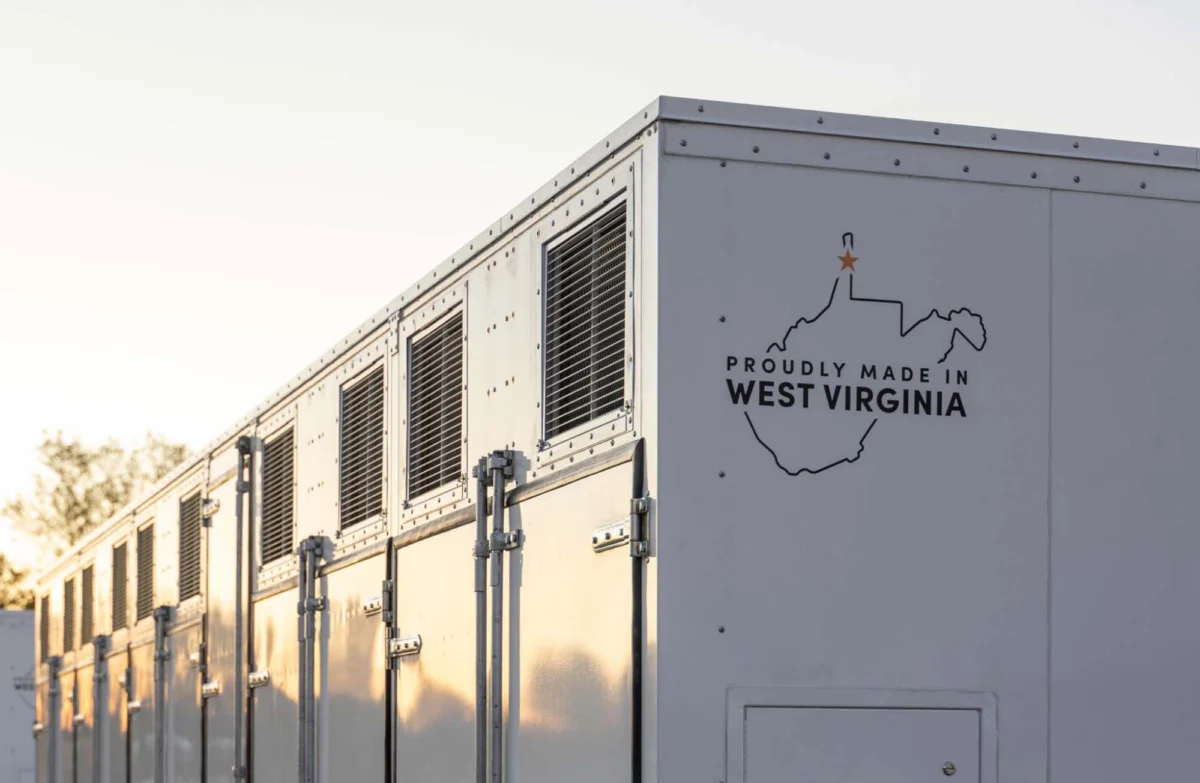
Google has announced a transformative clean energy initiative for its forthcoming data center in Minnesota, featuring a substantial commitment to long-duration energy storage. The tech giant revealed earlier this week its plans to construct a new data center that will operate on a sophisticated blend of wind and solar power, critically supplemented by an innovative, multi-day discharge battery system developed by the pioneering startup Form Energy. This ambitious project underscores a pivotal shift towards more resilient and truly 24/7 carbon-free energy solutions for industrial operations. The scale of this commitment has now been quantified, with reports indicating that the unique electrochemical engineering feat represented by Form Energy’s battery system alone carries an estimated price tag of approximately $1 billion, a figure first reported by The Information. This significant investment marks a major milestone for both Google’s environmental sustainability goals and Form Energy’s journey towards commercializing its revolutionary technology.
The core of this groundbreaking energy solution is Form Energy’s massive iron-air battery, designed to deliver a continuous output of 300 megawatts of electricity over an extraordinary duration of 100 hours. This capability far surpasses the typical four-to-six-hour discharge cycles of conventional lithium-ion grid batteries, positioning Form Energy’s system as a game-changer for grid stability and renewable energy integration. The operational principle behind this innovative battery involves a reversible rusting process: oxygen is pumped into the battery cells, causing iron to rust and release electrons, generating electricity. When charged, the process reverses, turning the rust back into iron. This elegant, low-cost chemistry is ideally suited to smooth the inherent intermittency of renewable energy sources, specifically integrating 1.4 gigawatts of wind power and 200 megawatts of solar power into Google’s Minnesota data center operations. The partnership validates years of dedicated research and development by Form Energy, culminating in its first major commercial deployment and a significant step forward for the global energy transition.
The Dawn of Long-Duration Storage: Form Energy’s Iron-Air Breakthrough
The urgent need for long-duration energy storage has been a critical bottleneck in the widespread adoption and reliable integration of renewable energy sources like wind and solar. While these technologies offer immense potential for decarbonization, their inherent variability – the wind doesn’t always blow, and the sun doesn’t always shine – poses significant challenges for maintaining a stable and reliable electrical grid. Traditional energy storage solutions, predominantly lithium-ion batteries, have proven effective for short-duration applications, typically providing power for a few hours to manage peak demand or smooth momentary fluctuations. However, to achieve a truly carbon-free grid, capable of sustaining operations through multiple days of low renewable output, a new class of storage technology was required. This is precisely the void Form Energy aims to fill with its iron-air battery.
Founded in 2017 by an experienced team including Mateo Jaramillo, a former executive at Tesla, and leading materials scientists, Form Energy embarked on a mission to develop an economically viable, multi-day energy storage solution. Their chosen chemistry, the iron-air battery, leverages abundant and inexpensive materials – iron, water, and air – sidestepping the supply chain constraints and environmental concerns associated with critical minerals often found in other battery technologies. The operational concept is deceptively simple yet profoundly impactful: during discharge, the battery "breathes in" oxygen from the air, causing iron electrodes to rust and generate electricity. When charging, electricity is used to reverse this process, converting the rust back into iron and releasing oxygen. This process is inherently safe, non-flammable, and designed for stationary, grid-scale applications. The key advantage lies not in its energy density (it’s less compact than lithium-ion) but in its remarkable duration capability and projected low cost per kilowatt-hour of storage, making it ideal for multi-day energy reserves rather than rapid, short bursts of power. This distinction is crucial for complementing, rather than replacing, lithium-ion technology in a diversified energy storage portfolio.
A Decade in the Making: Form Energy’s Path to Commercialization
Form Energy’s journey from a nascent startup to securing a billion-dollar deal with a tech giant like Google reflects years of intensive scientific research, engineering innovation, and strategic business development. The company’s foundational work involved meticulous experimentation with various chemistries before settling on iron-air as the most promising candidate for long-duration, low-cost storage. Early funding rounds attracted significant attention from venture capital firms and strategic investors keen on solving the intermittency challenge of renewables. According to PitchBook data, Form Energy has successfully raised approximately $1.4 billion in capital to date, demonstrating strong investor confidence in its technology and market potential.
The company has steadily progressed through various development phases, moving from laboratory prototypes to pilot projects and eventually to large-scale manufacturing. A pivotal step in this chronology was the establishment of its manufacturing facility in Weirton, West Virginia. This factory is critical for scaling up production of its unique battery modules, bringing economic development and job creation to the region while simultaneously positioning Form Energy to meet growing demand. The Google deal, therefore, represents not just a commercial victory but a significant validation of Form Energy’s manufacturing strategy and its ability to deliver at utility scale. Following this landmark order, Form Energy CEO Mateo Jaramillo confirmed that the company is in the process of raising an additional $500 million in funding, underscoring its aggressive growth trajectory. Looking ahead, the company has publicly stated its intention to pursue an initial public offering (IPO) next year, a move that would provide further capital for expansion and allow public investors to participate in the burgeoning long-duration storage market.
Google’s Quest for Carbon-Free Operations: A Data Center Revolution
Google’s commitment to Form Energy’s technology is deeply rooted in its ambitious environmental sustainability objectives. The company has set a bold target to operate all its data centers and campuses on 24/7 carbon-free energy by 2030. This means ensuring that every kilowatt-hour of electricity consumed is matched with carbon-free sources, every hour of every day, not just on an annual average. Achieving this "24/7 carbon-free" goal requires moving beyond traditional renewable energy procurement strategies, which often involve simply purchasing renewable energy credits (RECs) to offset consumption. Instead, it necessitates direct, real-time matching of energy supply and demand with clean sources.

Data centers are notoriously energy-intensive, consuming vast amounts of electricity to power servers, cooling systems, and other infrastructure. As Google continues to expand its global footprint of data centers to support its cloud services, AI initiatives, and search operations, the challenge of powering these facilities sustainably becomes increasingly complex. Intermittent renewables alone cannot guarantee the constant, uninterrupted power supply required for data center operations without robust energy storage. This is where Form Energy’s 100-hour battery becomes indispensable. By storing excess wind and solar energy for multiple days, it ensures that the Minnesota data center can maintain carbon-free operations even during prolonged periods of low renewable generation, effectively replacing the need for fossil-fuel backup power. This project represents a significant leap forward in Google’s holistic approach to decarbonization, integrating innovative storage solutions alongside direct power purchase agreements (PPAs) for wind and solar, and even leveraging AI for optimizing energy consumption and grid management.
Beyond Minnesota: Broader Implications for Grid Modernization and Clean Energy Transition
The $1 billion investment by Google in Form Energy’s technology transcends a mere corporate procurement deal; it carries profound implications for the future of energy infrastructure, grid modernization, and the global clean energy transition. Economically, this project represents a substantial investment in cutting-edge green technology, driving job creation in manufacturing, installation, and operation, particularly in regions like West Virginia where Form Energy’s factory is located. It also signals a growing market for long-duration storage, potentially spurring further innovation and competition, which could drive down costs over time and accelerate deployment across various sectors. The price tag, while significant, should be viewed in the context of large-scale energy infrastructure investments, which typically run into billions for power plants or transmission lines.
Environmentally, the deployment of 100-hour batteries capable of storing gigawatt-hours of energy is a game-changer for decarbonizing electricity grids. It directly addresses the intermittency challenge that has historically limited the penetration of renewables, reducing the reliance on fossil fuel "peaker plants" that are fired up during periods of high demand or low renewable output. By ensuring a continuous supply of clean energy, this technology helps reduce greenhouse gas emissions and mitigates climate change. Furthermore, it enhances grid resilience and reliability, making the electrical system more robust against extreme weather events, unforeseen outages, and cyber threats, a crucial aspect of modern infrastructure. This partnership could serve as a powerful blueprint for other energy-intensive industries and utilities seeking to achieve deep decarbonization while maintaining operational stability.
Industry Reactions and Expert Outlook
The announcement of Google’s $1 billion deal with Form Energy has been met with significant enthusiasm and optimism across the clean energy sector. Industry analysts widely regard this as a monumental validation for long-duration energy storage technologies. Mateo Jaramillo, CEO of Form Energy, expressed immense pride and excitement, emphasizing that this landmark order not only validates years of diligent work but also provides a crucial pathway for scaling up production and deployment. He likely highlighted the strategic importance of partnering with a leading technology company like Google, which shares a deep commitment to sustainable innovation.
From Google’s perspective, executives involved in infrastructure and sustainability initiatives have likely underscored the company’s unwavering commitment to achieving its 24/7 carbon-free energy goal. They would emphasize that such partnerships with innovative companies like Form Energy are essential to developing and deploying the breakthrough technologies needed to power their operations sustainably. Environmental advocacy groups have also lauded the move, viewing it as a tangible step towards a fully decarbonized grid and an example for other corporations to follow. Energy experts note that while lithium-ion batteries dominate the short-duration market, Form Energy’s success signals a maturation of the long-duration segment, which is crucial for achieving true grid independence from fossil fuels. The competitive landscape in long-duration storage is evolving, with various other chemistries and technologies being explored, but Form Energy has clearly established itself as a frontrunner with this commercial breakthrough.
The Road Ahead: Scaling, Policy, and Global Potential
Despite this significant achievement, the road ahead for Form Energy and the broader long-duration storage industry involves several challenges. Scaling up manufacturing to meet global demand will require substantial capital investment, supply chain optimization, and skilled labor development. The West Virginia factory is a critical first step, but more facilities may be needed as deployment accelerates. Furthermore, the successful integration of these massive battery systems into existing grid infrastructure will necessitate careful planning, regulatory approvals, and collaboration with utility operators.
Government policy will play a pivotal role in accelerating the adoption of long-duration storage. Incentives such as those provided by the U.S. Inflation Reduction Act (IRA), which offers tax credits for clean energy manufacturing and deployment, are crucial for making these technologies economically competitive and encouraging widespread investment. As the technology matures and manufacturing scales, costs are expected to decrease, making iron-air batteries an even more attractive option for utilities and large energy consumers worldwide. The success of the Google-Form Energy partnership in Minnesota could serve as a powerful case study, inspiring similar projects in other regions and countries grappling with the integration of high percentages of renewable energy. Ultimately, the long-term vision for Form Energy extends beyond single data centers to reshaping entire grids, providing the foundational energy storage necessary for a resilient, reliable, and truly carbon-free global energy future.

