
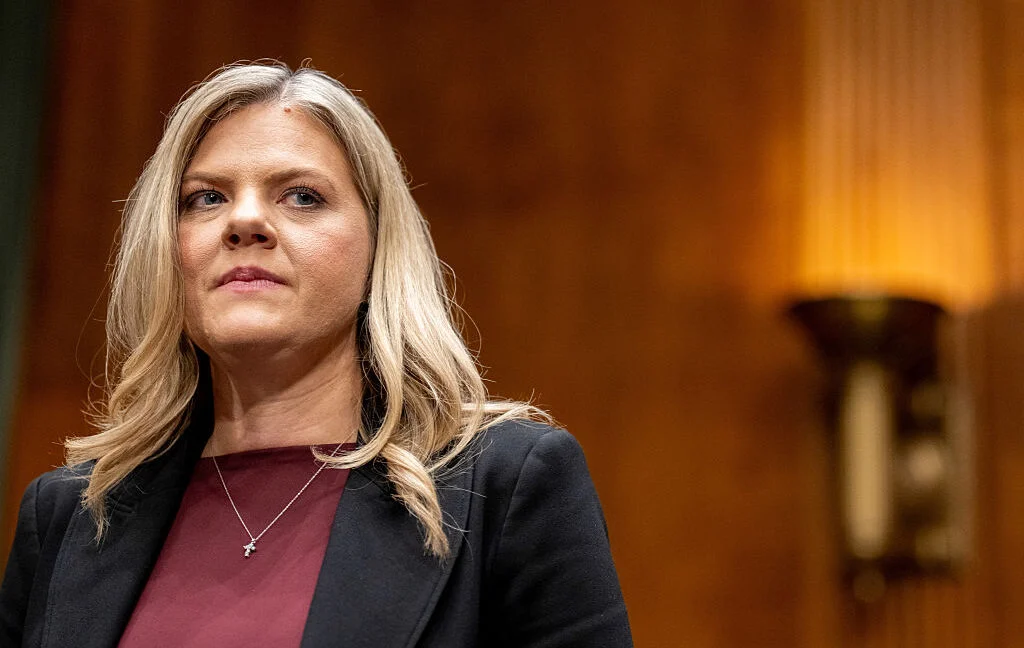
The confirmation hearing for the next head of the Food and Drug Administration (FDA) has descended into a contentious examination of the agency’s independence, as nominee Dr. Overton faced a barrage of questions regarding her willingness to challenge the administration on scientific matters. Senators from both sides of the aisle pressed for clarity on whether the FDA would serve as a bastion of evidence-based policymaking or as an extension of the president’s political agenda. The hearing highlighted profound anxieties concerning the integrity of public health guidance, particularly regarding vaccine safety, the regulation of tobacco products, and the influence of campaign contributions on regulatory outcomes.
A Pattern of Evasion on Scientific Consensus
The tension in the chamber reached a boiling point during an exchange with Senator Maggie Hassan (D-N.H.), who sought a definitive statement regarding President Trump’s previous claims linking Tylenol use during pregnancy to autism in children. Despite the overwhelming consensus among pediatricians and medical researchers that no such causal link exists, Dr. Overton declined to state that the president was incorrect.
When pressed to answer with a simple "yes or no," Overton opted for a technical qualification, noting only that there is "no current evidence of a causal link between Tylenol and autism." Her refusal to directly address the president’s rhetoric—which public health experts fear could discourage necessary pain management during pregnancy—drew sharp criticism from Hassan. The senator expressed deep concern that the nominee’s reluctance to acknowledge scientific falsehoods suggests a willingness to prioritize political loyalty over objective truth. This dynamic mirrors broader concerns within the scientific community that the FDA’s role as an arbiter of health data is being compromised by a mandate to align with the president’s personal assertions.
The Debate Over Vaccine Protocols
The scrutiny intensified when Senator Lisa Blunt-Rochester (D-Del.) turned the discussion toward the administration’s public commentary on vaccine delivery. Reports have surfaced suggesting that Overton herself may have advised the president on the possibility of splitting combination vaccines, such as the MMR (Measles, Mumps, and Rubella) shot, into individual components.
From a clinical perspective, the transition to individual vaccine doses would represent a monumental shift in public health infrastructure. Such a change would require years of rigorous clinical trials, massive federal investment in manufacturing, and a total restructuring of current immunization schedules. When Blunt-Rochester asked if Overton believed the suggestion to split vaccines constituted a "good option," the nominee remained steadfast in her refusal to critique the policy, stating that her role was to provide the president with a range of options rather than to adjudicate their merit.
Blunt-Rochester pushed back, arguing that the nominee’s inability to distinguish between viable health strategies and potentially harmful or inefficient ones undermines the credibility of her candidacy. The senator further questioned the depth of Overton’s review process, asking specifically if she had examined the logistical data regarding vaccine dosage sizes and the potential impact of disrupting a proven, long-standing immunization framework. The lack of clarity provided by the nominee left many committee members questioning whether the FDA would retain the authority to reject scientifically unsound suggestions originating from the White House.
The Flavored Vape Controversy and Corporate Influence
Perhaps the most damaging portion of the hearing concerned the FDA’s recent reversal on flavored vape products. The agency has been without a confirmed commissioner since the resignation of Dr. Marty Makary, who stepped down after clashing with the administration over the deregulation of flavored electronic nicotine delivery systems. The move, which occurred in early May, defied significant bipartisan pushback and ignored warnings from public health advocates who argue that such products are specifically designed to entice youth consumers.
Senator Chris Murphy (D-Conn.) laid out a timeline that painted a stark picture of the intersection between high-dollar political donations and regulatory policy. According to Murphy, on April 30, a major tobacco firm, Reynolds, contributed $8 million to the president’s political coffers. Within 48 hours, company representatives were reportedly granted a meeting with the president at the White House to advocate for a relaxation of FDA rules regarding flavored vapes. Just three days later, the administration issued new guidance that effectively paved the way for the products to remain on the market.
When asked by Murphy whether she perceived a link between the tobacco company’s donation and the subsequent policy shift, Overton explicitly rejected the premise of the question. "I reject the framing of that question," she stated, reiterating her belief that the president is "committed to the best possible outcomes for Americans." This response failed to satisfy the committee, as Murphy argued that the sequence of events created a clear appearance of a quid pro quo that undermines the FDA’s mandate to protect public health over corporate interests.
Broader Implications for FDA Independence
The FDA’s mandate is to protect public health by ensuring the safety, efficacy, and security of human and veterinary drugs, biological products, and medical devices. However, the events surrounding this confirmation hearing suggest a potential shift toward a model where the agency is increasingly responsive to executive directives rather than independent scientific review.
The resignation of Dr. Makary and the subsequent vacancy at the top of the agency have already caused significant turbulence. If the agency is perceived as being susceptible to political pressure—whether through the influence of campaign donors or the president’s personal medical theories—it risks losing the public’s trust. In the realm of public health, trust is the primary currency; once that is eroded, compliance with vaccine programs, drug safety warnings, and nutritional guidelines typically plummets.
Furthermore, the "options-based" approach described by Overton has raised alarms among ethics experts in government. While it is standard for an agency head to provide the executive branch with options, those options are historically vetted for scientific viability. The concern among the Senate committee is that the current administration expects options that are politically palatable, regardless of their scientific or medical foundation. If a nominee is unwilling to say "no" to a proposal that lacks empirical support, the system of checks and balances designed to protect the American public effectively ceases to function.
Future Challenges and Oversight
As the confirmation process moves forward, the committee faces a difficult choice. On one hand, the FDA requires stable, confirmed leadership to address pressing issues like the opioid crisis, the oversight of artificial intelligence in healthcare, and the ongoing stabilization of the drug supply chain. On the other hand, the senators’ concerns suggest that they view the nominee’s lack of independence as a disqualifying factor for a role that requires a high degree of scientific autonomy.
The next stages of the confirmation process will likely involve further requests for documentation regarding the internal communications between the FDA, the Department of Health and Human Services, and the White House. Should the nominee continue to maintain that her primary responsibility is to serve as an advisor to the president’s agenda rather than a guardian of scientific integrity, the vote in the Senate is expected to be closely contested.
Ultimately, the hearing has served as a litmus test for the future of federal science agencies. The debate is no longer just about the specific merits of vape regulations or vaccine schedules; it is about the fundamental definition of the FDA’s mission. As Senator Murphy and others have indicated, the American public deserves an agency that operates on data and objective reality, not on the shifting tides of political donation timelines and executive whims. Whether Dr. Overton can provide that level of assurance in the coming weeks remains to be seen, but the skepticism currently present in the Senate suggests that the path to confirmation will be fraught with further challenges. The outcome of this nomination will likely set a precedent for how federal agencies navigate the tension between presidential authority and scientific independence for years to come.

