
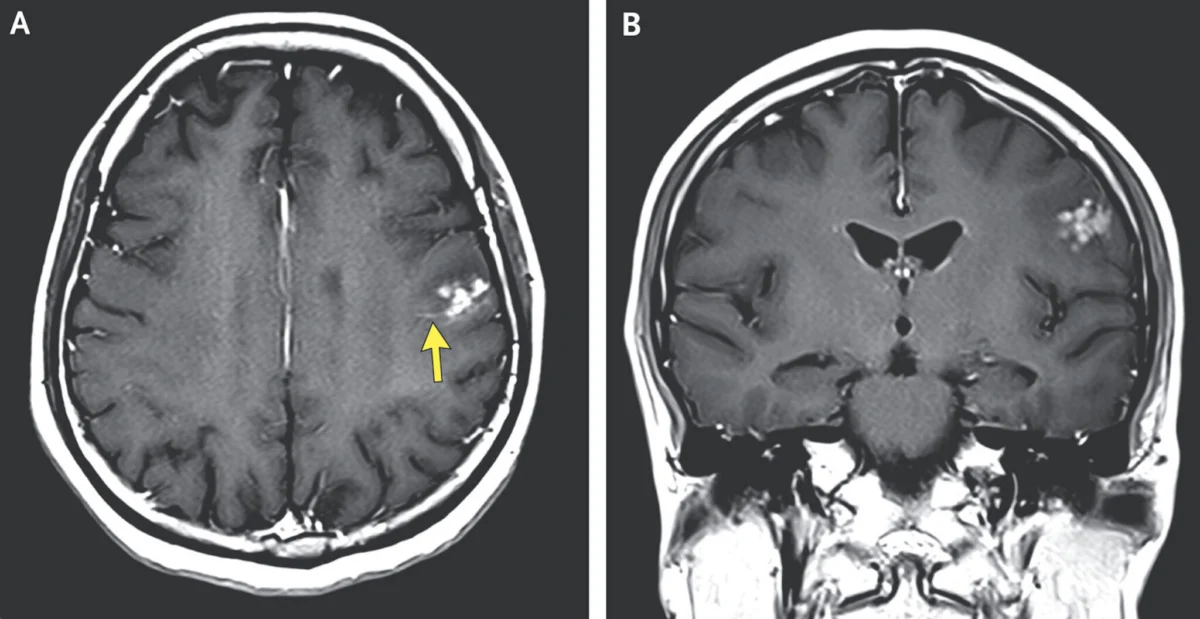
The sudden onset of localized physical tremors in a seemingly healthy individual often signals an underlying systemic issue, yet few diagnoses are as unexpected as the one recently documented in the New England Journal of Medicine. A rice farmer residing in the rural Philippines presented to an emergency department after experiencing a terrifying, minute-long episode of involuntary, violent shaking in her right arm and leg. Despite the severity of the tremors, the patient remained conscious, displayed no cognitive confusion, and suffered no headaches or generalized weakness. This clinical presentation, characterized by focal motor seizures, prompted an immediate and thorough neurological investigation.
Following a standard physical examination that yielded unremarkable results, clinicians turned to advanced diagnostic imaging to uncover the source of the patient’s distress. Magnetic resonance imaging (MRI) of the brain revealed a cluster of bright, fluid-filled nodules localized within the left frontal lobe. The clinical team quickly identified these lesions as the hallmark of a rare but dangerous parasitic infection: neuroschistosomiasis, a cerebral complication stemming from the blood fluke Schistosoma japonicum.
The Pathological Timeline and Transmission
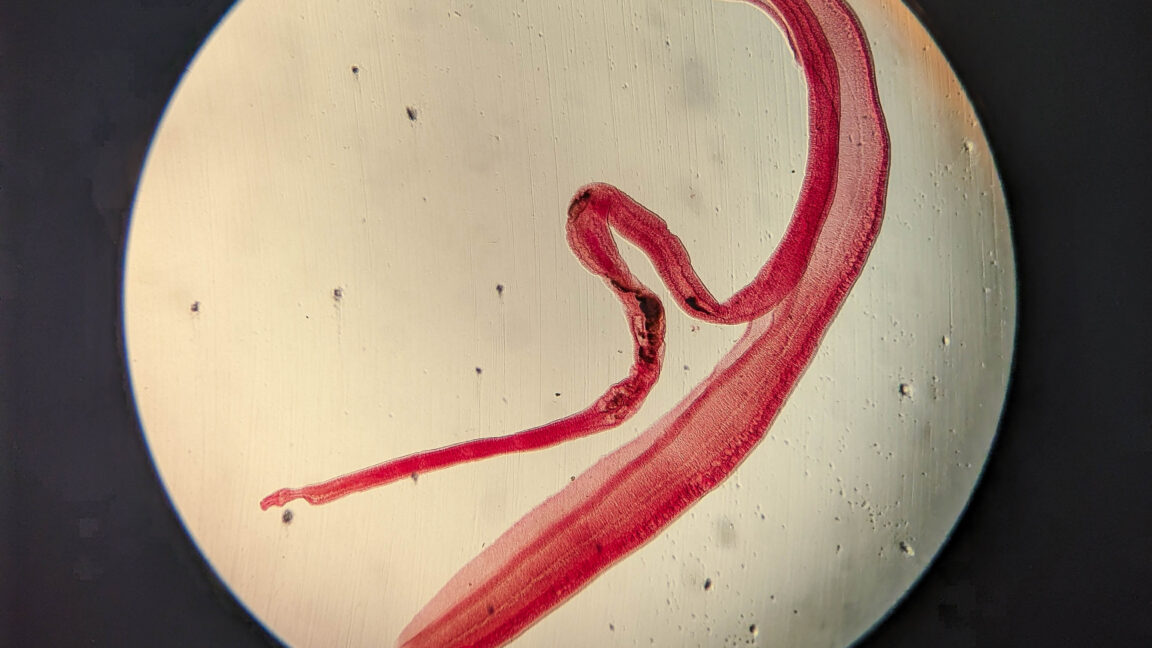
Schistosomiasis is a neglected tropical disease caused by parasitic flatworms. While the adult worms typically reside in the blood vessels surrounding the intestines or the liver, the migration of eggs can occasionally deviate from this path, leading to ectopic infections in the central nervous system. In this specific case, the patient’s occupation as a rice farmer provided the critical epidemiological link. The lifecycle of S. japonicum is intricately tied to freshwater environments, where the larvae thrive in irrigation systems, rice paddies, and canals.
The infection process begins when eggs are shed into water sources through human or animal waste. These eggs hatch into miracidia, which must locate a specific intermediate host—an amphibious snail of the genus Oncomelania. Within the snail, the parasite undergoes significant asexual reproduction, eventually releasing thousands of cercariae—free-swimming, fork-tailed larvae—into the water. These cercariae possess the ability to penetrate intact human skin upon contact. Once inside the human host, they migrate through the circulatory system, passing through the lungs and heart before maturing into adult worms in the venous system of the abdomen.
The presence of these worms in the brain is an aberrant, yet well-documented, clinical anomaly. When the worms or their eggs deposit in the cerebral vasculature, they provoke an inflammatory response, leading to the formation of granulomas—the "bright nodules" observed in the MRI. These granulomas can exert pressure on the surrounding brain tissue, triggering focal seizures like those experienced by the patient.
Epidemiological Context of S. japonicum
The distribution of Schistosoma japonicum is geographically specific. While it has been successfully eradicated from Japan, the parasite remains endemic across large swaths of the Philippines, China, and parts of Indonesia. According to the World Health Organization (WHO), schistosomiasis affects more than 250 million people globally, with the vast majority of cases occurring in sub-Saharan Africa. However, the specific strain found in Southeast Asia presents unique challenges due to its wide range of animal reservoirs, including cattle, water buffalo, and pigs, which makes the cycle of transmission difficult to break.
In the Philippines, public health efforts have focused on mass drug administration (MDA) of praziquantel, the standard treatment for the infection. Despite these efforts, the persistence of the disease in agricultural communities remains a significant burden. The case reported in the New England Journal of Medicine serves as a stark reminder that even in regions where public health infrastructure exists, the risk of occupational exposure remains high for those working in flooded, contaminated environments.
Clinical Management and Diagnostic Challenges
The medical team managing the rice farmer’s case faced a complex diagnostic path. Because the patient presented with no systemic symptoms—such as fever, eosinophilia, or abdominal pain, which are more common indicators of systemic schistosomiasis—the diagnosis was entirely dependent on neuroimaging. The identification of granulomas in the left frontal lobe necessitated a differential diagnosis that included brain tumors, tuberculosis, and neurocysticercosis (a tapeworm infection often mistaken for schistosomiasis).
The specific "nodular" appearance of the lesions, combined with the patient’s history of living and working in an endemic area, allowed clinicians to narrow their focus to S. japonicum. Neuroschistosomiasis is historically associated with higher morbidity rates if left untreated, as the chronic inflammation can lead to permanent neurological deficit or progressive intracranial pressure. The immediate administration of anti-parasitic medication, often paired with corticosteroids to reduce the inflammatory response surrounding the brain lesions, is the standard clinical approach.
Broader Implications for Public Health
This case highlights the ongoing necessity for surveillance and education in endemic agricultural sectors. While the patient was treated, her experience reflects a larger reality for millions of rural workers whose livelihoods depend on water-based agriculture. The intersection of environmental conditions and human behavior creates a high-risk scenario that is notoriously difficult to regulate.
Experts in tropical medicine emphasize that while neuroschistosomiasis is a "rare" complication, it is likely underreported. Patients in remote areas who experience single-episode seizures may not seek tertiary care or may be misdiagnosed with idiopathic epilepsy. The availability of advanced imaging, such as MRI, is often limited in the very areas where S. japonicum is most prevalent, creating a diagnostic gap that hinders accurate data collection and treatment.
Furthermore, the environmental impact of climate change and irrigation expansion may alter the habitats of the Oncomelania snail, potentially shifting the zones of transmission. Public health officials are now looking at integrated approaches that include not only the treatment of the human population but also the management of animal reservoirs and the modification of agricultural practices to reduce snail habitats.
Conclusion and Future Outlook
The case of the Philippine rice farmer is a poignant example of the complexities of global health in the 21st century. It underscores the vital role of specialized medical reporting in identifying rare complications that might otherwise be overlooked. As the international medical community continues to refine the treatment of parasitic diseases, the focus must remain on the intersection of human activity and environmental biology.
For the patient, the prognosis remains dependent on the success of the anti-inflammatory and anti-parasitic treatment in shrinking the granulomas and preventing further seizure activity. For the global health community, the case serves as a call to action: to improve diagnostic accessibility in rural settings and to continue the rigorous pursuit of environmental control measures that can protect agricultural workers from the unseen dangers lurking in their own fields. The "unfortunate fluke" of this infection, while medically fascinating, remains a tangible threat that requires ongoing vigilance, scientific investment, and sustained public health commitment. As research continues to advance, the goal remains clear: to ensure that the risks associated with essential agricultural labor are mitigated through science-led policy and improved medical literacy in endemic regions.

