
The new plan, detailed in an internal "Blue Origin Stock Option Wiki" and a series of memos reviewed by industry analysts, represents a departure from the company’s former "phantom stock" or unit-based incentive programs, which many employees found to be opaque and ultimately of little value. However, the introduction of this new system has been met with immediate backlash from some corners of the company. Early reviews from the workforce range from cautious optimism to outright hostility, with some long-term staff members expressing deep-seated frustration over the lack of a guaranteed timeline for liquidity.
Internal Discord and the Legacy of the Previous Plan
The primary hurdle for Blue Origin’s leadership is a pervasive lack of trust. For years, employees were granted equity under a previous plan that many now view as essentially worthless. This historical baggage has created a "once bitten, twice shy" atmosphere within the company’s various campuses, from its headquarters in Washington to its massive manufacturing and launch facilities on Florida’s Space Coast.
One employee, speaking on the condition of anonymity to discuss internal matters, described the new proposal in blunt terms, suggesting that the structure of the plan does not adequately reward the grueling hours required to meet the company’s ambitious 2026 milestones. The skepticism is compounded by the fact that Blue Origin has historically operated with a level of secrecy that, while common in the aerospace industry, has often left employees in the dark regarding the true valuation of the company and the path toward cashing out their vested interests.
In an effort to address these concerns, CEO Dave Limp—the former Amazon executive who took the helm of Blue Origin in late 2023—originally scheduled a company-wide town hall for April 17 to explain the nuances of the plan. However, this meeting was abruptly canceled on the eve of the event. Limp cited the need for the company to remain laser-focused on the upcoming third flight of the New Glenn rocket, a mission critical to the company’s future. While the operational justification for the delay was sound, the cancellation did little to soothe the anxieties of a workforce eager for financial clarity.
Mechanics of the New Stock Option Program
The new plan is structured more traditionally, aligning Blue Origin with the standards seen at other major technology and aerospace firms. According to the internal documents, the "strike price" for the new options—the price at which employees can buy the stock—is set to be finalized on May 15. This date is now a focal point for the staff, as the strike price will determine the potential upside of their holdings.
Key features of the plan include:
- Vesting Schedules: Options will vest over a multi-year period, incentivizing long-term retention of top-tier engineering talent.
- Fair Market Value: The company will utilize an independent third-party valuation to determine the fair market value of the shares, moving away from internal metrics that were previously criticized for being arbitrary.
- Liquidity Intentions: The company explicitly stated in its internal Wiki that while there is no "guaranteed timeline," they are being "intentional about creating liquidity events." These events would allow employees to sell their vested options back to the company or to third-party investors.
A significant point of contention is the simultaneous phasing out of the Annual Incentive Plan (AIP). The AIP was a cash-based bonus system that provided managers and senior staff with annual payouts based on company performance against specific technical and operational targets. By rolling a "portion" of these payouts into base pay and shifting the rest into the stock option pool, Blue Origin is essentially asking its leaders to trade guaranteed cash today for the potential of higher equity value tomorrow. For many, this feels like a riskier proposition, especially given the company’s current lack of profitability.
A Timeline of Shifting Priorities
To understand the weight of this new plan, one must look at the recent timeline of Blue Origin’s evolution:
- Early 2023: Blue Origin halts the issuance of its original, lackluster stock options as it begins a top-to-bottom review of its compensation structure.
- October 2023: Dave Limp is announced as the new CEO, signaling a shift toward Amazon-style operational efficiency and a more aggressive commercial posture.
- March 2026: Blue Origin officially announces that a replacement stock plan is in development, promising to rectify the errors of the past.
- April 15, 2026: Internal memos begin circulating, detailing the transition from the AIP bonus system to the new equity-heavy model.
- April 17, 2026: The scheduled town hall is canceled to prioritize launch operations, leaving many questions unanswered.
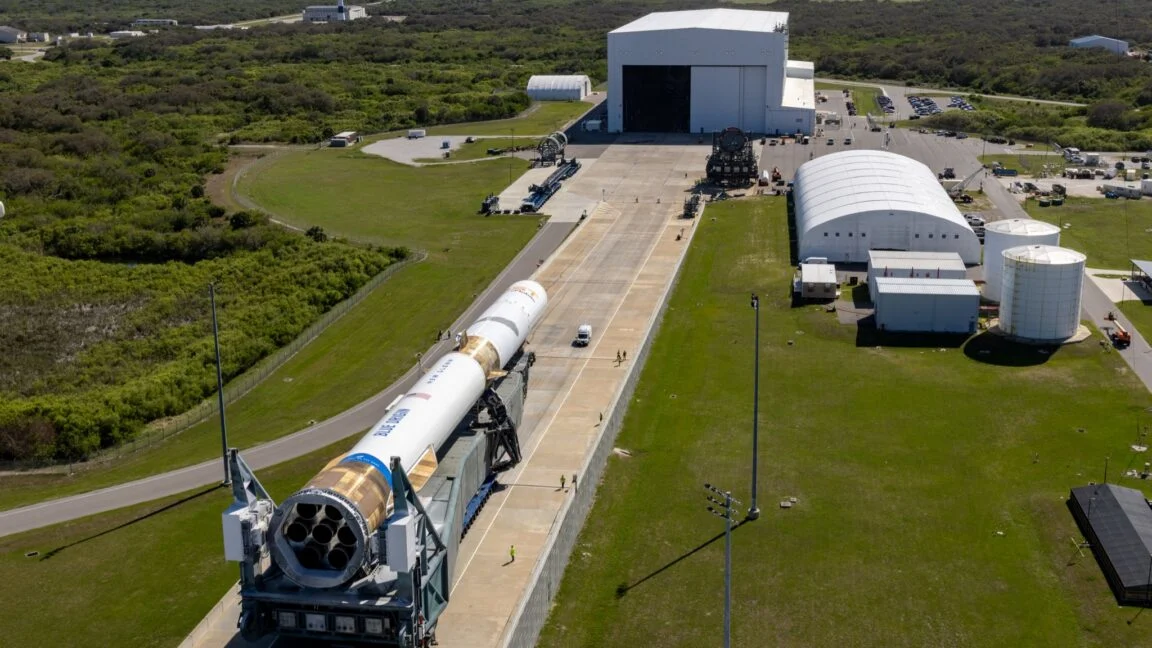
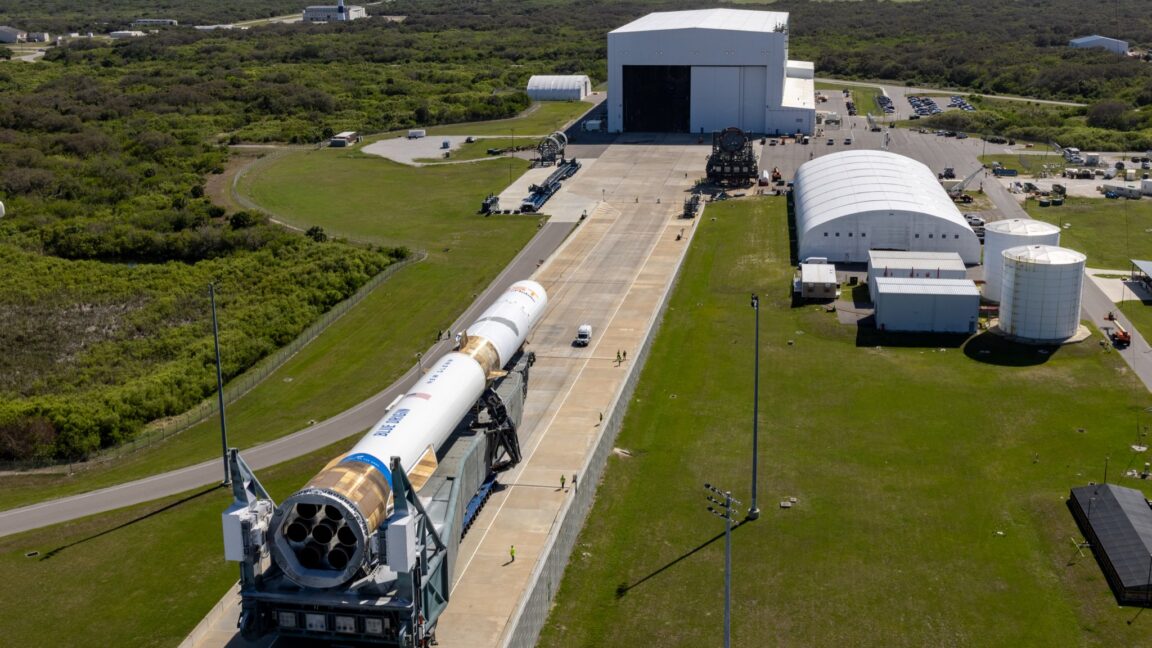
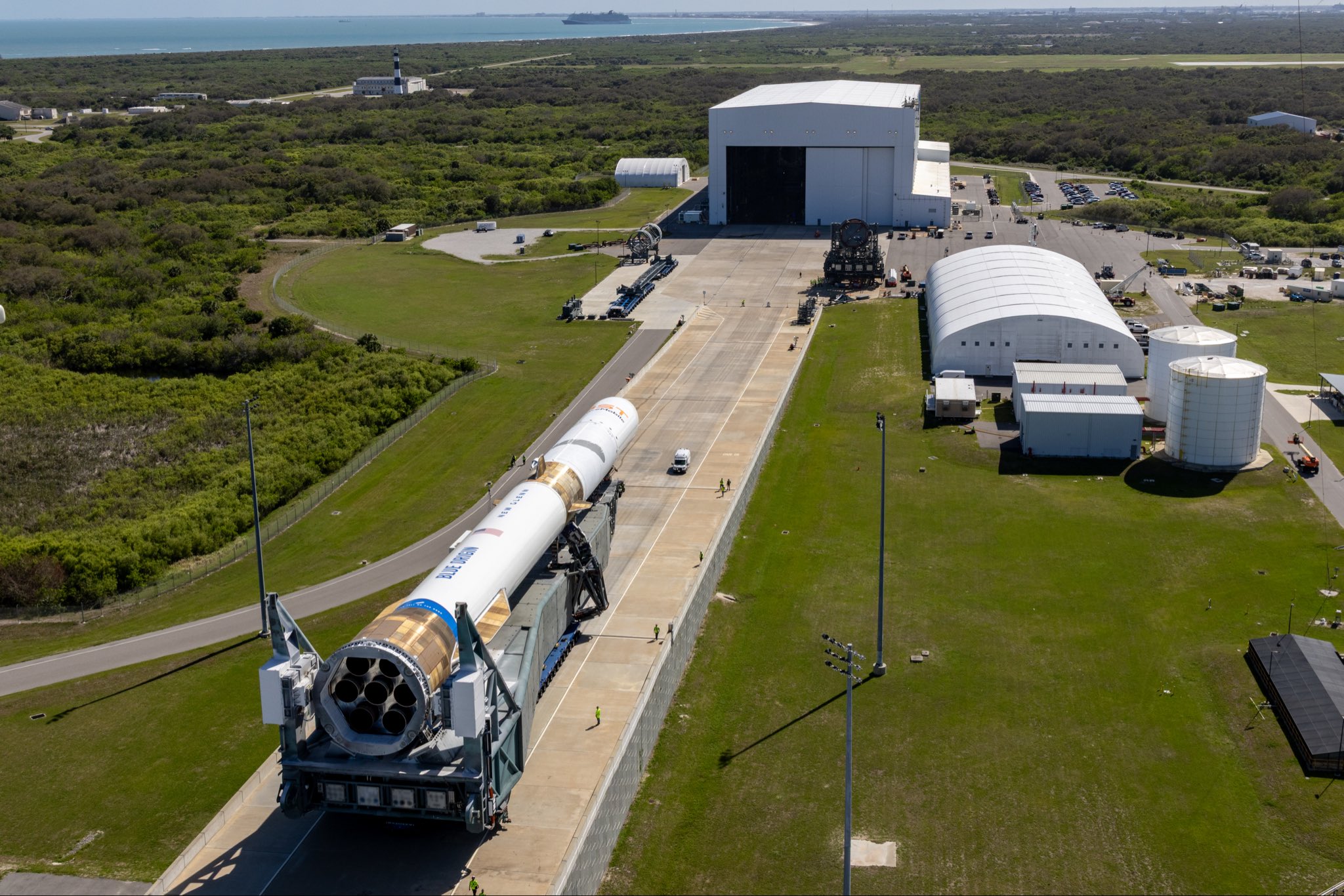
- Late April 2026: The third New Glenn rocket is moved to the launch pad at Cape Canaveral, representing a "must-win" moment for the company.
The Strategic Importance of Employee Retention
Blue Origin is currently engaged in a fierce "war for talent" within the aerospace sector. The company is not only competing with legacy giants like Boeing and Lockheed Martin but also with agile startups like Stoke Space and Relativity Space. Most notably, it stands in the shadow of SpaceX, which has successfully used stock options to create thousands of "paper millionaires" among its workforce.
With SpaceX reportedly preparing for an initial public offering (IPO) of its Starlink satellite business, or continuing its frequent secondary market tender offers, the "Fear Of Missing Out" (FOMO) at Blue Origin is palpable. Engineers at SpaceX have a proven, recurring path to liquidity; Blue Origin employees currently have a promise of "intentionality."
For Blue Origin to succeed in its primary missions—such as building the Blue Moon lunar lander for NASA’s Artemis program and establishing a reliable, reusable heavy-lift capability with New Glenn—it needs to retain its most capable technicians and engineers. If the stock plan is perceived as "trash," as some have called it, the risk of a talent drain to competitors becomes a critical threat to national space objectives.
Financial Realities and the Role of Jeff Bezos
Ultimately, the success of this stock plan rests on the shoulders of Jeff Bezos. Unlike SpaceX, which has taken on billions of dollars in outside investment, Blue Origin has remained almost entirely funded by Bezos’s personal fortune, derived from his Amazon stock sales. To create a "liquidity event," Bezos has two primary paths.
First, he could continue to act as the "buyer of last resort," using his own capital to buy back vested options from employees. This would maintain his total control over the company but would require him to increase his already massive annual investment, which is estimated to be between $1 billion and $2 billion.
Second, he could open Blue Origin to outside venture capital or private equity. This would establish a clear market valuation for the company and provide a pool of capital for employee buybacks. However, it would also mean Bezos would have to answer to a board of directors and external shareholders, something he has avoided for over two decades.

The internal Wiki notes that liquidity will become more feasible as the "company’s cash flow strengthens over time." This highlights the importance of New Glenn. Until Blue Origin is regularly launching payloads for paying customers—including Amazon’s Project Kuiper—it remains a "pre-revenue" entity in many respects, making any stock valuation largely theoretical.
Broader Impact and Implications
The shift in compensation at Blue Origin is a microcosm of the broader "New Space" economy. As the industry matures, the "mission-driven" fervor that sustained these companies in their early years is being replaced by the financial expectations of a professionalized workforce.
If Blue Origin can successfully implement this plan and follow through with actual liquidity, it will solidify its position as the primary alternative to SpaceX for the world’s best aerospace talent. It would provide a "middle path" for engineers who want to work on cutting-edge rockets and lunar landers but prefer the culture of Blue Origin over the famously high-burnout environment of Elon Musk’s companies.
However, if the May 15 strike price announcement or the subsequent town hall fails to convince the workforce, Blue Origin may find itself struggling with internal morale at the exact moment it needs to be firing on all cylinders. The stakes are not just financial; they are orbital. With the Artemis III mission on the horizon and the global demand for heavy-lift launches skyrocketing, the stability of the Blue Origin workforce is a matter of strategic importance for the American space program.
As the third New Glenn rocket sits on the pad this weekend, it carries more than just a test payload. It carries the weight of a company trying to prove it can not only reach space but also build a sustainable, rewarding corporate culture that can stand the test of time. For Jeff Bezos and Dave Limp, the challenge is clear: they must prove that "Gradatim Ferociter"—step by step, ferociously—applies to their employees’ bank accounts as much as it does to their rocket engines.

