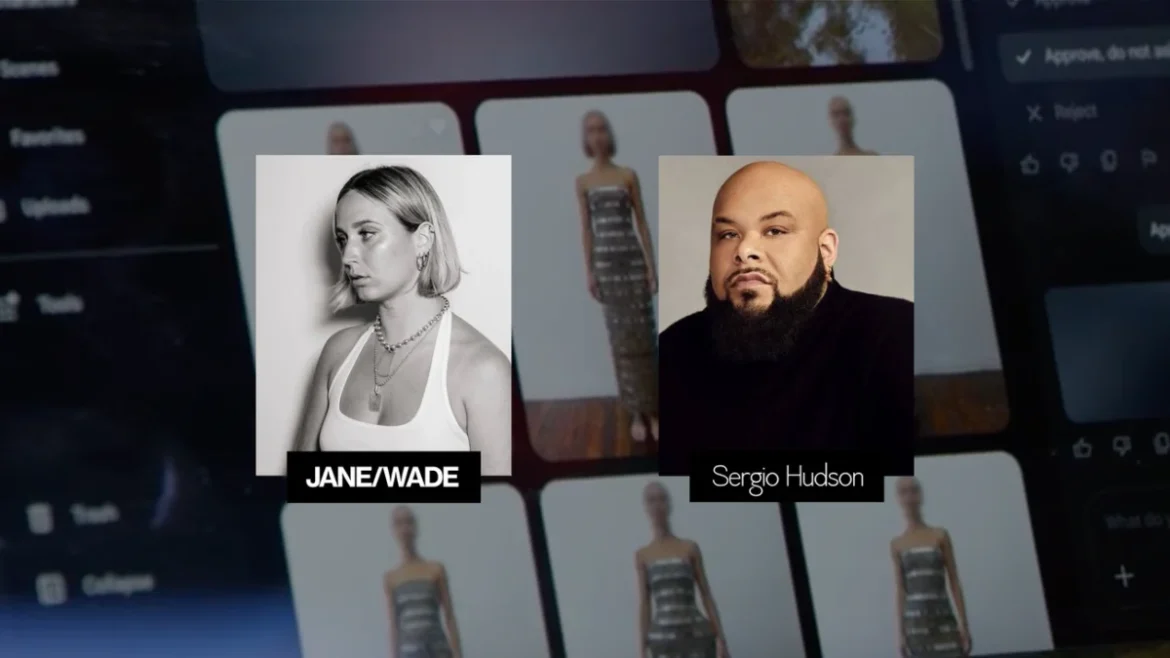
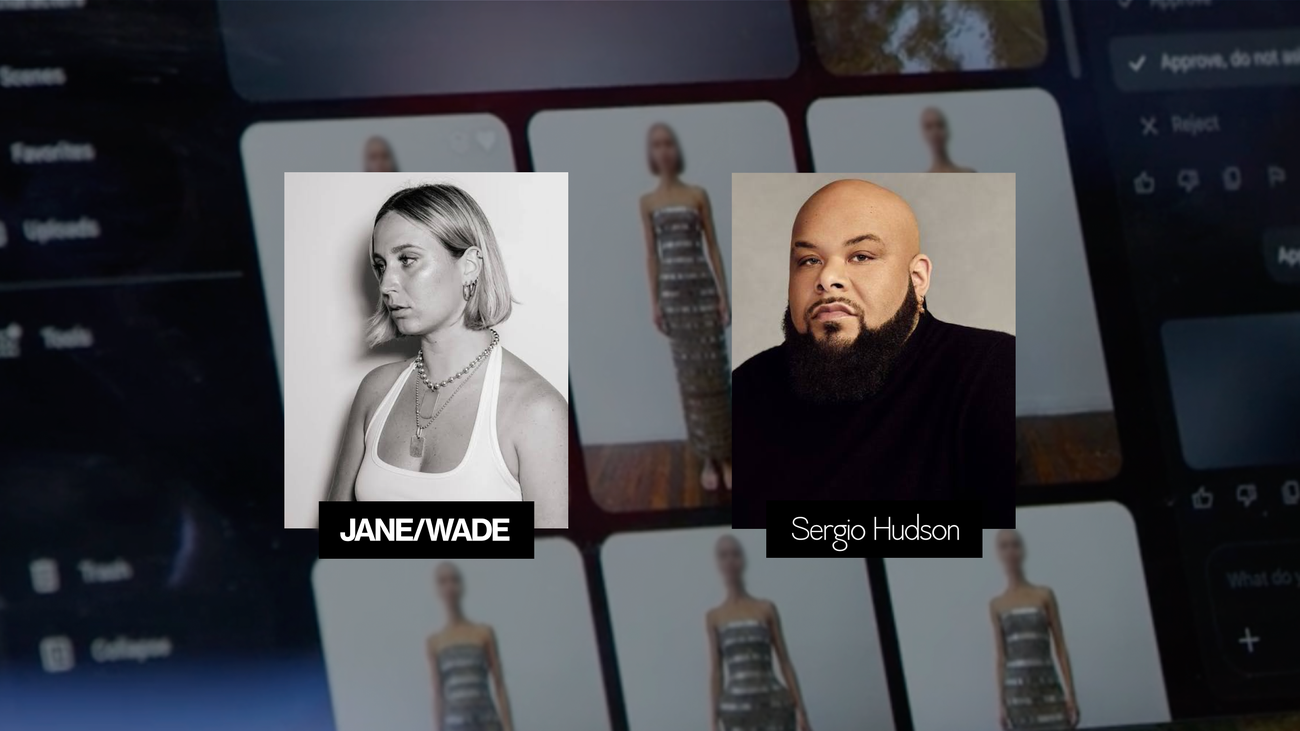
Ahead of the most recent New York Fashion Week (NYFW), Google’s Envisioning Studio, in partnership with Google Labs, launched a strategic initiative designed to alleviate this friction. By leveraging Google Flow, a proprietary AI-powered creative studio, the team worked in direct collaboration with designers Jane Wade and Sergio Hudson to develop bespoke digital tools. These tools were not intended to replace the creative eye of the designer but to act as sophisticated extensions of their workflow, allowing them to translate ambitious, high-concept visions into tangible runway realities with unprecedented speed and financial efficiency.
The Anatomy of a Modern Fashion Workflow
The traditional timeline for a runway collection is notoriously compressed. Designers typically begin the conceptual phase months in advance, followed by sourcing, pattern making, fitting, and finally, the technical production of the show itself. For a solo or small-team designer, the bottleneck usually occurs during the "styling phase"—a period that can consume up to 72 hours of intense manual labor. During this time, designers must coordinate models, hair and makeup artists, and the garment samples themselves to ensure a cohesive aesthetic narrative.
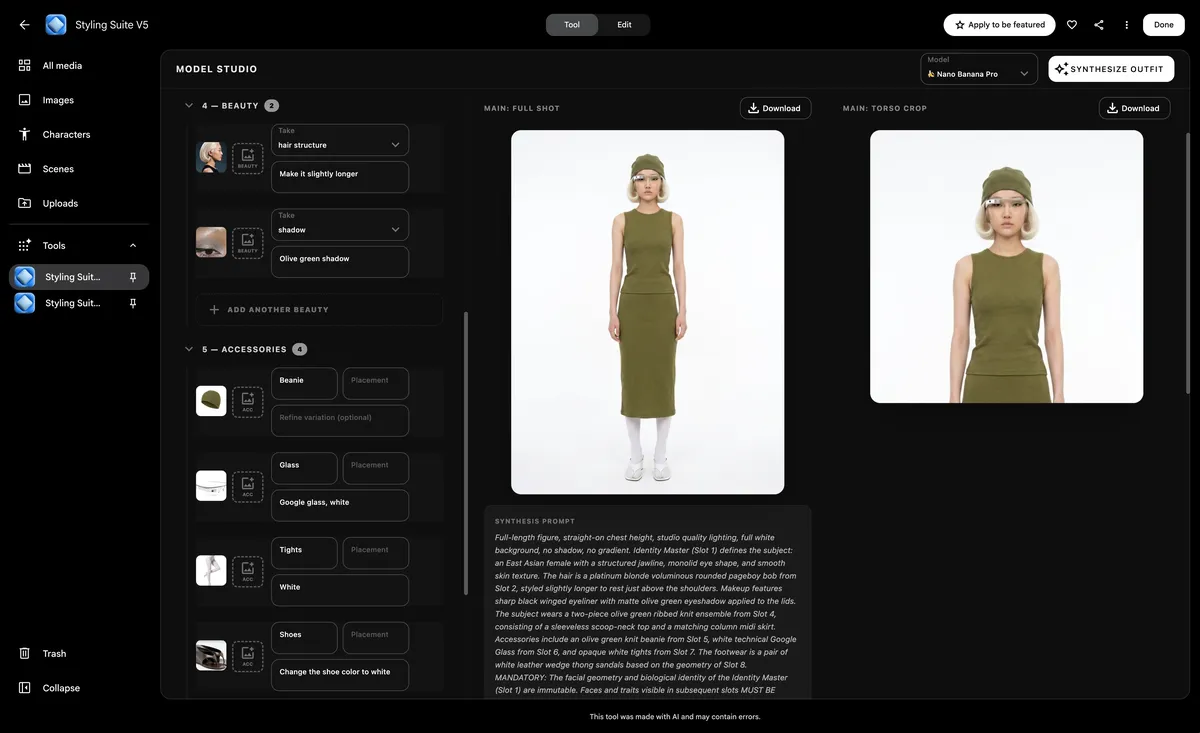
The collaboration with Jane Wade focused specifically on this pain point. Wade, known for her structural and avant-garde approach to ready-to-wear, utilized a tool within Google Flow dubbed the "Styling Suite." This application allowed Wade to input digital representations of her garments and virtually style them on digital avatars. By integrating various hair, makeup, and accessory options into the digital environment, Wade was able to test hundreds of combinations in a fraction of the time it would have taken to conduct physical fittings.
This digital-first approach served as a critical decision-making filter. By identifying which accessories complemented specific silhouettes early in the design cycle, Wade was able to minimize the production of unnecessary physical samples. In an industry where textile waste remains a significant environmental and economic challenge, the ability to "see" the final look before cutting a single piece of fabric is a major advancement in sustainable design practices.
Economic Constraints and Spatial Logic
While Wade focused on aesthetic cohesion, Sergio Hudson addressed the logistical and budgetary constraints inherent in large-scale runway production. Staging a show at NYFW is an immense financial undertaking, with costs ranging from tens of thousands to hundreds of thousands of dollars depending on venue complexity, lighting design, and staging. Historically, changes to the runway layout required expensive, time-consuming manual redesigns by production crews.
Hudson’s collaboration with Google resulted in the "Runway Visualization" tool. This platform provided a 3D simulation of his venue, allowing him to manipulate lighting, set design, and prop placement in real time. Because the tool provided instantaneous visual feedback, Hudson could experiment with different configurations that aligned with his specific budgetary constraints without needing to commission new 3D renders from external agencies for every minor adjustment.
Furthermore, the tool allowed for a precise mapping of model pathways. By visualizing the movement of the models against the backdrop of the set, Hudson was able to optimize the flow of the show, ensuring that the audience experience remained seamless. This level of technical oversight, which was once reserved for major fashion houses with massive production budgets, is now becoming accessible to independent designers through modular AI tools.

The Broader Implications of AI in Fashion
The integration of AI into the fashion industry is often discussed in abstract or futuristic terms, but the success of these pilot projects at NYFW suggests that the immediate value lies in practical, "in-the-trenches" utility. For decades, the industry has been characterized by a divide between traditional craftsmanship and the growing demand for digital efficiency. Google’s approach aims to bridge this gap by prioritizing "human-in-the-loop" systems.
Industry analysts suggest that this shift could have long-term consequences for market competition. By lowering the barrier to entry for high-production runway shows, tools like Google Flow empower smaller labels to compete on a more level playing field with global conglomerates. If a designer can reduce their pre-production timeline by even 20%, that recovered time can be reinvested into talent acquisition, fabric innovation, or expanding their market reach.
The shift also reflects a broader trend in the tech industry: the move toward "bespoke software." Rather than providing a one-size-fits-all solution, Google Flow allows designers to use natural language prompts to build the specific functionality they require. This "no-code" approach democratizes technical expertise, enabling designers to focus on their primary competency—creating art—while the software handles the logic of logistics.
Moving Beyond the Pilot Phase
Despite the success of the NYFW collaborations, the industry remains in a transition phase. While the use of AI in design is growing, many projects remain relegated to experimental pilots. The challenge for developers is to ensure that these tools remain intuitive and scalable. If these systems are too complex, they risk becoming another administrative hurdle rather than a solution.
Google’s ongoing commitment to this space involves refining these models to handle more complex variables, such as fabric physics and real-time lighting simulations that mimic specific venue conditions with higher fidelity. As the technology matures, we can expect to see these tools migrate from the design studio to the retail floor, potentially allowing for custom-fit digital garment previews for consumers.
For designers like Wade and Hudson, the experience has fundamentally changed how they view the creative process. By removing the friction of the mundane, they have gained the freedom to iterate more aggressively. As Sergio Hudson noted in discussions surrounding the project, the goal is not to automate the human spirit of fashion, but to clear the path for it to be expressed more fully.
A New Era of Collaboration
The collaboration between Google and the fashion industry highlights a shift in how creative fields are adopting emerging technologies. Rather than resisting the encroachment of AI, forward-thinking designers are treating it as a new material—much like a new synthetic fabric or a digital printing technique. By providing a sandbox for experimentation, Google Labs is positioning itself as a silent partner in the evolution of runway design.
The path forward will require continued dialogue between technologists and creatives. For AI to truly transform the industry, it must respect the cultural and aesthetic nuances that define high fashion. If the recent NYFW showcases are any indication, the future of fashion will be defined by a symbiosis of machine-aided efficiency and human-driven artistic vision. As more designers gain access to platforms like Google Flow, the industry can expect a wave of innovation that prioritizes not just the final garment, but the entire lifecycle of its creation.

For the independent designer, the message is clear: the tools of the future are no longer gated by massive capital investment. Through natural language, intent-driven software, and a willingness to embrace new workflows, the next generation of designers has the opportunity to redefine what it means to bring a collection to life. The runway of the future is being built today, one digital tool at a time.