
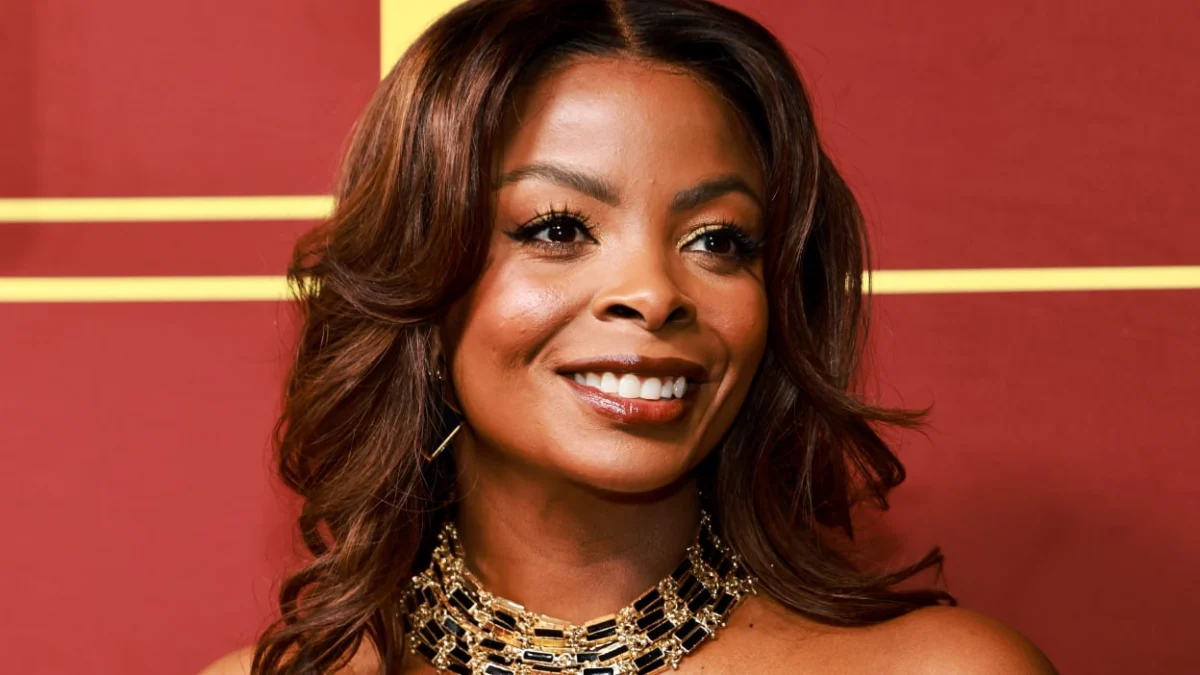
The landscape of interactive entertainment has continually evolved, blurring the lines between traditional Hollywood stardom and the digital immersion of modern video games. Among the most anticipated entertainment releases of the decade, Rockstar Games’ Grand Theft Auto VI has consistently generated monumental cultural buzz, not only for its sprawling open-world design and technical ambition, but for the meticulous detail woven into its fictional universe. Within the sun-drenched, satirical expanse of Vice City, players tuning into the in-game radio networks are treated to an eclectic lineup of real-world musical artists, comedians, and cultural icons. Yet, one of the most surprising and talked-about inclusions in the game’s vast auditory ecosystem is acclaimed comedian and actress Janelle James, widely recognized for her breakout role as Principal Ava Coleman in the hit television series Abbott Elementary.
Rather than following the conventional casting pipeline typical of major AAA video game productions, James’s path to the fictional airwaves of Vice City was forged entirely through her own relentless initiative, creative vision, and lifelong fandom of the franchise.
Main Facts: The Revelation on The Wipe
The confirmation of James’s involvement in Grand Theft Auto VI surfaced as players began exploring the game’s fully realized media ecosystem. Within the fictional universe, players driving through the game’s satirical depiction of modern Florida can tune into various stations, including Cocoteo FM, WKTT, and The Wipe. On The Wipe, players encounter a fictional advice program titled Ask Dr. Nita, hosted by global music superstar Anitta. However, it is the station’s broader programming block that features James as Tish, the sharp-witted host of a segment titled She Got Assets.
The inclusion quickly became a focal point of discussion across social media platforms like X (formerly Twitter) and Instagram, as fans recognized the distinct, commanding comedic cadence of the Emmy-nominated actress. The surprise was mutual among her family, notably her son, who stumbled upon her voice performance organically while playing the game in real-time. Following days of mounting speculation and viral clips shared by enthusiastic players, James took to social media to clarify the nature of her involvement, pushing back against assumptions that she was merely hired as a standard voice-acting contractor.

Chronology and the Hustle Behind the Scenes
The genesis of Janelle James’s role in Grand Theft Auto VI is a testament to the power of direct outreach and persistent self-advocacy. Long before securing a spot in Rockstar Games’ crown jewel, James was a dedicated consumer of the medium. In her public statements addressing the casting, she detailed a history with the franchise that stretches back years, noting that she had been a devoted player since the era of Grand Theft Auto: Vice City, having previously split her gaming loyalties with the Metal Gear series.
Recognizing the cultural weight of the upcoming sequel, James decided not to wait for an audition request to land on her representation’s desk. Instead, she bypassed traditional industry bottlenecks. Utilizing her background in stand-up comedy and writing, she conceptualized an entire radio show concept tailored to the satirical tone of the Grand Theft Auto universe. She formulated the pitch, wrote the scripts independently, and actively pursued Rockstar Games executives until her vision was heard.
"Rockstar didn’t ‘choose’ me, I bullied my way to them," James shared with her followers on Instagram Stories, highlighting the proactive nature of her campaign. "Hi guys. It’s very important to me that everybody knows that not only is that me, I’m not simply ‘voice acting.’ I pursued, conceptualized, pitched, scripted AND voice acted my radio show."
This level of creative autonomy is rare for celebrity guest appearances in high-budget video games, where dialogue is typically written entirely in-house by the developer’s narrative team and delivered under strict directorial oversight. By taking charge of the conceptualization and scripting phases, James ensured that the humor and persona presented on She Got Assets remained authentically hers. Furthermore, James utilized her industry connections to bring fellow comedic talents into the project. Comedian Zainab Johnson was brought on board to voice the character Kendra St. James, while comedian Liza Treyger joined the lineup as Destiny Stallion, creating an organic comedic ensemble within the game’s digital audio landscape.
Supporting Data and Public Reception
The public response to James’s in-game radio segment has been overwhelmingly positive, demonstrating the immense marketing and cultural crossover power inherent in modern video game casting. Within 48 hours of the game’s launch, clips of She Got Assets circulated widely across social media networks, accumulating hundreds of thousands of views and driving organic engagement.

Fans and critics alike praised the seamless integration of James’s comedic timing into the game’s satirical framework. Prominent community accounts and gaming journalists highlighted her segments as standout moments in an already dense auditory experience. Social media commentary reflected the broader appeal of her performance, with users noting that her distinct vocal delivery felt custom-made for the cynical, high-energy environment of Vice City.
The financial and cultural scale of Grand Theft Auto VI ensures that contributions from mainstream figures like James reach an audience numbering in the tens of millions globally. As the title rolls out across platforms such as the PlayStation 5 and Xbox Series X/S, the visibility of in-game media platforms continues to serve as a powerful secondary stage for comedic and musical talent.
Industry Implications and the Evolution of Celebrity Cameos
Janelle James’s unorthodox entry into the world of Grand Theft Auto VI underscores a shifting paradigm in how entertainment mediums intersect. Historically, video game voice acting was treated as a specialized niche, often segregated from mainstream Hollywood and television acting. Over the past decade, however, major developers have increasingly leaned toward high-profile talent to lend authenticity, prestige, and viral marketing potential to their virtual worlds.
Rockstar Games, in particular, has a long-standing history of featuring recognizable actors, musicians, and comedians—ranging from Dennis Hopper and Samuel L. Jackson to Danny Trejo and Ricky Gervais—in its virtual radio stations and supporting roles. However, James’s case represents a notable evolution: the transition of a creator moving from passive consumer and mainstream television star to active, self-directed auteur within a billion-dollar interactive franchise.
By pitching and scripting her own material, James demonstrated a nuanced understanding of interactive media’s unique storytelling requirements. Video game radio stations function not merely as background music, but as satirical mirrors reflecting the socio-political absurdities of the game’s setting. The success of She Got Assets suggests that future game developments may increasingly open doors for creative talent to author their own digital personas, rather than simply reciting pre-written lines.

Broader Impact on Digital Culture
The viral reception of James’s performance highlights the growing interdependence between television, stand-up comedy, and interactive gaming. As traditional television viewership habits fragment and younger audiences increasingly migrate toward interactive digital spaces, platforms like Grand Theft Auto VI function as vital cultural town squares.
For James, whose career trajectory has seen a meteoric rise following her work on Abbott Elementary, the successful venture into gaming expands her cultural footprint into a demographic that values interactive participation over passive viewing. Her ability to translate her sharp, uncompromising comedic voice into a virtual format proves that traditional barriers between entertainment mediums are increasingly porous.
As players continue to log hours exploring the digital streets of Vice City, navigating online multiplayer environments, and tuning into the diverse frequencies of the game’s radio dial, Janelle James’s self-made radio show stands as a defining example of modern creative agency. What began as a personal ambition from a longtime fan of the franchise has transformed into one of the most memorable cultural crossover moments of the gaming generation—cementing the fact that in the modern entertainment landscape, sometimes the most effective career moves are the ones you author yourself.

