
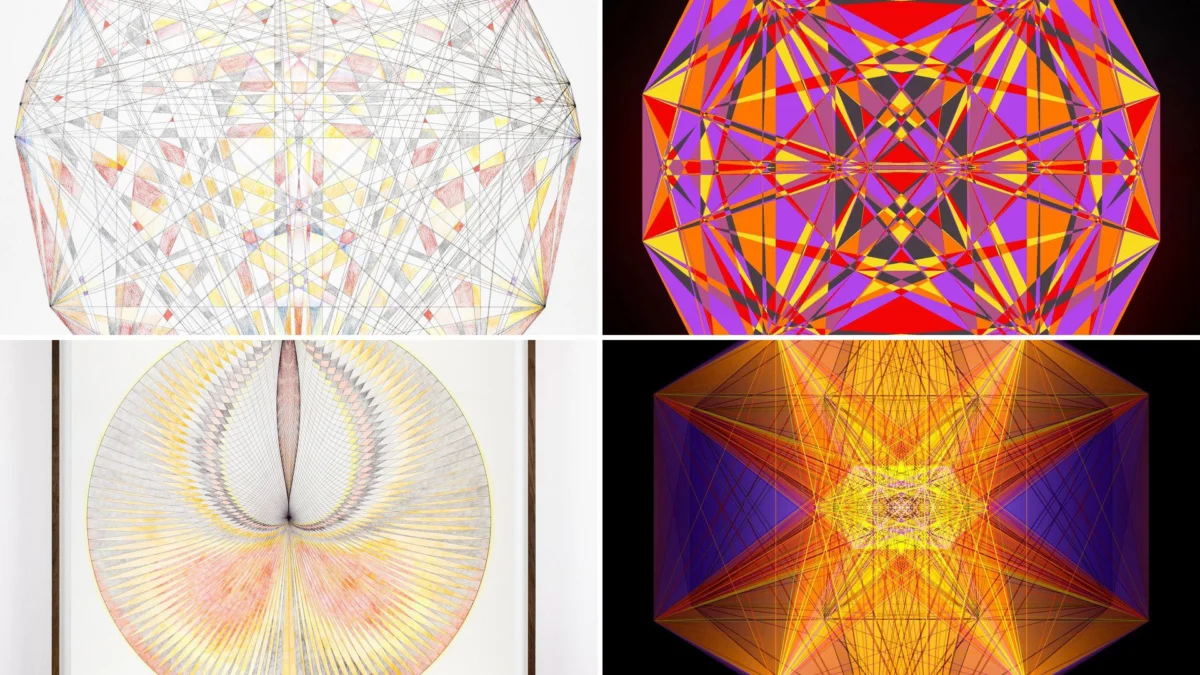
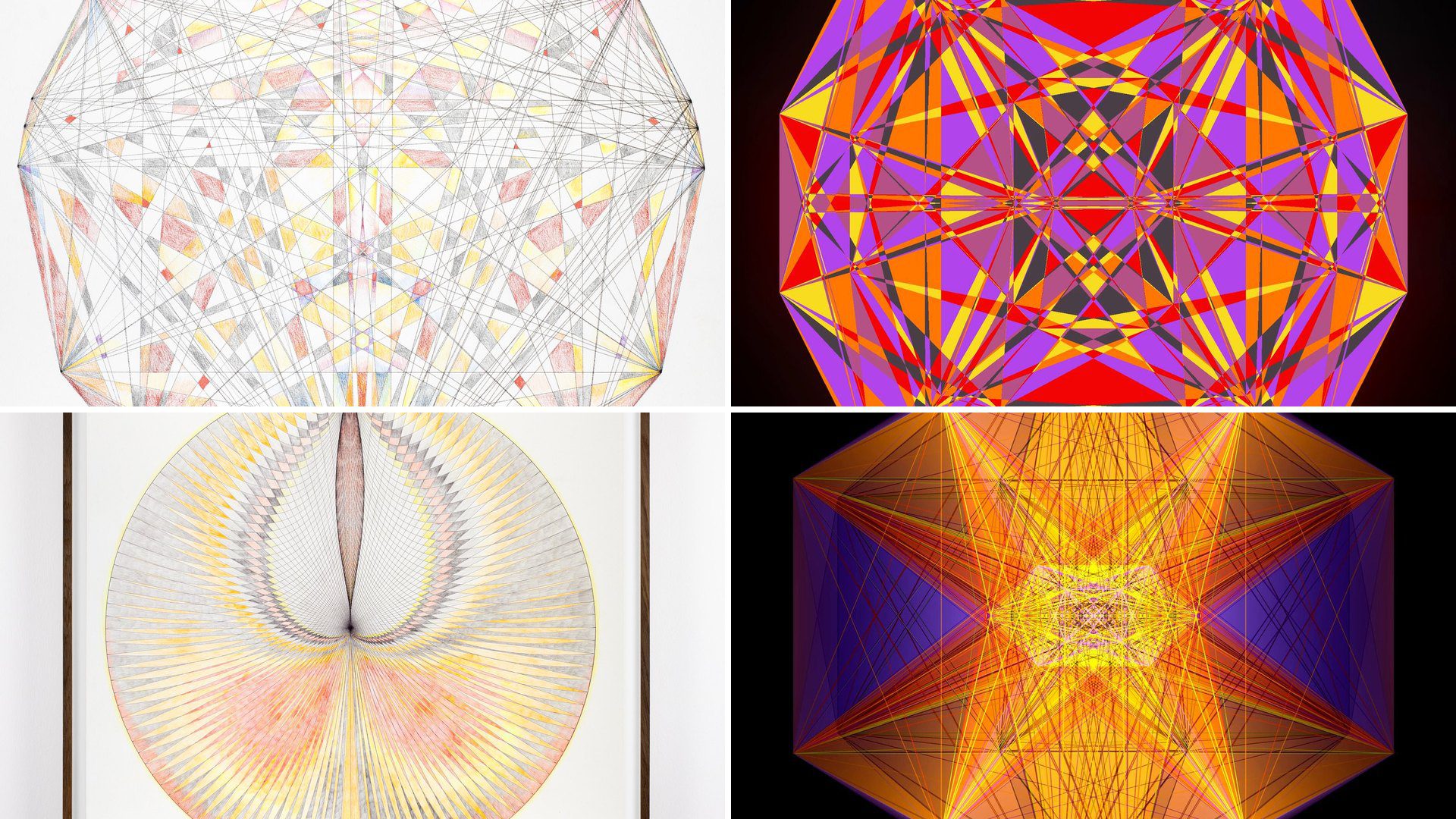
The series, which recently debuted its initial iterations at Paris Photo in November, is currently open for pre-sale inquiries, signaling a significant moment for both digital art collectors and traditional art market stakeholders.
The Convergence of Pendulums and Protocols: An Algorithmic Archeology
The title of the series, Entfaltung, is the German term for “unfolding.” In the context of van den Dorpel’s artistic practice, this term acts as a conceptual bridge, describing the transition of a latent, implicit structure into a fully realized, dynamic manifestation. The project draws its primary inspiration from the work of Emma Kunz (1892–1963), the Swiss visionary and artist who utilized a pendulum to determine the geometric patterns she drew on paper, believing them to be representations of a “higher order” of reality.
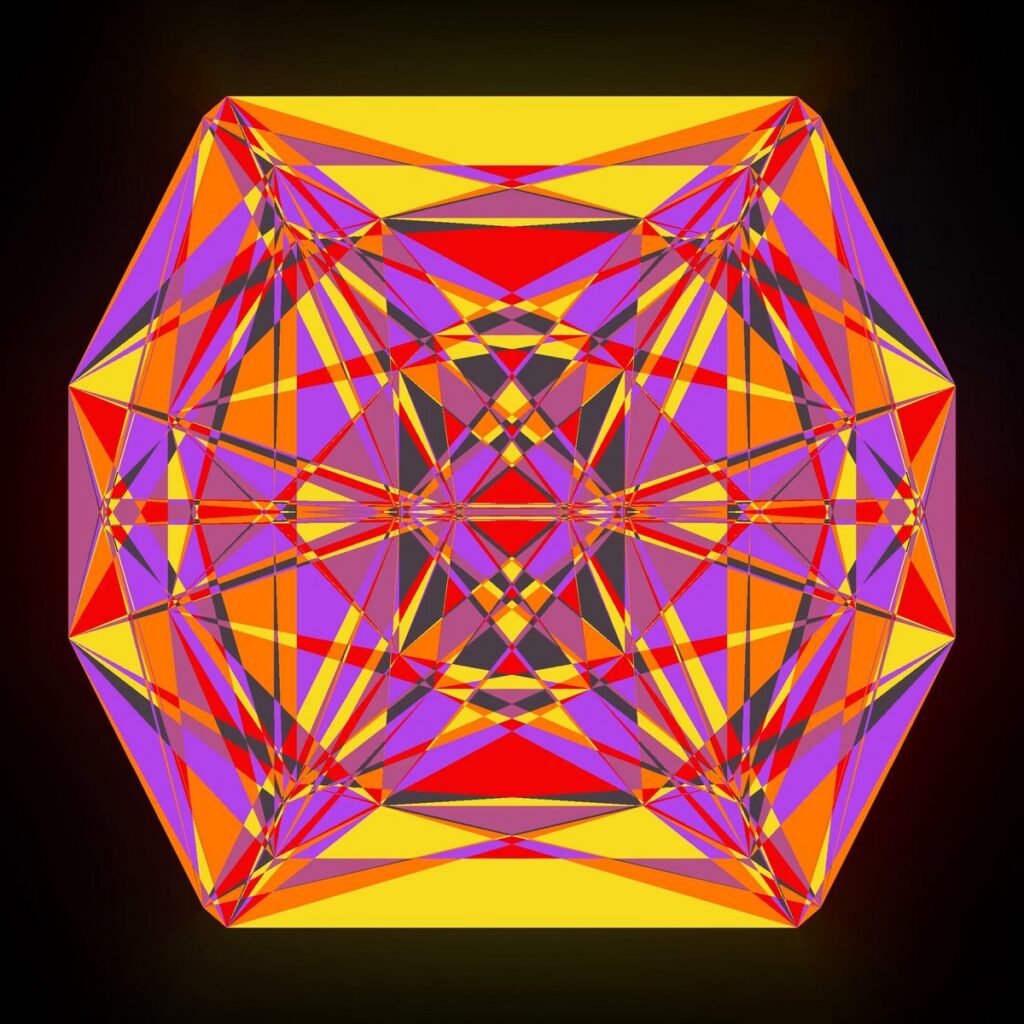
Van den Dorpel describes his methodology as “algorithmic archeology.” This process involves a rigorous, months-long structural analysis of Kunz’s existing drawings, her written records, and eyewitness testimonies of her process. By transposing the logic of these static, manually produced geometric compositions into contemporary code, van den Dorpel aims to extract the underlying mathematical rules that governed her work. Once these rules are formalized in code, he introduces a layer of modern complexity, projecting these two-dimensional structures into three-dimensional digital space and incorporating the dimension of time.
This approach reflects a broader trend in generative art that seeks to establish a lineage between pioneering female modernists—such as Anni Albers, Vera Molnár, and Emma Kunz—and the current generation of software-based artists. By framing his work as a continuation of this trajectory, van den Dorpel positions the computer not merely as a tool for automation, but as a medium for exploration and creative dialogue with historical precedents.
Technical Architecture: The Blockchain as a Creative Engine
One of the most notable aspects of Entfaltung is its departure from the standard "looped" digital file. The screen-based works are not pre-recorded animations; rather, they are live-rendered entities. The core algorithm is stored permanently on the Ethereum blockchain. When a collector accesses the work, their browser executes the code in real-time, pulling data from the most recent blocks on the chain to influence the movement, rotation, and transformation of the geometric forms.
This mechanism ensures that each viewing experience is unique and intrinsically linked to the activity of the network. The blockchain functions as a source of entropy, providing the "inputs" that the program uses to decide how the figure turns, collapses, and rebuilds itself. This creates a state of perpetual emergence, where the artwork remains in a constant state of flux.
For the contemporary collector, this technical choice is significant. It moves the value proposition of the artwork away from the static, immutable file format and toward a "living" system. This evolution mirrors the recent shift in the digital art market toward on-chain generative art, where the code itself is the primary object of ownership, and the visual output is a consequence of that code’s execution.
The Materiality of the Hand-Finished Plotter Drawing
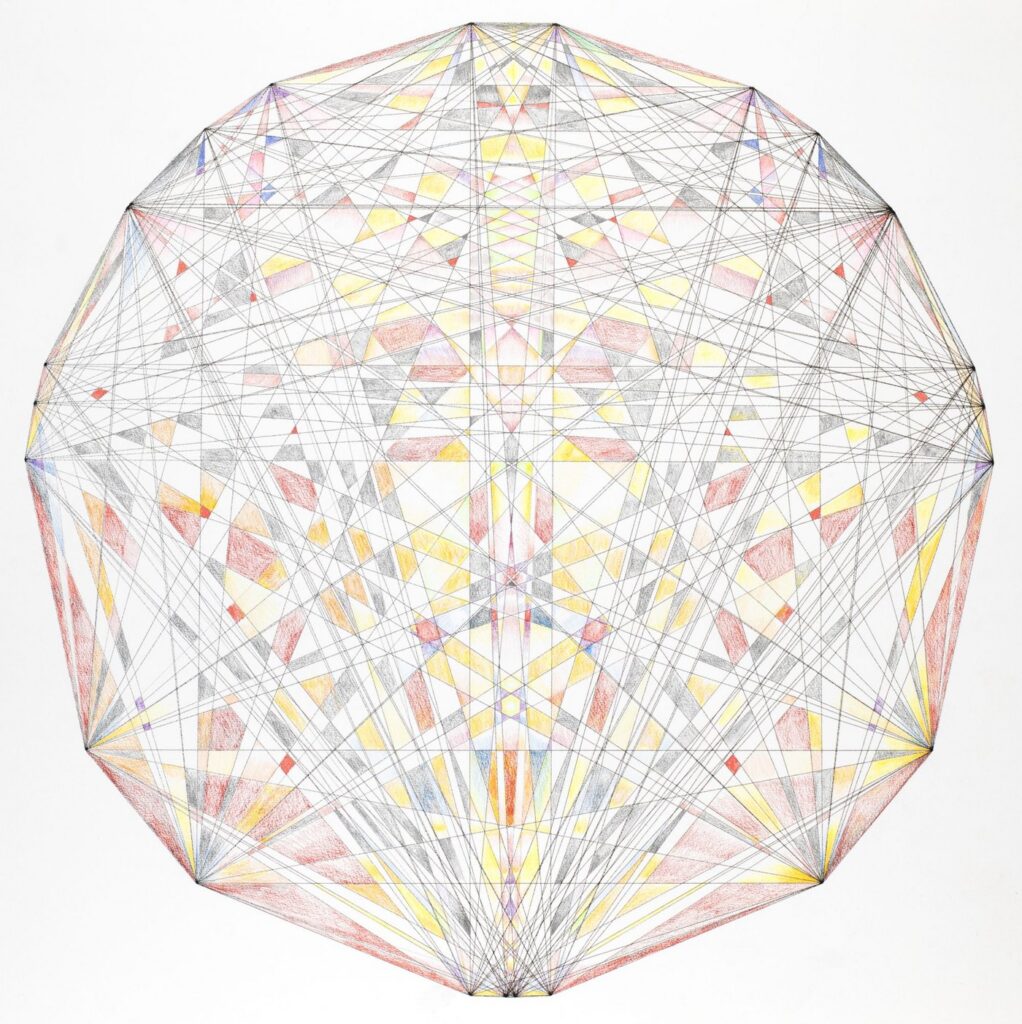
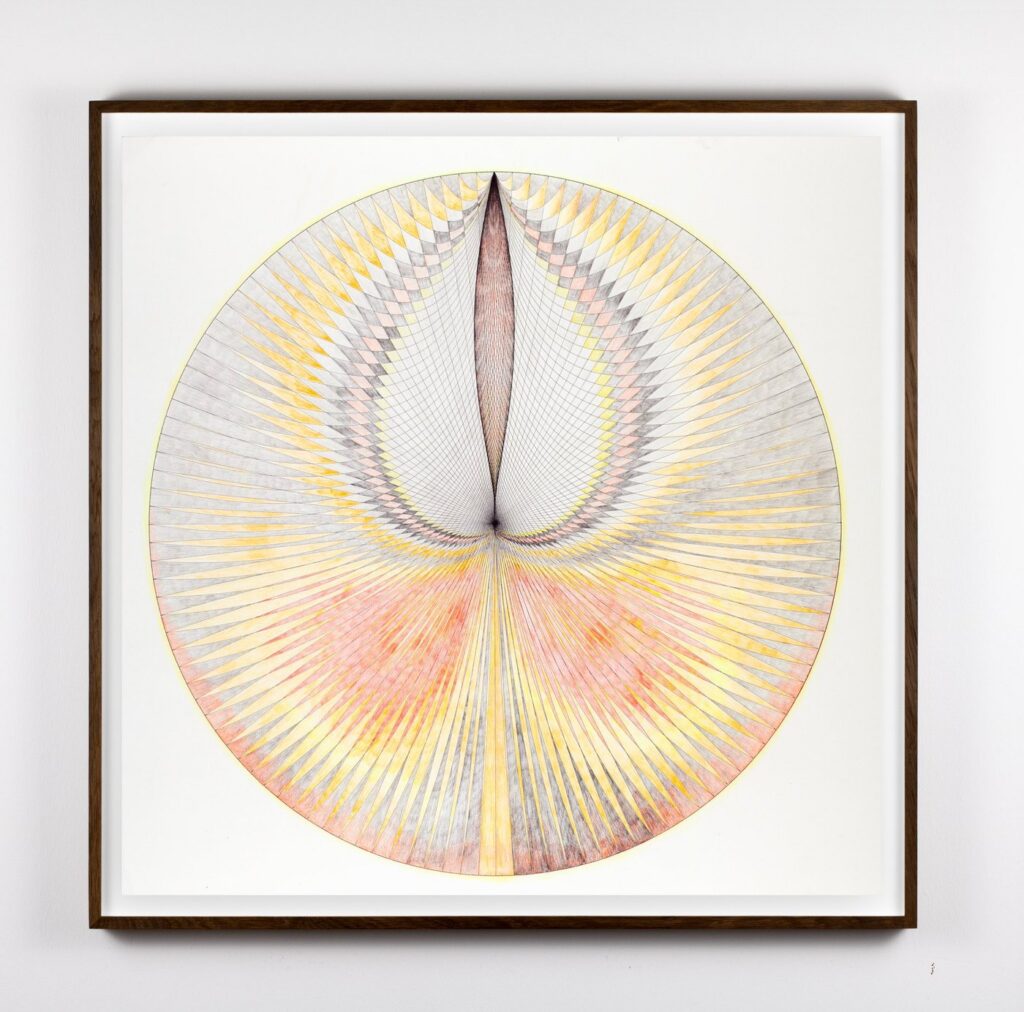
While the digital screen works occupy the temporal realm, the 12 unique plotter drawings ground the Entfaltung series in physical space. These works are produced using a pen plotter—a device that mimics human drafting motions—to execute the base lines of the compositions. Following this mechanical process, van den Dorpel applies manual finishes using pencil and neon colored pencil, filling the geometric slivers and adding layers of depth that the plotter alone cannot achieve.
The synergy between the screen and paper works is intentional. According to statements from the exhibiting galleries, the two mediums evolved in parallel, with each informing the technical and aesthetic decisions of the other. These physical works, such as Meridian I and Commissure, serve as tangible artifacts of the digital process, offering collectors a bridge between the ephemeral nature of code and the traditional appreciation for craftsmanship, texture, and materiality on watercolor paper.
Institutional Context and Historical Precedence
Harm van den Dorpel is not a recent entrant to the digital art space. His career, which has spanned over a decade of experimentation with the intersections of blockchain, networking, and aesthetics, has established him as a key figure in the institutionalization of digital art. His work has been acquired by major global institutions, including the Stedelijk Museum Amsterdam, the Victoria and Albert Museum (V&A) in London, and the ZKM (Center for Art and Media) in Karlsruhe.
His participation in the V&A’s exhibition Degrees of Disruption: Vera Molnár and Generative Art serves as a testament to his recognized role in the history of the genre. Furthermore, his previous ventures, such as the founding of the online platform left gallery and his collaborations with legacy brands like Mercedes-Benz NXT and Fingerprints DAO, demonstrate a consistent focus on the challenges and opportunities of digital ownership and the curation of generative systems.
The Role of Art Basel Zero 10: Generation
The selection of Entfaltung for the "Zero 10: Generation" sector at Art Basel Miami Beach 2026 is indicative of the fair’s evolving strategy regarding digital assets. Curated by Karen Archey and Eli Scheinman, this section is designed to integrate digital art into the broader, often traditional, context of the international art fair circuit.
By providing a dedicated space for 19 projects, including van den Dorpel’s, the fair acknowledges that the distinction between "traditional" and "digital" art is increasingly porous. For collectors attending the Miami Beach event, the Entfaltung series offers a compelling entry point into the mechanics of generative art. It provides a case study in how historical inspiration can be mediated through modern technology to create something entirely new, yet deeply connected to the canon of 20th-century geometric abstraction.
Market Outlook and Collector Considerations
As the fair approaches, interest in the Entfaltung series has begun to build. While specific pricing details remain confidential, the combination of a limited supply (36 screen works and 12 physical drawings) and the artist’s established institutional track record suggests a high level of demand.
Prospective collectors are advised to engage directly with Interface Gallery or Lohaus Gallery via the official project website, harm.work. Given the technical requirements of the screen-based works, it is recommended that collectors inquire about specific display protocols, the necessary hardware for optimal rendering, and the long-term maintenance of the blockchain-stored code.
Broader Implications for the Digital Art Ecosystem
The success or failure of projects like Entfaltung at major venues like Art Basel will likely have broader implications for the digital art market. The ability to successfully pair live, on-chain digital work with physical, hand-finished accompaniments represents a sophisticated solution to the "tangibility problem" that has historically challenged the widespread adoption of digital art among traditional collectors.
By rooting the work in the legacy of Emma Kunz, van den Dorpel provides a narrative of continuity that validates the digital medium as a legitimate successor to traditional art movements. As the "Zero 10" sector continues to mature, it is expected that more artists will adopt similar strategies of "algorithmic archeology," looking backward to inform the future of computational creativity.
In summary, Entfaltung is more than a series of images; it is a complex, time-based, and multi-modal project that challenges the boundaries of how art is created, stored, and experienced. Whether viewed through the lens of art history, blockchain technology, or contemporary craftsmanship, the project stands as a definitive marker of the state of digital art in 2026. As the Miami Beach fair opens its doors, the performance and reception of these works will provide a key indicator of the health and direction of the high-end digital art market for the coming year.

